How Do Rising Storage Prices Affect Stocks? The Transmission Paths of DRAM, NAND, and HDD





Rising storage prices usually first improve storage suppliers’ average selling prices and gross margins, then flow through to EPS expectations, cash flow, and valuation. However, the stock-price sensitivity differs across categories. DRAM depends more on HBM, server DRAM, and supply pressure in traditional DRAM. NAND depends more on enterprise SSDs and QLC SSDs. HDDs depend more on nearline drives, cloud data centers, and AI data lakes. If you follow Micron, SK hynix, Samsung, SanDisk, Western Digital, or Seagate, you should not only track price-hike headlines, but also inventories, customer agreements, capacity, and valuation.
Key Takeaways
- Rising storage prices affect stock prices through ASP, gross margin, and EPS.
- DRAM price increases often bring strong earnings leverage, but cycle volatility is also higher.
- NAND price increases should be analyzed through enterprise SSDs, not only consumer SSDs.
- HDD price increases depend more on nearline drive orders and data center demand.
- Downstream hardware companies may face cost pressure and shipment adjustments.
- Stock analysis should not only track price hikes, but also inventory and valuation.
How Do Rising Storage Prices Flow Through to Stocks?
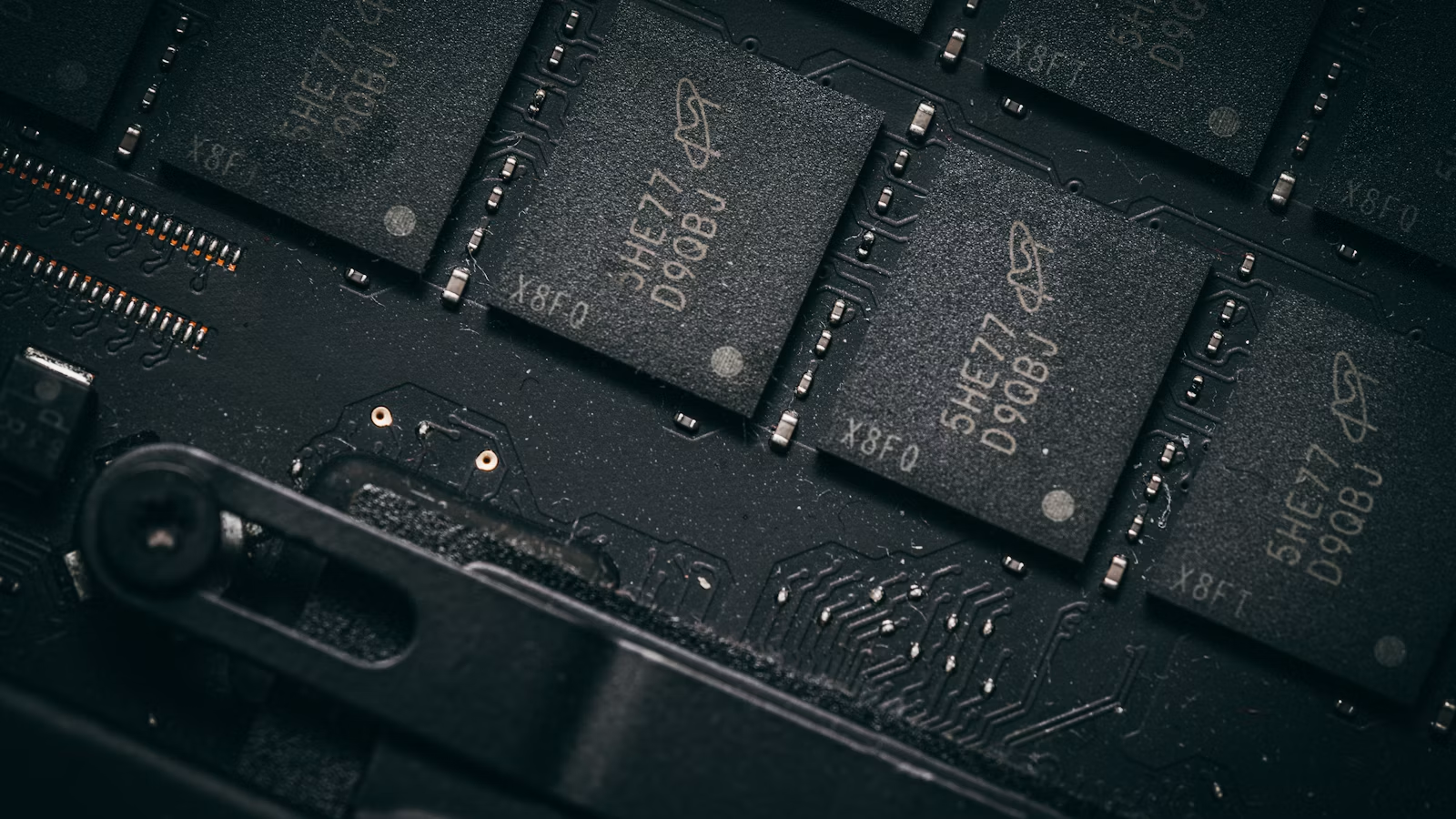
The core transmission path from rising storage prices to stocks is straightforward: contract or spot prices rise, suppliers’ average selling prices improve, and if unit costs do not rise at the same pace, gross margins expand. Higher gross margins then lift EPS, free cash flow, and valuation. Storage stocks often trade ahead of pricing expectations, while financial confirmation usually lags by one or more quarters.
Storage pricing can be divided into spot pricing and contract pricing. Spot prices are more sensitive to short-term sentiment, while contract prices better reflect large-customer procurement and future reported revenue. For listed companies, what truly affects earnings is usually not a one-day jump in spot prices, but whether quarterly contract prices, customer long-term agreements, product mix, and shipped capacity can keep improving.
This round of storage price increases is different from previous cycles driven mainly by PC or smartphone restocking. In its assessment of AI server demand in March 2026, TrendForce expected conventional DRAM contract prices to rise 58%–63% quarter over quarter in the second quarter of 2026, and NAND Flash contract prices to rise 70%–75%, while noting that DRAM suppliers continued shifting capacity toward server-related applications. Reuters also reported that TrendForce had expected chip prices to surge sharply in the first quarter of 2026, mainly because AI and data center demand intensified the global memory supply-demand imbalance.
Why do stocks often rise before earnings? Because the market prices future earnings expectations, not only reported profits. If investors believe storage prices will continue rising, stock prices may react before companies formally report gross margin improvement. Conversely, if price increases have already been fully reflected in valuation, even strong earnings may trigger a “sell the news” reaction.
Rising storage prices are not a one-way positive for the entire supply chain. Upstream storage suppliers benefit, while downstream hardware companies may come under pressure. Reuters reported that Apple faces profitability pressure as memory chip prices rise, and also noted that Samsung and SK hynix warned PC and smartphone customers would be affected by tight memory supply.
| Transmission Link | Impact on Storage Suppliers | Impact on Downstream Hardware Companies | Indicators to Watch |
|---|---|---|---|
| Contract price increases | ASP improves | BOM costs rise | DRAM/NAND contract prices |
| Spot price increases | Short-term sentiment strengthens | Procurement pressure rises | Spot-contract price gap |
| Gross margin expansion | EPS is revised upward | Margins are squeezed | Reported gross margin |
| Customer lock-in | Revenue visibility improves | Bargaining power declines | Long-term agreements and prepayments |
| Inventory changes | Cycle risk becomes visible | Restocking or order cuts change | Customer and channel inventory |
Summary: The key question is not whether storage prices are rising, but whether price increases can turn into sustained ASP improvement, gross margin expansion, stronger cash flow, and upward earnings revisions. Suppliers usually benefit first because higher prices quickly improve revenue quality. Downstream hardware companies may face pressure from higher costs. Since stock prices reflect expectations in advance, analysis should combine contract prices, spot prices, customer long-term agreements, product mix, inventory levels, and valuation. Price increases tend to be more beneficial in the early stage of a cycle. In later stages, capacity expansion, customer stockpiling, and stretched valuation can all increase volatility.
How Do DRAM Price Increases Affect Micron, SK hynix, and Samsung?
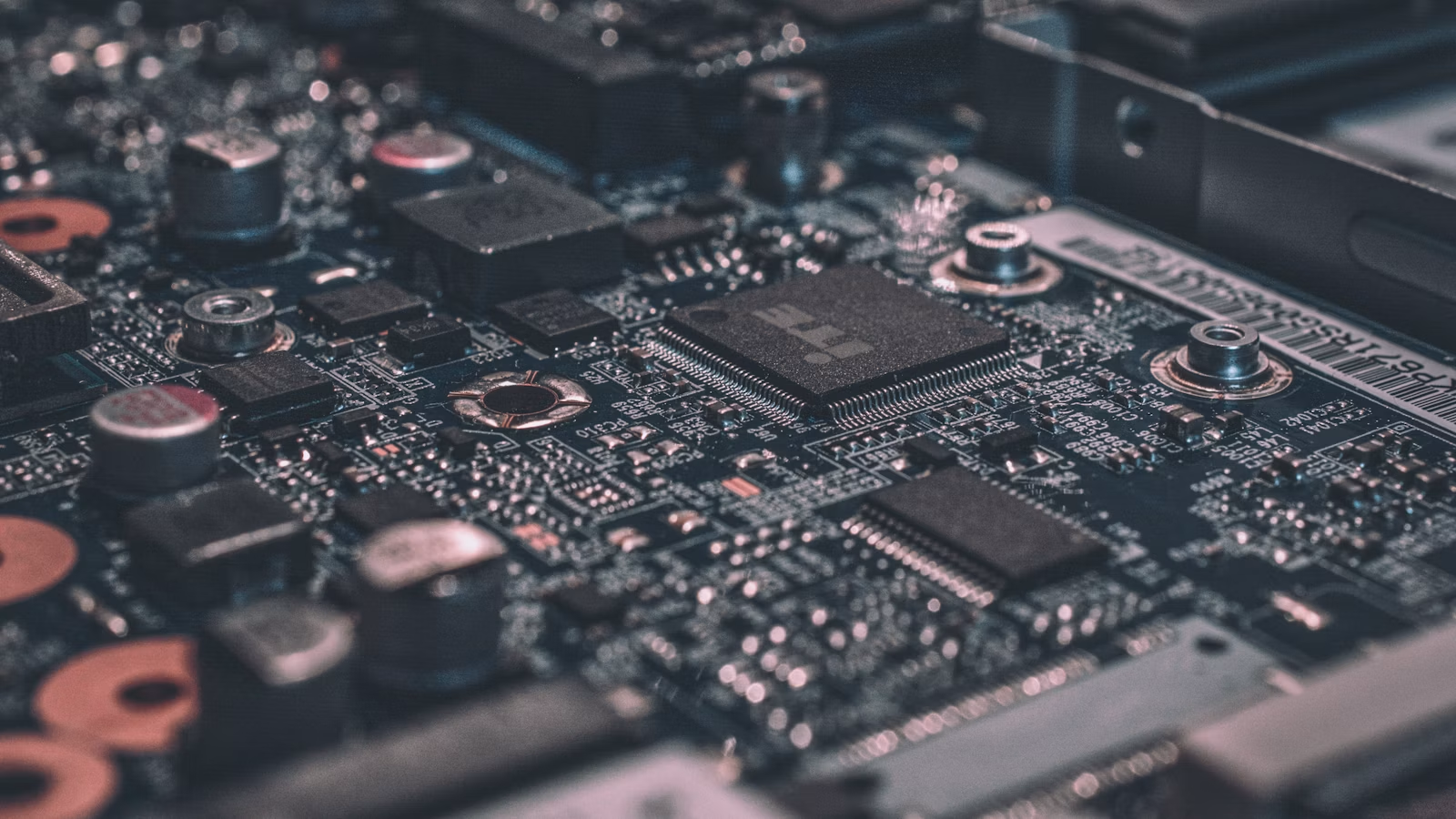
DRAM price increases have the most direct impact on Micron, SK hynix, and Samsung because DRAM is a cyclical product category with high fixed costs and high operating leverage. When prices rise, revenue improves faster than costs, and gross margin and EPS often show strong elasticity. The core driver of this DRAM upcycle is not simply PC memory, but HBM, server DRAM, high-capacity RDIMM, and AI data center procurement.
HBM is the central variable in this DRAM cycle. AI GPUs require higher bandwidth and larger memory capacity, so suppliers allocate more advanced capacity, packaging resources, and capital expenditure to HBM. This also squeezes supply in traditional DRAM, potentially leading to catch-up price increases in PC DRAM, mobile DRAM, graphics DRAM, and other categories. In its report on Samsung and SK hynix supply warnings, Reuters noted that the AI infrastructure race pushed chipmakers to shift capacity toward HBM used in AI servers, tightening traditional DRAM supply.
For Micron, price increases and AI demand are reflected directly in financial results. In fiscal Q3 2026, Micron reported quarterly revenue of $41.46 billion, far above $9.30 billion in the same period a year earlier, and emphasized that the AI era highlights the strategic value of memory and storage. The data show that when pricing, shipments, product mix, and customer demand all move in the right direction, DRAM suppliers can generate very strong earnings leverage.
DRAM stock sensitivity mainly comes from three levels:
- Pricing leverage: contract price increases lift ASP and gross margin;
- Mix leverage: higher HBM and server DRAM share improves earnings quality;
- Expectation leverage: the market prices future earnings upgrades several quarters ahead.
The risks are also clear. Once DRAM supply expands or customer inventories rise too high, pricing trends can reverse. Samsung, SK hynix, and Micron may all increase capital expenditure, and high margins will attract supply back into the market. If AI server demand falls short of expectations or cloud capex slows, the market may reassess peak earnings.
| Company Type | Representative Companies | Benefit | Risk |
|---|---|---|---|
| Leading HBM suppliers | SK hynix, Micron, Samsung | High ASP, customer lock-in, tight supply | Customer concentration, capacity expansion |
| Traditional DRAM suppliers | Samsung, Micron, etc. | Tight supply drives catch-up pricing | Weak end demand |
| Downstream customers | PC, smartphone, server OEMs | AI servers may partly offset pressure | BOM costs rise |
| Equipment and materials companies | Packaging, testing, materials companies | Expansion expectations improve | Orders lag the price cycle |
Summary: DRAM price increases have the strongest transmission effect on stocks because DRAM suppliers have high operating leverage during price-up cycles. HBM and server DRAM improve revenue quality, while traditional DRAM can also rise as capacity is squeezed. Micron, SK hynix, and Samsung can all benefit from improved pricing and product mix. However, DRAM remains a cyclical industry, and stock prices often price in earnings upgrades ahead of time. Investors need to separate structural AI demand from cyclical price recovery, and focus on HBM long-term agreements, server DRAM demand, capital expenditure, inventory levels, and whether valuation already reflects peak profits.
How Do NAND Price Increases Affect Enterprise SSD and Consumer Electronics Stocks?
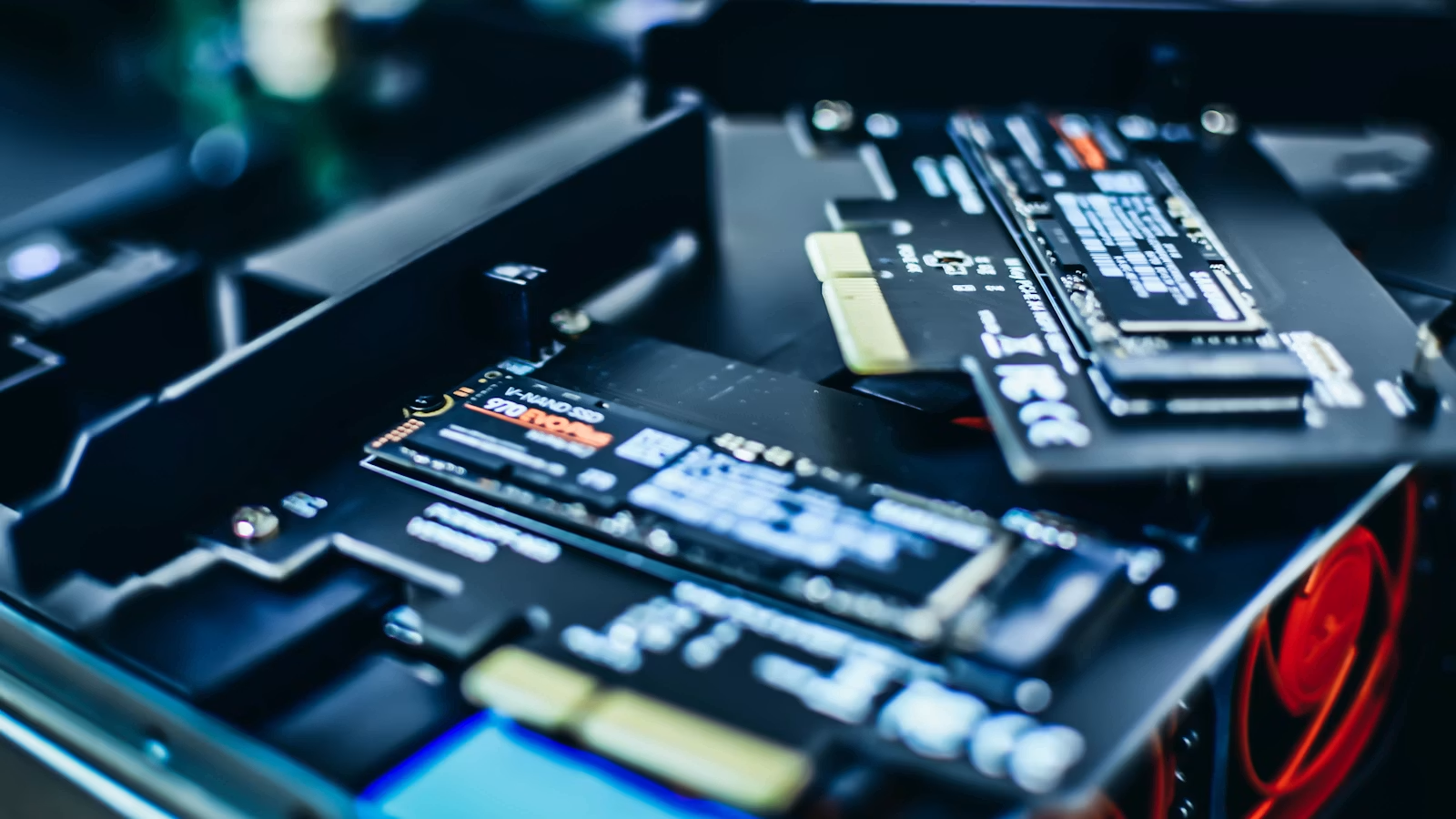
The impact of NAND price increases on stocks is more divided. The enterprise SSD supply chain usually benefits more directly because AI data centers, RAG, checkpointing, vector databases, and hot data storage require large volumes of high-performance SSDs. Consumer SSDs, smartphone UFS, and storage cards may also rise in price, but downstream customers have weaker cost tolerance, and excessive price increases may suppress demand.
NAND differs from DRAM. DRAM is closer to computation and memory bandwidth, while NAND is closer to data storage, read/write operations, and capacity cost. As AI data centers expand, enterprise SSD demand rises significantly, especially for NVMe SSDs, QLC SSDs, and large-capacity products for cloud customers. In its view on enterprise SSD revenue, TrendForce noted that rapid adoption of AI Agent services and strong CSP procurement pushed enterprise SSD revenue up 86.1% quarter over quarter in the first quarter of 2026, exceeding $18.46 billion.
The impact of NAND price increases on SanDisk, Micron, SK hynix, and Samsung depends on product mix. If enterprise SSDs account for a high share, price increases are more likely to translate into ASP and gross margin improvement. If consumer NAND accounts for a higher share, the key question is whether PC, smartphone, and gaming device customers can absorb higher costs. In its view on NAND capacity, TrendForce noted that more NAND capacity is being allocated to enterprise SSDs, while consumer applications are shrinking under cost pressure. This shows that supply is shifting toward AI and data centers.
QLC SSD is another layer that cannot be ignored when analyzing NAND stocks. QLC offers lower cost per unit of capacity and is suitable for warm data, checkpointing, object storage, and some nearline data layers. If AI data centers need a more granular storage hierarchy between SSDs and HDDs, QLC SSDs can become an important carrier of capacity-oriented NAND demand. However, QLC write endurance and performance limitations still need to be evaluated, and it cannot simply replace all TLC enterprise SSDs.
To judge whether NAND price increases truly benefit stocks, investors can track six indicators:
- Whether enterprise SSD revenue share is rising;
- Whether contract price increases can cover cost increases;
- Whether cloud customers are willing to sign long-term procurement agreements;
- Whether QLC SSD shipments are scaling;
- Whether consumer demand is being suppressed by prices;
- Whether the inventory cycle has entered the late restocking stage.
| NAND Application | Price Transmission | Stock Impact |
|---|---|---|
| Enterprise SSD | ASP, gross margin, and order visibility improve | More direct benefit to suppliers |
| QLC SSD | Capacity-oriented demand rises | Benefits vendors with scale advantages |
| Consumer SSD | Prices rise, but demand is more elastic | Depends on end-market tolerance |
| Smartphone NAND/UFS | Costs enter device BOM | May compress smartphone makers’ margins |
| Storage cards / low-end products | Price-sensitive | Price increase sustainability is weaker |
Summary: NAND price increases do not benefit all stocks equally. Enterprise SSD is the most important transmission layer because AI data centers care more about performance, capacity, supply security, and order stability. Consumer NAND is more likely to hit a price ceiling. Whether NAND suppliers benefit depends on enterprise SSD exposure, QLC product capability, customer mix, inventory position, and how long the price increase lasts. Downstream PC, smartphone, and consumer hardware companies may face margin pressure if they cannot pass higher costs to end users. When analyzing NAND stocks, enterprise SSD, client SSD, mobile NAND, QLC, and the inventory cycle should be separated.
How Do HDD Price Increases Affect Western Digital and Seagate?
HDD price increases affect Western Digital and Seagate more through a “capacity cycle” and cloud data center orders. HDDs are not designed for the highest bandwidth. Their role is to provide low-cost capacity for AI data lakes, backups, archives, multimodal materials, and warm/cold data. As long as AI data centers continue generating massive amounts of data, nearline HDD capacity demand and ASP will remain key transmission points for stocks.
HDD analysis should not focus only on the number of drives shipped. Data center customers buy capacity, reliability, power efficiency, rack density, and long-term TCO. The value of high-capacity nearline HDDs is that they can store more exabytes with fewer drive slots. AI data lakes, video data, audio data, logs, and model training materials all require low-cost, high-capacity storage and cannot all be placed on high-performance SSDs.
Western Digital’s results already show the strength of the capacity cycle. In Q3FY26, Western Digital reported revenue of $3.34 billion, up 45% year over year, with GAAP gross margin of 50.2% and non-GAAP gross margin of 50.5%. It also expected next-quarter revenue to grow 36%–44% year over year. This gross margin level shows that when high-capacity HDD supply is tight and product mix improves, HDD companies can also generate significant earnings leverage.
Seagate’s performance confirms the same logic. In fiscal Q3 2026, Seagate reported revenue of $3.11 billion, GAAP gross margin of 46.5%, non-GAAP gross margin of 47.0%, and free cash flow of $953 million. Management noted that AI applications are expanding data creation and supporting sustained storage demand, which is consistent with the demand logic for nearline HDDs.
Key indicators for HDD stocks include:
| Indicator | Explanation | Stock Implication |
|---|---|---|
| Nearline HDD demand | Procurement from cloud vendors and AI data centers | Improves revenue visibility |
| Capacity per drive | 24TB, 30TB, HAMR, UltraSMR | Improves ASP and product mix |
| Exabyte shipments | True shipment metric by capacity | More important than drive units |
| Gross margin | Reflects pricing power and cost efficiency | Determines EPS sensitivity |
| Long-term orders | Cloud customers lock in supply | Reduces short-term volatility |
| Inventory level | Whether customers are stockpiling early | Affects future cycle risk |
The risk for HDDs is that QLC SSDs and high-density SSDs may replace some warm data scenarios. If SSD prices decline or power advantages become stronger, some nearline workloads may migrate. However, in hyperscale data lake and archive scenarios, the $/TB advantage of HDDs remains difficult to fully replace.
Summary: HDD price increases affect Western Digital and Seagate mainly through nearline HDD ASP, exabyte shipments, capacity-per-drive upgrades, and gross margin. Compared with DRAM, the HDD cycle may move more slowly, but during periods of AI data center expansion, long qualification cycles for high-capacity drives, and rising long-term customer lock-ins, earnings improvement can be very significant. When analyzing HDD stocks, do not only look at drive units. Focus on capacity shipments, nearline share, HAMR/UltraSMR roadmaps, cloud customer orders, inventory, and whether gross margin can remain strong.
Which Companies Benefit, and Which Companies Come Under Pressure?
Rising storage prices are not a universal positive for the entire technology sector. They represent a redistribution of profit across the supply chain. Companies closer to scarce resources are more likely to gain pricing power. Companies closer to end consumer hardware are more likely to face cost pressure. Storage suppliers, enterprise SSD vendors, nearline HDD companies, controllers, equipment, and materials companies may benefit, while PC, smartphone, and low-margin hardware companies may come under pressure.
Upstream storage suppliers are the most direct beneficiaries. DRAM/HBM suppliers benefit from AI servers and tight HBM supply. NAND/enterprise SSD suppliers benefit from CSP procurement, AI Agents, RAG, and data center hot data. HDD makers benefit from nearline capacity demand and high-capacity product upgrades. Some controller, testing, packaging, substrate, and materials companies may also benefit indirectly, because sustained storage price increases can drive capacity expansion and product upgrades.
The situation is more complex for downstream hardware companies. AI server OEMs may benefit from system demand, but ordinary PCs, smartphones, game consoles, consumer electronics, and low-margin server OEMs may face higher BOM costs. If brands cannot raise prices, gross margins will be squeezed. If they raise prices too much, end demand may decline. When reporting on rising memory chip prices, Reuters noted that PC and smartphone customers were facing difficulty securing memory supply, which is exactly how cost pressure flows downstream.
Semiconductor equipment and materials companies are indirect beneficiaries. HBM expansion requires advanced packaging, testing, TSV, substrates, and materials. DRAM/NAND expansion requires wafer equipment. HDD capacity upgrades involve platters, heads, HAMR-related technologies, and more. However, the transmission to equipment stocks is slower, because orders depend on capital expenditure budgets and do not react as immediately as storage product prices.
| Supply Chain Position | Likely Impact | Typical Logic |
|---|---|---|
| HBM/DRAM | Benefit | AI server demand and capacity squeeze |
| Enterprise SSD/NAND | Benefit | CSP procurement and AI data demand |
| HDD | Benefit | Tight nearline capacity supply |
| PC/smartphone | Pressure | Rising costs and weak demand elasticity |
| Server OEMs | Mixed | AI servers benefit, ordinary servers face pressure |
| Equipment/materials | Indirect benefit | Expansion cycles and capex drive demand |
Investors also need to judge whether a company has pricing power. If an upstream company has scarce capacity and long-term customers, it can convert price increases into gross margin. If a downstream company has a high-end brand, strong ecosystem, and pricing power, it may pass on some of the cost. Hardware companies without pricing power are often the first to be hurt during price-up cycles.
Summary: Rising storage prices redistribute profit across the supply chain. DRAM, NAND, enterprise SSD, and HDD suppliers are more likely to benefit because they control scarce resources and have better order visibility. PC, smartphone, game console, and low-margin hardware companies are more likely to come under pressure because higher costs may not be smoothly passed on. Equipment and materials companies may benefit indirectly, but their transmission pace is slower. To judge whether a company is a winner or loser, do not simply classify it as a “tech stock.” Look at its position in the storage pricing chain, customer mix, bargaining power, inventory, and product mix.
How Can You Tell Whether Rising Storage Prices Are an Opportunity or a Risk?
To judge whether rising storage prices are an opportunity or a risk, the key is to identify where the cycle stands. In the early stage, inventories are usually low, prices have just rebounded, and earnings expectations start to be revised upward. In the middle stage, contract prices keep rising, financial results confirm the improvement, and valuation expands. In the late stage, capacity expansion, customer stockpiling, end-market pressure, and stretched valuation may appear. Prices can still be rising while stock risk is already high.
The storage cycle usually has four stages:
| Cycle Stage | Price Behavior | Stock Behavior | Main Risk |
|---|---|---|---|
| Early stage | Prices just rebound | Stock prices recover | Whether demand is real |
| Middle stage | Contract prices rise continuously | Earnings are revised upward | Expectations heat up too quickly |
| Late stage | Price increases remain strong but momentum slows | Valuation may be high | Capacity expansion and inventory |
| Reversal stage | Prices loosen | Stock prices pull back | Orders and margins decline |
Long-term agreements improve visibility, but they do not eliminate cycles. Reuters reported that in long-term AI-driven memory chip supply deals, Micron, Samsung, and SK hynix are using multi-year take-or-pay contracts to reduce the industry’s historical boom-bust volatility, and Micron’s related customer commitments reached $22 billion. Long-term agreements can improve revenue visibility, but if AI demand slows or customers face financial pressure, agreements may still be renegotiated.
When stock prices have risen significantly, valuation and earnings assumptions need to be reviewed again. The danger point for storage stocks often appears when “fundamentals are still strong, but expectations are already too full.” You need to assess whether the current market value already implies peak-cycle profits, how much gross margin upside remains, whether capital expenditure is accelerating, whether customer inventories are elevated, and whether AI capex shows signs of slowing. If these indicators worsen, stocks may correct even while prices remain high.
If you follow U.S.-listed opportunities related to rising storage prices, you should study company earnings, pricing cycles, and valuation, while also paying attention to real trading costs. U.S. stock trading costs usually include more than commissions. They may also include platform fees, external agency fees, trading activity fees, and other charges. Biya U.S. stock trading fees state that U.S. stock trading commission is $0, while platform fees, external agency fees, and other charges are subject to the fee center and order page. Availability of relevant services depends on the user’s location, identity verification results, platform rules, and applicable laws and regulations. Public market information, trading rules, and fee structures do not constitute investment advice.
To assess risk-reward, ask eight questions:
- Are contract price increases still accelerating?
- Is gross margin still expanding?
- Are inventories still low?
- Do customer lock-ins cover 1–3 years?
- Is capital expenditure starting to expand rapidly?
- Are downstream customers beginning to cut orders?
- Does the stock price already reflect peak-cycle profits?
- Does the company have a favorable product mix?
Summary: Rising storage prices can create opportunities, but they can also create high-level risk. Opportunities usually appear when the price trend is just confirmed, inventories are low, and earnings upgrades have just begun. Risks usually appear when price increases are already fully priced in, downstream customers are under pressure, capacity expansion begins, and valuation becomes stretched. Long-term agreements, AI data center demand, and tight supply in HBM, enterprise SSDs, and nearline HDDs may improve cycle quality, but they cannot completely remove cyclicality from the storage industry. When analyzing storage stocks, price trends, earnings leverage, valuation position, and cycle stage should be assessed together.
If you follow how DRAM, NAND, and HDD price increases affect stocks, you can put storage contract prices, company earnings, cloud capex, AI server orders, downstream cost pressure, and trading fees into the same tracking framework. You can use U.S. stock information search to track market data and basic information for companies such as Micron, Western Digital, and Seagate, and use Biya to record multi-asset trades, FX costs, and billing details. If you also follow U.S. stocks, Hong Kong stocks, and digital assets, Biya can serve as one option for cross-market trading and asset tracking. Before use, you should review service availability in your region, identity verification requirements, platform rules, and order fees. Storage stocks can be highly volatile, and any trading decision should be based on independent judgment and personal risk tolerance.
FAQ
Do DRAM Price Increases Always Benefit Micron Stock?
DRAM price increases do not always benefit Micron stock. Price increases usually improve Micron’s ASP and gross margin, but the stock price also depends on HBM supply, customer agreements, inventory levels, capital expenditure, and valuation. If price increases have already been fully priced in by the market, even strong earnings can lead to volatility.
Why Do NAND Price Increases Affect Enterprise SSD Stocks?
NAND price increases affect enterprise SSD stocks because NAND is the core cost and supply foundation of SSDs. AI data center procurement of enterprise SSDs increases NAND demand. If enterprise SSD ASP and gross margin improve, earnings expectations for related NAND and SSD companies may be revised upward, but inventory and customer cost tolerance still need to be monitored.
How Do HDD Price Increases Affect Seagate and Western Digital?
HDD price increases usually affect Seagate and Western Digital through nearline HDD ASP, exabyte shipments, and gross margin. Stronger AI data center, cloud storage, and data lake demand can improve order visibility for high-capacity HDDs, but investors still need to watch supply recovery, QLC SSD substitution, and valuation risk.
Which Technology Companies Are Hurt by Rising Storage Prices?
Rising storage prices may hurt PC, smartphone, game console, and low-margin hardware companies because DRAM, NAND, and SSD costs raise BOM costs. If end demand is weak, companies may not be able to fully pass costs on to consumers, and profit margins may come under pressure.
How Can Individual Investors Track the Storage Price Cycle?
Individual investors can track TrendForce contract prices, DRAM/NAND spot prices, enterprise SSD revenue, nearline HDD orders, company gross margins, inventory levels, and capital expenditure. A single price-hike headline is not enough to judge the cycle. Earnings reports and valuation should also be considered.
What Are the Risks of Chasing Storage Stocks During a Price-Up Cycle?
The main risks of chasing storage stocks during a price-up cycle include slowing price increases, excessive customer inventory, capacity expansion coming online, downstream order cuts, cooling AI capex, and stretched valuation. Storage stocks are cyclical, so investors should assess personal risk tolerance and refer to public financial reports and platform rules before trading.
*This article is provided for general information purposes and does not constitute legal, tax or other professional advice from BiyaPay or its subsidiaries and its affiliates, and it is not intended as a substitute for obtaining advice from a financial advisor or any other professional.
We make no representations, warranties or warranties, express or implied, as to the accuracy, completeness or timeliness of the contents of this publication.
Related Blogs of

What Is the Relationship Between ASMPT 0522.HK and HBM? The Role of Advanced Packaging Equipment in the AI Memory Supply Chain


How to Read Cloud Provider CapEx? The Impact on Micron, Western Digital, Seagate, and Enterprise Storage Stocks


Micron vs. Sandisk Valuation Comparison: How to Understand HBM Premium, the NAND Cycle, and Earnings Leverage


Why Does AI Compute Growth Drive Storage Demand? The Difference Between Training, Inference, and Data Retention

Choose Country or Region to Read Local Blog
 Australia
 Austria
 Belgium
 Canada
 Cyprus
 Czech Republic
 Denmark
 Estonia
 Finland
 France
 Germany
 Greece
 Hong Kong
 India
India Indonesia
 Ireland
 Italy
Italy Japan
Japan Latvia
 Lithuania
 Luxembourg
 Malaysia
 Malta
Malta Morocco
 Nepal
Nepal Netherlands
 New Zealand
 Norway
 Pakistan
 Philippines
 Poland
 Portugal
 Romania
 Singapore
 Slovakia
 Slovenia
 South Africa
 South Korea
 Spain
Spain Sweden
 Thailand
 The United States
 Turkey
 United Arab Emirates
 United Kingdom
 Vietnam
Contact Us




BIYA GLOBAL LLC is registered with the Financial Crimes Enforcement Network (FinCEN), an agency under the U.S. Department of the Treasury, as a Money Services Business (MSB), with registration number 31000218637349, and regulated by the Financial Crimes Enforcement Network (FinCEN).
BIYA GLOBAL LIMITED is a registered Financial Service Provider (FSP) in New Zealand, with registration number FSP1007221, and is also a registered member of the Financial Services Complaints Limited (FSCL), an independent dispute resolution scheme in New Zealand.