Micron vs. Sandisk Valuation Comparison: How to Understand HBM Premium, the NAND Cycle, and Earnings Leverage





Micron and Sandisk are both benefiting from the AI storage upcycle, but their valuation logic is not the same. Micron is closer to an HBM, DRAM, and data center memory premium stock, with its valuation depending on AI accelerators, long-term customer agreements, and whether high gross margins can continue. Sandisk is closer to a NAND Flash and enterprise SSD cycle-leverage stock, with its valuation depending on NAND ASP, data center SSD ramp-up, and supply discipline. When comparing MU and SNDK, you should not only look at PE. You also need to compare business structure, cycle position, cash flow quality, and earnings sustainability.
Key Takeaways
- Micron’s valuation depends more on HBM, DRAM, and AI data center memory premium.
- Sandisk’s valuation depends more on NAND price increases, enterprise SSDs, and better customer mix.
- HBM premium should be judged by customer lock-in, gross margin, supply constraints, and CapEx.
- The NAND cycle should be judged by ASP, inventory, QLC SSDs, supply discipline, and long-term contracts.
- Both companies have strong earnings leverage, but PE can be misleading during peak cycles.
- Ordinary investors should compare valuation multiples, cash flow, and cycle risks together.
Why Micron and Sandisk Valuations Cannot Be Judged Only by PE
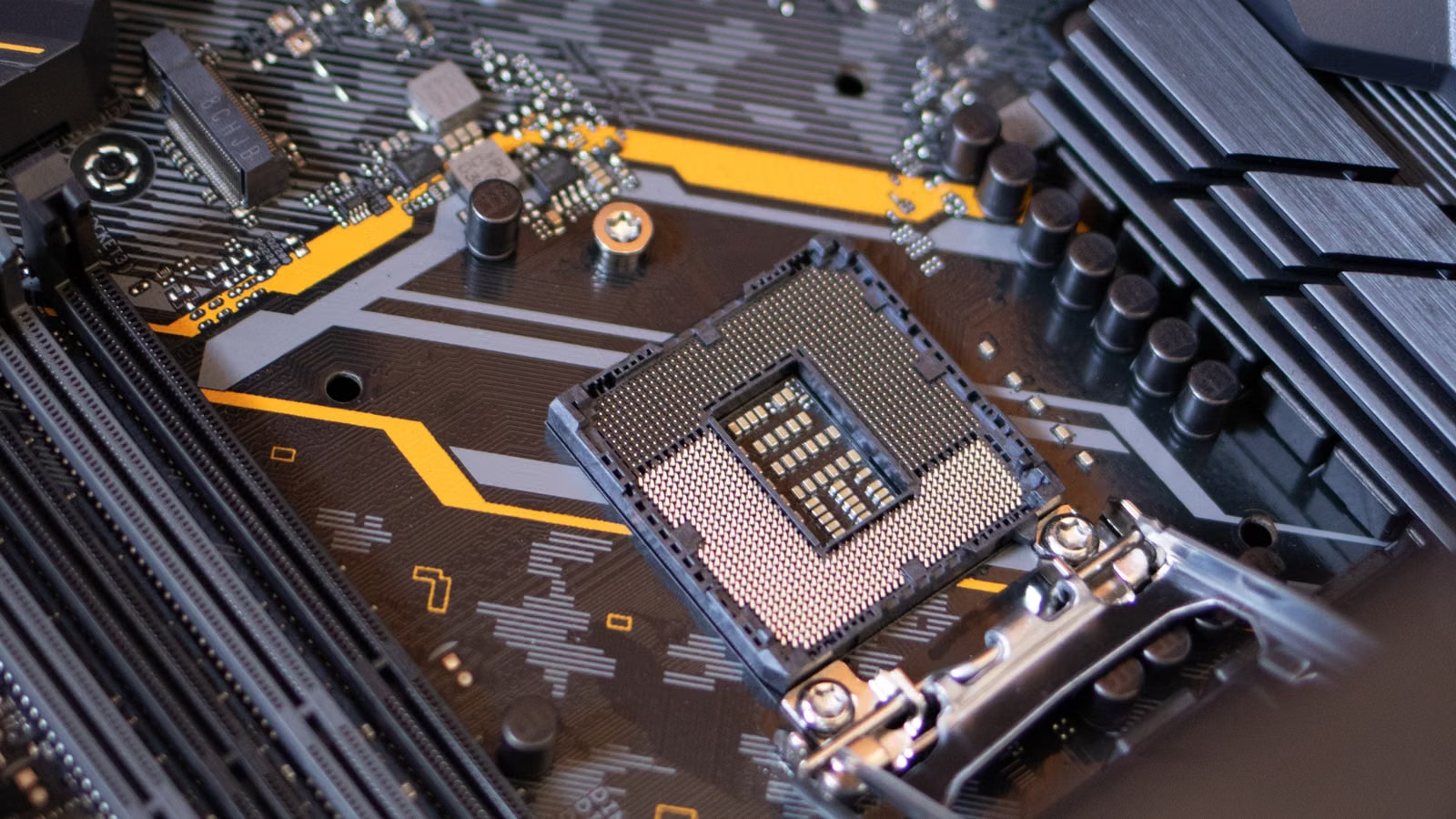
Micron and Sandisk cannot be valued only by PE because memory companies’ earnings are highly cyclical. During an upcycle, prices, gross margins, and EPS can expand quickly, making static PE look reasonable. But if DRAM or NAND ASP declines, future earnings may fall and valuation multiples can rise again. Conversely, during a trough, losses or low earnings can also distort PE, so cycle position, business structure, and cash flow matter more.
These companies are different from software businesses. Software companies are usually analyzed through revenue retention, subscription models, and long-term margins. Memory stocks must be analyzed through supply and demand cycles. DRAM, HBM, NAND Flash, and enterprise SSDs are all affected by capital expenditure, customer inventory, capacity allocation, and price negotiations. Micron and Sandisk are both benefiting from AI data center demand, but one mainly relies on HBM/DRAM premium, while the other mainly relies on NAND/SSD cycle leverage.
Based on the latest market snapshot, MU traded at around $1,213.56, with a market capitalization of about $1.386 trillion and a trailing PE of about 57.3. SNDK traded at around $2,335, with a market capitalization of about $366.6 billion and a trailing PE of about 81.2. This comparison shows that the market has high expectations for both companies, but it does not directly prove which one is more expensive. MU’s earnings may be driven by HBM long-term agreements and data center memory, while SNDK’s earnings may be driven by NAND price increases and enterprise SSD ramp-up. Their earnings drivers are different.
A more reasonable valuation framework can be divided into three layers:
| Valuation Dimension | Better for Analyzing Micron | Better for Analyzing Sandisk | Common Pitfall |
|---|---|---|---|
| Static PE | Whether HBM premium is too high | Whether NAND earnings are overestimated | PE may underestimate cycle risk during high cycles |
| PS / EV/Revenue | AI memory revenue growth | NAND cycle revenue expansion | Looking at revenue without margins |
| Gross margin | HBM and DRAM product premium | NAND ASP and SSD mix | Treating short-term high margin as permanent |
| Free cash flow | Cash retained after CapEx | Cash release during an upcycle | Ignoring future reinvestment needs |
| Business structure | HBM, DRAM, data center memory | NAND, enterprise SSD, consumer storage | Treating both as the same type of memory stock |
Micron’s valuation is closer to that of an “AI memory asset.” The market pays more attention to MU because HBM has become one of the key bottlenecks for AI GPUs, AI accelerators, and AI servers. Sandisk’s valuation is closer to a “Flash cycle re-rating.” When NAND supply is tight, enterprise SSDs ramp up, and customers are willing to sign long-term agreements, SNDK’s earnings can be revised upward quickly.
Summary: When comparing MU and SNDK, you should not simply ask which one has a lower PE. For memory stocks, PE often looks “cheap” near the top of the cycle and “expensive” near the bottom. Micron’s valuation core is whether HBM, DRAM, data center revenue, and long-term agreements can make profits more predictable. Sandisk’s valuation core is whether NAND ASP, enterprise SSDs, supply discipline, and cash flow can continue. You need to combine static valuation, cycle position, and business structure to avoid being misled by a single PE metric.
Business Structure Comparison: Micron’s HBM/DRAM vs. Sandisk’s NAND/SSD

The biggest difference between Micron and Sandisk lies in their business structures. Micron is an integrated supplier of DRAM, HBM, NAND, and data center memory, so its valuation is more likely to receive an AI memory premium. Sandisk is a NAND Flash and storage device company, so its valuation is more affected by the NAND cycle, enterprise SSDs, QLC SSDs, and data center customer migration. In simple terms, Micron is more of an AI memory theme, while Sandisk is more of a NAND cycle-leverage theme.
Micron’s Valuation Core: HBM, DRAM, and Data Center Memory
Micron’s valuation core comes from the strategic importance of HBM and DRAM. According to Micron FY2026 Q3 results, the company reported revenue of $41.456 billion, non-GAAP gross margin of 84.9%, and adjusted free cash flow of $18.3 billion. Its Cloud Memory Business Unit generated $13.769 billion in revenue, while its Core Data Center Business Unit generated $11.524 billion. This structure shows that data center memory has become the main valuation anchor for MU.
The valuation significance of HBM is that it is directly tied to AI training and inference. AI GPUs need high-bandwidth memory to process model parameters, activation values, and data transfers. HBM3E, HBM4, advanced packaging, and server DRAM are no longer ordinary memory commodities. They have become key components of AI infrastructure. As long as customers are willing to pay a premium for supply certainty and stable performance, Micron has a chance to receive valuation multiples above those of the traditional DRAM cycle.
Sandisk’s Valuation Core: NAND, Enterprise SSDs, and High-Value Customers
Sandisk’s valuation core is more concentrated in NAND Flash and enterprise SSDs. According to Sandisk FY2026 Q3 results, the company reported revenue of $5.95 billion, up 97% sequentially and 251% year over year. Its Datacenter revenue reached $1.467 billion, up 233% sequentially and 645% year over year. This shows that SNDK’s growth is not only from a recovery in consumer storage, but also from a product mix shift toward higher-value data center customers.
Sandisk’s key variables include NAND ASP, enterprise SSDs, QLC SSDs, wafer supply, edge storage, and client SSDs. Compared with HBM, NAND has different technology barriers and cycle attributes. But when AI data centers expand, enterprise SSD supply tightens, and supply discipline remains strong, NAND companies can also see very strong earnings leverage.
How Business Structure Affects Valuation Multiples
Even though both are memory stocks, Micron and Sandisk should not necessarily trade at the same valuation multiple. HBM is closer to an AI compute bottleneck, with customers including GPU, AI server, cloud, and large AI infrastructure players. Therefore, it is easier for the market to classify Micron as part of the AI theme. NAND is more tied to capacity storage, caching, high-performance SSDs, and enterprise storage. It has stronger cycle leverage, but its valuation stability usually depends on whether prices can remain elevated.
| Dimension | Micron MU | Sandisk SNDK | Valuation Impact |
|---|---|---|---|
| Core products | HBM, DRAM, NAND | NAND Flash, SSD, consumer and enterprise storage | MU is more AI memory; SNDK is more Flash cycle |
| AI exposure | AI server memory, HBM | Enterprise SSD, data center storage | Both benefit, but at different positions |
| Data center revenue | High Cloud Memory and Core Data Center exposure | Datacenter revenue growing very fast | MU has more stability; SNDK has more leverage |
| Cycle attribute | DRAM cycle plus HBM premium | More concentrated NAND cycle | SNDK is more sensitive to ASP |
| Valuation keywords | HBM premium, strategic agreements | NAND ASP, QLC SSD, NBM agreements | They should not be measured by the same yardstick |
Summary: Micron is more like an AI memory premium stock, while Sandisk is more like a NAND cycle-leverage stock. MU’s valuation comes from HBM, DRAM, data center memory, and long-term customer agreements. The key question is whether high margins can continue. SNDK’s valuation comes from NAND price increases, enterprise SSD ramp-up, and higher-value customer migration. The key question is whether cycle leverage can last. When comparing the two, you should first decide whether you are looking at AI memory growth or the NAND Flash pricing cycle.
How to Understand HBM Premium: Where Does Micron’s Valuation Advantage Come From?
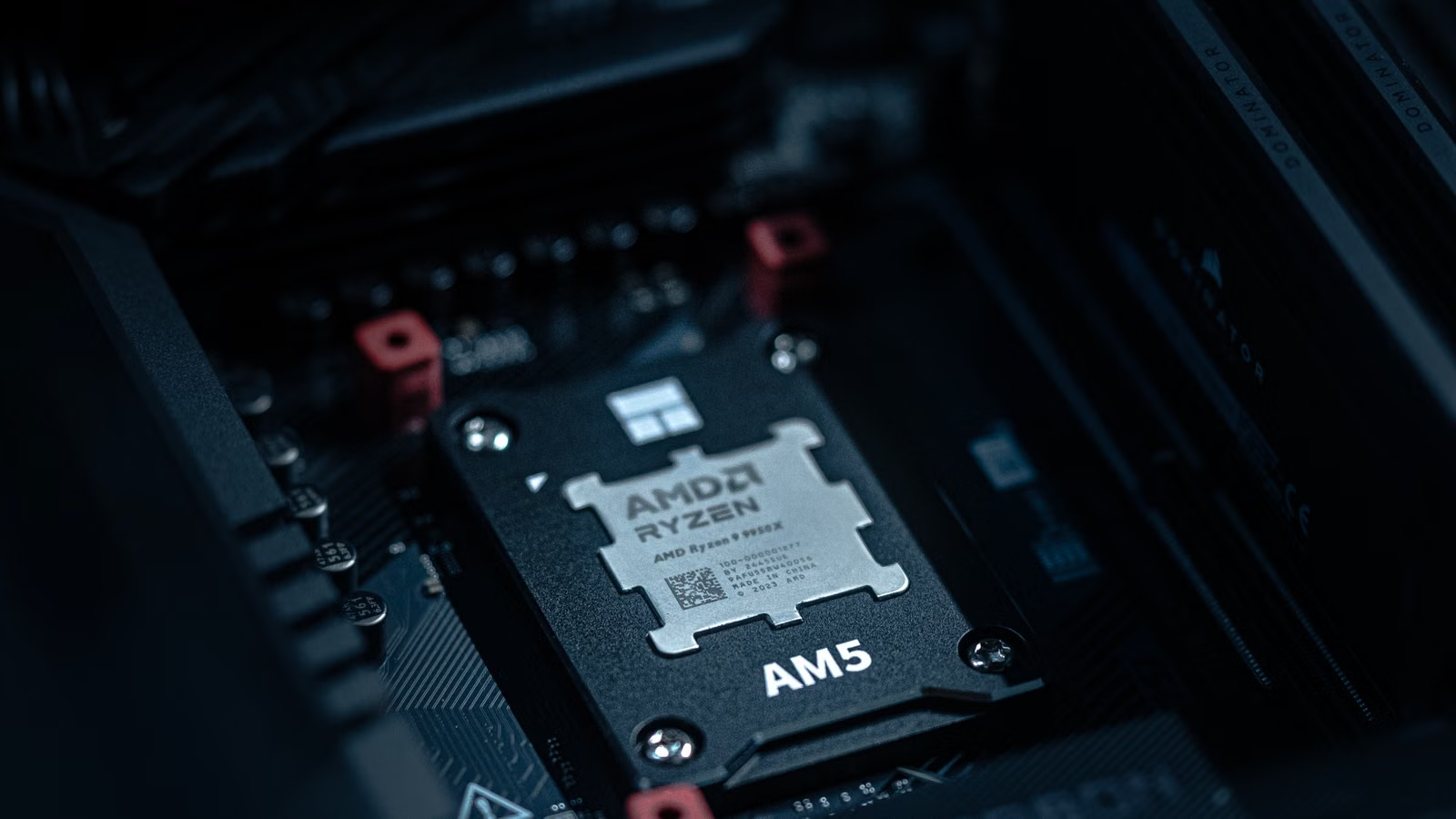
Micron’s HBM premium comes from three factors: rigid demand from AI accelerators for high-bandwidth memory, long-term customer agreements that improve revenue visibility, and limited short-term supply expansion for advanced DRAM/HBM. If these factors continue, MU can enjoy valuation multiples above the traditional memory cycle. But if HBM supply expands too quickly or AI capital expenditure slows, the valuation premium may also compress.
Why HBM Can Support a Higher Valuation
HBM stands for high bandwidth memory. Its core value is providing higher bandwidth, lower power consumption, and more compact packaging for AI GPUs and AI accelerators. Compared with ordinary DRAM, HBM has higher technical barriers, involving advanced packaging, yield management, customer qualification, and supply chain coordination. The more AI training and inference rely on high-performance accelerators, the more strategically important HBM becomes.
This is why Micron’s valuation has been re-rated. In the past, memory was viewed as a pricing-cycle commodity, and customers could pressure Samsung, SK hynix, and Micron on price. But when HBM supply is tight, customers care more about securing stable supply than simply lowering purchase prices. Supply certainty itself becomes a source of premium.
How Long-Term Customer Agreements Change Micron’s Cycle Profile
Micron emphasized the importance of strategic customer agreements in FY2026 Q3. Reuters coverage of Micron customer commitments reported that Micron had signed 16 strategic customer agreements involving about $22 billion of customer commitments, including take-or-pay terms, cash deposits, and pricing floors. According to Reuters analysis of memory long-term contracts, these agreements are designed to reduce the boom-bust volatility traditionally seen in the memory industry.
This matters for valuation. Long-term agreements can improve revenue visibility, reduce investor concerns about the next price collapse, and support higher capital expenditure for advanced capacity. However, long-term agreements do not eliminate risk. If AI application demand falls short of expectations, customers may still renegotiate, or demand lower prices when supply loosens in the next cycle.
Valuation Risks Behind the HBM Premium
HBM premium has limits. First, competition has not disappeared. SK hynix, Samsung, and Micron are all expanding HBM capacity. Second, high gross margins encourage capital expenditure, and future supply increases may pressure prices. Third, if AI data center capital expenditure slows, HBM orders and valuation may adjust before financial results do. Fourth, Micron’s high CapEx supports growth, but it may also affect the stability of future free cash flow.
To judge whether Micron’s HBM premium is reasonable, you can focus on:
- Whether data center revenue continues to grow rapidly;
- Whether HBM3E and HBM4 customer adoption proceeds smoothly;
- Whether long-term customer agreements continue to expand;
- Whether non-GAAP gross margin remains high;
- Whether CapEx growth still generates enough FCF;
- Whether competitors’ capacity expansion weakens pricing power.
Summary: Micron can enjoy an HBM valuation premium because HBM has moved from an ordinary memory product to a bottleneck component in AI infrastructure. Long-term customer agreements, pricing floors, and cash commitments improve MU’s revenue visibility and help justify higher valuation multiples. But the HBM premium is not unlimited. Supply expansion, customer renegotiation, slower AI CapEx, and capital expenditure pressure can all affect valuation. When analyzing MU, the key is not whether it has an HBM theme, but whether HBM continues to translate into gross margin, free cash flow, and customer lock-in.
How to Understand the NAND Cycle: Where Does Sandisk’s Earnings Leverage Come From?
Sandisk’s earnings leverage mainly comes from rising NAND prices, supply discipline, enterprise SSD ramp-up, and an improving customer mix. Compared with Micron’s HBM premium, SNDK depends more on whether the NAND cycle continues upward. If NAND ASP remains elevated and data center SSD demand keeps growing, Sandisk’s earnings leverage can be strong. But if supply recovers, inventory weakens, or end demand comes under pressure, profit volatility can also become more obvious.
Why NAND Supply and Demand Entered an Upcycle
The core of the NAND Flash cycle is ASP, inventory, and supply discipline. According to TrendForce’s view on NAND Flash supply and demand, major NAND Flash suppliers are expected to add almost no new capacity in 2026, while AI-related demand remains strong and supply shortages are expected to continue throughout the year. TrendForce also noted that 200-layer-plus NAND products will become mainstream, and production resources will continue to shift toward server storage and high-capacity QLC enterprise SSDs.
This explains why Sandisk has strong leverage. During downturns, NAND companies are pressured by falling prices, inventory write-downs, and customer destocking. But when supply is tightly controlled and demand from AI servers and enterprise SSDs strengthens, ASP increases can quickly flow into gross margin and EPS. Sandisk’s sharp increase in Datacenter revenue reflects this cycle logic.
Why Sandisk Q3 Shows Strong Leverage
Sandisk FY2026 Q3 data showed revenue rising from $3.025 billion in the previous quarter to $5.95 billion. Non-GAAP gross margin rose from 51.1% to 78.4%, while non-GAAP EPS increased from $6.20 to $23.41. More importantly, Datacenter revenue reached $1.467 billion, up 233% sequentially. This shows that Sandisk is not only relying on consumer memory cards, USB drives, or portable SSDs. It is migrating toward data center and enterprise customers.
Sandisk Q3 results also noted that the company signed New Business Model agreements and expects fourth-quarter revenue of $7.75 billion to $8.25 billion, with non-GAAP diluted EPS of $30.00 to $33.00. For valuation, this means the market is not only looking at current-quarter profit, but also whether the new business model can make the NAND cycle more predictable.
Valuation Traps in the NAND Cycle
During a NAND upcycle, Sandisk’s PE may still look acceptable, but this creates a valuation trap. High ASP, high gross margin, and high EPS may contain characteristics of a cycle peak. If customer inventory increases, price increases slow, or suppliers expand capacity again, SNDK’s earnings may fall quickly.
| NAND Cycle Variable | Positive for Sandisk | Potential Risk | Observation Metric |
|---|---|---|---|
| NAND ASP | Raises revenue and gross margin | Prices may become too high and hurt end demand | Contract price and spot price |
| Enterprise SSD | Improves product mix | Customer purchasing can fluctuate | Datacenter revenue |
| QLC SSD | Drives high-capacity storage demand | Technology competition intensifies | Enterprise SSD penetration |
| Supply discipline | Extends the upcycle | Prices may fall after new capacity returns | CapEx and utilization |
| Inventory | Low inventory supports price increases | Customers may overbuy and later destock | Channel inventory and order visibility |
| Long-term agreements | Improves revenue stability | Terms may be opaque or renegotiated | NBM agreement volume and value |
Summary: Sandisk has strong earnings leverage because during a NAND upcycle, ASP, enterprise SSDs, data center customers, and supply discipline can all push revenue and gross margin higher at the same time. SNDK’s strengths are rapid profit release, strong cash flow leverage, and a clear increase in data center revenue mix. Its risk is that NAND is more prone to cycle reversals. When analyzing Sandisk’s valuation, you should not only look at current-quarter EPS. You need to judge whether NAND pricing, inventory, enterprise SSD demand, and long-term agreements can support elevated profits.
Earnings Quality Comparison: Which Is More Stable in Gross Margin, Free Cash Flow, and CapEx?
Based on the latest financial data, Micron is larger and has stronger data center memory revenue, while Sandisk has more concentrated margin and cash flow leverage. Micron FY2026 Q3 non-GAAP gross margin reached 84.9%, with adjusted free cash flow of $18.3 billion, but CapEx was $7.1 billion. Sandisk FY2026 Q3 non-GAAP gross margin reached 78.4%, with free cash flow of $2.993 billion and CapEx of only $45 million. Both companies are strong, but their earnings quality differs because of investment intensity, business concentration, and cycle exposure.
| Metric | Micron MU | Sandisk SNDK | Valuation Meaning |
|---|---|---|---|
| Latest quarterly revenue | $41.456 billion | $5.95 billion | MU has a clear scale advantage |
| Non-GAAP gross margin | 84.9% | 78.4% | Both are in a strong upcycle |
| Free cash flow | $18.3 billion | $2.993 billion | MU has larger absolute scale |
| CapEx | $7.1 billion | $45 million | MU has heavier growth investment |
| Data center driver | HBM, DRAM, Cloud Memory | Enterprise SSD, Datacenter | Drivers are different |
| Main risk | HBM supply and CapEx | NAND ASP and cycle reversal | Risks come from different sources |
On gross margin, Micron better reflects the premium from HBM, DRAM, data center memory, and long-term agreements. Sandisk’s gross margin more directly reflects NAND ASP, enterprise SSD mix, and supply tightness. Both have high gross margins, but the key question for MU is whether the HBM premium can continue, while the key question for SNDK is whether the NAND cycle can extend.
On free cash flow, MU has larger absolute scale, but also higher capital expenditure. Micron needs to keep investing in HBM, advanced DRAM, packaging capabilities, and global manufacturing sites. High CapEx is necessary for growth, but it is also a valuation pressure. If future demand disappoints, high capital expenditure may weigh on FCF conversion. Sandisk’s cash flow conversion was strong in the quarter, mainly because the NAND upcycle released profit while CapEx remained low. But for NAND companies, cash flow can also fluctuate more quickly when the cycle changes.
This is also why ordinary investors should pay attention to trading costs. When tracking volatile U.S. stocks such as MU and SNDK, you should understand not only valuation, financial reports, and share price volatility, but also actual trading costs. U.S. stock trading costs may include not only commissions, but also platform fees, external institution fees, transaction activity fees, and other charges. If the relevant services are available in your region, you can review Biya U.S. stock trading fees. Biya charges $0 commission for U.S. stock trading, while platform fees, external institution fees, and other costs are subject to the fee schedule and order page display.
Earnings quality should also be evaluated through the balance sheet and shareholder returns. Micron has declared a quarterly dividend and emphasized long-term capital returns. Sandisk mentioned a zero-debt balance sheet, strong cash generation, and a newly authorized share repurchase program in Q3. For cyclical stocks, cash flow is not only proof of profitability. It also shows whether the company can build a safety cushion before the next downturn.
Summary: Micron is more like a large-scale, high-premium asset, with strengths in HBM, DRAM, data center memory, long-term agreements, and absolute free cash flow scale. Sandisk is more like a cyclical, high-cash-flow-leverage asset, with strengths in NAND upcycle, enterprise SSDs, low CapEx, and fast profit release. MU’s valuation depends on whether high CapEx can continue to generate high returns. SNDK’s valuation depends on whether NAND ASP and customer mix can extend the cycle. When comparing earnings quality, you should look at FCF after CapEx, not only EPS or gross margin.
Valuation Decision Framework: How Should Different Investors Compare MU and SNDK?
If you focus on long-term AI memory premium, Micron is better suited as a main HBM, DRAM, and data center memory watchlist name. If you focus on rising NAND prices and enterprise SSD earnings leverage, Sandisk is better suited as a cycle reversal and cash flow leverage name. The comparison is not simply about which one is cheaper. It is about what kind of growth quality, cycle risk, and earnings sustainability you are willing to pay for.
AI-theme investors may prefer Micron. MU has a more direct relationship with HBM, AI server memory, and data center DRAM. Customer agreements also improve revenue visibility. You need to track HBM customer adoption, non-GAAP gross margin, CapEx returns, and execution quality of long-term agreements.
Cycle-leverage investors may prefer Sandisk. SNDK is more sensitive to NAND ASP, enterprise SSDs, and high-value customer migration. During a NAND upcycle, Sandisk’s EPS and FCF can expand quickly. But once ASP declines or inventory weakens, valuation pressure can also emerge more quickly.
Valuation-disciplined investors should not only look at PE. You can compare forward PE, FCF yield, EV/EBITDA, revenue growth, margin sustainability, and whether the next-quarter outlook is achieved. The most common mistake in memory stocks is treating a low forward PE near the top of the cycle as long-term undervaluation while ignoring future price declines.
| Investment Preference | More Favorable to MU | More Favorable to SNDK | Question to Confirm |
|---|---|---|---|
| Long-term AI memory | Yes | Weaker | Can HBM remain supply-constrained? |
| Near-term earnings leverage | Strong | Very strong | Can NAND ASP keep rising? |
| Cash flow scale | Larger | Higher leverage | Can FCF hold across cycles? |
| Valuation stability | Stronger support from long-term contracts | More cycle-sensitive | Are high margins sustainable? |
| Technology roadmap | HBM3E, HBM4, DRAM | QLC SSD, NAND, enterprise SSD | Is customer adoption smooth? |
| Risk source | CapEx, HBM supply, AI CapEx | NAND pricing, inventory, consumer demand | Is the cycle near a high point? |
Risk-conscious investors should focus on six questions: whether AI data center capital expenditure falls short of expectations; whether HBM supply expansion compresses the premium; whether NAND price increases hurt end demand; whether long-term customer agreements may be renegotiated; whether memory stocks are being mistaken as undervalued near peak cycles; and whether share prices have already reflected future earnings.
If you track MU, SNDK, WDC, STX, semiconductor ETFs, and AI infrastructure stocks at the same time, you can build a watchlist with Biya U.S. stock search, then review financial reports, valuations, and fee structures together. Stock prices are affected by market expectations, liquidity, industry cycles, and company guidance. Public market data should be checked against company disclosures and order pages.
Summary: The valuation comparison between MU and SNDK is not about finding one absolute answer. It is about matching the stock to your investment horizon. If you are looking at long-term AI memory premium, Micron is closer to the main theme. If you are looking at NAND price increases and enterprise SSD leverage, Sandisk is more direct. MU’s strengths are scale, HBM, long-term agreements, and data center revenue. SNDK’s strengths are the NAND cycle, SSD mix, and cash flow leverage. Valuation should be judged through business structure, earnings quality, and cycle risk together, not only through a static multiple.
The valuation comparison between Micron and Sandisk is essentially a comparison between the “memory” and “storage” chains in AI infrastructure. HBM affects AI accelerator performance, DRAM determines server memory capacity, while NAND and enterprise SSDs support high-speed storage, caching, and data center capacity expansion. When allocating to U.S. or Hong Kong stocks, you can track memory chips, semiconductor equipment, cloud capital expenditure, ETFs, and cash management in one framework. If the relevant services are available in your region, you can use Biya to record multi-asset trades, follow U.S. and Hong Kong stock names, and check fee structures in order details. Service availability depends on your location, identity verification results, platform rules, and applicable laws and regulations. Public market analysis does not constitute investment advice. Before trading, you should fully understand the security’s volatility, fee structure, and account rules.
FAQ
Why Does Micron’s Valuation Have an HBM Premium?
Micron’s valuation has an HBM premium because HBM is directly related to AI accelerators, data center servers, and high-bandwidth memory bottlenecks. Investors should also watch HBM customer agreements, gross margin, capital expenditure, and competitors’ expansion plans, rather than judging valuation only by the AI theme.
Why Is Sandisk’s Valuation More Affected by the NAND Cycle?
Sandisk’s valuation is more affected by the NAND cycle because its core business is concentrated in NAND Flash, enterprise SSDs, and storage devices. When NAND ASP rises, earnings leverage can be strong. But if supply recovers, inventory rises, or end demand weakens, SNDK’s valuation may also adjust quickly.
How Should Ordinary Investors Compare MU and SNDK PE Ratios?
Ordinary investors should compare MU and SNDK PE ratios only after judging whether current earnings are in an upcycle, near a peak, or starting to decline. During strong memory cycles, PE may look reasonable, but if future ASP or gross margin falls, static PE becomes less useful.
Which Is Better for Tracking the AI Storage Theme, Micron or Sandisk?
Micron is better for tracking the AI memory and HBM theme, while Sandisk is better for tracking AI data center storage and enterprise SSDs. If you focus on AI training and accelerator memory, Micron has higher relevance. If you focus on NAND, SSDs, and storage capacity demand, Sandisk is more direct.
Could Rising NAND Prices Hurt Sandisk’s Long-Term Valuation?
Rising NAND prices are positive for Sandisk’s short-term profit, but overly fast price increases may pressure some end demand. The key is whether enterprise SSD and data center demand can offset consumer weakness, and whether long-term customer agreements can stabilize pricing, orders, and cash flow.
What Risks Matter Most When Comparing Micron and Sandisk Valuations?
When comparing Micron and Sandisk valuations, the key risks are AI capital expenditure, HBM supply, NAND ASP, inventory, customer long-term agreements, and free cash flow. Both companies are cyclical semiconductor stocks. Strong earnings do not guarantee share price gains, and investors should check public disclosures and their own risk tolerance before trading.
*This article is provided for general information purposes and does not constitute legal, tax or other professional advice from BiyaPay or its subsidiaries and its affiliates, and it is not intended as a substitute for obtaining advice from a financial advisor or any other professional.
We make no representations, warranties or warranties, express or implied, as to the accuracy, completeness or timeliness of the contents of this publication.
Related Blogs of

What Are NOR Flash, SLC NAND, and EEPROM? Why They Help Explain Hong Kong-Listed Memory-Related Stocks


AI Storage Supply Chain Map: Chips, HDDs, SSDs, Packaging Equipment, and Enterprise Storage Systems

What Is the Difference Between HBM3E and HBM4? What Do They Mean for Micron and AI Servers?


Is SMIC 0981.HK a Memory Chip Stock? The Relationship Between Foundry Manufacturing and the Memory Supply Chain

Choose Country or Region to Read Local Blog
 Australia
 Austria
 Belgium
 Canada
 Cyprus
 Czech Republic
 Denmark
 Estonia
 Finland
 France
 Germany
 Greece
 Hong Kong
 India
India Indonesia
 Ireland
 Italy
Italy Japan
Japan Latvia
 Lithuania
 Luxembourg
 Malaysia
 Malta
Malta Morocco
 Nepal
Nepal Netherlands
 New Zealand
 Norway
 Pakistan
 Philippines
 Poland
 Portugal
 Romania
 Singapore
 Slovakia
 Slovenia
 South Africa
 South Korea
 Spain
Spain Sweden
 Thailand
 The United States
 Turkey
 United Arab Emirates
 United Kingdom
 Vietnam
Contact Us




BIYA GLOBAL LLC is registered with the Financial Crimes Enforcement Network (FinCEN), an agency under the U.S. Department of the Treasury, as a Money Services Business (MSB), with registration number 31000218637349, and regulated by the Financial Crimes Enforcement Network (FinCEN).
BIYA GLOBAL LIMITED is a registered Financial Service Provider (FSP) in New Zealand, with registration number FSP1007221, and is also a registered member of the Financial Services Complaints Limited (FSCL), an independent dispute resolution scheme in New Zealand.