
AI Storage Supply Chain Map: Chips, HDDs, SSDs, Packaging Equipment, and Enterprise Storage Systems





The AI storage supply chain is not a single chip or hard drive concept. It is a multi-layer map made up of high-bandwidth memory, NAND Flash, enterprise SSDs, nearline HDDs, advanced packaging equipment, controllers, storage systems, and data platforms. AI training requires high-throughput reads and checkpoints. Inference requires HBM, DRAM, KV cache, and low-latency SSDs. Data retention requires object storage and high-capacity HDDs. If you follow AI infrastructure, memory stocks, U.S. semiconductor stocks, data center hardware, and enterprise storage systems, you need to first understand where each layer sits within AI workloads.
Key Takeaways
- The AI storage supply chain can be divided into five layers: memory chips, SSDs, HDDs, packaging equipment, and enterprise systems.
- HBM and DRAM sit close to GPUs and mainly solve bandwidth, latency, and context management problems.
- Enterprise SSDs support training data, checkpoints, RAG, and cache tiering needs.
- Nearline HDDs and object storage provide long-term AI data retention and cost-per-capacity advantages.
- CoWoS, TSV, advanced packaging, and testing equipment affect HBM and AI accelerator delivery.
- To assess supply chain opportunities, track workloads, orders, pricing, inventory, and capital expenditure together.
How Should the AI Storage Supply Chain Map Be Broken Down?

The AI storage supply chain should be broken down by three types of workloads: training, inference, and data retention, rather than by a single label such as “memory chips” or “hard drives.” Training requires high-speed dataset reads and checkpoint writes. Inference requires model weights, KV cache, RAG retrieval, and long-context management. Data retention requires object storage, nearline HDDs, backups, and archives. Only by mapping workloads to storage layers can you understand where different companies truly benefit.
The core of training is “continuously feeding data to GPUs.” If the data pipeline, parallel file system, or SSD throughput is insufficient, GPUs will wait. The core of inference is “making models respond quickly under high concurrency.” Long context, multi-turn conversations, RAG, and AI agents amplify pressure on HBM, DRAM, SSDs, and databases. The core of retention is “making data long-term usable, governable, and recoverable.” Raw corpora, model versions, inference logs, generated content, and audit records do not all require low latency, but they do require low cost and stable retention.
When discussing AI training and inferencing, Dell emphasizes that AI storage planning cannot focus only on capacity. Performance, networking, and data transfer protocols must be included in deployment planning at the same time. At COMPUTEX 2026, Micron also expanded AI memory and storage across HBM, SOCAMM, LPDDR, and data center SSDs, showing that AI storage is not a single product line, but a full hierarchy.
| Supply Chain Layer | Main Products | AI Scenarios | Representative Company Types |
|---|---|---|---|
| High-bandwidth memory | HBM, GDDR, SOCAMM | Training, inference, long context | Memory chip makers |
| System memory | DDR5, MRDIMM, CXL memory | CPU-side scheduling, cache, concurrent inference | Memory chip makers, server vendors |
| High-speed storage | Enterprise SSD, NVMe, QLC SSD | Checkpoints, RAG, KV cache offload | NAND/SSD makers, controller companies |
| Capacity storage | Nearline HDD, object storage, archive | Raw corpora, logs, backups, cold data | HDD makers, cloud storage providers |
| Advanced packaging | CoWoS, TSV, interposer, substrate | HBM and AI GPU integration | Foundries, OSATs, equipment vendors |
| Enterprise systems | File, block, object, data platforms | Training, inference, governance, disaster recovery | Dell, IBM, NetApp, Pure Storage |
From a company-type perspective, the AI storage supply chain can be divided into five groups. The first group is memory chip makers, including Micron, Samsung, and SK hynix, which provide HBM, DRAM, NAND, and data center SSDs. The second group is HDD and SSD makers, including Western Digital, Seagate, and SanDisk, which support nearline HDDs, enterprise SSDs, and high-capacity retention needs. The third group is advanced packaging and equipment companies, including TSMC, OSATs, packaging equipment makers, testing equipment suppliers, and substrate companies. The fourth group is enterprise storage system vendors, including Dell, IBM, NetApp, and Pure Storage. The fifth group is cloud providers and data platforms, which determine real procurement pace and architectural choices.
The core of an AI storage supply chain map is not “which company is connected to AI,” but how AI workloads map to storage layers. Training needs high-throughput data pipelines and checkpoints. Inference needs HBM, DRAM, SSDs, KV cache, and RAG access. Long-term retention needs object storage and nearline HDDs. Only after understanding the position of each layer can you judge whether a company benefits from pricing elasticity, shipment growth, equipment expansion, or enterprise data platform upgrades. Otherwise, it is easy to mistake short-term concept hype for long-term industry growth.
Chip Layer: Why Are HBM, DRAM, and NAND Core to AI Storage?
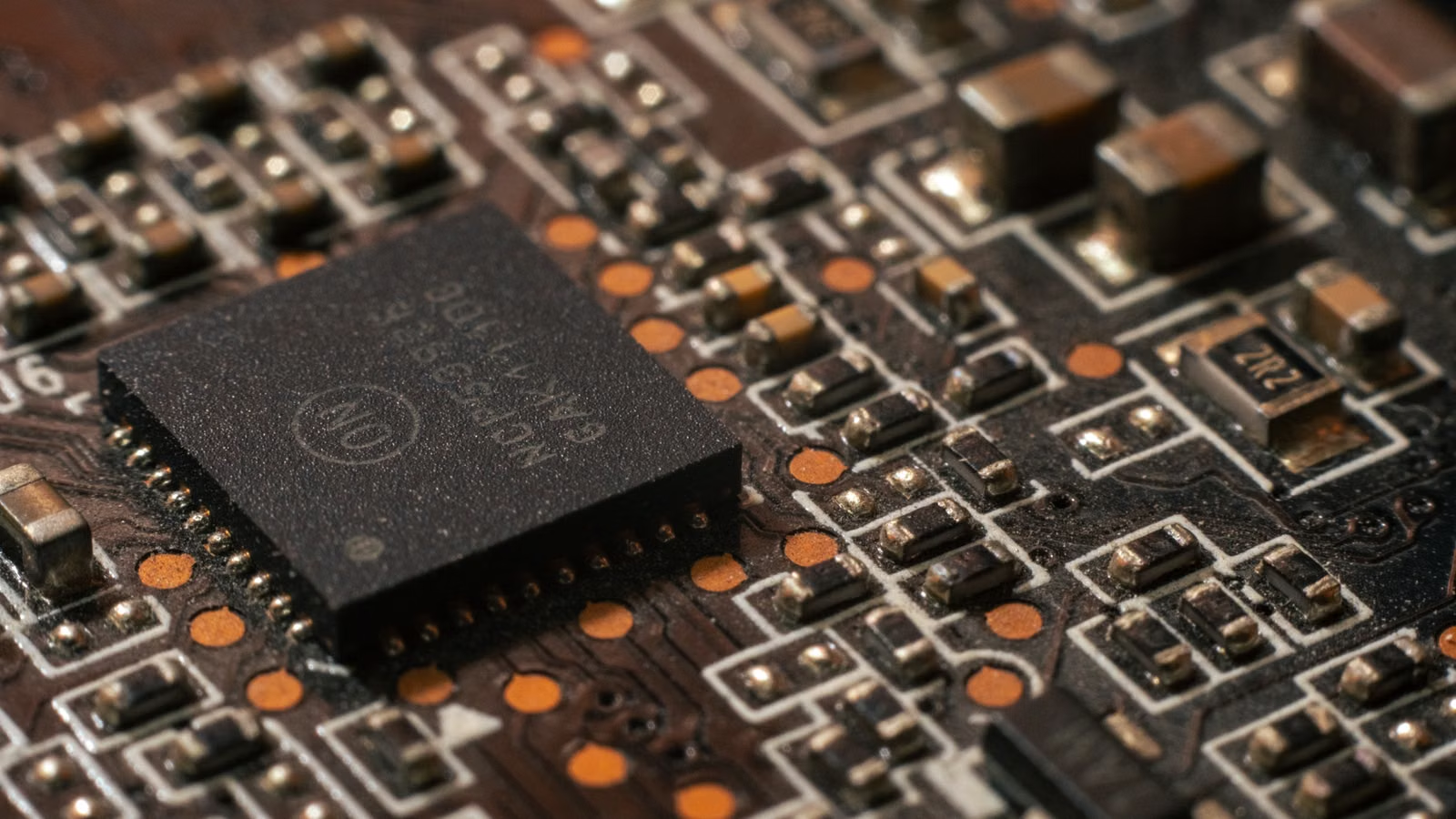
HBM, DRAM, and NAND are core upstream layers in the AI storage supply chain, but their value logic is different. HBM sits closest to the GPU and solves high-bandwidth and low-latency bottlenecks. DRAM supports system memory, inference concurrency, and context scheduling. NAND supports training data, checkpoints, RAG, model files, and cache tiering through enterprise SSDs. When analyzing the chip layer, you should not only look at “memory chip price increases.” You need to identify which chip is being driven by which AI workload.
HBM is a high-value memory layer next to AI accelerators. It provides high bandwidth through stacked architecture and connects densely with GPUs or AI ASICs through advanced packaging. Large model training constantly moves parameters, activations, and intermediate states between compute cores and memory. Inference also increases memory pressure because of long context and KV cache. Reuters’ coverage of SK hynix’s HBM bet noted that early investment in HBM helped the company gain a more critical position in the AI accelerator supply chain, showing that HBM has moved from a niche memory product to a core AI hardware constraint.
DRAM and system memory are not substitutes for HBM. They are essential intermediate layers in AI servers. CPU-side data scheduling, inference concurrency, long-context management, RAG data processing, and agent state retention all increase the value of DDR5, MRDIMM, SOCAMM, and CXL memory. When introducing breakthrough memory solutions, Samsung Semiconductor emphasized that AI and HPC scenarios need higher-performance, higher-capacity, and more power-efficient memory products, because AI depends not only on GPUs, but also on system-side data movement.
NAND’s core value is expressed through enterprise SSDs. Consumer electronics still affect the NAND cycle, but AI shifts high-end NAND demand toward data centers. Training data reads, checkpoint writes, RAG indexes, vector databases, KV cache offload, and model file loading all require high-throughput, low-latency, and high-endurance enterprise SSDs. TrendForce noted that NAND Flash demand is supported by AI-related applications, while server storage is also driving adoption of high-capacity QLC enterprise SSDs.
| Chip Type | Position | Main AI Use | Key Metrics |
|---|---|---|---|
| HBM | Closest to GPU/AI ASIC | Training, inference, high-bandwidth access | Bandwidth, capacity, packaging yield |
| DDR5/MRDIMM | CPU and server system side | Scheduling, cache, concurrent inference | Capacity, power consumption, latency |
| CXL memory | Memory expansion layer | Long context, cache pooling | Scalability, latency, interconnect |
| NAND Flash | Inside enterprise SSDs | Training data, checkpoints, RAG | IOPS, throughput, endurance, cost |
| QLC NAND | High-capacity SSDs | Warm data, model files, data lakes | Capacity density, unit cost |
The chip layer is the part of the AI storage supply chain that attracts the most market attention, because HBM, DRAM, and NAND can directly translate into higher prices, better gross margins, and revenue growth. But you need to distinguish between different paths of benefit. HBM is mainly affected by AI accelerators and advanced packaging capacity. DRAM is mainly driven by server memory and inference concurrency. NAND supports data pipelines and caching through enterprise SSDs. The chip layer has major opportunities, but cyclicality, inventory, expansion, and customer concentration are also more obvious. It should not be analyzed through a single “AI demand is strong” logic.
HDD and SSD Layer: Why Does AI Need Both High-Speed SSDs and High-Capacity HDDs?
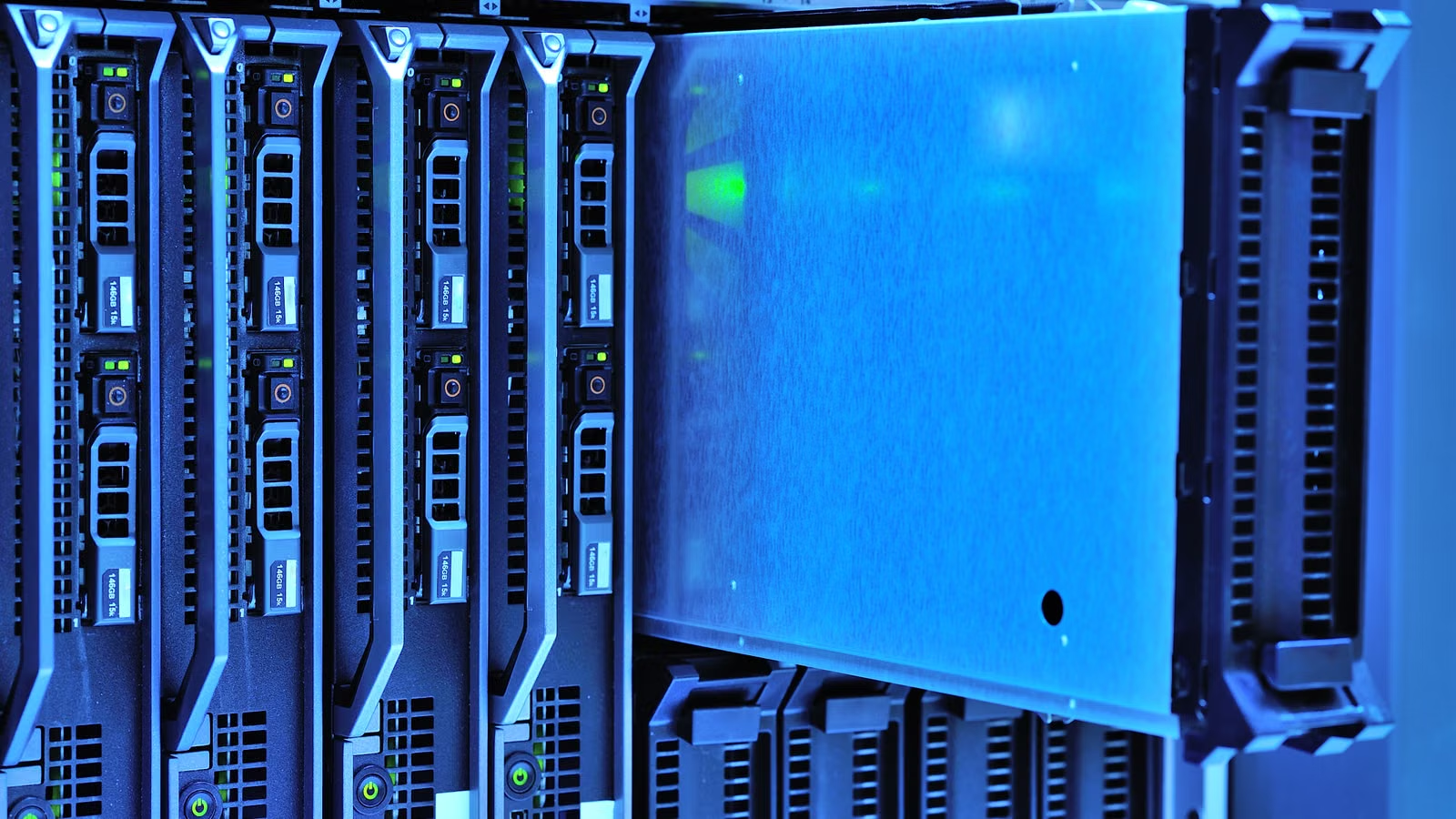
AI needs both high-speed SSDs and high-capacity HDDs because training, inference, and retention have different performance and cost requirements. SSDs solve high-throughput, low-latency, and high-concurrency read/write needs, making them suitable for training data, checkpoints, RAG, model files, and cache tiering. HDDs solve low-cost high-capacity and long-term retention needs, making them suitable for raw corpora, videos, logs, backups, archives, and historical model versions. In AI scenarios, SSDs and HDDs are more often tiered complements than direct substitutes.
The value of enterprise SSDs lies in speed and stability. During training, SSDs need to support high-throughput reads and checkpoint writes. During inference, SSDs need to support RAG retrieval, vector databases, model loading, and KV cache offload. During data engineering, SSDs need to process continuously growing datasets and intermediate data. Micron’s data center AI solutions include both training and inference under AI data center memory and storage solutions, showing that SSDs have moved from ordinary server components to important parts of AI data pipelines.
Enterprise SSD technology is also evolving toward higher bandwidth, lower latency, and higher capacity. PCIe Gen5/Gen6, NVMe, NVMe-oF, QLC enterprise SSDs, and GPUDirect Storage are all solving the same problem: getting data to compute systems faster and bringing cache and retrieval closer to model services. At COMPUTEX 2026, Micron mentioned the 9650 SSD and 6600 ION SSD, corresponding to high-performance and high-capacity scenarios, showing that AI storage does not require only one kind of SSD.
HDD value comes from capacity and cost. AI training corpora, video data, inference logs, model versions, backups, and archives do not always require millisecond-level access, but they do need long-term retention. When discussing HDDs in AI storage, Western Digital emphasized that HDDs remain a cost-effective and reliable high-capacity storage medium, especially for long-term retention as AI data continues to grow. Seagate reported revenue of $3.11 billion and a non-GAAP gross margin of 47.0% in its fiscal third quarter of 2026, also reflecting support from data center and nearline HDD demand.
| Data Tier | Access Characteristics | More Suitable Medium | AI Scenario |
|---|---|---|---|
| Hot data | High frequency, low latency | HBM, DRAM, NVMe SSD | Online inference, current training batches, KV cache |
| Warm data | Medium frequency, scalable | Enterprise SSD, object storage | Checkpoints, RAG indexes, commonly used corpora |
| Cold data | Low frequency, high capacity | Nearline HDD, object storage, archive | Historical corpora, backups, logs, video data |
| Governance data | Accessed as needed, security-focused | Object storage, snapshots, backup systems | Auditing, permissions, model traceability |
AI storage is not a simple story of “SSD replacing HDD.” It is about hot, warm, and cold data tiering. Hot data needs speed. Warm data needs a balance between performance and cost. Cold data needs capacity and long-term reliability. Enterprise SSDs help training and inference run faster, while nearline HDDs and object storage help massive AI data remain durable, manageable, and cost-controlled. When analyzing the AI storage supply chain, you should consider data access frequency, cost per capacity, latency requirements, and data governance needs together, rather than judging opportunities through a single hardware-substitution logic.
Advanced Packaging and Equipment Layer: Why Are CoWoS, TSV, and Testing Equipment Part of the AI Storage Supply Chain?
Advanced packaging and equipment are part of the AI storage supply chain because HBM is not a standalone chip. It must connect densely with GPUs or AI accelerators through TSV, stacking, interposers, substrates, and CoWoS. Even if HBM wafers and GPU wafers are ready, final AI modules may still fail to ship smoothly if packaging, substrates, testing, or yield become constrained. AI storage supply bottlenecks exist not only at the wafer stage, but also in back-end packaging and validation.
TSMC’s description of CoWoS-S shows that the technology uses a silicon interposer to provide high-density interconnects. It can integrate logic chiplets and HBM stacks in the same package for AI and high-performance computing scenarios. In other words, CoWoS is not ordinary packaging. It is a key process that turns AI GPUs, HBM, and high-performance computing modules into final products.
As HBM stacks become taller and AI accelerator packaging becomes more complex, equipment and process control requirements rise. Advanced packaging requires not only wafer-level equipment, but also bonding, TSV, dicing, inspection, probe stations, testing equipment, ABF substrates, silicon interposers, and OSAT/foundry capacity coordination. TrendForce’s analysis of TSMC’s advanced packaging roadmap noted that CoWoS is moving toward larger sizes and support for more HBM stacks, showing that advanced packaging capacity directly affects the pace of AI hardware expansion.
Advanced packaging-related links can be broken down into:
- CoWoS / 2.5D packaging: integrates logic chips and HBM at high density.
- TSV and stacking: enable vertical interconnects and higher bandwidth inside HBM.
- Interposer: provides high-speed connection channels between chiplets, GPUs, and HBM.
- ABF substrate: supports package substrates and signal/power connections.
- Testing equipment: validates yield, performance, thermal behavior, and reliability.
- OSAT / foundry packaging capacity: determines final delivery pace and expansion ability.
Packaging can sometimes be harder to expand quickly than memory chip supply itself. Advanced packaging involves equipment lead times, yield ramp-up, customer qualification, material supply, process coordination, and capacity scheduling. It cannot be solved simply by adding a conventional production line. HBM, GPUs, interposers, and substrates need to be highly matched. Delay in any one layer can affect final AI accelerator shipments.
Advanced packaging and equipment are easily overlooked middle layers in the AI storage supply chain. HBM does not become AI compute simply after being manufactured. It must be connected to GPUs or AI ASICs through high-density packaging to form an integrated module. CoWoS, TSV, interposers, substrates, testing equipment, and yield management affect final delivery capability. Therefore, supply chain analysis should not focus only on Micron, Samsung, and SK hynix. It should also include packaging equipment, testing equipment, substrates, and advanced packaging capacity. The value of this layer is not “storage capacity,” but “making high-end memory actually connect to compute.”
Enterprise Storage Systems Layer: What Problems Do Dell, IBM, NetApp, Pure Storage, and Similar Companies Solve?
The enterprise storage systems layer solves the problem of “how AI data remains continuously usable.” Chips, SSDs, and HDDs provide performance and capacity, but when enterprises actually deploy AI, they also need unified namespaces, parallel file systems, object storage, block storage, permission management, backup and recovery, hybrid cloud migration, and data governance. The opportunity for Dell, IBM, NetApp, Pure Storage, and similar companies is not only selling hardware. It is turning fragmented data into AI data assets that can be trained on, retrieved, governed, and recovered.
Enterprise AI data is often scattered across file storage, object storage, databases, data lakes, edge devices, SaaS systems, and backup systems. Training needs to read large numbers of files and objects. Inference needs access to knowledge bases and vector indexes. RAG needs fast retrieval and relevant content return. Governance teams also need to manage permissions, audits, and data retention periods. If a company only buys SSDs or HDDs without a unified data platform, it can easily run into data silos, duplicate copies, permission confusion, and recovery difficulty.
When introducing the Dell AI Data Platform, Dell emphasized that ObjectScale provides S3-native object storage for large-scale AI workloads, while PowerScale and ObjectScale support training, fine-tuning, inference, and enterprise data access. IBM’s AI storage brings file, block, and object data services into a unified storage solution, focusing on high throughput, low latency, and always-on availability. IBM’s explanation of object, file, and block storage also shows that AI workloads do not rely on only one type of data service.
NetApp positions AI storage within hybrid multicloud and Intelligent Data Infrastructure, emphasizing enterprise data movement across on-premises systems, clouds, and AI factories. Pure Storage has also been strengthening Enterprise Data Cloud and data intelligence. ITPro reported that its Data Intelligence platform emphasizes data discovery, governance, mapping, and AI readiness, showing that enterprise storage vendors are shifting from hardware performance toward data management capabilities.
| Company Type | Main Positioning | AI Scenario | Core Competence |
|---|---|---|---|
| Dell | AI data platform, PowerScale, ObjectScale | Training, fine-tuning, inference, object storage | Server ecosystem, file/object integration |
| IBM | Unified AI storage, file/block/object services | Enterprise AI, hybrid cloud, governance | Data services, availability, management |
| NetApp | Hybrid multicloud data infrastructure | AI factory, enterprise data movement | Cloud integration, data orchestration, enterprise customers |
| Pure Storage | All-flash and data intelligence platform | High-performance data platform, AI data governance | Flash platform, data discovery, governance capabilities |
The moat of enterprise storage systems is not only IOPS, throughput, and capacity. It also lies in data discovery, data governance, ransomware protection, immutable snapshots, backup and recovery, permission management, and hybrid cloud migration. The deeper AI applications enter core enterprise processes, the more important data platforms become. Chips and hard drives determine underlying performance, while enterprise storage systems determine whether data can be used reliably, retrieved quickly, managed securely, and reused continuously. Therefore, the AI storage supply chain should not only focus on upstream hardware, but also on whether the enterprise systems layer can turn data into long-term assets.
Which Parts of the AI Storage Supply Chain Are More Likely to Benefit, and Which Carry Higher Risks?
Opportunities in the AI storage supply chain are not evenly distributed. HBM and high-end DRAM may benefit from pricing elasticity and tight supply. Enterprise SSDs benefit from data pipelines and inference caching. HDDs benefit from capacity growth and cloud procurement. Packaging equipment benefits from CoWoS and HBM expansion. Enterprise storage systems benefit from data platformization. But each layer also carries different risks, including cycle volatility, inventory reversal, technology substitution, customer concentration, and valuation overextension.
The advantage of upstream HBM/DRAM is high value density, high technical barriers, and strong customer lock-in. The risks are customer concentration, capacity expansion, and price volatility. The advantage of NAND/SSD is that training, RAG, checkpoints, and KV cache offload all increase demand for enterprise SSDs. The risks are consumer NAND cycles, inventory, and price declines. The advantage of HDDs is AI data retention and cost per terabyte. The risks are cloud procurement cycles, technology roadmaps, and the boundary of SSD substitution. The advantage of advanced packaging equipment is exposure to expansion. The risk is changes in customer capital expenditure pace. The advantage of enterprise storage systems is data platform stickiness. The risks are long project cycles, intense competition, and budget constraints.
Reuters reported that Micron’s strong AI memory demand once drove a broader rally in memory stocks, including Western Digital, SanDisk, and Seagate. This kind of market move shows that AI storage can affect multiple layers, but it also reminds you that stock price reactions do not mean all segments have the same fundamentals. Upstream pricing elasticity, downstream system revenue, equipment orders, and HDD shipments are driven by different variables.
| Supply Chain Segment | Main Benefit Logic | Metrics to Watch | Main Risks |
|---|---|---|---|
| HBM/DRAM | High-bandwidth memory shortage, AI accelerator demand | ASP, long-term contracts, capacity, yield | Expansion, customer concentration, overheated valuation |
| NAND/SSD | Checkpoints, RAG, cache, data pipelines | eSSD shipments, QLC adoption, NAND prices | Inventory, price cycles, consumer weakness |
| HDD | Long-term AI data retention, cost per capacity | Nearline shipments, gross margin, cloud procurement | Procurement volatility, substitution technologies |
| Packaging equipment | CoWoS, TSV, HBM stack expansion | Equipment orders, packaging capacity, yield | Capex slowdown, customer concentration |
| Enterprise systems | Data platformization, governance, security, hybrid cloud | ARR, orders, customer retention, product mix | Project cycles, budget constraints, competition |
To judge real demand, you need to see whether training, inference, and retention are expanding together. If AI storage demand is real growth, it should appear in training dataset scale, inference token volume, KV cache, RAG calls, log retention, enterprise SSD orders, and nearline HDD procurement at the same time. If the signal is mainly channel restocking, early supply locking, or short-term price spikes, demand data may look strong, but it can also fade later. Reuters’ discussion of the memory industry’s boom-bust cycle also notes that long-term supply agreements can improve revenue visibility, but they cannot fully eliminate cyclical risk from demand changes.
If you follow AI storage-related stocks, trading costs should also be included in actual return assessment. U.S. stock trading costs may include not only commissions, but also platform fees, external agency fees, transaction activity fees, order execution differences, and settlement-related costs. Taking U.S. stock trading fees as an example, Biya charges $0 commission for U.S. stock trading, while platform fees, external agency fees, and other charges are subject to the fee center and order page. Availability of relevant services depends on the user’s location, identity verification results, platform rules, and applicable laws and regulations. Before trading, investors should still review the order page, account statements, and local regulatory requirements.
AI storage supply chain opportunities need to be assessed layer by layer. Upstream HBM and SSDs may have stronger pricing elasticity. HDDs depend more on capacity growth and cloud procurement. Advanced packaging equipment depends more on expansion cycles. Enterprise storage systems depend more on data platforms and governance needs. When judging supply chain opportunities, you should look at whether demand is real, whether orders are sustainable, whether prices are overheated, whether inventory is rising, and whether valuations are overextended. AI concepts cannot replace fundamental analysis. A useful supply chain map should tell you why each layer benefits, how long the benefit may last, and where the risks come from.
If you continuously follow HBM, SSD, HDD, advanced packaging, enterprise storage systems, related U.S. and Hong Kong stocks, ETFs, and the semiconductor supply chain, you can use Biya to track multi-asset quotes, trading records, and account activity. The AI storage supply chain involves different markets, companies, and risk factors, making it difficult to form a complete view from a single headline. You can also use U.S. stock information to monitor related tickers and sector changes, while confirming service availability based on your location, identity verification results, platform rules, and applicable laws and regulations. Public market information and fee structures are for reference only and do not constitute investment advice. Before trading, investors should fully understand order types, fee structures, volatility risks, and their own risk tolerance.
FAQ
What Are the Main Segments of the AI Storage Supply Chain?
The AI storage supply chain mainly includes HBM, DRAM, NAND, enterprise SSDs, nearline HDDs, advanced packaging, testing equipment, enterprise storage systems, and data platforms. Different segments correspond to different training, inference, and data retention needs, so the chain cannot be summarized only as “memory chips.”
Why Is HBM Core to the AI Storage Supply Chain?
HBM is a core segment of the AI storage supply chain because it sits close to GPUs and AI accelerators, providing high-bandwidth, low-latency data access. Large model training and inference both require fast access to model weights, intermediate states, and cache, making HBM a high-value component.
Why Do AI Data Centers Need Both SSDs and HDDs?
AI data centers need both SSDs and HDDs because they serve different data tiers. SSDs are better suited for training data, checkpoints, RAG, and low-latency cache, while HDDs are better suited for historical corpora, logs, backups, archives, and large-capacity long-term retention.
Why Do CoWoS and Advanced Packaging Affect AI Storage Supply?
CoWoS and advanced packaging affect AI storage supply because HBM must connect densely with GPUs or AI accelerators. Even if HBM chip capacity is sufficient, final AI module delivery may still be constrained by packaging, substrates, testing, and yield.
What Role Do Enterprise Storage Systems Play in the AI Supply Chain?
Enterprise storage systems turn fragmented data into data assets that can be trained on, retrieved, governed, and recovered. Enterprise AI needs more than SSDs and HDDs; it also requires file systems, object storage, permission management, backup and recovery, and hybrid cloud data orchestration.
How Should Ordinary Investors Analyze AI Storage Supply Chain Opportunities?
Ordinary investors should analyze AI storage opportunities by supply chain position, including HBM, SSDs, HDDs, packaging equipment, and enterprise systems. They should monitor orders, pricing, inventory, capital expenditure, customer concentration, and valuation levels, rather than relying only on AI-related concepts.
*This article is provided for general information purposes and does not constitute legal, tax or other professional advice from BiyaPay or its subsidiaries and its affiliates, and it is not intended as a substitute for obtaining advice from a financial advisor or any other professional.
We make no representations, warranties or warranties, express or implied, as to the accuracy, completeness or timeliness of the contents of this publication.
Related Blogs of

Choosing a Stock Trading App: Beginner Checklist


Crypto Trading Bots: Types, Costs, and Security Risks

International Wire Transfer Time: What Affects Delivery?



Choose Country or Region to Read Local Blog
 Australia
 Austria
 Belgium
 Canada
 Cyprus
 Czech Republic
 Denmark
 Estonia
 Finland
 France
 Germany
 Greece
 Hong Kong
 India
India Indonesia
 Ireland
 Italy
Italy Japan
Japan Latvia
 Lithuania
 Luxembourg
 Malaysia
 Malta
Malta Morocco
 Nepal
Nepal Netherlands
 New Zealand
 Norway
 Pakistan
 Philippines
 Poland
 Portugal
 Romania
 Singapore
 Slovakia
 Slovenia
 South Africa
 South Korea
 Spain
Spain Sweden
 Thailand
 United States
 Turkey
 United Arab Emirates
 United Kingdom
 Vietnam