
What Are NOR Flash, SLC NAND, and EEPROM? Why They Help Explain Hong Kong-Listed Memory-Related Stocks




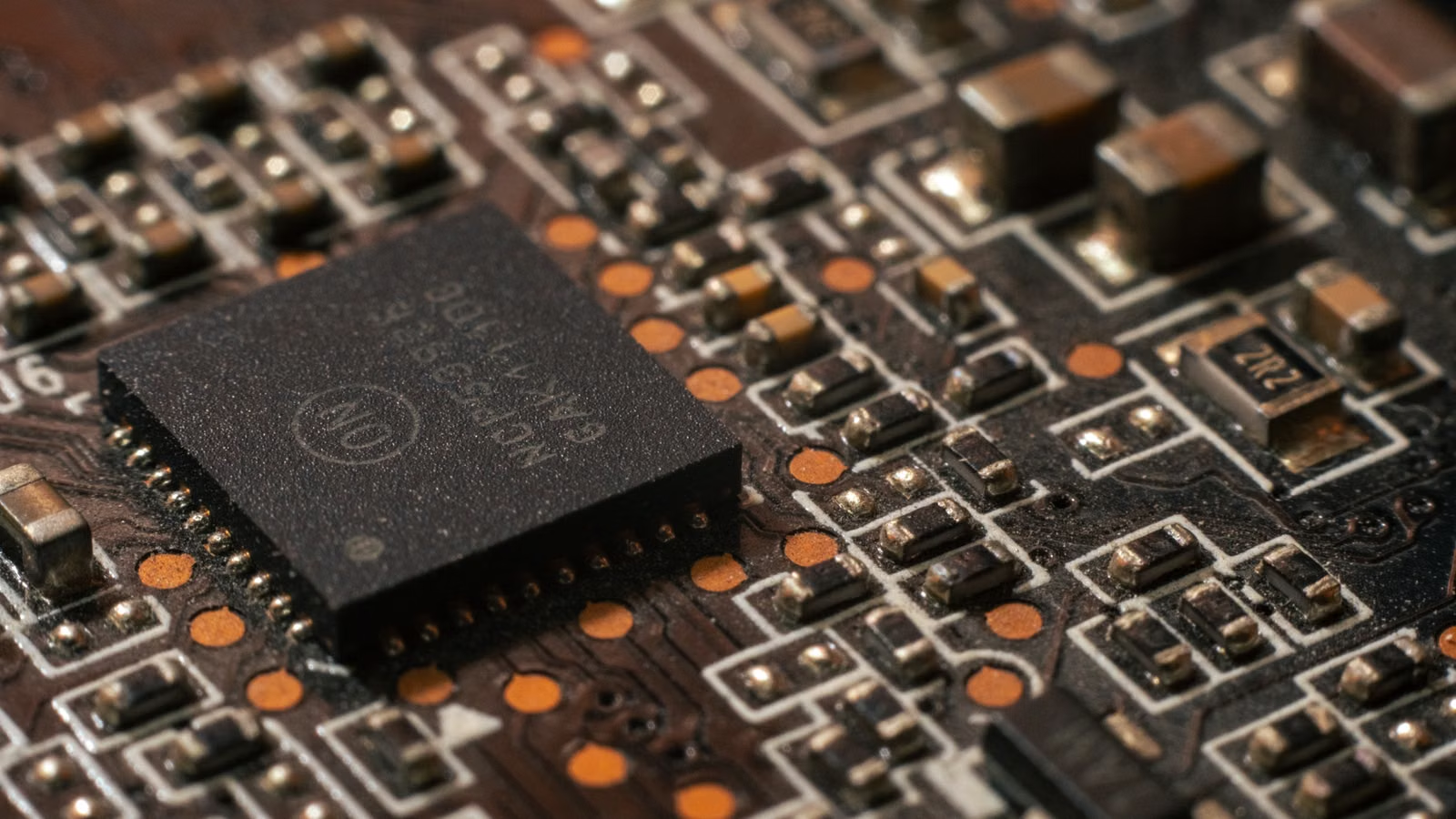
NOR Flash, SLC NAND, and EEPROM are all types of non-volatile memory, meaning they can retain data after power is turned off. However, they are not the same product. NOR Flash is more suitable for boot code, firmware, and embedded code execution. SLC NAND is better suited to embedded data storage that requires higher capacity and reliability. EEPROM is more suitable for storing small amounts of parameters, calibration values, and configuration data. Understanding these three memory types can help you analyze Hong Kong-listed memory-related stocks, because many Hong Kong semiconductor companies are not directly tied to HBM, DRAM, or consumer SSDs. Instead, they are more closely linked to niche memory markets such as automotive electronics, industrial control, communication modules, smart meters, security systems, and IoT devices.
Key Takeaways
- NOR Flash is suitable for boot code, firmware, automotive controllers, communication modules, and low-latency reads.
- SLC NAND is suitable for embedded data storage that requires higher capacity and stronger reliability.
- EEPROM is suitable for small-parameter storage, calibration data, device configuration, and identity information.
- These three products point to niche memory, which helps explain some Hong Kong memory-related stocks.
- When analyzing related companies, focus on product mix, end markets, customer certification, and pricing cycles.
- These stocks are not the same as the HBM theme; their valuation logic is closer to embedded chips and domestic substitution.
Why Are NOR Flash, SLC NAND, and EEPROM All Called Non-Volatile Memory?
NOR Flash, SLC NAND, and EEPROM are all called non-volatile memory because they can retain data after power is turned off. The key difference is their role: NOR Flash focuses on fast reads and system boot, SLC NAND balances capacity and reliability, while EEPROM focuses on small amounts of parameter data that can be repeatedly updated. When you analyze Hong Kong-listed memory-related stocks, you should not simply group these three products under the broad idea of “memory chips.” You first need to identify whether the company is serving code storage, embedded data storage, or device configuration storage.
The core value of non-volatile memory is that it preserves information without continuous power. Volatile memory such as DRAM and SRAM is more focused on runtime computing, and data is lost when power is removed. Flash and EEPROM, by contrast, are used more often for code, firmware, parameters, logs, and device identity information. ST uses Serial EEPROM in automotive, industrial, consumer electronics, and medical applications, essentially treating it as non-volatile memory for long-term parameter and configuration storage.
You can first understand these three memory types as follows:
| Type | Core Function | Typical Advantage | Typical Scenario | Stock Analysis Focus |
|---|---|---|---|---|
| NOR Flash | Stores code, firmware, and boot data | Fast random reads, XIP support | Automotive ECUs, industrial control, communication modules | Automotive certification, high-density NOR, pricing cycle |
| SLC NAND | Stores larger embedded data | 1 bit per cell, higher reliability | Security, communication, vehicle boxes, medical devices | Capacity range, interface, customer adoption |
| EEPROM | Stores small parameters and configurations | Flexible rewriting, suitable for parameter storage | Smart meters, camera modules, home appliances, industrial control | Shipments, gross margin, end-market diversity |
These three memory products are different from HBM, which is directly tied to AI server computing, and they are also different from consumer SSDs, where the discussion is mainly about high capacity and high speed. They are closer to the needs of embedded devices: control, boot, configuration, identification, and reliable retention. In other words, NOR Flash, SLC NAND, and EEPROM are better suited to explaining embedded memory stocks than bulk DRAM or AI data center storage stocks.
If you judge value only by storage capacity, you may easily misread EEPROM. If you judge value only by read/write speed, you may also underestimate the role of NOR Flash in secure boot and firmware storage. If you understand NAND only as TLC or QLC used in SSDs, you may overlook the reliability value of SLC NAND in industrial and automotive embedded devices. Kioxia defines SLC NAND as non-volatile memory that stores 1 bit per cell, emphasizing write speed, write/erase endurance, and reliability. This is not the same logic as the cost-density focus of ordinary consumer SSDs.
Summary: NOR Flash, SLC NAND, and EEPROM all retain data after power loss, but they serve different purposes. NOR Flash is more focused on code and boot functions. SLC NAND is more focused on reliable capacity. EEPROM is more focused on small-parameter storage. Once you distinguish the three, you can better understand the revenue sources, customer structure, and cycle logic of Hong Kong-listed memory-related stocks. They do not represent a single “memory concept,” but rather the long-term embedded needs of automotive controllers, industrial equipment, communication modules, smart meters, security systems, and medical devices.
What Is NOR Flash? Why Is It Suitable for Code Storage and Embedded Boot?

NOR Flash is a type of non-volatile memory better suited to code storage, firmware retention, and embedded boot. Its key value is not the lowest cost per unit of capacity, but rather fast random reads, reliable startup, and the ability to execute code directly. When you see Hong Kong-listed memory-related stocks mention NOR Flash, you should first think of automotive ECUs, industrial controllers, communication infrastructure, T-Box devices, WiFi modules, and IoT devices, rather than AI server SSDs.
A typical capability of NOR Flash is random reading and XIP. Infineon describes NOR Flash as memory that can retain data after power loss and support execute-in-place, making it suitable for embedded code storage. XIP means that a processor can read and execute code directly from Flash, without necessarily copying it into RAM first. This deterministic read capability is very important for boot code, bootloaders, firmware, and external MCU code.
The difference between NOR Flash and NAND Flash is best understood by looking at system tasks:
| Dimension | NOR Flash | NAND Flash |
|---|---|---|
| Main task | Code storage, firmware, boot | Data storage, capacity expansion |
| Access method | Stronger random reads | More commonly managed by pages and blocks |
| Cost per unit of capacity | Usually higher | More advantageous at higher capacities |
| System complexity | Can be used for direct code execution | Usually requires ECC and bad block management |
| Common scenarios | ECUs, MCUs, industrial control, communication modules | Embedded data, storage cards, SSDs, object data |
NOR Flash becomes especially valuable in automotive electronics and industrial control. Automotive ECUs, instrument clusters, ADAS peripheral controllers, gateways, T-Box systems, industrial PLCs, and communication base-station modules all require reliable boot, long product lifecycles, and strong environmental tolerance. GigaDevice’s automotive SPI NOR Flash covers capacities from 2Mb to 2Gb and highlights AEC-Q100 Grade 1, showing that automotive NOR Flash is not just about capacity, but also reliability, certification cycles, and long-term supply.
For Hong Kong-listed memory-related stocks, the analytical value of NOR Flash is that it brings the company’s business back from a broad semiconductor concept to specific end markets. If a company has a high NOR Flash exposure, you should focus on:
- Whether high-density NOR is increasing and whether the company is entering automotive or industrial customers.
- Whether end demand comes from consumer electronics, automotive electronics, industrial applications, or communications.
- Whether customer certification cycles are long enough to create stickiness.
- Whether the product is in a phase of price recovery, inventory digestion, or new-product adoption.
- Whether the company has combined sales capabilities across MCU, EEPROM, SLC NAND, and other products.
NOR Flash is also cyclical. When consumer electronics demand is weak, low- and mid-density NOR products may come under pressure. When automotive and industrial customers take a larger share, revenue quality may become more stable, but certification and adoption cycles can also become longer. You should not look only at the phrase “domestic substitution.” You also need to look at product density, process platforms, customer structure, gross margin, and inventory changes.
Summary: NOR Flash is a code-storage product used for boot code, firmware, and embedded programs. Its investment analysis focus is not merely capacity, but reliability, random-read capability, XIP, automotive certification, and end-customer structure. For Hong Kong-listed memory-related stocks, NOR Flash is more useful for explaining demand from automotive electronics, industrial control, communication modules, and IoT devices than demand from AI server storage. If a company’s NOR Flash products move toward higher density, higher reliability, and longer lifecycle scenarios, its revenue structure and valuation logic may become more embedded-semiconductor oriented.
What Is SLC NAND? Why Does It Sit Between NOR Flash and High-Capacity NAND?
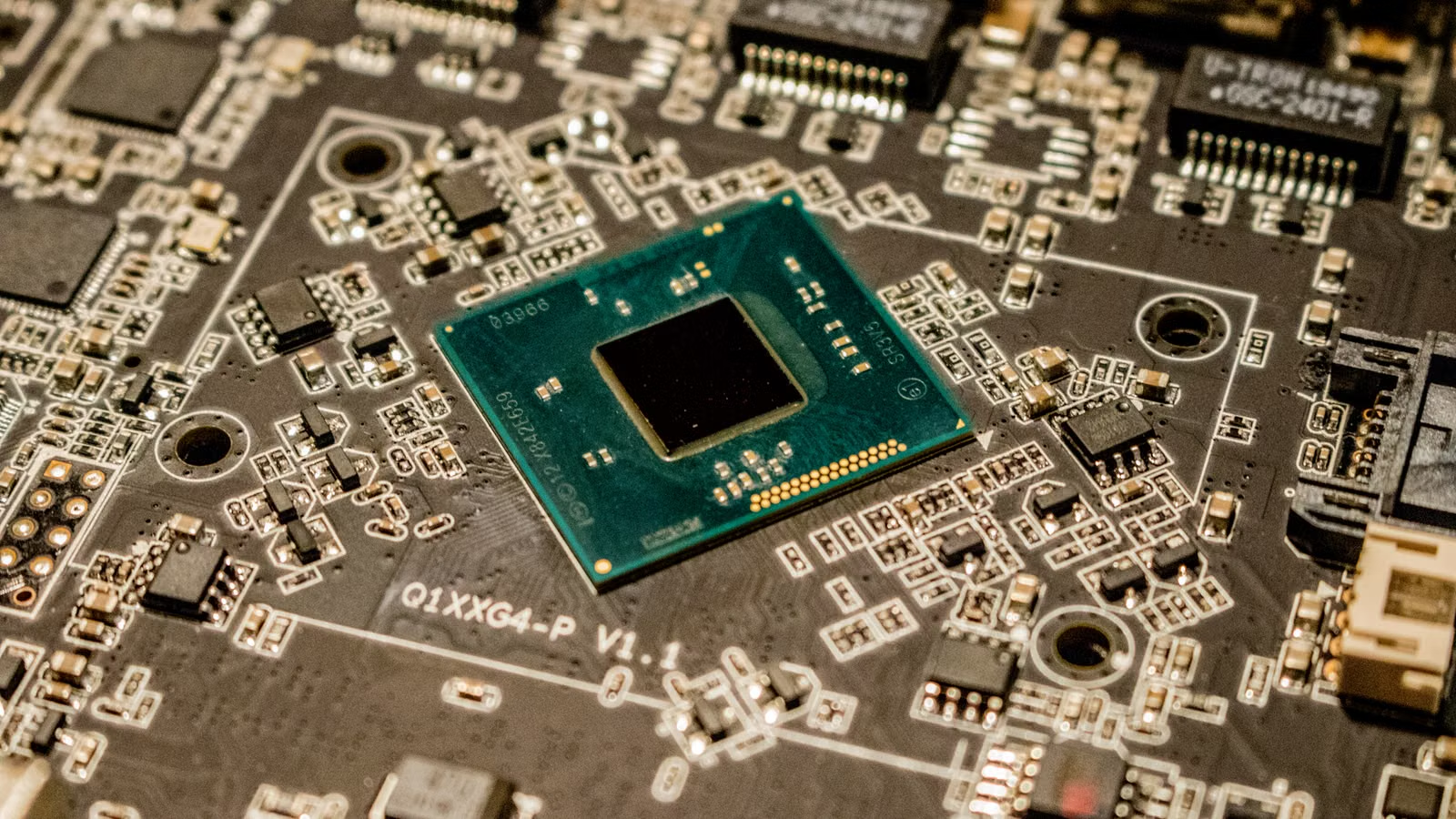
SLC NAND is NAND Flash in which each memory cell stores only 1 bit. Its core advantages are better reliability, endurance, and write stability. It is not mainly designed for direct code execution like NOR Flash, nor is it like TLC or QLC NAND, which prioritizes high density and low cost per unit of capacity. You can think of SLC NAND as a reliable capacity solution for embedded devices, suitable for industrial, communication, automotive, medical, security, and long-lifecycle terminal products.
SLC stands for Single-Level Cell. Each memory cell represents only 0 or 1, making the voltage state simpler. As a result, SLC typically has better endurance and reliability than MLC, TLC, or QLC. Kioxia’s description of 1-bit per cell emphasizes that SLC NAND can provide high write/erase endurance, reliability, and wide operating-temperature support. The trade-off is lower capacity density, which usually means higher cost per unit of capacity than multi-bit NAND.
The relationship between SLC NAND and NOR Flash is best explained by the distinction between “code” and “data.” NOR Flash is better suited to boot code, firmware, and random reads. SLC NAND is better suited to data storage at higher capacity than NOR, such as device logs, system data, image caches, communication data, and embedded file systems. SLC NAND often requires a controller, ECC, bad block management, and file-system support, so its system design complexity is usually higher than that of NOR Flash.
| Dimension | NOR Flash | SLC NAND |
|---|---|---|
| Core use | Boot code, firmware, XIP | Embedded data storage |
| Capacity expansion | Relatively limited | Better for higher capacity |
| Read characteristics | Strong random reads | More page/block oriented |
| System management | Relatively simple | Requires ECC and bad block management |
| Typical applications | MCU, ECU, communication module boot | Security, vehicle boxes, medical, industrial devices |
SLC NAND helps explain embedded memory stocks because its end markets are highly diverse. Shanghai Fudan Microelectronics’ SLC NAND Flash products cover 0.5Gbits to 8Gbits, and the company states that SPI NAND can reduce MCU pin usage. Its application scope includes mobile phones, data cards, set-top boxes, networking products, communication equipment, and toys. The logic here is not “one blockbuster product,” but rather “many end markets, small capacities, high reliability, and long-term supply.”
From a Hong Kong stock analysis perspective, the key indicators for SLC NAND include:
- Whether capacity ranges are expanding from lower to higher densities.
- Whether interfaces cover mainstream options such as SPI, ONFI, and parallel NAND.
- Whether the products enter long-lifecycle markets such as automotive, industrial, medical, and communication equipment.
- Whether customer certification and replacement cycles have already been completed.
- Whether gross margin is affected by NAND pricing cycles and end-market inventory.
- Whether the company can combine SLC NAND with MCU, NOR Flash, and EEPROM solutions.
The risks of SLC NAND also need to be separated clearly. It is not part of the high-capacity SSD theme, so you should not directly apply AI data center NAND logic. It is also not immune to cycles; terminal demand, inventory, and pricing still affect profits. If a company discloses growth in SLC NAND, you need to determine whether the growth comes from price recovery, customer adoption, capacity upgrades, or short-term restocking.
Summary: SLC NAND sits between NOR Flash and high-capacity NAND. It is neither purely for code boot nor the same as TLC/QLC NAND in consumer SSDs that prioritize extreme capacity density. Its value lies in reliability, endurance, and embedded capacity expansion, making it suitable for communication, industrial, security, automotive, and medical devices with long lifecycles. When analyzing Hong Kong-listed memory-related stocks, SLC NAND helps you identify whether a company has a niche memory product line, customer certification capability, and embedded-market coverage, instead of staying at the broad “memory chip” concept level.
What Is EEPROM? Why Can Small-Capacity Memory Still Have Industrial Value?
EEPROM is a type of non-volatile memory suitable for storing small amounts of parameters, calibration data, configuration values, serial numbers, identity information, and status records. Its value does not come from capacity, but from repeated updates, flexible erase/write granularity, strong system compatibility, and long-term reliable retention. When you analyze EEPROM-related companies, you should not view EEPROM as “large-capacity storage,” but as a basic component used to preserve critical parameters in embedded devices.
EEPROM often appears in the control chain of real devices. Smart meters need to store metering parameters. Camera modules need to store calibration data. Automotive electronic modules need to store configuration and status information. Industrial equipment needs to preserve operating parameters. Medical instruments need to store device information. ST’s Automotive Serial EEPROM emphasizes high-temperature environments, AEC-Q100, and automotive applications, showing that although EEPROM capacity is small, it has clear industrial value in reliability and long-term supply.
EEPROM applications can be understood as follows:
| Application Scenario | Stored Data Type | Industrial Value |
|---|---|---|
| Smart meters | Metering parameters, calibration values | Supports long-term accurate records |
| Camera modules | Lens calibration, module information | Supports image consistency |
| Home appliances and displays | Configuration, status, identification information | Supports device control |
| Automotive electronics | Module parameters, fault records | Supports reliable operation and diagnosis |
| Industrial control | Process parameters, equipment status | Supports long-term stable operation |
| Medical instruments | Device identity, calibration data | Supports traceability and reliability |
Why has EEPROM not been completely replaced? Many systems do not need large-capacity Flash; they only need to reliably store a small amount of critical data. Even if a device already has internal MCU Flash or external NOR Flash, it may still retain EEPROM for frequently updated small data, independent configuration storage, or system compatibility. For device manufacturers, the key value of EEPROM is not “large capacity,” but “critical data must not be lost, updates must be flexible, and system changes must be minimal.”
When mapping EEPROM to Hong Kong-listed memory-related stocks, you should look at whether the company has broad interface and capacity coverage. Shanghai Fudan Microelectronics’ annual report discloses that its EEPROM products support I2C, SPI, Micro Wire, and other interfaces, with capacities from 1Kbit to 2Mbit, and are used in mobile phone modules, smart meters, communications, home appliances, displays, automotive electronics, medical instruments, and industrial control. This product structure shows that EEPROM revenue often comes from broad end markets rather than a single blockbuster application.
EEPROM company analysis should focus on:
- Whether shipments and average selling prices are stable.
- Whether automotive, industrial, and medical customers are taking a larger share.
- Whether end demand is recovering, digesting inventory, or declining.
- Whether gross margin is under pressure from price competition.
- Whether EEPROM is sold together with NOR Flash, MCU, and SLC NAND in customer solutions.
- Whether automotive certification, long-term supply, and reliability testing create barriers.
Summary: EEPROM has small capacity, but its industrial value is not small. It solves the problem of long-term retention for device parameters, calibration data, identity information, and status records. It is widely used in automotive electronics, industrial control, smart meters, home appliances, medical devices, and communication equipment. For Hong Kong-listed memory-related stocks, EEPROM helps explain embedded-device demand, customer dispersion, and stable shipment logic. Analysis should not focus only on capacity; it should also examine end-market structure, certification barriers, gross margin, and the company’s ability to sell EEPROM together with other chip products.
Why Do NOR Flash, SLC NAND, and EEPROM Help Explain Hong Kong-Listed Memory-Related Stocks?
NOR Flash, SLC NAND, and EEPROM help explain Hong Kong-listed memory-related stocks because they are closer to the real product structures of some Hong Kong semiconductor companies. In international markets, memory stocks are often associated with DRAM, HBM, SSDs, and bulk NAND. But among Hong Kong-related targets, many companies are more focused on embedded non-volatile memory, with revenue coming from automotive electronics, industrial control, communication modules, smart meters, security systems, medical devices, and IoT. These companies cannot be understood only through the AI server theme.
You can divide Hong Kong memory-related investment logic into four categories:
| Type | Representative Logic | Main Observation Points |
|---|---|---|
| Bulk memory | DRAM, NAND, SSD, HBM | Pricing cycle, supply-demand balance, capital expenditure |
| Niche memory | NOR Flash, SLC NAND, EEPROM | End applications, certification, gross margin |
| Embedded support | MCU, interface chips, control chips | Customer solutions, domestic substitution |
| Testing and services | IC testing, packaging/testing, validation | Utilization rate, customer structure, order cycle |
Shanghai Fudan Microelectronics is a typical sample for observing niche memory. Its annual report discloses that its non-volatile memory products include EEPROM, NOR Flash, and SLC NAND Flash, with applications covering display modules, security, WiFi modules, network communication, automotive, medical, and industrial control. The report also discloses that revenue from its non-volatile memory product line was about RMB 1.136 billion in 2024, compared with about RMB 1.072 billion in 2023. This type of revenue growth is not the same as an HBM boom; it is more likely the result of embedded product structure, customer adoption, and end-market cycles acting together.
To analyze companies such as Shanghai Fudan Microelectronics, you can break the analysis into five dimensions:
- Product line: whether EEPROM, NOR Flash, and SLC NAND form a complete portfolio.
- Revenue share: how important non-volatile memory is within total revenue.
- Application structure: how much demand comes from consumer electronics, automotive, industrial, communication, and medical markets.
- Gross margin: whether price competition and product upgrades improve earnings quality.
- Domestic substitution: whether customer certification is actually converting into revenue, rather than staying only at the narrative level.
GigaDevice’s Hong Kong listing also strengthens the observation value of NOR Flash. After GigaDevice announced its Hong Kong listing, Hong Kong investors could more directly track its Flash, MCU, sensor, and analog product portfolio. Reuters reported that GigaDevice holds a notable position in the global NOR Flash market and mentioned that its Hong Kong debut drew attention under the theme of semiconductor self-sufficiency. For you, this should not simply mean chasing IPO enthusiasm. It means looking at NOR Flash, MCU, automotive adoption, and embedded customer structure together.
If you follow Hong Kong and U.S. semiconductor assets, you also need to separate technology logic from trading costs. Popular semiconductor stocks can be affected by earnings, valuation, policy, liquidity, and market sentiment at the same time. Eligible users can review Biya U.S. stock trading fees to understand how commissions, platform fees, external agency fees, and other charges are displayed. Biya charges 0 USD commission for U.S. stock trading, while platform fees, external agency fees, and other costs are subject to the fee center and order page. Public market information and fee structures do not constitute investment advice. Before trading, you should evaluate your statements, platform rules, and applicable local regulatory requirements.
Summary: NOR Flash, SLC NAND, and EEPROM help explain Hong Kong-listed memory-related stocks because they translate the broad “memory concept” into concrete products, customers, and end-market cycles. Shanghai Fudan Microelectronics is more representative of a niche non-volatile memory portfolio, while GigaDevice’s Hong Kong listing brings more attention to NOR Flash, MCU, and embedded storage. When analyzing these companies, you should distinguish bulk memory from niche memory and avoid applying the HBM or AI server logic to all memory stocks. What truly matters is product structure, revenue quality, end-market cycles, and valuation risk.
What Metrics and Risks Should You Track When Analyzing Hong Kong-Listed Memory-Related Stocks?
When analyzing Hong Kong-listed stocks related to NOR Flash, SLC NAND, and EEPROM, you should first look at product mix and downstream applications, then examine financial data, cycle position, valuation, and liquidity risk. Technical terms help you understand what a company does, but they do not directly determine stock performance. Product demand growth does not necessarily equal profit growth, because pricing, inventory, gross margin, customer certification, R&D spending, and market sentiment can all affect the final result.
The first step is to look at product mix. If a company only has low-density, consumer-grade products in highly competitive markets, its earnings elasticity and barriers may be limited. If its products enter automotive, industrial, communication, and medical markets with long lifecycles, customer stickiness and supply stability may be stronger, but adoption cycles can also be longer. GigaDevice’s Flash product portfolio includes SPI NOR Flash, SPI NAND Flash, Parallel NAND Flash, and other products, showing that you cannot understand an embedded semiconductor company through a single product alone.
| Product Type | Downstream Market | Main Driver | Main Risk |
|---|---|---|---|
| NOR Flash | Automotive, industrial, communication, IoT | Firmware upgrades, automotive adoption, high-density demand | Consumer electronics inventory, price competition |
| SLC NAND | Security, automotive, medical, communication | Reliable capacity, embedded data growth | NAND cycle, alternative solutions |
| EEPROM | Smart meters, home appliances, automotive, industrial control | Parameter storage, device configuration | Low unit price, fragmented end markets |
| MCU support | Industrial, consumer, automotive | Solution bundling, domestic substitution | Intense competition, inventory adjustment |
| Testing services | Semiconductor supply chain | Orders, utilization rate | Downcycle, pricing pressure |
The second step is to examine financial data. Niche memory products usually do not have the same explosive narrative as HBM, but they may depend more on stable shipments, customer certification, and gross margin improvement. Financial indicators worth tracking include revenue growth, gross margin, inventory, accounts receivable, R&D expenses, customer concentration, capital expenditure, product-line revenue breakdown, and changes in domestic and overseas customers. If revenue grows while inventory also rises, you need to determine whether it reflects stocking or weakening demand. If gross margin declines, you need to examine whether the cause is price competition, product mix changes, or lower utilization.
The third step is to evaluate cycle position. The memory industry is highly cyclical. Although NOR Flash, SLC NAND, and EEPROM are niche products, they are still affected by end demand and inventory conditions. A recovery in consumer electronics may support low- and mid-density products, while automotive and industrial demand may improve product structure. However, if valuation has already priced in optimistic expectations, share prices may still fluctuate. Long-term technology potential and short-term trading risk are not the same thing.
Common mistakes include:
- Treating all memory stocks as HBM or AI server plays.
- Looking only at domestic substitution without checking actual customer certification and revenue share.
- Looking only at revenue growth while ignoring gross margin and inventory.
- Looking only at technical specifications while ignoring end-demand cycles.
- Looking only at company narratives while ignoring valuation, liquidity, and financial quality.
- Mistaking product price recovery for guaranteed long-term profit growth.
If you track multiple asset classes such as Hong Kong semiconductors, U.S. memory leaders, ETFs, and digital assets, you can use Biya to record multi-asset trades and fee information. When looking for U.S.-listed semiconductor, memory, and AI infrastructure companies, you can also combine it with U.S. stock information to review basic stock information. Availability of related services depends on your location, identity verification results, platform rules, and applicable laws and regulations. Before making any trade, you should check orders, fees, statements, and risk disclosures.
Summary: The key to researching Hong Kong-listed stocks related to NOR Flash, SLC NAND, and EEPROM is product structure, downstream cycles, customer certification, gross margin, inventory, and valuation risk, not simply the word “memory.” These three products help you identify whether a company serves automotive electronics, industrial control, communication modules, smart meters, or consumer electronics. Technical understanding is only the first step; financial validation and risk assessment are the core of investment judgment. Only by placing products, customers, cycles, and valuation in the same framework can you avoid mistaking niche memory stocks for HBM or AI server storage stocks.
Understanding NOR Flash, SLC NAND, and EEPROM can help you more accurately distinguish the real business of Hong Kong-listed memory-related stocks. They do not represent the same memory cycle: NOR Flash reflects code storage and automotive embedded demand; SLC NAND reflects reliable capacity and industrial/communication equipment; EEPROM reflects small-parameter storage and broad terminal shipments. If you follow Hong Kong semiconductors, U.S. memory leaders, ETFs, and cross-market assets, you can download the App to manage market tracking, trading records, and fee information. Public market information, trading rules, and fee explanations do not constitute investment advice. Before trading, you should consider company financial reports, risk disclosures, account rules, order pages, fee centers, and your own risk tolerance.
FAQ
What Is the Difference Between NOR Flash and EEPROM?
NOR Flash is more suitable for code storage, system boot, and firmware reading, while EEPROM is more suitable for storing small parameters, calibration values, and configuration data. Both are non-volatile memory, but they differ in capacity, erase/write granularity, access method, and application scenarios. When analyzing related companies, you should separately evaluate code-storage demand and device-parameter storage demand.
Why Is SLC NAND More Reliable Than TLC NAND?
SLC NAND is generally more reliable than TLC NAND because each memory cell stores only 1 bit, making the voltage state simpler and improving endurance and data stability. Its disadvantage is lower density and higher cost per unit of capacity, so it is more suitable for industrial, automotive, communication, and embedded applications rather than large-capacity consumer storage focused mainly on low cost.
Why Should Hong Kong-Listed Memory Stocks Be Analyzed Through NOR Flash?
Hong Kong-listed memory stocks should be analyzed through NOR Flash because NOR Flash reflects demand from embedded devices, automotive electronics, industrial control, communication modules, and IoT. It is different from HBM, DRAM, or consumer SSDs, and is better suited to analyzing niche memory companies’ customer certification, product structure, pricing cycle, and domestic substitution progress.
Do Small-Capacity EEPROM Products Still Have Investment Value?
The industrial value of EEPROM does not come from capacity, but from device configuration, parameter storage, calibration data, and long-term reliability. Whether EEPROM-related companies have investment value depends on shipments, customer structure, gross margin, automotive or industrial certification, end-market conditions, and valuation. Small-capacity products may have stable demand, but that does not mean stock prices have no cycle risk.
Which Hong Kong Semiconductor Companies Can SLC NAND Help Explain?
SLC NAND is more useful for explaining Hong Kong semiconductor companies that disclose embedded memory exposure in industrial equipment, security, communication, automotive, and medical applications. Analysis should focus on capacity range, interface type, customer certification cycle, revenue share, and gross margin changes. SLC NAND should not be simply equated with consumer SSDs or AI data center NAND.
How Can Retail Investors Avoid Misreading Hong Kong Memory Stocks?
Retail investors should avoid treating all Hong Kong memory stocks as HBM, AI server, or consumer SSD plays. A more prudent approach is to distinguish NOR Flash, SLC NAND, EEPROM, DRAM, NAND, interface chips, and testing services, then evaluate financial reports, inventory, gross margin, valuation, and risk disclosures. Concept-driven trading alone can lead to misunderstanding the company’s real business.
*This article is provided for general information purposes and does not constitute legal, tax or other professional advice from BiyaPay or its subsidiaries and its affiliates, and it is not intended as a substitute for obtaining advice from a financial advisor or any other professional.
We make no representations, warranties or warranties, express or implied, as to the accuracy, completeness or timeliness of the contents of this publication.
Related Blogs of

Cheapest Way to Transfer Money Internationally: Small vs. Large Transfers


International Money Transfers: Methods, Requirements, and Costs





Choose Country or Region to Read Local Blog
 Australia
 Austria
 Belgium
 Canada
 Cyprus
 Czech Republic
 Denmark
 Estonia
 Finland
 France
 Germany
 Greece
 Hong Kong
 India
India Indonesia
 Ireland
 Italy
Italy Japan
Japan Latvia
 Lithuania
 Luxembourg
 Malaysia
 Malta
Malta Morocco
 Nepal
Nepal Netherlands
 New Zealand
 Norway
 Pakistan
 Philippines
 Poland
 Portugal
 Romania
 Singapore
 Slovakia
 Slovenia
 South Africa
 South Korea
 Spain
Spain Sweden
 Thailand
 United States
 Turkey
 United Arab Emirates
 United Kingdom
 Vietnam