
How to Read Cloud Provider CapEx? The Impact on Micron, Western Digital, Seagate, and Enterprise Storage Stocks




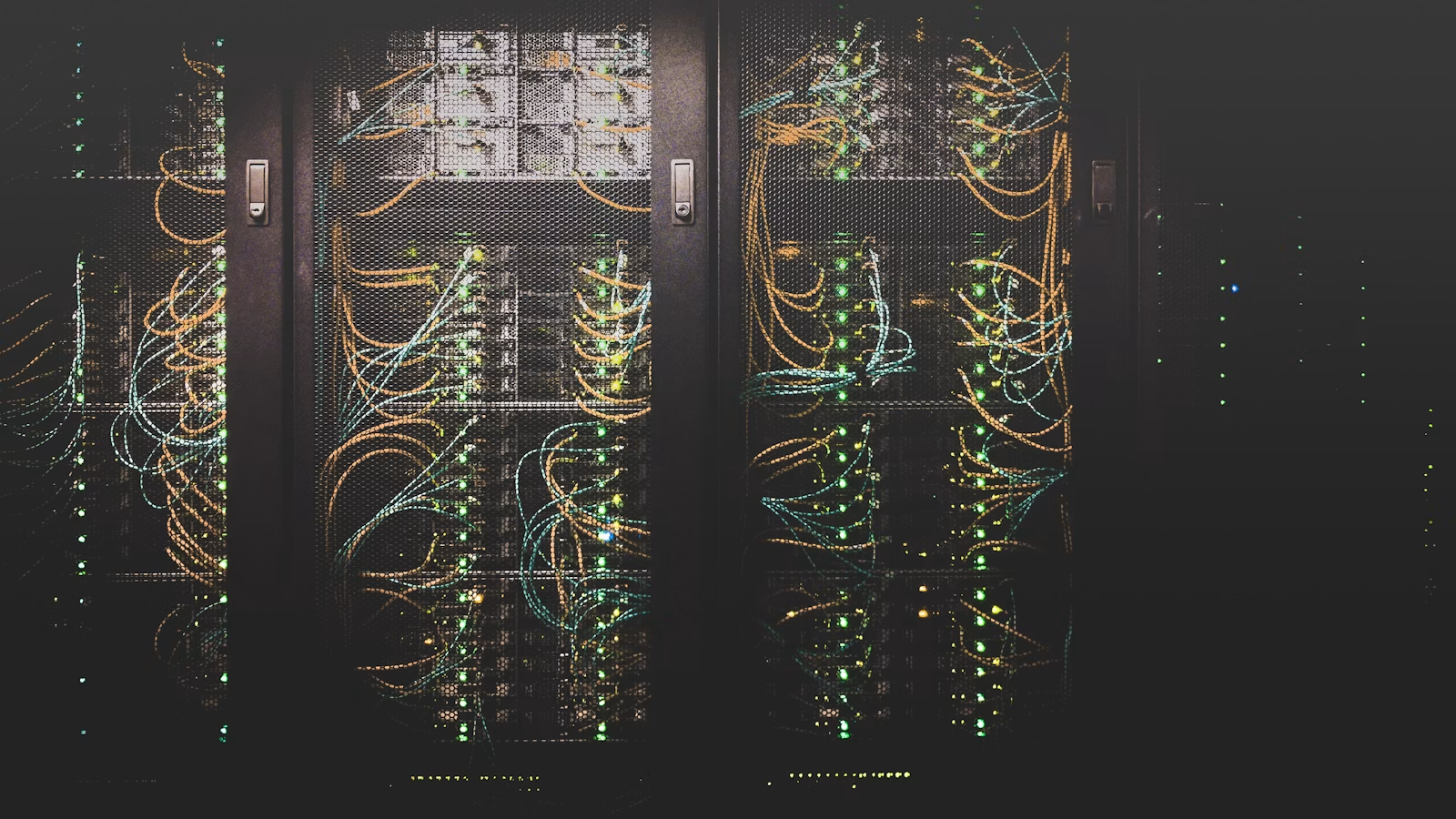
Cloud provider capital expenditure should not be judged only by whether the spending number keeps rising. You need to break it down into GPUs, CPUs, servers, HBM, DRAM, SSDs, HDDs, networking equipment, power systems, and data center construction. For Micron, the more direct impact comes from HBM, server DRAM, data center SSDs, and NAND supply-demand conditions. For Western Digital and Seagate, the key variables are nearline HDDs, AI data lakes, and long-term data retention. For enterprise storage stocks, the transmission path also includes all-flash arrays, hybrid cloud, backup, data management, and subscription services. When evaluating storage stocks, you should look at CapEx structure, order transmission, inventory, gross margin, valuation, and cash flow together.
Key Takeaways
- Cloud provider CapEx should be split into compute, storage, networking, power, and data center construction.
- Micron is more exposed to HBM, server DRAM, data center SSDs, and NAND supply-demand conditions.
- Western Digital and Seagate are more exposed to nearline HDDs, AI data lakes, and long-term capacity demand.
- Enterprise storage stocks benefit differently, through hardware demand, software, and data management.
- Rising CapEx does not mean all storage stocks will rise together; inventory, margins, and valuation still matter.
- To track the cycle, follow cloud provider guidance, orders, supply expansion, and free cash flow pressure.
What Should You Look at in Cloud Provider CapEx? Do Not Focus Only on the Total Number

The core question in cloud provider CapEx is not simply “how much did the company spend this year?” The more important questions are what assets the money went into, how quickly those assets can generate revenue, and which parts of the supply chain will benefit. In the AI era, CapEx is no longer only about traditional servers and data center expansion. It also includes GPUs, CPUs, HBM, server DRAM, data center SSDs, network switches, power systems, cooling facilities, and data center land. When analyzing Micron, Western Digital, Seagate, and enterprise storage stocks, you must first separate cloud CapEx into different asset categories.
CapEx means capital expenditure, or spending used to purchase or build long-term assets. For cloud providers, it usually covers servers, chips, storage, networking, data center buildings, land, power access, cooling systems, and principal payments for finance leases. AI CapEx is different because compute assets account for a larger share, hardware refresh cycles are faster, and power density per rack rises significantly. Microsoft disclosed FY2026 Q3 capital expenditure of $31.9 billion and said roughly two-thirds was for short-lived assets such as GPUs and CPUs, making it a useful example for breaking down AI CapEx.
Why do short-lived assets matter? GPUs, CPUs, servers, and some storage devices have shorter depreciation cycles, so they affect the income statement and free cash flow more quickly. Data center buildings, land, and power infrastructure are longer-lived assets with longer payback periods. If a cloud provider buys large quantities of GPUs but customer workloads and AI revenue do not keep pace, the market may worry about return on invested capital. If the company builds data centers and power infrastructure but faces delivery, regulatory, or grid constraints, the time needed to convert spending into revenue may also lengthen.
| CapEx Item | Asset Characteristics | Direct Beneficiary Supply Chain | Impact on Storage Stocks |
|---|---|---|---|
| GPU / AI accelerator | Short-lived, high unit price | Nvidia, AMD, ASICs, server ODMs | Drives HBM and server DRAM demand |
| CPU / server | Short-lived, expands with clusters | Intel, AMD, Dell, Supermicro | Drives DRAM, SSDs, and system storage |
| Data center SSD | Medium-short cycle, performance layer | Micron, Samsung, Kioxia, Solidigm | Affects NAND and enterprise SSD demand |
| Nearline HDD | Capacity layer, long-cycle demand | Western Digital, Seagate, Toshiba | Affects cloud data lakes and cold data storage |
| Networking equipment | High-speed interconnect | Broadcom, Arista, Marvell | Affects AI cluster deployment speed |
| Land, power, data center | Long-lived assets | Data center REITs, power equipment | Affects CapEx execution pace |
Amazon’s 2025 shareholder letter, published in 2026, said that roughly $200 billion of expected 2026 CapEx was not “a bet without demand,” and that a meaningful portion of AWS spending was backed by customer commitments. The point of such language is not just to highlight the size of the spending plan. It is to argue that cloud CapEx is supported by customer demand, long-term contracts, and a future monetization path. For investors, the quality of CapEx matters more than the absolute number.
Summary: When you look at cloud provider capital expenditure, do not just compare whether Microsoft, Amazon, Alphabet, or Meta is spending more. A more useful approach is to break the spending structure down: how much goes into GPUs and servers, how much goes into storage, and how much goes into networking, power, and data center buildings. You also need to distinguish short-lived assets from long-lived assets. For storage stocks, GPU purchases first flow through to HBM and server DRAM, while AI cluster deployment later drives data center SSDs, nearline HDDs, and enterprise storage systems. Rising total CapEx is only the starting point; spending structure, depreciation cycle, and revenue conversion speed determine the supply-chain impact.
How Does Cloud Provider CapEx Flow Through to the Storage Supply Chain?
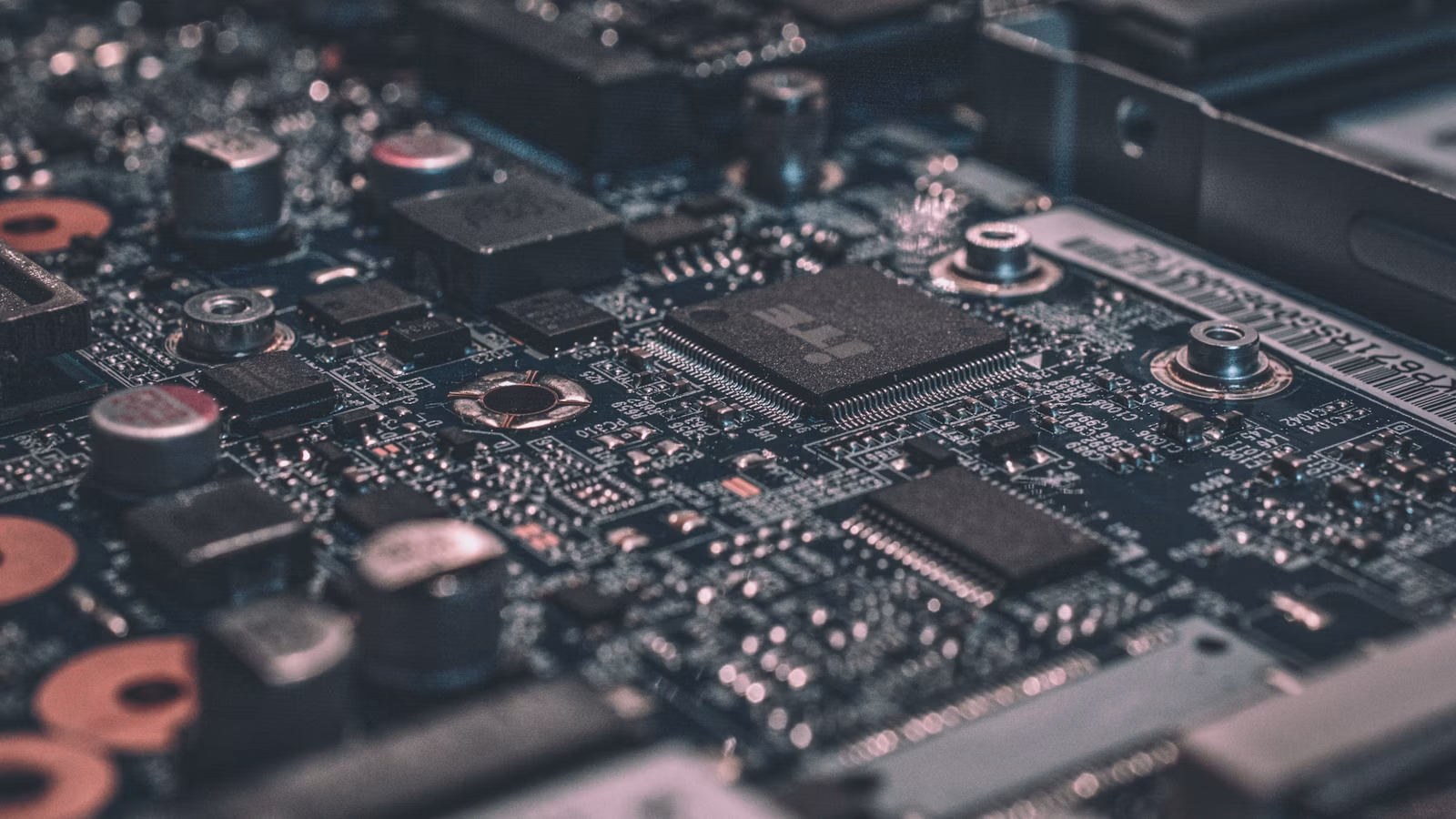
The impact of cloud CapEx on the storage supply chain does not happen all at once. It moves step by step along the path of compute buildout, server shipments, memory configuration, SSD performance layers, HDD capacity layers, and enterprise data management. GPU purchases are usually the first thing the market notices, but AI training, inference, logs, vector indexes, and data lakes continue to create storage demand in later quarters. This means Micron, Western Digital, Seagate, and enterprise storage stocks are affected on different timelines.
AI training first drives demand for high-performance memory. GPUs need HBM, the CPU side needs server DRAM, training data pipelines need high-speed SSDs, model checkpoints need stable write performance, and training corpora and historical data need data lakes for retention. AI inference is not only about GPU usage either: model weights, caches, RAG knowledge bases, vector databases, user logs, evaluation data, and compliance retention all create additional storage needs. In other words, compute is the first layer, while data becomes the layer that keeps expanding over time.
A simplified transmission path looks like this:
- Cloud providers raise AI CapEx.
- GPUs, CPUs, AI servers, and network equipment ramp first.
- HBM and server DRAM increase with AI server configurations.
- Data center SSDs are used for training hot paths, caching, and local high-speed storage.
- Nearline HDDs support data lakes, logs, backup, and long-term retention.
- Enterprise storage systems, backup software, and hybrid cloud management follow.
Alphabet stated in its Q1 2026 earnings call that capital expenditure was mainly directed toward AI technical infrastructure, with servers, data centers, and networking equipment forming important parts of that spending. This shows that cloud CapEx is not one single purchase order. It is a staged buildout: first compute is purchased, then data centers and networks are deployed, customer workloads migrate, and finally more storage demand emerges as data accumulates.
| CapEx Stage | Main Purchases | Beneficiary Direction | Lag Risk |
|---|---|---|---|
| Stage 1 | GPUs, CPUs, AI servers | HBM, server DRAM, networking chips | Supply tightness, delivery queues |
| Stage 2 | Data center SSDs, cache layers | Micron, enterprise SSDs, NAND | Customer certification, design wins |
| Stage 3 | Nearline HDDs, object storage | Western Digital, Seagate | Order timing, customer inventory |
| Stage 4 | Enterprise storage systems, backup | Pure Storage, NetApp, Dell, HPE | Enterprise budgets, project delays |
| Stage 5 | Software, subscriptions, management platforms | Data governance, hybrid cloud, storage services | ARR growth, renewal rate |
Storage demand can lag GPU procurement because a data center takes time to move from “equipment purchased” to “workloads running.” After GPUs arrive, racks, power, cooling, networking, and the software stack still need to be deployed. Only after customer workloads migrate do training data, inference logs, and business data begin to accumulate. Storage company revenue recognition may also be affected by long-term supply agreements, delivery timing, customer acceptance, inventory management, and supply constraints. Therefore, strong cloud CapEx does not mean storage companies will necessarily see revenue jump in the very next quarter.
Summary: The impact of cloud CapEx on storage stocks is a chain reaction, not a synchronous linear relationship. Micron is usually affected earlier through HBM, server DRAM, and data center SSD demand. Western Digital and Seagate are more exposed to the back-end capacity layer, driven by AI data lakes, long-term retention, and nearline HDD orders. Enterprise storage stocks depend more on enterprise AI projects, all-flash arrays, backup, hybrid cloud, and data management budgets. When looking at CapEx, you must separate compute buildout from data accumulation and avoid equating GPU orders with an immediate benefit for every storage stock.
What Is the Impact on Micron? HBM, Server DRAM, and Data Center SSDs Are the Core

Cloud provider CapEx affects Micron mainly through three channels: HBM, server DRAM, and data center SSDs. AI server expansion increases demand for high-bandwidth memory and host-side memory, while data center SSDs support training data pipelines, caching, and local high-speed storage. Micron should therefore not be analyzed only through the old PC DRAM cycle. It is increasingly influenced by AI data center memory and storage configurations. However, strong demand does not eliminate stock risk. Supply, pricing, gross margin, and market expectations remain equally important.
The first channel is HBM. AI GPUs need high-bandwidth memory, and HBM is closely tied to advanced packaging, the GPU supply chain, and customer qualification. When cloud providers increase AI server purchases, HBM demand strengthens. But how much profit Micron can realize still depends on HBM capacity ramp, yield, packaging capability, customer qualification, and long-term contract pricing. HBM is a high-value product, but it is not a simple “demand exists, revenue appears immediately” story.
The second channel is server DRAM. AI servers do not only require HBM for GPUs. CPU hosts, inference servers, data preprocessing nodes, and storage servers also require large amounts of DRAM. When cloud providers increase server counts, demand for high-end DRAM and enterprise memory modules rises. For Micron, a higher data center revenue mix can improve product structure, but if supply expands too quickly or ordinary DRAM prices fall, overall earnings leverage can still be limited.
The third channel is data center SSDs and NAND. Both AI training and inference require high-speed data paths, so local SSDs, cache drives, training data drives, and data center SSDs expand with AI clusters. In its FY2026 Q2 materials, Micron said data center NAND revenue doubled sequentially and reached a new record, while NAND demand was significantly above available supply. This shows that the impact of AI CapEx is not limited to HBM; it is also flowing into data center SSDs and NAND.
| Micron Business Line | How Cloud CapEx Affects It | Leading Indicators | Risk Indicators |
|---|---|---|---|
| HBM | Directly driven by GPU cluster expansion | Customer qualification, long-term agreements, capacity ramp | Yield, packaging bottlenecks, peak pricing |
| Server DRAM | AI servers and inference nodes increase | Data center revenue mix, ASP | Ordinary DRAM downturn, inventory rebound |
| Data center SSD | Training, caching, hot data path | Design wins, NAND supply tightness | NAND expansion, customer inventory |
| Consumer NAND | Affected by supply allocation and price recovery | Price recovery, channel inventory | Weak end demand |
| Total gross margin | Higher share of high-value products | Margin expansion, FCF improvement | Valuation over-discounting, price-cycle reversal |
To analyze Micron, ask six questions: Has HBM capacity already been locked in by customers? Is the data center revenue mix still rising? Are DRAM and NAND average selling prices still increasing? Is gross margin expansion ahead of market expectations? Could future supply expansion create oversupply? Has the stock already priced in an optimistic scenario? Reuters reported that Micron had entered customer commitments for memory chips, which suggests customers are trying to secure supply, but long-term agreements still need to be analyzed alongside pricing terms and execution timing.
Summary: Micron is one of the more direct storage beneficiaries of cloud CapEx because AI servers require HBM, server DRAM, and data center SSDs. If higher cloud capital spending converts into real AI server shipments and data center workloads, Micron’s higher-value memory and storage products should receive demand support. But Micron is still a cyclical stock. Its share-price leverage depends on supply-demand gaps, ASP, gross margin, customer agreements, capacity expansion, and expectations. Strong AI CapEx should not make investors ignore the memory industry’s history of price swings and inventory cycles.
What Is the Impact on Western Digital and Seagate? Nearline HDDs Are the Capacity Foundation of AI Data Lakes
Cloud provider CapEx affects Western Digital and Seagate more through the capacity layer than the compute layer. AI data centers do not only need GPUs. They also continuously generate training data, inference logs, multimodal content, model versions, backups, and data lakes. Nearline HDDs are not suitable for high-frequency, low-latency hot data, but they are highly suitable for PB- and EB-scale long-term storage. The core logic for Western Digital and Seagate is that AI continues to expand cloud data lakes and long-term capacity demand.
AI data growth usually falls into two categories. The first is hot data, used for training, inference, caching, and vector retrieval, which is better suited to SSDs. The second is warm and cold data, including historical corpora, infrequently accessed logs, old model versions, backups, replicas, and compliance retention, which is better suited to HDDs or object storage. Western Digital stated at its Investor Day 2025 that text-to-image, text-to-video, and GenAI data lakes are expected to drive an approximately 23% CAGR in HDD exabyte shipments from 2024 to 2028. This shows that AI’s impact on HDDs is mainly about data retention scale, not low-latency compute.
Western Digital and Seagate benefit in slightly different ways. For Western Digital, focus on cloud customer exposure, high-capacity HDDs, UltraSMR, long-term agreements, and gross margin improvement. For Seagate, focus on the Mozaic/HAMR technology path, high-capacity drive shipments, nearline exabyte growth, free cash flow, and shareholder returns. Seagate reported FY2026 Q2 operating cash flow of $723 million and free cash flow of $607 million. Cash flow metrics like these help show whether high-capacity HDD demand is truly converting into financial quality.
| Company | Main Observation Points | AI Benefit Path | Main Risks |
|---|---|---|---|
| Western Digital | High-capacity HDDs, cloud customers, UltraSMR, TCO | GenAI data lakes, long-term capacity layer | Customer concentration, pricing swings, technology validation |
| Seagate | HAMR/Mozaic, nearline HDDs, FCF, gross margin | Hyperscaler capacity procurement | Yield, delivery timing, demand volatility |
| Toshiba HDD | Enterprise HDDs, cloud-scale capacity | Cloud and enterprise capacity layer | Market share, product roadmap |
| Enterprise storage systems | All-flash, hybrid cloud, backup | Enterprise AI and data management | Software competition, project budgets |
The risks for HDD stocks are also clear. First, hyperscaler customer concentration is high; if a few large customers slow purchases, orders and pricing can fluctuate. Second, high-capacity drive technology upgrades bring yield and validation risks, and HAMR, SMR, EPMR, and other approaches require long customer testing cycles. Third, AI data centers are constrained by power, land, cooling, and network deployment; if data center go-live timing is delayed, HDD demand can also be pushed out. Fourth, if the market prices in several years of future demand too early, even a slightly weaker-than-expected earnings report can trigger volatility.
Summary: Western Digital and Seagate are not GPU stocks. They are capacity-layer beneficiaries of AI data retention and cloud data lake expansion. AI training and inference create huge amounts of data. Hot data goes to SSDs first, while warm/cold data and long-term retention require nearline HDDs. When evaluating WDC and STX, focus on nearline HDD exabyte shipments, high-capacity drive roadmaps, cloud customer orders, long-term agreements, gross margin, and free cash flow. The key risks are customer concentration, supply timing, technology validation, and valuations that may have priced in too much too early.
How Should You Read Enterprise Storage Stocks? All-Flash Arrays, Data Management, and Storage Software Follow Different Logic
Enterprise storage stocks are different from Micron, Western Digital, and Seagate. Micron is more exposed to memory and NAND chips, while WDC and STX are more exposed to capacity hardware. Enterprise storage stocks are more exposed to systems, software, subscriptions, support services, and data management. AI can push enterprises to build private AI, hybrid cloud, RAG, backup, vector databases, and data lakes, but whether enterprise storage companies benefit depends on whether customers move AI projects from pilots into production systems.
Enterprise storage stocks can be divided into several categories. All-flash array companies benefit more from low-latency and high-performance data paths. Traditional storage system companies benefit more from backup, disaster recovery, hybrid cloud, and data governance. Server vendors may benefit from both AI servers and storage systems. Software-oriented companies depend more on subscriptions, renewals, and data management capabilities. Pure Storage disclosed Q1 FY2026 subscription ARR of $1.7 billion, up 18% year over year, showing that enterprise storage stocks should not be valued only by hardware shipments; recurring revenue and service quality also matter.
| Enterprise Storage Type | Typical Companies | AI Benefit Path | Main Risks |
|---|---|---|---|
| All-flash arrays | Pure Storage | Low-latency training, inference, data platforms | High valuation, enterprise budget volatility |
| Hybrid cloud storage | NetApp | Data management, cloud connectivity, file storage | Cloud service competition, slower growth |
| Server + storage systems | Dell, HPE | AI servers, enterprise storage, services | Low-margin hardware, supply-chain costs |
| Backup and data protection | Commvault, Rubrik, others | AI data protection, ransomware recovery | Intense competition, customer budgets |
| Storage software | Data management, file systems | RAG, vector databases, data governance | Uncertain commercialization pace |
NetApp reported Q4 FY2026 all-flash array net revenue of $1.2 billion, up 18% year over year, and Public Cloud net revenue of $182 million. These figures show that enterprise storage company growth can come from all-flash hardware as well as public cloud and hybrid cloud services. When analyzing these companies, separate hardware revenue, software subscriptions, support services, and cloud business instead of relying only on the “AI storage” label.
Dell is more complex. Reuters reported that Dell expected AI-optimized server revenue to grow significantly in FY2027, driven by demand for AI infrastructure in data centers. But Dell’s storage, server, and PC businesses have different gross-margin structures. Higher AI server shipments do not necessarily mean overall profitability rises at the same pace. The key question for enterprise storage stocks is: Are AI orders high margin? Do they drive cross-selling of storage and services? Do they create sustainable subscriptions, or are they mainly one-time hardware revenue?
Key indicators to watch in enterprise storage earnings include:
- ARR or subscription revenue growth.
- All-flash array revenue and gross margin.
- Storage product orders and backlog.
- Whether AI customer cases convert into scaled revenue.
- Support service renewal rates.
- Hybrid cloud and public cloud revenue.
- Operating cash flow and free cash flow.
- The impact of memory and SSD price increases on hardware gross margin.
Summary: Enterprise storage stocks are not simply a hardware-price story. They are driven by hardware capability, data management, software subscriptions, and enterprise AI adoption together. Pure Storage, NetApp, Dell, HPE, and similar companies may all benefit from AI data growth, but they benefit in different ways. All-flash arrays are tied to the performance layer, hybrid cloud storage is tied to data management, server vendors are tied to AI infrastructure orders, and software-oriented companies depend on subscription and renewal quality. Enterprise storage stocks should not be grouped together with HDD stocks, and cloud CapEx growth alone does not mean all enterprise storage companies benefit equally.
How Can Investors Track the Cloud Provider CapEx Cycle? Watch 7 Signals and 5 Risks
To track the cloud provider CapEx cycle, you should look at spending structure, order transmission, storage company financials, and risk-reward together, rather than reacting only to headlines. Higher CapEx indicates that industry demand may be strengthening, but it also increases depreciation, free cash flow pressure, and return-on-capital scrutiny. For Micron, Western Digital, Seagate, and enterprise storage stocks, the same AI CapEx theme produces different upside and risks. Retail investors should avoid treating CapEx as a direct buy signal.
Seven leading signals can help you judge whether the cycle is still strengthening:
- Whether Microsoft, Amazon, Alphabet, and Meta continue to raise CapEx guidance.
- Whether GPU, AI server, and high-speed networking equipment deliveries remain on track.
- Whether HBM, DRAM, and NAND contract and spot prices continue rising.
- Whether data center SSDs receive more design wins and tighter supply commentary.
- Whether nearline HDD exabyte shipments, long-term agreements, and cloud customer orders improve.
- Whether storage company inventory, gross margin, and operating cash flow improve together.
- Whether cloud provider AI revenue, customer commitments, and utilization support CapEx returns.
Meta raised its Q1 2026 2026 capital expenditure outlook to $125–145 billion, citing higher component prices and data center costs needed to support future capacity. This is a positive signal for the supply chain, but it also raises a new market question: as spending rises, investors will increasingly ask whether AI revenue, utilization, and free cash flow can keep up.
Five categories of risk should be tracked continuously:
| Risk Signal | Impact on Micron | Impact on WDC / STX | Impact on Enterprise Storage Stocks |
|---|---|---|---|
| Cloud CapEx slowdown | HBM, DRAM, SSD expectations cool | Nearline HDD orders slow | Enterprise projects delayed |
| Slow AI revenue conversion | High valuation under pressure | Capacity demand pushed out | Budget approval slows |
| Power and data center constraints | Server delivery delayed | HDD demand delayed | Project deployment delayed |
| Storage supply expansion | DRAM/NAND prices fall | HDD price competition | Hardware gross margin pressure |
| Market expectations too high | A merely “good” quarter may sell off | Cash flow expectations revised down | ARR growth re-rated |
Free cash flow also matters. AI CapEx may increase future growth potential for cloud providers, but in the short term it consumes cash. If Microsoft, Amazon, Alphabet, and Meta see free cash flow compressed by heavy capital spending, the market may demand a clearer investment return path. Conversely, if AI revenue, cloud growth, and customer commitments can support the spending, supply-chain valuations may receive stronger support.
For retail investors, CapEx is an industry demand signal, not a trading instruction. You should combine valuation, margins, inventory, order visibility, macro interest rates, and company-specific competitiveness. Micron may benefit earlier, but its cyclicality is also stronger. Western Digital and Seagate benefit from the capacity layer, but customer concentration is high. Enterprise storage stocks may benefit from enterprise AI adoption, but commercialization depends more on customer budgets and subscription conversion.
If you follow Micron, Western Digital, Seagate, enterprise storage stocks, and AI ETFs, trading costs also matter alongside industry logic. Eligible users can review Biya U.S. stock trading fees to understand how commissions, platform fees, external agency fees, and other costs are displayed. Biya charges 0 USD commission for U.S. stock trading, while platform fees, external agency fees, and other costs are subject to the fee center and order page. Public market information, trading rules, and fee structures do not constitute investment advice. Before trading, evaluate your statements, risk tolerance, and applicable local regulatory requirements.
Summary: When tracking cloud provider CapEx, judge it from four levels. First, look at spending structure to confirm whether money is going into GPUs, servers, storage, or data centers. Second, look at order transmission to see whether memory, SSDs, HDDs, and enterprise storage are truly benefiting. Third, look at financial indicators such as inventory, gross margin, cash flow, and supply-demand conditions. Fourth, evaluate risk-reward and whether valuation has already priced in too much. CapEx is an important clue for understanding the AI infrastructure cycle, but it is not a shortcut that replaces company-level fundamental analysis.
If you follow U.S. storage stocks, Hong Kong semiconductor names, AI ETFs, digital assets, and cross-market assets, you can use Biya to track multi-asset trades, record orders, and manage fee information. Cloud CapEx can affect Micron, Western Digital, Seagate, enterprise storage stocks, and related ETFs, but each asset has different earnings sensitivity, valuation position, and risk. You can also use U.S. stock information to track semiconductor, enterprise storage, and AI infrastructure companies, and use the Biya App to manage watchlists and trading records. Availability of related services depends on your location, identity verification results, platform rules, and applicable laws and regulations. Before any trade, check orders, fees, statements, and risk disclosures.
FAQ
Does Higher Cloud Provider CapEx Always Benefit Storage Stocks?
Higher cloud provider CapEx does not always benefit all storage stocks. Rising CapEx shows that infrastructure construction is accelerating, but the benefit depends on whether spending flows into memory, data center SSDs, nearline HDDs, and enterprise storage systems. Supply-demand conditions, gross margin, inventory, valuation, and order timing must also be considered.
Why Is Micron More Exposed to AI CapEx?
Micron is more exposed to AI CapEx because cloud providers building AI servers increase demand for HBM, server DRAM, and data center SSDs. Micron’s earnings leverage depends on the share of high-value products, pricing cycles, capacity ramp, and customer agreements. Strong demand does not remove stock risk; valuation and expectation gaps still matter.
Why Do Western Digital and Seagate Benefit from AI Data Centers?
Western Digital and Seagate benefit from AI data centers because AI creates large amounts of training data, inference logs, model versions, backups, and data lake demand. Nearline HDDs are suitable for low-cost, long-term storage of warm and cold data. Key indicators include cloud customer orders, high-capacity HDDs, long-term supply agreements, gross margin, and free cash flow.
What Is the Difference Between Enterprise Storage Stocks and HDD Stocks?
Enterprise storage stocks are more exposed to systems, software, data management, and services, while HDD stocks are more exposed to capacity hardware and nearline HDD shipments. Enterprise storage stocks should be evaluated by subscription revenue, customer renewals, all-flash arrays, hybrid cloud, backup, and AI data management demand. HDD stocks depend more on exabyte shipments, cloud procurement, and high-capacity drive pricing.
How Can Retail Investors Track the AI CapEx Cycle?
Retail investors can track the AI CapEx cycle by following cloud provider CapEx guidance, GPU delivery, HBM supply-demand conditions, data center SSD orders, nearline HDD exabyte shipments, storage company inventory, gross margin, and free cash flow. A single headline is not enough for investment judgment; earnings reports, valuation, and risk disclosures should be considered together.
What Happens to Micron, Western Digital, and Seagate If Cloud CapEx Slows?
If cloud CapEx slows, expectations for high-performance memory, data center SSDs, and nearline HDD orders may weaken. Micron is more affected by DRAM, HBM, NAND pricing, and inventory conditions. Western Digital and Seagate are more affected by nearline HDD orders, cloud customer inventory, long-term agreements, and high-capacity drive shipment timing.
*This article is provided for general information purposes and does not constitute legal, tax or other professional advice from BiyaPay or its subsidiaries and its affiliates, and it is not intended as a substitute for obtaining advice from a financial advisor or any other professional.
We make no representations, warranties or warranties, express or implied, as to the accuracy, completeness or timeliness of the contents of this publication.
Related Blogs of

US to Portugal Online Money Transfer Limits: Per-Transaction Caps Explained


International Wire Transfer Time: What Affects Delivery?


Online Bank-to-Bank Transfers: Account Linking, Steps, and Limits


Wire Transfer Requirements: Sender and Beneficiary Details Checklist

Choose Country or Region to Read Local Blog
 Australia
 Austria
 Belgium
 Canada
 Cyprus
 Czech Republic
 Denmark
 Estonia
 Finland
 France
 Germany
 Greece
 Hong Kong
 India
India Indonesia
 Ireland
 Italy
Italy Japan
Japan Latvia
 Lithuania
 Luxembourg
 Malaysia
 Malta
Malta Morocco
 Nepal
Nepal Netherlands
 New Zealand
 Norway
 Pakistan
 Philippines
 Poland
 Portugal
 Romania
 Singapore
 Slovakia
 Slovenia
 South Africa
 South Korea
 Spain
Spain Sweden
 Thailand
 United States
 Turkey
 United Arab Emirates
 United Kingdom
 Vietnam