Why Is HDD Supply and Demand Tightening? AI Data Centers, Long-Term Agreements, and Western Digital/Seagate Pricing Power




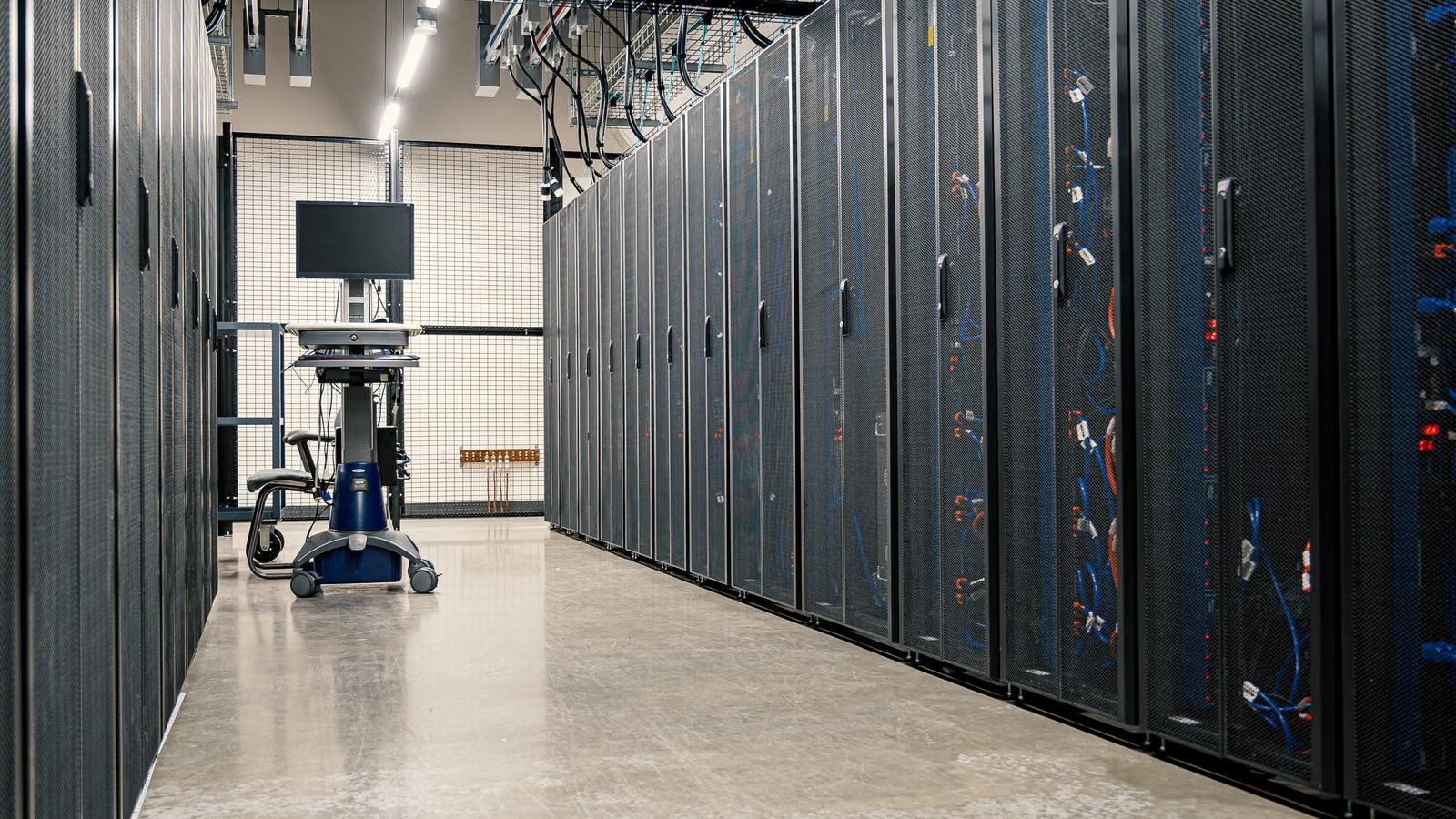
HDD supply and demand are tightening not because traditional PC hard drives are booming again, but because AI data centers, cloud storage, video content, training data, backup and archiving, and data sovereignty needs are turning nearline HDDs from a “low-growth capacity product” back into a scarce infrastructure resource. Western Digital and Seagate’s pricing power comes from long qualification cycles for high-capacity drives, limited capacity, customer long-term agreements, and HDDs’ $/TB cost advantage. If you follow WDC, STX, AI data centers, and storage cycles, the key metrics are nearline HDDs, exabyte shipments, long-term agreement coverage, gross margin, and QLC SSD substitution risk.
Key Takeaways
- HDD supply is tightening mainly because of AI data center capacity demand.
- Cloud customer long-term agreements lock in capacity and improve visibility for Western Digital and Seagate.
- The key metric for nearline HDDs is exabytes, not unit shipments.
- High-capacity HDDs have long qualification cycles, limiting short-term supply elasticity.
- HDD pricing power comes from $/TB cost advantages and customers’ need for supply security.
- QLC SSDs can replace some workloads, but they are unlikely to fully replace the capacity layer.
Why Is HDD Supply and Demand Suddenly Tightening?
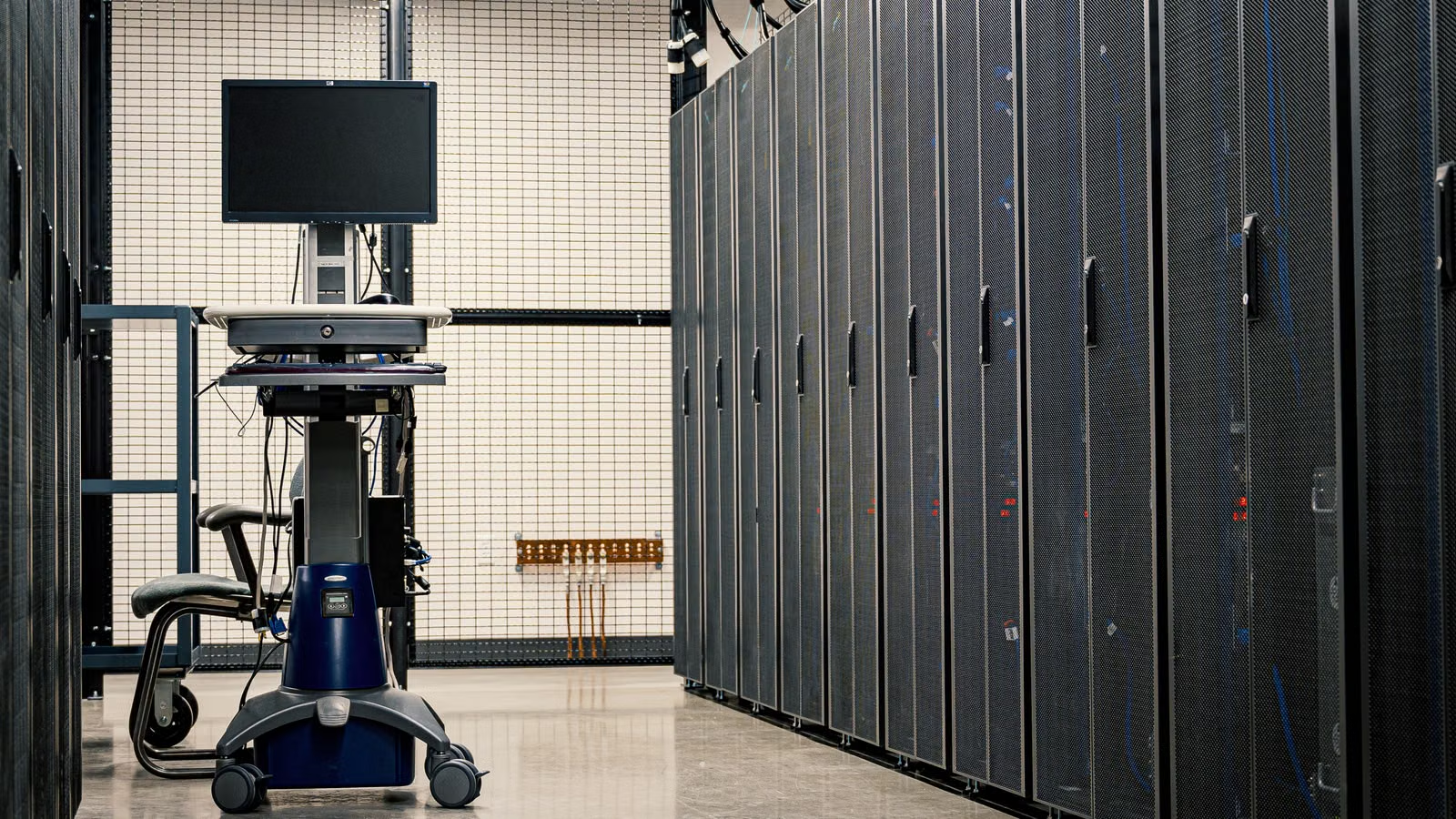
HDD supply and demand are tightening mainly because AI and cloud data centers are purchasing high-capacity nearline HDDs at scale, not because consumer hard drive demand has recovered. Training data, multimodal content, video materials, inference logs, backups, archives, and data lakes all require low-cost capacity. Demand is scaling quickly, while supply is constrained by high-capacity HDD manufacturing, qualification, and capacity planning, so the market cannot expand output rapidly in the short term.
For years, many investors viewed HDDs as a low-growth hardware category, or even as a product gradually replaced by SSDs. AI data centers have changed that view. AI workloads do not only require GPUs, HBM, and enterprise SSDs. They also generate large volumes of data that do not need real-time access but must be stored for long periods. Raw data before model training, model versions, video samples, audio materials, system logs, user interaction records, and compliance retention all require a large-scale capacity layer.
Reuters reported that Western Digital and Seagate shares rose sharply on AI storage demand, noting that global AI infrastructure expansion is driving demand for hard drives and data storage. More importantly, the same report noted that Western Digital had secured purchase orders from major customers extending into 2026, showing that demand is not just scattered restocking, but cloud customers locking in future capacity.
The supply side is harder to expand quickly. High-capacity HDDs are not simple electronic components that can be produced in large quantities just by adding a few assembly lines. They involve platters, heads, servo control, firmware, yield, reliability testing, and customer qualification. Cloud customers are buying capacity systems that must operate reliably for long periods, so testing cycles are usually long. For products such as 24TB, 30TB, HAMR, and UltraSMR drives, qualification and production ramp-up both limit short-term supply elasticity.
Another key shift is that the HDD industry can no longer be analyzed only by “drive units.” AI data centers buy capacity, power efficiency, reliability, rack density, and total cost of ownership. As capacity per drive increases, even if unit shipments do not rise significantly, exabyte shipments, ASP, and gross margin can still improve. Investors who continue to use consumer hard drive unit-shipment logic to analyze WDC and STX may underestimate the profit leverage of high-capacity nearline HDDs.
| Variable | Impact on Demand/Supply | Indicator for Investors |
|---|---|---|
| AI data centers | Drive storage for data lakes, logs, and training materials | Cloud capex |
| Nearline HDDs | Directly tied to enterprise capacity demand | Exabyte shipments |
| High-capacity HDDs | Improve ASP and product mix | 24TB, 30TB, HAMR |
| Customer qualification | Limits rapid supply switching | Qualification cycle and delivery pace |
| Long-term agreements | Lock in capacity and pricing | LTA, PO, take-or-pay |
Summary: HDD supply and demand are tightening because AI data centers are turning low-cost capacity from an ordinary storage resource into an infrastructure bottleneck. Demand comes from AI data lakes, video, logs, backups, multimodal data, and data sovereignty. Supply is constrained by high-capacity HDD manufacturing, reliability validation, customer qualification, and capacity planning. When judging the HDD cycle, you should focus on nearline HDDs, exabyte shipments, cloud customer orders, long-term agreement coverage, and high-capacity product mix, rather than only looking at consumer hard drive prices or traditional PC hard drive demand.
Why Are AI Data Centers Still Dependent on HDDs?

AI data centers are still dependent on HDDs because AI does not only consume high-speed storage; it also continuously generates massive amounts of warm and cold data. HBM handles high-speed GPU computing, DRAM supports system memory, enterprise SSDs handle hot data and low-latency reads and writes, while HDDs handle data lakes, training materials, backups, and archives. The value of HDDs is not speed, but large-scale $/TB cost advantage.
AI storage architecture is layered. At the top is HBM, which is expensive and limited in capacity but extremely high in bandwidth. In the middle are server DRAM and enterprise SSDs, which serve caching, checkpointing, RAG, vector search, and hot data. At the bottom are HDDs, which store large volumes of data that do not need frequent access. As AI training and inference scale, the bottom capacity pool becomes more important. The reason is simple: the more models, data, versions, and logs there are, the less realistic it becomes to store everything on SSDs or in memory.
Western Digital’s analysis of the long-term value of HDDs emphasizes that data centers consider TCO, acquisition cost, power consumption, density, performance, and lifecycle when choosing storage. It also cites IDC data showing that SSDs have a 5–10x $/TB premium over HDDs. For hyperscale data centers, that gap becomes much larger when measured across hundreds of thousands of drives and hundreds of exabytes of capacity, ultimately affecting both capital expenditure and operating costs.
The Register’s report that hard drives are sold out also noted that the AI infrastructure boom has led hyperscalers to absorb large volumes of high-capacity HDD supply. This shows that AI data centers are not only buying GPUs and memory. They are also locking in backend capacity at scale. For cloud customers, storage shortages can affect training data retention, model version management, log retention, backup recovery, and customer data services.
Multimodal AI will further increase long-term HDD demand. Text models already require large amounts of data, while video, image, audio, and sensor data place even greater pressure on capacity. Reuters, in its report on Seagate’s strong outlook lifting storage stocks, noted that Seagate management believes AI is amplifying data creation in existing applications such as video and pushing cloud platforms to store more data. This logic aligns closely with the role of HDDs as the capacity foundation.
| Storage Layer | Main Task | Key Metric | Is HDD Suitable? |
|---|---|---|---|
| HBM | High-speed GPU computing | Bandwidth, latency | Not suitable for the capacity layer |
| DRAM | CPU and system cache | Capacity, latency | Not suitable for long-term retention |
| Enterprise SSD | Hot data, checkpointing, RAG | IOPS, latency | Replaces some high-frequency data |
| HDD | Data lakes, backups, archives | $/TB, capacity, reliability | Core use case |
Summary: AI data centers still need HDDs not because HDDs are faster than SSDs, but because AI continuously produces massive amounts of data that do not require real-time access but must be retained for long periods. HDDs and SSDs are not simple substitutes; they are complementary layers. SSDs handle hot data and low-latency access, while HDDs handle data lakes, training materials, backups, logs, and archives. As long as AI training, multimodal data, video content, cloud storage, and data sovereignty demand continue to grow, HDDs will remain important in the data center capacity layer.
How Do Long-Term Agreements Change Western Digital and Seagate’s Pricing Power?
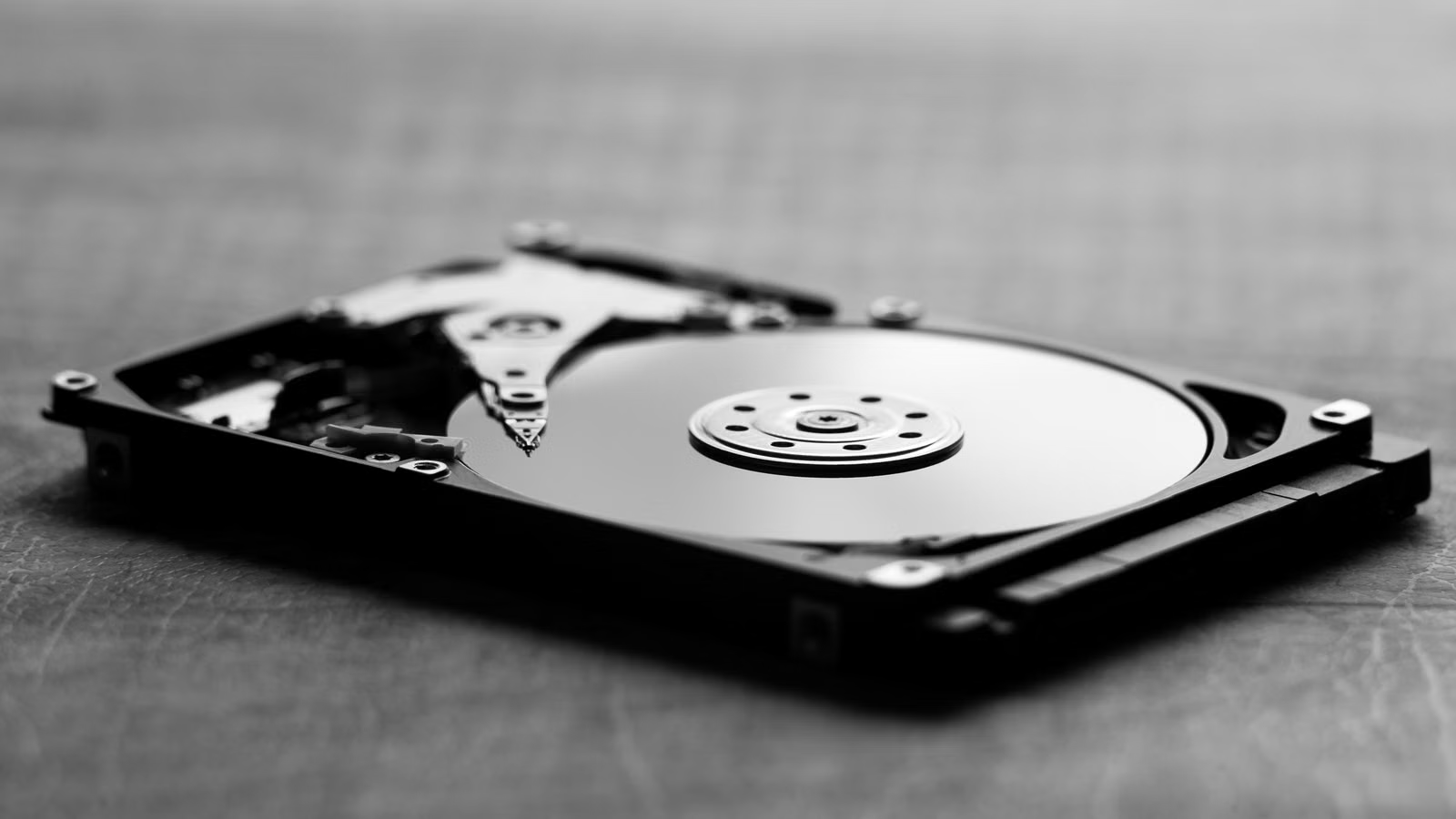
Long-term agreements are turning HDDs from an ordinary cyclical commodity into scarce capacity that cloud customers lock in ahead of time. In the past, HDD prices were more vulnerable to inventory and short-term demand swings. Now, AI data centers and hyperscalers are willing to use firm POs, LTAs, or take-or-pay-style agreements to secure capacity and avoid shortages. This directly improves Western Digital and Seagate’s revenue visibility and bargaining power.
Tom’s Hardware reported that Western Digital’s 2026 hard drive capacity was already largely sold out, citing Western Digital CEO Irving Tan as saying that the company already had firm POs from its top seven customers, with some long-term agreements extending into 2027 and 2028. This information is highly significant: when customers are willing to lock in multi-year supply, HDD suppliers are no longer only passively accepting short-term market prices. They can plan capacity, pricing, and product mix more proactively.
Why are customers willing to lock in HDD capacity in advance? Because storage shortages in AI data centers are not simply a matter of “buying fewer drives.” Capacity shortages can affect training data retention, data lake expansion, customer cloud storage services, model version rollback, disaster recovery strategies, and compliance retention. In Reuters’ report on the AI-driven demand spike, J.P. Morgan analysts said Western Digital’s orders extending into 2026 showed that customers were unwilling to risk shortages in AI-related storage capacity.
The biggest significance of long-term agreements for Western Digital and Seagate is that future revenue and capacity utilization become more visible. For investors, higher visibility affects valuation. If the market believes orders will support revenue for several quarters or even years, gross margin and cash flow may be viewed as more durable. But this does not mean the cycle has disappeared. If AI capex slows, customer budgets tighten, inventories rise too high, or QLC SSD substitution accelerates, long-term agreements may still face renegotiation, delivery adjustments, or pricing pressure.
| Dimension | Impact on Western Digital/Seagate | Impact on Cloud Customers |
|---|---|---|
| Capacity lock-in | Improves revenue visibility | Secures delivery |
| Pricing terms | Strengthens bargaining power | Reduces supply risk |
| Delivery cycle | Improves production planning | Helps plan data center buildout |
| Customer concentration | Increases dependence on major customers | Reduces bargaining flexibility |
| Cycle risk | Reduces short-term volatility | May create pressure if demand slows |
Summary: HDD long-term agreements change how the industry prices supply. In the past, HDDs were more like cyclical hardware commodities, with prices easily affected by inventory and short-term demand. Now, cloud vendors and AI data centers are willing to sign purchase orders and long-term agreements ahead of time to lock in capacity. This improves revenue visibility for Western Digital and Seagate and strengthens pricing power. However, long-term agreements are not risk-free moats. Contract pricing, customer concentration, capacity expansion, delivery capability, and continued AI capex still matter. For stocks, long-term agreements improve certainty, but they do not eliminate valuation and cycle risk.
How Do Western Digital and Seagate’s Results Confirm Tight HDD Supply and Demand?
Western Digital and Seagate’s financial results confirm the HDD supply-demand transmission chain: AI and cloud data center demand drives nearline HDD procurement; high-capacity products improve ASP and product mix; long-term agreements increase revenue visibility; and the result shows up in gross margin, free cash flow, and profitability. When analyzing WDC and STX, revenue growth matters, but gross margin and cash flow better reflect pricing power.
Western Digital’s numbers are straightforward. The company reported Q3FY26 revenue of $3.34 billion, up 45% year over year, with GAAP gross margin of 50.2%, non-GAAP gross margin of 50.5%, operating cash flow of $1.12 billion, and free cash flow of $978 million. It also expected fiscal Q4 2026 revenue to grow 36%–44% year over year, with non-GAAP gross margin of 51%–52%. This level of gross margin shows that tight supply of high-capacity HDDs is not only improving revenue, but also expanding profitability.
Seagate’s results show a similar trend. The company reported fiscal Q3 2026 revenue of $3.11 billion, GAAP gross margin of 46.5%, non-GAAP gross margin of 47.0%, operating cash flow of $1.1 billion, and free cash flow of $953 million. Seagate management noted that AI applications are amplifying data creation and supporting exabyte demand growth. In other words, the HDD cycle is not just about higher prices; it is the combined effect of capacity demand, product mix, and customer lock-in.
Why is gross margin important? Because it reflects pricing power, not just shipment growth. If a company is only benefiting from short-term restocking, gross margin may not improve significantly. If high-capacity HDD supply is tight, customers are willing to lock in pricing, and product mix shifts toward nearline and high-capacity drives, gross margin and free cash flow will strengthen together.
| Company | Indicator to Watch | Evidence of Tight Supply-Demand |
|---|---|---|
| Western Digital | Revenue, gross margin, cloud exposure | High-capacity HDDs and customer orders |
| Seagate | Revenue, gross margin, free cash flow | Data center demand and HAMR roadmap |
| Both companies | Exabyte shipments, ASP, LTA | Tight capacity and pricing power |
| Risk indicators | Capex, inventory, customer concentration | Cycle reversal signals |
Technology roadmaps are also important beyond financial results. Seagate’s release on 30TB drives stated that its Mozaic 3+ platform and HAMR-based 30TB drives are designed to meet demand for scalable storage in AI deployments and enterprise infrastructure. Western Digital is also advancing capacity density through high-capacity ePMR, UltraSMR, and HAMR roadmaps. These technologies determine future capacity per drive and how much data each rack can carry.
Summary: Western Digital and Seagate’s financial results have already confirmed the real transmission of tight HDD supply and demand: AI data centers and cloud customers drive nearline HDD demand; high-capacity products improve ASP; long-term agreements improve revenue visibility; and the result shows up in high gross margins and free cash flow. When analyzing WDC and STX, investors should not only ask whether revenue is growing. They should also ask whether gross margin can remain high, whether exabyte shipments continue to grow, whether customer orders are stable, whether technology roadmaps support capacity upgrades, and whether valuation already fully reflects the strong cycle.
How Long Can HDD Pricing Power Last?
Whether HDD pricing power can last depends on whether AI data growth is real, whether cloud customer capex continues, whether high-capacity products remain undersupplied, whether long-term agreements cover future capacity, and whether QLC SSD substitution remains manageable. In the short term, sold-out capacity and customer lock-ins strengthen Western Digital and Seagate’s bargaining power. Over the medium and long term, supply expansion, customer inventories, and valuation can still create cycle risk.
Four factors support HDD pricing power. First, AI data continues to grow. Training, multimodal workloads, inference logs, and data lakes create long-term capacity demand. Second, cloud capital expenditure remains concentrated in AI and data center infrastructure. Third, high-capacity HDD supply is limited, qualification cycles are long, and customers cannot easily switch supply. Fourth, HDDs still have a large-scale $/TB cost advantage, especially for warm/cold data and archival layers.
Reuters reported that in storage stocks jump, Morningstar analysts believed AI buildout could give HDD makers stronger pricing power at least through 2030. The logic is that AI data center capacity demand does not disappear when a single training project ends. It becomes ongoing data retention, version management, and cloud storage service demand.
The factors that can weaken pricing power also need attention. If QLC SSD costs continue to fall, QLC may replace some warm data and higher-read-frequency storage layers. If HDD manufacturers expand capacity too quickly, supply could normalize in the future. If customers stockpile too much in advance, later orders may slow. If AI capex pulls back, the market will reassess the durability of high gross margins. The Register’s report that hyperscalers bought all the HDDs also noted that large cloud and AI customers are absorbing high-capacity supply, potentially squeezing mid-sized enterprise and general markets, but whether that tightness lasts still depends on real demand and supply recovery.
To judge the durability of HDD pricing power, ask eight questions:
- Is cloud capex still being revised upward?
- Are nearline HDDs still in short supply?
- Do long-term agreements cover 2027–2028?
- Are exabyte shipments still growing?
- Is gross margin staying high or still expanding?
- Are QLC SSDs replacing warm data workloads?
- Are customer inventories showing signs of excess?
- Has the stock price already priced in strong pricing power?
If most of these indicators remain positive, HDD pricing power may continue. If gross margin guidance weakens, customer orders loosen, inventories rise, or cloud capex cools, the cycle may shift from tightness toward normalization.
Summary: HDD pricing power cannot be judged by a single “hard drive shortage” headline. It depends on the balance between AI data growth, cloud capital expenditure, long-term agreement coverage, exabyte shipment growth, high-capacity product supply, and QLC SSD substitution. In the short term, sold-out capacity and customer long-term agreements have increased WDC and STX’s bargaining power. Over the medium and long term, supply recovery, customer inventories, and replacement technologies can still affect margins. Pricing power may be stronger than before, but HDD stocks are not free from cycles, and high valuation still requires risk control.
What Does Tight HDD Supply and Demand Mean for Stocks?
Tight HDD supply and demand mean that WDC and STX may see a period of improved earnings quality: long-term agreements improve visibility, high-capacity products improve ASP, AI data centers drive demand, and tight capacity strengthens pricing power. But stocks do not rise linearly with supply-demand tightness. If valuation already fully reflects a strong cycle, investors need to focus even more on gross margin, orders, cloud capex, QLC substitution, and inventory changes.
The stock logic for WDC and STX is partly shifting from traditional hardware cyclicals to AI data center capacity infrastructure. In the past, the market focused more on whether HDDs would be replaced by SSDs and whether PC shipments were recovering. Now, the market is focused on whether nearline HDDs are becoming a capacity bottleneck for AI data centers. Reuters noted that Seagate and Western Digital shares both rose more than 200% in 2025, mainly driven by a surge in global AI infrastructure demand for hard drives.
But after a major stock rally, it becomes more important to ask whether earnings assumptions have become too optimistic. If the market has already priced in high gross margins, long-term agreements, and strong cloud capex for 2026–2028, any weaker-than-expected margin guidance, delayed cloud customer procurement, cooling AI investment, or faster QLC SSD substitution could trigger a valuation reset. The historical experience of the storage industry is clear: the hotter the fundamentals, the more closely investors should watch capacity, inventory, and valuation.
The HDD supply chain impact is not limited to WDC and STX. Enterprise SSDs and QLC SSDs may replace some warm data workloads, but they may also form a more granular tiered storage architecture together with HDDs. Cloud vendors may face rising storage costs. Servers, NAS, enterprise storage, and video platforms may encounter procurement cost pressure. Platters, heads, materials, and testing suppliers may also benefit indirectly from high-capacity roadmap upgrades.
| Stock Type | Potential Impact | Key Judgment |
|---|---|---|
| WDC/STX | Benefit from pricing power and long-term agreements | Gross margin and agreement durability |
| Enterprise SSD/NAND | Partial substitution and coexistence | QLC cost curve |
| Cloud vendors | Storage cost increases | AI ROI and capex |
| Servers/NAS | Procurement cost pressure | Supply allocation and inventory |
| Storage equipment/materials | Indirect benefit | High-capacity HDD roadmap |
If you follow how HDD supply and demand affect U.S. stocks, you should pay attention not only to company earnings and long-term agreements, but also to real trading costs. U.S. stock trading costs usually include more than commissions. They may also include platform fees, external agency fees, trading activity fees, and other charges. Biya U.S. stock trading fees state that U.S. stock trading commission is $0, while platform fees, external agency fees, and other charges are subject to the fee center and order page. Availability of relevant services depends on the user’s location, identity verification results, platform rules, and applicable laws and regulations. Public market information, trading rules, and fee structures do not constitute investment advice.
Summary: Tight HDD supply and demand create room for a period of improved earnings quality at WDC and STX, mainly through nearline HDDs, long-term agreements, high-capacity products, and cloud customer demand. But stock prices ultimately depend on how much optimism has already been priced in. If gross margin keeps expanding, long-term agreements extend further, exabyte shipments grow, and cloud capex remains strong, valuation may be supported. If AI spending cools, customer inventories rise, QLC SSD substitution accelerates, or supply recovers, stock prices may become volatile. For investors, the HDD upcycle can be an opportunity, but it also requires caution around high expectations.
If you follow how tight HDD supply affects WDC, STX, and the AI data center supply chain, you can put nearline HDDs, exabyte shipments, long-term agreements, gross margins, cloud capex, QLC SSD substitution, and trading costs into the same tracking framework. You can use U.S. stock information search to track quotes and basic information for Western Digital, Seagate, SanDisk, Micron, and related companies, and use Biya to record multi-asset transactions, FX costs, and billing details. If you also follow U.S. stocks, Hong Kong stocks, and digital assets, Biya can serve as one option for cross-market trading and asset tracking. Before use, you should review service availability in your region, identity verification requirements, platform rules, and order fees. Storage stocks can be highly volatile, and any trading decision should be based on independent judgment and personal risk tolerance.
FAQ
Why Do AI Data Centers Increase HDD Demand?
AI data centers increase HDD demand because training data, multimodal materials, inference logs, backups, archives, and data lakes require low-cost, high-capacity storage. SSDs and HBM solve speed problems, while HDDs solve capacity cost problems. In tiered storage, they complement rather than simply replace each other.
What Is the Difference Between Nearline HDD and Consumer HDD?
Nearline HDDs are designed for cloud data centers and enterprise storage, emphasizing capacity, reliability, continuous operation, and TCO. Consumer HDDs are more focused on PCs, NAS devices, or ordinary backup. AI data centers mainly drive nearline HDD demand, not traditional PC hard drive demand.
Why Do Western Digital and Seagate Have Stronger Pricing Power?
Western Digital and Seagate have stronger pricing power because high-capacity HDD supply is limited, customer qualification cycles are long, cloud customers are signing long-term agreements, AI data center capacity demand is rising, and HDDs retain a $/TB cost advantage. However, pricing power can still be affected by QLC SSD substitution, supply recovery, and demand slowdown.
How Do HDD Long-Term Agreements Affect Stock Valuation?
HDD long-term agreements usually improve revenue visibility and gross margin expectations, which can support stock valuation. But long-term agreements are not profit guarantees. Investors still need to evaluate contract pricing, customer concentration, delivery capability, capital expenditure, and the cycle stage.
Will QLC SSDs Replace HDDs in AI Data Centers?
QLC SSDs may replace some warm data and high-read-frequency workloads, but they are unlikely to fully replace HDDs in large-scale data lakes, backups, and archives where HDDs have a cost advantage. The final balance depends on $/TB, power consumption, endurance, access frequency, and data center architecture.
How Can Individual Investors Track the HDD Supply-Demand Cycle?
Individual investors can track WDC/STX earnings, nearline HDD shipments, exabyte growth, gross margin, cloud customer long-term agreements, AI capex, QLC SSD prices, and inventory changes. A single shortage headline is not enough to judge the cycle; valuation and personal risk tolerance should also be considered.
*This article is provided for general information purposes and does not constitute legal, tax or other professional advice from BiyaPay or its subsidiaries and its affiliates, and it is not intended as a substitute for obtaining advice from a financial advisor or any other professional.
We make no representations, warranties or warranties, express or implied, as to the accuracy, completeness or timeliness of the contents of this publication.
Related Blogs of

How Do AI Servers Drive Storage Demand? The Roles of HBM, Server DRAM, Enterprise SSDs, and HDDs


How Should SSDs and HDDs Work Together in AI Data Centers? Performance, Capacity, Cost, and Hot vs. Cold Data Compared

What Are NOR Flash, SLC NAND, and EEPROM? Why They Help Explain Hong Kong-Listed Memory-Related Stocks


Why Does AI Compute Growth Drive Storage Demand? The Difference Between Training, Inference, and Data Retention

Choose Country or Region to Read Local Blog
 Australia
 Austria
 Belgium
 Canada
 Cyprus
 Czech Republic
 Denmark
 Estonia
 Finland
 France
 Germany
 Greece
 Hong Kong
 India
India Indonesia
 Ireland
 Italy
Italy Japan
Japan Latvia
 Lithuania
 Luxembourg
 Malaysia
 Malta
Malta Morocco
 Nepal
Nepal Netherlands
 New Zealand
 Norway
 Pakistan
 Philippines
 Poland
 Portugal
 Romania
 Singapore
 Slovakia
 Slovenia
 South Africa
 South Korea
 Spain
Spain Sweden
 Thailand
 The United States
 Turkey
 United Arab Emirates
 United Kingdom
 Vietnam
Contact Us




BIYA GLOBAL LLC is registered with the Financial Crimes Enforcement Network (FinCEN), an agency under the U.S. Department of the Treasury, as a Money Services Business (MSB), with registration number 31000218637349, and regulated by the Financial Crimes Enforcement Network (FinCEN).
BIYA GLOBAL LIMITED is a registered Financial Service Provider (FSP) in New Zealand, with registration number FSP1007221, and is also a registered member of the Financial Services Complaints Limited (FSCL), an independent dispute resolution scheme in New Zealand.