Why Is SpaceX’s Starship Important? How It Affects IPO Valuation and Long-Term Growth




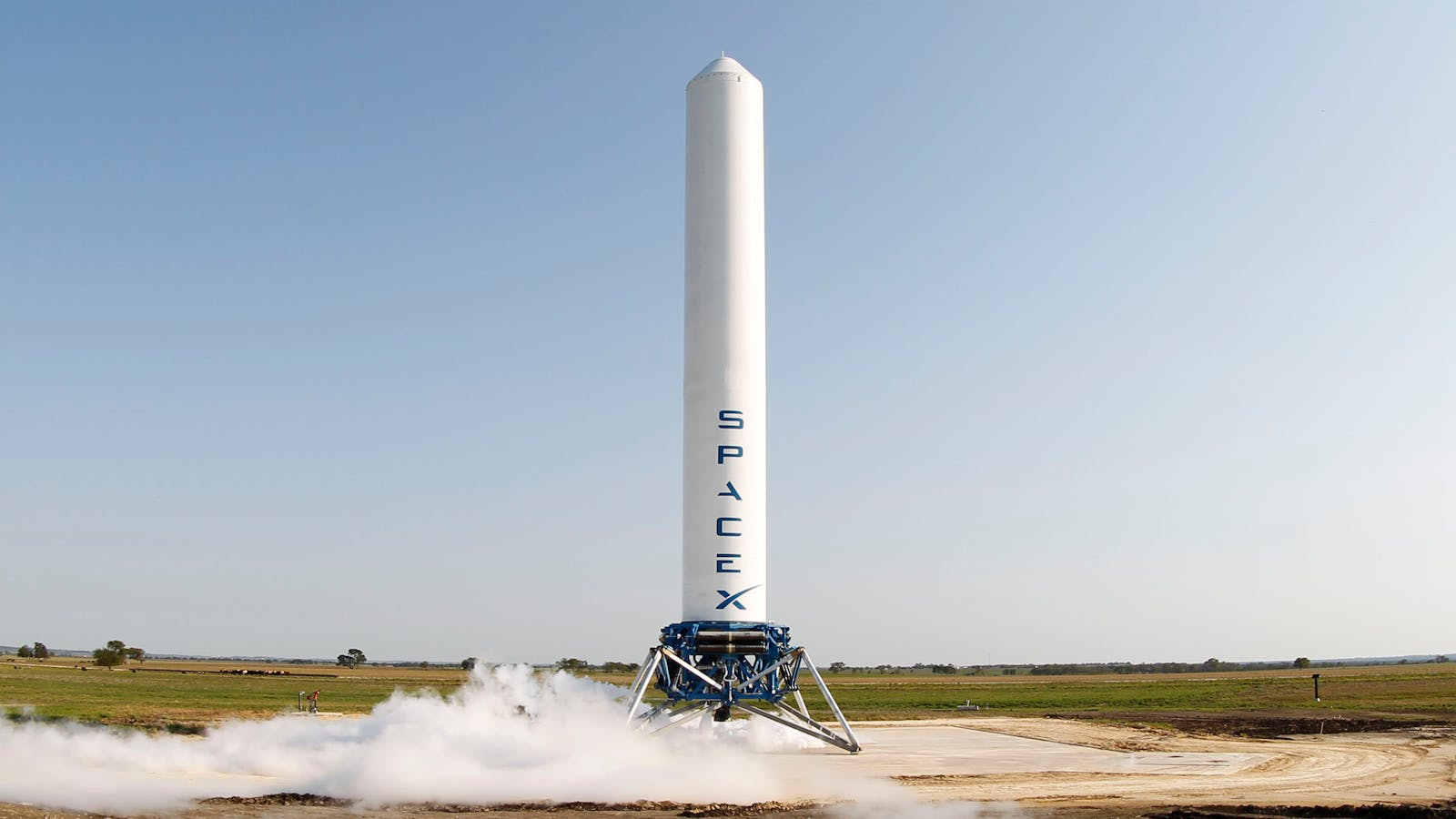
Starship is important not because it has already become a mature revenue source for SpaceX, but because it may determine SpaceX’s future launch costs, next-generation Starlink satellite deployment, NASA lunar missions, deep-space transportation, and long-term valuation narrative. For IPO valuation, Starship is more like a “future growth option”: success could strengthen SpaceX’s low-cost orbital access capability, while failure or delays could drag down Starlink expansion, government mission timelines, and investor confidence.
Key Takeaways
- Starship is a key technical variable in SpaceX’s long-term valuation.
- It is still in the R&D and validation stage, not a mature cash-flow business.
- If Starship matures, it may lower Starlink deployment costs.
- NASA Artemis missions increase Starship’s strategic value.
- Test flights, regulation, costs, and delays may affect IPO confidence.
- To assess Starship, distinguish current revenue from long-term narratives.
Why Is Starship Important? It Addresses SpaceX’s Cost Curve
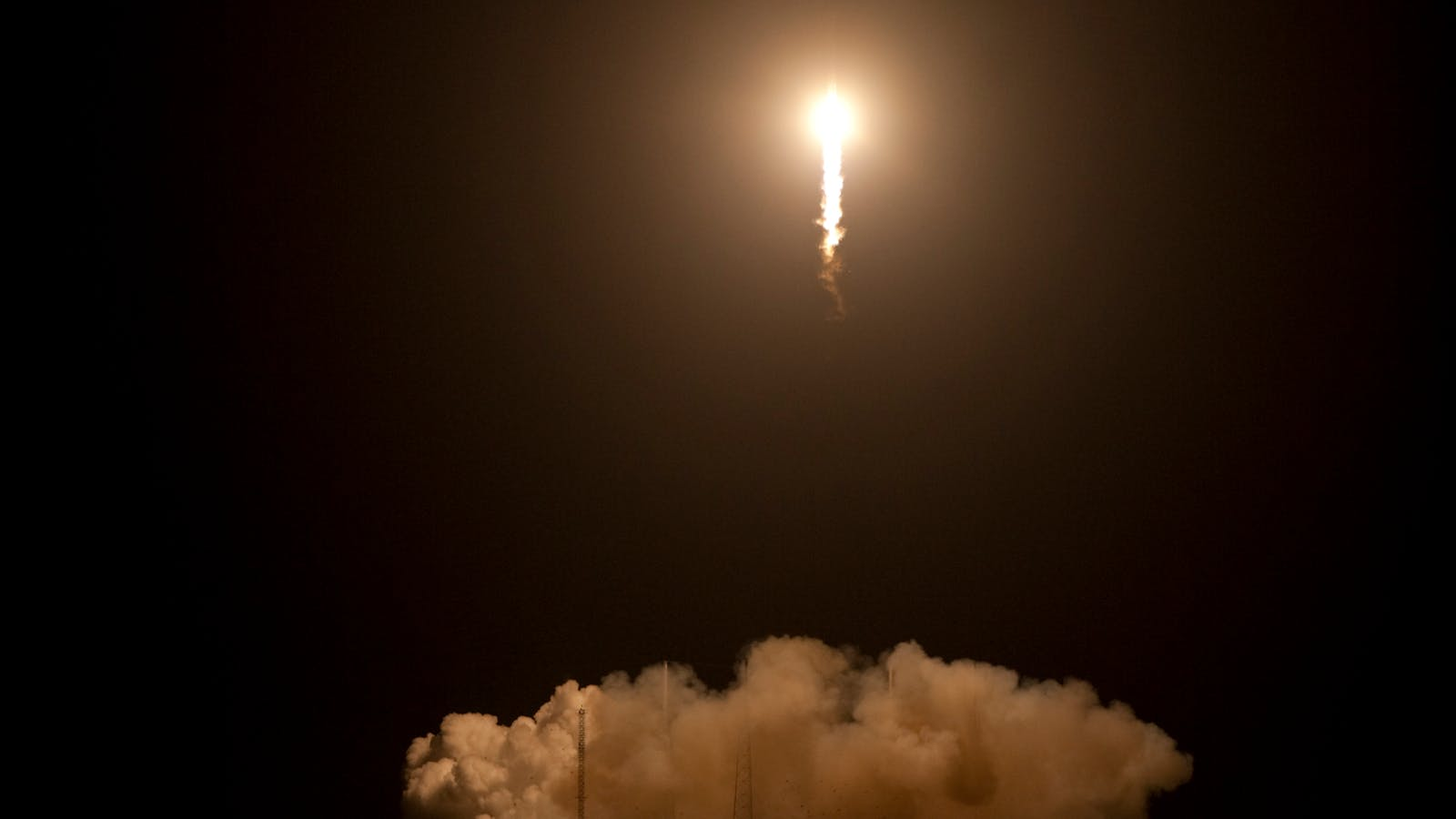
The core reason Starship matters is that it aims to push SpaceX’s “low-cost access to space” capability to a higher level. Falcon 9 has already shown that reusable rockets can change the commercial launch market, while Starship has a more ambitious goal: using greater payload capacity, higher reusability, and lower unit cost to orbit to support Starlink, lunar missions, deep-space transportation, and future space infrastructure.
Starship Is Not Just a Bigger Rocket
When many people see Starship, their first reaction is that “it is bigger than Falcon 9.” That is true, but stopping at size misses the key point. SpaceX positions Starship as a fully reusable super-heavy launch system, with a design goal of carrying more than 100 tons to orbit in a fully reusable configuration. The significance of that figure is not simply that it can carry more cargo at once, but that it may change the cost per kilogram to orbit.
For commercial spaceflight, the cost curve matters more than the launch visuals. If Starship can be reused reliably, SpaceX may be able to deploy more satellites with fewer launches, carry larger payloads, and provide transportation capability for lunar, Mars, and in-orbit infrastructure missions. In other words, Starship is SpaceX’s attempt to move reusable rockets from the Falcon 9 era into a larger-scale commercialization stage.
Starship’s Real Significance Is the Cost Curve
Falcon 9 has given SpaceX an advantage in the commercial launch market, but its payload capacity and structure still have limits. Starship is designed to address the next-stage problem: as Starlink user growth, satellite capacity upgrades, NASA lunar missions, and larger-scale space projects emerge at the same time, SpaceX needs a larger, cheaper, and more scalable transportation system.
You can break down Starship’s value to SpaceX into several layers:
| Evaluation Dimension | Starship’s Role | Significance for SpaceX |
|---|---|---|
| Payload capacity | Carries more payload per launch | Lowers large-scale deployment costs |
| Reusability | Reduces repeated launch costs | Improves long-term profit potential |
| High launch frequency | Shortens satellite and payload deployment cycles | Supports Starlink expansion |
| Mission scope | Low Earth orbit, the Moon, deep space | Expands commercial opportunities |
| Investment narrative | Carries future growth expectations | Affects IPO valuation confidence |
The most important point here is “unit cost.” If Starship is only larger, but difficult to maintain, hard to reuse, and slow between launches, its improvement to the business model would be limited. Only when it can operate reliably, repeatedly, and at scale can Starship truly change SpaceX’s cost structure.
Why Test Flights Are Magnified Before an IPO
When IPO expectations rise, Starship test flights receive especially close market attention. Reports on the Starship V3 test flight noted that the test occurred ahead of SpaceX’s IPO, with investors closely watching whether Starship could complete key objectives, including simulated Starlink satellite payload deployment.
However, a successful test flight does not mean commercial maturity, and an abnormal test flight does not mean commercial failure. Starship remains in a rapid iteration stage. A single flight is more like engineering validation than stable commercial service. For investors, the more important question is whether risks are gradually narrowing: engines, heat shielding, reentry, recovery, payload deployment, and launch cadence must continue to improve.
Section Summary: Starship’s importance does not lie in being “larger and more spectacular,” but in its potential to reshape SpaceX’s cost curve. Falcon 9 has already helped SpaceX build an advantage in the commercial launch market, while Starship attempts to take reusability and heavy payload capacity to a higher level. If Starship can carry out missions reliably, it will directly affect Starlink deployment costs, lunar mission timelines, and future space infrastructure expectations. If technical or regulatory progress is not smooth, it will become an important discount factor in IPO valuation.
How Does Starship Affect SpaceX’s IPO Valuation? The Key Is Expectations, Not Current Revenue
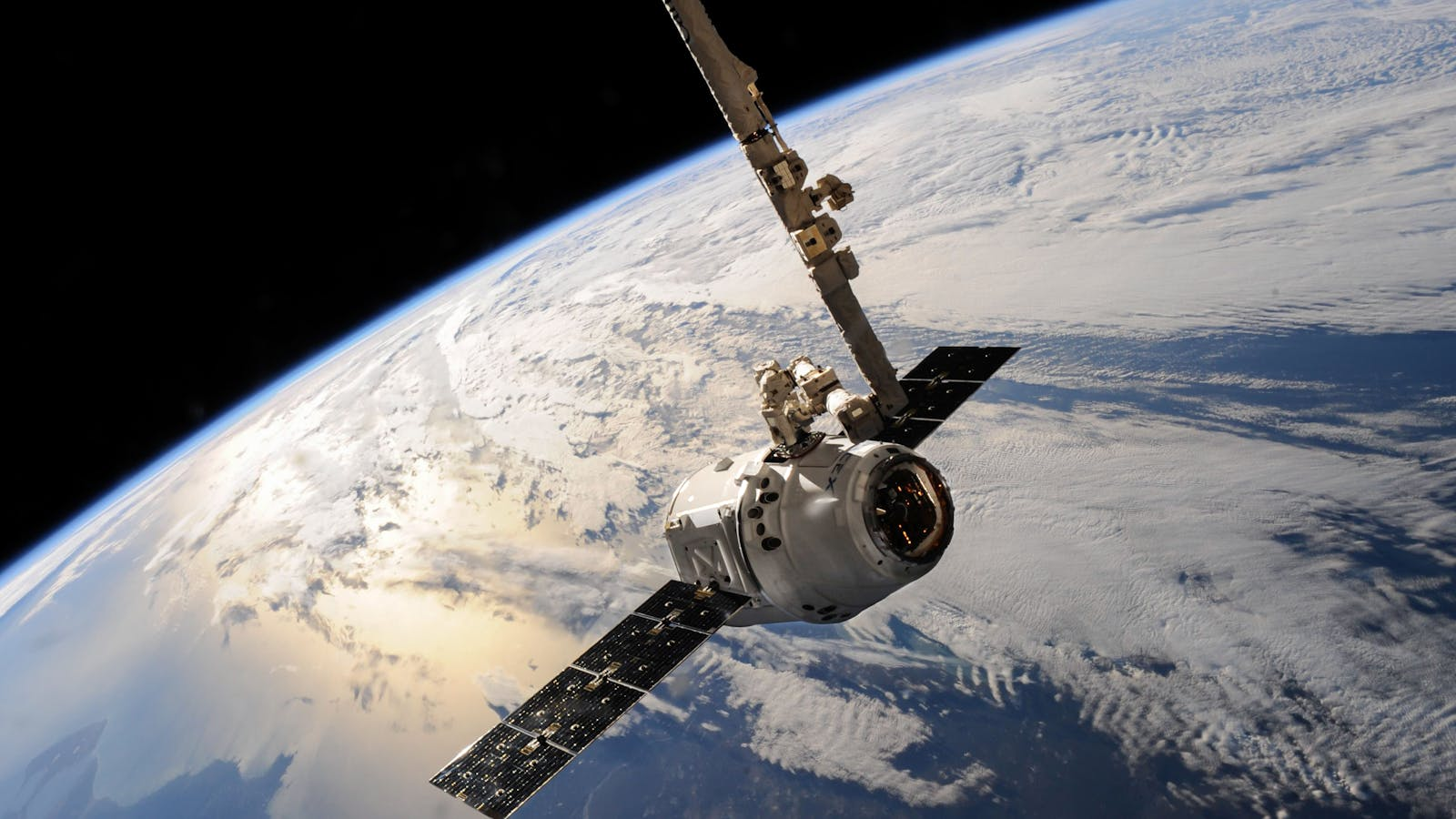
Starship’s impact on SpaceX’s IPO valuation mainly comes from future expectations, not current revenue. It is not yet a stable cash-flow source like Starlink subscriptions or Falcon 9 launch services, but it may determine whether SpaceX can expand Starlink at lower cost, undertake lunar missions, and enter larger-scale space infrastructure markets in the future.
Starship Is Currently More Like an R&D Asset
Starship is better understood today as an R&D asset and an early-stage commercialization platform. It carries significant weight in SpaceX’s valuation, but that does not mean it is already generating stable revenue. The clearer current revenue sources are still Starlink, Falcon 9 launch services, NASA contracts, and defense contracts.
Reports on SpaceX’s IPO filing noted that the market is not only watching SpaceX’s current financial data, but also Musk’s control, the Mars vision, Starlink, reusable rockets, and future business narratives. This shows that Starship mainly plays the role of “future upside” in valuation.
This type of asset has two characteristics: high upside and a long realization period. It may push valuation higher, but it may also trigger valuation discounts due to changes in test flights, costs, licensing, or timelines.
Why IPO Valuation Prices in Starship Expectations in Advance
IPO valuation usually does not only look at current revenue. It also looks at future market size, technical barriers, and growth paths. Starship carries expectations around lower launch costs, greater satellite deployment capacity, NASA lunar missions, deep-space transportation, in-orbit infrastructure, and even orbital data centers.
Reports on SpaceX’s rocket-to-AI vision noted that investors are effectively betting on a growth story stretching from rockets and Starlink to more distant space infrastructure. Starship is the key transportation system in that story.
But there is also a common misunderstanding here: when a vision enters valuation, it does not mean the vision has already become revenue. IPO valuation can reflect expectations in advance, but actual operations still need support from mission validation, regulatory approvals, customer contracts, launch costs, and cash-flow performance.
Starship Is Both an Upside Factor and a Risk Factor
Starship can affect valuation in both directions. When it succeeds, it strengthens SpaceX’s technical moat and long-term growth space. When progress is not smooth, it amplifies technical, cost, and timeline risks.
| Valuation Factor | Starship’s Positive Role | Possible Valuation Discount |
|---|---|---|
| Starlink expansion | Deploys larger satellites and increases network capacity | Delays may affect expansion pace |
| Launch costs | Increases payload per launch and lowers unit cost | Reusable maintenance costs remain uncertain |
| Government missions | Supports NASA lunar and deep-space missions | Mission delays or budget changes |
| Long-term markets | Supports space infrastructure and deep-space transportation | Commercial demand remains unproven |
| Investor confidence | Proves the technical path is viable | Test flight incidents may amplify volatility |
If you only look at the “Mars vision,” you may overestimate future revenue. If you only look at “test flight risk,” you may underestimate SpaceX’s engineering iteration capability. A more balanced approach is to treat Starship as a high-weight long-term variable, not as a current cash-flow business.
Section Summary: Starship’s impact on SpaceX’s IPO valuation mainly comes from future expectations, not current revenue. It is like a long-term growth option: if it matures, it may lower launch costs, expand Starlink network capacity, support NASA lunar missions, and open future space businesses; if it is delayed or costs spiral, it could weaken valuation credibility. When analyzing SpaceX’s IPO, Starlink should be viewed as the current revenue mainline, while Starship should be viewed as the key variable that determines long-term growth space and valuation ceiling.
What Is the Relationship Between Starship and Starlink? Next-Generation Satellite Deployment Is the Key Link

The relationship between Starship and Starlink is not just “a rocket launching satellites.” Starlink is SpaceX’s current growth mainline, while Starship may determine next-generation satellite deployment efficiency, network capacity, and unit cost. If Starship matures, Starlink may expand faster, deploy larger satellites at lower cost, and support high-value scenarios such as aviation, maritime, enterprise, and direct-to-cell services.
Starlink Growth Needs Greater Payload Capacity
The more Starlink users there are, the greater the demand for satellite capacity, orbital replenishment, coverage areas, and service quality. Falcon 9 can continue to support current deployments, but next-generation satellites that are larger, heavier, and higher-capacity may depend more on Starship’s payload capacity and internal volume.
Reports on Starship test flights mentioned that the test mission included simulated Starlink satellite payload deployment, showing that Starship engineering validation is closely tied to future Starlink launch cadence. SpaceX has also noted in its Starship mission updates that more powerful Starlink V3 satellites will be linked to Starship deployment capability.
This matters for valuation. Starlink’s revenue growth does not only depend on user numbers, but also on whether the network can support more users. If satellite capacity is insufficient, user experience and high-value customer expansion will be constrained.
Starship May Change Starlink’s Unit Economics
Starlink’s costs include satellite manufacturing, launch, ground stations, user terminals, maintenance, and operations. If Starship can deploy more satellites at a lower unit cost, it may improve Starlink’s unit economics.
| Starship’s Impact on Starlink | Specific Effect | Valuation Significance |
|---|---|---|
| Deployment efficiency | Deploys more satellites per launch | Accelerates network expansion |
| Network capacity | Supports larger, higher-performance satellites | Improves service quality |
| Unit cost | Lowers deployment cost per unit of capacity | Improves profit potential |
| High-value scenarios | Supports aviation, maritime, direct-to-cell services | Raises revenue ceiling |
| Risk transmission | Starship delays affect expansion | Increases valuation uncertainty |
This is the key link between Starship and IPO valuation. The market does not only care whether the rocket flies high; it cares whether the rocket can lower the cost of Starlink expansion. If Starlink can serve more users with lower capital expenditure, valuation support becomes stronger. If expansion costs remain high, the quality of revenue growth will be discounted.
How Starship Delays Could Affect Starlink’s Valuation Logic
If Starship is delayed, Starlink will not immediately stop growing, because Falcon 9 can still continue satellite deployment. But next-generation network capacity, direct-to-cell service, higher-density market coverage, aviation, maritime, and other high-value scenarios may be affected in terms of pace.
Reports related to SpaceX’s IPO filing placed Starship in an important position in SpaceX’s future commercial story, especially in relation to Starlink broadband satellites and later mobile communications satellites. In other words, Starship is not the only condition for Starlink’s current revenue, but it may be a key condition for the quality of Starlink’s next-stage growth.
Section Summary: The relationship between Starship and Starlink is one of the most important links in SpaceX’s valuation logic. Starlink provides current growth and subscription revenue, while Starship may determine next-generation satellite deployment efficiency, network capacity, and the cost curve. If Starship matures, Starlink can expand faster and serve higher-value customers. If Starship is delayed, Starlink can still operate with Falcon 9, but high-growth expectations embedded in valuation may need to be reassessed.
What Is the Relationship Between Starship, NASA Artemis, Lunar Missions, and Deep-Space Missions?

Starship is not only a launch tool for Starlink; it is also an important platform for SpaceX’s entry into lunar and deep-space missions. Its relationship with NASA Artemis includes government contract revenue, technical certification, and long-term deep-space transportation capability. You should view this area in three layers: near-term engineering validation, mid-term government missions, and long-term lunar infrastructure and Mars transportation narratives.
Starship Is Part of the Artemis Commercial Lander Architecture
In NASA’s Artemis III mission planning, commercial landing systems are an important component, and both SpaceX and Blue Origin landers are mentioned in NASA’s mission architecture. The value of Starship HLS is not only the contract amount, but also the technical validation required for crewed deep-space missions.
NASA also continued advancing SpaceX’s Starship human landing system for later Artemis missions through an Artemis Moon Landing contract modification. For SpaceX, this type of contract is not only revenue, but also government-level technical endorsement.
However, this does not mean Starship has already completed lunar commercialization. Crewed lunar landing involves docking, propellant transfer, life support, lunar surface landing, return to orbit, and safety certification, and every step requires validation.
What Commercial Value Do Lunar Missions Bring to SpaceX?
The commercial value of lunar missions can be divided into three categories:
| Mission Level | Starship’s Role | Commercial Significance | Uncertainty |
|---|---|---|---|
| Low Earth orbit | Carries payloads and satellites | Supports Starlink and commercial customers | Commercial mission frequency |
| NASA Artemis | Commercial lunar lander | Contract revenue and technical certification | Mission design and schedule |
| Lunar transportation | Cargo, equipment, infrastructure | Future government and commercial market | Demand not yet scaled |
| Deep-space exploration | Mars and beyond | Brand and long-term vision | Technology, funding, regulation |
| Space infrastructure | In-orbit manufacturing, data centers | Long-term new markets | Business model unproven |
The most certain near-term elements are NASA contracts and technical certification. The mid-term may include lunar cargo, lunar equipment transportation, and more government missions. The long-term is the larger-scale lunar economy and deep-space commercialization. These layers have very different levels of certainty and should not be mixed together.
The Mars Vision Is Better Treated as a Long-Term Narrative
SpaceX is closely associated with the Mars vision, but Mars transportation should not be treated as short-term revenue. It is more like part of the company’s long-term brand, technical roadmap, and capital market narrative. For valuation, the Mars vision may raise the ceiling, but it also brings greater uncertainty.
A more cautious understanding is that Starship’s most realistic commercial value today still lies in low-Earth-orbit deployment, Starlink expansion, NASA Artemis, and large payload missions. Mars, lunar bases, in-orbit manufacturing, and point-to-point Earth transportation are more distant possibilities that require much longer validation of technology, demand, regulation, and funding models.
Section Summary: Starship’s significance in NASA Artemis and lunar missions includes government contract revenue, technical certification, and long-term deep-space transportation capability. It is not simply a rocket serving Starlink; it is a key tool for SpaceX’s transition from a low-Earth-orbit satellite operator toward lunar, deep-space, and future space infrastructure businesses. But these long-term visions should not be equated directly with current revenue. A more reasonable approach is to distinguish near-term validation, mid-term contracts, and long-term markets.
What Are Starship’s Main Risks? Test Flights, Regulation, Costs, and Commercialization Uncertainty
Starship is a long-term opportunity for SpaceX, but it may also become a source of risk in IPO valuation. Its risks mainly come from technical validation, regulatory approval, development costs, and commercial demand. Test flights can demonstrate engineering progress, but they do not directly prove commercial maturity. High payload capacity opens up imagination, but it also requires enough customers and controllable costs to support it.
Test Flight Success Does Not Equal Commercial Maturity
Starship test flights usually draw market attention because they visibly affect investor confidence. But there is still a gap between test flights and commercial operations. A single test flight can validate engines, stage separation, heat shielding, reentry, payload deployment, and recovery plans, but it cannot by itself prove that the system is ready for high-frequency commercial operations.
Reports on the Starship V3 test flight noted that the flight completed most objectives, but still experienced issues such as engine losses and the planned in-space engine relight not being performed. The value of this information is that it reminds readers: test flights are part of the engineering learning process, not final commercial delivery.
To judge whether Starship is moving toward maturity, you can look at:
| Risk Type | Specific Manifestation | Impact on IPO Valuation |
|---|---|---|
| Technical risk | Test anomalies, engines, heat shielding, recovery | Lowers expectations for commercial maturity |
| Regulatory risk | FAA licensing, environmental review, accident investigations | Slows launch cadence |
| Cost risk | R&D spending, maintenance costs, facility expansion | Pressures cash flow |
| Demand risk | Insufficient large-payload customers | Affects commercialization revenue |
| Schedule risk | Delayed next-generation Starlink deployment | Weakens growth expectations |
| Narrative risk | Long-term vision priced in too early | Increases valuation volatility |
Regulation and Launch Licensing Will Affect the Pace
The scaling of commercial spaceflight is not something SpaceX can decide on its own. Starship launches involve the FAA, environmental review, launch-site capacity, public safety, accident investigations, and airspace and maritime coordination. Even if the technology is ready, regulatory approvals and launch-site capacity will affect the launch cadence.
Regarding SpaceX’s high-frequency launch goals, the FAA’s assessment of launch frequency shows that regulatory capacity itself is part of commercial spaceflight expansion. For Starship, if it is to support Starlink, NASA, and more commercial missions in the future, regulatory pace will directly affect how quickly revenue can be realized.
R&D Costs and Commercial Demand Still Need Validation
Starship requires enormous R&D investment, which adds short-term capital expenditure pressure. Even if the system becomes technically mature, commercial demand must also keep up. A heavy-lift rocket needs enough satellite deployment demand, large payloads, government missions, and future space infrastructure customers to create high-frequency use cases.
If Starship’s reusable maintenance costs are higher than expected, or if the large-payload market develops more slowly, its long-term unit economics will be affected. For IPO valuation, this means Starship can raise the ceiling, but it can also increase valuation volatility.
Section Summary: Starship’s risks come from four areas: technology, regulation, costs, and commercialization. Its test flight progress can affect investor confidence, but successful test flights do not equal mature commercial operations. Regulatory approvals affect launch frequency, development costs affect cash flow, and customer demand affects future revenue. For SpaceX’s IPO valuation, Starship can increase long-term upside while also amplifying valuation volatility, so it must be viewed as both an opportunity and a risk.
How Should Ordinary Investors View Starship’s Impact on SpaceX’s Long-Term Growth?
Ordinary investors should not understand Starship only through test flight videos, the Mars vision, or IPO hype. The key is whether it can improve SpaceX’s cost curve, support Starlink expansion, fulfill NASA missions, and open new commercial markets. Starship is important to SpaceX’s long-term growth, but it is not a mature current cash-flow source.
First, Break SpaceX’s Valuation into Three Layers
SpaceX’s valuation can be divided into three layers:
| Valuation Layer | Representative Businesses | Key Focus |
|---|---|---|
| Current revenue layer | Starlink, Falcon 9, government contracts | Revenue scale, margins, contract stability |
| Growth expansion layer | Starlink enterprise, aviation, maritime, direct-to-cell | Customer mix, ARPU, network capacity |
| Future option layer | Starship, lunar missions, deep-space transportation, space infrastructure | Technical maturity, cost curve, commercial demand |
Starship belongs to the future option layer, but it also feeds back into the current growth layer. If it matures smoothly, next-generation Starlink deployment, government missions, and large commercial payloads will all benefit. If it does not progress smoothly, the long-term growth space embedded in the valuation will need to be discounted.
Use Five Questions to Judge Whether Starship Supports Valuation
You can use five questions to assess Starship’s support for SpaceX’s long-term growth:
| Question | Explanation |
|---|---|
| Can Starship reach orbit reliably? | Determines whether the technical path is converging |
| Can reusability truly lower costs? | Determines whether the cost curve can improve |
| Can it support next-generation Starlink deployment? | Determines whether the growth mainline is strengthened |
| Are NASA and government missions progressing as planned? | Determines whether technical endorsement and contracts are being realized |
| Is commercial demand sufficient to support high-frequency launches? | Determines whether the long-term market can materialize |
These questions are more useful than simply asking whether valuation is high or low. Valuation is the result; technology, cost, demand, and regulation are the variables supporting that result.
When Following IPO Hype, Also Look at Trading Rules and Fees
If you follow SpaceX, Starship, commercial spaceflight, or popular IPOs, you need to understand not only the company’s technical roadmap, but also trading rules and fee structures. Popular IPOs may experience large price swings in the early trading period, and actual trading costs may include not only commissions but also platform fees, external agency fees, trading activity fees, fractional share order fees, and other costs shown on the order page.
Subject to the laws and regulations of your location, identity verification, and platform rules, you can use BiyaPay to learn about U.S. stocks, Hong Kong stocks, and multi-asset trading access, or use U.S. stock market information to follow relevant industry and company updates. BiyaPay charges US$0 commission for U.S. stock trading, while platform fees, external agency fees, and other costs should be based on the fee center and order page. Public market information, trading rules, and fee structures are for informational reference only and do not constitute investment advice.
Section Summary: Ordinary investors should not understand Starship only through test flight videos or the Mars vision. The key questions are whether it can improve SpaceX’s cost curve, support Starlink expansion, fulfill NASA missions, and open new commercial markets. Starship is important to SpaceX’s long-term growth, but it is not current mature cash flow. A more cautious way to assess it is to treat Starship as a long-term option while observing technical progress, regulatory approvals, capital expenditure, and commercial demand.
When Following Starship Valuation, Also Build Trading Cost Awareness
Understanding Starship’s technical roadmap is only the first step in understanding SpaceX’s valuation. If you later follow SpaceX or related commercial space companies in public markets, you also need to understand trading rules, order types, fee structures, currency conversion paths, and local compliance requirements. Popular tech stocks or IPOs often come with high attention and high volatility. Before trading, you should not only look at the valuation story, but also understand actual order costs and risk tolerance.
If relevant services are available in your region, you can use web trading to understand order displays and fee structures, and use multi-currency conversion to first understand different currency paths, funding arrangements, and conversion costs. BiyaPay is a global multi-asset trading wallet that supports converting USDT into major fiat currencies such as U.S. dollars or Hong Kong dollars, and supports U.S. stocks, Hong Kong stocks, and cryptocurrency trading. Specific functions, fees, and availability should be based on platform rules, billing details, and local regulatory requirements.
For high-attention topics such as SpaceX and Starship, the rational approach is not to chase hype alone, but to clarify three things at the same time: whether the technical roadmap can be realized, which variables support valuation, and how fees and risks appear during trading.
FAQ
Why Does Starship Affect SpaceX’s IPO Valuation?
Starship affects SpaceX’s IPO valuation because it is related to future launch costs, Starlink expansion, and deep-space mission expectations. It is still in the validation stage, so long-term visions should not be treated directly as mature revenue.
Is Starship Already a Revenue Source for SpaceX?
Starship is currently more of an R&D and early commercialization project, not a stable revenue source. SpaceX’s current revenue comes more from Starlink, launch services, and government contracts, while Starship mainly affects future cost curves and valuation expectations.
How Does Starship Affect Starlink Satellite Internet?
Starship may affect Starlink deployment through greater payload capacity and lower unit launch costs. If Starship is delayed, Falcon 9 can still support current deployment, but expectations for next-generation satellite expansion may be affected.
What Is the Relationship Between Starship and NASA Artemis?
Starship is an important part of NASA Artemis’s commercial lunar landing system architecture. It can provide technical endorsement and government contract value, but mission design, timelines, and validation results should still be based on NASA information.
Does a Successful Starship Test Flight Mean Commercial Maturity?
A successful Starship test flight does not mean commercial maturity. Test flights mainly validate engines, heat shielding, separation, reentry, and recovery capabilities. True commercialization still requires reliability, regulatory approval, cost control, and customer demand validation.
How Should Ordinary Investors Assess Starship’s Long-Term Value?
Ordinary investors should look at whether Starship can reliably reach orbit, achieve reusability, reduce deployment costs, and support Starlink and NASA missions. If public market trading is involved, decisions should also be based on prospectuses, fee details, platform rules, and local regulatory requirements.
*This article is provided for general information purposes and does not constitute legal, tax or other professional advice from BiyaPay or its subsidiaries and its affiliates, and it is not intended as a substitute for obtaining advice from a financial advisor or any other professional.
We make no representations, warranties or warranties, express or implied, as to the accuracy, completeness or timeliness of the contents of this publication.
Related Blogs of

How Important Is Starlink User Growth to SpaceX? An Analysis of Satellite Internet Revenue Logic


What Is SpaceX’s Moat? An Analysis of Reusable Rockets, Satellite Networks, and Scale Advantages

What’s the Difference Between Falcon 9, Starship, and Starlink? Understanding SpaceX’s Three Major Business Lines


Why Are SpaceX Launch Costs So Low? How Reusable Rockets Are Changing the Commercial Space Industry

Choose Country or Region to Read Local Blog
 Australia
 Austria
 Belgium
 Canada
 Cyprus
 Czech Republic
 Denmark
 Estonia
 Finland
 France
 Germany
 Greece
 Hong Kong
 India
India Indonesia
 Ireland
 Italy
Italy Japan
Japan Latvia
 Lithuania
 Luxembourg
 Malaysia
 Malta
Malta Morocco
 Nepal
Nepal Netherlands
 New Zealand
 Norway
 Pakistan
 Philippines
 Poland
 Portugal
 Romania
 Singapore
 Slovakia
 Slovenia
 South Africa
 South Korea
 Spain
Spain Sweden
 Thailand
 The United States
 Turkey
 United Arab Emirates
 United Kingdom
 Vietnam
Contact Us




BIYA GLOBAL LLC is registered with the Financial Crimes Enforcement Network (FinCEN), an agency under the U.S. Department of the Treasury, as a Money Services Business (MSB), with registration number 31000218637349, and regulated by the Financial Crimes Enforcement Network (FinCEN).
BIYA GLOBAL LIMITED is a registered Financial Service Provider (FSP) in New Zealand, with registration number FSP1007221, and is also a registered member of the Financial Services Complaints Limited (FSCL), an independent dispute resolution scheme in New Zealand.