
Samsung Q2 Preliminary Earnings Preview: Where Do HBM, DRAM, and NAND Stand in the Recovery?





Samsung’s Q2 preliminary earnings are still being watched through the lens of market expectations, memory pricing trends, and AI infrastructure demand. The key question is not only whether operating profit can improve, but whether HBM, DRAM, and NAND are recovering at the same time. Confirmed figures come from Samsung’s Q1 results, while Q2 expectations are mainly based on Reuters, Citi Research, TrendForce, and other market or industry sources.
Key Takeaways
- Q1 official results provide the latest confirmed baseline for Samsung’s earnings cycle.
- HBM remains the key valuation driver, but sample shipments are not the same as mass revenue recognition.
- DRAM pricing strength is being driven by AI servers, DDR5, RDIMM, and tight supply.
- NAND recovery is more uneven, with enterprise SSD demand stronger than consumer storage.
- Investors should separate cyclical recovery, one-off cost items, and already priced-in expectations.
Why Samsung’s Q2 Preliminary Earnings Matter for the Memory Cycle

Samsung’s Q2 preliminary earnings matter because they will provide a fresh checkpoint for the global memory cycle. The market wants to know whether AI server demand is still pushing up high-end memory prices, whether traditional DRAM and NAND price increases are flowing through to profit, and whether Samsung’s HBM progress is improving its competitive position against SK hynix and Micron. The cleanest way to read Q2 is to separate confirmed Q1 data from Q2 market expectations and industry price forecasts.
Samsung’s latest confirmed quarterly result is its Q1 2026 earnings, with consolidated revenue of KRW 133.9 trillion and operating profit of KRW 57.2 trillion. Within that, the DS Division reported revenue of KRW 81.7 trillion and operating profit of KRW 53.7 trillion. These figures serve as the previous-quarter reference point for Q2 expectations. Samsung’s earnings release section is also the primary place to verify subsequent official materials.
Reuters used an expectations-based framework for Q2, citing LSEG SmartEstimate and reporting that analysts expected Samsung’s Q2 operating profit to be around KRW 86 trillion. This figure is useful as a market benchmark for an earnings preview, especially because it reflects optimism around AI-driven memory demand and rising chip prices.
| Metric to Watch | Current Status | How to Read It |
|---|---|---|
| Q1 revenue and operating profit | Confirmed | Use as the previous-quarter baseline |
| Q2 operating profit estimate near KRW 86 trillion | Market expectation | Treat as Reuters/LSEG consensus context |
| Q2 DS Division profit | Pending | Wait for official segment-level disclosure |
| Q2 DRAM/NAND price trends | Industry tracking | Use as pricing context, not company-reported ASP |
| HBM4E sample shipment | Publicly reported | Important signal, but not yet proof of large-scale revenue |
The core judgment for Q2 is straightforward: if Samsung’s preliminary earnings come in meaningfully above market expectations, confidence in the memory upcycle will likely strengthen. If the result falls short, that would not automatically mean the cycle is broken. One-off bonus provisions, mobile margin pressure, or high market expectations could all affect a single quarter. The more important signals will be Memory Business profitability, HBM customer validation, server DRAM demand, enterprise SSD demand, and management’s tone on the second half.
Summary: Samsung’s Q2 preliminary earnings will be an important signal for the memory cycle, but the safest reading is to separate confirmed data, market expectations, and industry forecasts. Q1 results provide the latest official baseline. Reuters, LSEG, Citi Research, and TrendForce provide useful expectations and pricing context. The key is to watch whether pricing strength in DRAM and NAND, HBM progress, and AI infrastructure demand are broad enough to support another step-up in Samsung’s memory profit cycle.
Where Does HBM Stand: Is Samsung Catching Up or Re-Entering the Core Supply Chain?
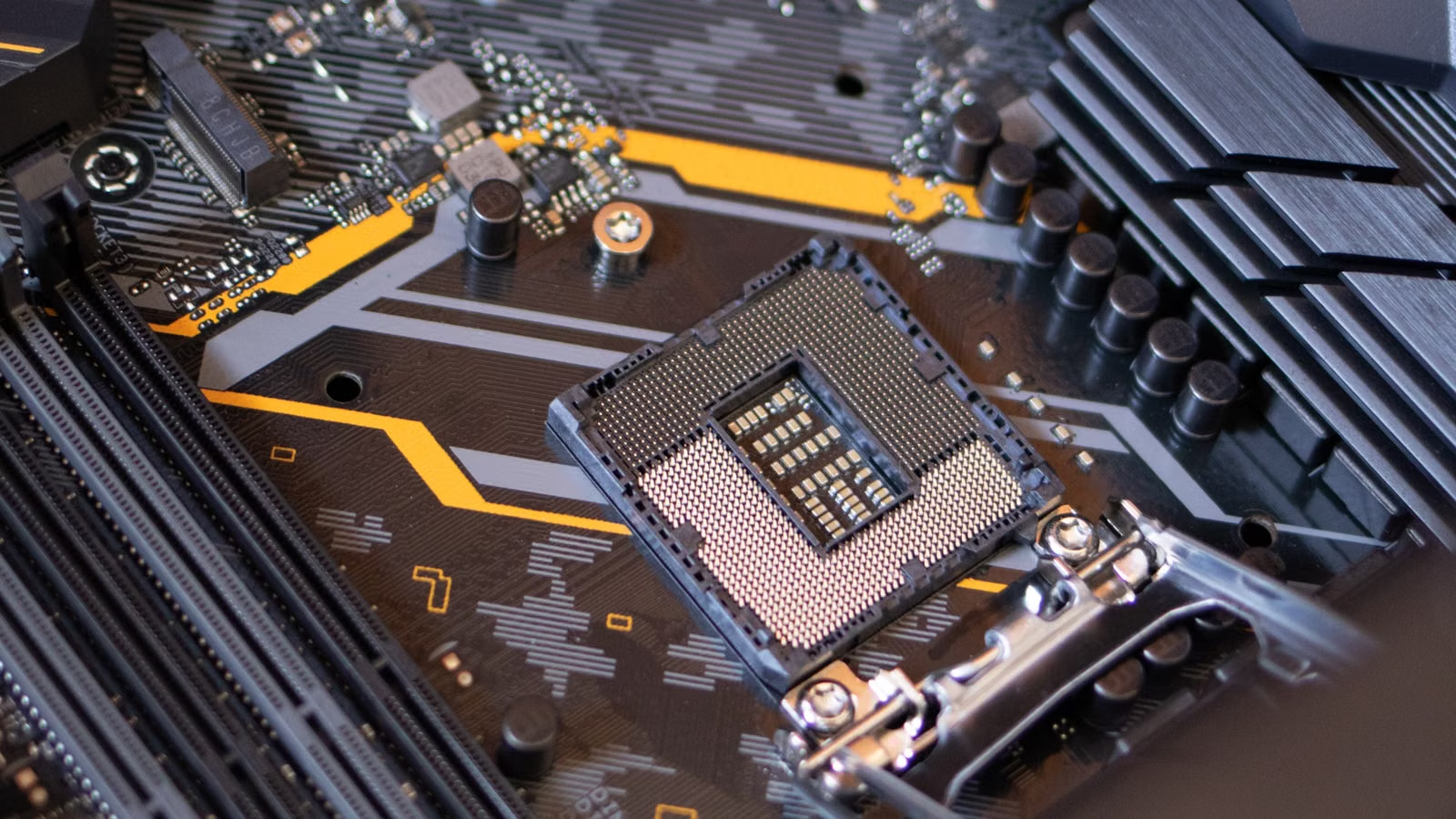
The core question for Samsung’s HBM business is not whether AI demand exists, but whether Samsung can expand customer validation and production share in high-end AI GPU and next-generation data center platforms. HBM should be treated as a valuation driver, not as an automatic Q2 profit contributor. The more balanced view is that Samsung’s HBM4E progress is advancing, while its actual contribution to Q2 revenue and profit still depends on mass production, yield, customer share, and future disclosure.
Samsung has confirmed progress through HBM4E sample shipments. Its 12-layer HBM4E samples can reach speeds of up to 16Gbps, with an emphasis on energy efficiency and thermal performance. Reuters also reported that Samsung had shipped 12-layer HBM4E samples to customers, with performance more than 20% faster than the previous HBM4 generation. This is an important sign of progress in high-end AI memory, but sample shipment is still different from mass production, stable yield, and sustained customer share.
HBM matters to Samsung in four main ways:
- Product mix: HBM carries a much higher ASP than conventional DRAM.
- Customer lock-in: AI GPU platforms and hyperscalers shape demand visibility.
- Technical barrier: HBM depends on stacking, packaging, yield, and thermal control.
- Valuation repair: If Samsung regains HBM share, the market may narrow its valuation discount.
| HBM Signal | Positive Interpretation | What Still Needs Caution |
|---|---|---|
| HBM4E sample shipment | Product validation has entered the customer stage | Samples are not the same as mass production revenue |
| 12-layer stacked product | Technology generation continues to advance | Yield and cost still need validation |
| AI customer testing | Supply chain position may improve | Customer share may not rise immediately |
| Memory product mix upgrade | Could improve margin profile | Q2 earnings may not fully reflect it |
The competitive picture also needs nuance. Counterpoint’s Q1 2026 DRAM market share tracking showed Samsung with around 38% global DRAM revenue share, ahead of SK hynix at 29%. That confirms Samsung’s scale advantage in the broader DRAM market. HBM, however, is a premium segment where customer qualification, yield, and platform lock-in matter more than overall DRAM share.
Summary: Samsung’s HBM recovery is progressing, but it should not be described as a completed return to dominance in high-end AI memory. The most accurate view is that HBM4E sample shipments are an important step in Samsung’s attempt to regain share, while customer validation, mass production, yield, and platform share remain the real tests. For Q2 preview purposes, HBM can be framed as a major valuation variable. The stronger signal will come later, when Samsung provides clearer updates on customer adoption, production ramp, and the role of HBM within its broader AI infrastructure memory portfolio.
Where Does DRAM Stand: Cyclical Rebound or Structural Shortage?

DRAM recovery is no longer just a rebound from the bottom of the inventory cycle. It is increasingly being driven by AI servers, DDR5 migration, HBM capacity displacement, hyperscaler demand, and tight supply. When analyzing Samsung’s Q2 outlook, DRAM pricing matters more than smartphone shipments because memory price increases flow more directly into DS Division margins. The key is to treat Q2 DRAM pricing data as industry tracking and market expectations, not as Samsung-reported segment data.
TrendForce’s Q1 2026 DRAM industry tracking showed a sharp quarter-on-quarter increase in global DRAM revenue and expected Q2 conventional DRAM contract prices to keep rising. Its earlier 2Q26 memory pricing forecast projected conventional DRAM contract prices to rise 58%–63% quarter over quarter, supported by AI server demand. These numbers show the strength of the pricing cycle, but they are industry forecasts rather than Samsung’s Q2 earnings disclosure.
Reuters also cited Citi Research’s view that Q2 DRAM and NAND average selling prices increased by 44% and 53%, respectively. That helps explain why the market expected Samsung’s Q2 profit to rise sharply, but the numbers should be read as research-based pricing estimates, not company-reported ASP or segment revenue.
| DRAM Type | Main Demand Source | Relevance to Samsung’s Q2 Preview |
|---|---|---|
| Server DRAM | Cloud providers, AI clusters | Most important for margin expansion |
| DDR5 | Servers, PC upgrades | Supports conventional DRAM ASP |
| RDIMM | General servers, AI inference | Reflects data center expansion demand |
| LPDDR | Smartphones, AI devices | Constrained by device cost pressure |
| HBM | AI GPUs and accelerators | High margin and valuation sensitivity |
Q3 price forecasts also point to a strong but moderating cycle. TrendForce’s 3Q26 DRAM and NAND contract price forecast projected conventional DRAM contract prices to rise 13%–18% and NAND Flash contract prices to rise 10%–15%. That suggests supply remains tight, but end-market resistance to higher prices is becoming more visible.
Summary: DRAM has moved into a high-demand phase, but two mistakes should be avoided. First, TrendForce or Citi pricing estimates should not be treated as Samsung’s own Q2 earnings data. Second, DRAM price increases do not mean every downstream end market is strong. Server DRAM, DDR5, RDIMM, and AI inference demand remain supportive, while HBM capacity allocation is tightening conventional DRAM supply. Consumer PCs, smartphones, and lower-end electronics are more price-sensitive. For Samsung, the key Q2 question is whether DRAM pricing strength is strong enough to keep lifting Memory Business margins and whether that strength carries into Q3 guidance.
Where Does NAND Stand: Can Enterprise SSD Take Over from HBM and DRAM?
NAND recovery receives less attention than HBM, but it matters for Samsung’s Q2 outlook. NAND needs to be split into two tracks: enterprise SSD, AI inference storage, KV cache, and cloud data center capacity demand are stronger; client SSD, mobile NAND, UFS, eMMC, and retail storage remain more exposed to weak consumer electronics demand. NAND pricing is in an upcycle, but industry price strength still needs confirmation through Samsung’s later segment disclosure.
Samsung’s Q1 results highlighted plans to address high-performance storage demand through PCIe Gen6 eSSD and KV cache storage. That is important because NAND is no longer only about low-cost capacity. It is becoming part of the AI inference, data retrieval, model-serving, and cloud storage infrastructure stack.
| NAND Scenario | Recovery Driver | Main Risk |
|---|---|---|
| Enterprise SSD | AI data centers, cloud storage, KV cache | Customer purchasing cycles |
| Client SSD | PC replacement, commercial devices | High prices may suppress demand |
| Mobile NAND | Flagship smartphone storage upgrades | Cost pressure in mid- and low-end phones |
| UFS/eMMC | Smartphones and embedded devices | Limited pricing power |
| Retail NAND | USB drives, memory cards, retail SSDs | More fragmented demand |
TrendForce’s Q3 view also points to a “rising but slowing” pattern. NAND Flash contract prices were forecast to rise 10%–15%, while weaker consumer acceptance could cap the pace of increases. Combined with Citi’s Q2 NAND ASP view cited by Reuters, NAND appears to be moving from trough recovery into a pricing upcycle. Still, Samsung’s actual enterprise SSD demand, NAND margin recovery, and customer mix need to be confirmed later through official earnings details.
Summary: NAND is showing recovery signals, but it is not a single broad-based demand story. Enterprise SSD, AI inference storage, KV cache, and data center capacity needs look stronger. Consumer NAND, including client SSD, mobile NAND, UFS, eMMC, and retail storage, remains more exposed to end-market weakness. For Samsung’s Q2 preview, NAND matters because it shows whether the memory recovery is spreading beyond HBM and DRAM into broader storage infrastructure. If later earnings show stronger eSSD demand, improving NAND margins, and higher data center customer contribution, Samsung’s memory recovery will look broader and more durable.
Why Could Q2 Beat Expectations, and What Could Hold Profit Back?
Samsung’s Q2 could beat expectations if DRAM and NAND prices rise faster than expected, AI server demand remains strong, HBM progress improves sentiment, and memory supply stays tight. Potential drags include bonus provisions, mobile cost pressure, AI capex delays, and already elevated market expectations. The key is to separate operating trends from one-off items. Pricing strength and product mix improvement are cyclical drivers; bonus provisions and near-term cost items may affect one quarter without changing the underlying memory cycle.
The positive variables are clear. First, DRAM and NAND ASP increases can directly lift memory margins. Second, server DRAM, DDR5, RDIMM, and enterprise SSD demand are more closely linked to AI infrastructure than to traditional consumer electronics restocking. Third, HBM4E sample progress can improve market perception of Samsung’s AI memory competitiveness. Fourth, tight supply and disciplined capacity allocation across high-end memory products can support near-term pricing.
The negative variables are also visible. Reuters noted that bonus provisions for Samsung’s chip employees could affect profit performance, while the mobile business faces margin pressure from higher component costs, including memory and storage. Long-term supply and capex dynamics also matter. Reuters’ overview of South Korea’s chip and AI mega projects shows that large-scale semiconductor and AI infrastructure investment could eventually reshape supply-demand balance.
| Variable | Operating Trend | Short-Term Item | What to Watch |
|---|---|---|---|
| DRAM ASP increase | Yes | No | Impact on Memory margin |
| NAND ASP increase | Yes | No | Enterprise SSD contribution |
| HBM customer validation | Yes | No | Valuation sensitivity |
| Bonus provisions | No | Yes | Single-quarter profit impact |
| Mobile cost pressure | Partly | Partly | Device pricing power |
| AI capex delays | Yes | No | Medium-term demand risk |
There is also a practical trading-cost angle. If you follow Micron, SanDisk, Western Digital, semiconductor ETFs, or Hong Kong-listed tech hardware names, it is not enough to watch earnings expectations alone. Actual trading costs and order risks should also be part of your framework. Through Biya, you can track relevant US and Hong Kong stocks while also reviewing market movements, earnings dates, and order costs. US stock trading fees show that Biya charges zero US stock commission, while platform fees, external institutional fees, and other charges are subject to the fee center and order page. Public market information and fee structures are for research and decision support only, not investment advice.
Summary: The key to Samsung’s Q2 preview is not simply whether earnings beat expectations, but why they beat or miss. If stronger profit comes from DRAM/NAND pricing, HBM progress, and enterprise SSD demand, confidence in the memory upcycle will improve. If profit is affected by bonus provisions or mobile cost pressure, that may not invalidate the cycle. The better framework is to separate sustainable trends, one-off items, and valuation digestion. Only when official earnings confirm pricing strength, product mix improvement, customer demand, and constructive Q3 guidance at the same time will the market be more likely to treat Samsung’s Q2 as another confirmation of the memory supercycle.
How Should Retail Investors Read Samsung’s Q2 Preliminary Earnings for Memory Stocks and the AI Hardware Chain?
Retail investors should treat Samsung’s Q2 preliminary earnings as a signal for the global memory cycle and AI hardware chain, not as a standalone Samsung event. Samsung’s results can influence expectations for SK hynix, Micron, SanDisk, Western Digital, enterprise SSD demand, AI servers, and semiconductor ETFs. Before Q2 is officially released, the most useful approach is to build an observation framework around expectations, pricing data, product progress, and later confirmation.
The transmission path can be simplified into six steps:
- AI capex expands, increasing GPU and server deployments;
- Demand rises for HBM, server DRAM, DDR5, RDIMM, and eSSD;
- DRAM and NAND ASPs increase;
- Memory companies see revenue and margin improvement;
- Analysts raise earnings forecasts;
- Memory stocks and semiconductor ETFs enter a repricing phase.
Different assets have different sensitivities:
| Direction | Representative Theme | Key Logic |
|---|---|---|
| Korean memory | Samsung, SK hynix | HBM and DRAM cycle strength |
| US memory | Micron, SanDisk, Western Digital | DRAM/NAND price elasticity |
| Enterprise storage | eSSD, data center storage | AI inference and cloud storage demand |
| AI servers | GPU, HBM, DDR5 | Rising hardware BOM costs |
| Smartphone chain | Samsung MX, Apple supply chain | Memory price pressure on device margins |
| Semiconductor ETFs | AI chips, memory, equipment | Earnings upgrades and valuation sentiment |
The biggest mistake is to turn an earnings preview into a trading conclusion. Strong earnings do not guarantee further share price gains. A weaker-than-expected result does not automatically mean the memory cycle is ending. If the market has already priced in a memory supercycle, Samsung may need stronger official numbers and Q3 guidance to sustain the valuation story. If you use US stock screening to follow related names, it is useful to record not only price moves, but also earnings dates, memory price trends, valuation levels, order costs, and risk events. If the service is available in your location and you meet the applicable requirements, you can also use download App to manage watchlists and trading workflows. Service availability depends on user location, identity verification results, platform rules, and applicable laws and regulations.
Summary: Samsung’s Q2 preliminary earnings are most useful for judging whether the memory recovery is broadening. The four key questions are whether operating profit beats market expectations, whether Memory Business continues to dominate profit, whether HBM4E moves into deeper customer validation, and whether DRAM/NAND pricing strength can extend into Q3. If all four signals are positive, the earnings upgrade logic for the memory chain becomes clearer. If only one signal is strong, or if one-off items distort profit, market reactions may be more divided. A better approach is to monitor Samsung, SK hynix, Micron, TrendForce price forecasts, hyperscaler capex, and semiconductor ETFs within one framework.
If you are tracking Samsung’s Q2 preliminary earnings, the AI memory cycle, and the US semiconductor chain, it is useful to put earnings calendars, memory price forecasts, company guidance, and actual trading costs into the same decision framework. Biya is a global multi-asset trading wallet that supports US stocks, Hong Kong stocks, and digital assets. When following names such as Micron, SanDisk, Western Digital, or semiconductor ETFs, you can compare market data, earnings timing, and fee structures together. Biya charges zero US stock commission, while platform fees, external institutional fees, and other charges are subject to the fee center and order page. All public market information is for research and education only and does not constitute investment advice. Before trading, you should consider your own risk tolerance, platform rules, order details, and applicable local laws and regulations.
FAQ
Has Samsung Released Its Q2 Preliminary Earnings?
Samsung’s Q2 preliminary earnings should be read through the latest available market expectations until the company publishes the official update. Samsung’s Q1 results provide the previous-quarter baseline, while Q2 operating profit, segment breakdown, and management commentary still need confirmation from official disclosure.
Can Samsung’s Q1 Earnings Represent Q2 Performance?
Samsung’s Q1 earnings cannot represent Q2 performance. Q1 revenue, operating profit, and DS Division profit have already been disclosed by Samsung, but whether Q2 continues the same growth pattern depends on the preliminary earnings, full earnings release, and later segment-level details.
Does Samsung’s HBM4E Sample Shipment Mean Immediate Q2 Revenue Growth?
Samsung’s HBM4E sample shipment does not automatically mean large-scale Q2 revenue growth. Sample shipment shows progress in customer validation and product development, but the real earnings impact depends on mass production timing, yield, customer share, and pricing.
Does DRAM Price Inflation Mean Samsung’s Memory Cycle Has Fully Recovered?
DRAM price inflation is an important signal of Samsung’s memory cycle recovery, but it does not mean the recovery is complete. Investors should also watch server DRAM, DDR5, HBM, NAND, and enterprise SSD demand, as well as whether consumer electronics can absorb higher memory costs.
Why Is NAND Recovery More Uneven Than HBM Recovery?
NAND recovery is more uneven because enterprise SSD and AI inference storage demand is stronger, while mobile NAND, client SSD, UFS, and retail storage still depend heavily on end-device demand. The quality of NAND recovery should be judged by data center demand and margin improvement, not only price increases.
Can Samsung’s Q2 Earnings Preview Be Used Directly for Investment Decisions?
Samsung’s Q2 earnings preview should not be used as a standalone investment basis. It is better used as an observation framework. Trading decisions should wait for official earnings confirmation and consider valuation, memory price trends, order costs, risk tolerance, platform rules, and local regulatory requirements.
*This article is provided for general information purposes and does not constitute legal, tax or other professional advice from BiyaPay or its subsidiaries and its affiliates, and it is not intended as a substitute for obtaining advice from a financial advisor or any other professional.
We make no representations, warranties or warranties, express or implied, as to the accuracy, completeness or timeliness of the contents of this publication.
Related Blogs of

Crypto-Related Stocks vs Digital Assets: What Investors Actually Own


Crypto Exchange Fees Comparison: Trading Fees, Spreads, and Withdrawals


International Wire Transfer Time: What Affects Delivery?


Wire Transfer Requirements: Sender and Beneficiary Details Checklist
Choose Country or Region to Read Local Blog
 Australia
 Austria
 Belgium
 Canada
 Cyprus
 Czech Republic
 Denmark
 Estonia
 Finland
 France
 Germany
 Greece
 Hong Kong
 India
India Indonesia
 Ireland
 Italy
Italy Japan
Japan Latvia
 Lithuania
 Luxembourg
 Malaysia
 Malta
Malta Morocco
 Nepal
Nepal Netherlands
 New Zealand
 Norway
 Pakistan
 Philippines
 Poland
 Portugal
 Romania
 Singapore
 Slovakia
 Slovenia
 South Africa
 South Korea
 Spain
Spain Sweden
 Thailand
 United States
 Turkey
 United Arab Emirates
 United Kingdom
 Vietnam