
How to Classify Hong Kong AI Memory-Related Stocks? Breaking Down Chip Design, Packaging Equipment, and Foundry Companies





Hong Kong AI memory-related stocks should not be classified simply by asking whether a company is a memory chip maker, because the Hong Kong market lacks pure DRAM, NAND, or HBM manufacturers. A more practical approach is to divide them by supply-chain role: chip design, packaging equipment, and wafer foundry. For chip design companies, focus on non-volatile memory, FPGA, MCU, and security chips. For packaging equipment companies, focus on TCB, Hybrid Bonding, Chiplet, and HBM advanced packaging. For foundries, focus on mature nodes, eNVM, standalone NVM, customer wafer starts, utilization rates, and depreciation pressure. Rising AI memory demand may create opportunities, but the transmission path is different for each segment.
Key Takeaways
- Hong Kong AI memory stocks should be classified by supply-chain role, not concept labels.
- Chip design names are closer to memory products, controller chips, and edge AI scenarios.
- Packaging equipment names may benefit from HBM, Chiplet, and advanced packaging expansion.
- Foundries are more affected by customer wafer starts, utilization rates, and depreciation.
- Hua Hong has a more direct link to eNVM and standalone NVM than SMIC.
- Rising AI memory demand does not mean all Hong Kong semiconductor stocks benefit equally.
How Should Hong Kong AI Memory-Related Stocks Be Classified?
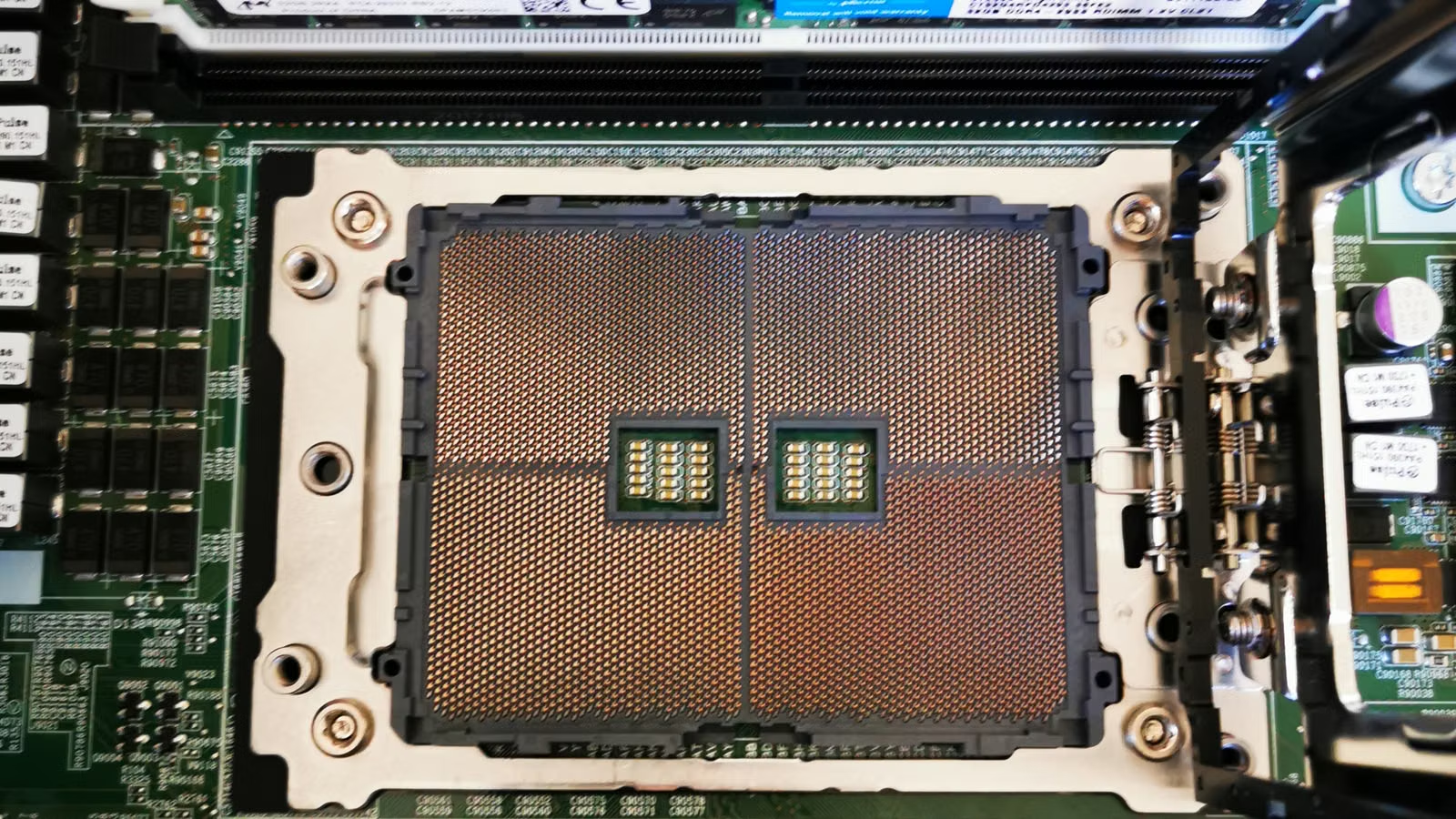
Hong Kong AI memory-related stocks are better classified by “supply-chain position” rather than by the strength of their AI concept. You can first divide them into three lines. The first is chip design, where you check whether the company is involved in non-volatile memory, FPGA, MCU, security chips, and control chips. The second is packaging equipment, where you check whether it participates in advanced packaging areas such as HBM, Chiplet, TCB, and Hybrid Bonding. The third is wafer foundry, where you look at whether it provides eNVM, standalone NVM, mature-node capacity, and customer wafer-start capability.
The true upstream core of AI memory consists of standard memory products such as HBM, DRAM, and NAND, but these markets are mainly dominated by international manufacturers such as SK hynix, Samsung, and Micron. Most Hong Kong-listed semiconductor companies do not directly sell HBM or DRAM. Instead, they participate in the cycle through design, equipment, or manufacturing. In its June 2026 DRAM industry revenue data, TrendForce noted that 1Q26 DRAM industry revenue rose sharply quarter over quarter, mainly due to rapid increases in traditional DRAM contract prices. This trend shows that AI and data center demand are reshaping the memory market, but the transmission to Hong Kong-listed companies must be broken down by supply-chain segment.
| Category | Hong Kong Representative | Link to AI Memory | Main Focus | Main Risks |
|---|---|---|---|---|
| Chip design | Shanghai Fudan 01385.HK | Non-volatile memory, FPGA, MCU, security chips | Product revenue, customer adoption, R&D investment | Price competition, product iteration |
| Packaging equipment | ASMPT 0522.HK | TCB, Hybrid Bonding, HBM, Chiplet | Advanced packaging orders, equipment delivery | Order cycle, customer concentration |
| Foundry | SMIC 00981.HK | Mature nodes, customer wafer starts, indirect transmission | Utilization, gross margin, capacity structure | Depreciation, cyclical volatility |
| Specialty foundry | Hua Hong Semiconductor 01347.HK | eNVM, standalone NVM, MCU, Flash | NVM share, product mix | Gross margin, capacity ramp-up |
The purpose of this table is to help you avoid treating “AI memory” as a single concept. The logic for chip design companies is whether their products can enter high-value applications. The logic for equipment companies is whether customer expansion can translate into orders. The logic for foundries is whether customers increase wafer starts and whether fabs can maintain high utilization. All three types can be affected by the AI memory cycle, but the strength, timing, and financial expression of that impact are completely different.
Summary: The core of classifying Hong Kong AI memory-related stocks is not to find which company looks most like an HBM manufacturer, but to identify what role each company plays in the supply chain. Chip design companies are more about non-volatile memory, FPGA, MCU, security chips, and related products. Packaging equipment companies are more about HBM, Chiplet, and advanced packaging expansion. Foundries are more about customer wafer starts, mature nodes, eNVM, standalone NVM, utilization, and depreciation pressure. If you classify companies by supply-chain layer first, then verify revenue and orders, your judgment will be more stable than simply following market concepts.
Chip Design: Why Shanghai Fudan Is an Important Example in Hong Kong AI Memory Classification
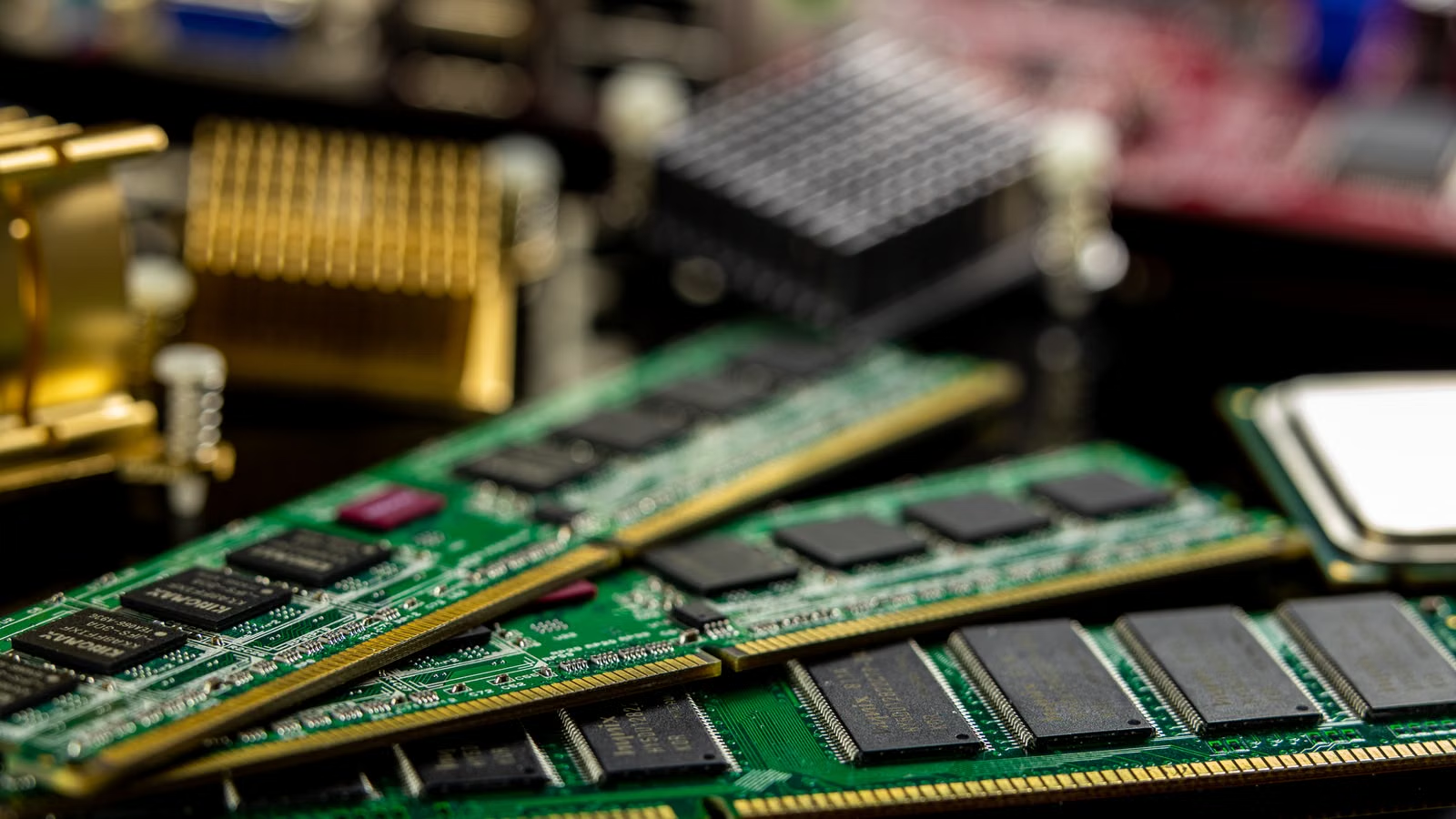
Shanghai Fudan 01385.HK is a typical chip design example within Hong Kong AI memory classification, but it is not an HBM manufacturer, nor is it a traditional DRAM or NAND leader. You should understand it through the framework of “chip design + non-volatile memory + FPGA + MCU + security chips.” Its AI memory relevance comes more from product applications and edge AI scenarios than from directly supplying data center HBM.
In its 2025 annual report, Shanghai Fudan disclosed that its product lines include security and identification chips, non-volatile memory, smart meter chips, FPGA chips and other products, as well as integrated circuit testing services. Its applications cover finance, social security, anti-counterfeiting and traceability, network communication, home appliances, automotive electronics, industrial control, signal processing, data centers, and artificial intelligence. This shows that the company intersects with both “AI” and “memory,” but that intersection is not the same as the logic of an HBM manufacturer.
More specifically, Shanghai Fudan’s non-volatile memory business is more focused on NOR Flash, EEPROM, SLC NAND, and similar areas. In its 2024 interim report, the company noted that its non-volatile memory business had formed three major product lines: EEPROM, NOR Flash, and NAND Flash, building a relatively complete niche non-volatile memory product structure. Here, “memory” mainly serves code storage, parameter storage, industrial control, automotive electronics, modules, and IoT, rather than the high-bandwidth memory placed next to AI GPUs.
FPGA is another AI-related clue. Shanghai Fudan’s 2025 materials mention that the company’s products can be used in data centers, artificial intelligence, and other fields. FPGA has potential applications in edge AI, signal processing, industrial control, and customized computing, but it is not the same type of asset as Nvidia GPUs or HBM stacked memory. When analyzing Shanghai Fudan, the key is not to simply label it an “AI memory stock,” but to see whether revenue, gross margin, customer validation, and R&D investment across each product line can support long-term growth.
| Observation Dimension | What to Watch for Shanghai Fudan 01385.HK | Link to AI Memory |
|---|---|---|
| Non-volatile memory | NOR Flash, EEPROM, SLC NAND | Closer to memory product design |
| FPGA | Edge AI, signal processing, industrial control | More related to AI computing and control |
| MCU / security chips | Smart cards, automotive, IoT, industrial | Related to embedded memory |
| R&D investment | New product iteration capability | Determines medium- to long-term competitiveness |
| Revenue structure | Product-line share and growth | Helps judge the strength of memory relevance |
Summary: Shanghai Fudan is better understood as a Hong Kong-listed example of “chip design + non-volatile memory + FPGA/edge AI,” not as a pure HBM or DRAM stock. Its memory relevance mainly comes from product lines such as NOR Flash, EEPROM, SLC NAND, MCU, and security chips. Its AI relevance comes more from FPGA, data centers, artificial intelligence, and industrial control applications. If you follow this type of company, focus on whether product revenue is truly scaling, whether R&D is sustained, and whether customer applications are moving from concept to commercial delivery, rather than only watching how the market classifies it.
Packaging Equipment: Why ASMPT Is a More Direct Link in the Hong Kong AI Memory Chain
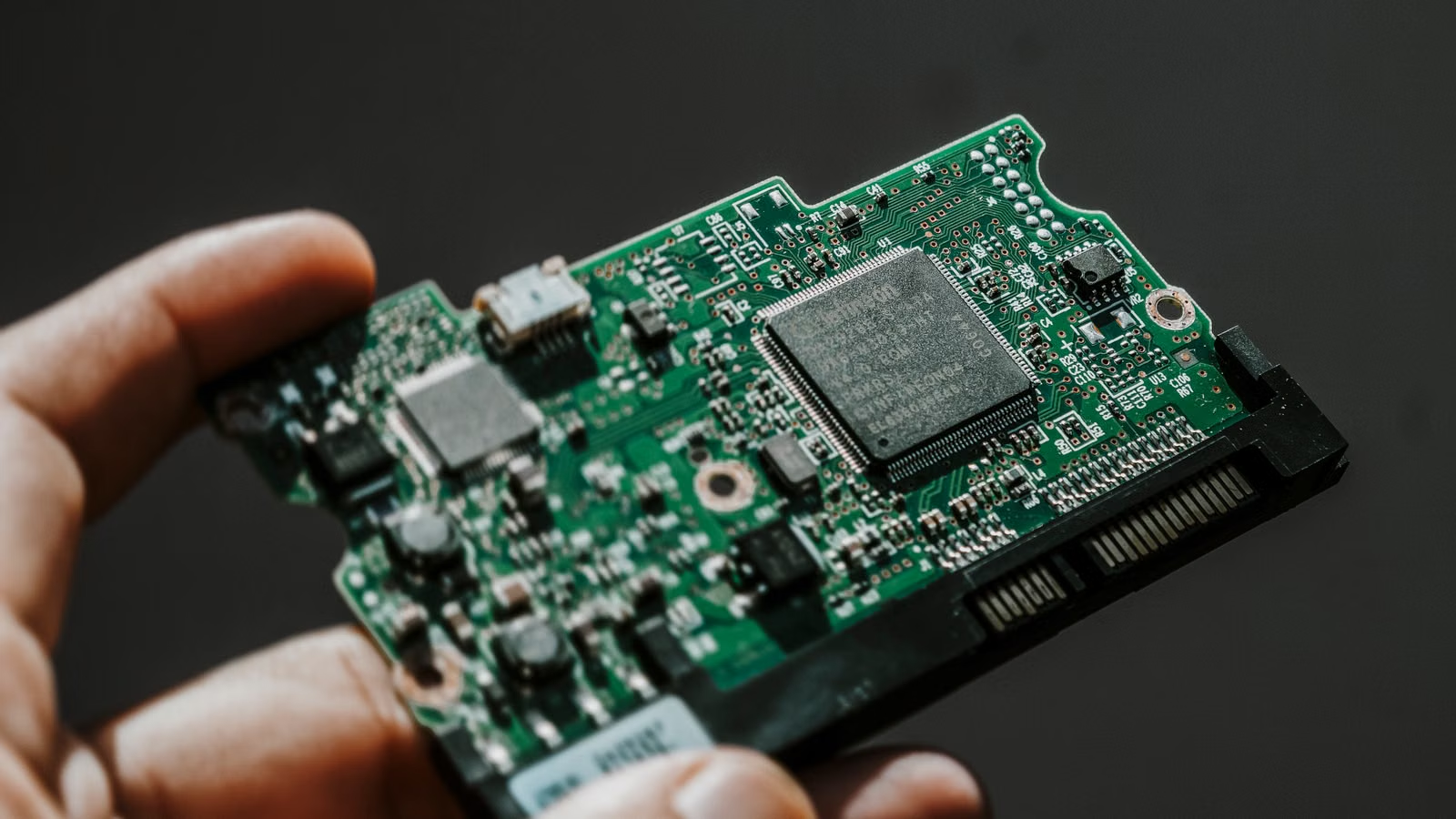
Among Hong Kong AI memory-related stocks, ASMPT 0522.HK is closer to the “equipment layer of AI memory expansion.” The reason is that HBM, AI accelerators, Chiplet architecture, and 2.5D/3D packaging all require high-precision interconnect and advanced packaging equipment. ASMPT is not a memory chip manufacturer, but its equipment for TCB, Hybrid Bonding, Die-to-Wafer, and Chip-to-Substrate processes may participate in HBM and AI chip advanced packaging expansion.
In its 2025 annual results, ASMPT disclosed that its Advanced Packaging revenue reached US$532.1 million, up 30.2% year over year, with TCB solutions making a significant contribution. The company also noted that TCB achieved record revenue in 2025 and secured important orders from the logic and memory markets. This shows that ASMPT’s link to AI memory does not come from memory chip design, but from demand for advanced packaging equipment.
The importance of TCB lies in high-precision chip interconnection. HBM requires stacking multiple DRAM dies and connecting them through TSV, micro-bumps, advanced bonding, and other technologies to logic chips or interposers. AI chips and Chiplet architectures also require higher-density, lower-latency, higher-bandwidth packaging. In its ECTC 2026 showcase materials, ASMPT said it showcased advanced bonding solutions for HBM and Chiplet applications in AI and HPC, which is why its link to the AI memory chain is stronger.
At the order level, ASMPT previously disclosed orders for 19 Chip-to-Substrate TCB tools and said the TCB total addressable market was expected to exceed US$1 billion by 2027. The company later disclosed orders for 15 additional Chip-to-Substrate TCB tools, driven by demand for AI computing chips. For equipment stocks, these orders are important signals, but you still need to watch revenue recognition, delivery cycles, gross margin, and customer concentration.
| Equipment / Technology | Role in AI Memory | Key ASMPT Indicators |
|---|---|---|
| TCB | High-precision interconnect for HBM and AI chips | Orders, delivery, gross margin |
| Hybrid Bonding | Next-generation high-density interconnect | Technology validation, customer adoption |
| Chiplet packaging | Supports multi-chip integration | AI/HPC customer demand |
| AP equipment | Captures advanced packaging expansion | Share of advanced packaging revenue |
| SMT equipment | More related to traditional electronics manufacturing | Different cycle from AI memory exposure |
Summary: ASMPT is one of the Hong Kong AI memory-related names that sits closer to the HBM advanced packaging equipment layer. It does not produce HBM, DRAM, or NAND, but demand for TCB, Hybrid Bonding, Chiplet, and advanced packaging equipment driven by HBM and AI chips makes ASMPT easier for the market to classify as an AI memory-related equipment stock. When analyzing ASMPT, do not focus only on the phrase “AI orders.” You also need to check whether orders convert into revenue, whether delivery schedules are smooth, whether advanced packaging revenue share rises, whether gross margin improves, and whether customer capital expenditure cycles change.
Foundries: How Do SMIC and Hua Hong Semiconductor Participate in the AI Memory Chain?
SMIC 00981.HK and Hua Hong Semiconductor 01347.HK both belong to the wafer foundry chain, but their participation in AI memory is different. SMIC is more like a comprehensive foundry leader, where the impact of AI memory mainly passes through end customers, smartphones, IoT, automotive, industrial, and mature-node orders. Hua Hong Semiconductor is more like a specialty technology foundry. Because of its eNVM and standalone NVM businesses, it has a more direct connection to non-volatile memory, MCU, Flash, EEPROM, smart cards, and automotive electronics.
SMIC’s core is not “memory products,” but its “manufacturing platform.” In its 2025 annual report, SMIC disclosed revenue of US$9.3268 billion in 2025, a gross margin of 21.0%, a utilization rate of 93.5%, and monthly capacity of 1.05875 million 8-inch equivalent wafers by the end of 2025. By the first quarter of 2026, SMIC’s revenue was US$2.5055 billion, with a gross margin of 20.1%. These figures show that SMIC’s core indicators are capacity, customer structure, 12-inch share, utilization, and depreciation, not a single memory price indicator.
Hua Hong’s logic is closer to specialty technologies. In its first-quarter 2026 results, Hua Hong Semiconductor disclosed that embedded NVM accounted for 27.9% of revenue, while standalone NVM accounted for 8.6%. Hua Hong’s embedded non-volatile memory business covers MCUs, smart cards, security chips, IoT, and automotive electronics, giving it a more direct link to memory-related foundry services than SMIC.
However, rising AI memory demand does not necessarily benefit foundries in only one direction. Reuters reported that concerns over memory chip shortages once led customers to postpone orders for other types of chips, because AI demand tightened memory supply and affected products such as smartphones and automobiles. This shows that foundries may benefit from higher customer wafer starts, but they may also be affected by rising costs and order delays among end customers.
| Company | Supply-Chain Role | AI Memory Link | Core Indicators | Risks |
|---|---|---|---|---|
| SMIC 00981.HK | Comprehensive foundry | Indirect, from customer wafer starts and end demand | Utilization, 12-inch share, gross margin | Depreciation, export restrictions, mature-node competition |
| Hua Hong Semiconductor 01347.HK | Specialty technology foundry | More direct, from eNVM and standalone NVM | NVM share, product mix, utilization | Gross margin, capacity ramp-up, demand volatility |
Summary: SMIC and Hua Hong Semiconductor both belong to the foundry chain, but they should not be analyzed with the same logic. SMIC is more of a comprehensive manufacturing platform, and AI memory affects it mainly through customer demand and mature-node orders. Hua Hong is closer to memory-related specialty foundry exposure because of eNVM, standalone NVM, MCU, Flash, and smart card IC businesses. When comparing the two companies, look at which revenue structure is closer to memory-related processes, while also tracking utilization, gross margin, depreciation, and capacity absorption, rather than only watching the popularity of the AI memory concept.
How Do the Benefit Paths and Risks Differ Across the Three Types of Hong Kong AI Memory Stocks?
The three types of Hong Kong AI memory-related stocks—chip design, packaging equipment, and wafer foundry—make money in completely different ways. Chip design companies depend on whether products can scale and enter high-value applications. Packaging equipment companies depend on whether HBM, Chiplet, and advanced packaging expansion translate into equipment orders. Foundries depend on customer wafer starts, utilization, product mix, and depreciation pressure. If you treat all three simply as “AI memory concept stocks,” you may misjudge how and when earnings are realized.
For chip design companies, the core factor is product competitiveness. For companies like Shanghai Fudan, you need to watch whether non-volatile memory, FPGA, MCU, security chips, and other products can enter automotive, industrial, data center, edge AI, and other higher-value scenarios. Design companies can have stronger gross margin elasticity, but they also face price competition, R&D execution risks, long customer validation cycles, and inventory volatility. If products do not scale, even a strong concept will struggle to support fundamentals over time.
For packaging equipment companies, the core factor is customer capital expenditure. The stronger the demand for HBM, Chiplet, and AI accelerators, the more likely advanced packaging capacity is to expand, which may create equipment order elasticity. In its 1Q26 DRAM supplier data, TrendForce noted that AI inference demand expanding into general-purpose servers increased memory procurement, while supplier inventories bottomed and capacity shifted toward higher-margin products, pushing contract prices higher. This background supports the HBM and advanced packaging equipment logic, but equipment companies are still affected by customer expansion cycles.
For foundries, the core factor is capacity utilization. SMIC and Hua Hong are both affected by semiconductor cycles, but they do not directly sell HBM. SMIC is more about customer wafer starts and mature-node demand, while Hua Hong is more about eNVM, standalone NVM, PMIC, power devices, and product mix. Foundry expansion creates depreciation. If orders are insufficient, gross margins may come under pressure. If customer wafer starts rise and utilization improves, profitability may improve.
If you put the three types of companies into one investment watchlist, you can break them down as follows:
| Category | Main Benefit Path | Source of Earnings Elasticity | Main Risks |
|---|---|---|---|
| Chip design | Products enter storage, AI, industrial, and automotive scenarios | New product ramp-up, ASP, customer adoption | Competition, inventory, R&D failure |
| Packaging equipment | HBM, Chiplet, and advanced packaging expansion | Equipment orders, delivery, gross margin | Order volatility, customer concentration |
| Foundry | Customers increase wafer starts, mature-node demand improves | Utilization, product mix, ASP | Depreciation, price competition, weaker demand |
You also need to pay attention to actual trading costs. For example, if you compare Hong Kong semiconductor stocks, U.S. AI chip stocks, memory manufacturers, and semiconductor ETFs at the same time, you should not only look at share price movements. You also need to consider commissions, platform fees, external agency fees, transaction activity fees, foreign exchange costs, and other charges displayed on the order page. Taking U.S. stock trading as an example, Biya charges US$0 commission for U.S. stock trading, while platform fees, external agency fees, and other costs are subject to the Fee Center and the order page. Whether related services are available depends on the user’s location, identity verification results, platform rules, and applicable laws and regulations.
Summary: Although they may all be called “Hong Kong AI memory-related stocks,” the three categories have completely different benefit paths. Chip design companies rely on product ramp-up. Packaging equipment companies rely on advanced packaging orders. Foundries rely on customer wafer starts and utilization. When analyzing them, first identify which category the company belongs to, then look at the corresponding financial indicators. Rising AI memory demand may indeed create industry opportunities, but it does not mean every semiconductor company will benefit in sync, nor does it mean every share price increase is supported by fundamental delivery.
How Can Beginners Build a Hong Kong AI Memory Stock Watchlist?
Beginners should build a Hong Kong AI memory-related stock watchlist by classifying companies by supply-chain role, not by short-term share price gains. Price gains only reflect market sentiment; they do not prove that a company truly benefits from HBM, DRAM, NAND, or AI server demand. A more reliable method is to use a five-step framework: classify, verify, trace the transmission path, check financials, and identify risks. Chip design, packaging equipment, and foundry companies should be tracked separately.
The first step is classification. Decide whether the company is a chip design company, a packaging equipment company, or a foundry. Shanghai Fudan is more of a chip design company. ASMPT is more of an advanced packaging equipment company. SMIC and Hua Hong Semiconductor are more of foundry names. The second step is verification: check whether the company’s revenue actually contains relevant products or equipment, rather than relying only on headlines. The third step is transmission: determine how AI memory demand affects its orders, such as whether HBM expansion drives TCB equipment demand, or whether eNVM demand leads to more specialty-process wafer starts.
The fourth step is financial analysis. For chip design companies, watch product revenue and gross margin. For packaging equipment companies, watch orders, delivery, and gross margin. For foundries, watch utilization, depreciation, capacity, and product mix. The fifth step is risk identification, so you do not confuse concept speculation with fundamental improvement. AI memory concepts can easily be overextended. Many companies are only generally related to semiconductors, which does not mean they directly benefit from HBM or DRAM.
| Step | Question to Ask | Relevant Materials |
|---|---|---|
| Classification | Is the company design, equipment, or foundry? | Annual reports, business descriptions |
| Verification | Does revenue include related businesses? | Segment revenue, product lines |
| Transmission | How does AI memory affect orders? | Industry reports, customer demand |
| Financials | Are margins and utilization improving? | Earnings reports, result announcements |
| Risk | Are depreciation, competition, or valuation pressure present? | Management discussion, risk disclosures |
You can also look at Hong Kong and U.S. stocks together. Hong Kong has indirect beneficiaries such as Shanghai Fudan, ASMPT, SMIC, and Hua Hong Semiconductor, while U.S. markets include core AI chip, memory, and foundry assets such as Nvidia, AMD, Micron, TSMC, and Broadcom. Different markets have different supply-chain roles and valuation systems. Through Biya, a global multi-asset trading wallet, you can place Hong Kong stocks, U.S. stocks, and crypto markets into one watch framework. If you want to organize U.S. semiconductor names horizontally, you can first use U.S. stock information search to build a basic list, then combine it with earnings reports, valuation, and trading costs for further analysis.
Summary: Beginners tracking Hong Kong AI memory-related stocks do not need to start by guessing which stock will rise. The first step is to place each company back into the supply chain. First classify the company. Then verify revenue. Next analyze the transmission path. Then check financial indicators. Finally identify risks. Although chip design, packaging equipment, and foundries may all be classified as AI memory-related stocks, their core indicators are different. Only by combining company business models, industry cycles, and financial data can you reduce the risk of being misled by short-term concepts.
If you continue to follow AI memory, Hong Kong semiconductor stocks, U.S. chip stocks, and ETFs, you can track market prices, company announcements, financial data, fee structures, and risk disclosures in one framework. Biya supports U.S. stock, Hong Kong stock, and crypto trading, and also supports converting USDT into major fiat currencies such as U.S. dollars or Hong Kong dollars. Before trading, however, you should still check service availability in your location, identity verification requirements, platform rules, and applicable laws and regulations. If related services are available under your circumstances, you can download the App to view available features. Public market information, trading rules, and fee structures are provided only to help you understand decision-making and do not constitute investment advice.
FAQ
What Are the Main Types of Hong Kong AI Memory-Related Stocks?
Hong Kong AI memory-related stocks mainly fall into three categories: chip design, packaging equipment, and wafer foundry. In chip design, Shanghai Fudan is linked to non-volatile memory, FPGA, and MCU. In packaging equipment, ASMPT is linked to TCB and Hybrid Bonding. In foundries, SMIC and Hua Hong Semiconductor are key examples.
Why Is ASMPT Considered an HBM-Related Hong Kong Stock?
ASMPT is considered an HBM-related Hong Kong stock because its TCB and Hybrid Bonding equipment are related to HBM, Chiplet, and AI chip advanced packaging. ASMPT is not a memory chip manufacturer. Its main benefit path comes from advanced packaging expansion, equipment orders, delivery schedules, and customer capital expenditure.
Is Shanghai Fudan 01385.HK an AI Memory Stock?
Shanghai Fudan 01385.HK can be considered a memory-related chip design stock, but it is not an HBM manufacturer. Its non-volatile memory, FPGA, MCU, and security chips are related to storage, edge AI, industrial control, automotive electronics, and data center applications. The key is to examine revenue structure and customer adoption.
Which Is Closer to the Memory Supply Chain: SMIC or Hua Hong Semiconductor?
Hua Hong Semiconductor is closer to memory-related specialty technologies, while SMIC is more indirectly connected. Hua Hong has eNVM and standalone NVM businesses related to MCU, Flash, EEPROM, smart cards, and automotive electronics. SMIC should be analyzed through customer wafer starts, mature nodes, utilization, and depreciation pressure.
Does Rising AI Memory Demand Always Benefit Hong Kong Semiconductor Stocks?
Rising AI memory demand does not necessarily benefit all Hong Kong semiconductor stocks. It may benefit some chip design, advanced packaging equipment, and specialty foundry segments, but it may also increase traditional memory costs and affect orders from smartphone, automotive, and consumer electronics customers. The specific transmission path and revenue structure matter.
How Should Beginners Judge the Risks of Hong Kong AI Memory Stocks?
Beginners should first identify whether a company is in chip design, packaging equipment, or foundry manufacturing, then examine revenue, orders, gross margin, utilization, and valuation. Do not rely only on concept popularity. For trading and fees, investors should follow platform rules, billing details, and local regulatory requirements.
*This article is provided for general information purposes and does not constitute legal, tax or other professional advice from BiyaPay or its subsidiaries and its affiliates, and it is not intended as a substitute for obtaining advice from a financial advisor or any other professional.
We make no representations, warranties or warranties, express or implied, as to the accuracy, completeness or timeliness of the contents of this publication.
Related Blogs of

International Money Transfers: Methods, Requirements, and Costs


Wire Transfer Requirements: Sender and Beneficiary Details Checklist




Choose Country or Region to Read Local Blog
 Australia
 Austria
 Belgium
 Canada
 Cyprus
 Czech Republic
 Denmark
 Estonia
 Finland
 France
 Germany
 Greece
 Hong Kong
 India
India Indonesia
 Ireland
 Italy
Italy Japan
Japan Latvia
 Lithuania
 Luxembourg
 Malaysia
 Malta
Malta Morocco
 Nepal
Nepal Netherlands
 New Zealand
 Norway
 Pakistan
 Philippines
 Poland
 Portugal
 Romania
 Singapore
 Slovakia
 Slovenia
 South Africa
 South Korea
 Spain
Spain Sweden
 Thailand
 United States
 Turkey
 United Arab Emirates
 United Kingdom
 Vietnam