
What Should You Do If ChatGPT Card Binding Fails? Troubleshooting Address, Currency, Risk Controls, and 3D Verification




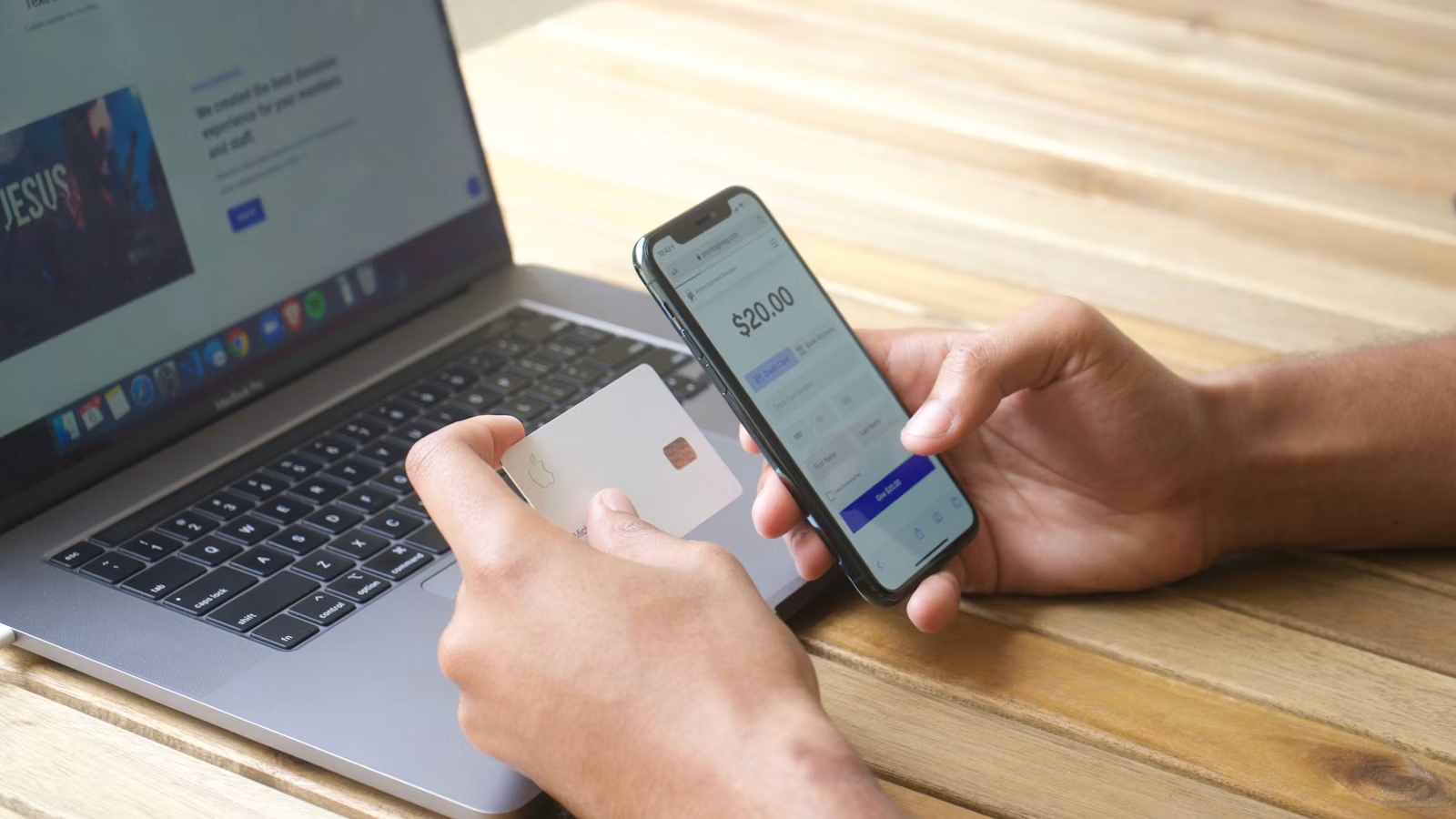
Image Source: unsplash
When ChatGPT card binding fails, it is usually not simply because “this card cannot be used.” The issue may come from card details, billing address, issuing region, displayed currency, bank risk controls, 3D Secure verification, or a mismatch in the subscription entry. You should first confirm whether you are adding the payment method on chatgpt.com, through the iOS App Store, through Android Google Play, or in OpenAI Platform, and then troubleshoot address, currency, region, bank controls, 3D verification, and alternative payment methods step by step.
Key Takeaways
- First confirm whether the failure happens on web, iOS, or Android.
- Billing address, postal code, CVC, and name should match the issuer’s records.
- Currency display depends on region and subscription entry, and may not be manually switchable.
- Banks may block online, cross-border, or subscription-style transactions.
- Interrupted 3D Secure / SCA verification can cause card binding failure.
- After repeated failures, troubleshoot the cause before submitting again.
First Identify Where ChatGPT Card Binding Fails: Web, iOS, or Android?

Image Source: unsplash
After ChatGPT card binding fails, the first step is not to immediately switch cards, but to confirm where the failure happened. The billing logic is different for chatgpt.com, the iOS App Store, Android Google Play, and OpenAI Platform. If you identify the wrong entry point, you may keep changing cards in the wrong place and still fail to find the real subscription, charge, or payment setting.
If you are upgrading to ChatGPT Go, Plus, or Pro on the web, focus on ChatGPT Web Billing. Web Billing is usually where you manage subscriptions, payment methods, and billing records. You can enter Billing from ChatGPT settings to check whether there is an active subscription, whether a payment method has already been added, and whether there are previous invoices or failed payment records.
If you are paying inside the ChatGPT app on an iPhone or iPad, the payment flow is usually managed by Apple. In this case, a card failure does not necessarily mean OpenAI rejected the payment. It may be related to your Apple ID payment method, App Store country or region, subscription status, Family Sharing, or Apple account balance. Apple’s guidance on App Store payment method declines recommends adding a valid new payment method first, then removing the old one and completing the purchase again.
If you are purchasing inside the ChatGPT app on Android, troubleshooting should shift to your Google account, Google Play country, payment profile, and subscription status. Google’s guidance on Google Play payment issues recommends checking payment methods, resolving account errors, and making sure your name, address, and payment information are up to date.
| Failed Entry | Billing Manager | First Checks | What Not to Do |
|---|---|---|---|
| chatgpt.com | OpenAI | Card, billing address, 3DS, bank risk controls | Repeatedly submit the same card |
| iOS App | Apple | Apple ID, App Store region, payment method | Only change cards inside ChatGPT |
| Android App | Google Play | Google account, Play region, payment profile | Ignore Google subscription status |
| API / Platform | OpenAI Platform | Organization billing, payment method, credits | Confuse it with personal ChatGPT subscriptions |
Also note that ChatGPT personal subscriptions and OpenAI Platform billing are not the same thing. ChatGPT Plus, Pro, and Go are mainly for ChatGPT usage, while API billing is more common for developers or organization accounts. A failed card binding attempt on the ChatGPT web app does not necessarily mean your API payment method will fail; conversely, adding a payment method in Platform billing may not fix an App Store in-app purchase issue.
Summary: When ChatGPT card binding fails, you must first locate the subscription entry. Web issues should be checked in ChatGPT Billing, iOS issues in Apple ID and subscriptions, Android issues in Google Play and payment profiles, and API issues in OpenAI Platform organization billing. If you identify the wrong entry point, you may change cards in the wrong platform, purchase again unnecessarily, or fail to find the correct refund path. First confirm “where you bought it,” then determine “why it failed.”
Step 1: Check Billing Address, Postal Code, and Card Details — The Most Overlooked Basics
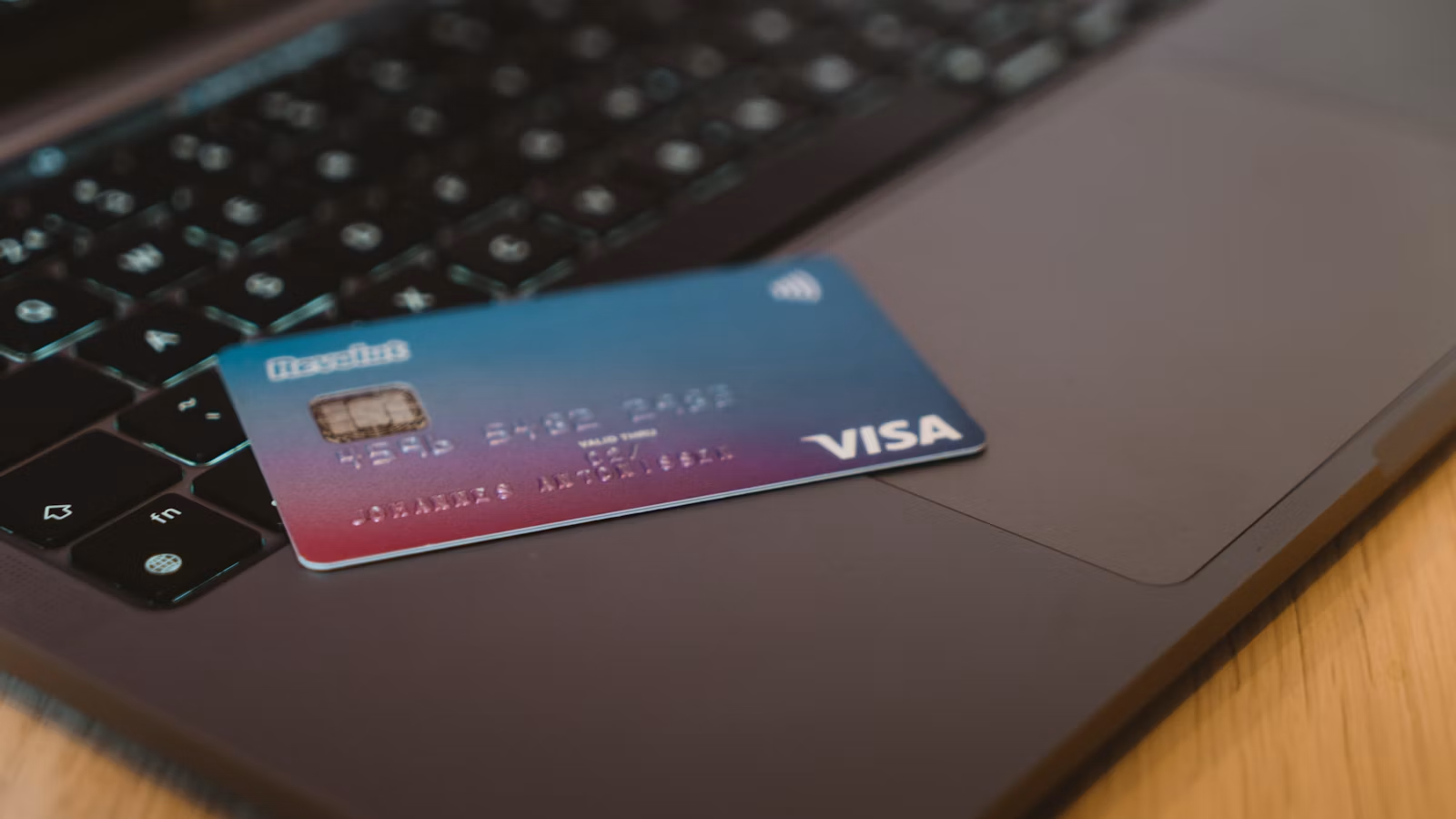
Image Source: unsplash
If ChatGPT card binding fails, first check whether the card number, expiry date, CVC, cardholder name, billing address, and postal code match the issuing bank’s records. Many cross-border payment failures are not caused by an invalid card, but by a mismatch in billing address, ZIP / postal code, CVC, or name format. Checking only the card number is not enough to confirm that the payment information is complete.
OpenAI’s guidance on credit card declines includes card number, expiry date, CVC, billing address, postal code, and balance as key checks. The billing address here is not a random shipping address, and it is not necessarily where you currently live. It is the billing address associated with the card in the records of your issuing bank or card platform.
Billing Address Is Not the Same as Shipping Address
The role of a billing address is to help the payment system match the address and postal code you enter against the issuer’s records. Common mistakes among international users include using a current residential address instead of the bank billing address, using a shipping address as the billing address, entering a postal code in the wrong format, mixing Chinese and English address formats, entering the cardholder name in a different order from the bank record, or using a virtual card platform that does not clearly display the full billing address.
If you use a card issued in the United States, United Kingdom, European Union, Singapore, Hong Kong, or another region, it is best to check the original billing address in your banking app, electronic statement, or card platform. When entering the address, try to keep the country, city, street, postal code, and name format consistent. Do not enter a nonexistent address just to “look local,” as this can increase the risk of address verification failure, payment failure, or account issues.
Debit Cards, Credit Cards, and Virtual Cards Require Different Checks
Different card types fail for different reasons. For debit cards, focus on balance, foreign currency permissions, online payment permissions, and single-transaction limits. For credit cards, focus on available credit, billing address, cross-border transactions, and security verification. For virtual cards, also check the issuing region, card network, CVC, billing address, whether recurring payments are supported, and whether 3DS verification is available.
You can check in this order:
- Open your banking app or card platform and confirm that the card is active.
- Verify the card number, expiry date, CVC, and cardholder name.
- Find the billing address recorded by the issuer.
- Enter the ZIP / postal code according to the billing address.
- Confirm available balance, credit limit, and foreign currency permissions.
- If it is a virtual card, confirm whether it supports recurring payments.
- Before submitting again, clear browser cache or use an incognito window.
You should also distinguish between ChatGPT subscriptions and API Credits. OpenAI notes in its credit card decline guidance that API Credits cannot be purchased with prepaid cards. This should not be overinterpreted as “all OpenAI products definitely reject a certain card type,” but it does remind you that different products and billing entries may accept different types of cards.
Summary: Troubleshooting ChatGPT card binding should start with the most basic information. A correct card number does not mean the payment details are complete. Billing address, postal code, name, CVC, balance, credit limit, and card status can all affect binding. For international users in particular, the bank billing address often differs from the current residential address; virtual cards may also fail because the billing address is unclear, subscription payment permissions are limited, or 3DS capability is incomplete. Align the basic information first before moving on to region, currency, and bank risk controls.
Step 2: Check Currency, Region, and Payment Method — Why Can Others Bind a Card but You Cannot?

Image Source: unsplash
Even for the same ChatGPT subscription, someone else being able to bind a card does not mean your card will also work. ChatGPT’s displayed currency, available payment methods, and local payment options are affected by country or region, subscription entry, account status, and plan type. You may see USD while someone else sees a local currency; another user may see UPI, Pix, or GoPay while your checkout page does not. These differences are possible and common.
OpenAI’s multicurrency billing information lists credit and debit cards as basic payment methods, while some local payment methods are only visible in specific markets. For example, Link bank debit may be available in the UK and EEA; UPI may be available for Go and Plus in India; GoPay may be available for Go, Plus, and Pro in Indonesia; Pix may be available for Go, Plus, and Pro in Brazil; and Korean checkout pages may support Kakao Pay, Naver Pay, and local cards.
Currency Display May Not Be Manually Switchable
The currency shown on the ChatGPT checkout page is usually related to your account, region, subscription entry, and payment platform. It may not be possible to manually switch it freely on the payment page. If you subscribe through iOS or Android, App Store or Google Play region settings may also affect the displayed currency and available payment methods. Currency mismatch is not necessarily a system error; it may simply reflect different billing regions and platform rules.
Common situations include: your account is in one country while your issuing bank is in another; your App Store country differs from your actual usage region; your Google Play payment profile is not updated; the web checkout shows USD while mobile shows a local currency; a local payment method supports only certain plans but not Pro or Business. When these situations occur, do not only ask “why can someone else bind a card?” Instead, check what your own checkout page actually shows.
Card Issuing Region and Usage Region Should Stay Compliant and Consistent
Region mismatch may also affect card binding. OpenAI has a defined list of supported countries and territories, and access, registration, and payment may all be affected by supported coverage. OpenAI also notes in its guidance on unsupported countries and regions that accessing or offering access from unsupported regions may create a risk of account blocking or suspension.
| Factor | Possible Issue | What to Check |
|---|---|---|
| Account region | Different currency and payment methods | Checkout display and account settings |
| App Store / Google Play region | Different in-app payment options | Apple ID / Google Play country |
| Card issuing region | Card may not be supported | Issuing bank location |
| Local payment methods | Visible only in some countries | UPI, Pix, GoPay, Kakao Pay, etc. |
| Subscription plan | Different supported payment options | Go, Plus, Pro, Business |
If your card is issued in a supported region and the billing address is consistent, but card binding still fails, continue checking bank risk controls and 3D Secure. On the other hand, if the currency shown on the checkout page, App Store / Google Play region, account region, and card issuing region are obviously inconsistent, the chance of failure may increase. The right direction is not to bypass rules, but to keep the subscription entry, payment method, and billing details as consistent as possible.
Summary: ChatGPT card binding failure is sometimes not caused by the card itself, but by a mismatch between currency, region, subscription entry, and payment method. International users should not simply copy someone else’s payment setup. They should follow the ChatGPT checkout page, OpenAI supported regions, Apple ID / Google Play region, and card issuer rules. Currency mismatch, missing local payment options, and issuing-region mismatch can all cause an otherwise normal card to fail during ChatGPT payment.
Step 3: Handle Bank Risk Controls — Why Are Online, Cross-Border, and Subscription Transactions Blocked?
If card details, billing address, currency, and region all appear correct, but ChatGPT card binding still fails, the next key area is bank risk controls. Many banks block online card-not-present transactions, cross-border transactions, foreign currency charges, and recurring subscription payments by default. In this case, changing browsers, changing accounts, or repeatedly submitting the card is often less effective than contacting the card issuer to confirm the block.
OpenAI’s credit card decline guidance notes that some banks block certain online or international transactions by default. If the information appears correct, contacting the bank or card issuer directly is often faster. The bank may not return detailed decline reasons to the merchant, so the ChatGPT page may only show “card declined,” even when OpenAI cannot see the bank’s internal risk-control details.
Common reasons banks may block ChatGPT transactions include:
- First-time payment to OpenAI or ChatGPT;
- Transaction identified as cross-border online payment;
- Transaction currency differs from the card’s base currency;
- Transaction treated as recurring subscription payment;
- New card, virtual card, or long-unused card suddenly used for payment;
- Multiple failed attempts within a short time;
- Card-not-present or foreign currency online transactions not enabled.
When contacting the bank, be specific. You can say: “I am paying for a ChatGPT online subscription. This is an international e-commerce or foreign currency transaction. Please confirm whether it was blocked by risk controls, whether 3D Secure / SCA needs to be enabled, and whether online card-not-present transactions, international payments, or recurring payment permissions are enabled.” Do not say “help me bypass risk controls” or “help me disguise my region,” as that is inaccurate and not useful for compliant handling.
| Bank Risk Trigger | What You See | What to Do |
|---|---|---|
| Cross-border transactions disabled | Immediate card declined | Enable international online payments |
| Foreign currency limit too low | Card binding or charge failure | Increase limit or change card |
| Subscription charge blocked | First payment works, renewal fails | Allow recurring payments |
| 3DS not enabled | Verification pop-up fails | Ask bank to enable verification |
| Repeated submissions | Later attempts fail more easily | Stop retrying and troubleshoot first |
If you use a debit card, make sure the account balance is enough to cover the subscription amount, exchange-rate fluctuations, and any possible pre-authorization. If you use a credit card, check available credit, single-transaction limit, daily limit, and foreign currency spending limit. If you use a virtual card, also confirm whether the issuer allows online subscriptions, foreign currency charges, and recurring transactions.
Summary: Bank risk controls are a frequent reason for ChatGPT card binding failure, especially for cross-border credit cards, debit cards, and virtual cards. The correct response is not to submit repeatedly, but to contact the issuer and confirm online payment, international transaction, foreign currency charge, recurring payment, and 3DS/SCA permissions. As long as the bank has not allowed the transaction, the same card may continue to fail even if you switch browsers, accounts, or devices. First ask the bank to confirm the transaction type, then decide whether to change card or payment method.
Step 4: Complete 3D Secure / SCA Verification — Do Not Interrupt Pop-Ups, OTP, or Bank App Authorization
If ChatGPT shows “authentication required,” “3D Secure attempt failed,” “card may be invalid,” or a similar prompt during card binding or payment, the key issue is whether 3D Secure / SCA verification was completed. Many users think the card was rejected, but the real problem is that the verification pop-up never appeared, the OTP expired, the bank app was not authorized, or the browser environment blocked the verification flow.
OpenAI’s Traditional Chinese guidance on credit card declines recommends completing 3D Secure / SCA prompts, allowing pop-ups and redirects, disabling ad blockers and pop-up blockers, and turning off VPN if needed. If the verification prompt does not appear or keeps failing, you should contact the bank to enable or approve 3DS/SCA for online, recurring, or cross-border e-commerce transactions.
3D Secure is an identity verification mechanism for online card payments. Common forms include SMS OTP, bank app push notifications, one-time passwords, biometric approval, or additional password confirmation. EMV 3-D Secure is mainly used to improve authentication security in card-not-present payments, while Stripe’s 3D Secure documentation also explains that 3DS triggers additional authentication when needed.
A verification page may fail to appear for several reasons:
- Browser blocks pop-ups or redirects;
- Ad blocker blocks payment scripts;
- VPN changes region or risk signals;
- Bank app notification permission is disabled;
- OTP SMS is delayed or the code expires;
- User refreshes, closes, or returns from the checkout page;
- Issuing bank has not enabled 3DS/SCA for this type of transaction.
You can follow this checklist:
- Disable ad blockers and pop-up blockers.
- Temporarily turn off VPNs that may affect checkout.
- Re-enter the checkout page in an incognito window.
- Keep SMS, email, and bank app notifications available.
- Do not refresh, go back, or close the checkout page.
- If verification never appears, contact the issuer to enable 3DS/SCA.
- After multiple verification failures, pause attempts to avoid stronger risk controls.
If you are purchasing inside a mobile app, also confirm that system notifications, Apple ID verification, or Google account verification are working properly. Both App Store and Google Play may require account verification, password entry, biometric authentication, or updated payment information before payment. In that case, do not only troubleshoot inside ChatGPT. Go back to the system payment account and confirm the verification is complete.
Summary: 3D Secure / SCA failure is one of the most easily misunderstood causes of ChatGPT card binding failure. What you see may only be “card declined,” while the real issue is that the verification pop-up was blocked, the OTP expired, the bank app was not authorized, or the issuer did not enable verification. To fix this type of issue, the key is to make sure the verification flow appears and is completed, rather than simply switching cards. Any interruption in browser, network, VPN, pop-up, SMS, or bank app authorization can cause the payment to be judged as failed.
Step 5: Choose the Right Alternative: Change Card, Change Entry, or Organize Subscription Billing?
If you have already checked address, currency, region, bank risk controls, and 3D verification, but ChatGPT card binding still fails, you can consider changing cards, using another supported payment method, or going back to the original subscription entry. However, you should not casually switch purchases between web, iOS, and Android, because different platforms may retain different subscription states. Poor handling can lead to duplicate charges or unsynced benefits.
OpenAI’s reminder about duplicate subscriptions across platforms states that if you subscribe through Apple, Google Play, and chatgpt.com at the same time, you may end up with multiple active subscriptions and multiple charges. Google Play’s guidance on subscription cancellation and payment failure also explains that uninstalling an app does not automatically cancel a subscription. Subscriptions still need to be handled in Google Play.
Changing cards is suitable when the bank clearly does not support this type of cross-border subscription, the card cannot complete 3DS/SCA, the card cannot enable online or foreign currency transactions, the virtual card does not support recurring payments, or the old card has triggered risk controls after multiple failures. In this situation, you can use another card with a clearer issuing region, billing address, 3DS capability, and subscription payment support.
It is not suitable to blindly change cards when the original subscription platform status has not been checked, when there has already been a charge but no upgrade, when Apple or Google subscriptions may still resume charging, or when you are unsure whether the failure happened on web, iOS, or Android. In such cases, check subscription status first before deciding whether to switch entries.
| Alternative Action | Suitable Situation | Note |
|---|---|---|
| Change credit card | Bank clearly blocks old card | Confirm issuing region and 3DS support |
| Change debit card | Sufficient balance and cross-border online support | Watch balance and FX limits |
| Use virtual card | Need to manage multiple subscription bills | Confirm recurring payments and billing address |
| Use local payment | Region supports UPI / Pix, etc. | Follow what the checkout page actually shows |
| Change purchase platform | Original platform has no active subscription | Avoid duplicate Apple, Google, and web subscriptions |
If you often subscribe to international online services such as ChatGPT, Claude, Midjourney, and GitHub Copilot, you can use BiyaPay EasyCard to help separate AI service payments, online subscriptions, and daily spending. Before using it, you can review its use cases for AI service subscriptions, then decide whether it fits your issuing region, billing address, and platform rules.
For refunds, you also need to use the correct entry. OpenAI’s process for ChatGPT subscription refunds depends on the purchase platform. Apple subscriptions are usually handled through Apple’s process, while web subscriptions and some Google Play-related cases need to be handled through the corresponding OpenAI account and support flow.
Summary: Changing cards or changing the purchase entry should come at the end of the troubleshooting process, not the beginning. Only after address, currency, region, bank risk controls, and 3D verification have all been checked should you consider replacing the payment method. Before switching platforms, make sure the original subscription has been canceled or is not still attempting renewal, otherwise a card binding failure may turn into duplicate subscriptions, duplicate charges, or benefit synchronization issues. The more payment methods you use, the more important it is to understand the subscription entry and billing ownership first.
If you often pay for international online services such as ChatGPT, Claude, Midjourney, GitHub Copilot, Runway, and DeepL Pro, the core issue behind card binding failure is not simply “which card will work,” but whether you can clearly manage card issuing region, billing address, foreign currency transactions, subscription charges, and verification flows. BiyaPay EasyCard can help manage AI service subscription payments, online spending categories, and billing records, which is useful for users who want to separate different subscription purposes. You should also understand the related fees before use and regularly check your billing records. Whether a specific card can be successfully bound still depends on the ChatGPT checkout page, card issuer rules, platform billing, and local regulatory requirements.
FAQ
Does ChatGPT card binding failure mean my account is abnormal?
Not necessarily. ChatGPT card binding failure should usually be treated as a payment issue first. Focus on checking card details, billing address, bank risk controls, regional rules, and 3D Secure verification. You only need to further evaluate account risk if login restrictions, unsupported region prompts, or account status warnings appear at the same time.
Which address should I enter when binding a card to ChatGPT?
When binding a card to ChatGPT, you should usually enter the billing address recorded by your issuing bank or virtual card platform, not a random current residential address or shipping address. The name, postal code, and regional format should match the issuer’s records as closely as possible. Always follow the billing details shown by your bank or card platform.
Can currency cause ChatGPT card binding failure?
Yes, it can. The currency shown at ChatGPT checkout is usually related to your region, subscription entry, and payment platform, and may not be manually switchable. If the checkout currency, App Store / Google Play region, and card issuing region are clearly inconsistent, the chance of payment failure may increase.
What should I do if 3D verification fails when binding a card to ChatGPT?
First disable pop-up blockers, ad blockers, and VPNs that may affect checkout, then try again in an incognito window or another browser. Make sure SMS OTP, bank app push notifications, or the verification page can be completed fully. If verification never appears, contact the card issuer to enable 3DS/SCA.
Can I directly switch to a virtual card after ChatGPT card binding fails?
You can try, but you should not judge only by the “virtual card” label. More important factors include issuing region, billing address, foreign currency online transactions, recurring subscription payments, and 3D Secure support. Whether it works still depends on the ChatGPT checkout page and the issuer’s rules.
Is it safe to switch platforms after ChatGPT card binding fails?
Before switching platforms, confirm that the original subscription entry has no active subscription or pending renewal charge. Web, Apple App Store, and Google Play manage subscriptions differently. If you buy again on another platform before canceling the old subscription, you may face duplicate subscriptions, duplicate charges, or benefit synchronization issues.
*This article is provided for general information purposes and does not constitute legal, tax or other professional advice from BiyaPay or its subsidiaries and its affiliates, and it is not intended as a substitute for obtaining advice from a financial advisor or any other professional.
We make no representations, warranties or warranties, express or implied, as to the accuracy, completeness or timeliness of the contents of this publication.
Related Blogs of
Choosing a Stock Trading App: Beginner Checklist


Crypto Trading Bots: Types, Costs, and Security Risks
International Wire Transfer Time: What Affects Delivery?



Choose Country or Region to Read Local Blog
 Australia
 Austria
 Belgium
 Canada
 Cyprus
 Czech Republic
 Denmark
 Estonia
 Finland
 France
 Germany
 Greece
 Hong Kong
 India
India Indonesia
 Ireland
 Italy
Italy Japan
Japan Latvia
 Lithuania
 Luxembourg
 Malaysia
 Malta
Malta Morocco
 Nepal
Nepal Netherlands
 New Zealand
 Norway
 Pakistan
 Philippines
 Poland
 Portugal
 Romania
 Singapore
 Slovakia
 Slovenia
 South Africa
 South Korea
 Spain
Spain Sweden
 Thailand
 United States
 Turkey
 United Arab Emirates
 United Kingdom
 Vietnam