
How to Choose a U.S. Stock Trading Platform? What to Check in Fees, Order Rules, and Service Coverage




**

When choosing a U.S. stock trading platform, you should not look only at commission levels. A more complete approach is to review fee structure, order rules, service coverage, regulatory status, account experience, and funding routes together. Fees determine long-term costs, order rules affect execution prices, service coverage determines whether stocks, ETFs, options, Hong Kong stocks, or other assets are available, and regulatory clarity plus statement transparency affect the user’s confidence in day-to-day use. Beginners can first cross-check the fee schedule, order estimate, trade records, and account activity, then decide whether the platform matches their capital size, trading frequency, and location requirements.
Key Takeaways
- A U.S. stock platform should not be judged only by zero commission; total cost matters.
- Order types affect execution price, execution speed, and slippage.
- Service coverage should match stock, ETF, option, or cross-market needs.
- Regulatory status, statement transparency, and customer support affect long-term experience.
- Small trades and frequent trading require separate fee-percentage calculations.
- Platform availability should follow user location and regulatory requirements.
Why Should You Not Choose a U.S. Stock Trading Platform Only by Commission?

When choosing a U.S. stock platform, looking only at “0 U.S. dollar commission” is not enough. Commission is only one part of trading cost. Platform fees, external institution fees, sell-side regulatory fees, bid-ask spread, slippage, margin interest, market data fees, and FX costs may all affect the actual trading result. Whether a platform is suitable depends on whether total costs are clear, order rules fit your needs, and service coverage supports your required asset types.
Platform Fees and External Fees May Exist Beyond Zero Commission
Zero commission usually only means the commission field may be zero. It does not mean all trading costs are zero. Some platforms may still charge platform fees, external institution fees, minimum fees, market data fees, or account service fees. Small traders especially need to check minimum fees because fixed fees can increase fees as a percentage of trade value. Frequent traders should check whether platform fees and external fees accumulate with trading frequency.
Bid-Ask Spread and Slippage Also Affect Real Trading Costs
In addition to explicit charges, implicit costs matter. The bid-ask spread affects the actual buy or sell price. Market orders may experience slippage in fast-moving markets. Popular stocks, pre-market and after-hours trading, and low-liquidity instruments can all cause the execution price to differ from the quote seen when placing the order. Whether a platform provides clear quotes, order estimates, and execution details affects whether investors can accurately check costs.
Long-Term Use Also Requires Checking Margin, Market Data, and Account Service Fees
If a margin account is used, you also need to check margin rates, margin requirements, and interest calculation methods. If you rely on real-time quotes, check whether market data is charged separately. If you hold ETFs, ADRs, or cross-currency assets for a long time, check product expense ratios, ADR-related fees, and FX costs. Platform selection is not a one-time decision. It is part of long-term cost management.
| Fee Type | Common Scenario | Impact on User | Where to Check |
|---|---|---|---|
| Commission | Buying or selling stocks | Affects single-trade cost | Order page, fee schedule |
| Platform fee | Per share, per order, or minimum fee | Higher percentage for small trades | Fee explanation, trade records |
| External institution fee | Trading, clearing, or third-party fees | Affects net execution cost | Trade confirmation, account activity |
| Bid-ask spread | All trading scenarios | Changes real execution price | Bid / Ask, execution price |
| Margin interest | Margin trading | Accumulates over holding period | Monthly statement, margin rules |
Summary: The first step in choosing a U.S. stock trading platform is to review total cost, not just commission. Commission, platform fees, external institution fees, minimum fees, bid-ask spread, slippage, margin interest, and market data fees can all affect the actual trading experience. Beginners can first review the platform fee schedule and then use order estimates and trade records to verify whether fees are transparent. Small and frequent traders should separately calculate fees as a percentage of trade value.
Which Fee Items Should a U.S. Stock Platform Highlight Clearly?
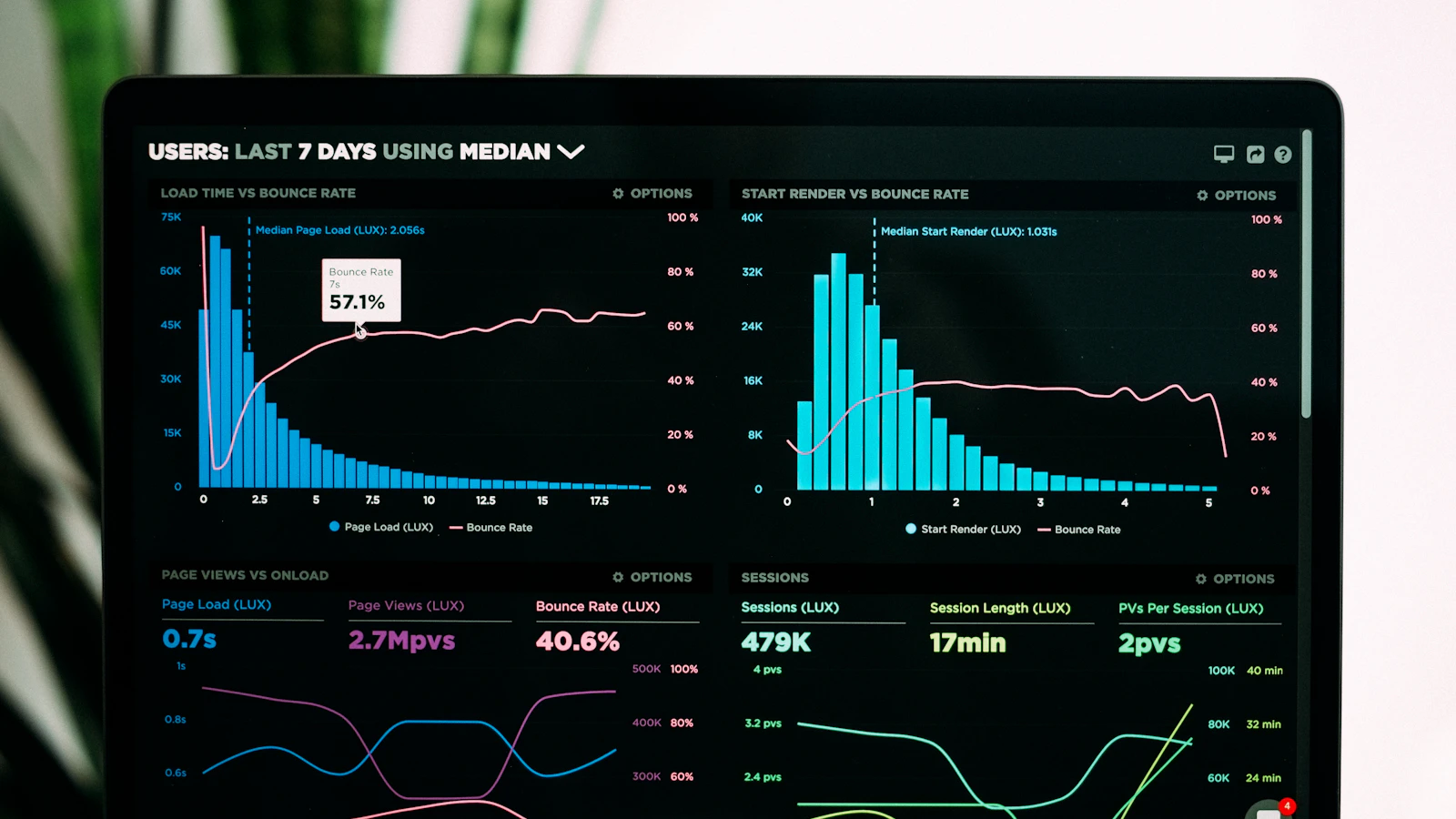
The fee structure of a U.S. stock platform can be divided into four categories: buy-side fees, sell-side fees, holding costs, and funding costs. Buy-side fees affect entry cost, sell-side fees affect net credited amount, holding costs affect long-term return, and funding costs affect deposits, withdrawals, and FX conversion efficiency. When reviewing platform fees, these four categories should be checked in one table.
Before Trading, Check Commission, Platform Fee, and Minimum Fee
Before placing an order, focus on fields such as commission, platform fee, minimum fee, estimated fees, and estimated total. A zero commission does not mean the platform fee is zero. Per-share charges and minimum fees can also increase the fee percentage of small orders. If you often buy one share, 10 shares, or fractional shares, minimum fees and fractional-share rules should be checked more carefully.
After Execution, Check External Institution Fees and Sell-Side Fees
When selling U.S. stocks, platform fees and external institution fees may be accompanied by regulatory-related fees. As of June 17, 2026, the SEC’s Section 31 fee rate notice states that, effective April 4, 2026, the relevant rate is 20.60 U.S. dollars per million dollars. FINRA’s explanation of the Trading Activity Fee states that TAF is a fee charged by FINRA to its members. As of June 17, 2026, FINRA’s 2026 member regulatory fee schedule shows that the TAF for equity securities is 0.000195 U.S. dollars per share, with a maximum of 9.79 U.S. dollars per trade. Retail investors may not pay FINRA directly, but related fields may appear on platform statements. The actual display should follow the platform.
If you follow trading opportunities after popular IPO listings, you also need to pay attention to actual trading costs in addition to price volatility. U.S. stock trading costs usually include more than commission. They may also include platform fees, external institution fees, trading activity fees, settlement-related fees, bid-ask spread, and slippage. The faster the price moves, the more important it is to confirm estimated fees and execution method on the order page.
Small Trades and Frequent Trading Require Separate Fee Percentage Calculations
The same fee schedule can have different effects on different trading habits. Small traders should look at fees as a percentage of principal. Frequent traders should look at weekly or monthly fee accumulation. Long-term holders should look at margin, market data, and product-level fees. Whether fees are low cannot be judged by a single fee rate. It depends on the actual trading scenario.
| Fee Item | Common Trigger Scenario | Impact | Key Check |
|---|---|---|---|
| Commission | Buying or selling stocks or ETFs | Affects single-trade cost | Whether zero or charged by rule |
| Platform fee | Per share or per order | More visible for small trades | Minimum fee, cap rule |
| SEC Fee | Selling U.S. stocks | Reduces sell-side net amount | Sell-side statement field |
| FINRA TAF | Selling U.S. stocks | Charged based on shares sold | Trade confirmation |
| Margin interest | Using margin | Accumulates during holding period | Monthly statement |
| FX cost | Cross-currency funding | Affects deposits, withdrawals, and trading costs | Funding records |
Summary: U.S. stock platform fees should be reviewed by scenario. Before buying, check commission, platform fee, minimum fee, and order estimate. After selling, check SEC Fee, FINRA TAF, external institution fees, and net credited amount. During the holding period, check margin interest, market data fees, and product fees. When cross-currency funding is involved, check FX rates and funding routes. Total cost is more useful than a single commission number.
How Do Order Rules Affect the U.S. Stock Trading Experience?

Order rules directly affect execution price, execution speed, slippage, and whether an order is completed. Whether a platform supports certain order types, pre-market and after-hours trading, partial fills, and order duration settings can all affect actual user experience. Beginners should not only look at how many stocks are tradable. They should also check whether order rules are clear.
Differences Among Market Orders, Limit Orders, and Stop Orders
Investor.gov’s explanation of order types notes that market orders usually seek fast execution but do not guarantee a specific execution price. A limit order can limit the maximum buy price or minimum sell price, but it does not guarantee execution. A stop order may become a market order or another order type after being triggered, depending on platform rules. Different platforms support different order types, so users should check in advance.
Pre-Market and After-Hours Trading Requires Attention to Liquidity and Price Volatility
Some platforms support pre-market and after-hours trading, but extended hours usually have lower liquidity, wider bid-ask spreads, and more visible price volatility. Market orders in this environment are more likely to experience execution price deviations. If a platform supports extended-hours trading, check available trading sessions, supported order types, execution restrictions, and risk notices.
Partial Fills, Multiple Fills, and Order Duration Should Be Understood in Advance
The same order may be filled in multiple executions or only partially filled. Multiple fills affect average execution price and fee checking. Partial fills affect position size. Order duration affects when an order is automatically canceled. U.S. securities transactions moved to the T+1 settlement cycle on May 28, 2024. Trade date and settlement date are different, which can also affect when funds become available.
| Order Type | Suitable Scenario | Main Risk | Suitable User |
|---|---|---|---|
| Market order | Need fast execution | Execution price is not guaranteed | High-liquidity instruments, lower volatility |
| Limit order | Want to control price | Execution is not guaranteed | Beginners, small trades, volatile markets |
| Stop order | Risk control or trigger-based trading | Triggered price may deviate from expectation | Users familiar with rules |
| Pre-market / after-hours order | Extended-hours trading | Lower liquidity, wider spreads | Users who can accept price volatility |
| GTC order | Want the order to remain active | Forgotten open orders | Users with a clear price plan |
Summary: Order rules affect more than whether an order can be placed. They affect whether the order can execute at the expected price, whether it may be filled in parts, when funds settle, and when the order expires. The more clearly a platform displays order types, duration, execution details, and risk notices, the easier it is for users to check trade results. Beginners should prioritize platforms with clear order pages, explicit fee estimates, and traceable execution records to reduce operational mistakes and statement misreading.
Does Service Coverage Determine Whether a U.S. Stock Platform Fits Your Needs?
Service coverage is not about having as many features as possible. It should match your trading goals. Beginners may only need U.S. stocks and ETFs. More advanced users may focus on options, fractional shares, pre-market and after-hours trading, margin, and real-time quotes. Cross-market users may also need Hong Kong stocks, digital assets, digital asset ETFs, or multi-currency funding services. Whether a platform is suitable depends on whether your needs can be supported consistently.
Check Whether the Platform Supports Stocks, ETFs, Options, and Fractional Shares
If the main goal is to buy U.S. stocks, at minimum you should check whether the platform supports U.S. stocks, ETFs, fractional shares, pre-market and after-hours trading, and common order types. If you plan to trade options, also check options permissions, contract multiplier, expiration date, exercise rules, margin requirements, and risk disclosures. Different products have different risk and fee structures. Stock trading experience alone should not be used to judge all services.
Check Whether It Covers Hong Kong Stocks, Digital Assets, or Multi-Market Allocation
If you need cross-market allocation, check whether the platform supports Hong Kong stocks, digital assets, digital asset ETFs, multi-currency accounts, or fund management across asset classes. The broader the service coverage, the more important it is to confirm fees, rules, applicable regions, and account permissions. Multi-asset support does not mean all users can access all services. Availability depends on user location, identity verification results, platform rules, and applicable laws and regulations.
Check Whether Market Data, Research Tools, Statements, and Tax Materials Are Complete
Platform service coverage also includes non-trading functions. Whether market data is real-time, research tools are usable, statement fields are clear, monthly statements are complete, and tax documents can be downloaded all affect long-term experience. Frequent traders may care more about quotes and order tools, while long-term holders may care more about statements, dividend records, tax documents, and historical trade exports.
| Service Coverage | Suitable User | Questions to Check |
|---|---|---|
| U.S. stocks | Beginners, long-term investors | Does it support common orders and clear statements? |
| ETFs | Index or thematic investors | Does it display expense ratios and product materials? |
| Options | Advanced traders | Are permissions, margin, and risk disclosures clear? |
| Fractional shares | Small investors | Are fees and execution rules separately explained? |
| Hong Kong stocks and multi-market assets | Cross-market users | Are trading hours, currency, and fees clear? |
| Market data and research tools | Frequent traders | Are they paid, delayed, or stable? |
Summary: Platform service coverage should be judged around personal needs. Users who only buy U.S. stocks and ETFs should focus on fees, orders, and statements. Small investors should check fractional shares and minimum fees. Frequent traders should check market data, order tools, and execution quality. Cross-market users should check asset coverage, currency support, and funding routes. The more services a platform offers, the more important it is to confirm which features are actually available and which products are restricted by region or account eligibility.
How Should Regulatory Status and Account Security Be Checked?
Choosing a U.S. stock platform involves funds, securities transactions, and personal identity information. Fees and features are not enough. Regulatory status, account protection, identity verification, risk disclosures, and funding rules are basic items that must be checked. No platform should be viewed as a zero-risk option. A more reasonable standard is whether credentials can be checked, rules are transparent, statements can be verified, and risks are fully disclosed.
Use BrokerCheck or Regulatory Information to Check Platform Background
In the U.S. market, investors can use FINRA BrokerCheck to look up brokerage firms or registered professionals. When checking, pay attention to company name, registration information, regulatory history, disclosures, and contact details. If a platform says a certain institution provides trading services, the relevant legal entity name should also be checked for consistency. Non-U.S. users should also check whether the platform provides relevant services in their location and whether it complies with local regulatory requirements.
Check Whether Account Protection, Identity Verification, and Funding Rules Are Clear
Account security is not only login security. It also includes identity verification, deposit and withdrawal rules, account permissions, risk notices, and abnormal-case handling procedures. Whether a platform explains KYC, source-of-funds review, funding routes, arrival time, fees, and restrictions affects whether users can plan their funds. Cross-border funding and multi-currency conversion require particular attention to applicable rules and limitations.
Pay Attention to Applicable Regions, Product Restrictions, and Risk Disclosures
The same platform may provide different services in different regions. Some products may require additional eligibility, risk assessment, or account permissions. Some trading features may only be available to certain users. If a platform clearly displays applicable regions, product restrictions, risk disclosures, fee explanations, and account terms, it is easier for users to make compliance-based judgments.
| Compliance Check Item | Why It Matters | How to Check |
|---|---|---|
| Company and service entity | Confirms actual service provider | Platform explanation, regulatory lookup |
| Registration and disclosure information | Shows background and records | BrokerCheck, regulatory disclosures |
| Identity verification rules | Affect account opening and service access | KYC explanation, account terms |
| Funding rules | Affect deposits, withdrawals, and fees | Funding records, fee schedule |
| Product restrictions | Affect whether certain assets can be traded | Product pages, risk assessment |
| Risk disclosures | Help understand trading boundaries | Risk statements, order notices |
Summary: Regulatory status and account security are the baseline for choosing a U.S. stock platform. Low fees, many products, and a good interface cannot replace credential checks and transparent rules. Users should check the platform entity, regulatory information, identity verification, funding rules, applicable regions, risk disclosures, and statement records. For U.S. stocks, Hong Kong stocks, digital assets, FX conversion, or cross-border funding, local regulatory requirements, platform terms, and actual page displays should prevail.
How Can Beginners Build a U.S. Stock Platform Selection Checklist?
Beginners can choose a U.S. stock platform in three steps: first, clarify trading frequency, capital size, and asset needs; second, check platform entity, applicable regions, fee schedule, and order rules; third, use small orders or simulated statement thinking to verify whether fee estimates, trade records, and account activity are clear. No single platform fits everyone. A platform suitable for small trades may not fit high-frequency trading, and a platform suitable for long-term holding may not fit options or cross-market allocation.
First List Trading Frequency, Capital Size, and Asset Needs
The first step is not to choose a platform, but to confirm your use case: small purchases or larger trades? Long-term holding or frequent trading? Only stocks and ETFs, or also options, Hong Kong stocks, digital assets, or multi-currency funding services? If the need is unclear, it is easy to be distracted by “zero commission,” “popular features,” or “many assets.”
Then Compare Fees, Order Rules, Service Coverage, and Statement Transparency
The second step is checklist comparison. Fees should be judged by total cost. Orders should be judged by supported types and execution rules. Service coverage should be judged by assets and tools. Statements should be judged by field completeness. Customer support should be judged by whether questions can be clearly explained. Beginners especially need to check whether the order page shows estimated fees before trading and whether gross amount, fees, net amount, and settlement date can be checked after execution.
Use Tools to Check Platform Fees and Trade Records Together
If the relevant services are available in your region and you meet the platform’s applicable conditions, the platform order page and account details can be used as fee-checking references. Take Biya as an example. It is a global multi-asset trading wallet that supports U.S. stocks, Hong Kong stocks, digital assets, and digital asset ETFs. For users comparing U.S. stock trading platforms, fee explanations, order estimates, trade records, and account details can be reviewed within the same process.
It should be noted that multi-asset services do not mean all regions, all accounts, or all products are available. Specific service coverage, tradable instruments, order types, and funding functions should follow user location, identity verification results, actual platform display, platform rules, and applicable laws and regulations.
Before actual use, you can first review U.S. stock commissions, platform fees, external institution fees, minimum fees, and fractional-share rules in the Fee Center, then compare order estimates, trade records, and account details for tradable instruments through Biya Web Trading or the Biya App. Whether a specific service is available, whether an instrument is tradable, and which order types are supported should still follow the actual platform page and applicable rules.
| Selection Dimension | Question Beginners Should Ask | Materials to Check |
|---|---|---|
| Fees | Is total cost clear? | Fee schedule, order estimate |
| Orders | Are common order types supported? | Order page, help documents |
| Assets | Are required products covered? | Product list, trading permissions |
| Funding | Are deposits, withdrawals, and FX clear? | Funding rules, activity records |
| Compliance | Are service entity and applicable regions clear? | Regulatory disclosures, account terms |
| Support | Can questions be clearly explained? | Tickets, live support, help center |
| User Type | Priority Checks | Commonly Overlooked Issue |
|---|---|---|
| Beginner | Fees, orders, statement transparency | Looking only at commission, not total order cost |
| Small trader | Minimum fees, fractional-share rules | High fee percentage relative to trade value |
| Frequent trader | Platform fees, spread, market data tools | Accumulated repeated fees and slippage |
| Long-term holder | ETF expense ratio, margin, monthly statements | Holding-period costs being ignored |
| Cross-market user | Asset coverage, currencies, funding route | Service region and product permission limits |
Summary: Beginners choosing a U.S. stock platform should first confirm trading frequency, capital size, and asset needs, then compare fees, order rules, service coverage, funding routes, regulatory information, and customer support experience. There is no universally best platform, only a fit for specific scenarios. Checking the fee schedule, order estimate, trade records, and account activity together can reduce the chance of being misled by a single commission claim and make long-term usage costs clearer.
FAQ
What Should Beginners Check First When Choosing a U.S. Stock Platform?
Beginners should first check fee structure, order rules, tradable products, account eligibility, and statement transparency. Do not only look at commission marketing. Also confirm platform entity, applicable regions, and funding rules. Platform fee schedules, order pages, account terms, and local regulatory requirements should prevail.
Is a Zero-Commission U.S. Stock Platform Reliable?
Zero commission does not mean there are no trading costs. Platform fees, external institution fees, bid-ask spread, slippage, margin interest, and sell-side fees may still exist. To judge platform cost, review total order cost, trade records, account activity, and monthly statements.
How Can You Tell Whether a U.S. Stock Platform’s Order Types Fit Your Needs?
Order types should be judged against trading goals. Market orders prioritize speed but do not guarantee price. Limit orders control price but do not guarantee execution. Stop-type orders require checking trigger rules and platform support. Supported order types and durations may differ by platform.
How Should Small Investors Compare U.S. Stock Platform Fees?
Small investors should focus on minimum fees, platform fees, fractional-share rules, and fees as a percentage of trade value. Even a low fee amount can increase cost percentage, especially when buying one share, a small number of shares, or fractional shares. Actual fees should follow pre-order estimates and trade statements.
What Costs Should Frequent Traders Check When Choosing a Platform?
Frequent traders should check platform fees, external institution fees, sell-side fees, bid-ask spread, slippage, and market data fees. It is recommended to aggregate statements weekly or monthly and separately track buy-side, sell-side, and market data tool costs to judge whether total costs affect net return.
How Can You Check Whether a U.S. Stock Platform Is Compliant and Reliable?
You can check regulatory disclosures, BrokerCheck, platform credential explanations, risk disclosures, fee schedules, and account terms. You should also confirm service entity, applicable regions, funding rules, and product restrictions. For account and trading services, local regulatory requirements and platform rules should prevail.
Choosing a U.S. stock trading platform is essentially about matching fees, order rules, service coverage, and compliance boundaries. As of June 17, 2026, Biya charges 0 U.S. dollars in U.S. stock trading commission, with a platform fee of 0.005 U.S. dollars per share, a minimum of 0.99 U.S. dollars per order, and a maximum of 1% of trade value. External institution fees and trading activity fees are 0.00396 U.S. dollars per share. Relevant fee rates, fractional-share rules, and other fees should follow the Fee Center and order page display. If the service is available in your region and you meet identity verification, platform rules, and applicable legal and regulatory requirements, you can compare order estimates, trade records, and account details for tradable instruments through Biya Web Trading or the Biya App to help judge whether fees, order rules, and service coverage match your trading needs. Platform tools can serve as fee-checking references, but they cannot replace the user’s independent judgment of platform terms, regulatory requirements, and personal risk tolerance. The actual tradable scope should follow the platform’s display.
The above is only an introduction to public market information, trading rules, and fee structures. It does not constitute investment advice. Whether related trading services are available depends on the user’s location, identity verification results, platform rules, and applicable laws and regulations. Investing in U.S. stocks and digital assets involves risks such as price volatility, liquidity risk, FX risk, and regulatory restrictions. Specific fee rates and deduction items should follow the latest fee schedule, orders, and trade records of the platform you use. Past fee rates do not represent future rules.
*This article is provided for general information purposes and does not constitute legal, tax or other professional advice from BiyaPay or its subsidiaries and its affiliates, and it is not intended as a substitute for obtaining advice from a financial advisor or any other professional.
We make no representations, warranties or warranties, express or implied, as to the accuracy, completeness or timeliness of the contents of this publication.
Related Blogs of

Crypto Trading Bots: Types, Costs, and Security Risks


MACD Crypto Trading Strategy: Settings, Signals, and Risk Management




Choose Country or Region to Read Local Blog
 Australia
 Austria
 Belgium
 Canada
 Cyprus
 Czech Republic
 Denmark
 Estonia
 Finland
 France
 Germany
 Greece
 Hong Kong
 India
India Indonesia
 Ireland
 Italy
Italy Japan
Japan Latvia
 Lithuania
 Luxembourg
 Malaysia
 Malta
Malta Morocco
 Nepal
Nepal Netherlands
 New Zealand
 Norway
 Pakistan
 Philippines
 Poland
 Portugal
 Romania
 Singapore
 Slovakia
 Slovenia
 South Africa
 South Korea
 Spain
Spain Sweden
 Thailand
 United States
 Turkey
 United Arab Emirates
 United Kingdom
 Vietnam