
What Are CoWoS Concept Stocks? An Investment Map of the Advanced Packaging Supply Chain




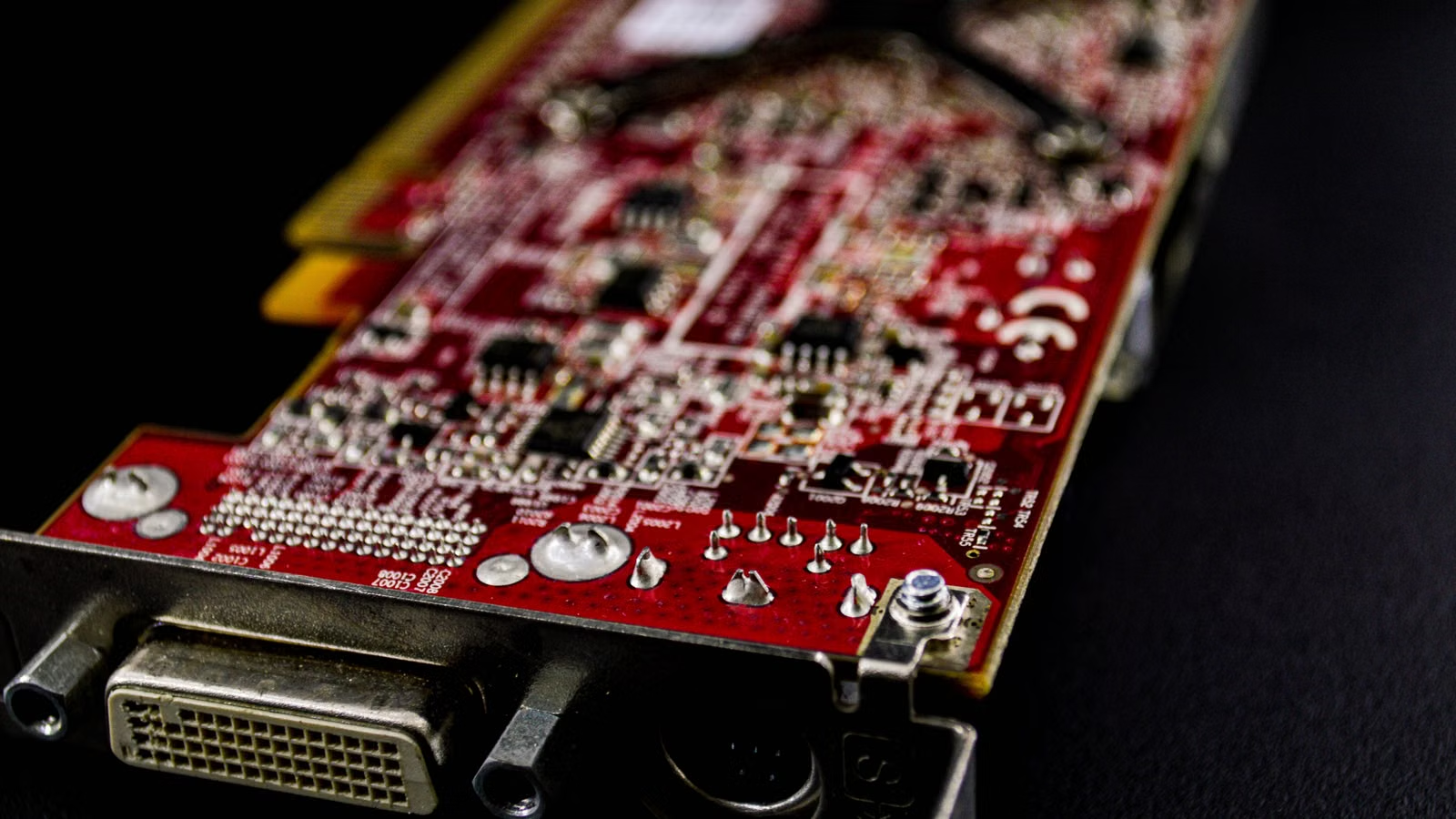
CoWoS concept stocks mainly include TSMC, packaging and testing companies, equipment and materials suppliers, as well as AI chip and HBM supply-chain companies such as NVIDIA, AMD, Broadcom, SK Hynix, and Micron. If you follow AI compute investing, you should not look only at GPUs or advanced process nodes. You also need to understand why CoWoS advanced packaging has become a bottleneck in AI chip delivery. The real question is not whether a company has “packaging” in its name, but whether it sits in capacity, orders, yield, materials, testing, or end-demand.
Key Takeaways
- CoWoS is an important advanced packaging platform for integrating AI GPUs and HBM.
- TSMC is the most critical capacity node in the CoWoS supply chain.
- OSAT, substrates, testing, equipment, and materials form extended opportunities.
- CoWoS stocks gain elasticity from bottlenecks but remain exposed to expansion cycles.
- Investment value depends on purity, customers, orders, capacity, and valuation.
What Is CoWoS, and Why Has It Become an AI Chip Bottleneck?
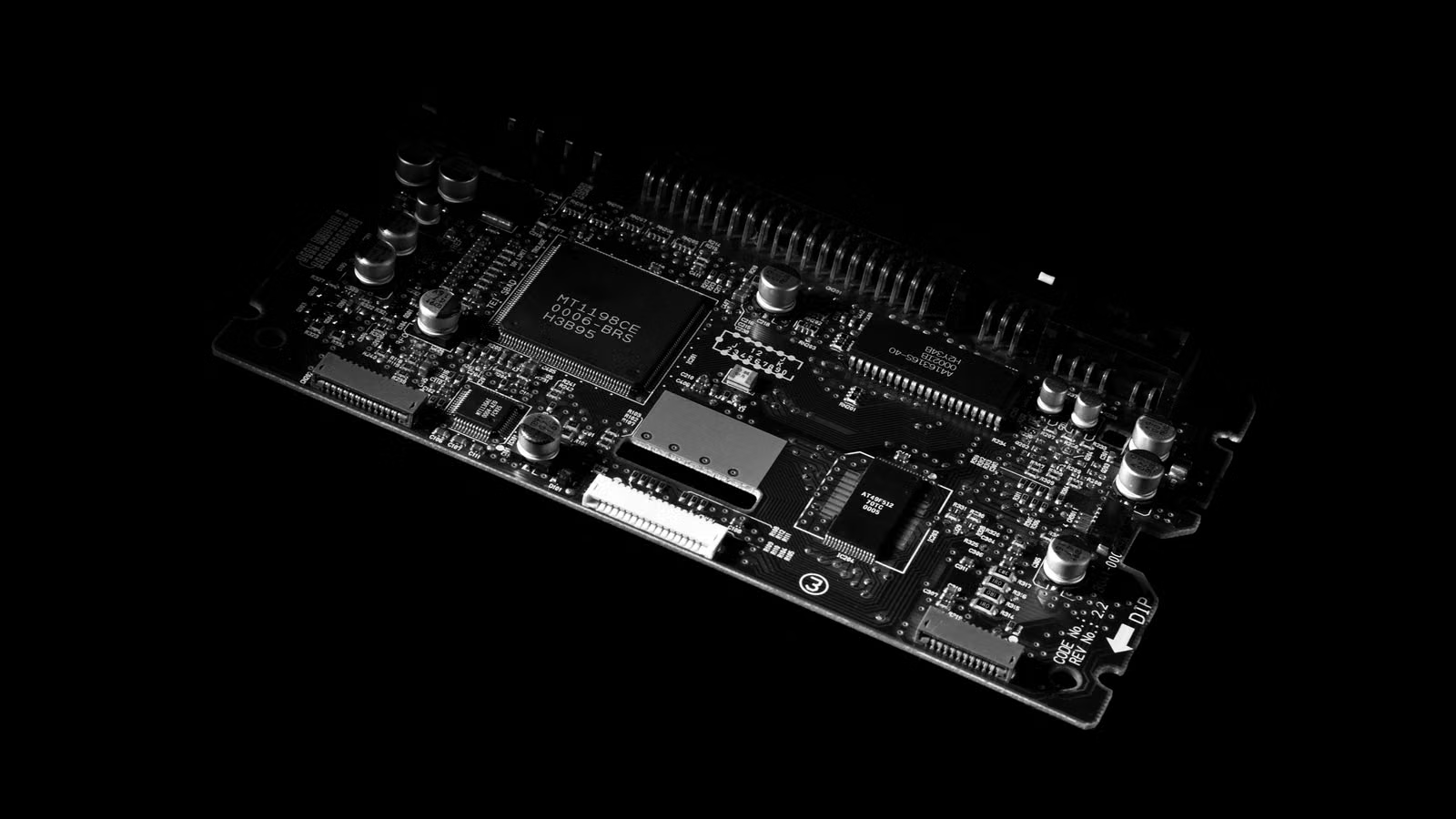
CoWoS is TSMC’s Chip-on-Wafer-on-Substrate advanced packaging technology. It is used to integrate GPUs, AI ASICs, HBM, and other chip modules into a high-performance package. It has become an AI chip bottleneck because large-model training and inference require higher memory bandwidth, lower latency, larger package size, and more complex multi-chip interconnects. Wafer fabrication is only the first step. Whether a chip can be delivered into an AI server also depends on advanced packaging capacity such as CoWoS.
How Is CoWoS Different From Ordinary Packaging?
Ordinary packaging mainly protects the chip, connects it to the circuit board, and supports heat dissipation. CoWoS is designed for high-performance computing. Its focus is to integrate logic chips, HBM, silicon interposers, RDL interposers, and substrates together. In essence, it is a 2.5D packaging platform that enables high-speed communication between GPUs or AI ASICs and HBM through shorter and wider interconnect paths.
TSMC’s CoWoS technology materials show that CoWoS-S can support up to 3.3x reticle size and an interposer area of around 2,700 square millimeters, while larger designs can use CoWoS-L or CoWoS-R. This shows that AI chip packaging is moving from “single-chip packaging” toward “multi-chip system integration.” Related terms include 2.5D packaging, silicon interposer, chiplet, heterogeneous integration, SoIC, InFO, 3DFabric, and RDL.
Why Do AI Servers Increase CoWoS Demand?
AI servers increase CoWoS demand not only because GPU volumes are rising. New-generation AI accelerators usually require larger die sizes, higher HBM capacity, more complex power delivery, and higher interconnect density. NVIDIA Blackwell, AMD Instinct, Broadcom AI ASICs, and cloud providers’ in-house chips all need advanced packaging to achieve high-performance computing. NVIDIA’s Blackwell architecture emphasizes higher AI training and inference performance, and these platforms depend on the combination of high-bandwidth memory and advanced packaging.
| AI Chip Trend | Impact on CoWoS | Investment Implication |
|---|---|---|
| Larger GPU compute scale | Requires larger package area | TSMC advanced packaging capacity becomes more important |
| Higher HBM stack count | Raises testing and yield difficulty | Testing equipment and packaging materials benefit |
| Growth in AI ASICs | Broadens customer structure | Broadcom, Marvell, and other demand-side names become more important |
| Chiplet architecture | Makes multi-chip interconnects more complex | 2.5D/3D packaging gains value |
| Rising cloud capex | Improves long-term order visibility | Capacity expansion and utilization matter more |
Reuters’ reporting on TSMC AI demand noted that TSMC expected CoWoS advanced packaging capacity to grow at a compound annual growth rate of more than 80% from 2022 to 2027. This means the market is not simply focused on short-term “packaging hype,” but on a capacity bottleneck jointly created by AI accelerators, HBM, and advanced packaging.
How to Classify CoWoS Concept Stocks
CoWoS concept stocks should not be understood only as “packaging companies.” A fuller classification includes core platforms, OSAT companies, equipment and materials suppliers, AI chips, HBM, and servers.
| Layer | Company Type | Representative Companies | Investment Logic |
|---|---|---|---|
| Core platform | Foundry and advanced packaging | TSMC, Samsung | Control high-end AI chip packaging capacity |
| OSAT | Packaging and testing services | ASE, Amkor, JCET | Benefit from packaging and testing spillover demand |
| Equipment and materials | Equipment, inspection, substrates, materials | ASML, Lam, AMAT, KLA, Ibiden | Benefit from expansion and process complexity |
| Demand side | GPUs, ASICs, servers | NVIDIA, AMD, Broadcom, Dell | Determine the ceiling for CoWoS orders |
| Memory support | HBM and DRAM | SK Hynix, Samsung, Micron | Determine high-bandwidth memory supply |
Summary: CoWoS is a key link that moves AI chips from wafer fabrication to system-level delivery. AI GPUs, AI ASICs, and HBM need to work together in a high-performance package to deliver enough bandwidth, power efficiency, and compute density. TSMC sits at the center, but the advanced packaging supply chain includes not only TSMC, but also OSAT companies, substrates, testing, equipment, materials, HBM, and server manufacturers. When screening CoWoS concept stocks, you should first identify where a company sits in the chain, then determine whether it directly benefits from CoWoS capacity bottlenecks or indirectly benefits from AI server demand growth.
Which Companies Are Core CoWoS Concept Stocks?
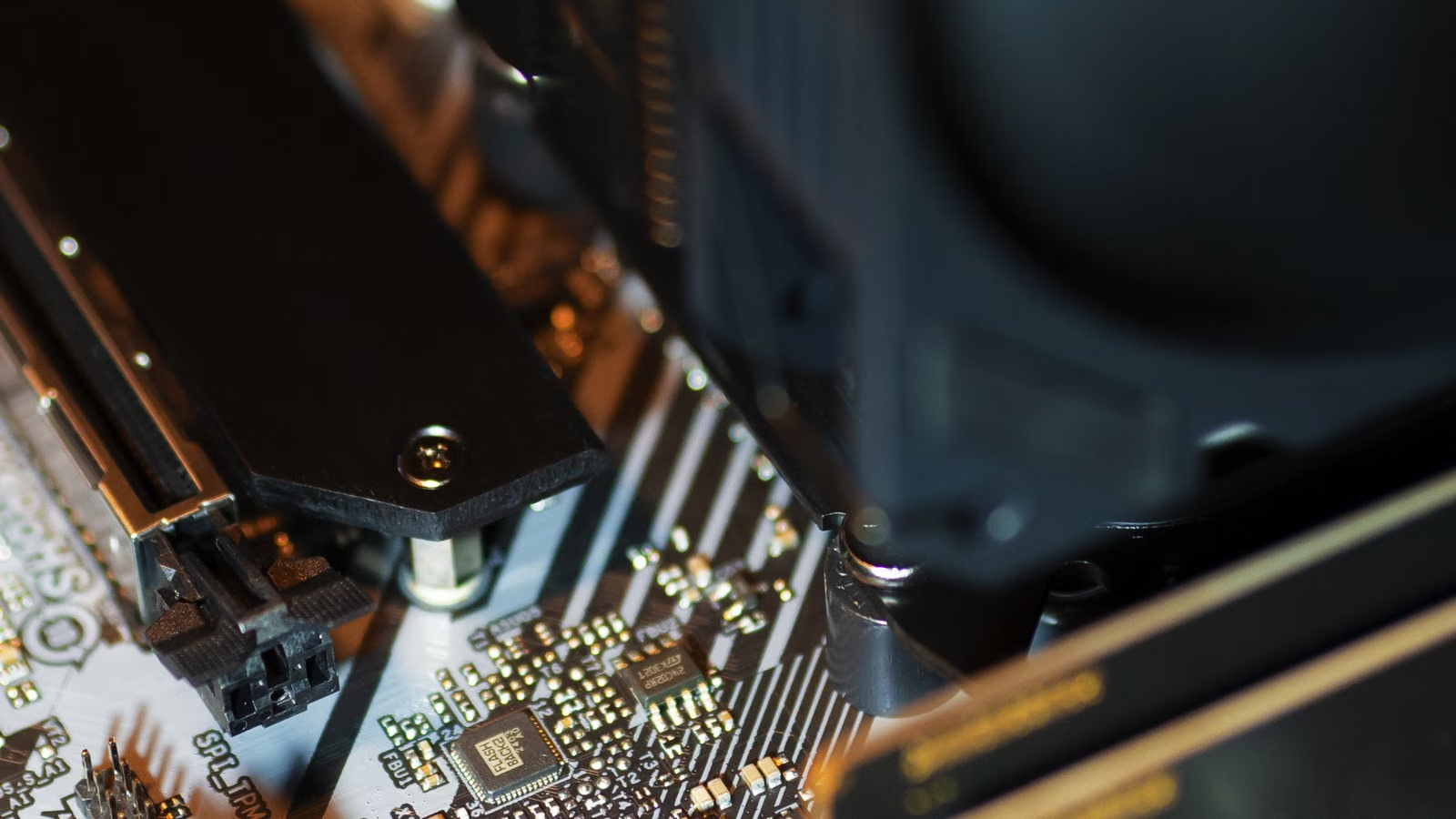
The core CoWoS concept stock is TSMC, followed by advanced packaging and testing companies, equipment and materials companies, and AI chip customers that depend on CoWoS capacity. TSMC represents the most direct advanced packaging capacity. NVIDIA, AMD, and Broadcom represent the demand side. ASE and Amkor represent packaging and testing spillover opportunities. You need to distinguish between companies that provide capacity and companies that consume capacity.
TSMC: The Core Node of the CoWoS Supply Chain
TSMC is the most direct and central company in the CoWoS supply chain. It combines advanced process nodes, CoWoS, SoIC, InFO, 3DFabric, and relationships with leading AI chip customers. For AI chip customers, advanced process nodes manufacture the compute chip itself, while CoWoS integrates GPUs or ASICs with HBM into a high-performance package that can be deployed in servers. TSMC’s 3DFabric for HPC materials also place CoWoS, SoIC, and WLSI within its high-performance computing platform.
TSMC’s investment logic has three layers: advanced-node foundry revenue, CoWoS packaging revenue, and high utilization from locked-in AI customers. The risks are also clear: high valuation, capex pressure, customer concentration, geopolitics, and whether supply-demand remains tight after future capacity expansion. Reuters has reported that AI demand may continue to push TSMC to raise revenue and capex expectations, which also raises the market’s expectations for future growth.
NVIDIA, AMD, and Broadcom: Demand-Side CoWoS Beneficiaries
NVIDIA, AMD, and Broadcom are not packaging service providers, but they determine the intensity of CoWoS demand. NVIDIA’s AI GPUs are a major source of CoWoS demand. AMD Instinct accelerators also depend on HBM and high-performance packaging. Broadcom represents the growth of AI ASICs and cloud providers’ custom chips. AMD’s Instinct MI300 platform shows how AI accelerators rely on HBM capacity and bandwidth, which also illustrates why advanced packaging matters for GPU delivery.
The difference between GPUs and ASICs is that GPUs are more standardized and suitable for general AI training and inference, while ASICs are more customized and often tied to large cloud providers. Regardless of the route, when chips require large-scale HBM integration and high-density interconnects, CoWoS or similar advanced packaging becomes a supply constraint.
ASE, Amkor, and the OSAT Chain
ASE, Amkor, JCET, and other OSAT companies provide packaging and testing services. High-end CoWoS remains centered around TSMC, but growing advanced packaging and testing demand may push parts of capacity, testing, and back-end processes toward OSAT companies. In 2026, TSMC and Amkor announced a long-term partnership framework that includes TSMC procuring advanced packaging and testing services from Amkor. This type of partnership shows that when AI chip packaging demand becomes too large, the supply chain expands delivery capacity through cooperation.
| Company / Category | Market | Relationship With CoWoS | Core Focus | Main Risks |
|---|---|---|---|---|
| TSMC | Taiwan stock / ADR | Core capacity and technology platform | CoWoS, SoIC, advanced nodes, AI customers | Valuation, capex, customer concentration |
| NVIDIA | U.S. stock | One of the largest demand drivers | AI GPUs, Blackwell, HBM configuration | AI orders and valuation pressure |
| AMD | U.S. stock | AI GPU demand side | Instinct, AI accelerators | Competition and shipment pace |
| Broadcom | U.S. stock | AI ASIC demand side | Cloud custom chips | Customer concentration |
| ASE / Amkor | Taiwan stock / U.S. stock | Packaging and testing support | Spillover demand, testing capacity | Lower purity, margin volatility |
Summary: Core CoWoS concept companies can be divided into three groups. The first is TSMC, which controls the most critical advanced packaging platform and AI chip customer resources. The second is demand-side companies such as NVIDIA, AMD, and Broadcom. They are not packaging companies, but they determine how tight CoWoS capacity becomes. The third is OSAT companies such as ASE and Amkor, which may capture some packaging and testing spillover opportunities. These companies should not be valued under the same framework. TSMC should be analyzed through capacity and customers, AI chip companies through shipments and product cycles, and OSAT companies through advanced packaging revenue mix and testing-order quality.
How to Break Down the Advanced Packaging Investment Map

The advanced packaging supply chain can be broken down into seven links: foundry, packaging and testing, substrates, packaging equipment, inspection and metrology, materials, HBM, and AI servers. Each link may benefit from rising AI chip packaging complexity, but earnings elasticity, customer concentration, and cycle risk are different. The closer a company is to the CoWoS capacity bottleneck, the higher the thematic purity. The closer it is to end systems, the higher the demand elasticity but the lower the packaging purity.
Packaging, Testing, and Substrates
Packaging and testing include die attach, bonding, testing, thermal management, yield control, and final validation. CoWoS packaging requires larger substrates, silicon interposers, RDL, ABF substrates, and stronger thermal management. Ibiden, Shinko, Unimicron, and Nan Ya PCB are often associated with substrate and packaging-material chains, while ASE, Amkor, and JCET are more focused on packaging and testing services.
These companies benefit from two changes: AI chip package sizes are increasing, and HBM-to-logic interconnect complexity is rising. The risk is that substrate and OSAT companies are often exposed to customer bargaining power. If capacity expansion runs ahead of demand, margins may come under pressure.
Equipment, Inspection, and Materials
CoWoS and 2.5D/3D packaging increase the importance of equipment, inspection, and materials. Related processes include dicing, die attach, thermocompression bonding, cleaning, deposition, etching, X-ray inspection, metrology, underfill, CMP, substrate materials, and high-purity chemicals. Lam Research’s memory applications materials show that memory manufacturing requires multiple deposition, etching, and cleaning capabilities. Applied Materials’ advanced packaging solutions are also related to heterogeneous integration, advanced packaging, and high-performance computing.
Inspection difficulty is also rising. Recent research on CoWoS X-ray inspection points out that complex 3D structures in advanced packaging create challenges for nondestructive inspection. This means inspection, testing, and processing equipment companies such as KLA, Advantest, Teradyne, and Disco may also benefit from rising process complexity.
HBM, GPUs, and Server Systems
CoWoS demand is jointly driven by AI accelerators and HBM. SK Hynix, Samsung, and Micron determine HBM supply. NVIDIA, AMD, Broadcom, and Marvell determine GPU and ASIC demand. Dell, HPE, Supermicro, Quanta, and Wiwynn reflect AI server system shipments. For server vendors, CoWoS is not a direct revenue source, but advanced packaging capacity can affect AI server delivery schedules.
| Link | Representative Companies | Benefit Mechanism | Key Metrics |
|---|---|---|---|
| Foundry / packaging platform | TSMC, Samsung | AI chip foundry + advanced packaging | CoWoS capacity, advanced-node orders |
| OSAT | ASE, Amkor, JCET | Packaging and testing spillover demand | Advanced packaging revenue mix |
| Substrates / interposers | Ibiden, Unimicron, Shinko | Large-package demand | ABF substrate supply-demand |
| Equipment / inspection | AMAT, Lam, KLA, Advantest | Rising process complexity | Orders and delivery cycles |
| Materials | Entegris, Shin-Etsu, Hoya | Higher high-end material consumption | Customer qualification and pricing |
| HBM | SK Hynix, Samsung, Micron | Co-packaged with AI chips | HBM generation and supply share |
| Servers | Dell, HPE, Supermicro | AI system shipments | Orders, margins, inventory |
Summary: The advanced packaging supply chain is not linear. It is built from foundry, packaging and testing, substrates, equipment, materials, HBM, and servers together. TSMC sits at the core platform layer. OSAT and substrate companies capture packaging, testing, and material demand. Equipment and inspection companies benefit from rising process complexity. HBM suppliers and GPU or ASIC customers jointly determine high-end AI packaging demand. If you want CoWoS purity, focus on TSMC, advanced packaging, and testing links. If you want broader diversification, equipment, materials, and server chains may be worth tracking, but the thematic purity will be lower.
How to Evaluate the Investment Value of CoWoS Concept Stocks
To evaluate CoWoS concept stocks, you need to look at a company’s supply-chain position, CoWoS purity, customer structure, capacity-expansion pace, order visibility, capex return, and valuation. Buying a stock simply because it is included in the advanced packaging theme can overlook revenue mix, margins, and cycle position. The closer a company is to the core bottleneck, the higher its potential elasticity, but the more likely market expectations may already be priced in.
CoWoS Purity and Revenue Mix
The highest CoWoS purity belongs to TSMC’s advanced packaging platform because it directly provides the key capacity. Medium-purity names include OSAT companies, substrate suppliers, testing equipment makers, and materials companies that benefit from packaging complexity and expansion. Indirect-purity names include AI chip, server, and cloud capex companies. They determine demand, but they may not directly generate revenue from packaging.
You need to watch four indicators: advanced packaging revenue mix, leading AI customer orders, capacity utilization, and changes in pricing and gross margin. A company having “packaging” or “semiconductor materials” in its business description does not automatically mean it benefits from CoWoS. The key is whether it has entered the high-end AI packaging supply chain, whether it has customer qualification, and whether it can convert orders into revenue and profit.
Customer Structure and Capacity Allocation
The customer structure of the CoWoS supply chain is highly concentrated. NVIDIA, AMD, Broadcom, Marvell, and cloud-provider ASIC programs can all affect advanced packaging capacity allocation. Stronger customers improve order visibility, but they also raise customer concentration risk. For TSMC, CoWoS capacity allocation can affect the delivery schedules of different AI chip customers. For OSAT, equipment, and materials companies, whether customer expansion actually turns into orders determines order quality.
Long-term orders, prepayments, and expansion plans should all be compared with actual revenue conversion. The larger the capex, the higher the future revenue requirement. If customer demand comes in below expectations, expansion may instead bring depreciation pressure and margin decline.
Valuation, Expansion, and Trading Costs
On valuation, you can look at P/E, EV/EBITDA, P/B, free cash flow yield, order growth, and gross-margin change. On expansion, you should track capex, capacity utilization, customer commitments, and return on invested capital. On risk, you should watch future supply release, weaker customer demand, lower-than-expected yield, and margin contraction.
| Evaluation Dimension | High-Quality Signal | Risk Signal |
|---|---|---|
| Supply-chain position | Located in the core CoWoS bottleneck | Only indirectly benefits from AI theme |
| Customer structure | Tied to leading AI chip customers | Single customer and unstable orders |
| Capacity expansion | Expansion supported by long-term orders | Capex comes before clear demand |
| Margins | Higher high-end packaging mix | Price competition or yield pressure |
| Valuation | Earnings upgrades outpace share price | Valuation prices in too much early |
| Liquidity | Active trading and controllable spread | Small-cap volatility and wide spreads |
If you follow overseas CoWoS concept stocks, trading costs should also be part of the decision. U.S. stocks, Taiwan ADRs, Hong Kong stocks, Japanese stocks, and Korean stocks can differ in commission, platform fees, bid-ask spreads, currency costs, and tax treatment. When using U.S. stock information to track NVIDIA, AMD, Broadcom, Amkor, KLA, Applied Materials, and other related names, you should also confirm trading fees. According to Biya U.S. stock trading fees, U.S. stock trading commission is $0, while platform fees, external institutional fees, and other charges are subject to the fee center and order-page display. Fees do not change the advanced packaging industry trend, but they do affect actual returns, rebalancing costs, and short-term trading efficiency.
Summary: CoWoS concept stocks can be screened step by step through supply-chain position, CoWoS purity, customer structure, capacity expansion, margins, valuation, and trading costs. The most direct names are TSMC and high-end packaging and testing players, where elasticity comes from capacity bottlenecks. Equipment and materials companies are more diversified and benefit from expansion and process complexity. AI chip and server companies are closer to the demand side, with lower packaging purity but larger revenue scale. The key mistake to avoid is chasing concept labels without checking revenue mix, order quality, and valuation position. Even a strong industry trend can bring drawdowns when valuation and expectations are too high.
What Risks and Cycle-Reversal Signals Should CoWoS Investors Watch?
The main risks for CoWoS concept stocks include slower AI capex, overly aggressive advanced packaging expansion, customer concentration, weaker-than-expected yield, delayed equipment orders, high valuation, and geopolitical restrictions. Even if advanced packaging remains important over the long term, related stocks can still suffer large drawdowns when supply-demand expectations change. You need to separate “CoWoS is a long-term bottleneck” from “the current stock price is reasonable.”
Mismatch Between AI Demand and Expansion Pace
If AI server orders slow, CoWoS demand may fall short of market expectations. Conversely, if TSMC, OSAT companies, and other advanced packaging capacity expand at the same time, future supply pressure may appear. Advanced packaging expansion takes time, and the market can become overly optimistic early in the cycle while underestimating utilization and depreciation pressure after capacity comes online.
Reuters’ report on the TSMC AI boom noted that the market expected AI infrastructure demand to keep supporting TSMC’s profit and capex. That also means investors will demand continued high growth. If CoWoS capacity expands faster than orders, market pricing may adjust quickly.
Company Execution and Customer Concentration Risk
For TSMC, the risks are customer concentration, capacity ramp, and capex return. For OSAT companies, the risks are high-end packaging capability, price competition, and the sustainability of spillover orders. For equipment and materials suppliers, the risks are order delays, changes in customer expansion plans, and export controls. For AI chip customers, weaker GPU or ASIC demand could lead to CoWoS order adjustments.
The equipment chain can also be affected by policy changes. ASML, Lam Research, Applied Materials, and others depend not only on AI demand, but also on export restrictions, regional customer mix, and capex cycles. For small-cap packaging materials stocks, liquidity and bid-ask spreads can also amplify volatility.
Valuation, Liquidity, and Cross-Market Trading Risk
CoWoS concept stocks are listed across Taiwan, U.S. ADRs, U.S. exchanges, Japan, Korea, and Hong Kong. Disclosure cycles, trading hours, tax treatment, currency exposure, and liquidity differ across markets. Popular concept stocks can rise ahead of earnings delivery, especially after the market has priced in “advanced packaging shortage.” Any change in orders, pricing, yield, or capex can trigger a correction.
| Risk Signal | Possible Meaning | What to Watch |
|---|---|---|
| CoWoS utilization falls short | Expansion may be faster than demand | TSMC and OSAT capacity plans |
| AI GPU or ASIC orders are delayed | End demand may be slowing | NVIDIA, AMD, Broadcom shipments |
| HBM shipments slow | High-end packaging demand may be affected | SK Hynix, Samsung, Micron supply |
| Equipment or materials orders are delayed | Customer capex adjustment | AMAT, Lam, KLA, Advantest orders |
| Share prices rise far ahead of earnings | Valuation may be stretched | Earnings forecasts and cash flow |
| Export controls change | Deliveries or customer regions may be affected | Equipment exports and customer restrictions |
| Small-cap spreads widen | Liquidity weakens | Trading volume and bid-ask spread |
Summary: The risk in CoWoS concept stocks is not that advanced packaging is unimportant. The risk is that a strong thesis may be priced in too early through excessive expectations. Long-term demand for AI chips, HBM, and CoWoS remains strong, but stocks will still respond to order timing, utilization, customer concentration, yield, equipment delivery, export controls, and valuation changes. When following the advanced packaging theme, you should maintain a risk-signal checklist covering CoWoS capacity, AI server orders, HBM supply, equipment and materials orders, and stock valuation, rather than chasing the “advanced packaging” label alone.
After understanding the CoWoS supply chain, the next step is to connect company logic with tradable names, market information, and real trading costs. Through Biya, you can follow U.S. stocks, Hong Kong stocks, related ETFs, advanced packaging companies, AI chip companies, semiconductor equipment names, and server companies, while checking order-page fee details before trading. If your investment process involves multiple currencies, real-time exchange rates can help estimate currency-conversion impact. Public market information, company materials, and fee structures are research inputs only and do not constitute investment advice. Service availability depends on your location, identity-verification result, platform rules, and applicable laws and regulations. For volatile CoWoS concept stocks, understand order types, fee structure, position concentration, and industry-cycle risks before trading.
FAQ
What Is the Difference Between CoWoS Concept Stocks and Advanced Packaging Stocks?
CoWoS concept stocks focus more on the TSMC CoWoS ecosystem and the integration of AI chips with HBM. Advanced packaging stocks are broader and may include companies related to fan-out, 2.5D/3D packaging, SoIC, InFO, chiplets, and other packaging technologies.
How Can Ordinary Investors Judge Whether CoWoS Stocks Are Overvalued?
Ordinary investors should not judge valuation only by share-price gains. Compare advanced packaging revenue mix, customer orders, capacity utilization, capex, gross margin, and valuation multiples. If valuation expands far ahead of earnings, drawdown risk increases.
Is TSMC the Most Direct CoWoS Concept Stock?
TSMC is one of the most direct CoWoS core companies because CoWoS is its advanced packaging platform and works together with its AI chip foundry business. However, TSMC’s stock is also affected by advanced nodes, customer concentration, capex, and geopolitics.
Can OSAT Companies Directly Benefit From CoWoS Expansion?
Some OSAT companies may benefit from spillover demand in advanced packaging and testing, but their CoWoS purity is usually lower than TSMC’s. Investors need to check whether they truly participate in high-end packaging, testing, or customer qualification, rather than relying only on a packaging label.
How Are the CoWoS Supply Chain and HBM Supply Chain Related?
CoWoS integrates GPUs, AI ASICs, and HBM into high-performance packages, while HBM provides high-bandwidth memory. AI accelerator cards usually depend on both CoWoS packaging capacity and HBM supply.
What Should International Investors Watch When Trading CoWoS Concept Stocks?
International investors should watch the trading market, currency, ADR structure, tax treatment, platform fees, local regulation, and liquidity. For overseas stocks and ETFs, decisions should follow broker rules, account statements, and applicable laws and regulations.
*This article is provided for general information purposes and does not constitute legal, tax or other professional advice from BiyaPay or its subsidiaries and its affiliates, and it is not intended as a substitute for obtaining advice from a financial advisor or any other professional.
We make no representations, warranties or warranties, express or implied, as to the accuracy, completeness or timeliness of the contents of this publication.
Related Blogs of

Cheapest Way to Transfer Money Internationally: Small vs. Large Transfers

Crypto Trading Bots: Types, Costs, and Security Risks




Choose Country or Region to Read Local Blog
 Australia
 Austria
 Belgium
 Canada
 Cyprus
 Czech Republic
 Denmark
 Estonia
 Finland
 France
 Germany
 Greece
 Hong Kong
 India
India Indonesia
 Ireland
 Italy
Italy Japan
Japan Latvia
 Lithuania
 Luxembourg
 Malaysia
 Malta
Malta Morocco
 Nepal
Nepal Netherlands
 New Zealand
 Norway
 Pakistan
 Philippines
 Poland
 Portugal
 Romania
 Singapore
 Slovakia
 Slovenia
 South Africa
 South Korea
 Spain
Spain Sweden
 Thailand
 United States
 Turkey
 United Arab Emirates
 United Kingdom
 Vietnam