
How Is China’s Memory Supply Chain Different from Overseas Memory Leaders? A Comparison with Micron, SanDisk, Western Digital, and Seagate




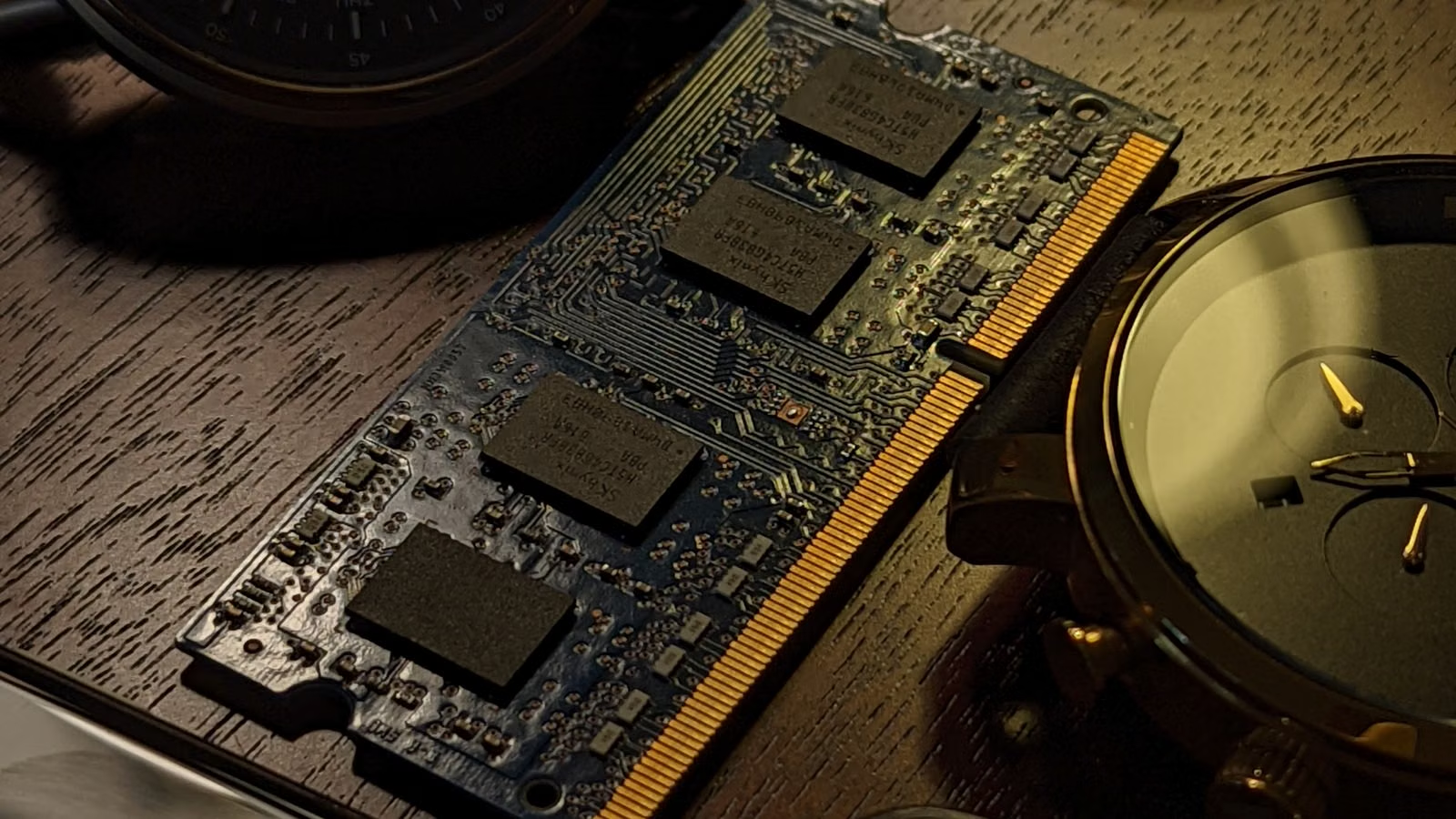
The difference between China’s memory supply chain and overseas memory leaders is not only about company size. Their industry stage, product structure, customer base, and profit model are also different. China’s memory ecosystem focuses more on gradually filling gaps in DRAM, NAND, NOR Flash, modules, controllers, packaging and testing, and domestic substitution. Overseas leaders already have clearer global divisions of labor: Micron focuses more on DRAM, NAND, and HBM; SanDisk focuses more on Flash and SSDs; Western Digital and Seagate focus more on HDDs and high-capacity data center storage. If you are following AI storage opportunities, you first need to understand which product line each company actually belongs to.
Key Takeaways
- China’s memory supply chain focuses more on ecosystem building, domestic substitution, and partial breakthroughs.
- Micron is an integrated memory leader across DRAM, NAND, and HBM.
- SanDisk is more focused on NAND Flash, SSDs, and consumer storage.
- Western Digital and Seagate mainly benefit from nearline HDDs and cloud storage capacity.
- AI data centers simultaneously drive demand for HBM, enterprise SSDs, and nearline HDDs.
- Investment analysis should distinguish technology progress, pricing cycles, and profit realization.
What Is the Core Difference Between China’s Memory Supply Chain and Overseas Memory Leaders?
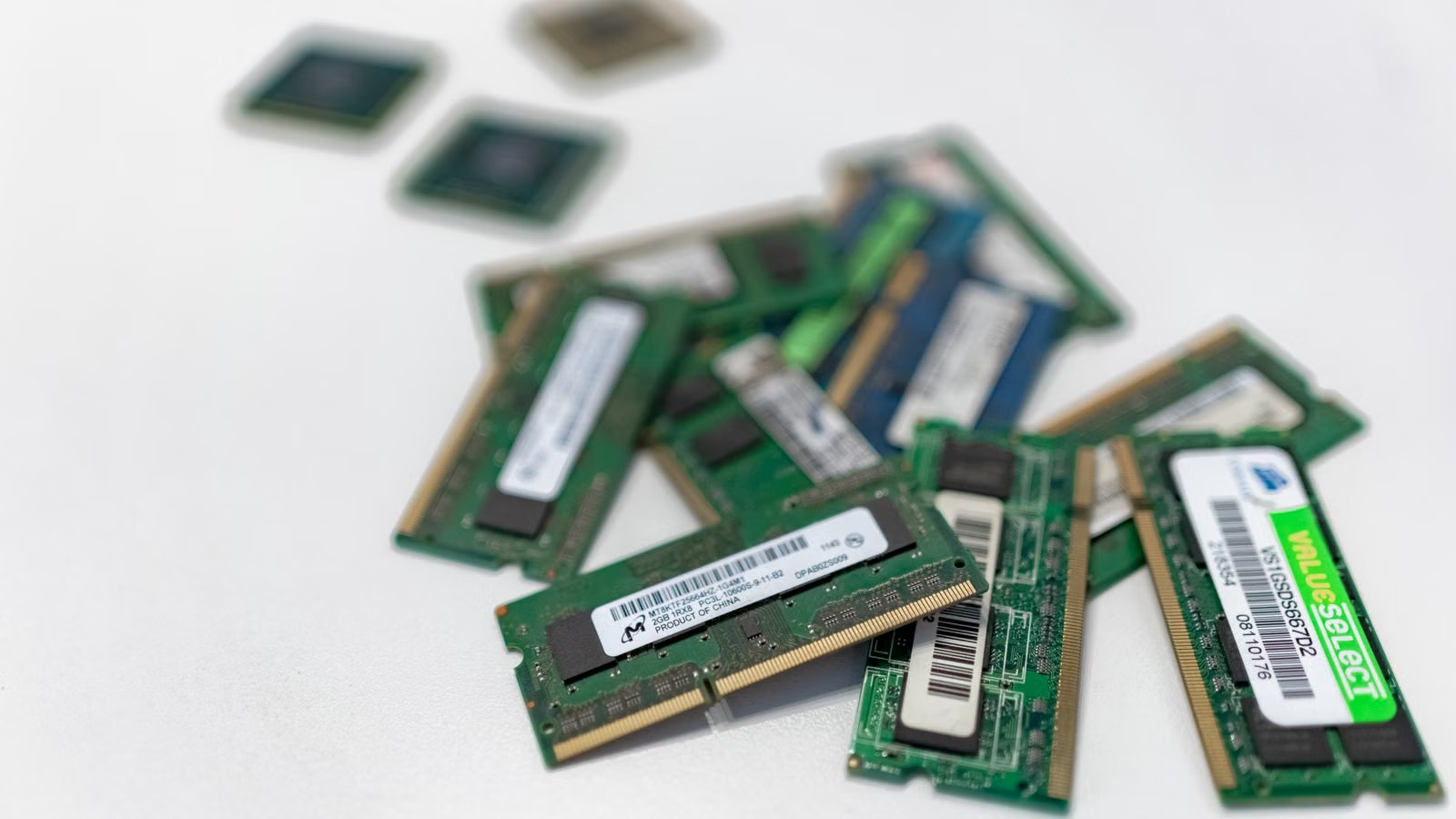
The biggest difference between China’s memory supply chain and overseas memory leaders is that the former is still in a stage of catching up, filling supply-chain gaps, and achieving partial domestic substitution, while the latter already have globalized product platforms, customer systems, and cyclical pricing power. You should not compare them only by asking whether they are both “memory companies.” Instead, you need to look at product level, technology roadmap, customer structure, and profit model. Chinese companies are more focused on DRAM, 3D NAND, NOR Flash, modules, SSDs, controllers, packaging and testing, and local supply-chain coordination. Overseas leaders directly serve global cloud providers, AI servers, PCs, smartphones, enterprise storage, and data center customers.
For overseas companies, the division of labor is already clear. Micron emphasized in its fiscal 2025 report that data center business had become an important part of its revenue and continued to benefit from HBM, data center DRAM, and NAND demand. SanDisk completed its separation from Western Digital in 2025 and became an independent listed Flash storage company. After the Flash separation, Western Digital became more focused on HDDs and cloud data center storage. Seagate has long positioned itself around mass-capacity data storage, with stronger exposure to cloud storage, nearline HDDs, and AI data archiving.
China’s memory supply chain is more like an ecosystem that is still being completed. It includes DRAM companies such as CXMT, 3D NAND companies such as YMTC, NOR Flash and MCU companies such as GigaDevice, memory module and brand companies such as Longsys, as well as controller chips, packaging and testing, equipment and materials, servers, and end customers. The key phrase for this ecosystem is not a single dominant leader, but supply-chain completeness, domestic substitution capability, and technology iteration speed.
| Comparison Dimension | China’s Memory Supply Chain | Overseas Memory Leaders |
|---|---|---|
| Industry stage | Catch-up, supply-chain building, domestic substitution | Mature global competition |
| Representative segments | DRAM, NAND, NOR, modules, controllers | DRAM, HBM, NAND, SSDs, HDDs |
| Customer structure | Local servers, consumer electronics, industrial and automotive | Global cloud providers, AI customers, PCs, smartphones |
| Profit logic | Technology breakthroughs, share gains, domestic substitution | Pricing cycles, product upgrades, global pricing |
| Main risks | Technology gap, customer qualification, equipment restrictions | Memory cycles, capex, inventory reversal |
The advantage of overseas leaders lies in years of global customer qualification, long-term supply experience, patent portfolios, process iteration, and capital expenditure discipline. The advantage of China’s supply chain lies in local market demand, policy support, supply-chain security needs, and cost competitiveness in some segments. Both are affected by memory pricing cycles, but the transmission mechanism is different. Overseas companies more directly reflect global DRAM, NAND, SSD, and HDD price movements, while China’s supply chain is also affected by domestic substitution, capacity ramp-up, and customer adoption cycles.
Summary: China’s memory supply chain and overseas memory leaders cannot be compared simply in a “company size” table. Overseas leaders are more like mature global platforms. Micron, SanDisk, Western Digital, and Seagate correspond to different main lines such as DRAM/HBM, NAND/SSD, HDD/cloud storage, and high-capacity nearline HDDs. China’s memory supply chain is more like an ecosystem being completed, including memory manufacturers, modules, controllers, packaging and testing, NOR Flash, and end brands. When judging opportunities in Chinese and overseas memory companies, you should first identify the product line, then evaluate technology, customers, pricing cycles, and profitability.
Different Product Structures: Who Corresponds to DRAM, NAND, SSDs, and HDDs?
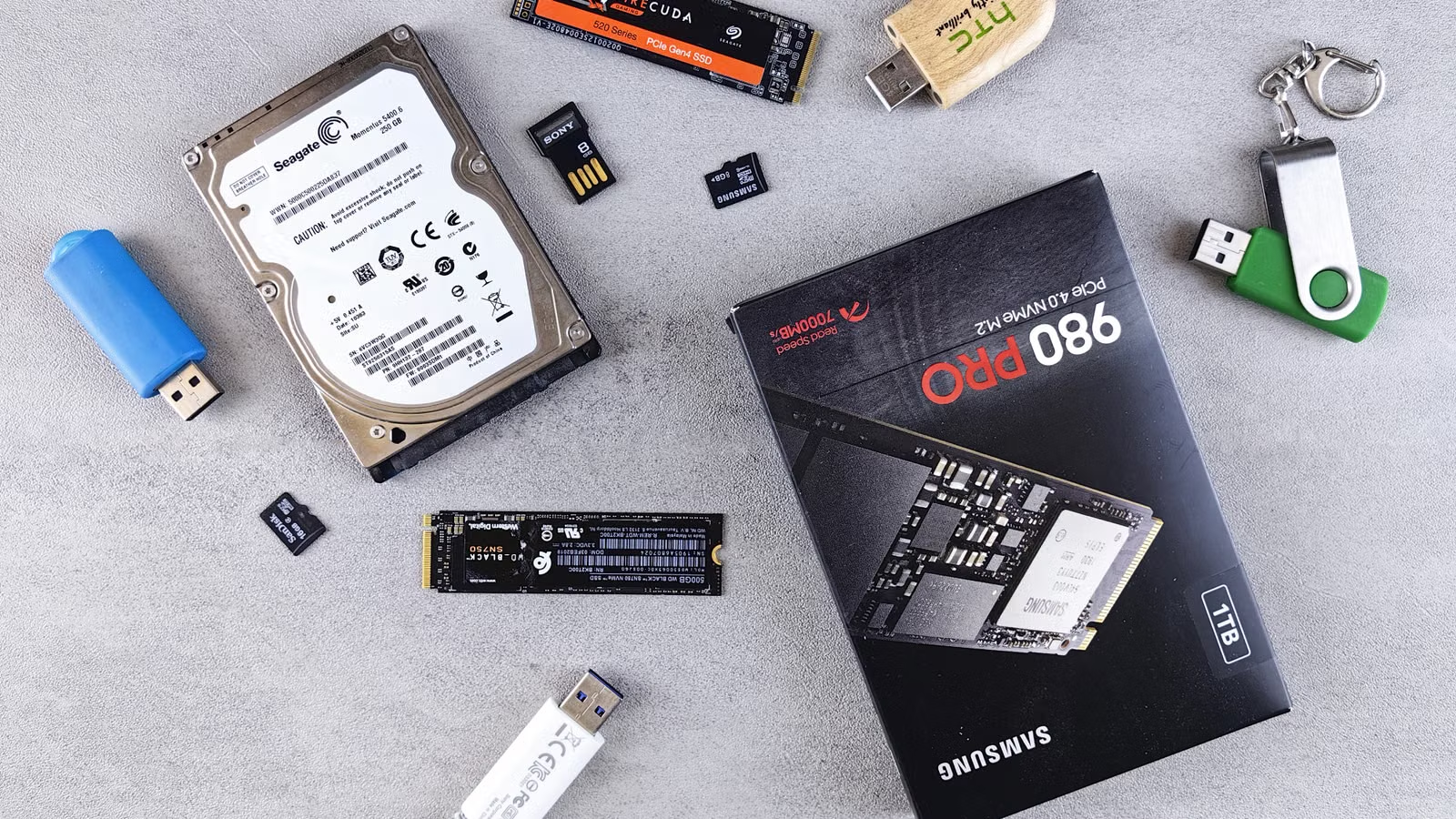
Product structure is the first layer for understanding the difference between Chinese and overseas memory companies. China’s memory supply chain covers DRAM, NAND, NOR Flash, SSDs, memory modules, and controller chips, but representative companies are more scattered. Overseas leaders have clearer boundaries: Micron mainly corresponds to DRAM, NAND, and HBM; SanDisk mainly corresponds to NAND Flash and SSDs; Western Digital and Seagate mainly correspond to HDDs and high-capacity data center storage. If you call all of them “memory stocks,” it is easy to overlook differences in product cycles and valuation logic.
CXMT is closer to the DRAM direction. Its DDR5 products are aimed at servers, PCs, tablets, and other scenarios, showing that China’s DRAM industry has moved from early consumer applications toward higher-performance products. YMTC is closer to the NAND direction. Its Xtacking architecture is built around 3D NAND solutions, making it more suitable to compare with SanDisk, Micron’s NAND business, Samsung NAND, and SK hynix NAND. GigaDevice’s SPI NOR Flash covers multiple capacity ranges from 512Kb to 2Gb, with product characteristics more suited to code storage, automotive, industrial, and consumer electronics applications rather than the large-capacity SSD main line. Longsys, based on Flash and DRAM storage products, emphasizes firmware algorithms, chip testing, packaging design, and customization capabilities, making it closer to modules, brands, and application solutions.
| Product Line | Core Function | Chinese Representatives | Overseas Representatives |
|---|---|---|---|
| DRAM | System working memory | CXMT | Micron, Samsung, SK hynix |
| HBM | AI high-bandwidth memory | Catch-up and planning stage | Micron, SK hynix, Samsung |
| NAND Flash | High-capacity non-volatile storage | YMTC | SanDisk, Micron, Samsung, SK hynix |
| Enterprise SSDs | High-performance data center storage | Module makers and NAND makers expanding | SanDisk, Micron, Samsung, Solidigm |
| HDD / Nearline HDD | Low-cost high-capacity storage | No global peer at the same level | Western Digital, Seagate |
| NOR Flash | Code and configuration storage | GigaDevice | Macronix, Winbond, and others |
Micron and CXMT are more suitable for comparison within DRAM, but they should not be treated as equals. Micron not only makes DRAM, but also covers NAND, HBM, data center SSDs, and global enterprise customers. CXMT’s breakthroughs are more focused on DDR4, DDR5, capacity expansion, and domestic substitution, while high-end HBM, global customer qualification, and stable profitability still need continued observation. YMTC is more suitable for comparison with SanDisk and NAND leaders, because both are centered on Flash, SSDs, and NAND technology evolution. However, SanDisk has a more mature global brand, enterprise customer base, and channel system.
Western Digital and Seagate are easily misunderstood as “memory chip stocks.” In fact, they are more focused on high-capacity storage devices and data center capacity supply, especially nearline HDDs, enterprise hard drives, cloud customers, and HAMR technology roadmaps. The core competition in HDDs is not wafer process technology, but platters, heads, firmware, yield, areal density, cost per terabyte, and large-customer supply capability.
Summary: When comparing Chinese and overseas memory companies, the first step is not to look at market value or AI labels, but to break down the product lines. DRAM should be compared through Micron, CXMT, and the global three-leader structure. NAND should be compared through SanDisk, YMTC, and enterprise SSDs. HDDs should be analyzed through Western Digital, Seagate, and the nearline HDD cycle. NOR Flash and modules should be analyzed through companies such as GigaDevice and Longsys, focusing on their applications and customer structure. Different product lines have different pricing cycles, technical barriers, profit elasticity, and risks. Only after clearly separating DRAM, NAND, SSDs, HDDs, HBM, and NOR Flash can the rest of the supply-chain analysis become meaningful.
Different Technology Roadmaps: Chinese Companies Are Catching Up, While Overseas Leaders Strengthen High-End AI Products
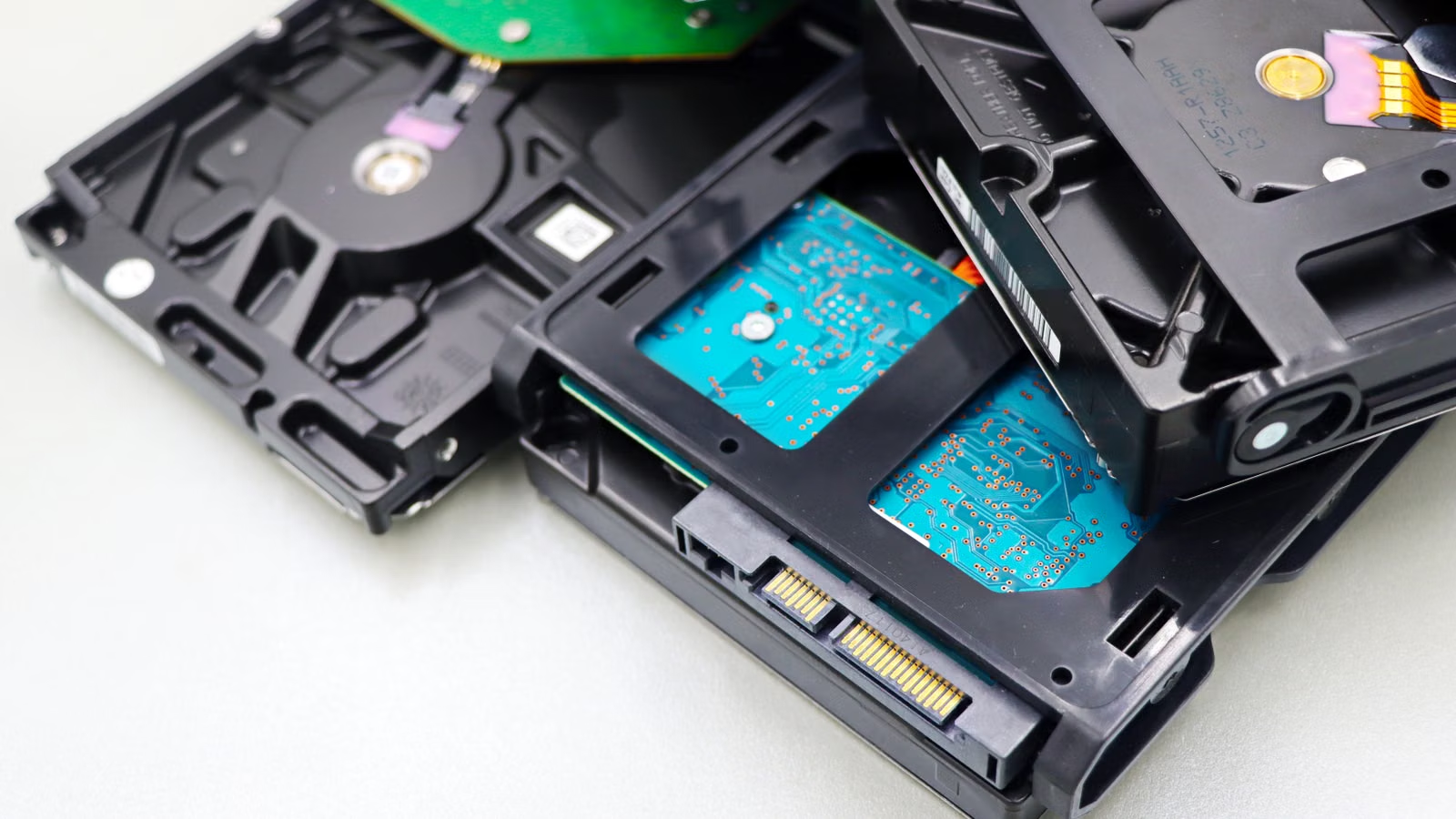
Technology roadmap differences are at the core of the gap between Chinese and overseas memory supply chains. Chinese companies are mainly catching up in DRAM, 3D NAND, domestic equipment and materials, modules, controllers, and local customer qualification. Overseas leaders are strengthening their advantages in HBM, enterprise SSDs, QLC NAND, nearline HDDs, HAMR, cloud customers, and AI data center qualification. You can understand China’s memory chain as moving from “usable” to “scalable” and then to “high-end,” while overseas leaders are shifting from mature products toward high-margin AI profit pools.
In the AI era, HBM has become more important than ordinary DRAM. HBM must be deeply tied to AI GPUs, AI ASICs, advanced packaging, and customer qualification; it is not simply about increasing capacity. Micron’s financial materials have repeatedly emphasized growth in HBM and data center demand, while Counterpoint’s global DRAM and HBM market share shows that Samsung, SK hynix, and Micron remain the core players in global DRAM/HBM. CXMT’s share has been rising, but it is still catching up in high-end products and global ecosystems.
Enterprise SSDs are becoming a new focus for NAND leaders. AI training, inference, vector databases, data lakes, logs, caching, and model data management all require higher-performance, larger-capacity, lower-latency storage systems. TrendForce noted in its enterprise SSD contract price analysis that AI and general server demand are pushing up enterprise SSD shipments and prices, and suppliers are allocating more NAND capacity to enterprise SSDs. This means the growth focus of NAND leaders such as SanDisk, Micron, Samsung, and SK hynix is shifting from consumer electronics storage to data centers.
Nearline HDDs have not been fully replaced by SSDs either. In AI data centers, not all data needs to sit on the fastest SSDs. Training data, logs, backups, cold data, archives, and data lakes all require low-cost high-capacity storage. Seagate emphasized in its 30TB Exos drive launch that expanding AI workloads are driving data center storage demand. After its Flash separation, Western Digital has also become more focused on HDDs and cloud customer demand. Its fiscal third quarter 2026 revenue grew rapidly year over year, reflecting an improving high-capacity storage cycle.
| Technology Direction | Focus of China’s Supply Chain | Focus of Overseas Leaders |
|---|---|---|
| DRAM | DDR4, DDR5, capacity ramp-up | HBM, server DRAM, high-end customers |
| NAND | 3D NAND, Xtacking, domestic SSDs | QLC, enterprise SSDs, data center customers |
| HDD | No global leader at the same level | HAMR, nearline HDDs, high-capacity cloud storage |
| Modules and controllers | Local brands, firmware, packaging/testing coordination | Global channels, enterprise qualification, long-term supply |
| AI storage | Domestic server ecosystem adoption | HBM, enterprise SSDs, and nearline HDDs benefiting together |
Summary: The technology roadmap of Chinese memory companies is more of a catch-up curve. The key is moving from usable products and mass production to customer qualification and high-end applications. The roadmap of overseas leaders is more about profit-pool migration, shifting from traditional PC and smartphone storage toward HBM, enterprise SSDs, and nearline HDDs. The AI era does not only benefit HBM; it is also changing the supply-demand structure of DRAM, NAND, and HDDs at the same time. When comparing technology gaps, you should not only look at whether a company has launched a certain product name. You also need to look at yield, capacity, power consumption, customer qualification, long-term supply, and whether the product can become stable revenue.
Different Business Models: China Focuses More on Domestic Substitution, Overseas Leaders Focus More on Global Customers and Cyclical Pricing
China’s memory supply chain relies more on the local market, domestic substitution, policy support, and supply-chain security needs. Overseas memory leaders rely more on global customers, long-term supply, product portfolios, pricing cycles, and data center capital expenditure. Both are affected by memory price cycles, but their paths to profit realization are different. Chinese companies need to complete technology adoption and customer qualification first, while overseas leaders can usually reflect an upcycle more quickly in revenue, gross margin, and cash flow.
The core logic for Chinese memory companies is supply-chain security and domestic substitution. If CXMT expands DRAM capacity, it is not only trying to participate in global price competition, but also improving supply stability for local servers, PCs, consumer electronics, and industrial customers. Reuters reported that CXMT’s IPO fundraising plan would be used for DRAM technology upgrades, production line expansion, and HBM-related product lines. This shows that China’s DRAM industry is moving toward higher-end products, but it still faces capital expenditure, loss pressure, and long high-end customer qualification cycles.
Overseas leaders focus more on cycle management. The memory industry is characterized by large price swings, heavy capital expenditure, and obvious inventory cycles. In an upcycle, improved prices for DRAM, NAND, SSDs, and HDDs can quickly lift revenue and gross margin. In a downcycle, overcapacity and inventory buildup can pressure profitability. TrendForce noted in its analysis of AI server demand driving memory contract prices that traditional DRAM and NAND Flash contract prices rose sharply in the second quarter of 2026, behind which was higher priority given to server-related applications and enterprise SSD capacity.
| Business Model Dimension | China’s Memory Supply Chain | Overseas Memory Leaders |
|---|---|---|
| Demand source | Domestic substitution, local customers, supply-chain security | Global cloud providers, AI customers, consumer electronics |
| Competitive method | Technology catch-up, cost optimization, customer adoption | Technology leadership, long-term contracts, product portfolio |
| Revenue elasticity | Affected by capacity ramp and customer qualification | More directly affected by price cycles |
| Capital pressure | Expansion, R&D, equipment and material substitution | HBM, NAND, and HDD technology upgrades |
| Key risks | Technology roadmap, sanctions, profit realization | Inventory cycle, price decline, demand volatility |
This also explains why China’s memory chain may not release the same level of profit immediately when memory prices rise. Even if industry prices improve, companies still need to go through yield ramp-up, customer qualification, product mix upgrades, and cost reduction. Overseas leaders, thanks to their more mature customer base and product structure, are more likely to show operating leverage in an upcycle. Conversely, overseas leaders are also more exposed to inventory and price declines in a downcycle.
Summary: The business model difference between China’s memory supply chain and overseas memory leaders determines that they cannot be judged by the same profit timeline. Chinese companies focus more on supply-chain security, local substitution, and technology catch-up, and short-term financial performance may be affected by expansion, R&D, and qualification cycles. Overseas leaders rely more on global pricing cycles, cloud customer orders, and data center capital expenditure. Their profit elasticity is more direct in an upcycle, but their downside risk is also clearer in a downcycle. When analyzing the memory industry, you should separate the domestic substitution logic from the global cycle logic, and avoid assuming that “share gains” automatically equal “high profit realization.”
How Does AI Data Center Demand Affect Micron, SanDisk, Western Digital, Seagate, and China’s Supply Chain?
AI data center demand affects different memory companies through different paths. Micron mainly benefits from HBM, server DRAM, data center SSDs, and long-term AI customer demand. SanDisk mainly benefits from NAND, enterprise SSDs, and high-capacity Flash. Western Digital and Seagate mainly benefit from nearline HDDs, HAMR, and cloud storage capacity. China’s supply chain is more likely to see incremental opportunities in DDR5, 3D NAND, enterprise SSDs, modules, controllers, and the domestic server ecosystem. You should not understand AI storage as only HBM, nor should you put all memory companies into the same beneficiary framework.
AI training and inference require a multi-layered storage structure. At the top are HBM and GPUs/ASICs directly connected to provide high-bandwidth computing. In the middle are server DRAM and enterprise SSDs for operation, caching, data loading, and high-frequency access. At the bottom are nearline HDDs and object storage for data lakes, logs, archives, backups, and cold data. As a result, DRAM, NAND, SSDs, and HDDs may all benefit, but the way they benefit is completely different.
| Company or Chain | AI Demand Transmission Path | Key Indicators to Watch |
|---|---|---|
| Micron | HBM, server DRAM, data center SSDs | HBM revenue, data center revenue, DRAM ASP |
| SanDisk | NAND, enterprise SSDs, QLC, high-capacity Flash | Enterprise SSD orders, NAND prices, gross margin |
| Western Digital | Nearline HDDs, cloud customers, high-capacity storage | Nearline shipments, capacity growth, cloud revenue |
| Seagate | HAMR, nearline HDDs, AI data lakes | 30TB+ products, cost per capacity, cloud demand |
| China’s supply chain | DDR5, 3D NAND, modules, domestic servers | Customer qualification, domestic substitution, utilization |
Micron’s advantage is that it stands across DRAM, NAND, and HBM at the same time. The more AI servers need high-bandwidth memory and high-capacity storage, the more Micron can benefit through its product portfolio. SanDisk has a purer exposure to the NAND and Flash cycle, especially enterprise SSD demand. Western Digital and Seagate follow a different logic. They do not rely on HBM, but on the data center’s long-term need to store massive amounts of data. AI model training requires huge datasets, and inference generates enormous logs and interaction data. These data cannot all be stored on high-cost SSDs, so HDDs continue to serve as the capacity foundation.
China’s AI opportunity lies in the domestic server and local cloud customer ecosystem. For CXMT, you can watch DDR5, server memory, and future HBM planning. For YMTC, watch 3D NAND and enterprise SSDs. For module companies such as Longsys, watch enterprise storage products and customer adoption. For companies such as GigaDevice, the relevance is more tied to industrial, automotive, controller, and edge-device applications. However, these opportunities must go through customer qualification, stable supply, cost control, and financial validation. They should not be judged only by the “AI storage” concept.
Summary: AI data centers do not only drive HBM; they are reshaping the entire storage hierarchy. Micron is closer to the HBM and server DRAM main line; SanDisk is closer to the NAND and enterprise SSD main line; Western Digital and Seagate are closer to nearline HDDs and high-capacity cloud storage; China’s supply chain is more tied to domestic substitution, server ecosystems, and selected product breakthroughs. When judging AI storage opportunities, you need to separate the “performance layer” from the “capacity layer”: SSDs handle high-speed access, HDDs provide low-cost capacity, and HBM provides bandwidth next to compute chips. Different product lines have completely different valuation logic and risks.
How Should Retail Investors View Opportunities and Risks in Chinese and Overseas Memory Supply Chains?
Retail investors should not look at Chinese and overseas memory supply chains only through the “AI storage” concept. They need to break the industry into DRAM, NAND, HBM, SSDs, HDDs, modules, controllers, and equipment materials. Overseas leaders are more suitable for tracking pricing cycles, capital expenditure, AI customer orders, and financial realization. China’s supply chain is more suitable for tracking domestic substitution progress, technology breakthroughs, customer qualification, and profitability. The valuable judgment is not finding the hottest label, but determining whether a product line has entered an upcycle and whether a company has verifiable revenue and profit elasticity.
You can use six dimensions for an initial assessment:
| Evaluation Dimension | Key Question | Applicable Objects |
|---|---|---|
| Product type | Is it DRAM, NAND, HDD, or modules? | All memory companies |
| Pricing cycle | Are contract prices, spot prices, and inventory improving? | Micron, SanDisk, NAND/DRAM chains |
| Customer quality | Has the company entered cloud, AI server, or automotive customers? | Overseas leaders and China’s chain |
| Technology roadmap | How are HBM, QLC, HAMR, DDR5, and 3D NAND progressing? | High-end memory companies |
| Profitability | Are gross margin, utilization, and cash flow improving? | Listed company financial analysis |
| Compliance risk | Is the company affected by export controls, regional rules, and supply-chain restrictions? | Chinese and overseas semiconductor chains |
The indicators for overseas leaders are more direct. For Micron, focus on HBM, data center revenue, DRAM/NAND average selling prices, and capital expenditure. For SanDisk, focus on NAND prices, enterprise SSDs, QLC, and data center customers. For Western Digital and Seagate, focus on nearline HDD shipments, capacity growth, HAMR progress, and cloud customer demand. For China’s supply chain, focus on DDR5, 3D NAND, enterprise SSDs, module customers, controller chips, automotive and industrial demand, and whether these can truly turn into revenue and profit.
Trading costs should not be ignored either. If you follow overseas memory leaders such as Micron, SanDisk, Western Digital, and Seagate, you need to understand actual trading costs in addition to industry cycles and share price volatility. U.S. stock trading costs usually include more than commissions. They may also include platform fees, external institutional fees, trading activity fees, and other charges. Biya charges 0 USD commission for U.S. stock trading, while platform fees, external institutional fees, and other charges are subject to U.S. stock trading fees and order display. Service availability depends on the user’s location, identity verification results, platform rules, and applicable laws and regulations.
If you want to track overseas memory stocks and semiconductor companies, you can use U.S. stock information search to view basic information, then combine company filings, industry prices, AI data center orders, and risk factors for judgment. Public market information, trading rules, and fee structures can only help you build an analytical framework and do not constitute investment advice.
Summary: Retail investors should analyze Chinese and overseas memory supply chains by first separating product lines, then looking at cycles, and finally checking profit realization. Overseas leaders have advantages in global customers, technology platforms, and pricing-cycle elasticity. China’s chain has opportunities in domestic substitution, technology catch-up, and supply-chain security. However, the memory industry is naturally volatile. Price upcycles may improve profits, while price downcycles may quickly compress gross margins. You need to monitor the different cycles of DRAM, NAND, HBM, SSDs, and HDDs, as well as trading fees, liquidity, policy restrictions, and the quality of company financials. Concept popularity cannot replace fundamental verification.
After understanding the differences between China’s memory supply chain and overseas memory leaders, the next step is to continuously track company financials, memory contract prices, enterprise SSD orders, HBM qualification, nearline HDD shipments, and domestic substitution progress. You can place Micron, SanDisk, Western Digital, and Seagate respectively along the DRAM/HBM, NAND/SSD, HDD/cloud storage, and high-capacity AI data center lines, while comparing China’s chain through DRAM, 3D NAND, NOR Flash, modules, controllers, and packaging/testing ecosystems. If relevant services are available in your region, you can use Biya to follow U.S. stocks, Hong Kong stocks, crypto assets, and other multi-asset markets, or download App to manage your watchlist, understand order fees, and assess market risks. The content above only discusses public market information, trading rules, and fee structures, and does not constitute investment advice.
FAQ
What Is the Biggest Difference Between China’s Memory Supply Chain and Micron?
The biggest difference between China’s memory supply chain and Micron is industry stage and product completeness. Micron already covers DRAM, NAND, HBM, data center SSDs, and global customers, while China’s chain is still gradually filling gaps in DRAM, 3D NAND, NOR Flash, modules, controllers, and domestic substitution. Comparisons should focus on product lines, customer qualification, and profitability.
Should YMTC Be Compared More with Micron or SanDisk?
YMTC should be compared first with SanDisk and other NAND leaders. YMTC’s core business is 3D NAND and related storage solutions, while Micron covers DRAM, NAND, HBM, and data center business. If the discussion is about NAND, Flash, SSDs, and 3D NAND technology roadmaps, SanDisk is the closer reference point.
Where Is the Gap Between CXMT and Micron in DRAM?
The gap between CXMT and Micron mainly lies in HBM, advanced processes, global customer qualification, product portfolio, and scaled profitability. CXMT has made progress in DDR5 and capacity expansion, but Micron is already deeply involved in AI data centers, server DRAM, and the HBM supply chain. Future customer adoption and financial realization still need to be monitored.
Why Are Western Digital and Seagate Not Typical Memory Chip Stocks?
Western Digital and Seagate are not typical memory chip stocks because their core businesses are more focused on HDDs and high-capacity storage systems. They are mainly affected by cloud data centers, nearline HDDs, HAMR technology, and cost per capacity, rather than directly manufacturing DRAM, HBM, or NAND wafers. They are better understood as data center capacity plays.
Can AI Data Centers Benefit Both SSDs and HDDs?
AI data centers can benefit both SSDs and HDDs, but at different layers. SSDs are better suited for high-performance reads and writes, hot data, caching, and inference data access. HDDs are better suited for low-cost high-capacity storage, cold data, logs, backups, and archives. The two are not simple substitutes, but work together within the data center storage hierarchy.
How Should Retail Investors Compare Chinese and Overseas Memory Stocks?
Retail investors should first separate product lines such as DRAM, NAND, HBM, SSDs, HDDs, modules, and controllers before comparing Chinese and overseas memory stocks. They should then evaluate pricing cycles, customer qualification, gross margin, capital expenditure, and policy risks. Before trading, they should also consider fees, liquidity, and local regulatory requirements, instead of relying only on the AI storage concept.
*This article is provided for general information purposes and does not constitute legal, tax or other professional advice from BiyaPay or its subsidiaries and its affiliates, and it is not intended as a substitute for obtaining advice from a financial advisor or any other professional.
We make no representations, warranties or warranties, express or implied, as to the accuracy, completeness or timeliness of the contents of this publication.
Related Blogs of

US to Portugal Online Money Transfer Limits: Per-Transaction Caps Explained


Crypto Exchange Fees Comparison: Trading Fees, Spreads, and Withdrawals





Choose Country or Region to Read Local Blog
 Australia
 Austria
 Belgium
 Canada
 Cyprus
 Czech Republic
 Denmark
 Estonia
 Finland
 France
 Germany
 Greece
 Hong Kong
 India
India Indonesia
 Ireland
 Italy
Italy Japan
Japan Latvia
 Lithuania
 Luxembourg
 Malaysia
 Malta
Malta Morocco
 Nepal
Nepal Netherlands
 New Zealand
 Norway
 Pakistan
 Philippines
 Poland
 Portugal
 Romania
 Singapore
 Slovakia
 Slovenia
 South Africa
 South Korea
 Spain
Spain Sweden
 Thailand
 United States
 Turkey
 United Arab Emirates
 United Kingdom
 Vietnam