How Should You View Shanghai Fudan’s Non-Volatile Memory Business? Application Scenarios, Competition, and Risks




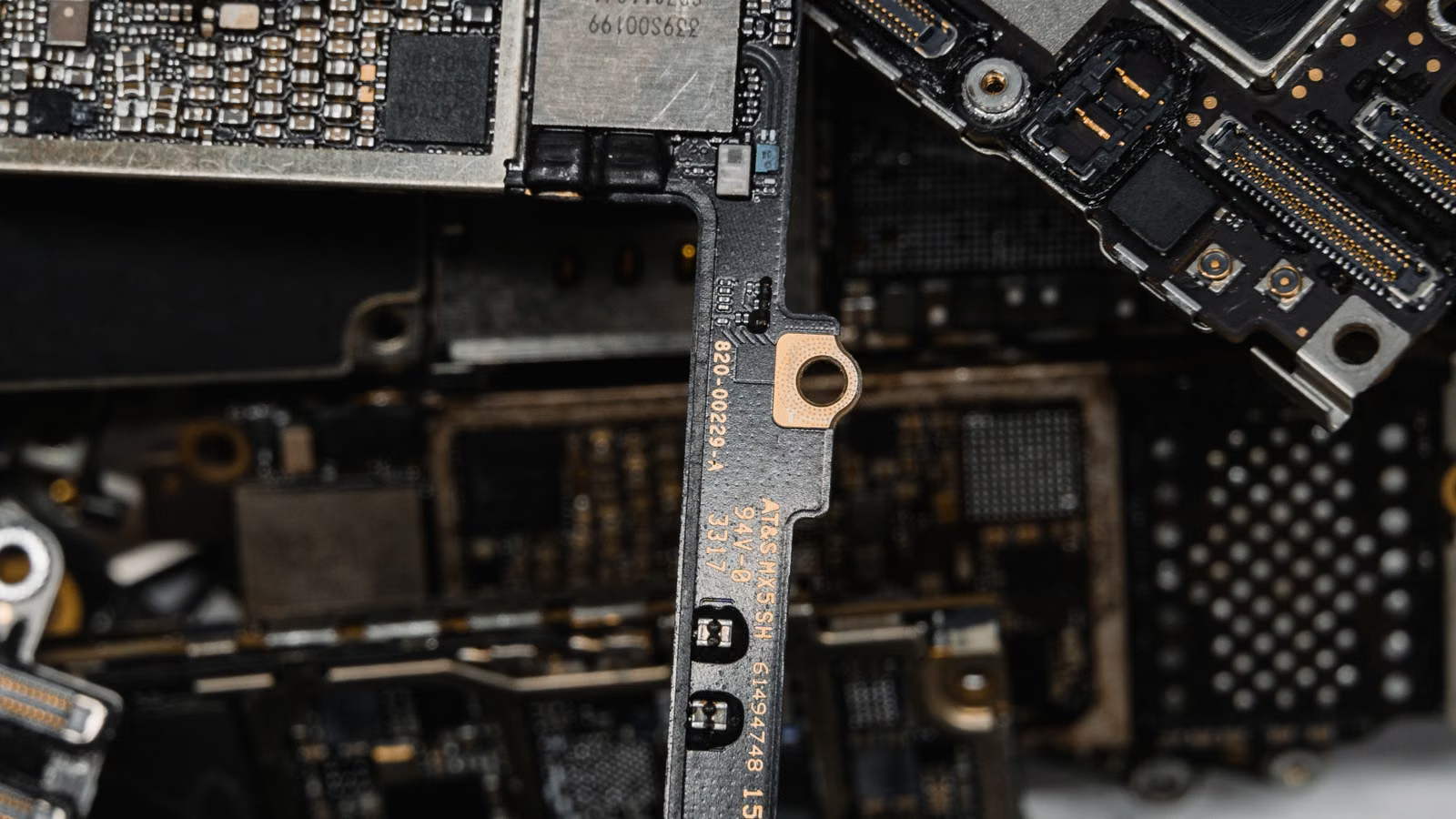
Shanghai Fudan 01385.HK’s non-volatile memory business should not be analyzed in the same way as commodity memory leaders such as Samsung, Micron, or SK Hynix. It is closer to niche embedded memory, with core products including EEPROM, NOR Flash, SLC NAND, and high-reliability memory. When you assess this business, the key question is not whether it can ride a large-capacity NAND cycle. The more important question is whether automotive electronics, industrial and medical equipment, networking and security devices, and high-reliability applications can support stable revenue, product differentiation, and earnings quality.
Key Takeaways
- Shanghai Fudan’s non-volatile memory business is niche memory, not commodity DRAM or NAND.
- EEPROM, NOR Flash, and SLC NAND serve different capacity and application needs.
- High-reliability memory is the key area for judging differentiation and earnings quality.
- Automotive, industrial, medical, networking, and security markets value stable supply more than consumer electronics.
- Competition comes from global vendors, domestic substitutes, and pricing cycles.
- Judging 01385.HK also requires looking at FPGA, MCU, security ID chips, and R&D spending.
First Conclusion: What Role Does Shanghai Fudan’s Non-Volatile Memory Business Play in 01385.HK?
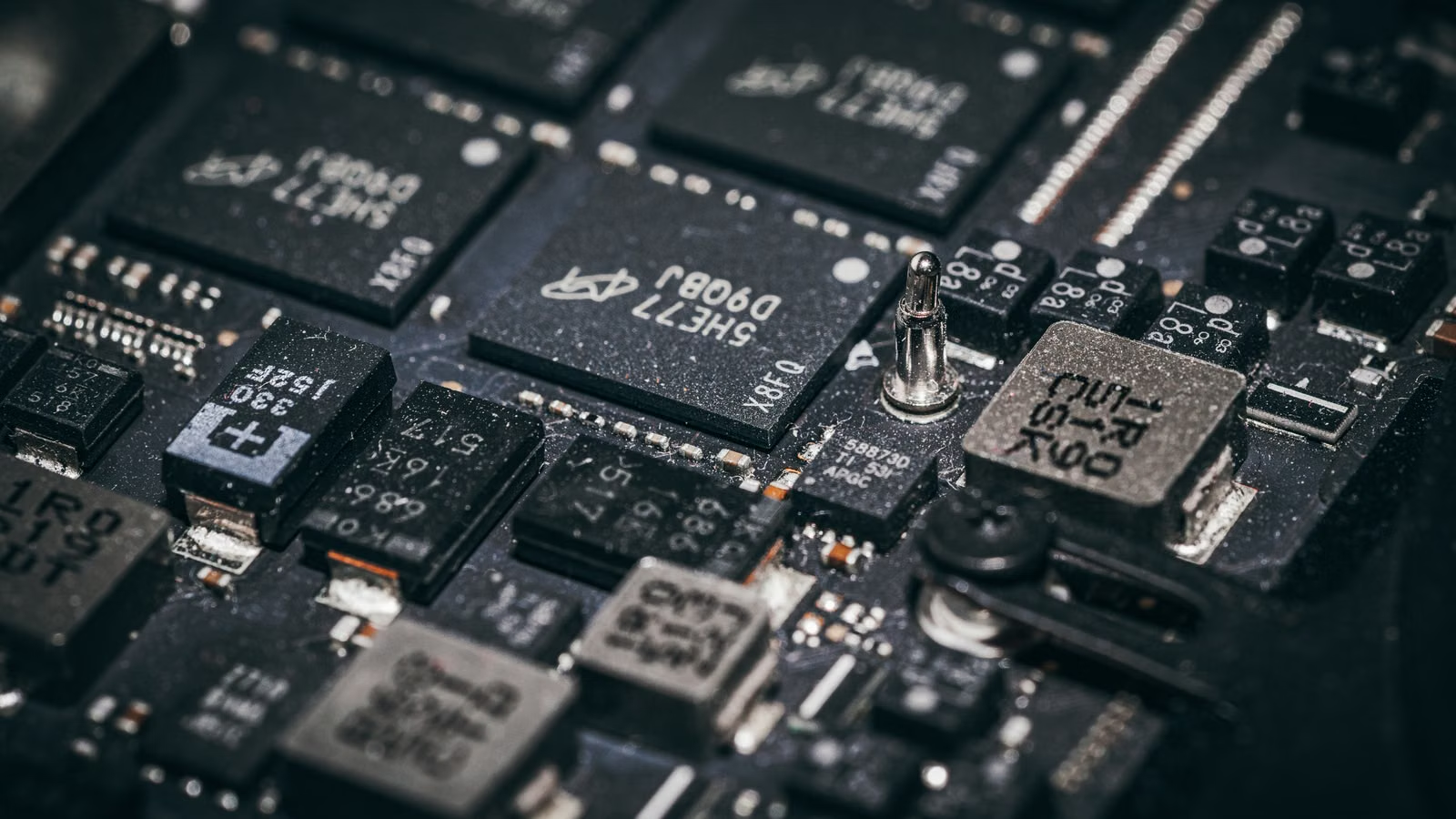
When you evaluate Shanghai Fudan’s non-volatile memory business, you should place it within the framework of embedded, industrial, automotive, and high-reliability storage chips. It should not be treated as a direct proxy for the global commodity memory cycle. It is an important revenue contributor within the company’s multi-product portfolio, but it is not the only valuation driver. The real question is whether this product line can maintain customer stickiness, reliability barriers, and gross margin stability in specific end markets.
Shanghai Fudan Microelectronics Group is listed in both Hong Kong and mainland China, with the Hong Kong ticker 01385.HK and the A-share listing under Fudan Microelectronics 688385.SH. The company is not a pure memory chip company. Its businesses cover FPGA and other products, security and identification chips, non-volatile memory, smart meter chips, and integrated circuit testing services. According to the company’s 2025 annual report, the non-volatile memory product line generated about RMB 1.042 billion in sales revenue in 2025, of which high-reliability memory contributed about RMB 681 million. This shows that the business carries meaningful weight within the company’s revenue and product structure.
From a business perspective, Shanghai Fudan’s non-volatile memory is not large-capacity DRAM, HBM, or 3D NAND for PCs, smartphones, and data centers. It is mainly embedded NVM such as EEPROM, NOR Flash, and SLC NAND. The company’s non-volatile memory product line covers EEPROM, SPI NOR Flash, and NAND Flash, with capacities ranging from Kbit to Gbit levels. Its target applications include industrial control, automotive electronics, smart meters, communications, security, and medical instruments.
This means you should not judge Shanghai Fudan simply by the phrase “memory prices are rising.” Commodity memory is driven by capacity cycles, contract pricing, bit shipments, and data center demand. Niche non-volatile memory is more dependent on customer design-ins, product lifecycle, reliability qualification, supply stability, and application stickiness. High-reliability memory and automotive-grade EEPROM often require longer validation cycles, but once they enter customer systems, replacement costs can also be higher.
| Dimension | Key Focus for Shanghai Fudan’s Non-Volatile Memory |
|---|---|
| Business nature | Niche non-volatile memory, not commodity DRAM/NAND |
| Product structure | EEPROM, NOR Flash, SLC NAND, high-reliability memory |
| Demand sources | Automotive electronics, industrial, networking, security, smart meters, medical instruments |
| Valuation impact | Revenue quality, gross margin stability, and domestic substitution narrative |
| Risk sources | Price competition, customer validation cycles, inventory, and supply-chain volatility |
From a financial background perspective, the company generated about RMB 3.982 billion in revenue in 2025, up 10.92% year over year. Net profit attributable to shareholders was about RMB 232 million, down 59.42% year over year, while R&D expenses accounted for about 26.88% of revenue. These figures from the 2025 annual report summary show that revenue growth and profit growth do not always move in the same direction. When you analyze the non-volatile memory business, you should look not only at revenue size, but also at product mix, expense intensity, impairment pressure, and the share of high-reliability products.
Summary: Shanghai Fudan’s non-volatile memory business is a key branch within the company’s multi-product matrix, but its value does not lie in replicating the highly volatile commodity memory cycle. Its value lies in niche applications, domestic substitution, high-reliability scenarios, and product consistency. To judge this business, first distinguish niche embedded memory from commodity memory. Then examine the customer structure of EEPROM, NOR Flash, SLC NAND, and high-reliability products. Finally, combine this with the company’s overall margins, R&D investment, inventory, and other product-line performance. This prevents you from oversimplifying 01385.HK as either a “memory price rebound beneficiary” or a generic “domestic semiconductor substitution stock.”
How Should You Understand the Product Structure? What Roles Do EEPROM, NOR Flash, and SLC NAND Play?
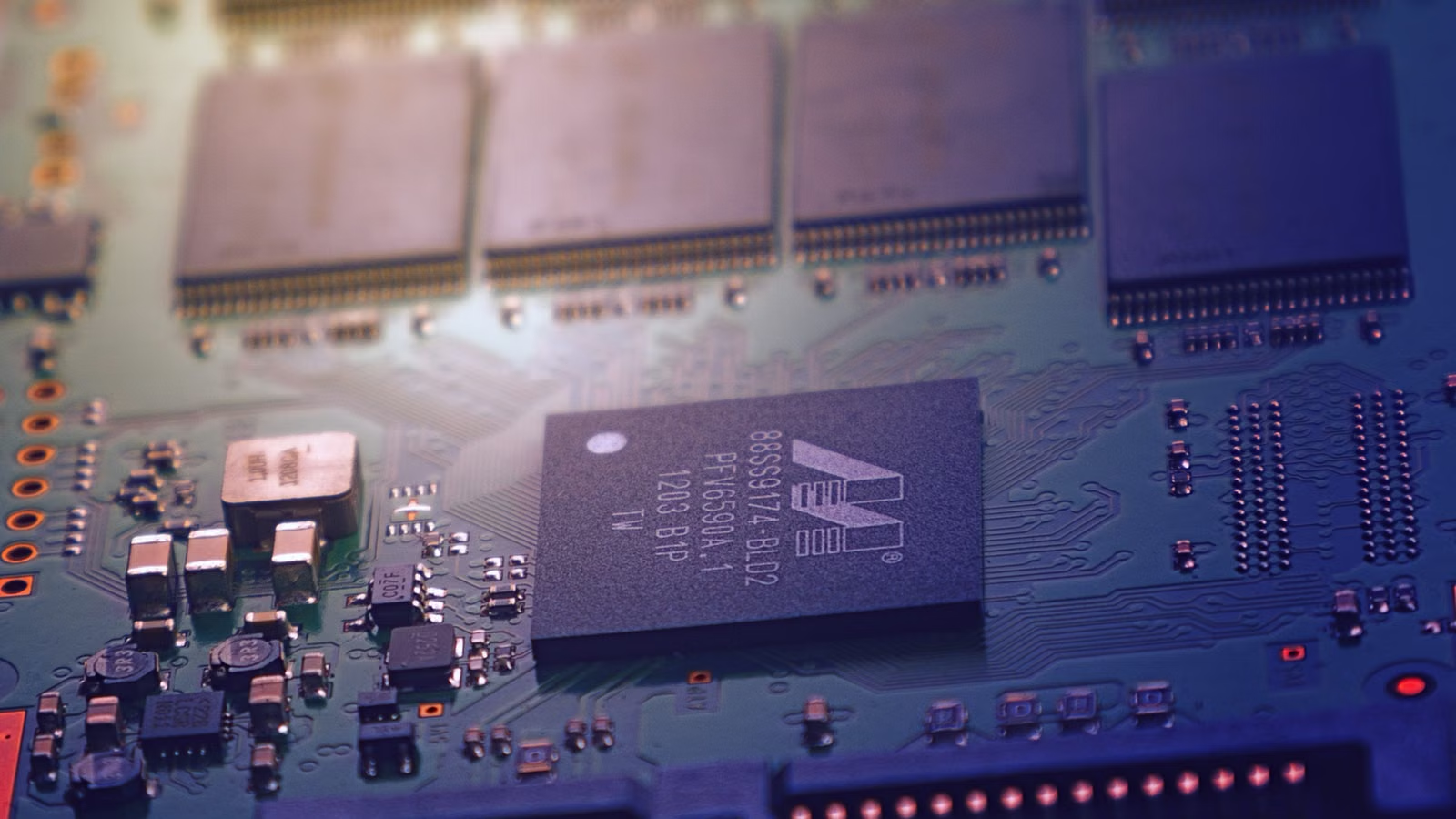
Shanghai Fudan’s non-volatile memory structure should be analyzed by capacity, interface, read/write method, reliability, and application scenario. EEPROM is responsible for storing small amounts of critical data. NOR Flash is better suited for code, boot programs, and firmware. SLC NAND is used for higher-capacity embedded reliable storage. These products do not simply replace one another. They occupy different storage layers inside terminal devices.
The value of EEPROM lies in storing small amounts of critical data after power loss. It is commonly used for configuration parameters, calibration data, identity information, operating status, and device settings. Shanghai Fudan discloses that its EEPROM products support I2C, I3C, SPI, and Micro Wire interfaces, with applications in smartphone modules, smart meters, communications, home appliances, displays, automotive electronics, medical instruments, and industrial meters. Global vendors are also active in similar markets. Microchip’s Serial EEPROM covers I2C, SPI, and Microwire interfaces, while onsemi’s EEPROM also targets embedded, industrial, and automotive applications.
Automotive-grade EEPROM is an important area for judging Shanghai Fudan’s future revenue quality. Automotive electronics require wider temperature ranges, data retention, write endurance, consistency, long-term supply, and quality systems. The company’s annual report discloses that its automotive-grade EEPROM has entered mass shipment and has been included in AVL lists of some automakers. You should note that entering an AVL does not mean immediate large-scale volume, but it does indicate that the product has entered the automaker and supply-chain validation system, which matters for long-term customer stickiness.
NOR Flash is mainly used for code storage and firmware storage. Compared with NAND, NOR Flash usually offers better random read capability, making it suitable for boot code, firmware, embedded operating code, network device configuration, and secure device code storage. Winbond’s QSPI NOR emphasizes single, dual, and quad I/O modes as well as small packages, making it suitable for code shadowing and direct code execution in embedded systems. This helps explain why NOR Flash continues to exist in industrial, networking, consumer electronics, and automotive applications.
Shanghai Fudan discloses that its NOR Flash supports SPI and general parallel interfaces. Its applications include network communications, IoT modules, computer peripherals, display screens, security monitoring, Ukey devices, automotive electronics, medical instruments, industrial meters, WiFi/Bluetooth modules, and high-reliability applications. In 2025, sales declined in some display, wafer-level co-packaging, and security monitoring areas, while expansion in industrial medical and PC markets was smoother. Some low-voltage new products also completed customer introduction. This structure shows that NOR Flash has both cyclical pressure and niche expansion opportunities.
SLC NAND sits between NOR and large-capacity mainstream NAND. It offers higher capacity than common EEPROM and NOR Flash while emphasizing reliability and endurance more than MLC or TLC NAND. Shanghai Fudan’s SLC NAND Flash products cover SPI interfaces, 1.8V and 3.3V operating voltages, and capacities from 0.5Gbit to 8Gbit. The company highlights data retention, write/erase endurance, embedded ECC, compact packages, and security features. This makes SLC NAND more suitable for networking, security, wearables, set-top boxes, automotive electronics, and medical instruments.
| Product Type | Typical Use | Key Applications | Indicators to Watch |
|---|---|---|---|
| EEPROM | Configuration, calibration, parameter storage | Smart meters, automotive electronics, smartphone modules, industrial control | Automotive qualification, AVL entry, customer stability |
| NOR Flash | Code, firmware, boot programs | Networking, displays, security, PCs, industrial and medical devices | Capacity upgrades, low-voltage products, pricing pressure |
| SLC NAND | Higher-capacity embedded reliable storage | Networking, security, wearables, set-top boxes, automotive | Mass application, reliability, customer structure |
| High-reliability memory | Specific high-reliability scenarios | High-reliability uses, industrial systems, critical equipment | Revenue share, project timing, gross margin |
You should also distinguish DDR5-related interface chips from traditional memory products. The company discloses that products such as SPD5 Hub and TS5 DDR5 memory interface chips are expected to be introduced gradually. These are extensions around memory module interfaces and management, and their business logic is not exactly the same as EEPROM, NOR, or SLC NAND. They may create new growth opportunities, but they also require R&D, customer validation, and product iteration.
Summary: EEPROM, NOR Flash, and SLC NAND are the three basic product lines of Shanghai Fudan’s non-volatile memory business, and they are not simple high-end versus low-end substitutes. EEPROM focuses on small capacity, low power, and critical parameter storage, with automotive design-in as a key direction. NOR Flash focuses on code storage, boot speed, and embedded compatibility, and is affected by networking, security, industrial, and consumer electronics cycles. SLC NAND balances capacity and reliability, making it suitable for higher-capacity embedded storage scenarios. When you evaluate the product structure, look at whether products have entered stable applications, whether customers continue to adopt them, and whether pricing pressure is manageable, rather than focusing only on product names.
How Should You View Application Scenarios? Which Matters More: Automotive, Industrial and Medical, Networking and Security, or High-Reliability?
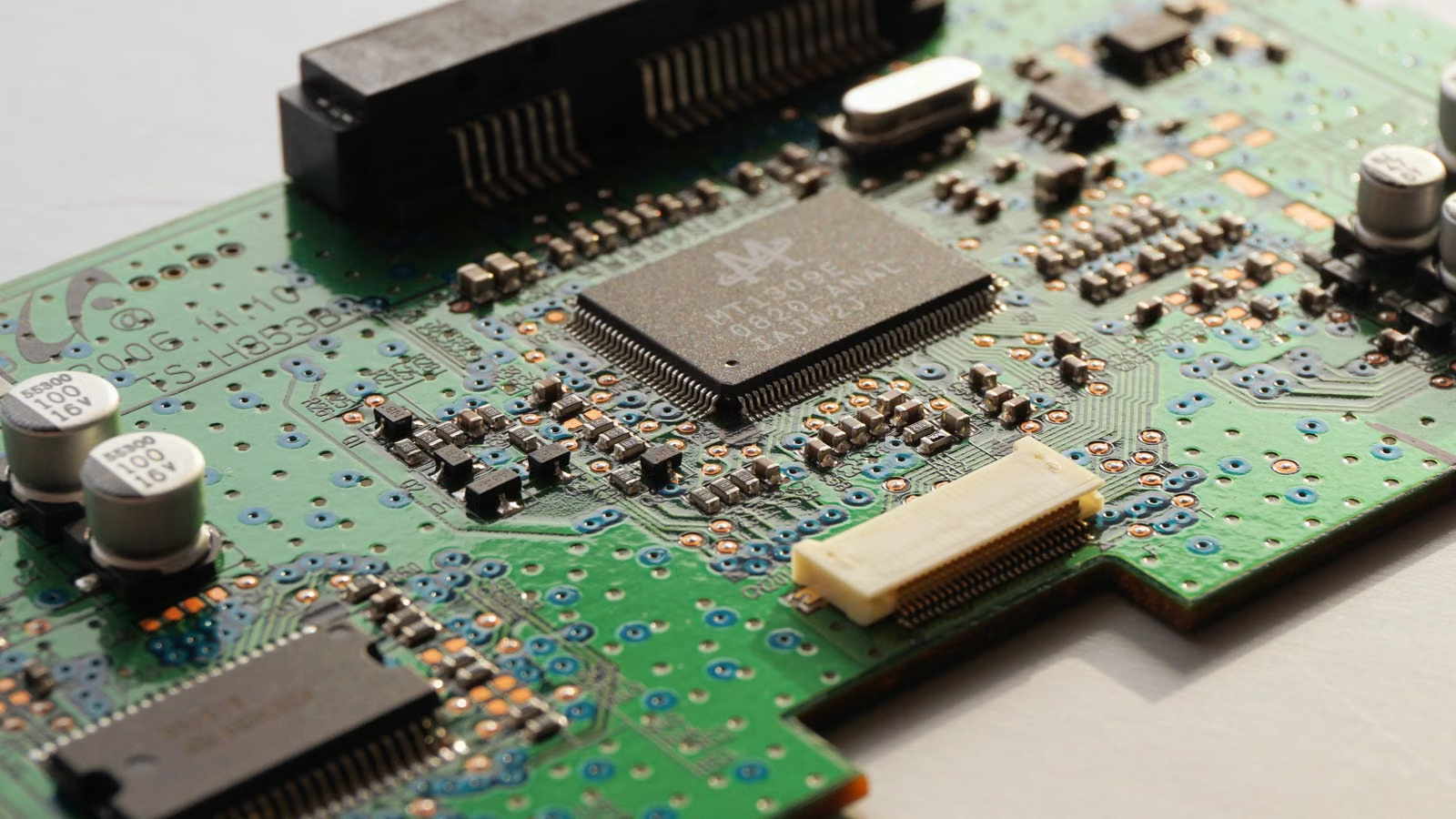
Shanghai Fudan’s non-volatile memory applications should be ranked by revenue quality, not simply shipment volume. Consumer electronics can bring scale, but pricing volatility is higher. Automotive electronics, industrial and medical equipment, networking and security devices, and high-reliability applications place more emphasis on reliability, lifecycle, and stable supply. For 01385.HK, the real issue is whether high-reliability and automotive-related scenarios can improve business resilience.
Automotive electronics are the area most likely to attract market attention. The reason is straightforward: automotive electronics require high reliability, wide temperature tolerance, long-term supply, consistency, and quality systems. The customer introduction cycle is long, but once a chip enters a vehicle platform or Tier 1 supply chain, replacement costs are also higher. ABLIC’s automotive serial EEPROMs emphasize high reliability, high performance, high quality, and stable supply, reflecting the core competitive dimensions of automotive EEPROM.
For Shanghai Fudan, automotive EEPROM is not just about “entering automotive electronics.” It may be used in body control, cockpit modules, sensor modules, dashboards, lighting control, air conditioning, battery management peripherals, and other module configuration data storage. You should watch three signals: whether the company passes more automotive qualifications, whether it enters more Tier 1 or automaker AVL lists, and whether small-batch validation turns into sustained volume shipments.
Industrial, medical, networking, and security applications represent another type of stable demand. Industrial equipment usually has long product lifecycles and does not frequently replace chip models. Customers value long-term supply, stability, and compatibility. Medical instruments also require reliability and consistency. Networking and security devices need firmware storage, boot programs, parameter storage, and embedded storage related to logs. NOR Flash and SLC NAND are well matched to these applications.
The company discloses that in 2025, NOR Flash made smooth progress in industrial medical and PC markets, while NAND Flash continued to expand in networking, security monitoring, and wearable fields, with major customers already using products in mass applications. This is worth noting because it shows that the company is trying to move non-volatile memory from more price-sensitive consumer scenarios toward segments that value reliability and stable supply.
High-reliability memory is the core observation point for business quality. In 2025, the company’s high-reliability memory sales revenue reached about RMB 681 million, accounting for a large portion of the non-volatile memory product line. High-reliability products are usually less price-sensitive, have higher customer validation barriers, and place more emphasis on product consistency, quality management, and long-term delivery. For Shanghai Fudan, high-reliability memory can strengthen differentiation, but it may still be affected by project timing, customer concentration, and procurement cycles.
| Application Scenario | Growth Logic | Main Advantage | Main Risk |
|---|---|---|---|
| Automotive electronics | Domestic substitution and automotive EEPROM introduction | High qualification barriers and strong customer stickiness | Long validation cycle and slow ramp-up |
| Industrial and medical | Long lifecycle and reliability demand | Relatively better supply stability and pricing resilience | High customer introduction cost |
| Networking and security | Firmware and embedded storage demand | Strong fit for NOR/SLC NAND | Industry cycles and inventory volatility |
| Consumer electronics | Module, display, and PC cycle recovery | Larger shipment scale | More visible price competition |
| High-reliability applications | Specific reliability and domestic substitution demand | Higher barriers and stronger differentiation | Project timing may fluctuate |
However, you should not assume that all non-consumer applications are high-growth. TrendForce’s analysis of MLC NAND Flash notes that demand from industrial control, automotive electronics, medical equipment, and networking devices is relatively stable, but long-term growth potential may be limited. This is also relevant to Shanghai Fudan: niche memory emphasizes stability and reliability, but that does not automatically mean sustained high-speed growth.
Summary: Application scenarios determine the revenue quality of Shanghai Fudan’s non-volatile memory business. Consumer electronics and display markets may contribute shipment volume, but they are more vulnerable to pricing, inventory, and demand cycles. Automotive, industrial, medical, networking and security, and high-reliability applications place more emphasis on stable supply, long product lifecycles, and product consistency. Their validation cycles are longer, but customer stickiness can also be stronger. When you assess this business, distinguish shipment growth from high-quality revenue growth. If the share of high-reliability, automotive, and industrial medical applications continues to rise, non-volatile memory will provide stronger support to 01385.HK’s valuation. If growth mainly comes from lower-priced consumer applications, earnings leverage may be limited.
How Should You View the Competitive Landscape? Where Are Shanghai Fudan’s Advantages and Boundaries?
Shanghai Fudan’s competitiveness in non-volatile memory comes from product breadth, high-reliability positioning, customer introduction capability, and local supply-chain opportunities. But it does have boundaries. Global vendors still have long-term advantages in EEPROM, NOR Flash, SLC NAND, and automotive and industrial customers. Domestic vendors are also expanding quickly through domestic substitution and price competition. Shanghai Fudan’s advantages must be verified through sustained orders, margins, and customer qualifications.
International competition remains strong. EEPROM competitors include STMicroelectronics, Microchip, onsemi, ABLIC, and others. NOR Flash competitors include Winbond, Macronix, Infineon/Cypress, and other players. SLC NAND and embedded NAND also involve suppliers such as Kioxia, Micron, and Winbond. Global vendors’ advantages are not limited to the products themselves. They also include long-term customer relationships, quality systems, global channels, and experience in automotive and industrial applications.
In NOR Flash, Winbond has emphasized its leadership, product portfolio, and manufacturing capability in the NOR Flash market. This example shows that Shanghai Fudan is not competing in an empty market. It is competing in a mature niche market that still has room for domestic substitution. To break through in such a market, price is not the only factor. Reliability, delivery, packaging, customer response, and qualification capability are just as important.
Domestic competition is also intensifying. Companies such as GigaDevice, Puya Semiconductor, Dosilicon, and Fudan’s other domestic peers are active in different memory categories. Domestic substitution creates local customer design-in opportunities, but it also brings price competition. In general-purpose consumer NOR Flash, low-capacity EEPROM, or standardized SLC NAND, customers can more easily compare price, lead time, and compatibility, creating pressure on gross margin.
Shanghai Fudan’s differentiation lies in three areas. First, it has a relatively broad product line covering EEPROM, NOR Flash, SLC NAND, as well as high-reliability memory and memory interface chips. Second, the company has built meaningful revenue scale in high-reliability memory, which helps it avoid being fully trapped in consumer-grade price competition. Third, the company discloses that some products have passed automotive-grade AEC-Q100 qualification, and it has quality control and mass production capabilities across multiple package types. These capabilities matter for automotive and industrial customers.
| Competitive Dimension | Shanghai Fudan’s Advantage | Boundary to Watch |
|---|---|---|
| Product breadth | EEPROM, NOR, and SLC NAND all covered | Large-capacity mainstream NAND is not the core direction |
| Reliability | High-reliability memory creates differentiation | Project timing may fluctuate |
| Domestic substitution | More local customer introduction opportunities | Domestic competition intensifies |
| Process iteration | Product capacities and process nodes continue updating | Mature process improvement space is limited |
| Customer qualification | Automotive and industrial validation is advancing | Volume ramp cannot be linearly extrapolated |
Technology boundaries also deserve attention. The company’s annual report notes that niche non-volatile memory is moving toward larger capacity, higher performance, lower power consumption, and higher reliability, but mature processes are approaching physical limits. In other words, traditional EEPROM, NOR Flash, and SLC NAND still have room for iteration, but in the long run they will also be affected by new non-volatile memory technologies, advanced packaging, system integration, and changes in terminal architectures. For investors, continued R&D spending is necessary, but whether that spending can turn into high-margin revenue still needs to be observed.
Summary: Shanghai Fudan’s competitiveness does not come from having the single largest-capacity product. It comes from product breadth, high-reliability positioning, quality consistency, and customer introduction capability. The company benefits from domestic substitution and local supply-chain security demand, as well as the emphasis that automotive, industrial, medical, and high-reliability customers place on stable supply. But niche memory is not a low-competition market. Global vendors have long-term customer and quality-system advantages, while domestic vendors are accelerating competition in price and delivery. When you judge Shanghai Fudan, consider both product differentiation and competitive boundaries, rather than looking only at the domestic substitution narrative.
What Is the Impact on 01385.HK’s Earnings and Valuation?
Shanghai Fudan’s non-volatile memory business can influence 01385.HK’s revenue quality and valuation narrative, but it cannot explain the stock price on its own. In 2025, this product line generated about RMB 1.042 billion in revenue, with high-reliability memory contributing about RMB 681 million. This is not a small business. However, the company’s valuation is also affected by FPGA, security and identification chips, smart meters, MCU-related products, testing services, R&D expenses, and overall profitability.
From a revenue structure perspective, non-volatile memory is an important segment. According to the company’s 2025 annual report, FPGA and other products generated about RMB 1.420 billion in revenue, security and identification chips generated about RMB 855 million, non-volatile memory generated about RMB 1.042 billion, and smart meter chips generated about RMB 518 million. This structure shows that Shanghai Fudan is neither a pure FPGA company nor a pure memory company. It is a multi-product semiconductor design company.
From a profit perspective, the quality of non-volatile memory matters more than scale. If the share of high-reliability memory, automotive EEPROM, industrial medical, and networking security applications rises, the product mix may become more stable. If growth mainly comes from price-sensitive consumer electronics or standardized products, higher revenue may not translate into strong earnings leverage. The company’s 2025 revenue increased while net profit declined, which means investors should pay attention to expenses, product pricing, inventory impairment, and R&D spending.
| Indicator | Why It Matters | Positive Signal | Risk Signal |
|---|---|---|---|
| Non-volatile memory revenue | Measures business scale | Growth in high-reliability and automotive products | Revenue decline or pricing pressure |
| High-reliability memory revenue | Measures differentiation | Higher share | Project timing fluctuation |
| Gross margin | Reflects product mix | Higher-end product share rises | Price competition compresses profit |
| R&D spending | Measures technical barriers | New products enter customers smoothly | Heavy spending with slow conversion |
| Inventory and impairment | Measures cycle pressure | Inventory turnover improves | Impairment pressure expands |
| Customer introduction | Indicates future ramp-up | More automotive and industrial customers | Qualification or production delays |
From a valuation perspective, the market may assign Shanghai Fudan multiple narratives: domestic semiconductor substitution, FPGA, automotive chips, high-reliability memory, and niche non-volatile memory. But the more narratives there are, the more important financial verification becomes. You should watch whether non-volatile memory can continue contributing cash flow, whether FPGA can maintain technology-driven growth, whether security ID and smart meter businesses remain stable, and whether R&D spending creates new product revenue.
When researching Hong Kong-listed semiconductor stocks, trading costs also affect the actual investment experience. If you follow Shanghai Fudan 01385.HK, Fudan Microelectronics 688385.SH, or related memory chip companies, you should look not only at valuation and industry cycles, but also at order types, commissions, platform fees, external institutional fees, and billing details. If services are available in your region under applicable rules, you can use Hong Kong and U.S. stock trading to follow related market opportunities. Biya charges $0 commission for U.S. stock trading, while platform fees, external institutional fees, and other charges are subject to the fee center and order page.
Summary: Non-volatile memory can strengthen Shanghai Fudan’s revenue base and domestic substitution logic, but it is not the only variable for judging 01385.HK. A more complete framework should consider FPGA growth, the share of high-reliability memory, automotive design-ins, gross margin, R&D spending, inventory impairment, and the performance of other business lines. For investors, the most important question is not simply whether non-volatile memory revenue grows, but whether that growth has earnings leverage, customer stickiness, and long-term sustainability. If high-reliability, automotive, and industrial medical products grow as a share of revenue while inventory and expense pressures ease, this business will provide clearer valuation support. Otherwise, revenue growth may be offset by price competition and spending pressure.
What Risks Should You Watch When Bullish on Shanghai Fudan’s Non-Volatile Memory Business?
When you are bullish on Shanghai Fudan’s non-volatile memory business, the biggest risks to watch are pricing cycles, customer validation, technology iteration, and supply chain uncertainty. Niche memory is more stable than commodity memory, but that does not mean it has no cycle. NOR Flash, EEPROM, and SLC NAND are still affected by downstream inventory, consumer electronics demand, domestic vendor competition, and foundry costs. High-reliability and automotive businesses also face uncertainty in volume ramp-up timing.
Market risk first comes from demand volatility. The company’s 2025 interim report disclosed that some product lines in the integrated circuit design segment grew, while revenue from the non-volatile memory product line declined. This shows that even niche memory can be affected by downstream industry cycles, pricing pressure, and customer procurement timing. Display, security, and consumer electronics markets are especially vulnerable to inventory cycles.
Price competition is the second key risk. The more domestic vendors enter the market, the greater the domestic substitution opportunity, but also the stronger the risk of homogeneous competition. General-purpose NOR Flash, low-capacity EEPROM, and standardized SLC NAND can easily fall into price comparison if they lack differentiation. If the product mix does not include enough high-reliability, automotive, or industrial medical products, gross margin may come under pressure.
Technology risk should not be ignored. Niche non-volatile memory is moving toward larger capacity, higher performance, lower power consumption, and higher reliability, but traditional mature processes are gradually approaching physical limits. End customers may demand higher bandwidth, lower power, smaller packages, and longer endurance. New non-volatile memory technologies, system-in-package designs, and controller integration may also reshape competition in some subsegments.
Operational risk is tied to the Fabless model. Shanghai Fudan uses the Fabless model common among IC design companies, relying on external partners for wafer manufacturing, packaging, and testing. This model helps reduce heavy asset pressure, but it also exposes the company to wafer capacity, packaging and testing costs, delivery cycles, supply-chain management, and international trade conditions. If foundry capacity tightens or packaging and testing prices rise, both cost and delivery may come under pressure.
| Risk Type | Trigger | Impact on Business | Signal for Investors |
|---|---|---|---|
| Price competition | Domestic capacity expands or demand weakens | Gross margin pressure | Product-line revenue and gross margin |
| Demand cycle | Consumer electronics, security, and networking fluctuate | Unstable orders | Customer inventory and shipment guidance |
| Automotive introduction | Slow ramp after AVL entry | Delayed expectation realization | Volume shipment and new customers |
| Technology substitution | New memory or advanced process matures | Product competitiveness declines | New product launches and process upgrades |
| Supply chain | Foundry, packaging, testing, or trade conditions change | Cost and delivery pressure | Inventory, receivables, lead time |
| Valuation volatility | Market overprices domestic substitution | Larger stock price swings | Valuation and profit matching |
You also need to watch customer concentration and project timing. High-reliability businesses usually have higher barriers, but orders may be affected by project cycles. Automotive businesses require long validation periods. Even after entering AVL lists, shipment growth still depends on vehicle platforms, Tier 1 schedules, and automaker procurement cycles. If the market prices in expectations too early, even a small delay in financial delivery can create valuation volatility.
Summary: Shanghai Fudan’s non-volatile memory business has logic around domestic substitution, high reliability, and automotive design-ins, but its risks are concentrated in pricing, cycles, customer validation, and supply chains. The more niche a business is, the more you need to look at order quality, customer stability, gross margin, and cash flow, instead of focusing only on industry concepts. If you are bullish on this business line, track revenue growth, high-reliability share, automotive customer ramp-up, inventory changes, R&D conversion, and competitors’ pricing strategies. Only when revenue growth, product mix improvement, and margin recovery appear together will non-volatile memory provide stronger support for 01385.HK’s valuation.
To judge Shanghai Fudan 01385.HK, it is better to place non-volatile memory inside the company’s broader product matrix rather than treating it as a pure memory-cycle stock. You can build a watchlist around non-volatile memory revenue, high-reliability memory share, automotive EEPROM design-ins, NOR Flash pricing, SLC NAND customer ramp-up, FPGA revenue, and R&D expense ratio. If you also follow Hong Kong-listed semiconductor names, U.S.-listed chip stocks, and the global memory supply chain, you can use U.S. stock information to track related companies and use Biya to manage a multi-asset watchlist. Biya is a global multi-asset trading wallet that supports U.S. stocks, Hong Kong stocks, and digital asset trading. Service availability depends on the user’s location, identity verification results, platform rules, and applicable laws and regulations. Any analysis of Shanghai Fudan, non-volatile memory, or Hong Kong-listed semiconductor stocks does not constitute investment advice. Before trading, you should consider your own risk tolerance, order types, fee structure, and local regulatory requirements.
FAQ
Is Shanghai Fudan’s non-volatile memory a commodity memory business?
Shanghai Fudan’s non-volatile memory is not a typical commodity memory business. It mainly covers EEPROM, NOR Flash, SLC NAND, and high-reliability memory, making it closer to niche embedded memory rather than DRAM, HBM, or large-capacity 3D NAND. The right analysis should focus more on customer design-ins, reliability, and specific applications.
What are the main application scenarios for Shanghai Fudan’s EEPROM business?
Shanghai Fudan’s EEPROM is mainly used in smart meters, smartphone modules, home appliances, communications, automotive electronics, medical instruments, and industrial meters. Its role is to retain configuration, calibration, identity, and operating parameters after power loss. Future tracking should focus on automotive EEPROM customer introduction and mass shipment progress.
What is the core risk for Shanghai Fudan’s NOR Flash business?
The core risk for Shanghai Fudan’s NOR Flash business is price competition and application-cycle volatility. Displays, security devices, and consumer electronics are more sensitive to demand and inventory cycles. If industrial medical, PC, automotive electronics, and high-reliability applications continue to expand, business resilience may improve; otherwise, gross margin could remain under pressure.
Why is Shanghai Fudan’s high-reliability memory important?
Shanghai Fudan’s high-reliability memory is important because it reflects product consistency, customer validation capability, and differentiated barriers. Compared with ordinary consumer memory, high-reliability applications usually value stability, long-term supply, and quality systems more. However, this business may still be affected by project cycles, customer concentration, and procurement timing.
How should retail investors track 01385.HK’s memory business?
Retail investors should track non-volatile memory revenue, the share of high-reliability memory, automotive EEPROM introduction, NOR Flash pricing trends, inventory impairment, gross margin, and R&D spending. The domestic substitution concept alone is not enough to judge investment value. Revenue growth must be verified through profit and cash flow conversion.
Which matters more for Shanghai Fudan’s valuation: non-volatile memory or FPGA?
Non-volatile memory and FPGA affect Shanghai Fudan’s valuation in different ways. FPGA is more linked to growth potential and technical barriers, while non-volatile memory is more tied to revenue base, high-reliability scenarios, and domestic substitution. When assessing 01385.HK’s valuation, you should evaluate the growth quality, profit contribution, and R&D conversion of both business lines.
*This article is provided for general information purposes and does not constitute legal, tax or other professional advice from BiyaPay or its subsidiaries and its affiliates, and it is not intended as a substitute for obtaining advice from a financial advisor or any other professional.
We make no representations, warranties or warranties, express or implied, as to the accuracy, completeness or timeliness of the contents of this publication.
Related Blogs of

How to Read NAND Contract Prices and Spot Prices? Why Enterprise SSDs and Consumer SSDs Do Not Move in Sync


Why Is Western Digital’s Gross Margin Changing? Nearline HDDs, Long-Term Pricing, and Cloud Customer Demand


HBM/DRAM, NAND, and HDD in AI Storage: A Comparison of Elasticity, Cycles, and Risks


How Does NAND Price Increase Affect SanDisk? Enterprise SSDs, Consumer Storage, and Margin Leverage
Choose Country or Region to Read Local Blog
 Australia
 Austria
 Belgium
 Canada
 Cyprus
 Czech Republic
 Denmark
 Estonia
 Finland
 France
 Germany
 Greece
 Hong Kong
 India
India Indonesia
 Ireland
 Italy
Italy Japan
Japan Latvia
 Lithuania
 Luxembourg
 Malaysia
 Malta
Malta Morocco
 Nepal
Nepal Netherlands
 New Zealand
 Norway
 Pakistan
 Philippines
 Poland
 Portugal
 Romania
 Singapore
 Slovakia
 Slovenia
 South Africa
 South Korea
 Spain
Spain Sweden
 Thailand
 The United States
 Turkey
 United Arab Emirates
 United Kingdom
 Vietnam
Contact Us




BIYA GLOBAL LLC is registered with the Financial Crimes Enforcement Network (FinCEN), an agency under the U.S. Department of the Treasury, as a Money Services Business (MSB), with registration number 31000218637349, and regulated by the Financial Crimes Enforcement Network (FinCEN).
BIYA GLOBAL LIMITED is a registered Financial Service Provider (FSP) in New Zealand, with registration number FSP1007221, and is also a registered member of the Financial Services Complaints Limited (FSCL), an independent dispute resolution scheme in New Zealand.