What Should You Do If a U.S. or Hong Kong Stock Deposit Fails? Account Name, Currency, Receiving Path, and Review Reasons





If your U.S. or Hong Kong stock deposit fails, do not immediately send another transfer or keep changing the deposit path. A more reliable process is to first confirm the fund status, then check the account name, currency, receiving path, and review reason. Many failed deposits do not mean the funds are lost. They may still be under bank clearing, broker review, unmatched due to missing reference information, or in the return process. You should keep the bank receipt, deposit notification, transaction reference, and receiving account details, while contacting both the sending bank and receiving broker. Only after identifying the failure reason can you decide whether to submit documents, wait for a refund, or deposit again through the correct path.
Key Takeaways
- Stop sending repeated transfers after a failed deposit; first confirm fund status and receipt details.
- Account name mismatch is one of the most common reasons for failed U.S. and Hong Kong stock deposits.
- Currency errors may cause delays, refunds, automatic FX conversion, or manual review.
- SWIFT, ACH, FPS, FAST, eDDA, and other deposit paths should not be mixed.
- Third-party payments, large deposits, and unclear sources of funds are more likely to trigger review.
- Failed deposits should be handled by contacting both the sending bank and receiving broker.
What Should You Check First After a U.S. or Hong Kong Stock Deposit Fails?
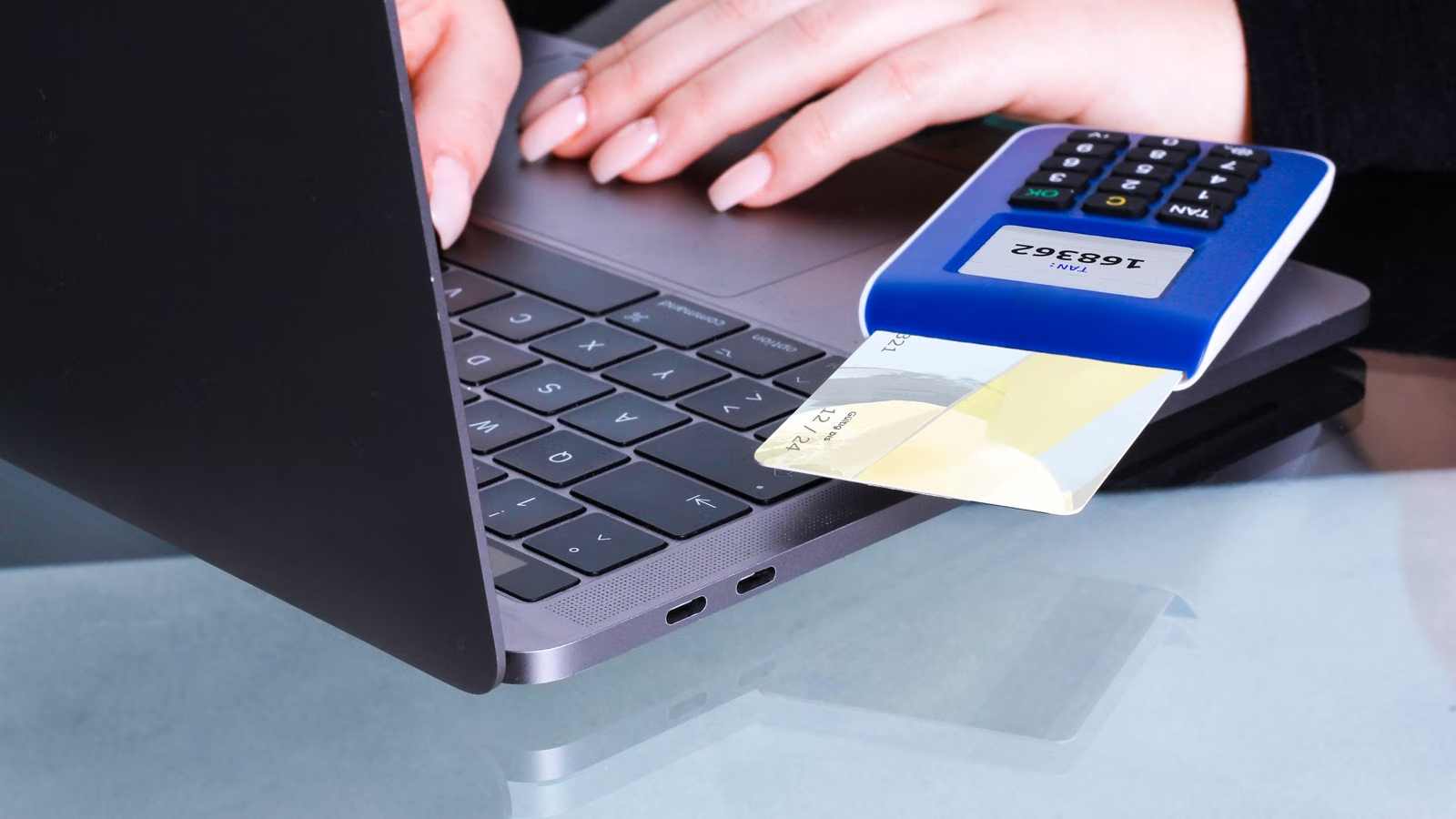
After a U.S. or Hong Kong stock deposit fails, the first step is not to send another transfer, but to confirm the current status of the funds. You need to determine whether the funds are still being processed by the bank, have already reached the broker but are pending review, cannot be matched due to incomplete information, or have already been returned to the original account. A successful bank debit does not mean the broker has credited the funds, and a broker showing “not received” does not necessarily mean the funds are lost. First save the remittance receipt, sending account, receiving account, currency, amount, reference number, and submission time, then determine whether the issue is with the bank, transfer channel, or broker review.
A failed deposit can occur at several stages: the sending bank has debited the account but cross-border clearing has not completed; the intermediary bank or receiving bank is still processing; the funds have reached the broker but cannot be automatically matched; the broker requires additional proof of payment; or the funds are returned due to an account name, currency, or path error. In its FPS deposit instructions, Futu also reminds users that a bank notification showing “sent” does not mean Futu has received the funds, as settlement and approval are still required after the funds arrive. The same logic applies to many U.S. and Hong Kong stock brokers.
| Deposit Status | Possible Reason | Who to Contact First | Documents to Prepare |
|---|---|---|---|
| Bank debited, broker not showing funds | Clearing in progress, intermediary bank processing, reference not passed through | Sending bank and broker | Bank receipt, transaction reference, receiving account |
| Broker shows pending review | Name, currency, source, or reference needs verification | Broker | Receipt, account proof, deposit notification |
| Deposit returned | Third-party deposit, wrong path, wrong currency | Broker and bank | Return notice, original remittance receipt |
| Amount mismatch | Intermediary bank fee, bank charge, automatic FX conversion | Sending bank | Fee details, received amount record |
| Unable to match funds | Missing reference number or broker account number | Broker | Payer name, amount, time, remarks |
Bank Showing “Sent” Does Not Mean the Broker Has Credited the Funds
A bank status showing “sent” usually only means the outgoing transfer has been completed. It does not mean the broker has finished receiving, clearing, identifying, and crediting the funds. Cross-border wire transfers may pass through intermediary banks, and local transfers may also require the broker’s system to match reference numbers. For SWIFT wires, cross-currency transfers, or e-wallet transfers in particular, whether the bank receipt clearly shows the payer name, amount, currency, and remarks can directly affect whether the broker can identify the deposit automatically.
Do Not Send Repeated Transfers Before the Cause Is Clear
Sending repeated transfers will make fund tracking more difficult. Multiple transfers may each be in different states: bank processing, broker review, or return. During follow-up communication, it becomes harder to determine which transfer corresponds to which receipt. If the first deposit failed because of account name, currency, or path errors, repeating the same transfer only magnifies the same problem. A safer approach is to pause new transfers until the broker or bank confirms the cause.
Build a Failed Deposit Checklist First
You can organize the failed deposit details into a checklist: sending bank, sending account, payer name, transfer currency, transfer amount, receiving bank, receiving account number, SWIFT/BIC or local transfer reference, reference number, fee-bearing method, receipt screenshot, and submission time. When submitting a support ticket to the broker, the more complete the information, the easier it is for staff to perform manual matching.
Summary: After a U.S. or Hong Kong stock deposit fails, the priority is to locate the fund status, not to send another transfer immediately. Bank debit, cross-border clearing, broker receipt, system matching, and compliance review are different stages. A problem at any stage may appear as “not received.” You should keep the receipt and deposit notification, verify payer name, currency, path, and reference number, then contact both the bank and broker. Only after confirming where the funds are stuck can you decide whether to submit documents, wait for a refund, or try again through the correct path.
Account Name Mismatch: Why Same-Name Deposits Are a Core Rule

Account name mismatch is one of the most common reasons for failed U.S. and Hong Kong stock deposits. Brokers usually require funds to come from a bank account under the same name as your brokerage account. Deposits from relatives, friends, company accounts, third-party payment accounts, mismatched pinyin order, or unsupported joint accounts may lead to pending review, rejection, or return. You should first check whether the payer name shown on the bank receipt, the brokerage account name, and the deposit notification account name are consistent before deciding whether to submit additional bank account proof.
The underlying reason for same-name deposits is that the broker needs to verify that the funds come from the account holder. Interactive Brokers states in its explanation of third-party deposits that third-party deposits are generally rejected because the financial industry and regulators consider them more likely to involve fraud and money laundering risk. Futu’s deposit instructions note that the paying bank account name must match the securities account name. Webull Hong Kong also clearly states that users should transfer from a bank account under the same name as the securities account and that it does not accept third-party transfers.
| Name Issue | Possible Result | Possible Supporting Documents | How to Avoid Next Time |
|---|---|---|---|
| Payment from a relative or friend’s account | May be treated as third-party deposit | Usually hard to resolve and may be returned | Use your own same-name bank account |
| Pinyin order mismatch | Manual review delay | Passport, ID, bank account proof | Use consistent English name format |
| Bank only shows initials | Payer cannot be verified | Bank account holder proof | Confirm receipt fields before transfer |
| Payment from company account | May not match a personal brokerage account | Company proof, authorization documents | Confirm whether broker supports it first |
| Payment from joint account | Depends on broker rules | Joint account proof | Check support conditions before deposit |
Why Third-Party Deposits Are Easily Rejected
Third-party deposits make it difficult for brokers to determine the true source of funds and beneficial owner. U.S. broker-dealers are required to establish and maintain a Customer Identification Program, and customer identity verification is part of anti-money laundering compliance. For brokers, the more inconsistent the payer, brokerage account holder, and final investor are, the higher the risk and the stricter the manual review.
What to Do If Pinyin, English Name, or Bank Receipt Name Does Not Match
If the issue is only pinyin order, English name format, or a missing middle name, you can first prepare your passport, ID, bank account proof, proof of address, and bank receipt, then explain the name relationship to the broker. For example, if the bank shows “ZHANG SAN” while the brokerage account shows “SAN ZHANG,” the broker may ask you to prove that both names refer to the same person. Whether the broker accepts the explanation depends on its rules, so you should not assume manual crediting is guaranteed.
Confirm Joint Accounts and Company Accounts in Advance
Joint accounts, company accounts, trust accounts, or family accounts are not the same as ordinary personal same-name accounts. Some brokers allow deposits from joint accounts that include your full name, while others do not accept them at all. Moomoo Singapore states that deposits should come from a personal bank account or a joint bank account containing your full name. Confirming the rule before making a deposit is safer than submitting documents afterward.
Summary: Same-name accounts are a foundational rule for U.S. and Hong Kong stock deposits. Brokers do not only check whether the funds arrived; they also verify whether the payer is the brokerage account holder. Third-party accounts, family or friend accounts, company accounts, name initials, pinyin order, and joint accounts can all lead to review or return. When a name issue occurs, submit truthful, complete, and consistent supporting documents first instead of repeatedly transferring through the same path. Before your next deposit, make sure the bank receipt clearly shows your name, account, and transaction reference.
Currency Error: USD, HKD, RMB, and Local-Currency Paths Should Not Be Mixed

Currency errors can cause U.S. and Hong Kong stock deposits to be delayed, returned, automatically converted, or unmatched. U.S. stock accounts usually use USD paths more often, while Hong Kong stock accounts commonly use HKD paths and may also support USD or offshore RMB. However, supporting a currency does not mean every receiving account can accept that currency. You should not only check whether the broker supports deposits. You must also confirm that the deposit currency, receiving bank, account number, transfer path, and broker deposit notification all match exactly.
Currency errors are common in cross-border remittances and multi-currency account transfers. For example, you may send USD into an HKD-only receiving account, send HKD into a USD wire path, or have your local bank automatically convert the currency so that the actual received currency differs from the broker’s deposit notification. Interactive Brokers reminds users that wire deposit instructions vary by currency. If funds are sent to a bank account not designated to receive that currency, the funds may be rejected or automatically converted into local currency according to the bank’s policy. Webull Hong Kong states that it currently supports HKD, RMB, and USD deposits, while still requiring the paying account to be under the same name as the securities account.
| Target Market | Common Deposit Currency | Common Path | Common Mistake |
|---|---|---|---|
| U.S. stocks | Mainly USD | SWIFT, ACH, bank transfer | Wrong USD receiving account or local-currency auto-conversion |
| Hong Kong stocks | Mainly HKD, sometimes USD or CNH | FPS, bank transfer, eDDA, SWIFT | Mixing HKD and USD paths |
| Singapore brokers | SGD, USD, HKD, etc. | FAST, PayNow, eDDA, TT | Mixing local transfer and wire details |
| Multi-currency account transfer | Depends on platform | Local transfer, SWIFT, payment-institution path | Receipt currency differs from actual received currency |
Why USD Path Issues Are Common in U.S. Stock Deposits
U.S. stocks are priced in USD, and many international brokers provide different receiving instructions for different currencies. Schwab International’s wire transfer instructions require users to find the corresponding transfer information based on the incoming currency. If you send non-USD funds into a USD-only path, or send USD into an account that does not support USD, you may face returns, automatic FX conversion, or manual review.
Why Hong Kong Stock Deposits Need to Distinguish HKD, USD, and RMB
Hong Kong stocks are usually traded in HKD, but some brokers also support USD or offshore RMB deposits. Futu’s Hong Kong bank-securities transfer instructions mention support for HKD, USD, and CNH, while also requiring the bank account name to match the securities account name. Multi-currency support does not mean you can choose any path freely. Each currency usually has a corresponding bank, account, and transfer method.
Automatic FX Conversion Does Not Mean Successful Crediting
Some banks or intermediary banks may automatically convert funds when the path does not match, but automatic conversion does not equal successful deposit crediting. After conversion, the received currency, amount, payment description, and reference number may all change, making it harder for the broker’s system to match the funds. You may also incur FX spreads, return fees, or intermediary bank charges. Checking live exchange rates before deposit can help you understand FX cost, but the final outcome should still be based on the bank and broker order pages.
Summary: A currency error is not a minor issue. It affects the receiving account, clearing path, received amount, and review result. U.S. stock deposits more commonly use USD paths, while Hong Kong stock deposits require distinguishing among HKD, USD, and offshore RMB. Local brokers may also support FAST, FPS, PayNow, eDDA, and other local paths. Before sending funds, you should check the currency, receiving account, bank name, reference number, and deposit notification line by line. As long as the currency and path do not match, delays, returns, automatic conversion, or manual review may occur.
Receiving Path Error: How to Check SWIFT, ACH, FPS, FAST, eDDA, and References
Receiving path errors often appear as bank debit completed but broker funds not credited, or funds returned by the intermediary or receiving bank. You should troubleshoot by transfer type: for international wires, check SWIFT/BIC, receiving bank, beneficiary, account number, and remarks; for U.S. local transfers, check ACH or wire instructions; for Hong Kong deposits, check FPS, eDDA, bank-securities transfer, or local transfer rules; for Singapore deposits, check FAST, PayNow, eDDA, or TT. Different paths should not be mixed, and international wire details should not be directly applied to local transfer systems.
International wires, U.S. local transfers, and Asian local fast payment systems use different identification methods. SWIFT/TT is commonly used for cross-border wires and may involve intermediary banks. ACH usually refers to a U.S. domestic banking transfer system. FPS is a common Hong Kong local fast payment system. FAST, PayNow, and eDDA are common in Singapore deposit scenarios. Webull Singapore lists deposit methods including eDDA, PayNow, FAST, TT, Wise, and Revolut, and Wise or Revolut transfers require payment proof showing the name and transaction reference number.
| Transfer Path | Use Case | Key Fields | Common Mistake | Handling Method |
|---|---|---|---|---|
| SWIFT/TT | Cross-border wire | SWIFT/BIC, receiving bank, account number, remarks | Intermediary bank, beneficiary, or remark error | Ask bank to trace and submit receipt |
| ACH | U.S. domestic transfer | Routing number, account number | Non-U.S. account mistakenly using ACH | Switch to broker-supported path |
| FPS | Hong Kong local deposit | FPS ID, beneficiary, remarks | Missing remark or account name mismatch | Submit receipt to broker |
| FAST/PayNow | Singapore local deposit | UEN, account number, reference number | Wrong information or incomplete screenshot | Submit payment proof |
| eDDA | Authorized direct debit | Same-name bank account authorization | Authorization failure or unsupported bank | Rebind or use another path |
Why SWIFT Wires Are Most Prone to Path Issues
SWIFT wires involve the most information, including receiving bank, bank address, SWIFT/BIC, beneficiary name, account number, brokerage account number, remarks, and fee-bearing method. Any wrong field may lead to delays, returns, or manual tracing. Cross-border wires may also pass through intermediary banks, so the fund status may not appear immediately on the broker side. If a wire transfer is not credited, ask the sending bank to provide tracing information.
Why Local Transfer Paths Cannot Use International Wire Details
Local systems such as FPS, FAST, ACH, PayNow, and eDDA have their own identification methods. SWIFT details should not be entered into a local transfer path, and local receiving accounts should not be used for international wires unless the broker explicitly supports it. Webull Singapore’s explanation of processing time states that PayNow, eDDA, and FAST usually reflect faster after verification, while TT deposits usually take longer, and additional verification may extend the process. Different paths have different crediting logic and review methods.
After Funds Are Credited, Also Check Trading and FX Costs
Funds being credited is only the first step. Later trading still requires cost review. U.S. stock trading costs usually do not only include commissions. They may also include platform fees, external institutional fees, trading activity fees, and fractional-share order fees. Biya charges USD 0 commission for U.S. stock trading, while platform fees, external institutional fees, and other charges should be checked through U.S. stock trading fees and the order page. Service availability depends on your location, identity verification result, platform rules, and applicable laws and regulations. Before trading, you should fully understand order types, fee structures, and risks.
Summary: To troubleshoot receiving path errors, start with the transfer method, then check the currency, receiving bank, receiving account, reference number, and receipt fields. SWIFT, ACH, FPS, FAST, PayNow, and eDDA use different identification methods and should not be mixed. Bank debit does not mean automatic broker crediting, especially when remarks, reference numbers, or payer names are missing. You should keep a complete receipt and contact the bank or broker according to the specific transfer path.
Review Reasons: Why Funds May Arrive but Still Not Be Credited Temporarily
Funds may have arrived at the broker but still not be credited immediately because the broker needs to complete identity, source-of-funds, third-party payment, abnormal transaction, and anti-money laundering checks. Large deposits, frequent bank account changes, third-party accounts, e-wallet transfers, missing references, name mismatches, or unclear sources of funds may all trigger manual review. In this situation, you need to provide genuine supporting materials instead of assuming the broker “did not receive the funds” or repeatedly sending new transfers.
Broker review is not simply a delay. U.S. broker-dealer customer identification rules require a written Customer Identification Program to identify and verify customer identity. The Hong Kong SFC’s anti-money laundering guidance also states that client accounts involving cash, third-party deposits, and payments should be subject to enhanced ongoing monitoring. For brokers, deposits are not only a financial operation but also a compliance check on identity, source of funds, and transaction purpose.
| Review Reason | Broker Concern | Documents to Submit | Not Recommended |
|---|---|---|---|
| Third-party payment | Whether the funds come from the account holder | Bank account proof, payment explanation | Keep using relatives’ or friends’ accounts |
| Large deposit | Whether the source of funds is reasonable | Salary, business, investment, or transfer proof | Split transactions to avoid review |
| E-wallet transfer | Whether receipt shows your name | Wise/Revolut statement, transaction reference | Use incomplete screenshots |
| Missing reference | Whether funds can be matched to the brokerage account | Receipt, brokerage account number, deposit notification | Repeat transfers with the same missing remark |
| Name mismatch | Whether it is the same account holder | ID, passport, bank proof | Edit or falsify receipts |
Broker Review Is Not Simply a Delay
Brokers must meet customer identification, anti-money laundering, source-of-funds, and risk monitoring requirements. The SFC’s warning on third-party deposits and payments notes that third-party deposits and payments may be used for misappropriation of client assets, money laundering, or other improper activities. The stricter the review, the more the broker needs to confirm that the funds truly come from you and match the account purpose.
Why E-Wallets and Third-Party Payment Providers Often Require More Documents
Transfers from Wise, Revolut, or other payment institutions do not necessarily fail, but they are more likely to require additional documents. The reason is that some payment proofs may not fully show your name, original bank account, transaction reference number, or source of funds. Webull Singapore allows Wise or Revolut transfers but requires payment proof showing the name and transaction reference number. If the receipt fields are incomplete, the broker may ask for more screenshots or account proof.
How to Write a Clear Source-of-Funds Explanation
A source-of-funds explanation should be truthful, concise, and verifiable. You can state whether the funds come from salary, savings, investment redemption, business income, or family transfer; list the sending account, transfer purpose, investment use, and relationship between the payer and brokerage account holder; and attach the bank receipt and account proof. Do not use wording designed to bypass review, and do not alter receipts. The more consistent the materials are, the easier manual review becomes.
Summary: Funds reaching the broker may still not be credited immediately, often not because of a technical issue but because compliance materials are insufficient or the system cannot automatically match the transfer. Third-party payments, e-wallet transfers, name mismatches, large deposits, missing remarks, and unclear sources of funds all increase the likelihood of review. The correct response is to submit truthful, complete, and consistent proof, not to keep testing different transfers. Whether the broker ultimately accepts the deposit depends on platform rules, local regulatory requirements, and review results.
What to Do After a Failed Deposit: Refund, Documents, New Path, and Prevention
After a deposit fails, follow this sequence: confirm status, save receipts, contact the broker, contact the bank, submit documents, wait for refund or manual crediting, and review the path. Do not initiate multiple transfers before the same issue is resolved. If the cause is confirmed as a path, currency, or name error, wait for the funds to be returned and then follow the broker’s latest deposit instructions. If the issue is only a missing remark or incomplete receipt, you can first try submitting documents for manual matching.
A standard handling process can be divided into seven steps. First, save the bank debit record, transfer receipt, and broker deposit notification. Second, check the deposit status in the broker’s app or web interface. Third, submit the receipt and issue description to the broker. Fourth, ask the sending bank whether the funds have cleared, whether they have been returned, or whether tracing is needed. Fifth, provide additional name, currency, source-of-funds, and payment proof as requested. Sixth, if the deposit is confirmed to have failed, wait for the original-route return or follow the broker’s instructions. Seventh, review the path and update the next deposit process.
| Failure Type | Can It Be Fixed? | Factors Affecting Timeline | Prevention Next Time |
|---|---|---|---|
| Name mismatch | Depends on whether broker accepts proof | Manual review, completeness of bank proof | Use a same-name bank account |
| Currency error | May be automatically converted or returned | Receiving bank rules, FX rate, fees | Choose the path strictly by currency |
| Path error | Usually requires bank tracing | Intermediary bank, receiving bank, holidays | Copy the latest deposit instructions |
| Missing reference | May be manually matched | Completeness of receipt information | Fill in broker account number and reference |
| Review triggered | Can submit documents | Source-of-funds and account proof | Keep complete fund-chain records |
Returned Funds May Not Come Back in the Same Amount
When funds are returned, intermediary bank fees, sending bank fees, receiving bank handling charges, exchange-rate changes, and return processing time may all be involved. For cross-currency wires especially, the original transfer amount and final returned amount may differ. You should ask the bank whether intermediary charges, return path, and estimated time can be traced instead of relying only on the broker-side status.
What Key Information Is Needed for Manual Crediting?
Manual crediting usually requires payer name, paying account number, currency, amount, transfer time, receiving account, reference number, and brokerage account number. If you used a multi-currency account or payment institution, you also need payment proof that shows your name and transaction reference. Screenshots should be complete and should not crop out the bank name, account suffix, transaction time, or transaction reference.
A Fixed Deposit Template Is Safer Than Re-entering Details Every Time
Once a deposit path has been verified, you can save the beneficiary template in your bank to reduce manual entry errors. However, templates are not permanent guarantees. Brokers may update receiving accounts, bank details, or reference requirements. Before each deposit, still check the latest instructions, especially the currency, receiving bank, reference number, and fee-bearing method.
Summary: Failed deposits should be handled through a clear process: find the cause first, then act. For name mismatches, submit account proof or wait for return. For currency errors, confirm whether automatic handling is possible. For path errors, request bank tracing. For missing references, try manual matching. For compliance reviews, submit truthful source-of-funds documents. Before your next deposit, create a deposit notification, copy the latest receiving details, transfer from a same-name account, make sure the currency and path match, and keep a complete receipt.
If you manage U.S. stocks, Hong Kong stocks, digital assets, and multi-currency cash at the same time, the most common problems are often not individual trades but deposit paths, currency conversion, bill records, and fee checks. You can use Biya to record cross-market fund flows, FX costs, trading bills, and multi-asset holdings. Before making cross-border transfers, you can also use SWIFT lookup to check bank identification information. Biya supports multi-asset trading scenarios including U.S. stocks, Hong Kong stocks, and digital assets, as well as cross-currency fund arrangements. Service availability depends on your location, identity verification result, platform rules, and applicable laws and regulations. Before depositing or trading, you should rely on the broker’s latest instructions, bank receipts, fee details, and order pages. You should not use third-party accounts or opaque paths to bypass review.
FAQ
Will Funds Be Lost If a U.S. Broker Deposit Fails?
A failed U.S. broker deposit usually does not mean the funds are immediately lost. The funds may still be under bank processing, broker review, intermediary bank handling, or original-route return. You should first save the bank receipt, transaction reference, and deposit notification, then contact both the sending bank and broker to check the status. Returned funds may involve fees or FX differences, depending on the bank and broker results.
What Should You Do If the Account Name Does Not Match for a Hong Kong Stock Deposit?
If the account name does not match for a Hong Kong stock deposit, you should stop making further transfers and submit bank account proof, identity proof, and the transfer receipt to the broker. If the broker does not accept third-party or mismatched-name deposits, you usually need to wait for the funds to be returned, then transfer again from a bank account under the same name as the brokerage account. Whether manual processing is possible depends on the broker’s review result.
What Happens If the Currency Is Wrong for a U.S. or Hong Kong Stock Deposit?
If the currency is wrong for a U.S. or Hong Kong stock deposit, the transfer may be delayed, returned, automatically converted, or manually reviewed. The outcome depends on the receiving bank, the broker’s supported currencies, and the actual receiving path. You should contact the broker as soon as possible to confirm whether manual crediting is possible and ask the bank to trace the fund status. If it cannot be handled, you usually need to wait for the funds to be returned and deposit again in the correct currency.
Are Wise or Revolut Transfers to Brokers More Likely to Fail?
Wise or Revolut transfers to brokers do not necessarily fail, but they are more likely to require additional payment proof. Some receipts may not fully show your name, original paying account, transaction reference number, or source of funds. Before using this path, confirm whether the broker accepts it and keep complete statements, transaction references, and payer information. Final crediting depends on the broker’s review.
How Long Does It Take for a Failed U.S. or Hong Kong Stock Deposit to Be Returned?
There is no fixed timeline for a failed U.S. or Hong Kong stock deposit to be returned. It depends on the sending bank, receiving bank, intermediary bank, currency, holidays, return reason, and broker review progress. Cross-border wires usually take longer than local transfers and may involve related fees. You should rely on bank tracing results and broker replies, and avoid sending repeated transfers before the status is clear.
*This article is provided for general information purposes and does not constitute legal, tax or other professional advice from BiyaPay or its subsidiaries and its affiliates, and it is not intended as a substitute for obtaining advice from a financial advisor or any other professional.
We make no representations, warranties or warranties, express or implied, as to the accuracy, completeness or timeliness of the contents of this publication.
Related Blogs of

What Is the Difference Between DRAM Contract Price and Spot Price? Which Indicator Should Investors Watch?


Why Does AI Compute Growth Drive Storage Demand? The Difference Between Training, Inference, and Data Retention


AI Storage Supply Chain Map: Chips, HDDs, SSDs, Packaging Equipment, and Enterprise Storage Systems


Is SMIC 0981.HK a Memory Chip Stock? The Relationship Between Foundry Manufacturing and the Memory Supply Chain

Choose Country or Region to Read Local Blog
 Australia
 Austria
 Belgium
 Canada
 Cyprus
 Czech Republic
 Denmark
 Estonia
 Finland
 France
 Germany
 Greece
 Hong Kong
 India
India Indonesia
 Ireland
 Italy
Italy Japan
Japan Latvia
 Lithuania
 Luxembourg
 Malaysia
 Malta
Malta Morocco
 Nepal
Nepal Netherlands
 New Zealand
 Norway
 Pakistan
 Philippines
 Poland
 Portugal
 Romania
 Singapore
 Slovakia
 Slovenia
 South Africa
 South Korea
 Spain
Spain Sweden
 Thailand
 The United States
 Turkey
 United Arab Emirates
 United Kingdom
 Vietnam
Contact Us




BIYA GLOBAL LLC is registered with the Financial Crimes Enforcement Network (FinCEN), an agency under the U.S. Department of the Treasury, as a Money Services Business (MSB), with registration number 31000218637349, and regulated by the Financial Crimes Enforcement Network (FinCEN).
BIYA GLOBAL LIMITED is a registered Financial Service Provider (FSP) in New Zealand, with registration number FSP1007221, and is also a registered member of the Financial Services Complaints Limited (FSCL), an independent dispute resolution scheme in New Zealand.