
What Should You Do First for Overseas Asset Allocation? A Guide to Accounts, Currencies, Cash, and Investment Order




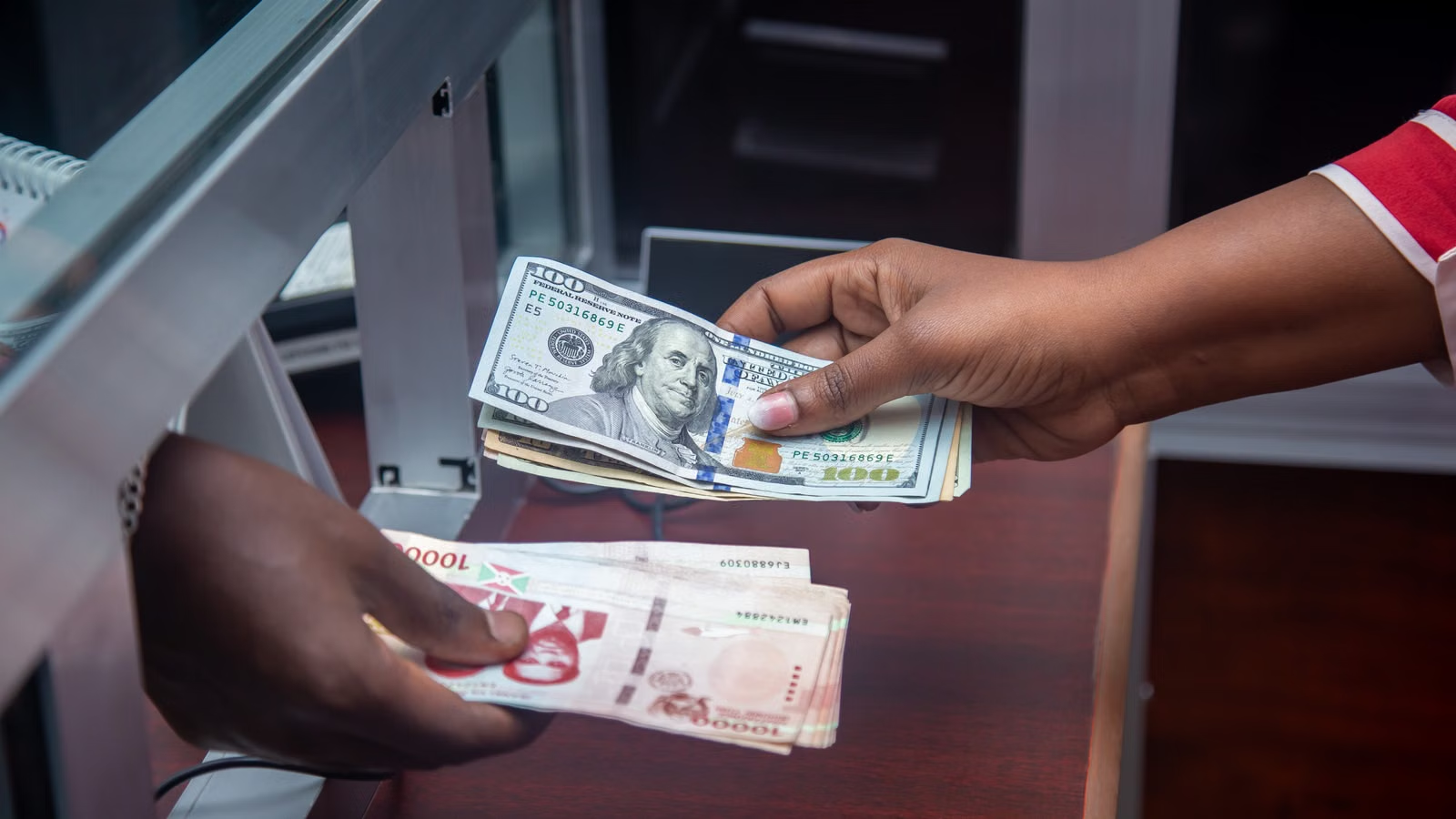
The first step in overseas asset allocation is not buying U.S. stocks, Hong Kong stocks, or ETFs right away. A more practical sequence is to clarify your goals and risk tolerance, set up bank accounts, FX conversion paths, and brokerage accounts, decide your base currency and foreign-currency cash ratio, and then choose investment products. Without proper account preparation, you may get stuck at deposits, withdrawals, or identity checks. Without enough cash reserves, you may be forced to sell assets during market volatility. Without a clear currency plan, you may pay unnecessary FX costs. For beginners, the more reliable starting framework is: accounts, currencies, cash, investments, and records.
Key Takeaways
- Start by reviewing your goals, time horizon, cash flow, and maximum tolerable drawdown.
- Prepare bank and FX paths before opening brokerage accounts or choosing products.
- Currency allocation should separate living currency, investment currency, and reserve cash.
- Cash reserves should come before long-term investing to avoid forced selling.
- Investment should start with broad, diversified, low-complexity products.
- Tax residency, account protection, and fee records should be established early.
First Step in Overseas Asset Allocation: Review Your Goals, Cash Flow, and Risk Tolerance

The first step in overseas asset allocation is not opening an account or buying a specific ETF. It is to clarify why you want to allocate assets overseas, how long the money can stay invested, and how much volatility you can tolerate. Only after you define your goals, time horizon, cash flow, and risk tolerance can you properly decide which accounts to use, how to arrange currencies, how much cash to keep, and which investment products to choose. Money needed in the short term should not be placed directly into high-volatility assets. Money that will not be used for a long time is more suitable for a complete overseas investment portfolio.
From an investment perspective, asset allocation means dividing funds among different categories such as stocks, bonds, and cash. The right allocation depends on the investor’s time horizon, goals, and risk tolerance. FINRA’s explanation of asset classes also emphasizes that stocks, bonds, cash, and cash equivalents serve different roles. A single product cannot solve every financial objective.
First answer these three questions:
| Review Dimension | Question to Answer | Impact on Allocation |
|---|---|---|
| Fund objective | Is the goal preservation, investing, education, retirement, or overseas spending? | Determines asset duration and risk level |
| Investment horizon | Is the time frame within 1 year, 1–3 years, 3–5 years, or more than 5 years? | Determines the ratio of cash, bonds, and stocks |
| Risk tolerance | Can you tolerate a 10%, 20%, or larger account decline? | Determines whether stocks, thematic ETFs, or individual stocks are suitable |
| Cash flow | Is your income stable, and are there major expenses ahead? | Determines emergency cash and investment pace |
| Fund nature | Is the money long-term unused, and is the source explainable? | Determines whether it is suitable for overseas investment and account review |
First Clarify the Goal of Overseas Asset Allocation
If your goal is study abroad, immigration, overseas travel, or global spending, you should prioritize foreign-currency cash and payment paths. If your goal is long-term investing, the focus should be global asset allocation, broad-market ETFs, bond funds, and rebalancing. If your goal is to diversify away from a single market, you need to consider the proportions of USD assets, HKD assets, global stocks, and bonds. Different goals lead to different account and product sequences.
Then Assess Your Maximum Tolerable Volatility
Overseas assets are not automatically low-risk assets. USD cash, money market funds, short-term bond funds, bond ETFs, equity ETFs, sector ETFs, and individual stocks can have very different volatility levels. FINRA’s explanation of investment risk notes that investment risk cannot be eliminated completely, but asset allocation and diversification can help manage risk. You need to first determine whether you can tolerate short-term losses before deciding whether to buy high-volatility assets.
Finally Decide Whether the Funds Are Suitable for Overseas Investment
Money that will soon be used for living expenses, rent, tuition, healthcare, or short-term debt should not go directly into stocks or high-volatility ETFs. Overseas investing also involves trading time zones, deposit and withdrawal time, exchange-rate movements, and account reviews. If the money will be needed within the next few months, the priority should be cash safety and liquidity, not returns.
Summary: The starting point of overseas asset allocation is a four-part review: goals, time horizon, risk tolerance, and fund nature. You need to clarify why you are allocating assets overseas, how long the money can stay invested, how much decline you can tolerate, and whether the money may be needed at any time. Only after these questions are clear can you decide whether to prepare a bank account or brokerage account first, how much local and foreign-currency cash to keep, and whether to start with broad-market ETFs or bond products. Skipping this review and jumping directly into account opening or hot themes can easily lead to mismatched fund horizons, higher FX costs, and investment risks beyond your tolerance.
Account Preparation Order: Bank and FX Paths First, Brokerage Accounts and Investment Tools Later
The correct order for account preparation is to first solve where the money comes from, how it will be converted, how it will be deposited, and how it can be withdrawn. Only after that should you decide what to buy. In general, you should first prepare a local bank account, then a foreign-currency or multi-currency account, and only afterward open a brokerage account or multi-asset trading account. When the account path is clear, future investing is less likely to be blocked by failed deposits, name mismatches, source-of-funds reviews, or withdrawal issues.
Many beginners first ask, “Which U.S. stock ETF should I buy?” But in practice, the first problems often come from account setup. Is the money coming from a bank account under your own name? How will USD or HKD be converted? Does the brokerage accept this deposit path? Can withdrawals return to an account under the same name? If these questions are not solved, even the best product cannot be executed smoothly. FINRA’s definition of a brokerage account is clear: it is mainly used to buy and sell investment products such as stocks, bonds, funds, and ETFs, not as an ordinary bank account.
| Account Type | Main Use | Setup Order | Common Risk |
|---|---|---|---|
| Local bank account | Salary, savings, source of funds | First layer | Unclear source of funds or payment purpose |
| Foreign-currency or multi-currency account | FX conversion, USD or HKD movement | Second layer | FX costs, regional feature limitations |
| Brokerage account | U.S. stocks, Hong Kong stocks, ETFs, bond funds | Third layer | Failed deposits, trading fees, investment losses |
| Recordkeeping tool | FX rates, bills, trades, tax records | Set up in parallel | Unable to explain fund flows later |
Why You Should Not Buy Products First and Fix Accounts Later
Buying products first and fixing accounts later can easily create execution problems. For example, you may have already decided to buy a U.S. ETF, only to find that your bank cannot easily send USD. You may plan to buy Hong Kong stocks but have not prepared an HKD movement path. You may want to transfer money back locally, only to find that the receiving bank account name does not match the brokerage account. Account preparation is not a formality. It is the foundation that determines whether overseas asset allocation can be executed over the long term.
A Brokerage Account Is Not an Overseas Bank Account
Cash in a brokerage account mainly supports investment trading and should not be treated as an overseas living-expense account. U.S. bank deposit protection and brokerage account protection are also different. The FDIC provides a standard insurance limit of USD 250,000 per depositor, per insured bank, for each account ownership category for eligible bank deposits. SIPC protection, by contrast, mainly applies to the return of customer securities and related cash when a broker fails. It does not protect against market price declines in investment assets.
Prepare Account Documents in Advance
Before opening accounts, you should prepare identity documents, proof of address, tax residency information, bank statements, source-of-funds explanations, and risk assessment materials. Requirements vary by platform and region, but the common principle is that account names, source of funds, tax information, and deposit paths should be as consistent as possible. The earlier you organize these documents, the less passive you will be during future reviews.
Summary: The account order for overseas asset allocation should be: first connect banking and FX paths, then move into brokerage accounts and investment products. Bank accounts solve source of funds and large transfers. Multi-currency accounts solve foreign-currency movement. Brokerage accounts solve investment trading. Recordkeeping tools support long-term management. You should not treat a brokerage account as an overseas bank account, nor should you leave FX planning until the end. The clearer your account setup is, the smoother your fund movements, fee checks, and compliance explanations will be.
Currency Allocation Order: Decide Your Base Currency First, Then Allocate USD, HKD, and Local Currency
The first step in currency allocation is to decide your base currency, meaning the currency in which your future income, spending, and long-term life needs are mainly denominated. Overseas asset allocation does not mean converting all your money into USD. Instead, you need to distinguish among your living currency, investment currency, reserve-cash currency, and payment currency. The proportions of USD, HKD, local currency, or other currencies should be determined by your spending scenarios, investment assets, and fund horizon.
If your income and daily spending are mainly local, your local currency remains the base cash currency. If you want to buy U.S. stocks, USD bonds, or global ETFs, USD is usually the main investment currency. If you plan to trade Hong Kong stocks or use a Hong Kong account for fund movement, HKD will be more common. If you have future study abroad, immigration, or long-term overseas living needs, you should also prepare the currency of the target country or region. Vanguard’s discussion of international stocks and international bonds highlights that international assets can provide global diversification, but the exact allocation should still depend on your goals and risk tolerance.
| Currency | Suitable Use | Main Risk | Question Before Conversion |
|---|---|---|---|
| Local currency | Living expenses, emergency funds, local spending | Local purchasing power and FX movement | Will you need it within the next 6–12 months? |
| USD | U.S. stock ETFs, USD cash, global assets | FX volatility, opportunity cost | Is it for long-term investing or USD spending? |
| HKD | Hong Kong stock trading, Hong Kong account movement | Related to account and market rules | Do you need Hong Kong stocks or HKD payment scenarios? |
| Other currencies | Study abroad, travel, immigration living costs | Liquidity and FX cost | Is the spending location clear? |
USD Cash Does Not Mean Overseas Asset Allocation Is Complete
Many people treat “converting to USD” as the first step in overseas asset allocation, but USD is only a currency, not a complete portfolio. Holding only USD cash for the long term may reduce volatility, but it can also create opportunity cost and purchasing-power risk. True overseas asset allocation requires a proportional arrangement among cash, bonds, stocks, ETFs, and other assets.
When Is HKD More Suitable for Cross-Border Scenarios?
HKD is commonly used for Hong Kong stock trading, Hong Kong bank account movement, and certain cross-border fund arrangements. Because the Hong Kong dollar operates under a linked exchange rate system with the U.S. dollar, many investors treat HKD as a movement currency alongside USD assets. However, HKD is not a universal substitute. Whether to hold HKD depends on whether you need Hong Kong stock trading, Hong Kong account deposits and withdrawals, or HKD spending scenarios.
Clarify Fund Use Before Converting Currency
The most important question before currency conversion is not “Is the exchange rate good now?” but when the money will be used, where it will be used, and whether it will be invested. If the money is needed soon, frequent FX conversion may increase costs. If it is long-term investment capital, you should focus on the currency denomination of the investment asset, asset volatility, and FX risk. You can use live exchange rates to observe currency movements, then compare them with actual received amounts to judge FX costs.
Summary: Currency allocation does not mean converting all funds into USD, nor does it mean simply holding local currency. A more reasonable sequence is to first decide your base currency, then allocate USD, HKD, and other currencies according to spending, investing, and reserve-cash needs. Living expenses and short-term spending should be kept mainly in local currency or the spending currency. Long-term investment capital can be allocated to USD or other foreign currencies based on the currency denomination of the assets. Currency choice should serve fund use, not simply express a view on exchange rates.
Cash Reserve Order: Keep Emergency Funds First, Then Consider Bonds, ETFs, and Stocks
Before overseas asset allocation, you should first keep enough cash reserves before moving into investment products. The purpose of cash reserves is not to pursue high returns, but to prevent you from being forced to sell overseas assets when markets fall, exchange rates move against you, income is interrupted, or unexpected expenses arise. In general, prepare local-currency living cash first, then necessary foreign-currency reserve cash, and only afterward consider bonds, ETFs, stocks, and thematic assets.
Emergency funds are the safety cushion of asset allocation. Vanguard suggests that investors gradually build an emergency fund covering 3 to 6 months of living expenses to deal with situations such as income disruption. For overseas asset allocation, this principle is even more important because overseas assets may also be affected by trading hours, withdrawal cycles, and exchange-rate movements. You cannot rely on the market being at a favorable selling price exactly when you need cash.
| Fund Layer | Suggested Use | Suitable Tool | Unsuitable Practice |
|---|---|---|---|
| Local-currency emergency funds | Rent, living expenses, healthcare, family expenses | Local bank deposits, cash-like tools | Converting everything into foreign currency or buying stocks |
| Foreign-currency reserve cash | Overseas bills, travel, tuition, investment deposit buffer | USD, HKD, or target spending currency | Frequently trading FX movements |
| Investment waiting funds | Phased investing, rebalancing, opportunity funds | Cash management or low-volatility tools | Leaving idle without a plan for a long time |
| Long-term investment funds | Stocks, ETFs, bond funds | Diversified portfolio | Using short-term money for long-term risk |
Why Emergency Funds Should Come Before Overseas Investing
Without cash reserves, any unexpected expense can disrupt your investment plan. Withdrawals from overseas assets may not arrive immediately, and markets may experience sharp short-term moves. Without local-currency emergency funds, you may be forced to convert foreign currency back at an unfavorable rate or sell stocks during a decline. This kind of forced transaction often harms long-term allocation more than normal market volatility.
How Much Foreign-Currency Cash Should You Keep?
Foreign-currency cash does not need a fixed percentage. It should be determined by real needs. If you have study abroad, travel, overseas subscriptions, USD bills, or U.S. stock deposit plans, you can keep some USD, HKD, or target currency. If you do not have clear foreign-currency spending and only want to invest overseas, foreign-currency cash mainly serves as a buffer for deposits and phased buying. The amount should depend on future spending, income stability, and your trading plan.
How to Avoid Letting Investment Waiting Funds Sit Idle
Investment waiting funds can be used for phased buying and rebalancing, but they should not sit idle for a long time without a plan. You can set buying rules, such as monthly investing, target-percentage contributions, or adjustments when stock and bond ratios deviate from plan. Cash management can improve fund efficiency, but low-volatility tools should not be understood as risk-free returns. You still need to check fees, liquidity, and product rules.
Summary: Cash reserves are the bottom-layer protection of overseas asset allocation. You should first prepare local-currency emergency funds, then prepare foreign-currency cash according to overseas spending and investment plans, and only afterward move into investment products such as bonds, ETFs, and stocks. The cash layer may not offer high returns, but it helps you avoid selling overseas assets at the wrong time. Without a cash layer, an investment portfolio can be forced to change its long-term plan when income is interrupted, markets decline, or exchange rates move sharply.
Investment Order: Start with Low-Complexity, Diversified Products, Then Consider Themes and Individual Stocks
The overseas investment sequence should start with diversified, low-complexity products that are easy to track over the long term, such as broad-market ETFs, bond ETFs, or cash management tools. Then you can gradually consider sector ETFs, thematic assets, individual stocks, and digital assets. Beginners should not place most of their money into high-volatility stocks, leveraged products, or a single popular theme from the start. Building a core portfolio first and then adding satellite positions is usually more suitable for long-term execution.
The first step in building an investment portfolio is to decide the ratio of stocks, bonds, and cash. The second step is to decide the market scope, such as global, U.S., Hong Kong, developed markets, or emerging markets. Only in the third step should you choose specific funds, ETFs, or individual stocks. Vanguard’s explanation of diversification emphasizes that diversification can cover asset classes, industries, and regions, helping reduce the impact of any single risk on the portfolio.
| Investment Stage | Suitable Product | Core Goal | Main Risk | Execution Reminder |
|---|---|---|---|---|
| Starting stage | Cash, money market tools, short-term bonds | Maintain liquidity | Limited returns, inflation impact | Build the safety cushion first |
| Core stage | Broad-market ETFs, bond ETFs | Build a diversified portfolio | Market volatility | Control allocation and fees |
| Enhancement stage | Sector ETFs, thematic ETFs | Add growth exposure | High theme volatility | Keep it to a small percentage |
| Advanced stage | Individual stocks, digital assets | Capture specific opportunities | High concentration, high volatility | Set position limits |
| Maintenance stage | Rebalancing, phased investing | Return to target allocation | Frequent trading costs | Periodic checks are enough |
Why Beginners Should Start with Broad-Market and Bond Products
Broad-market ETFs and bond products are more suitable as basic portfolio components because they provide wider coverage and do not depend on a single company or theme. Individual stocks may bring higher volatility and may cause the whole portfolio to be determined by only a few stocks. For beginners, it is more important to first answer “Can this portfolio be held for the long term?” than to chase “Which stock will rise fastest?”
Thematic ETFs and Individual Stocks Should Be Satellite Positions
AI, semiconductors, new energy, crypto-related stocks, and other thematic assets can serve as enhancement positions, but they should not replace core assets. Thematic assets can rise and fall more sharply. If the allocation is too high, the portfolio may move beyond your original risk tolerance. A more reasonable approach is to use core assets for most of the funds, then use a smaller portion to participate in thematic opportunities.
Rebalancing Matters More Than Frequent Market Timing
When stocks rise, the stock allocation may become higher than planned. When markets fall, the cash or bond allocation may become relatively higher. Rebalancing helps bring the portfolio back to its target allocation rather than frequently guessing short-term market direction. You can rebalance through new contributions, partial selling, or changing the direction of new purchases. The key is to prevent the risk level from getting out of control.
If you have already started researching U.S. stocks or ETFs, you can first use the U.S. stock list to observe different companies and industries before deciding whether to trade. If real trading is involved, you should compare commissions, platform fees, external institutional fees, and fractional-share fees together, because U.S. stock trading fees directly affect long-term cost calculations.
Summary: The overseas investment sequence should be “core first, satellite later; diversification first, concentration later; low complexity first, high volatility later.” Beginners should first decide the ratio of stocks, bonds, and cash, then choose broad-market ETFs, bond ETFs, or other low-complexity tools. Thematic ETFs, individual stocks, and digital assets can be included, but they are more suitable as smaller enhancement positions. In the long run, consistent execution, fee control, regular rebalancing, and avoiding excessive concentration matter more than frequent market timing.
Compliance and Recordkeeping Order: Confirm Tax Residency, Account Protection, and Fees Before Long-Term Execution
Overseas asset allocation should not focus only on returns and products. You also need to confirm tax residency, account reporting, source-of-funds documentation, fee details, and account protection scope first. You can optimize account paths and investment costs, but you should not aim to avoid regulation. The more complete your records are, the clearer things will be when handling withdrawals, taxes, audits, family asset transfer, or platform reviews in the future.
CRS is a common compliance requirement for overseas accounts. Singapore IRAS explains that CRS is an automatic exchange standard for financial account information for tax purposes. The OECD’s explanation of the Common Reporting Standard also states that it covers the financial account information to be exchanged, financial institutions, account types, and due diligence procedures. When opening accounts, you should truthfully provide your tax residency information and should not treat compliance reporting as something to bypass.
| Compliance Item | Why It Matters | Records to Keep | Common Mistake |
|---|---|---|---|
| Tax residency | Affects account reporting and tax treatment | Tax declaration, TIN, proof of residence | Filling randomly or inconsistently |
| Source of funds | Affects deposit and withdrawal reviews | Salary, business, investment, transfer records | Unable to explain fund path |
| Fee details | Affects real return | FX records, trade confirmations, platform fees | Looking only at returns, not costs |
| Account protection | Affects risk understanding | Bank and broker protection rules | Treating protection as investment guarantee |
| Investment income tax | Affects dividends, interest, and capital gains | Dividend records, tax forms, trade confirmations | Ignoring local tax law |
Tax Residency Should Be Reported Truthfully
Different countries and regions treat dividends, interest, capital gains, and overseas income differently. The U.S. IRS rules on foreign tax credit explain that eligible foreign taxes may be creditable, but the applicable users, forms, and limits depend on tax status. Ordinary investors should not copy someone else’s experience. You should rely on local tax law, platform tax forms, and professional advice.
Account Protection Does Not Mean Investment Principal Is Guaranteed
Bank deposit protection, brokerage account protection, and investment product risk are three different things. FDIC protects eligible bank deposits. SIPC protects customer securities and related cash in broker-failure scenarios. Neither protects stocks, ETFs, or funds from market price declines. You can pay attention to platform qualifications and account protection scope, but you should not interpret any protection mechanism as meaning investments cannot lose value.
Build an Overseas Asset Allocation Record Sheet
From the first fund movement, record the account name, currency, deposit date, FX rate, fees, purchased assets, trading costs, dividends, withdrawal records, and tax documents. The record does not need to be complicated, but it should answer three questions: where the money came from, where it went, and what fees were generated along the way. Over the long term, this is more reliable than trying to reconstruct records later.
Summary: Compliance and recordkeeping are the long-term foundation of overseas asset allocation. After accounts, currencies, cash, and investments are properly sequenced, you still need to continuously keep tax residency information, source-of-funds documents, FX records, trading fees, and deposit and withdrawal receipts. You do not need to overcomplicate compliance, but you cannot ignore it. The earlier you start recording, the easier it will be to calculate real returns, handle tax matters, explain fund flows, and adjust your asset allocation.
When you manage bank accounts, multi-currency accounts, USD cash, U.S. and Hong Kong stocks, ETFs, and digital assets at the same time, the challenge is usually not a single trade, but long-term recordkeeping, fee checking, and asset layering. You can use a global multi-asset trading wallet such as Biya to record cross-currency fund arrangements, trading bills, and FX costs, while organizing bank receipts, brokerage confirmations, and tax documents over time. Biya supports multi-asset trading scenarios including U.S. stocks, Hong Kong stocks, and digital assets, and also supports converting USDT into major fiat currencies such as USD or HKD. Service availability depends on the user’s location, identity verification results, platform rules, and applicable laws and regulations. Whether you choose bank accounts, brokerage accounts, multi-currency accounts, or digital asset tools, you should first check fees, risk disclosures, account rules, and compliance requirements before moving funds into overseas markets.
FAQ
What Should Beginners Do First for Overseas Asset Allocation?
Beginners should first review their goals, time horizon, cash flow, and risk tolerance instead of buying U.S. stocks or ETFs immediately. You need to confirm whether the funds will be needed soon, how much volatility you can tolerate, and whether you already have emergency cash. Only then should you decide the sequence of accounts, currencies, cash, and investments. For trading, always follow platform rules and risk disclosures.
Must Overseas Asset Allocation Start with Converting to USD?
Overseas asset allocation does not always have to start with converting to USD. Whether you should convert to USD depends on your future spending currency, the currency denomination of your investment assets, FX costs, and fund horizon. If the money will soon be used for local living expenses, rent, or tuition, blindly converting it into USD may not be suitable. Long-term investment funds can be converted in batches according to the needs of U.S. stocks, USD bonds, or global ETFs.
How Much Cash Should Be Kept Before Overseas Asset Allocation?
Before overseas asset allocation, you should generally keep local-currency emergency funds first, then prepare foreign-currency cash according to overseas spending, study abroad, travel, or investment deposit needs. The exact amount depends on income stability, household expenses, future large payments, and withdrawal speed. Cash reserves are not mainly for high returns; they are meant to prevent forced selling during market declines.
Should Beginners Buy Individual Stocks First for Overseas Asset Allocation?
Beginners usually should not start overseas asset allocation by heavily buying individual stocks. A more prudent sequence is to first build a diversified core portfolio, such as broad-market ETFs, bond ETFs, or cash management tools, then allocate a smaller portion to thematic ETFs or individual stocks. Individual stocks can be highly volatile, and excessive exposure may push the whole portfolio beyond your original risk tolerance.
What Tax Compliance Issues Matter in Overseas Asset Allocation?
Overseas asset allocation requires attention to tax residency, CRS reporting, dividend and interest tax, capital gains treatment, and source-of-funds documentation. Rules differ by country and region, and platforms may require tax declarations or source-of-funds evidence. You should keep account-opening documents, FX records, trade confirmations, and tax forms. Specific treatment should follow local tax law and platform requirements.
*This article is provided for general information purposes and does not constitute legal, tax or other professional advice from BiyaPay or its subsidiaries and its affiliates, and it is not intended as a substitute for obtaining advice from a financial advisor or any other professional.
We make no representations, warranties or warranties, express or implied, as to the accuracy, completeness or timeliness of the contents of this publication.
Related Blogs of

International Money Transfers: Methods, Requirements, and Costs


Choosing a Stock Trading App: Beginner Checklist


Choose Country or Region to Read Local Blog
 Australia
 Austria
 Belgium
 Canada
 Cyprus
 Czech Republic
 Denmark
 Estonia
 Finland
 France
 Germany
 Greece
 Hong Kong
 India
India Indonesia
 Ireland
 Italy
Italy Japan
Japan Latvia
 Lithuania
 Luxembourg
 Malaysia
 Malta
Malta Morocco
 Nepal
Nepal Netherlands
 New Zealand
 Norway
 Pakistan
 Philippines
 Poland
 Portugal
 Romania
 Singapore
 Slovakia
 Slovenia
 South Africa
 South Korea
 Spain
Spain Sweden
 Thailand
 United States
 Turkey
 United Arab Emirates
 United Kingdom
 Vietnam