
What Is the Relationship Between SpaceX, Starlink, and Tesla? Elon Musk’s Corporate Map and Market Linkages




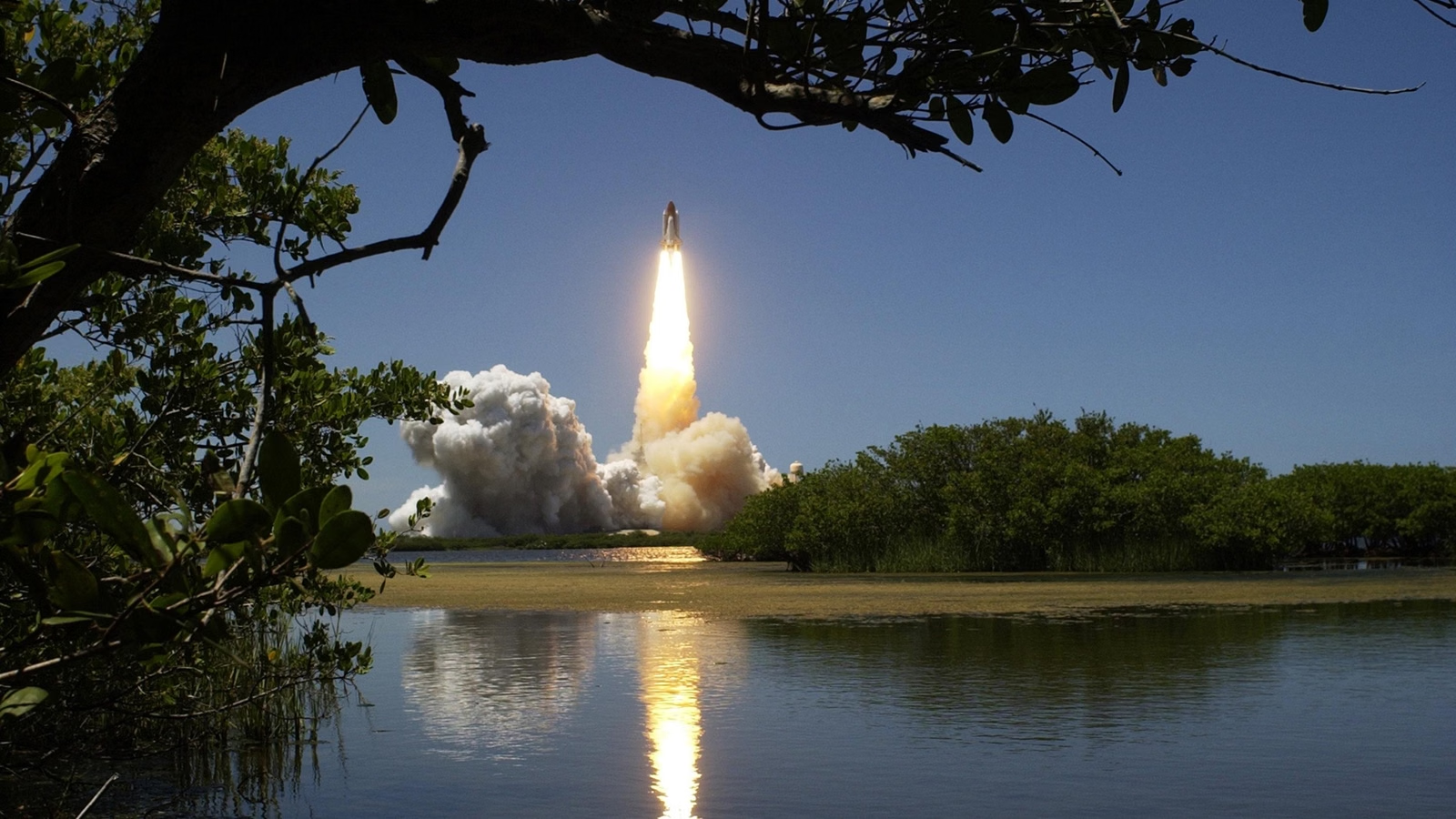
The relationship between SpaceX, Starlink, and Tesla can be summarized in one sentence: Starlink is SpaceX’s satellite internet business, Tesla is an independent public company, and the real links among the three come from Elon Musk, technology narratives, capital market sentiment, and limited business synergies. You should not treat buying Tesla stock as the same as buying SpaceX or Starlink exposure, nor should you assume Starlink’s growth automatically flows into Tesla’s earnings. Understanding this boundary helps you judge the opportunities, risks, and market linkages within Elon Musk’s broader company ecosystem.
Key Takeaways
- Starlink belongs to SpaceX, not Tesla, so their ownership structures should not be confused.
- Tesla and SpaceX are separate companies with different revenue sources, valuations, and risks.
- Their market linkage mainly comes from Musk, AI, energy, communications, and investor sentiment.
- Starlink is a key entry point for understanding SpaceX’s commercialization value.
- Buying TSLA is not the same as buying Starlink exposure; investment exposure must be separated.
- Valuation, regulation, governance, and execution cycles are shared risk factors.
What Is the Actual Relationship Between SpaceX, Starlink, and Tesla?
SpaceX, Starlink, and Tesla are not the same company. More precisely, SpaceX is an aerospace and satellite infrastructure company, Starlink is SpaceX’s satellite internet business, and Tesla is an independent public company focused on electric vehicles, energy, and real-world AI. They are often discussed together because Elon Musk is deeply involved in these companies, not because they share the same financial statements.
SpaceX is primarily positioned as a company that designs, manufactures, and launches rockets and spacecraft. Its major businesses include Falcon 9, Falcon Heavy, Dragon, Starship, commercial launches, crewed spaceflight, government missions, and the Starlink satellite network. For SpaceX, rockets are not isolated products; they are infrastructure for orbital transportation, satellite deployment, and deep-space exploration.
Starlink is the low Earth orbit satellite internet network launched by SpaceX. Starlink’s value is not simply about having many satellites. It expands SpaceX from one-time launch services into recurring subscriptions, terminal equipment, enterprise customers, mobile connectivity, aviation and maritime communications, and government security communications. Starlink’s website clearly identifies Starlink as a division of SpaceX, which is the key to understanding the relationship among the three.
Tesla is different. Tesla’s 2025 annual report divides the company into two reporting segments: automotive and energy generation and storage. Its core businesses include electric vehicles, energy storage, charging networks, software, autonomous driving, Robotaxi, and Optimus. Tesla does not directly own Starlink, nor does it consolidate SpaceX’s launch revenue into Tesla’s financial statements.
| Dimension | SpaceX | Starlink | Tesla |
|---|---|---|---|
| Company type | Aerospace and satellite infrastructure company | Satellite internet business under SpaceX | Independent public company |
| Core products | Falcon, Dragon, Starship | Satellite broadband, mobile connectivity, enterprise networks | Electric vehicles, energy storage, FSD, robotics |
| Main revenue logic | Launch services, government contracts, satellite network | Subscriptions, terminal equipment, enterprise connectivity | Vehicle sales, energy, software and services |
| Relationship with Musk | Founder and key controlling figure | Part of the SpaceX system | CEO and central management figure |
| Investment meaning | Requires looking at SpaceX disclosures | Exposure comes through SpaceX | Buying TSLA is not buying Starlink |
The most common confusion is between “company relationship” and “market linkage.” Company relationship is about ownership, financial statements, and corporate boundaries. Market linkage is about news, expectations, and capital flows. For example, Starlink user growth may strengthen investor imagination around SpaceX, but it does not automatically become Tesla revenue. Tesla’s energy, AI, and robotics progress may reinforce the “Musk ecosystem” narrative, but that does not mean SpaceX’s launch business risk has declined.
Summary: The relationship between SpaceX, Starlink, and Tesla should be viewed in three layers. The first layer is corporate boundary: Starlink belongs to SpaceX, while Tesla is an independent public company. The second layer is business synergy: rockets, satellite communications, electric vehicles, energy storage, AI, and manufacturing engineering may overlap in some scenarios. The third layer is market linkage: investors often price the three within the broader “Elon Musk company map,” but this pricing is more about expectation transmission than financial consolidation. The most important point is not to mistake “the same founder” for “the same asset.”
Why Is Starlink Key to Understanding SpaceX’s Value?
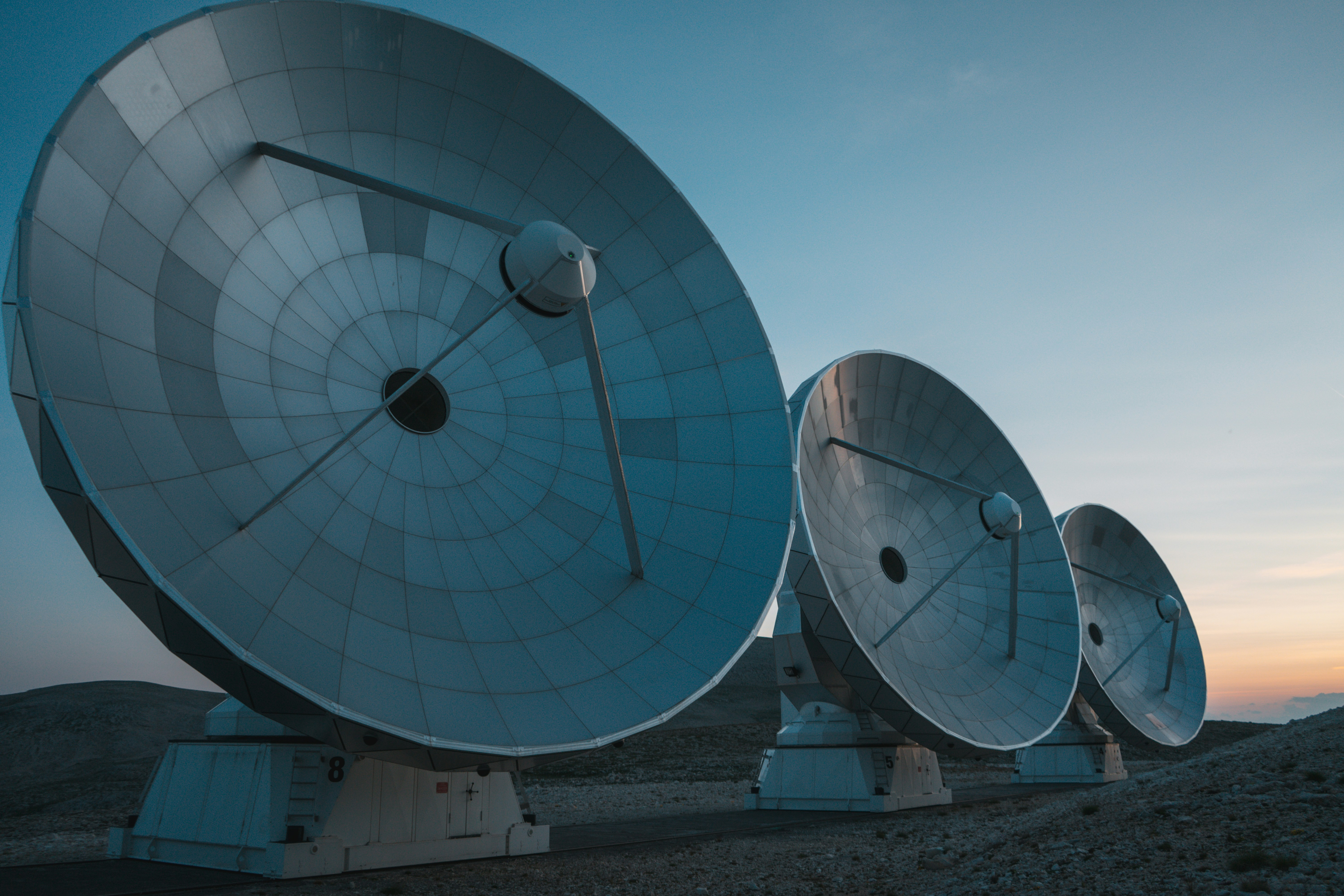
Starlink is key to understanding SpaceX’s value because it pushes SpaceX from being a “launch services company” toward becoming a “global communications network company.” If SpaceX only provided rocket launches, its revenue would look more project-based and contract-driven. With Starlink, SpaceX has a longer-term commercialization path involving subscriptions, terminal equipment sales, enterprise customers, mobile connectivity, and government security communications.
SpaceX’s launch capability and Starlink’s satellite network form a natural closed loop. The reusable design of Falcon 9 helps SpaceX send Starlink satellites into low Earth orbit more frequently. The more low Earth orbit satellites it deploys, the easier it becomes to expand coverage, network capacity, and service scenarios. As Starlink’s service scenarios expand, demand for SpaceX’s launch capability and satellite manufacturing capacity can also increase.
However, this synergy should not be simplified as “costs will fall endlessly.” Satellite internet still requires continuous launches, satellite replacement, ground stations, terminal equipment, spectrum coordination, regional licenses, customer support, and network maintenance. Starlink’s commercial value depends on whether user growth, average revenue, terminal costs, network capacity, regulatory approvals, and capital expenditure can form a positive cycle.
Starlink’s commercial scenarios are no longer limited to home broadband. It can serve households in remote areas, RV users, ships, aircraft, enterprise networks, disaster communications, and mobile network coverage gaps. Starlink’s 2025 progress report mentions millions of new active customers in 2025 and continued expansion into more service regions, showing that Starlink is moving from early deployment into broader commercial operations.
| Starlink scenario | Revenue logic | Core value | Main limitation |
|---|---|---|---|
| Home broadband | Subscription fees and terminal equipment | Coverage for remote or weak-network areas | Regional licenses, network capacity, pricing |
| Aviation and maritime | High-value connectivity services | Stable internet in mobile scenarios | Service reliability and contract cycles |
| Enterprise networks | Enterprise-grade connectivity solutions | Backup lines and global deployment | SLA, cost, local regulation |
| Direct to Cell | Partnerships with telecom operators | Satellite connection for regular phones | Spectrum, bandwidth, device compatibility |
| Government security communications | Government or defense contracts | Resilient, high-reliability communications | Compliance, politics, security boundaries |
Starlink has also extended into two more important directions. One is Starlink Mobile, which moves satellite internet from fixed terminals into mobile connectivity. The other is Direct to Cell, which aims to let ordinary 4G LTE phones send messages through satellites in specific areas and gradually move toward data and voice services. These services could push Starlink beyond home broadband into telecom operator and mobile phone connectivity markets.
SpaceX has also launched Starshield, which uses Starlink technology and SpaceX launch capability to support national security missions. Starshield is not the same as the consumer-facing Starlink service. It is more focused on government use cases, secure communications, hosted payloads, and Earth observation. For SpaceX’s valuation, this means Starlink technology is not limited to retail users; it may also enter high-value government contract systems.
Summary: Starlink matters because it changes SpaceX’s business structure. Rocket launches answer the question of “how to send things into space,” while Starlink answers the question of “what recurring services can be sold after reaching space.” It gives SpaceX characteristics of aerospace manufacturing, orbital deployment, global communications, and subscription services at the same time. But Starlink is not a risk-free growth story. Satellite lifespan, capital expenditure, spectrum regulation, regional licenses, and network capacity can all affect eventual profitability. When evaluating SpaceX’s value, Starlink is the core entry point, but user scale alone is not enough. Profit margin, cash flow, and regulatory costs matter as well.
Is the Tesla–SpaceX Link Real Synergy or Market Imagination?
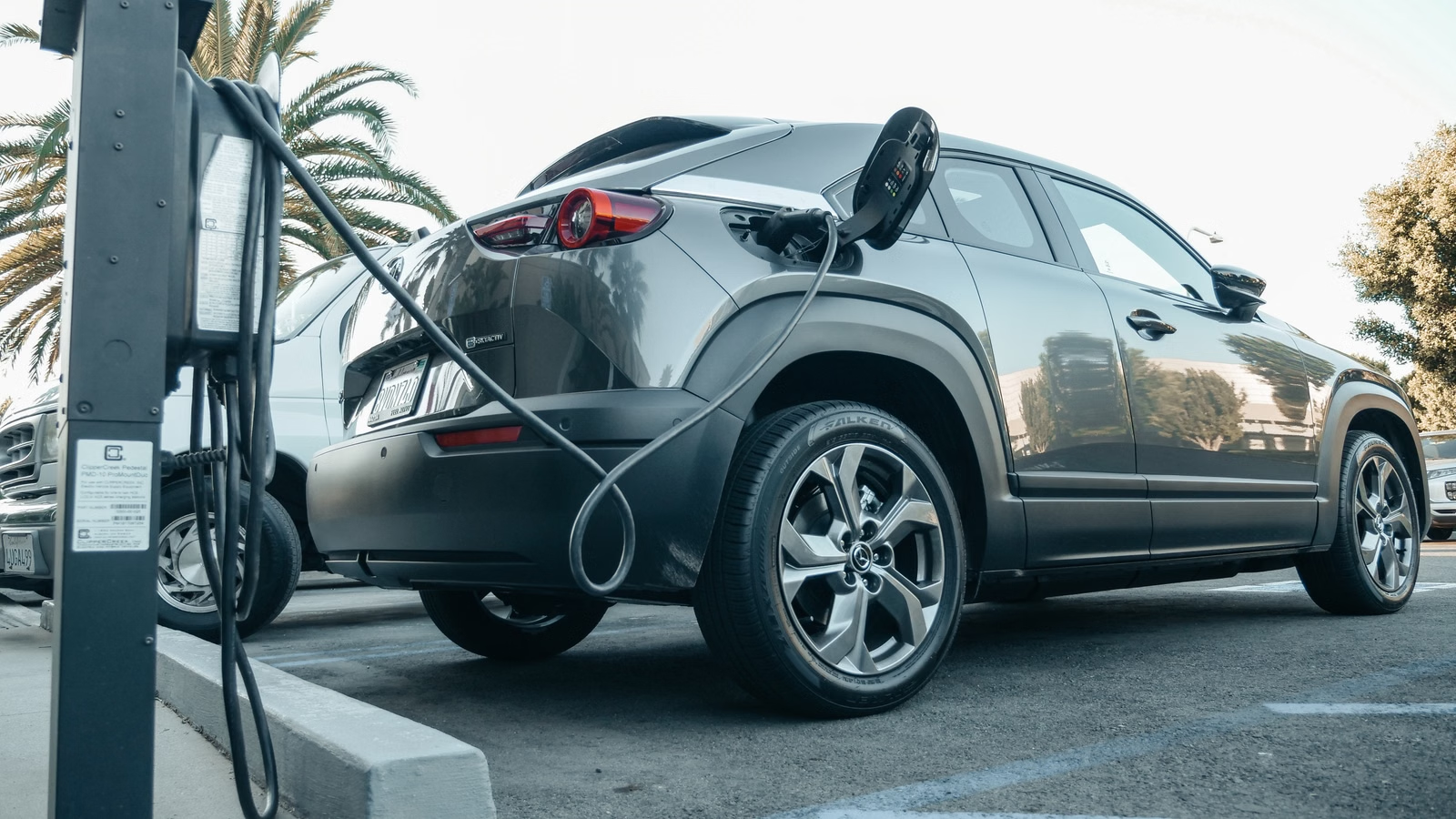
Tesla and SpaceX do have synergy potential, but they are not the same company. Their real connection mainly comes from four sources: Musk’s shared influence, manufacturing engineering culture, energy and communications scenarios, and capital market narratives. You can view them as different industrial platforms driven by the same entrepreneur, but Tesla shareholders do not directly own SpaceX or Starlink equity.
Tesla’s core businesses remain vehicles and energy. Tesla’s annual report shows that the company’s reporting segments are automotive and energy generation and storage. The automotive business depends on deliveries, pricing, gross margin, FSD, Robotaxi, and regulation. The energy business depends on Megapack, Powerwall, energy storage deployment, and grid demand. These variables are not fully synchronized with SpaceX’s launch cadence, Starlink user count, or Starship testing timeline.
The clearest synergy areas are energy and communications. AI data centers, satellite networks, launch sites, and manufacturing plants all need stable power and energy storage systems. Tesla’s Megapack and energy management capabilities could potentially be used in broader Musk-related infrastructure scenarios. On the communications side, Starlink can improve connectivity in remote regions, mobile environments, and disaster situations, which creates possible links with connected vehicles, robotics, remote deployment, and data transmission.
But “possible synergy” does not mean “already reflected in financial results.” Investors need to separate three types of linkage:
- Business linkage: Whether Tesla sells vehicles, energy storage, or services to SpaceX or related companies, or uses communications capabilities.
- Technology linkage: Whether manufacturing, AI, automation, communications, and energy systems produce reusable capabilities.
- Market linkage: Whether Musk-related news, SpaceX IPO developments, or Starlink growth affect TSLA sentiment and valuation multiples.
There is also an often-overlooked issue: related-party transactions and governance boundaries. If Tesla has procurement, investment, service, or resource-sharing arrangements with SpaceX, xAI, The Boring Company, Neuralink, or other companies, investors should look not only at “synergy value,” but also at transaction pricing, fairness, board oversight, shareholder interests, and disclosure. Synergy can improve efficiency, but it can also create governance controversy.
If you follow TSLA, SpaceX, AI infrastructure, and U.S. stock opportunities at the same time, you can use the U.S. stock search tool to organize related tickers, then group them by “Tesla core business,” “SpaceX/Starlink exposure,” “AI power infrastructure,” and “satellite communications supply chain.” The point is not to predict short-term price moves, but to avoid mixing different sources of risk into one theme story.
Summary: The Tesla–SpaceX linkage includes both real synergy and market imagination. Real synergy mainly appears in energy, communications, manufacturing, AI, and engineering capability. Market imagination comes from Musk’s personal influence and cross-company narratives. For ordinary investors, the key question is not whether there is any relationship, but whether that relationship has entered contracts, revenue, profit, and disclosure documents. Without clear financial attribution, Starlink growth cannot be counted as Tesla growth, and SpaceX success cannot automatically offset Tesla’s core business risks.
Why Do SpaceX and Starlink News Affect Tesla and Related U.S. Stocks?
SpaceX and Starlink news can affect Tesla and related U.S. stocks not because their financials are consolidated, but because the market often uses the same narrative framework—Musk ecosystem, AI infrastructure, energy, communications, robotics, and space commercialization—to reprice related assets. In growth stock environments, investors often trade technology vision, capital flows, and risk appetite together, which can amplify short-term linkage.
Starlink user growth, satellite launch cadence, Starship progress, government contracts, and SpaceX listing news can all affect how the market judges SpaceX’s long-term commercialization ability. Starship represents the long-term goal of greater payload capacity and lower unit launch costs. If progress is smooth, the market may connect it with larger-scale satellite deployment, deep-space missions, and heavy commercial payloads. But technological progress is rarely linear. Test failures, regulatory approvals, and engineering iterations can all affect the timeline.
Tesla’s linkage is more about sentiment and valuation multiples. For example, stronger Starlink communications capability may make investors think of connected vehicles, remote robotic connectivity, and autonomous driving data transmission. SpaceX financing or listing news may lead the market to reprice Musk’s execution ability. Starship success may cause investors to transfer “high-difficulty engineering execution” expectations to Tesla’s autonomous driving, robotics, and energy storage projects. But none of these are direct sources of Tesla’s current revenue.
| News type | Main affected assets | Transmission path | Key judgment point |
|---|---|---|---|
| Starlink user growth | SpaceX, satellite communications themes | Subscription revenue and network value | Whether profit and cash flow improve |
| Falcon/Starship progress | SpaceX, aerospace supply chain | Launch capability and cost expectations | Technical reliability and regulatory timeline |
| Tesla AI/robotics progress | TSLA, AI theme stocks | Software, data, and long-term valuation | Whether verifiable revenue forms |
| Musk governance news | TSLA, SpaceX, related ETFs | Key-person risk and market sentiment | Management time allocation |
| SpaceX IPO or ETF rebalancing | Aerospace ETFs, growth stock flows | Passive capital and thematic allocation | Weighting, liquidity, volatility |
If SpaceX has entered public market trading or related ETFs have started allocating to it, trading costs and execution risk become important as well. Popular IPOs can experience significant price volatility shortly after listing, so investors should understand order types, spreads, platform fees, and external institutional fees before buying. If the service is available in your region, you can learn more about Biya U.S. stock trading. Biya charges 0 USD commission for U.S. stock trades, while platform fees, external institutional fees, and other charges are subject to the fee center and order page. Service availability depends on the user’s location, identity verification result, platform rules, and applicable laws and regulations.
It is especially important to note that market linkage does not mean the assets move in the same direction at the same time. Tesla’s short-term stock price may be affected by deliveries, gross margin, price competition, regulatory investigations, autonomous driving accidents, energy storage orders, and the interest rate environment. SpaceX’s valuation is more affected by launch success rates, government contracts, Starlink revenue, capital expenditure, Starship progress, and space regulation. The two share some narratives, but their fundamental variables are not the same.
Summary: The market linkage among SpaceX, Starlink, and Tesla is essentially the result of “shared narrative + capital flows + Musk key-person influence.” It can amplify short-term upside and also magnify drawdowns when the theme cools. When judging news, divide it into three categories: whether it changes company revenue, whether it changes the long-term technology roadmap, and whether it only changes market sentiment. The first two are closer to fundamentals, while the third is mostly a source of trading volatility.
How Can Ordinary Investors Know What Type of Exposure They Are Buying?
The first question for ordinary investors is not “Which is better, SpaceX, Starlink, or Tesla?” but “What type of risk exposure am I actually buying?” Buying TSLA mainly means buying Tesla’s core business and AI/energy expectations. Buying SpaceX or related ETFs is closer to aerospace, Starlink, and Starship exposure. Buying supply chain stocks is only an indirect bet on a specific part of the ecosystem.
If you buy TSLA, the core variables are still Tesla’s own business. You need to watch vehicle deliveries, average selling price, gross margin, FSD adoption, Robotaxi rollout, energy storage deployment, R&D spending, and regulatory risk. Starlink and SpaceX success may strengthen the Musk ecosystem narrative, but they do not automatically enter TSLA’s earnings per share. Treating TSLA as a substitute for Starlink exposure is a common mistake.
If you are focused on SpaceX or Starlink, you need to return to SpaceX’s own disclosures, prospectus, exchange announcements, financial data, and risk factors. Starlink user growth, satellite count, terminal costs, network capacity, service regions, ARPU, government contracts, and capital expenditure are the key variables. Media reports on SpaceX IPO plans and valuation can be useful entry points, but before trading, investors should still rely on formal documents and platform rules.
If you buy ETFs or supply chain stocks, your exposure is more indirect. Aerospace ETFs may hold satellite manufacturers, launch service providers, defense contractors, and communications equipment companies. AI infrastructure ETFs may focus more on chips, power, data centers, and energy storage. Electric vehicle ETFs are closer to Tesla, automakers, batteries, and supply chains. These assets may be influenced by SpaceX and Starlink sentiment, but they are not the same as directly holding SpaceX.
| Target exposure | Possible assets to watch | Core variables | Main risks |
|---|---|---|---|
| Tesla EV and AI | TSLA | Deliveries, gross margin, FSD, energy storage | Price war, regulation, valuation |
| Overall SpaceX exposure | SpaceX/SPCX | Launches, Starship, government contracts | Technology, capital expenditure, governance |
| Starlink network | SpaceX or related themes | Users, ARPU, network capacity | Spectrum, licenses, competition |
| Aerospace supply chain | Aerospace ETFs/stocks | Orders, launches, defense budgets | Long cycles, project delays |
| AI power and storage | Energy storage, power, data center stocks | Orders, electricity demand, margin | Valuation and execution risk |
Cross-market trading also involves currency and account costs. When U.S. stocks, Hong Kong stocks, digital assets, and cross-border fund management are involved at the same time, investors need to consider not only price volatility, but also exchange rates, fees, deposits and withdrawals, platform charges, and tax compliance. You can use real-time exchange rates to track conversions among USD, HKD, and local currencies, then manage trading bills and holdings separately so you do not focus only on stock price moves while ignoring real costs.
Summary: To judge risk exposure, divide assets into four categories: Tesla core business exposure, SpaceX/Starlink exposure, supply chain exposure, and indirect ETF exposure. They may share the same market story, but their sources of return, volatility drivers, and regulatory risks are very different. The biggest mistake for ordinary investors is assuming that “because they are all related to Musk, their risks are the same.” A more practical approach is to first decide whether you want exposure to vehicles, aerospace, satellite internet, AI infrastructure, or thematic capital flows, then choose the corresponding tool and check its fee structure and account rules.
Key Risks and Common Misunderstandings: Do Not Treat Musk’s Company Map as One Company
The biggest misunderstanding about SpaceX, Starlink, and Tesla is treating Elon Musk’s company map as one company. They share a common leader, technology imagination, and market sentiment, but they have different ownership boundaries, financial statements, customer structures, and regulatory environments. The hotter the theme, the more important it is to return to facts: who owns the asset, who recognizes the revenue, who bears the cost, and who faces the regulation.
The first misunderstanding is that “Starlink growth must be good for Tesla.” Starlink growth first affects SpaceX because Starlink is SpaceX’s business. Unless Tesla and SpaceX have clear product cooperation, service procurement, investment arrangements, or financial disclosures, Starlink user growth affects TSLA more through sentiment than direct revenue. The market may trade imagination in advance, but financial statements do not automatically change because of imagination.
The second misunderstanding is that “technology synergy can offset valuation risk.” SpaceX, Starlink, and Tesla are all high-expectation assets. High expectations mean the market may have already priced in a lot of future growth. If Starship progress, Starlink profitability, FSD commercialization, Robotaxi regulation, or energy storage orders fall short of expectations, valuation drawdowns can be sharper than for traditional companies. Technology vision needs time to become reality; it cannot replace cash flow and profit margins.
The third misunderstanding is that “Musk’s key-person influence only creates positive value.” Musk is indeed central to the shared narrative among the three, but key-person risk also exists. Tesla’s filings have long discussed risks related to management, competition, product roadmaps, regulation, and macro conditions. SpaceX and Starlink also face launch failure risk, satellite lifespan issues, spectrum licensing, government contracts, international relations, and controversy around security use cases. One person can amplify brand influence, but can also amplify governance and public opinion volatility.
Common risks include:
- Valuation risk: The market may price in long-term visions early, making corrections more likely if execution is slow.
- Technology risk: Rockets, satellites, autonomous driving, and robotics all involve engineering uncertainty.
- Regulatory risk: Space launches, spectrum, data, autonomous driving, and energy are all affected by regulation.
- Governance risk: Related-party transactions, resource allocation, and management time allocation require continued attention.
- Liquidity risk: Popular IPOs, thematic ETFs, and small-cap supply chain stocks can be highly volatile.
- Cost risk: Commissions, platform fees, spreads, external institutional fees, and exchange rate costs can affect actual returns.
If you track these themes through a multi-asset approach, you can divide your watchlist into TSLA, SpaceX/SPCX, aerospace ETFs, satellite communications, AI power, and energy storage. Users who meet the applicable service conditions can also use the Biya App to record changes in U.S. stocks, Hong Kong stocks, and digital assets. Service availability still depends on the user’s location, identity verification result, platform rules, and applicable laws and regulations. Public market information and fee structures are for reference only and do not constitute investment advice.
Summary: The appeal of Elon Musk’s company map comes from long-term vision and cross-industry synergy, but investment analysis cannot stop at “the same boss.” Starlink is a SpaceX business, not a Tesla business. Tesla’s AI and energy story also cannot automatically translate into SpaceX profitability. Only by understanding company boundaries, financial attribution, regulatory constraints, and trading costs can investors analyze the linkage among the three more rationally. The hotter the asset, the more important it is to break the narrative into verifiable indicators.
If you follow TSLA, SpaceX/SPCX, aerospace ETFs, AI infrastructure stocks, U.S. stock account funding, and exchange rate costs at the same time, the key is not to chase every Musk-related headline, but to build a clear observation framework: which news affects Tesla’s core business, which news affects SpaceX and Starlink, and which news only reflects market sentiment. You can use Biya to track watchlists, trading bills, exchange rate costs, and multi-asset holdings across different markets. Biya charges 0 USD commission for U.S. stock trades, while platform fees, external institutional fees, and other charges are subject to the fee center and order page. Before any trade, you should check order types, fee structures, account permissions, local rules, and applicable laws and regulations instead of treating theme popularity as an investment conclusion.
FAQ
Is Starlink Part of Tesla Stock?
No. Starlink is not part of Tesla stock. Starlink is SpaceX’s satellite internet business, and Tesla shareholders do not directly own Starlink revenue or SpaceX equity by holding TSLA. TSLA’s main variables remain vehicles, energy, AI, and robotics.
Could SpaceX and Tesla Merge in the Future?
Whether SpaceX and Tesla will merge cannot be judged based on market speculation. Even if the possibility is discussed, any actual merger would require company announcements, board decisions, shareholder arrangements, valuation plans, and regulatory review. Investors should not treat a possible merger as a confirmed fact.
How Could Starlink Growth Affect SpaceX Valuation?
Starlink growth could increase SpaceX’s valuation narrative because it represents subscription revenue, a global communications network, and government and enterprise service potential. But valuation also depends on user quality, ARPU, profit margin, terminal costs, capital expenditure, spectrum licensing, and competition.
Could Tesla Using Starlink Change Vehicle Connectivity?
Tesla using Starlink creates potential vehicle connectivity scenarios, but any actual impact depends on formal product announcements and service availability. Satellite connectivity is more suitable for remote areas, disaster scenarios, and mobile coverage gaps. It may not replace cellular networks, nor does it mean all Tesla vehicles will connect by default.
How Can Ordinary Investors Track Elon Musk’s Company Map?
Ordinary investors should prioritize SEC filings, Tesla earnings reports, SpaceX or Starlink announcements, major contracts, regulatory approvals, and index or ETF rebalancing information. Social media posts can be clues, but they should not be the sole basis for trading decisions.
What Is the Biggest Shared Risk Across SpaceX, Starlink, and Tesla?
The biggest shared risks are high expectations, high valuations, complex regulation, long execution cycles, and key-person dependence. SpaceX has more aerospace and satellite risks, while Tesla has more vehicle, energy, and AI commercialization risks. They should not be judged with one simple metric.
*This article is provided for general information purposes and does not constitute legal, tax or other professional advice from BiyaPay or its subsidiaries and its affiliates, and it is not intended as a substitute for obtaining advice from a financial advisor or any other professional.
We make no representations, warranties or warranties, express or implied, as to the accuracy, completeness or timeliness of the contents of this publication.
Related Blogs of

Wire Transfer Requirements: Sender and Beneficiary Details Checklist


Crypto Exchange Fees Comparison: Trading Fees, Spreads, and Withdrawals


International Wire Transfer Time: What Affects Delivery?



Choose Country or Region to Read Local Blog
 Australia
 Austria
 Belgium
 Canada
 Cyprus
 Czech Republic
 Denmark
 Estonia
 Finland
 France
 Germany
 Greece
 Hong Kong
 India
India Indonesia
 Ireland
 Italy
Italy Japan
Japan Latvia
 Lithuania
 Luxembourg
 Malaysia
 Malta
Malta Morocco
 Nepal
Nepal Netherlands
 New Zealand
 Norway
 Pakistan
 Philippines
 Poland
 Portugal
 Romania
 Singapore
 Slovakia
 Slovenia
 South Africa
 South Korea
 Spain
Spain Sweden
 Thailand
 United States
 Turkey
 United Arab Emirates
 United Kingdom
 Vietnam