How Can Ordinary Investors Buy SpaceX After Its Listing? U.S. Brokerage Accounts, Order Timing, and Risk Notes





After SpaceX goes public, the buying process for ordinary investors is not complicated: you need a brokerage account that supports U.S. stock trading, search for the ticker SPCX, verify the company name, exchange, quote, and order type, and then place an order. What truly requires caution is whether you have trading permission, whether you understand pre-market and after-hours risks, and whether you can tolerate the large price swings often seen in high-profile IPOs. SpaceX is a high-attention, high-valuation, high-uncertainty growth stock. It is more suitable to first clarify your account setup, fees, position sizing, and risk boundaries before deciding whether to participate.
Key Takeaways
- After SpaceX goes public, ordinary investors mainly buy SPCX in the U.S. secondary market.
- Before buying, confirm whether your broker supports SPCX, fractional shares, extended-hours trading, and limit orders.
- Popular IPOs can be highly volatile in the early stage, so beginners should avoid chasing with market orders.
- Account costs include more than commissions; platform fees, FX spreads, and external fees also matter.
- If you do not want direct exposure, compare space ETFs, index funds, and related supply-chain stocks.
- Before trading, confirm local rules, platform permissions, and your own risk tolerance.
What Exactly Can Ordinary Investors Buy After SpaceX Goes Public?
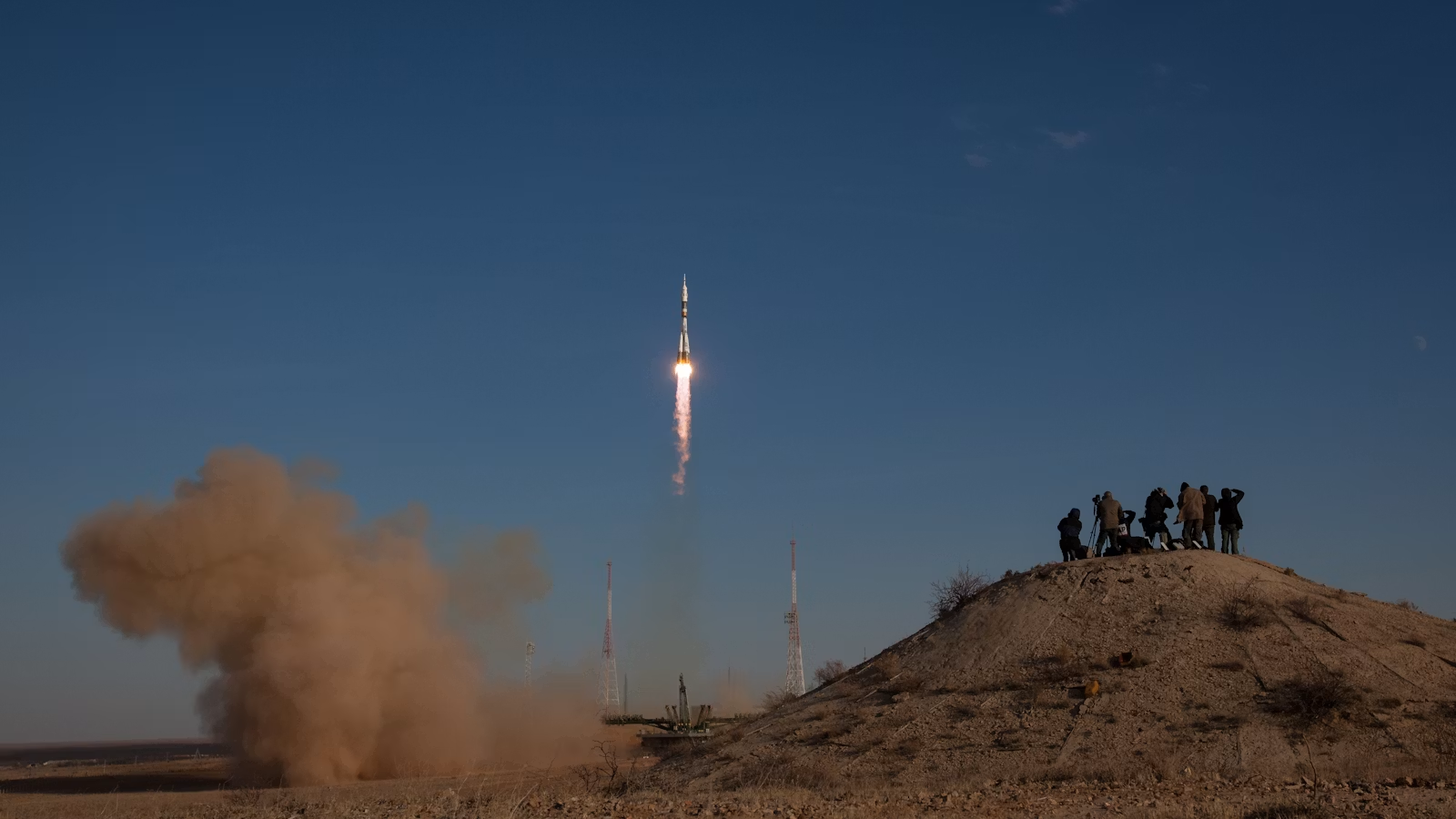
After SpaceX goes public, what you can buy is SpaceX common stock traded in the public market, not the Pre-IPO shares that were previously available through private-market platforms. According to SpaceX’s S-1 registration statement, the company applied to list its Class A common stock under the ticker SPCX, which is the tradable ticker ordinary investors should focus on, rather than “Starlink stock” or “SpaceX private shares.”
Before listing, SpaceX was long a private company. Ordinary investors could usually only gain indirect exposure through private funds, employee share-transfer platforms, or secondary private markets. These channels often had high thresholds, weak liquidity, and possible accredited-investor requirements. After listing, the logic changes to public-market trading: you place orders through a brokerage account, and the execution price is determined by market buy and sell orders.
It is important to note that “being able to buy SpaceX” does not mean “being able to buy at the IPO offering price.” The SEC Investor.gov explanation of IPO allocations emphasizes that how IPO shares are allocated is part of the underwriting and offering process. Even if individual investors can trade after listing, it does not mean they will receive shares at the offering price.
| Common User Search | What It Actually Means | How to Judge Correctly |
|---|---|---|
| How to buy SpaceX stock | Trading in the secondary market after listing | Search SPCX and verify the exchange |
| How to buy Starlink stock | Whether Starlink has listed separately | Do not simply equate it with SpaceX stock |
| What is SPCX | SpaceX stock ticker | Verify the company’s English name and Nasdaq information |
| Can I still buy SpaceX after the IPO | Whether post-listing trading is possible | Check whether your broker supports the stock |
| Can I still buy SpaceX private shares | Whether Pre-IPO shares are still available | After listing, the focus usually shifts to public-market trading |
You also need to distinguish between a company story and a stock asset. SpaceX’s business narrative includes launch services, Starlink, Starship, government contracts, satellite internet, and space infrastructure. However, once you buy SPCX, you are taking on the equity risk of the entire company, not buying a separate stake in any single business line.
Summary: After SpaceX goes public, ordinary investors should focus on SPCX as the publicly traded stock. You no longer need to focus primarily on private shares, employee share transfers, or Pre-IPO platforms, but you also should not confuse post-listing trading, IPO allocation, and SpaceX’s individual business segments. For beginners, the first step is not predicting the share price, but confirming the ticker, exchange, company name, and account permissions to avoid buying the wrong security or mistakenly expecting to trade at the IPO price.
What U.S. Stock Account Conditions Do You Need Before Buying SpaceX?
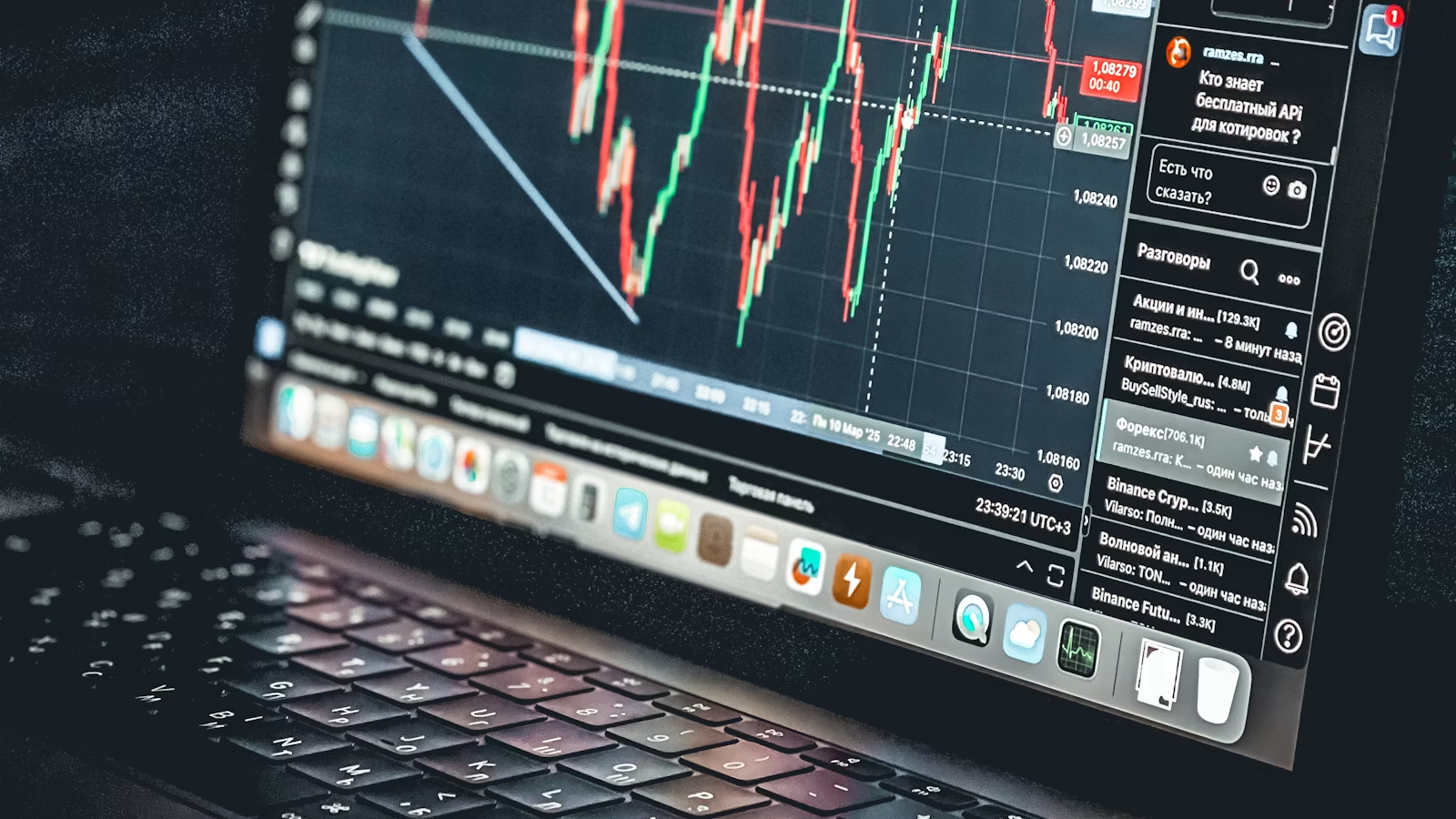
Before buying SpaceX stock, you need at least one account that supports U.S. stock trading, and you must complete identity verification, tax declarations, funding, and trading permission activation. Different brokers offer different access to popular new listings, fractional shares, pre-market and after-hours trading, margin, and options. Therefore, you should not only check whether a platform “supports U.S. stocks,” but also confirm whether you can search, quote, and trade SPCX.
Ordinary investors commonly use three types of accounts: international brokerage accounts, local brokers with U.S. stock access, and integrated financial apps that support U.S. stock trading. Whichever you choose, first check four things: whether the service is available in your location, whether your identity verification has passed, whether funding is smooth, and whether the order fees are transparent.
Non-U.S. investors usually also encounter W-8BEN. The IRS explanation of Form W-8BEN shows that the form is used by foreign individuals to certify non-U.S. status to withholding agents. It is not a cosmetic part of account opening, but part of U.S. stock account tax documentation. The specific impact depends on your broker and personal tax situation.
Before placing an order, use this checklist:
- U.S. stock permission: whether your account has activated U.S. stock trading.
- Stock permission: whether the platform can search SPCX and open the order page.
- Funding status: whether USD cash is available, and whether FX conversion or deposits are complete.
- Tax documentation: whether W-8BEN or a similar declaration is valid.
- Order rules: whether limit orders, market orders, extended-hours trading, and fractional shares are supported.
- Cost structure: whether commissions, platform fees, external fees, and FX spreads are clear.
If you are interested in trading opportunities after popular IPOs, you also need to pay attention to actual trading costs in addition to stock-price volatility. U.S. stock trading costs may include not only commissions, but also platform fees, external agency fees, trading activity fees, settlement fees, and FX spreads. If your location, identity verification results, and applicable rules meet the requirements, you can learn about the U.S. stock trading entrance through Biya U.S. stock trading; Biya charges 0 USD commission for U.S. stock trading, while platform fees, external agency fees, and other charges are subject to the fee center and the order page.
| Preparation Item | Why It Matters | Commonly Overlooked Point |
|---|---|---|
| Identity verification | Determines whether you can open an account and trade | Address, ID, and tax identity may not match |
| USD funds | Determines whether you can actually place orders | Local-currency conversion and deposit arrival time |
| W-8BEN | Affects U.S. tax documentation | Validity period and broker requirements may differ |
| Fractional shares | Affects whether small accounts can participate | Not all popular stocks support fractional trading |
| Trading fees | Affects your real purchase cost | Zero commission does not mean zero total cost |
Summary: Buying SpaceX is not just about knowing the ticker SPCX. You need to confirm whether your account can trade U.S. stocks, whether the platform supports SPCX, whether your USD funds have arrived, whether your tax declaration is complete, and whether fractional shares and extended-hours trading are available. For small accounts, trading fees and FX spreads are also important because they directly affect your real cost. If these conditions are not checked clearly, even if your investment view is correct, you may still face unnecessary friction in order placement, execution, or funding.
When Can You Place Orders for SpaceX Stock? What Are the Differences Between Pre-Market, Regular, and After-Hours Trading?

After SpaceX begins trading in the U.S. market, ordinary investors should generally prioritize the regular trading session from 9:30 a.m. to 4:00 p.m. Eastern Time. Nasdaq defines Regular Hours Orders as orders between 9:30 a.m. and 4:00 p.m. This session usually has more concentrated trading activity, more continuous quotes, and a clearer environment for beginners to observe real supply and demand.
Pre-market and after-hours trading may also be available, but the rules depend on your broker. The SEC Investor.gov risk notice on extended-hours trading includes risks such as lower liquidity, higher volatility, quote differences, and order restrictions. For a popular IPO stock like SpaceX, pre-market and after-hours prices may move quickly due to news, analyst ratings, options activity, or social-media sentiment.
| Trading Session | Eastern Time | Experience for Asian Investors | Suitability |
|---|---|---|---|
| Pre-market | 4:00–9:30 | Afternoon to evening in Asia | Suitable for those familiar with the rules |
| Regular trading | 9:30–16:00 | Night to early morning in Asia | More suitable for ordinary investors |
| After-hours | 16:00–20:00 | Early morning in Asia | Higher risk |
| Overnight services | Depends on broker | Large platform differences | Rules must be checked separately |
For readers in mainland China, Hong Kong, Singapore, and similar time zones, daylight saving time also matters. During U.S. daylight saving time, regular U.S. stock trading roughly corresponds to 21:30–04:00 Beijing, Hong Kong, and Singapore time; during standard time, it is usually one hour later. The final reference should still be the tradable time shown in your brokerage app.
Why are regular trading hours more suitable for beginners? The reason is simple: regular hours have more participants, fuller execution, and usually narrower bid-ask spreads. Pre-market and after-hours trading may look like a way to “react to news early,” but it is not a free advantage. FINRA’s regulatory guidance on Extended Hours Trading also emphasizes that brokers need to disclose the risks of extended-hours trading to customers.
Summary: Whether you can buy SpaceX stock does not only depend on whether it is listed; it also depends on when you place your order. Ordinary investors are better off using regular trading hours as their main observation and trading window because prices, execution, and order books are easier to understand. Pre-market and after-hours trading are not “early profit channels,” but trading environments with higher volatility, lower liquidity, and greater reliance on limit orders. If you are not yet familiar with order types, extended-hours trading should not be your main buying method.
The Practical Order Process for Ordinary Investors Buying SpaceX Stock
The practical process for buying SpaceX can be summarized as follows: open the U.S. stock trading page, search for SPCX, verify the company name and exchange, choose an order type, enter the price and quantity, review the estimated fees, and submit the order. The most common mistake is not searching for the wrong ticker, but using the wrong order type. This is especially true in the early stage of a popular IPO, when market orders may execute at prices far from what you expected.
A suggested order sequence is:
- Open the U.S. stock trading section in your brokerage app.
- Search for SPCX or SpaceX.
- Verify the company’s English name, exchange, and quote currency.
- Check the latest traded price, bid and ask, volume, and price movement.
- Choose an order type, with priority given to understanding limit orders.
- Enter the purchase price, number of shares, or order amount.
- Check estimated fees and available cash.
- Submit the order and review the execution record.
The SEC Investor.gov explanation of market orders and limit orders is useful for beginners: market orders prioritize immediate execution, while limit orders prioritize price control. For a highly volatile new stock, limit orders are usually more suitable for ordinary investors because they allow you to set the maximum purchase price you are willing to accept.
| Order Type | Suitable Scenario | Main Risk | Beginner Suggestion |
|---|---|---|---|
| Market order | High liquidity and lower volatility | Execution price may deviate from expectations | Use cautiously in the early stage of a popular IPO |
| Limit order | You want to control the purchase price | Execution is not guaranteed | More suitable for beginners |
| Stop order | Managing downside after holding a position | Slippage may occur after trigger | Understand the rules before using it |
| Extended-hours limit order | Trading in extended hours | Liquidity and spread risks are higher | Test the rules with small size |
If you want to control your real cost, you can use U.S. stock search to view U.S. stock information, then compare it with the order page shown by your broker. When estimating FX needs, real-time exchange rates can also help you calculate your USD funding requirement; however, final trading costs should still be based on the platform order, account statement, and applicable rules.
After execution, do not only look at unrealized gains or losses. You should record the actual execution price, executed quantity, order type, trading fees, position size as a percentage of your portfolio, and the reason for buying. If you continue to buy in batches later, you should also distinguish between “planned staged buying” and “passive averaging down because the stock fell.” These two behaviors carry very different risks.
Summary: The process for ordinary investors to buy SpaceX is not complicated, but the real challenge lies in price control and position discipline. After searching for SPCX, first confirm the company name and exchange, then place an order using an order type you understand. For beginners, limit orders offer better control over execution price than blindly using market orders. After the trade, review your actual cost, fees, and position size instead of being led by short-term percentage moves. Trading a popular IPO can feel exciting, but account management must remain calm.
Why Can SpaceX Be Highly Volatile After Listing? What Risks Should You Watch?
SpaceX can be highly volatile after listing mainly because market attention is extremely high, valuation expectations are elevated, the tradable-share structure may be special, and investors may price in space launches, satellite internet, AI infrastructure, and Elon Musk’s personal influence at the same time. Reuters’ coverage of SpaceX’s first week as a public company indicates very high market enthusiasm and retail participation, and this type of trading environment often amplifies short-term volatility.
You should focus on three types of risk. The first is valuation risk: SpaceX has a rare and powerful story, but a high valuation needs to be supported by future revenue, margins, and cash flow. The second is business execution risk: Starlink, Starship, launch services, and government contracts may all bring growth, but they also involve capital expenditure, regulatory approvals, launch accidents, and uncertainty around technical progress. The third is capital-structure risk: post-listing financing, debt, lock-up expirations, and potential secondary offerings may all change supply and demand.
Reuters’ report on SpaceX’s bond financing mentioned that the company entered the bond market after its IPO, with proceeds related to repaying bridge loans and general corporate purposes. For investors, this is not necessarily negative, but it shows that you should not only look at whether “the company is strong”; you also need to examine cash flow, capital expenditure, and financing structure.
| Risk Dimension | What to Watch | Possible Impact |
|---|---|---|
| Valuation | Price-to-sales ratio, market cap, growth expectations | Pressure from valuation correction |
| Starlink | User growth, ARPU, margins | Affects revenue execution |
| Starship | Development progress, launch success rate | Affects long-term narrative |
| Government contracts | Budgets, policy, contract renewals | Affects revenue stability |
| Share structure | Voting rights, governance arrangements | Affects shareholder rights |
| Lock-ups and financing | Increased float, debt issuance | Affects supply-demand and volatility |
Also be careful with the misconception that a popular company equals a low-risk stock. SpaceX has a strong brand, high technical barriers, and a rare narrative, but the stock price in the short term is determined by what the market is willing to pay. If you buy when sentiment is at its hottest, you may experience a long drawdown even if the company continues to develop well over the long term.
Summary: SpaceX’s appeal comes from its rare sector exposure, leading position in commercial space, Starlink monetization potential, and the long-term imagination around Starship. However, stock-price volatility in the early listing stage is often driven by valuation, float, news, and sentiment together. Before buying, you need to decide whether you are participating in short-term hype or are willing to bear long-term uncertainty. High-growth stocks can belong on a watchlist, but they should not automatically be treated as high-probability trades.
What Are the Alternatives If You Do Not Want to Buy SpaceX Directly?
If you do not want to directly bear the single-stock volatility of SpaceX, you can consider space-themed ETFs, broad-market index funds, or related supply-chain companies. Buying SPCX directly gives you the purest exposure, but the risk is also the most concentrated. Participating through ETFs or index funds may offer more diversification, but you still need to separately check SpaceX’s weighting, expense ratio, rebalancing rules, and holding transparency.
Common alternatives fall into three categories. The first is space-economy-themed ETFs, which may cover satellite, launch, communication, defense, and aerospace manufacturing companies. The second is broad-market index funds. If SpaceX is later added to major indexes, some passive funds may indirectly hold it. The third is related supply-chain stocks, such as satellite communications, ground equipment, defense contractors, semiconductors, data centers, and advanced manufacturing companies.
| Allocation Path | Exposure Gained | Advantage | Disadvantage |
|---|---|---|---|
| Buy SPCX directly | SpaceX as a single company | Purest thematic exposure | Concentrated volatility |
| Space-themed ETF | A basket of space-industry companies | Higher diversification | SpaceX weight may not be high |
| Broad-market index fund | Large-cap growth basket | Costs may be lower | SpaceX exposure is diluted |
| Related concept stocks | Indirect industry beneficiaries | Can choose specific segments | Correlation may be unstable |
| Wait and observe | Wait for earnings and lock-up information | Reduces insufficient-information risk | May miss short-term moves |
When should you wait first? If you do not understand the valuation source, if your funds are only enough for short-term chasing, if you cannot tolerate a 20%–30% mark-to-market swing, if you do not understand pre-market and after-hours rules, or if you have not calculated FX and trading costs, waiting is a reasonable choice. Investing is not about who buys earlier; it is about who understands the risks they are taking.
If you are planning U.S. stock funds, trading costs, and cross-border payment records, you can use the Biya App to manage multi-asset trading and account information. Whether relevant services are available depends on the user’s location, identity verification result, platform rules, and applicable laws and regulations. Popular IPOs can experience significant price volatility in the early stage, so investors should fully understand order types, fee structures, and risks before trading.
Summary: Ordinary investors do not only have one choice, which is to “buy SPCX immediately.” Holding SpaceX directly can provide purer company exposure, but it also brings more concentrated valuation and volatility risk. ETFs, index funds, supply-chain stocks, and waiting on the sidelines are all more diversified or more cautious alternatives. The key question is not which option is absolutely better, but whether it matches your account size, trading experience, risk tolerance, and investment horizon.
After SpaceX goes public, what truly affects your trading experience is often not a single buy button, but account permission, funding path, fee structure, FX cost, order type, and risk discipline. If the relevant services are available in your region, Biya can be used for multi-asset management across U.S. stocks, Hong Kong stocks, and digital assets, and it supports payment scenarios in more than 40 local currencies. Biya charges 0 USD commission for U.S. stock trading, while platform fees, external agency fees, and other charges are subject to the fee center and order display. Whether you ultimately choose to buy SPCX directly, participate indirectly through an ETF, or continue to observe earnings and lock-up changes, you should first confirm platform rules, statement details, and your own risk tolerance before making a trading decision.
FAQ
Where Is SpaceX Stock Ticker SPCX Traded?
SPCX is the key stock ticker ordinary investors should focus on after SpaceX goes public. Before trading, you should search for it in a brokerage account that supports U.S. stocks and verify the company name and trading market. Quote delays, trading permissions, fractional-share rules, and extended-hours support may differ by platform, so the order page should be the final reference.
Can Ordinary Investors Still Buy SpaceX After Missing the IPO Allocation?
Yes, ordinary investors can buy SpaceX stock in the secondary market after listing, but they usually cannot participate at the IPO offering price after the allocation has passed. Secondary-market prices are determined by buy and sell orders and may be higher or lower than the offering price. Before buying, pay attention to execution price, order type, liquidity, and account fees.
Do International Investors Need W-8BEN to Buy SpaceX Stock?
Most non-U.S. investors need to submit W-8BEN or a similar tax declaration when opening a U.S. stock brokerage account to confirm non-U.S. tax status. The exact form requirements, validity period, and tax impact vary by broker and personal situation, so you should follow platform prompts and local tax rules.
Is Pre-Market or After-Hours Trading in SpaceX Stock Suitable for Beginners?
Pre-market and after-hours trading are generally not suitable as the main trading sessions for beginners because liquidity is lower, bid-ask spreads may be wider, and prices are more easily affected by news. If you do participate, first understand limit orders, order validity, and your broker’s extended-hours risk disclosures.
What Is the Difference Between Buying SpaceX Stock and Buying a Space ETF?
Buying SpaceX stock means directly taking on single-company risk, while buying a space ETF means holding a basket of related companies through a fund. ETFs are usually more diversified, but SpaceX’s weighting may be limited, and you also need to check the expense ratio, holdings list, and rebalancing rules. It should not be treated as the same as buying SpaceX directly.
What Hidden Costs Should Ordinary Investors Check Before Buying SpaceX?
Before buying SpaceX, you should check commissions, platform fees, external agency fees, trading activity fees, FX spreads, deposit costs, and bid-ask spreads. Even if a platform has low commissions, that does not mean the total cost is zero. Real costs should be based on order confirmation, execution records, and account statements.
*This article is provided for general information purposes and does not constitute legal, tax or other professional advice from BiyaPay or its subsidiaries and its affiliates, and it is not intended as a substitute for obtaining advice from a financial advisor or any other professional.
We make no representations, warranties or warranties, express or implied, as to the accuracy, completeness or timeliness of the contents of this publication.
Related Blogs of

What Is the Difference Between HBM3E and HBM4? What Do They Mean for Micron and AI Servers?


How Should SSDs and HDDs Work Together in AI Data Centers? Performance, Capacity, Cost, and Hot vs. Cold Data Compared


What Are NOR Flash, SLC NAND, and EEPROM? Why They Help Explain Hong Kong-Listed Memory-Related Stocks


Is SMIC 0981.HK a Memory Chip Stock? The Relationship Between Foundry Manufacturing and the Memory Supply Chain

Choose Country or Region to Read Local Blog
 Australia
 Austria
 Belgium
 Canada
 Cyprus
 Czech Republic
 Denmark
 Estonia
 Finland
 France
 Germany
 Greece
 Hong Kong
 India
India Indonesia
 Ireland
 Italy
Italy Japan
Japan Latvia
 Lithuania
 Luxembourg
 Malaysia
 Malta
Malta Morocco
 Nepal
Nepal Netherlands
 New Zealand
 Norway
 Pakistan
 Philippines
 Poland
 Portugal
 Romania
 Singapore
 Slovakia
 Slovenia
 South Africa
 South Korea
 Spain
Spain Sweden
 Thailand
 The United States
 Turkey
 United Arab Emirates
 United Kingdom
 Vietnam
Contact Us




BIYA GLOBAL LLC is registered with the Financial Crimes Enforcement Network (FinCEN), an agency under the U.S. Department of the Treasury, as a Money Services Business (MSB), with registration number 31000218637349, and regulated by the Financial Crimes Enforcement Network (FinCEN).
BIYA GLOBAL LIMITED is a registered Financial Service Provider (FSP) in New Zealand, with registration number FSP1007221, and is also a registered member of the Financial Services Complaints Limited (FSCL), an independent dispute resolution scheme in New Zealand.