
Will Sending Money from the United States to China Be Scrutinized? Reporting Thresholds, Tax Rules, and Risk Controls




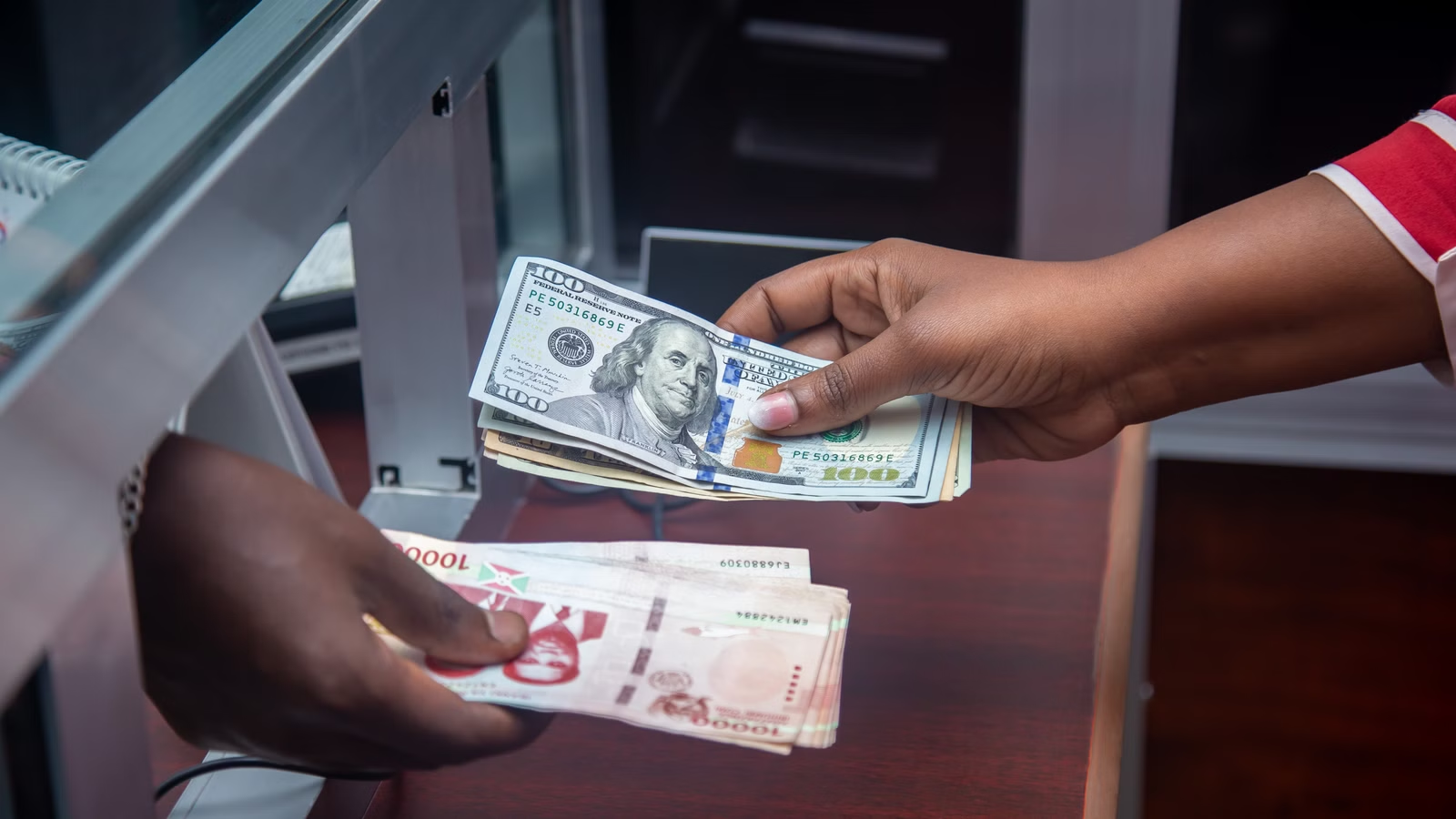
Sending money from the United States to China may be reviewed by banks, money transfer providers, or regulatory monitoring systems, but a normal transfer does not automatically mean wrongdoing or taxation. What matters most is whether the source of funds is clear, the purpose is reasonable, the amount and frequency are explainable, and the relationship between sender and recipient can be documented. If you are an international student, overseas Chinese resident, U.S. tax resident, cross-border family member, or someone preparing to remit salary, savings, or investment funds back to China, you should focus on reporting thresholds, tax status, foreign exchange rules, and the documents needed for compliance checks.
Key Takeaways
- U.S.-to-China transfers may be monitored, but not every transfer is manually investigated.
- The $10,000 figure is not a universal tax-reporting threshold for all wire transfers.
- China’s $50,000 annual quota mainly applies to individual FX settlement and purchase convenience.
- A receiving bank may ask for source-of-funds documents as part of AML and authenticity checks.
- Deliberately splitting transfers to avoid thresholds can increase risk-control scrutiny.
- Keep tax returns, pay slips, bank statements, gift letters, and purpose-of-payment records.
Will Sending Money from the United States to China Be Checked?
It may be monitored, but “being monitored” is not the same as “being investigated.” When you send money from the United States to China, U.S. banks, money transfer platforms, and Chinese receiving banks may review the transaction based on anti-money laundering requirements, customer identity checks, foreign exchange authenticity checks, and tax compliance expectations. As long as the source of funds is lawful, the purpose is real, and the transaction path is clear, common transfers such as family support, salary remittance, tuition and living expenses, or personal savings transfers can usually be processed normally.
You should first distinguish four types of “checks”:
| Type of Review | Who Handles It | Common Triggers | What You Should Prepare |
|---|---|---|---|
| Bank risk control | U.S. banks, transfer platforms, Chinese receiving banks | Large amount, frequent transfers, incomplete information | ID, address, account details, purpose explanation |
| AML reporting | Financial institutions reporting to regulators | Cash, large amounts, unusual patterns | Source-of-funds proof, transaction background |
| Tax reporting | IRS or Chinese tax authorities | Income, gifts, investment gains, asset transfers | Tax returns, pay slips, investment records |
| FX review | Chinese receiving banks, FX management rules | Settlement, FX purchase, cross-border receipts/payments | Family relationship proof, contracts, bills, statements |
A common misconception on the U.S. side is that any transfer over $10,000 requires personal tax reporting. In reality, FinCEN’s Currency Transaction Report mainly concerns financial institutions reporting cash or coin transactions. It does not mean every ordinary bank wire must be separately reported by the individual. Financial institutions also use the CTR FAQs to determine whether cash transactions by the same customer on the same business day should be aggregated for reporting.
The Chinese receiving side works in a similar way. A bank may ask you, “What is this money for?” “Who is the sender?” or “Will you convert the funds into RMB?” This is usually part of customer due diligence and authenticity review, not proof that the transfer is problematic. Especially when a large U.S. dollar transfer is sent from the United States to a Chinese bank account, the receiving bank needs to ensure the transaction is traceable, the purpose is reasonable, and the recipient information is complete.
Lower-risk transfers usually share several features: the relationship between sender and recipient is clear; funds come from salary, savings, investment accounts, or taxed income; the purpose is family support, tuition, living expenses, personal fund transfer, or caregiving; and the amount and frequency can be explained by income level or actual needs. Higher-risk patterns include third-party remittances, frequent splitting, routing through unrelated accounts, vague payment purposes, unclear cash sources, and inconsistent transaction explanations.
Summary: U.S.-to-China transfers may be monitored by banks and platforms, but monitoring itself is not punishment. What you should care about is whether the “fund story” is complete: where the money came from, why it is being sent, who receives it, what it will be used for, and whether it will be converted into RMB. If these questions can be supported by documents, a normal cross-border transfer is usually just a compliance process. If the source of funds and transaction route are inconsistent, even a smaller transfer may face document requests, delayed crediting, return of funds, or stricter suspicious activity review.
What Are the U.S. Reporting Thresholds? $10,000 Is Not a Universal Rule for All Transfers
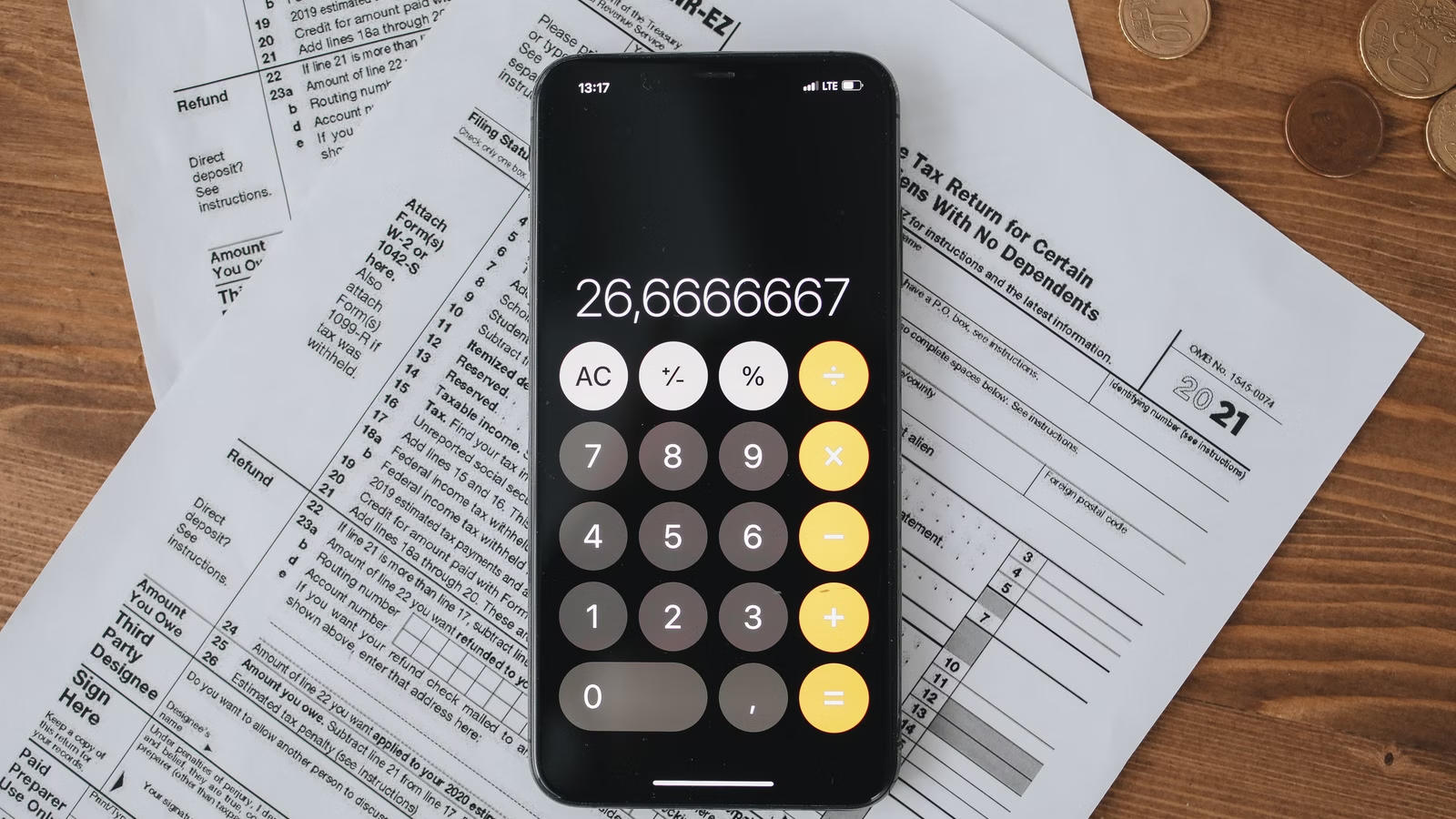
The $10,000 figure is one of the most misunderstood numbers in U.S.-to-China transfers. It may appear in cash transaction reporting, FBAR foreign account reporting, Form 8300 cash receipt reporting, and bank internal risk controls, but these rules apply to different situations. If an individual wires money from a U.S. bank account to a Chinese account, it should not automatically be interpreted as “anything over $10,000 must be personally reported to the IRS.”
Common thresholds can be understood as follows:
| Rule or Threshold | Who It Applies To | Core Meaning | Common Misunderstanding |
|---|---|---|---|
| $10,000 cash transaction | Financial institution cash deposits/withdrawals | Bank may file a CTR | Mistakenly applied to all wire transfers |
| Form 8300 | Businesses receiving cash | Cash payments over $10,000 must be reported | Mistakenly applied to family remittances |
| FBAR $10,000 | U.S. persons with foreign financial accounts | Foreign account balances over the threshold may require reporting | Mistakenly viewed as a transfer tax |
| Gift tax annual exclusion | U.S. gift giver | Excess gifts may require Form 709 | Mistakenly assumes recipient always owes tax |
| 1% remittance tax | Certain cash-funded remittances | Applies to some transfers from 2026 | Mistakenly applied to all electronic transfers |
If you receive cash in a trade or business, the IRS Form 8300 rules require reporting cash payments over $10,000, usually within a specified filing period. The key points are “cash received” and “trade or business,” not ordinary family money transfers from the United States to China.
If you are a U.S. citizen, green card holder, or U.S. tax resident and you have bank, brokerage, or other financial accounts in China or elsewhere outside the United States, you may need to pay attention to FBAR if the aggregate value of those foreign accounts exceeds $10,000 at any time during the year. FBAR is an account information report, not a remittance tax. It also does not mean the money in the account will automatically be taxed. Taxability still depends on whether the funds are income, investment gains, interest, dividends, or other taxable items.
Tax status is also important. The IRS rules on individual tax residency status usually involve the green card test and the substantial presence test. U.S. citizens and resident aliens are generally subject to worldwide income reporting. In other words, tax issues do not arise simply because money is “sent out”; they arise because the underlying income may already be reportable.
Starting in 2026, you should also watch the new U.S. remittance excise tax. The IRS description of the 1% remittance transfer tax indicates that it mainly applies when a sender funds a transfer to a foreign recipient using cash, money order, cashier’s check, or similar physical instruments through a remittance transfer provider. Whether payments funded by bank accounts, debit cards, credit cards, or other electronic methods are affected depends on final rules and provider classification. It should not be simplified as “all U.S.-to-China transfers will be taxed.”
Summary: $10,000 is not a universal red line for U.S.-to-China remittances. Cash transactions, foreign accounts, business cash receipts, gift tax, and bank risk controls each have different rules and targets. You should first determine whether you are a U.S. tax resident, then identify whether the funds are salary, gift, investment income, personal savings, or business income, and finally check whether the payment method is cash, bank transfer, or a remittance platform. Focusing only on the amount can easily mix up unrelated rules, causing unnecessary concern while missing the documents that actually matter.
How Will the Chinese Receiving Side Review the Transfer? The $50,000 Quota Is Not a Receiving Limit
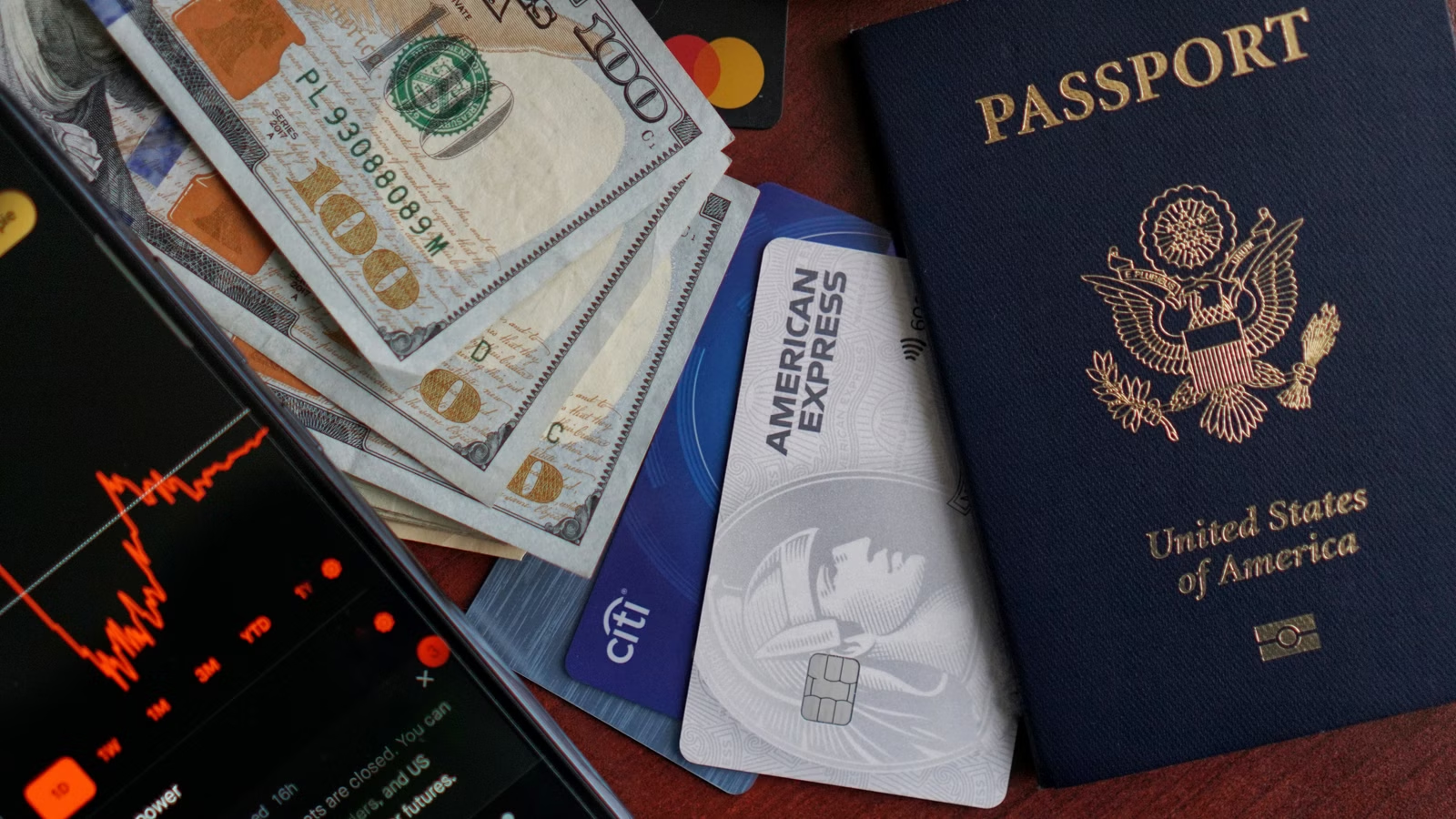
On the Chinese receiving side, the focus is on crediting, FX settlement, and use of funds. Receiving U.S. dollars into a Chinese bank account does not automatically mean wrongdoing, and exceeding $50,000 does not mean the funds cannot be received. The $50,000 figure mainly refers to China’s annual convenience quota for individual FX settlement and domestic individual FX purchase. It is not the same as an absolute cap on receiving funds from overseas. The receiving bank cares more about source of funds, transaction background, sender-recipient relationship, and compliance with foreign exchange rules.
The State Administration of Foreign Exchange’s Detailed Rules for the Implementation of Measures for the Administration of Individual Foreign Exchange state that individual FX settlement and domestic individual FX purchase are subject to annual quota management, with the annual quota being equivalent to $50,000 per person per year for each category. Within the quota, transactions are generally handled with valid identity documents. For amounts exceeding the annual quota, current account items may be processed with authenticity documents, while capital account items are handled according to capital account rules. Therefore, the $50,000 amount is more accurately a “convenience quota for FX settlement and purchase,” not an absolute receiving limit for funds sent from the United States to China.
A Chinese receiving bank may ask you to provide:
- Sender identity: name, address, account information, tax status, or occupation background.
- Relationship to recipient: family relationship proof, gift letter, loan agreement, or family support explanation.
- Source of funds: pay slips, tax returns, bank statements, home-sale documents, brokerage statements.
- Use of funds: tuition bills, medical bills, living expense explanation, caregiving statement, home purchase documents.
- Transaction consistency: whether amount, frequency, purpose, and account route match the explanation.
China also has clear standards for large transaction reporting under AML rules. The Ministry of Justice’s Administrative Measures for Financial Institutions’ Large-Value Transaction and Suspicious Transaction Reports state that where a natural person’s bank account and other bank accounts have cross-border fund transfers of RMB 200,000 or more, or foreign currency equivalent to $10,000 or more, on a single day in one or multiple transactions, it falls within a category of large-value transactions to be reported by financial institutions. This “reporting” is an obligation of the financial institution; it does not mean that transferring $10,000 is illegal or that the bank must reject the funds.
From 2026, cross-border fund information verification may become more detailed. The new customer due diligence requirements for financial institutions require financial institutions and currency exchange businesses to verify the accuracy of remitter information when handling outward remittances for customers at or above RMB 5,000 or foreign currency equivalent to $1,000 per transaction. Although this rule focuses on outbound transfers from China, it reflects a broader trend toward more complete and traceable cross-border fund information. When receiving funds from the United States, if a Chinese receiving bank finds missing remitter information, it may also request supplementary details.
Summary: The core issue on the Chinese receiving side is not “once the amount exceeds a certain number, it cannot be received.” The real issue is whether the funds are genuine, compliant, and explainable. The $50,000 annual quota mainly affects individual FX settlement and purchase convenience, not the absolute ability to receive foreign funds. If you plan to convert received U.S. dollars into RMB, you should determine whether the transaction uses the annual convenience quota and whether authenticity documents are needed. For larger amounts, higher frequency, or more complex purposes, preparing source-of-funds and purpose documents in advance is usually safer than responding only after a bank requests them.
Is a U.S.-to-China Transfer Taxable? Look at the Nature of the Funds, Not the Transfer Itself
Whether a U.S.-to-China transfer is taxable depends not on the act of remitting money, but on what the money actually is. If the funds are taxed salary, personal savings, family support, or a reasonable gift, the transfer itself usually does not create a separate income tax event. If the funds are unreported income, investment gains, rental income, business income, or proceeds from an asset sale, cross-border transfer does not change their original tax character.
You can assess the funds by category:
| Type of Funds | U.S. Focus | China Focus | Suggested Documents |
|---|---|---|---|
| Salary savings | Whether income has been reported based on tax status | Whether it is foreign-source income of a Chinese tax resident | W-2, 1099, tax return, pay slips |
| Family gift | Whether the gift giver triggers gift reporting | Whether the receipt is clearly a gift | Gift letter, family relationship proof |
| Loan | Whether it is a genuine loan | Whether repayment arrangement exists | Loan agreement, repayment records |
| Investment gains | Dividends, interest, capital gains | Tax residency and foreign-source income | Brokerage statement, tax forms |
| Home-sale proceeds | Whether sale gain has been taxed | Whether it is asset transfer income | Contract, tax payment proof, bank records |
| Company payment | Whether it is business income or service compensation | Whether it involves business or labor income | Contract, invoice, tax files |
U.S. gift tax is often misunderstood. The IRS gift tax annual exclusions show that the annual exclusion is $19,000 per recipient for both 2025 and 2026. Exceeding the annual exclusion does not necessarily mean immediate tax is owed, but the gift giver may need to file Form 709 and use part of the lifetime exemption. In general, U.S. gift tax responsibility falls on the donor, not automatically on the Chinese recipient.
If a Chinese resident individual receives foreign-source income, Chinese tax residency and source-of-income rules also matter. Chinese resident individuals are generally subject to tax on income from both inside and outside China, and foreign taxes paid may be creditable under applicable rules. In practice, family gifts, caregiving support, loans, salary income, and investment gains have different tax characteristics and should not be treated as the same simply because they are all “remittances.”
Receiving large gifts from foreign persons is another rule set for U.S. persons. The IRS Form 3520 foreign gifts guidance explains that if a U.S. person receives gifts or bequests from a nonresident alien individual or foreign estate exceeding $100,000 in aggregate during the year, information reporting is generally required. This rule is more relevant when family members in China send money to a U.S. recipient, which is the opposite direction of sending money from the United States to China. However, many cross-border families transfer funds both ways, so the rules are often confused.
Summary: Tax analysis should not focus only on “how much was sent from the United States to China.” It should focus on the nature of the funds, the sender’s status, the recipient’s status, and whether the funds have already been properly reported. Transferring taxed salary back home is very different from sending unreported investment gains to China. Gifts, loans, salary, dividends, home-sale proceeds, and company payments should each be supported by different documents. The larger the amount, the less advisable it is to simply write “family support” in the transfer note; your tax forms, contracts, bank statements, and purpose explanation should form a consistent evidence chain.
Which Transfer Behaviors Are More Likely to Trigger Risk Controls? Do Not Split Transfers to Avoid Review
The most common risk-control issue is not a “large amount” by itself, but an unclear transaction explanation. Banks and transfer platforms focus more on abnormal patterns: deliberate splitting, multiple people sending on behalf of one person, inconsistent purposes, unclear source of funds, complex account routes, and frequent short-term inflows and outflows. A normal large transfer can be explained and supported with documents; splitting transfers to avoid thresholds may instead look like structuring or suspicious behavior.
High-risk behaviors often include:
- Splitting one transfer into multiple smaller transfers to avoid $10,000, $50,000, or bank limits.
- Asking friends, coworkers, or relatives to send funds separately to the same recipient without a real transaction background.
- Writing “living expenses” as the transfer purpose while actually using the funds for investment, home purchase, business, or third-party payment.
- Using a U.S. payment account that is not in your name, or sending funds shortly after they enter from cash, crypto, or a third-party platform.
- Quickly transferring funds out of the Chinese receiving account, making it look like a pass-through account.
- Frequently switching between platforms with amounts close to platform or bank review thresholds.
FinCEN defines structuring as breaking up transactions to evade BSA reporting and recordkeeping requirements. Even if your money is lawful, if the transaction design appears intended to avoid reporting thresholds, financial institutions may flag it as suspicious. A safer approach is to send the real amount for the real purpose and prepare supporting materials in advance.
If you genuinely need to transfer funds in batches, the key is having a reasonable commercial or personal reason. Tuition paid by semester, monthly family support, home-sale proceeds received in installments under a contract, and phased liquidation of investment accounts can all be explained. The risk lies in artificially splitting transactions near reporting thresholds simply “to avoid review,” especially when the recipient relationship, timing, and stated purposes cannot be explained.
When choosing a transfer channel, do not look only at the fee. You should also consider exchange rate spread, intermediary bank charges, arrival time, receiving bank recognition, transaction receipts, purpose notes, customer support, and compliance records. If you need to estimate the conversion between USD, RMB, or HKD, you can use real-time exchange rates for a preliminary amount check. If the receiving bank requires SWIFT details, SWIFT lookup can help verify the bank code in advance and reduce delays or returns caused by incorrect information.
Summary: Bank risk controls do not look only at the amount; they look at the pattern. A large transfer with a clear source, real purpose, and complete documents is often easier to process than multiple smaller transfers with a confusing explanation. Do not treat “below a certain number” as a safe line, and do not make third-party remittances, split transfers, or account routing detours routine. The safest logic for cross-border transfers is to state the truth, use consistent routes, keep records, and communicate in advance so the bank can understand why the transfer is happening.
What Documents and Steps Should You Prepare Before Sending Money from the United States to China?
Before sending money from the United States to China, first determine your tax status, nature of funds, payment method, recipient purpose, and FX settlement needs, then choose the transfer channel. You do not need a complex file for every small living-expense transfer, but for larger amounts, sensitive purposes, or frequent transfers, preparing documents in advance can reduce document requests, delays, returns, and tax explanation costs.
You can use a five-step self-check:
- Determine whether you are a U.S. citizen, green card holder, or U.S. tax resident.
- Identify the nature of the funds: salary, savings, gift, loan, investment income, home-sale proceeds, or business income.
- Confirm the payment method: bank wire, ACH, remittance platform, cash, money order, or cashier’s check.
- Confirm whether the Chinese recipient will simply receive USD or convert the funds into RMB.
- Prepare documents based on amount, purpose, and relationship, and keep transaction receipts.
Different scenarios require different documents:
| Scenario | Suggested Documents | Main Explanation |
|---|---|---|
| Salary remitted to China | Pay slips, W-2/1099, tax returns, bank statements | Prove income source and tax reporting |
| Family gift | Gift letter, family relationship proof, transfer receipt | Show non-commercial fund transfer |
| Student living expenses | Admission letter, tuition bill, rental contract | Show real purpose and reasonable amount |
| Medical care or family support | Medical bills, family relationship proof, expense explanation | Show family support background |
| Investment funds returning | Brokerage statements, trade records, tax documents | Show source of principal and gains |
| Home-sale proceeds | Sale contract, tax payment proof, bank credit records | Show asset sale background |
If you also need to compare different cross-border fund options, it is better to break “total cost” into transfer fee, exchange rate spread, intermediary bank fee, arrival speed, traceable receipt, and receiving-bank requirements. When using a cross-border payment entry such as Biya remittance to review fees and transfer routes, you should also keep order records, exchange rates, bills, and purpose documents. If the funds involve investing or multi-asset management, Biya web trading covers U.S. stocks, Hong Kong stocks, and crypto trading scenarios, but fund transfers, trading eligibility, fees, and local compliance requirements should still follow the platform display, order page, and applicable regulations.
Summary: Before sending money from the United States to China, your priority should be organizing the “fund story,” not simply asking whether the transfer will be checked. Tax status determines the U.S. reporting logic; the nature of funds determines whether income tax or gift tax may be involved; the recipient purpose determines what documents a Chinese bank may request; and FX settlement needs determine whether the $50,000 convenience quota is relevant. The more complete your documents, the easier the explanation; the more complex the route, the more important it is to confirm details with the bank or a tax adviser in advance.
If you frequently manage funds across the United States, Hong Kong, mainland China, or other regions, it is worth keeping transfer receipts, exchange rate records, bank statements, purpose explanations, and tax documents in one place. Cross-border payments are not only about “whether the money arrives,” but also about whether the source of funds, fee details, exchange rates, later use of funds, and account records are consistent. Biya, as a global multi-asset trading wallet, can be used in cross-border payment, exchange rate checking, asset recordkeeping, and overseas market trading scenarios. If you also follow U.S. or Hong Kong stock trading, you can use Biya to access related services. Biya charges $0 commission for U.S. stock trading; platform fees, external agency fees, trading activity fees, and fractional share fees should follow the fee center and order page. Cross-border remittance, investment trading, tax reporting, and foreign exchange compliance still need to be assessed based on your identity, location, and bank rules.
FAQ
Will the IRS definitely check U.S.-to-China transfers over $10,000?
Not necessarily. The $10,000 figure commonly appears in cash transaction reporting, FBAR foreign account reporting, and bank risk controls, but an ordinary bank wire does not automatically trigger personal tax reporting. Whether you need to report depends on whether you are a U.S. tax resident, whether you hold foreign accounts, whether the funds are taxable income, and whether the payment method involves cash or similar instruments.
Will a Chinese bank ask for the source of funds for a large U.S. transfer?
It may. A Chinese receiving bank may ask about the sender’s identity, recipient relationship, source of funds, and purpose of payment based on AML, customer due diligence, and foreign exchange authenticity review requirements. Larger amounts, higher frequency, missing information, or unclear purposes are more likely to lead to requests for pay slips, tax returns, bank statements, gift letters, or contracts.
Are U.S. family transfers to parents in China taxable?
Not necessarily. On the U.S. side, the key issues are the donor’s status, gift amount, and whether the annual exclusion is exceeded. On the Chinese side, the nature of the receipt matters: gift, family support, or other taxable income. For family remittances, keep family relationship proof, gift letters, transfer receipts, and source-of-funds documents. Specific tax treatment should follow local rules.
Is salary earned in the United States taxed again when remitted to China?
The transfer itself usually does not create a second tax event. The key questions are whether the salary has already been reported under U.S. tax rules, whether the Chinese recipient is a Chinese tax resident, and whether the funds count as foreign-source income. Moving taxed savings is different from remitting unreported income or investment gains, so keep tax returns and salary records.
Does China’s $50,000 quota limit funds received from the United States?
Not completely. The $50,000 amount mainly refers to China’s annual convenience quota for individual FX settlement and domestic individual FX purchase, not an absolute cap on receiving money from the United States. For FX settlement above the convenience quota, a bank may request authenticity documents. Capital account items, investment funds, and home-sale proceeds must be assessed under specific FX rules.
Can splitting U.S.-to-China transfers reduce bank risk controls?
It is not recommended. Deliberately splitting transfers to avoid $10,000, $50,000, or bank review thresholds may be treated as an unusual transaction pattern and increase the likelihood of risk-control review or document requests. Reasonable installment payments should have a real explanation, such as tuition schedules, monthly family support, or contractual installments; splitting should not be used to evade regulation.
*This article is provided for general information purposes and does not constitute legal, tax or other professional advice from BiyaPay or its subsidiaries and its affiliates, and it is not intended as a substitute for obtaining advice from a financial advisor or any other professional.
We make no representations, warranties or warranties, express or implied, as to the accuracy, completeness or timeliness of the contents of this publication.
Related Blogs of

Wire Transfer Requirements: Sender and Beneficiary Details Checklist

International Wire Transfer Time: What Affects Delivery?





Choose Country or Region to Read Local Blog
 Australia
 Austria
 Belgium
 Canada
 Cyprus
 Czech Republic
 Denmark
 Estonia
 Finland
 France
 Germany
 Greece
 Hong Kong
 India
India Indonesia
 Ireland
 Italy
Italy Japan
Japan Latvia
 Lithuania
 Luxembourg
 Malaysia
 Malta
Malta Morocco
 Nepal
Nepal Netherlands
 New Zealand
 Norway
 Pakistan
 Philippines
 Poland
 Portugal
 Romania
 Singapore
 Slovakia
 Slovenia
 South Africa
 South Korea
 Spain
Spain Sweden
 Thailand
 United States
 Turkey
 United Arab Emirates
 United Kingdom
 Vietnam