
Wire Transfer Fees Compared: Chase, Wells Fargo, Western Union and Alternatives





Wire transfer fees can look simple at first, but the real cost depends on more than the fee shown on the confirmation screen. When you send money domestically or internationally, you may pay an outgoing wire fee, an exchange rate markup, intermediary bank charges, recipient-bank deductions, taxes, or expedited processing costs. Chase and Wells Fargo publish clearer bank-wire fee ranges, while Western Union prices transfers by route, payment method, payout method, and exchange rate. Alternatives such as Wise, Remitly, OFX, Xe, ACH, Zelle, and multi-currency wallets may be cheaper or more flexible in some cases, but they are not always suitable for urgent, high-value, compliance-sensitive, or bank-required payments. The right choice depends on amount, currency, destination, speed, recipient access, and documentation needs.
Key Takeaways
- Bank wire fees are only one part of the full transfer cost you need to compare.
- Chase and Wells Fargo charge different fees for online, mobile, branch, domestic, and international wires.
- Western Union fees change by destination, payment method, payout method, currency, and transfer speed.
- Wise, Remitly, OFX, and Xe may work better for international personal transfers or FX-sensitive payments.
- ACH and Zelle can reduce domestic transfer costs, but limits, speed, and reversibility matter.
- Always compare the final recipient amount, not just the advertised transfer fee.
How Wire Transfer Fees Really Work
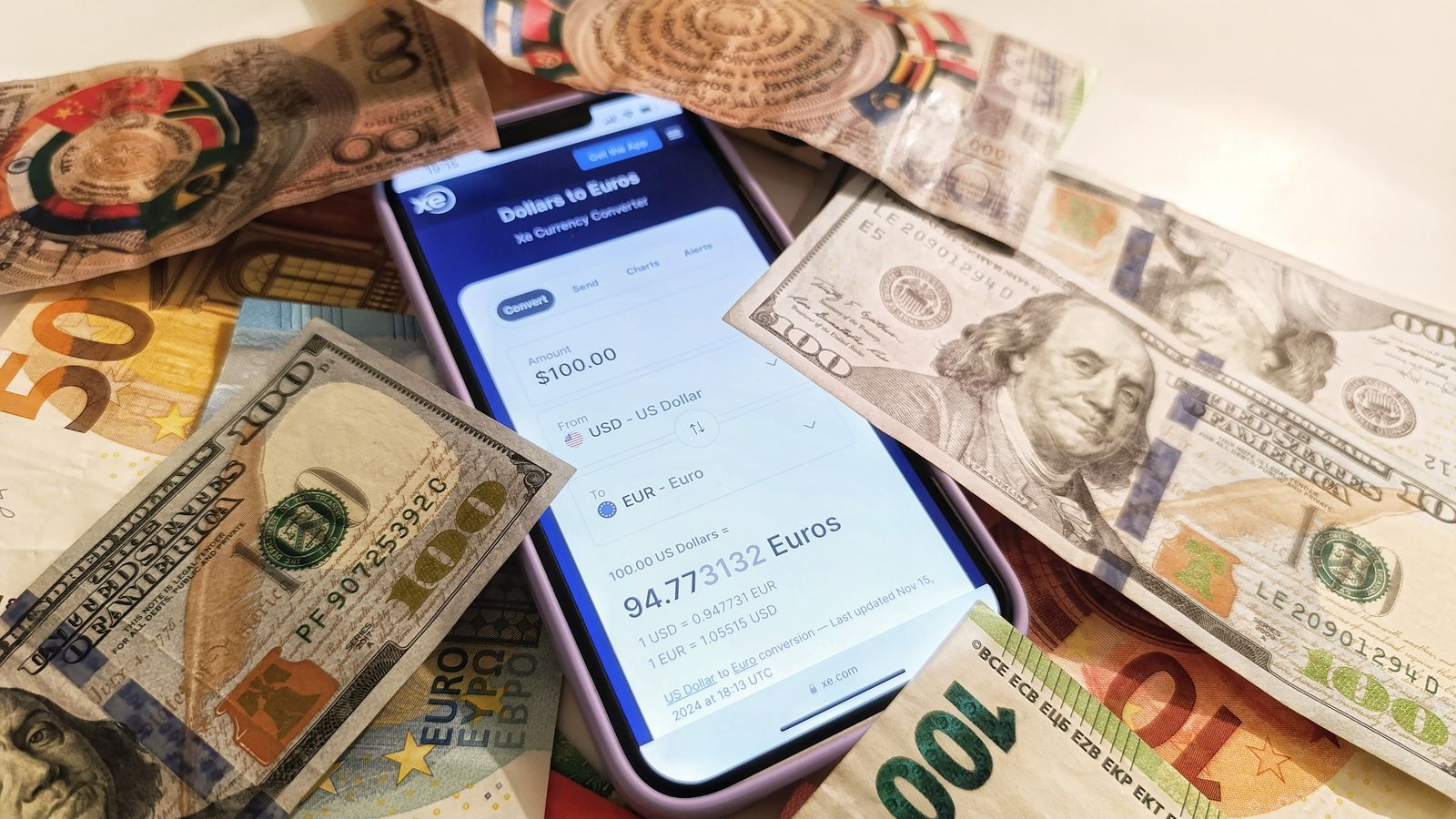
Wire transfer fees are not just the flat amount your bank charges when you click “send.” The practical question is: how much money leaves your account, how much arrives, how fast it arrives, and what can go wrong along the way. For domestic wires, the cost is usually easier to understand because the transfer often stays within one currency and one banking system. For international wires, the real cost may include a visible wire fee, a foreign exchange spread, correspondent-bank deductions, recipient-bank charges, and country-specific taxes or processing fees. That is why a $5 international wire can sometimes cost more in practice than a $25 domestic wire if the exchange rate is weaker or intermediary banks deduct money before the recipient receives it.
The visible fee vs. the total cost
A visible fee is the amount shown as the transfer charge. For example, a bank may show an outgoing wire fee before you confirm the transaction. That number is important, but it is not the same as the total cost.
For an international transfer, the exchange rate can be more important than the flat fee. If a provider gives you a less favorable rate than the mid-market rate, the difference becomes an indirect cost. You may not see it as a separate line item, but your recipient receives less money.
You should also watch for intermediary bank fees. These may appear when a transfer moves through the SWIFT network or through correspondent banks. The receiving bank may also charge an incoming wire fee. If the sender chooses a fee-sharing option, the recipient may receive less than expected.
A useful way to think about wire transfer cost is:
| Cost component | Where it appears | Why it matters |
|---|---|---|
| Outgoing wire fee | Sender bank or transfer provider | The most visible upfront charge |
| Exchange rate markup | Currency conversion screen | Can exceed the flat fee on larger transfers |
| Intermediary bank fee | SWIFT or correspondent route | May reduce the amount delivered |
| Recipient bank fee | Receiving account | May be deducted after arrival |
| Taxes or local charges | Destination country or provider | May apply by route or jurisdiction |
| Expedited processing fee | Urgent or same-day transfers | Raises cost when speed matters |
Domestic wires vs. international wires
Domestic wires usually move money within the same country. In the United States, they are often used for home purchases, business payments, legal settlements, brokerage funding, or urgent transfers. They can be fast, but they are often more expensive than ACH transfers.
International wires move money across borders. They may be sent in U.S. dollars or converted into a foreign currency. They may require a SWIFT/BIC code, recipient address, bank address, account number, IBAN, routing number, or country-specific bank code. If one detail is wrong, the wire may be delayed, returned, or processed with additional deductions.
A traditional international bank wire is often best when the recipient specifically requires a bank-to-bank transfer. A money transfer service may be better when the recipient needs a cash pickup, mobile wallet deposit, or lower-cost personal remittance.
The cost formula you should use
Before sending money, compare providers with the same amount, currency, destination, and delivery method. Do not compare a bank wire in U.S. dollars with a money transfer app quote in local currency unless you calculate the final recipient amount.
Use this formula:
Total transfer cost = upfront fee + exchange rate markup + intermediary bank fees + recipient bank fees + taxes or local deductions
For international consumer remittances, the CFPB remittance transfer rights include disclosures around fees, exchange rates, certain third-party charges, expected delivered amount, availability date, cancellation rights, and error-resolution steps. That does not mean every wire has the same protections, but it shows why the final delivered amount matters more than the headline fee.
Here is a simple comparison checklist:
| Question to ask | Why it matters |
|---|---|
| What is the upfront transfer fee? | Shows the visible sender-side cost |
| What exchange rate is used? | Reveals hidden FX cost |
| How much will the recipient get? | Shows the real outcome |
| Can intermediary banks deduct fees? | Important for SWIFT transfers |
| Can the recipient bank charge an incoming fee? | Reduces the received amount |
| Can the transfer be canceled? | Affects risk if details are wrong |
| Is the transfer urgent? | Speed may justify a higher fee |
Summary: Wire transfer fees should be compared by total delivered value, not by the advertised fee alone. For domestic payments, the main trade-off is often speed versus cost: wire transfers are faster and more formal, while ACH is usually cheaper but slower. For international transfers, the most important variables are exchange rate, intermediary deductions, recipient-bank charges, and compliance requirements. A low upfront fee can still be expensive if the FX rate is weak or third-party banks deduct funds. A higher bank wire fee may be reasonable when the payment is large, urgent, or required by a university, broker, property closing agent, business vendor, or financial institution. Before sending, check the confirmation screen, compare the recipient amount across providers, verify all bank details, and keep records for disputes, taxes, or compliance checks.
Chase Wire Transfer Fees: When the Bank Wire Option Makes Sense

Chase is usually a reasonable wire transfer option when you need a formal bank-to-bank payment, clear payment records, or a transfer that the recipient specifically requires as a wire. It is not automatically the cheapest choice for small international payments or FX-heavy transfers. The published Chase wire transfer fees for common personal checking accounts show a wide range: incoming wires may be $15 or $0 in some Chase-originated cases, domestic outgoing wires can differ by branch versus online or mobile channel, and international outgoing wires vary by U.S. dollar versus foreign-currency delivery. Chase can make sense for urgent domestic payments, real estate closing, business obligations, or large account-to-account transfers. For smaller international remittances, you should compare the final recipient amount with specialist providers before confirming.
Chase domestic wire transfer fees
For domestic outgoing wires, Chase commonly lists different prices depending on how you send the money. A banker-assisted domestic outgoing wire may cost more than one initiated through chase.com or the Chase Mobile app. This matters because a domestic wire is often used when timing and certainty matter.
Typical domestic wire use cases include:
- Real estate closing payments
- Business invoices requiring same-day settlement
- Legal or escrow payments
- Brokerage account funding
- Large personal payments where ACH limits are too restrictive
- Payments where the recipient explicitly rejects ACH or checks
For domestic transfers, the main comparison is not usually the exchange rate. It is speed, documentation, limits, and finality. ACH may cost less, but ACH transfers can take longer and may be subject to limits, returns, or settlement timing. A domestic wire may be worth the cost when the recipient requires confirmed funds quickly.
Chase international wire transfer fees
International wires are more complex. Chase lists different fees for international outgoing wires depending on whether the wire is sent through a banker, sent online in U.S. dollars, or sent online in foreign currency. In many cases, sending foreign currency online may have a lower visible fee than sending U.S. dollars abroad. However, a lower visible fee does not guarantee a lower total cost.
The key issue is foreign exchange. A transfer in foreign currency uses the bank’s exchange rate. That rate may include a spread. If you send a large amount, even a small exchange-rate difference can matter more than the upfront fee.
You should also consider the recipient side. An international wire may pass through intermediary banks. The recipient bank may charge an incoming fee. If the recipient needs an exact amount, such as tuition, rent, deposit, or brokerage funding, you may need to send extra or choose a fee option that reduces deductions.
| Chase wire type | Common channel | Main cost driver | Best use case | Watch-out |
|---|---|---|---|---|
| Incoming wire | Account deposit | Incoming fee or waiver | Receiving funds from another bank | Sender may also pay fees |
| Domestic outgoing wire | Branch, online, mobile | Channel fee | Urgent U.S. bank payment | ACH may be cheaper |
| International USD wire | Branch, online, mobile | Wire fee plus possible bank deductions | Recipient wants USD | Intermediary fees may apply |
| International foreign-currency wire | Online or mobile | FX rate plus wire fee | Recipient needs local currency | Exchange rate spread matters |
| Large international transfer | Online or banker-assisted | FX, wire fee, deductions | Tuition, property, business payment | Confirm final delivered amount |
When Chase is a reasonable choice
Chase is most suitable when the recipient requires a bank wire, the transfer amount is large enough to justify the fee, or you need a formal bank record. If you are funding a brokerage account, paying a university, closing on property, or paying a business supplier, the recipient may provide strict bank-wire instructions.
Chase may be less suitable when you are sending small amounts to family, converting currencies frequently, or trying to maximize the recipient amount. In those cases, compare money transfer services, multi-currency accounts, or local payment methods before you send.
For cross-border financial planning, you may also want to compare bank rates with real-time exchange rates before deciding whether to send in U.S. dollars, local currency, or through an alternative provider.
Summary: Chase wire transfer fees are best understood by channel, destination, and currency. A Chase domestic wire can be useful when speed, documentation, and recipient requirements matter more than cost. A Chase international wire can be practical for large or formal payments, but you should not judge it only by the published upfront fee. If Chase converts currency, the exchange rate may affect the real cost. If the wire uses correspondent banks, intermediary deductions may reduce the amount delivered. Before confirming a Chase wire, compare the online and branch options, check whether the recipient needs U.S. dollars or local currency, confirm all routing details, and compare the final recipient amount against specialist money transfer providers.
Wells Fargo Wire Transfer Fees: Digital Wires, Branch Wires and Waivers
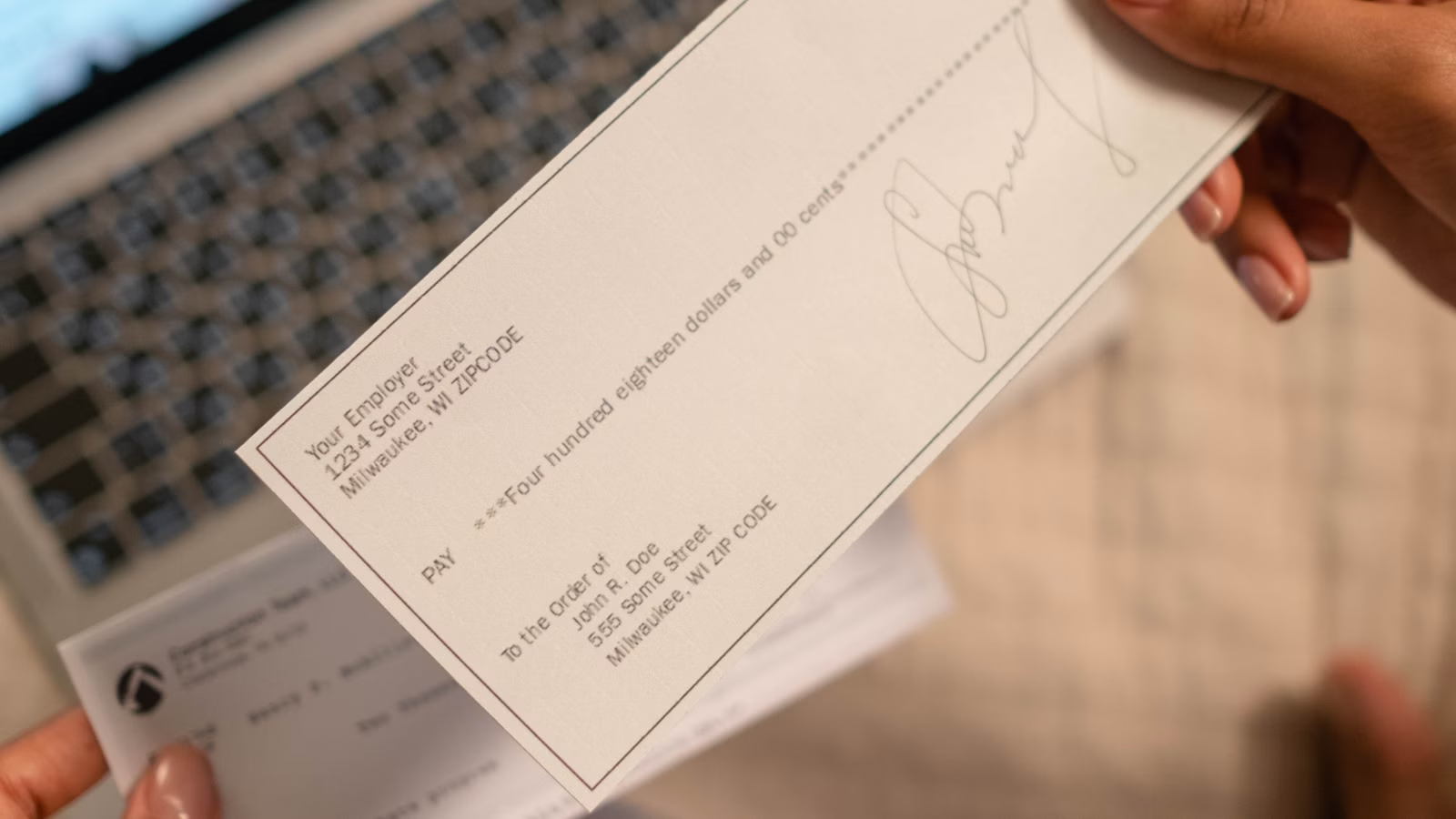
Wells Fargo is useful when you want a bank-based wire with digital convenience and broad international reach. The main fee distinction is simple: Wells Fargo Digital Wires lists a $25 fee for digital wires and a $40 fee for branch wires, with possible waivers from eligible account types and other fees that may apply. The practical decision is whether you can send the wire online, whether your transfer fits the bank’s limits, and whether your recipient needs bank-to-bank delivery. A digital wire may be cheaper than a branch wire, but a branch visit can be useful when the payment is large, unfamiliar, or requires extra verification. Like Chase, Wells Fargo may not be the cheapest option for every international transfer, especially when currency conversion is involved.
Digital wire vs. branch wire
Digital wires are designed for convenience. You can add recipient details, choose the funding account, review the payment, and send the wire through online banking. For routine recipients, digital setup may reduce repeated work.
Branch wires can cost more, but they may be appropriate when you are sending a large amount, have complex instructions, or need help verifying bank details. A banker may also help you understand required fields, but that does not remove your responsibility to confirm the recipient information.
Wells Fargo states that domestic digital wires are typically sent the same business day if submitted before the stated cutoff time. International delivery varies by recipient country. This means a domestic digital wire may be useful for same-day needs, while an international transfer still requires planning.
| Wells Fargo option | Published fee level | Typical strength | Main limitation |
|---|---|---|---|
| Digital wire | $25 | Lower bank-wire fee and online setup | Must meet digital eligibility and limits |
| Branch wire | $40 | Human assistance for complex transfers | Higher fee and branch visit |
| Domestic digital wire | $25 | Same-business-day potential if submitted before cutoff | More expensive than many ACH transfers |
| International digital wire | $25 | Bank-to-bank delivery to many countries | FX rate and country requirements matter |
| Eligible account waiver | Varies | Can reduce visible fee | Other costs may still apply |
Information required for Wells Fargo international wires
International wires are more sensitive to errors. The Wells Fargo wire transfer information requirements include details such as the recipient’s full name and address, bank name, account number, routing number or SWIFT/BIC, and additional information for some countries.
If your recipient is outside the United States, you may also need an IBAN, sort code, transit number, CLABE, BSB, or local bank code depending on the destination. These codes are not interchangeable. A SWIFT/BIC identifies a bank or branch in the international banking network, while an IBAN identifies an account in countries that use IBAN formatting.
If you are unsure about a bank identifier, a SWIFT lookup can help you check the format before entering details into a bank or transfer provider. You should still verify payment instructions directly with the recipient through a trusted channel, especially for business invoices or property payments.
When Wells Fargo is better than a money transfer app
Wells Fargo can be better than an app when the recipient is a bank, institution, escrow company, broker, university, or business that requires a traditional wire. It may also be better when you need a clear bank statement record or must send funds from a specific account.
Money transfer apps may be better for personal remittance, lower-value international transfers, or recipients who prefer cash pickup, mobile wallet, or local bank deposit. However, some apps may have lower transfer limits, route restrictions, or compliance checks that make them less suitable for high-value payments.
A practical way to decide is to start with the recipient requirement. If the recipient says “wire only,” compare bank-wire options first. If the recipient accepts a bank deposit from a money transfer service, compare the delivered amount, speed, and refund rules.
Summary: Wells Fargo wire transfer fees are easier to compare than many route-based money transfer services because the bank clearly separates digital and branch wire fees. A digital wire can be cost-effective within the bank-wire category, while a branch wire may be justified when you need assistance or are handling a high-value transaction. The main risk is not only the fee. It is incorrect recipient information, international routing requirements, exchange rate cost, and possible third-party deductions. Use Wells Fargo when a formal bank wire is required, when speed matters, or when documentation is important. For small international personal payments, compare specialist alternatives before confirming.
Western Union Money Transfer Fees: Why the Cost Changes by Route
Western Union is priced differently from a traditional bank wire. Instead of one standard outgoing wire fee, your cost changes by sending country, receiving country, amount, payment method, transfer speed, payout method, and exchange rate. That means Western Union can be convenient, but the only reliable way to compare it is to create a quote for the exact route you need. A transfer funded by card, paid out in cash, or delivered urgently may cost more than a bank-funded transfer to a recipient’s account. Western Union is often useful when the recipient needs cash pickup, lacks a bank account, or lives in a place where bank transfers are inconvenient. It may be less attractive for large FX-sensitive transfers where exchange-rate differences can reduce the delivered amount.
Western Union explains that money transfer fees vary by payment method, destination, transfer type, and other factors. This is why two transfers of the same amount can have different costs.
Western Union is not priced like a bank wire
A bank wire usually starts with a published outgoing wire fee. Western Union starts with a route and payout design. Your quote may change when you change any of these inputs:
- Sending country
- Receiving country
- Send amount
- Sending currency
- Receiving currency
- Funding method
- Bank deposit, cash pickup, card deposit, or mobile wallet payout
- Delivery speed
- Agent location, app, or online channel
- Promotional pricing or membership benefits
This route-based pricing is useful when you need flexibility. It can also make cost comparison harder. You should not ask, “How much is Western Union?” in general. A better question is, “How much will my recipient receive if I send this exact amount to this exact country using this exact payout method?”
Cash pickup, bank deposit and mobile wallet payout
Western Union’s main advantage is recipient flexibility. A bank wire assumes the recipient has a bank account and can receive bank transfers. Western Union may support cash pickup, bank deposit, card delivery, or mobile wallet delivery depending on the country.
Cash pickup can be valuable when the recipient needs money urgently or does not have a bank account. It can also be useful in markets where local banking access is limited. However, cash pickup can involve higher fees or less favorable exchange rates. It also requires the recipient to visit a location and follow identity-verification rules.
Bank deposit can be more convenient when the recipient has an account. Mobile wallet payout may be useful in countries where mobile money is widely used. In each case, you need to compare both transfer fee and exchange rate.
| Western Union payout method | Best for | Cost drivers | Main risk |
|---|---|---|---|
| Cash pickup | Urgent cash needs or unbanked recipients | Location, speed, currency, funding method | Fraud and recipient ID issues |
| Bank deposit | Recipients with bank accounts | FX rate, route, delivery time | Bank deductions or delays |
| Mobile wallet | Mobile-money markets | Route, provider, local rules | Wallet limits and verification |
| Card payout | Fast card-based delivery | Card network and route fees | Availability varies by country |
| Agent location | In-person senders | Cash handling and local pricing | Higher cost than online in some routes |
When Western Union may be worth the cost
Western Union can be worth using when access matters more than the cheapest possible rate. If your recipient cannot easily receive a bank wire, a cash pickup network may solve the real problem. If the transfer is urgent and the recipient needs local cash, Western Union may be more practical than waiting for an international bank wire.
However, you should be cautious with high-value transfers. If the amount is large, even a small exchange-rate difference can change the delivered amount significantly. You should also be careful with unfamiliar recipients. Money transfer scams often pressure people to send money quickly through cash-like methods.
Summary: Western Union should be compared by route, not by a single published fee. It is strongest when the recipient needs flexible access, such as cash pickup, mobile wallet delivery, or a route where bank transfers are inconvenient. It is less predictable than a standard bank wire because the cost changes when you change payment method, payout method, destination, currency, or speed. Before sending, create a quote, compare the final recipient amount, check whether the exchange rate is acceptable, and avoid sending money under pressure. Western Union can be useful, but it is not automatically cheaper than a bank, Wise, Remitly, OFX, Xe, ACH, or other alternatives.
Best Alternatives to Wire Transfers: Wise, Remitly, OFX, Xe, ACH and Zelle
The best alternative to a wire transfer depends on why you are sending money. For international personal transfers, Wise, Remitly, OFX, and Xe may offer a better balance of fees, exchange rates, delivery options, and transparency. For U.S. domestic transfers, ACH and Zelle may reduce or eliminate visible transfer fees, but they come with speed, limits, and fraud-risk considerations. For cross-border funding, multi-currency wallets may help you compare currencies, store records, and manage payment scenarios. The main rule is simple: if the recipient requires a bank wire, use a bank wire. If the recipient accepts other methods, compare the final amount received, not just the fee. A “no fee” transfer can still include an exchange-rate spread or third-party deduction.
Wise for transparent FX-heavy international transfers
Wise is often considered when you care about exchange-rate transparency. The Wise pricing model emphasizes upfront fees and no monthly subscriptions for many services, while its broader positioning focuses on transparent currency conversion. This can make Wise easier to compare when you send money in one currency and the recipient receives another.
Wise may be suitable when:
- The recipient can receive a bank deposit.
- You want to see the fee before confirming.
- The transfer is personal or business-related but not cash pickup.
- You care about the exchange rate more than agent-network access.
- You do not need a traditional bank wire reference from your bank.
Wise may be less suitable when the recipient requires a SWIFT wire from your bank, when a country or currency is unsupported, or when your transfer needs special compliance handling.
Remitly and Western Union for remittance-style use cases
Remitly is often used for personal remittances. Its pricing depends on route, amount, payment method, and delivery option. For example, Remitly pricing explains that transfer cost can vary by amount, payment method, and delivery option, and that users may see fee and rate details before sending.
Remitly may be useful when:
- You are sending money to family.
- The recipient needs a local bank deposit, wallet, or pickup option.
- The destination corridor is well supported.
- You want to compare economy versus faster delivery.
- You are sending a smaller or recurring personal transfer.
You should be careful with promotional rates. A first-transfer offer may be attractive, but it does not always represent the long-term cost. For recurring payments, compare the normal rate after promotions end.
OFX and Xe for larger or FX-focused transfers
OFX and Xe are often considered for larger international transfers or users who want to compare currency rates before sending. OFX transfer fees for Singapore state that there are no OFX transfer fees, while third-party banks may still deduct fees before the recipient is paid. That is an important reminder: no transfer fee does not mean no total cost.
Xe is also positioned around global currency transfer and exchange tools. Xe money transfer describes international transfers to more than 190 countries, which can make it useful when you want broad currency coverage and a familiar currency-conversion brand.
These providers may be useful when:
- You are sending a larger amount.
- The exchange rate is more important than cash pickup.
- The recipient can receive a bank deposit.
- You want to compare quotes before locking in.
- You do not need a same-day bank wire from a traditional bank.
They may be less ideal when the transfer is very small, the recipient needs instant cash, or the destination route has restrictions.
ACH and Zelle for domestic non-urgent transfers
For U.S. domestic transfers, ACH and Zelle can be cheaper alternatives to wire transfers. ACH is commonly used for bank-to-bank transfers, bill payments, payroll, and account funding. It is usually slower than a wire, but it may have lower or no visible fees depending on your bank.
Zelle is often used for fast domestic payments between enrolled U.S. bank accounts. It may be convenient for trusted recipients, but it should not be treated like a refundable shopping payment. If you authorize a payment to the wrong person or a scammer, recovery may be difficult.
| Alternative | Best use case | Cost structure | Speed | Not ideal for |
|---|---|---|---|---|
| Wise | Transparent FX bank deposits | Upfront fee plus transparent FX model | Varies by route | Cash pickup or wire-only recipients |
| Remitly | Family remittance | Route, payment method, delivery option | Varies by service level | Large institutional payments |
| OFX | Larger FX transfers | No transfer fee in some markets, FX spread, possible third-party deductions | Varies | Small urgent cash transfers |
| Xe | Broad currency comparison and transfers | FX-based pricing and route factors | Varies | Recipients needing cash pickup |
| ACH | U.S. domestic non-urgent payments | Often low or no visible fee | Usually slower than wire | Urgent or wire-only payments |
| Zelle | Trusted U.S. personal payments | Often no visible fee | Fast | Unknown recipients or purchase protection needs |
| Bank wire | Formal high-value payments | Upfront fee plus possible deductions | Often fast | Low-value routine payments |
For users who manage cross-border payments, subscriptions, currency conversion, and financial activity in one place, Biya can be part of the comparison set. It is a global multi-asset trading wallet that supports USDT conversion into major fiat currencies such as USD and HKD, payments in more than 40 local currencies across over 190 countries and regions, and access to U.S. stocks, Hong Kong stocks, and digital assets. It should not replace fee comparison, but it can help you organize certain global payment and financial scenarios.
Summary: Wire transfer alternatives should be matched to the transfer purpose. Wise can be useful for transparent FX-focused international bank deposits. Remitly and Western Union are stronger for remittance routes and recipient flexibility. OFX and Xe may be better for larger currency transfers where rate comparison matters. ACH and Zelle can reduce domestic transfer costs, but they are not always suitable for urgent, high-value, or unfamiliar-recipient payments. A traditional bank wire remains appropriate when the recipient requires it, when documentation is important, or when the payment is tied to property, brokerage, tuition, escrow, or business settlement. The best choice is the one that delivers the right amount, on time, through a safe and accepted channel.
How to Choose the Cheapest and Safest Wire Transfer Option
The cheapest wire transfer option is not always the safest, and the safest option is not always the cheapest. You should choose based on transfer amount, currency, destination, urgency, recipient trust, and whether the recipient requires a formal bank wire. For a small international family payment, a specialist money transfer service may deliver more money after fees and FX. For a home purchase, brokerage deposit, legal settlement, or institutional payment, a bank wire may be the more appropriate choice even if the fee is higher. Safety matters because wires and cash-like transfers can be difficult to reverse. The FTC wire money warning highlights common scam patterns where fraudsters pressure people to send money quickly through wire transfer companies.
Compare by final recipient amount, not headline fee
Start by choosing one test amount. Then compare each provider using the same destination, currency, payout method, and payment method. Record the full result.
Use this comparison process:
- Enter the same send amount on each provider.
- Select the same destination country and recipient currency.
- Choose the same payout method where possible.
- Record the transfer fee.
- Record the exchange rate.
- Record the final recipient amount.
- Check expected delivery time.
- Check cancellation or refund rules.
- Check whether intermediary or recipient-bank fees may apply.
- Save the quote or receipt before confirming.
The most useful number is the final recipient amount. If Provider A charges no transfer fee but delivers less after FX, and Provider B charges a fee but gives a better rate, Provider B may still be cheaper.
Match the provider to the purpose
Different transfer purposes call for different tools. A property closing agent may reject a money transfer app. A family member without a bank account may not be able to receive a traditional wire. A vendor may require a bank reference. A friend may accept Zelle. A university may require exact bank details.
| Scenario | First option to compare | Backup option | Main warning |
|---|---|---|---|
| U.S. property closing | Bank wire | Cashier’s check if accepted | Confirm instructions by phone |
| International tuition | Bank wire or specialist FX provider | Local bank payment if available | Send exact amount after deductions |
| Family remittance | Remitly, Wise, Western Union | Bank wire | Compare payout method and FX |
| Emergency cash | Western Union or similar service | Local bank transfer | Avoid scam pressure |
| U.S. domestic non-urgent payment | ACH | Zelle or wire | Check limits and timing |
| Trusted personal payment | Zelle | ACH | Avoid unknown recipients |
| Brokerage funding | Bank wire or ACH | Platform-supported transfer | Match sender name and account rules |
| Global subscription or payment management | Multi-currency wallet | Card or bank transfer | Track FX and account rules |
If your transfer connects to investing, subscriptions, or cross-border financial activity, you may also compare wallet-based tools. For example, Biya supports global payment scenarios and a cross-border payment flow, while users who also trade should still check platform rules, account limits, exchange rates, and local compliance requirements before moving funds.
Safety checklist before sending money
A wire transfer should be treated as a high-trust payment method. Before sending, verify the recipient independently. If an invoice arrives by email, call the recipient using a known phone number, not the number in the email. For property payments, confirm instructions directly with the escrow or closing office. For business payments, verify bank changes through a second channel.
Use this checklist:
- Confirm recipient name exactly.
- Confirm bank name and address.
- Confirm account number, IBAN, routing number, or SWIFT/BIC.
- Confirm currency and recipient amount.
- Confirm who pays intermediary and recipient-bank fees.
- Check whether the recipient expects a wire reference.
- Avoid sending money under pressure.
- Do not wire money to someone you have never verified.
- Keep the receipt, confirmation number, and exchange rate.
- For large first-time transfers, consider a small test payment if the recipient accepts it.
Cancellation rights vary. Under U.S. remittance rules, some qualifying international money transfers can be canceled within a limited window if conditions are met, but many bank wires become difficult to recover once processed. Always review your receipt and provider terms before sending.
Summary: The safest and cheapest wire transfer decision comes from matching the payment method to the transfer purpose. A bank wire is often best for formal, high-value, urgent, or institution-required payments. A money transfer service may be better for personal remittances, FX-sensitive transfers, and recipients who need flexible payout options. ACH and Zelle can be convenient for domestic transfers, but they require attention to limits, timing, and recipient trust. The key is to compare the final recipient amount, confirm transfer instructions through trusted channels, and avoid pressure-based payments.
No provider is always cheapest or safest in every situation. Your best option depends on amount, currency, destination, timing, documentation, recipient access, and risk tolerance.
When you compare wire transfer fees, you are usually solving a broader problem: moving money across currencies, paying for global services, funding accounts, tracking costs, and keeping payment records clear. A traditional bank wire may still be necessary for property, tuition, brokerage, or business payments, but you may also need a flexible way to manage day-to-day cross-border financial activity.
Biya is a global multi-asset trading wallet that supports USDT conversion into major fiat currencies such as USD and HKD, global payments in more than 40 local currencies across over 190 countries and regions, and access to U.S. stocks, Hong Kong stocks, and digital assets. For users who compare international transfer costs, Biya can help with exchange-rate awareness, payment scenarios, and financial activity records. It is especially relevant when cross-border payment, currency conversion, global subscriptions, or investment-related funding decisions overlap.
If you use Biya in a transfer workflow, still compare bank fees, exchange rates, third-party deductions, platform rules, and local regulatory requirements. For investing-related activity, Biya’s U.S. stock trading commission is $0, while the platform fee is $0.005 per share, with a $0.99 minimum per order and a cap of 1% of trade value; external agency and trading activity fees are $0.00396 per share. Fee details should always be checked against the current platform display and order confirmation.
FAQ
What is the cheapest way to send an international wire transfer?
There is no single cheapest international wire transfer option for every route. You should compare the bank fee, exchange rate, third-party deductions, recipient-bank charges, delivery time, and final recipient amount. For small personal transfers, Wise, Remitly, Western Union, OFX, or Xe may be cheaper than a bank wire. For large formal payments, a bank wire may still be required.
Are Chase wire transfer fees higher than Wells Fargo wire transfer fees?
Chase wire transfer fees are not always higher than Wells Fargo wire transfer fees. The comparison depends on domestic versus international transfer, online versus branch channel, currency, account type, waiver eligibility, and exchange rate. You should compare the same amount, destination, currency, and delivery method on both banks before deciding.
Why can Western Union be cheaper or more expensive than a bank wire?
Western Union can be cheaper or more expensive because its pricing changes by route, payment method, payout method, transfer speed, currency, and exchange rate. Cash pickup and urgent delivery may cost more, while some bank-deposit routes may be competitive. You should compare the final recipient amount, not only the displayed transfer fee.
Do wire transfer fees include exchange rate markups?
Wire transfer fees do not always include exchange rate markups. A bank or provider may show a separate transfer fee while building another cost into the exchange rate. For international transfers, you should check the exchange rate, compare it with a market reference, and focus on how much the recipient will actually receive.
Is ACH a better alternative to a domestic wire transfer?
ACH is often better for non-urgent U.S. domestic transfers because it can be cheaper than a wire. A wire transfer is usually better when the payment is urgent, high-value, or required by the recipient. Before choosing ACH, check transfer limits, settlement time, return risk, and whether the recipient accepts ACH.
Can you cancel an international wire transfer after sending it?
You may be able to cancel some international money transfers, but it depends on the provider, transfer type, timing, and whether funds were already deposited or picked up. Many bank wires are difficult to reverse once processed. Review your receipt, contact the provider immediately, and follow the platform rules and local regulatory requirements.
*This article is provided for general information purposes and does not constitute legal, tax or other professional advice from BiyaPay or its subsidiaries and its affiliates, and it is not intended as a substitute for obtaining advice from a financial advisor or any other professional.
We make no representations, warranties or warranties, express or implied, as to the accuracy, completeness or timeliness of the contents of this publication.
Related Blogs of

Crypto Trading Bots: Types, Costs, and Security Risks


Cheapest Way to Transfer Money Internationally: Small vs. Large Transfers




Choose Country or Region to Read Local Blog
 Australia
 Austria
 Belgium
 Canada
 Cyprus
 Czech Republic
 Denmark
 Estonia
 Finland
 France
 Germany
 Greece
 Hong Kong
 India
India Indonesia
 Ireland
 Italy
Italy Japan
Japan Latvia
 Lithuania
 Luxembourg
 Malaysia
 Malta
Malta Morocco
 Nepal
Nepal Netherlands
 New Zealand
 Norway
 Pakistan
 Philippines
 Poland
 Portugal
 Romania
 Singapore
 Slovakia
 Slovenia
 South Africa
 South Korea
 Spain
Spain Sweden
 Thailand
 United States
 Turkey
 United Arab Emirates
 United Kingdom
 Vietnam