
Wise Safety for Large Transfers: Limits, Risks and Safer Alternatives





Wise can be safe for large international transfers when your account is verified, your transfer route is supported, and your source-of-funds documents are ready. The stronger answer is more conditional: Wise is a regulated financial technology provider, not always a traditional bank, so safety depends on the amount, currency pair, country, payment purpose, timing, and whether you need bank-level documentation or deposit insurance. For personal transfers such as relocation, tuition, family support, and non-urgent currency exchange, Wise may offer transparent fees and competitive exchange rates. For property completion, legal escrow, institutional funding, or very time-sensitive transfers, a bank wire or specialist FX provider may be safer despite a higher cost.
Key Takeaways
- Wise can be safe for large transfers, but verification, supported routes, and documentation matter more as the amount rises.
- Wise safeguards customer funds, but safeguarding is not the same as traditional bank deposit insurance in every market.
- Large Wise transfers may trigger source-of-funds checks, manual reviews, delays, refunds, or account restrictions.
- Transfer limits vary by country, currency, payment method, account type, and local regulatory requirements.
- Wise may be cost-effective for transparent FX, while bank wires may fit legal, property, or institutional transfers better.
- A safer plan includes early verification, a timing buffer, complete documents, and at least one backup transfer route.
Is Wise Safe for Large Transfers? A Balanced Answer
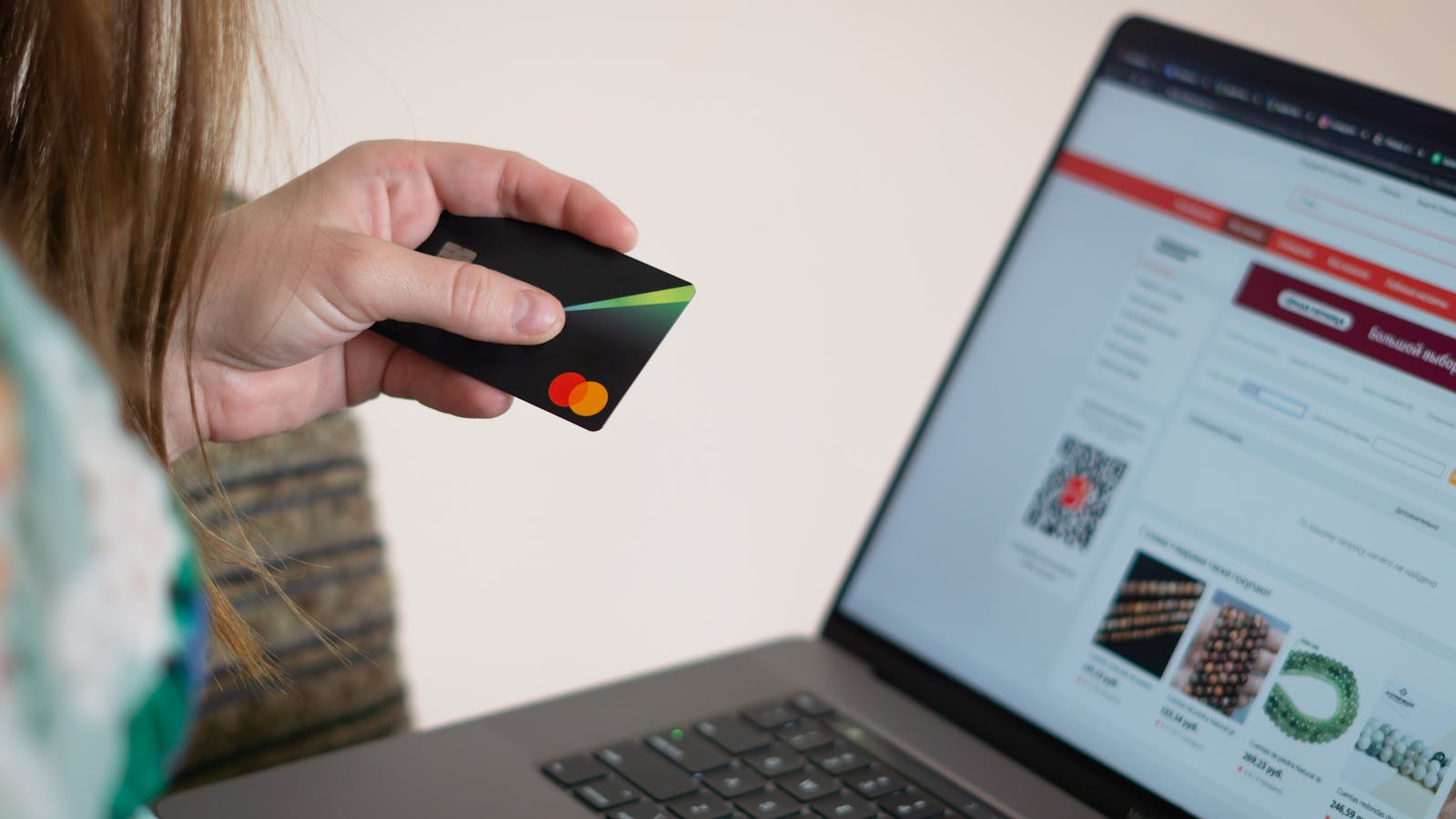
Wise can be safe for large transfers if your account is in good standing, your money source is legitimate and documented, and the transfer route is available for your country and currency. The main risk is not that Wise is an unknown or unregulated service; Wise is regulated in each country and region where it operates through different licensed entities. The real issue is whether Wise is the right risk model for your transfer. For a $5,000 family payment, convenience and exchange rate transparency may matter most. For a $100,000 property deposit, completion deadline, legal proof, bank audit trail, and refund route may matter more than a slightly better FX rate.
Wise’s safety profile has three layers. The first layer is regulation. Wise operates through regulated entities in markets such as the UK, the US, Singapore, Australia, Canada, and the European Economic Area. The exact license differs by country, so your legal relationship may be with a different Wise entity depending on where you live. That means a user in the UK, Singapore, Australia, or the US should not assume that all protections, product features, transfer limits, or complaint routes are identical.
The second layer is fund protection. Wise says it keeps customer money separate from its own operating money and holds it in cash, secure liquid assets, or comparable guarantees according to regulatory requirements. This is important because it means Wise should not treat your customer funds as company working capital. However, this does not turn every Wise balance into a bank deposit.
The third layer is operational control. Wise uses identity verification, transaction monitoring, device security, two-step authentication, and fraud controls. These controls protect the platform, but they can also create friction for you. A large transfer can be paused while Wise asks for documents or reviews unusual activity. From the user’s side, that may feel like a frozen transfer. From the compliance side, it may be a required anti-money-laundering check.
| Safety factor | What it helps protect | What it does not guarantee |
|---|---|---|
| Regulation | Licensed operations, complaint processes, compliance standards | Identical protection in every country |
| Safeguarding | Customer funds kept separate from company funds | Full bank deposit insurance in every market |
| Identity checks | Reduces fraud and account misuse | Instant approval for high-value transfers |
| Source-of-funds review | Helps meet AML and sanctions obligations | Same-day completion for urgent payments |
| Transparent pricing | Clearer fee and exchange-rate comparison | Lowest cost for every currency route |
| Transfer tracking | Better visibility into status changes | No delay from banks or intermediaries |
The biggest misunderstanding is the difference between “safe to use” and “risk-free.” Wise can be a credible transfer provider and still be unsuitable for a particular high-value payment. For example, if you are paying a property solicitor and the payment must arrive before a fixed closing date, a transfer pause could create legal or financial consequences. If you are funding a brokerage account and the receiving institution only accepts transfers from a bank account in your own name, Wise may not fit the recipient’s internal rules. If you are sending business revenue through a personal Wise account, the account type mismatch may create avoidable compliance questions.
You should also understand what Wise is not. In the UK, Wise Payments Ltd says its e-money and payment services are not subject to the Financial Services Compensation Scheme. That does not mean Wise has no protection model; it means the protection model is safeguarding rather than the standard bank deposit insurance many people associate with current accounts or savings accounts. In other markets, the exact wording and protection structure may differ, so country-specific terms matter.
Wise also faces the same regulatory pressure as other payment firms. In June 2026, Reuters reported a Belgian money-laundering investigation involving Wise’s European operations. An investigation is not the same as a final finding, and Wise stated that it was cooperating with authorities. Still, for large-transfer users, the event is a reminder that fintech safety is not only about app security; it is also about AML controls, monitoring systems, regulatory scrutiny, and how quickly a provider resolves compliance questions.
Before using Wise for a large amount, separate your risk into four categories:
- Platform risk: Is Wise licensed and operational in your country?
- Protection risk: Are your funds safeguarded, insured, or held under another model?
- Execution risk: Can the transfer arrive on time through the selected route?
- Documentation risk: Can you prove the source, purpose, and recipient details if asked?
Summary: Wise can be a safe and practical tool for many large transfers, but it should not be treated as a universal substitute for a bank. Its strengths are regulation, transparent pricing, multi-currency access, and a digital transfer experience. Its limitations are also clear: safeguarding is not always the same as deposit insurance, large transfers can trigger manual checks, and some legal or institutional payments may require bank documentation or relationship-manager support. For non-urgent personal transfers with clear documents, Wise can be reasonable. For property, escrow, brokerage funding, or business payments with strict deadlines, compare Wise with a bank wire or specialist FX provider before moving the full amount.
Wise Large Transfer Limits: Amount, Country, Currency and Payment Method

Wise large transfer limits are not one fixed global number. They depend on where you are registered, whether you use a personal or business account, which currencies you send from and to, and how you pay. The same person may face different limits when paying by card, local bank transfer, ACH, wire, SWIFT, or from a Wise balance. Your own bank may also impose daily or monthly transfer limits before the money even reaches Wise. For that reason, the practical question is not “What is the Wise limit?” but “What is the total route limit from my bank, through Wise, to this recipient?”
Wise states that there are limits for how much you can send, and those limits depend on the currencies and payment method. This is why a limit shown during one transfer cannot be assumed for another transfer. A USD-to-EUR transfer funded by local bank transfer may have a different ceiling from a GBP-to-AUD transfer funded by debit card. Business accounts may have different allowances from personal accounts. Some local rules also set country-specific annual or balance limits.
Payment method matters because Wise is only one part of the route. If your sending bank allows only $25,000 per day through online banking, but your intended Wise transfer is $80,000, Wise may support the route while your bank blocks or splits the payment. If your card issuer declines a large card payment, the problem may come from the card network or issuing bank rather than Wise. If your recipient bank screens the incoming payment, Wise may mark the money as sent while the recipient bank still reviews it.
| Limit factor | How it affects a large transfer | What you should check first |
|---|---|---|
| Residence country | Local rules may cap balances, sending, or spending | Wise terms for your registered country |
| Currency pair | Some routes support larger amounts than others | Send and receive currency availability |
| Payment method | Card, bank transfer, wire, and balance may differ | Funding limit and fee before confirming |
| Account type | Business accounts may support different workflows | Whether the payment is personal or business |
| Sending bank | Your bank may block or delay large outgoing payments | Daily transfer limit and approval process |
| Recipient bank | The recipient may request purpose details | Name match, reference, and receiving policy |
| Verification status | Unverified or partially verified accounts face more friction | Complete identity checks before sending |
For high-value payments, you should avoid building your plan around the first quote screen alone. The quote may show fees and estimated delivery time, but the final transfer still depends on verification, funding, bank cut-off times, local holidays, intermediary banks, and the recipient’s internal review. A transfer initiated on a Friday afternoon may behave differently from one initiated on a Tuesday morning. A public holiday in either the sending or receiving country can also affect delivery.
The fee structure can change with volume. Wise offers a large-transfer fee discount in some markets when eligible currency conversions exceed a threshold within a calendar month, such as USD 25,000 or equivalent in certain regions. In Singapore-facing materials, Wise also refers to discounted fees above SGD 30,000 or equivalent. These examples show why the country page and currency route matter. You should check the quote for your exact route rather than assuming one public threshold applies globally.
Large transfers also create a planning problem: a single transfer may be cleaner, but several smaller transfers may reduce operational stress. Splitting can be reasonable when it reflects bank limits, staged payments, tuition instalments, or a planned relocation schedule. It becomes risky when the intention is to avoid reporting, documentation, or compliance review. Avoid designing a pattern that looks artificial. If the payment is legitimate, it is usually safer to keep the purpose and documents consistent than to create unexplained fragmentation.
A practical pre-transfer limit check should include:
- Confirm the maximum amount Wise allows for your currency route.
- Check whether your payment method supports that amount.
- Ask your sending bank whether online, branch, or wire approval is required.
- Confirm the recipient bank accepts the payment route and account name.
- Review Wise’s fee, exchange rate, and delivery estimate immediately before sending.
- Prepare evidence for the source and purpose of the funds.
- Leave enough time for manual checks and possible re-submission.
Biya can also be useful when your transfer decision is part of broader cross-border planning rather than a one-off payment. For example, before deciding whether to exchange through Wise, a bank, or another route, you can compare market context with real-time exchange rates. That does not replace a final quote from Wise or your bank, but it helps you understand whether the quoted rate is reasonable and whether market movement is material for your amount.
Summary: Wise transfer limits are route-specific, not universal. Your real limit is the lowest limit across Wise, your funding method, your sending bank, your recipient bank, and local regulation. A large payment that appears possible in the app can still be delayed by bank approval, verification, or recipient-side screening. The safest approach is to test every part of the route before the deadline: account verification, payment method, bank limit, recipient details, and documentation. Treat the Wise quote as the starting point, not the full risk assessment. For high-value payments, a lower fee is only useful if the transfer can be completed on time and accepted by the recipient without unresolved questions.
Why Wise Large Transfers Get Delayed, Reviewed or Rejected

Large Wise transfers are often delayed because the transaction has crossed a compliance threshold, not because the app has failed. Wise may need to verify your identity, source of funds, source of wealth, recipient relationship, payment purpose, or business activity. Your sending bank, recipient bank, and intermediary banks may run their own checks as well. If the transfer involves a new recipient, unusual currency route, high amount, business-like pattern, crypto-related source, third-party funding, or mismatch between account names, the probability of manual review increases. The safest assumption is that a large transfer can be reviewed even if smaller transfers worked before.
Wise explains that it may ask for proof of where the money came from when you send a large amount. This request is not unique to Wise. Banks, brokers, lawyers, FX providers, and payment firms all face anti-money-laundering and sanctions obligations. A large transfer with no clear paper trail is harder to approve than a large transfer supported by salary records, property sale contracts, tax documents, audited business accounts, or brokerage statements.
The most common mistake is assuming that a bank statement alone always proves everything. A bank statement may show the money is in your account, but it may not show how the money originally arrived. If your account balance came from a property sale, Wise may need a completion statement or sale contract. If it came from investment liquidation, you may need brokerage statements showing sale proceeds and withdrawal. If it came from salary, payslips and employment records may help. If it came from business revenue, invoices, contracts, tax filings, and company bank statements may be more relevant.
| Transfer issue | Why it creates risk | Practical response |
|---|---|---|
| New high-value recipient | Unfamiliar payment pattern | Verify recipient details and relationship |
| Third-party funding | Name mismatch creates AML concern | Send from an account in your own name when possible |
| Property sale proceeds | Bank balance does not prove original source | Keep sale contract, completion statement, and bank trail |
| Business revenue | Personal account may not match payment purpose | Use the correct account type and business documents |
| Crypto-related source | Higher monitoring sensitivity in many institutions | Keep exchange statements and tax records |
| Urgent legal deadline | Manual review can miss completion timing | Use bank wire or start much earlier |
| Incomplete documents | Review cannot be resolved quickly | Prepare files before initiating transfer |
Wise also says it may ask for documents for a large transfer, and having them ready can speed up the process if they are requested. For a large transfer, the document set should answer three questions: Who owns the money? How was it earned or acquired? Why is it being transferred to this recipient? A clear document trail reduces back-and-forth and helps support your explanation if a review begins.
For personal transfers, useful documents may include:
- Recent bank statements showing account ownership and balance movement.
- Payslips, tax returns, employment contracts, or bonus letters.
- Property sale contracts, completion statements, or mortgage documents.
- Inheritance letters, probate documents, or executor statements.
- Brokerage statements showing investment sale proceeds.
- Tuition invoices, visa-related payment instructions, or relocation contracts.
For business transfers, useful documents may include:
- Company registration documents and beneficial-owner information.
- Client contracts, invoices, purchase orders, and delivery records.
- Business bank statements showing incoming revenue.
- Tax filings, audited accounts, or management accounts.
- Payroll records or contractor agreements.
- Board approval or internal payment authorization for major transfers.
One sensitive area is account closure or cancelled transfers. Wise says that when an account was closed by Wise, pending transfers are cancelled and refunds may require bank details outside Wise. You should not interpret this as a normal or likely outcome for every large transfer, but it is a risk worth planning around. If all your available liquidity is inside a transfer that gets reviewed, you may have a timing problem even if the money is ultimately refunded.
The risk is higher when the transfer is both large and deadline-sensitive. A property closing, immigration payment, business acquisition, or tax settlement may carry penalties if the money arrives late. In these cases, the safest route may be a bank wire even if the visible FX cost is worse. Banks can sometimes provide SWIFT receipts, branch confirmation, relationship-manager escalation, or formal letters that a solicitor, university, broker, or regulator may prefer. Wise can provide receipts and transfer status, but the recipient’s acceptance standards matter.
A safer Wise workflow for large transfers looks like this:
- Verify your Wise account before the transfer becomes urgent.
- Send only from a bank account that matches your Wise account name.
- Prepare source-of-funds documents before initiating.
- Confirm the recipient’s exact name, bank details, and reference format.
- Avoid unclear payment descriptions such as “investment” when the recipient needs a more specific reference.
- Monitor email and app notifications after sending.
- Respond quickly if documents are requested.
- Keep backup funds or another transfer route for urgent deadlines.
Summary: Large Wise transfers are delayed, reviewed, or rejected mainly because high-value payments create compliance obligations. A clean transfer is not only about having enough money; it is about proving ownership, source, purpose, and recipient legitimacy. The higher the amount, the more important your paperwork becomes. Wise may ask for source-of-funds documents, your bank may review the outgoing payment, and the recipient bank may screen the incoming funds. If the transfer is legitimate but poorly documented, you may still face delay. The safest preparation is to verify early, use matching account names, keep a full paper trail, avoid artificial splitting, and maintain a backup plan for time-sensitive obligations.
Wise vs Bank Wire vs Specialist FX Providers for Large Amounts
Wise may be a strong option when you value transparent fees, a visible exchange rate, and a digital transfer process. A bank wire may be safer when the transfer is legal, institutional, urgent, or must be supported by formal banking documentation. A specialist FX provider may fit larger business or property transfers where you want human support, tailored settlement, or a dedicated account manager. The best choice is not simply the cheapest provider. For a large amount, you should compare total cost, arrival certainty, documentation, recipient acceptance, customer support, and what happens if a compliance review starts.
Wise’s main advantage is clarity. You can usually see the fee, exchange rate, estimated arrival time, and recipient amount before confirming. For personal transfers and many straightforward international payments, that is valuable. Traditional banks may show a wire fee but hide more of the cost in the exchange-rate spread. However, a bank may still be more appropriate when the recipient expects a bank-originated transfer or when you need formal documents beyond a standard digital receipt.
| Transfer route | Best for | Main advantage | Main risk | Avoid when |
|---|---|---|---|---|
| Wise | Personal transfers, tuition, relocation, family support, non-urgent FX | Transparent fees and exchange rates | Manual checks can delay large payments | Recipient requires bank-originated funds |
| Bank wire | Property, escrow, brokerage funding, legal payments | Strong institutional acceptance and documentation | Higher FX spread and wire fees | Cost matters more than documentation |
| Specialist FX provider | Large property, business, vendor, or recurring payments | Human support and tailored settlement | Pricing and rules vary by provider | You need a simple small transfer |
| Multi-asset wallet | Ongoing cross-border cash and asset workflows | Integrated payment and asset context | Suitability depends on local rules and product availability | You only need one bank-to-bank legal wire |
A bank wire is often safer for property because the legal chain is strict. A solicitor, escrow agent, notary, or mortgage institution may care less about whether you saved 0.3% on FX and more about whether the payment source is recognized, traceable, and properly referenced. If the money must arrive before completion, a manual review inside any fintech platform can create unnecessary risk. A bank may also help with payment recall, formal confirmation, or branch escalation, although banks can also delay transfers for AML checks.
A specialist FX provider may fit high-value personal or business payments where you want more guidance. For example, OFX markets large overseas transfers for use cases such as property purchases and business payments, with online tracking and customer support. That does not automatically make OFX safer or cheaper than Wise. It means the category is worth comparing when your transfer is large enough for service quality, rate negotiation, settlement timing, and support access to matter.
Wise may still be suitable when the payment is large but simple. Examples include sending your own savings to your own overseas bank account, paying tuition to a university that accepts Wise transfers, moving relocation funds to a country where you already have a bank account, or supporting family members with a clear recipient relationship. In these cases, Wise’s transparent quote and digital tracking can be practical, provided you allow time for verification.
For investment funding, check the receiving institution’s rules before using Wise. Some brokerages require the transfer to come from a bank account in your own name. Some may reject third-party payment processors or return funds if the sender name does not match exactly. If you are also comparing overseas investment access, Biya can be part of a broader cross-border asset workflow, but transfer method, account funding rules, trading availability, and local regulations still need to be checked carefully before moving money.
Cost comparison should include more than the visible fee. A bank may charge a fixed wire fee, a correspondent fee, and a wider FX spread. Wise may show a lower explicit fee and a more transparent exchange rate, but a delay can create opportunity cost or legal risk. A specialist FX provider may offer a competitive rate for larger amounts, but pricing may depend on route, account type, and quote timing. Your goal is to compare the total transfer outcome, not just the fee label.
Use this decision filter:
- Use Wise when the recipient accepts it, the purpose is clear, timing is flexible, and transparent FX matters.
- Use a bank wire when legal documentation, institutional acceptance, or deadline certainty is more important than cost.
- Use a specialist FX provider when the amount is large enough to justify support, negotiation, or account-manager service.
- Use a multi-asset wallet or trading platform only when the transfer is part of a compliant broader payment, asset, or investment workflow.
You can also use a SWIFT code lookup before sending through a bank or alternative provider. Checking bank identifiers does not guarantee successful delivery, but it reduces avoidable mistakes in recipient bank details, especially when routing funds through international banking rails.
Summary: Wise is often attractive for large transfers because its pricing is transparent and its interface is simple, but the safest provider depends on the use case. For personal, non-urgent, well-documented transfers, Wise can be a reasonable choice. For property, escrow, brokerage funding, tax, or legal payments, bank wires may offer stronger institutional documentation and recipient acceptance. For large business or recurring transfers, specialist FX providers may offer support that a self-service app cannot match. Cost matters, but for high-value payments, the most important question is whether the transfer will be accepted, documented, and completed on time.
A Safer Framework Before Sending a Large Amount with Wise
The safest way to use Wise for a large transfer is to treat it as a compliance-sensitive financial transaction, not a casual app payment. That means you should prepare before the quote, not after a review begins. Your goal is to reduce preventable failure points: account mismatch, unsupported recipient, bank limit, weak document trail, poor timing, unclear purpose, or no backup route. Wise may work well when all these controls are in place. The same transfer can become stressful if you initiate it at the last minute, from a newly opened account, to a new recipient, with incomplete proof.
A practical framework has three stages: pre-transfer checks, execution discipline, and post-transfer monitoring. Each stage reduces a different kind of risk.
Pre-Transfer Checks
Before you initiate a large transfer, verify your account, check your route, and prepare your documents. Do not wait for Wise to ask before collecting evidence. If the money came from salary, savings, property, business, investment sales, or inheritance, your documents should show a clear chain from origin to current balance. Also confirm that your sending bank allows the payment size and that the recipient bank accepts the route. If the recipient is a university, solicitor, broker, or business vendor, ask whether payment through Wise is acceptable.
Transfer Execution Rules
When you execute the transfer, keep the pattern simple and explainable. Send from an account in your own name when possible. Use the exact recipient name and reference required. Avoid sending business funds through a personal account. Avoid artificial splitting designed to bypass limits or reviews. Consider a small test transfer only when it serves a legitimate purpose, such as confirming recipient details before a larger scheduled payment. Keep screenshots, receipts, invoices, and email instructions.
Post-Transfer Monitoring
After sending, monitor both Wise and your bank. A transfer can be marked as funded, processing, sent, or completed at different stages. The recipient bank may still review the incoming payment after Wise has released it. If Wise asks for documents, respond quickly with clear files rather than partial screenshots. If the transfer is urgent, contact the recipient to confirm when funds are credited, not merely when they are sent. Keep a backup plan in case a refund or alternative route becomes necessary.
| Safety step | What to do | Why it matters |
|---|---|---|
| Verify early | Complete identity checks before sending | Reduces last-minute account friction |
| Check bank limits | Confirm online, branch, and wire thresholds | Prevents failed funding |
| Confirm recipient rules | Ask whether Wise is accepted | Avoids rejection by recipient institution |
| Prepare documents | Keep source, purpose, and ownership evidence | Speeds up compliance review |
| Use matching names | Fund from your own account where possible | Reduces third-party payment concerns |
| Leave time buffer | Avoid sending near legal deadlines | Protects against manual review |
| Save records | Keep receipts, contracts, statements, and emails | Supports audit trail and dispute handling |
| Keep backup liquidity | Do not rely on one transfer route | Reduces stress if funds are delayed |
A safer Wise transfer checklist should include:
- Your Wise account is verified and active.
- The sending bank account is in your own name.
- Your sending bank limit supports the amount.
- The recipient accepts Wise or third-party payment rails.
- The recipient name, account number, routing details, and reference are exact.
- The source of funds is documented.
- The purpose of payment is documented.
- You have enough time for manual review.
- You have backup funds outside Wise.
- You understand the refund route if the transfer is cancelled.
For very large transfers, write a short internal note before sending. It can be as simple as: “I am sending USD 80,000 from my savings account to my own overseas account for relocation. Funds came from salary savings and investment sale proceeds. Supporting documents include bank statements, payslips, brokerage statements, and recipient account proof.” This note is not necessarily submitted, but it helps you organize documents and answer questions consistently.
Your risk tolerance should also reflect the purpose. If the money is for general relocation and you can tolerate a few days of delay, Wise may be acceptable. If the money is for a property closing where delay can breach contract terms, you may prefer a bank wire. If the amount is part of ongoing global payments, you may want a more structured setup with bank, Wise, and backup provider options.
Summary: A safe large Wise transfer is planned, documented, and not rushed. The best preparation is to verify your account early, confirm all route limits, use matching account names, prepare source-of-funds documents, and leave enough time for review. The weakest setup is a last-minute high-value transfer to a new recipient with unclear source documentation and no backup route. Wise can be efficient, but efficiency depends on your payment looking consistent, explainable, and supported by records. For high-value transfers, operational discipline matters as much as the provider’s headline safety claims.
Safer Alternatives by Use Case: Property, Tuition, Business, Family and Investment
The safest alternative to Wise depends on why you are sending the money. A property purchase is different from tuition. Tuition is different from business payroll. Business payroll is different from sending savings to your own overseas account. A low-cost transfer provider can be the right tool for one scenario and the wrong tool for another. Your decision should match the recipient’s acceptance rules, documentation needs, deadline risk, tax and compliance context, and whether you need ongoing support after the money is sent.
For property purchases, bank wires often have an advantage. Solicitors, escrow agents, notaries, developers, and mortgage lenders may prefer funds arriving through a recognized bank channel with a clear sender name and formal confirmation. A Wise transfer might still work in some cases, but you should not assume acceptance. Ask the solicitor or escrow agent in writing before sending. If they require funds from a bank account in your own name, use a bank wire. If they require a specific payment reference, follow it exactly.
For tuition, Wise can be practical when the university accepts the transfer route and the payment deadline has a buffer. Many students and families care about exchange rates and fees because tuition payments can be large. However, universities may use payment portals, designated bank accounts, or country-specific payment partners. Always confirm the payment instructions. If you need proof for visa, scholarship, tax, or reimbursement purposes, check whether Wise receipts are enough.
For family support and relocation, Wise is often a stronger fit. These transfers are usually personal, explainable, and less tied to legal completion deadlines. You may be sending savings to yourself, supporting a spouse or parent, or moving funds before relocating. Wise can be useful if the recipient details are simple and the transfer does not need institutional approval. Still, large amounts may trigger source-of-funds checks, so keep payslips, savings statements, or sale records ready.
For business payments, the account type matters. If you are paying vendors, contractors, suppliers, or overseas staff, do not force business flows through a personal account. Use a business account or provider designed for business payments. A specialist FX provider or business payment platform may offer approval workflows, batch payments, user permissions, accounting integrations, and account-manager support. Wise Business may suit some companies, but more complex treasury needs may require a bank or dedicated payment provider.
For investment funding, the receiving institution’s rules should decide the route. Some brokers and investment platforms accept only transfers from accounts in your own name. Some reject payment processors. Some require a bank wire reference or proof of source of funds before crediting the account. If you are funding a brokerage account, confirm the accepted funding method before using Wise. If you are researching overseas markets before moving funds, a US stock lookup can help you separate market research from the transfer decision.
| Use case | Wise suitability | Better alternative when | Key risk to control |
|---|---|---|---|
| Property purchase | Possible only if recipient accepts it | Solicitor, escrow, or lender requires bank wire | Deadline and sender-name documentation |
| Tuition | Often practical with buffer time | University requires designated payment portal | Payment reference and proof requirements |
| Family support | Often suitable | Recipient bank rejects route | Relationship and purpose clarity |
| Relocation savings | Often suitable for own-account transfers | You need bank statements for immigration proof | Source-of-funds trail |
| Business vendor payment | Suitable when using correct business setup | You need approvals, batch payments, or support | Account type and invoice documentation |
| Brokerage funding | Route-specific | Broker requires bank-originated funds | Name match and rejected deposits |
| Tax or government payment | Usually needs caution | Authority requires domestic bank or specific rails | Reference format and deadline |
A strong route selection process should start with the recipient, not the provider. Ask: “What payment methods do you accept for this amount, and what proof do you require?” Then compare providers. If the recipient accepts Wise and timing is flexible, Wise may be efficient. If the recipient requires a bank wire, the cheaper quote is irrelevant. If the recipient accepts multiple routes, compare total cost, delivery certainty, support access, and documentation.
Biya fits into this decision only when the transfer is part of wider cross-border money management. For example, if you are managing global payments, foreign-exchange exposure, digital assets, and overseas securities access, a multi-asset wallet may help organize separate workflows. That does not mean every large transfer should go through one platform. It means your transfer route, asset platform, and payment records should be coordinated rather than chosen in isolation.
Summary: Wise is not automatically the safest choice or the riskiest choice; suitability depends on the use case. It can work well for relocation, tuition, family support, and straightforward personal transfers when documents and timing are under control. Bank wires are often stronger for property, escrow, legal, tax, and brokerage funding because recipients may require formal bank rails and documentation. Specialist FX or business payment providers can be better for larger business flows or recurring international payments. Start with recipient requirements, then compare cost and execution risk. The safest route is the one that the recipient accepts, the sender can document, and the deadline can tolerate.
Managing Cross-Border Money Beyond One Transfer
A large Wise transfer is often just one part of a broader cross-border financial setup. You may need to exchange currency, pay overseas bills, fund an account, keep subscription records, support family members, manage business payments, or hold assets in more than one market. In that situation, the safest approach is not to rely on a single app for every purpose. A better structure separates daily payments, high-value transfers, emergency liquidity, and investment-related cash flows.
Biya is a global multi-asset trading wallet that can support users who need more than a one-time remittance route. It supports USDT conversion into major fiat currencies such as USD or HKD, US and Hong Kong stock trading, digital asset trading, and payment coverage across more than 190 countries and regions with over 40 local currencies. For US stock trading, Biya lists a commission of USD 0, a platform fee of USD 0.005 per share with a USD 0.99 minimum per order and a cap of 1% of trade value, plus external institution and trading activity fees of USD 0.00396 per share. Fractional-share orders below one share are charged a 1% platform fee capped at USD 1. Fees, availability, and trading rules should always be checked against the platform’s current fee display and local regulatory requirements.
For cross-border users, the practical value is workflow clarity. You can use cross-border remittances for supported payment needs, keep exchange-rate context visible, and separate asset decisions from urgent transfer execution. Wise, banks, specialist FX providers, and Biya can all play different roles. The safer strategy is to choose each tool for the job it is best suited to, keep records for every large movement, and avoid forcing legal, investment, or business payments through a route the recipient has not approved.
FAQ
Is Wise safe for transferring more than $10,000 internationally?
Yes, Wise can be safe for transfers above $10,000 when your account is verified, the route is supported, and your source-of-funds documents are clear. The main risks are manual review, bank-side limits, recipient rejection, and timing delays. For urgent legal, property, or brokerage payments, compare Wise with a bank wire before sending.
Why does Wise ask for source-of-funds proof on large transfers?
Wise asks for source-of-funds proof because large transfers can trigger anti-money-laundering and regulatory checks. Documents may include payslips, bank statements, property sale records, inheritance papers, business invoices, or brokerage statements. The documents should show how the money was acquired, not only that it is currently in your account.
Is money held in Wise protected like a bank deposit?
No, Wise safeguarding is not always the same as bank deposit insurance. In some markets, Wise is an e-money or payment institution rather than a traditional bank. Customer funds may be kept separate under safeguarding rules, but standard deposit protection such as FSCS or FDIC-style insurance may not apply in the same way.
Can Wise freeze or close an account during a large transfer?
Yes, Wise can restrict, review, or close an account if compliance, security, or policy issues arise. This does not mean every large transfer is likely to fail, but you should keep backup liquidity and respond quickly to document requests. Refund timing and routes can vary by payment method and account status.
Is a bank wire safer than Wise for property or investment transfers?
Often yes, a bank wire can be safer for property, escrow, mortgage, legal, or brokerage funding because the recipient may require bank-originated funds, formal confirmation, or exact sender-name matching. Wise may still work if the recipient accepts it, but you should confirm requirements in writing before sending a large amount.
Should you split a large Wise transfer into smaller payments?
Splitting a Wise transfer may be reasonable for staged payments, bank limits, or planned instalments, but it should not be used to avoid reporting, limits, or compliance checks. Artificial splitting can create more suspicion, not less. If the money is legitimate, a clear explanation and complete documents are usually safer.
*This article is provided for general information purposes and does not constitute legal, tax or other professional advice from BiyaPay or its subsidiaries and its affiliates, and it is not intended as a substitute for obtaining advice from a financial advisor or any other professional.
We make no representations, warranties or warranties, express or implied, as to the accuracy, completeness or timeliness of the contents of this publication.
Related Blogs of

Online Bank-to-Bank Transfers: Account Linking, Steps, and Limits


Crypto Exchange Fees Comparison: Trading Fees, Spreads, and Withdrawals





Choose Country or Region to Read Local Blog
 Australia
 Austria
 Belgium
 Canada
 Cyprus
 Czech Republic
 Denmark
 Estonia
 Finland
 France
 Germany
 Greece
 Hong Kong
 India
India Indonesia
 Ireland
 Italy
Italy Japan
Japan Latvia
 Lithuania
 Luxembourg
 Malaysia
 Malta
Malta Morocco
 Nepal
Nepal Netherlands
 New Zealand
 Norway
 Pakistan
 Philippines
 Poland
 Portugal
 Romania
 Singapore
 Slovakia
 Slovenia
 South Africa
 South Korea
 Spain
Spain Sweden
 Thailand
 United States
 Turkey
 United Arab Emirates
 United Kingdom
 Vietnam