
Multi-Currency Account Comparison: Wise, Revolut, HSBC and DBS for Global Users





There is no single best multi-currency account for every global user. Wise is usually strongest when you care about transparent FX costs, local account details and international transfers. Revolut fits users who want an app-first travel wallet, cards, budgeting tools and frequent foreign-currency spending. HSBC is more suitable if you already use international banking and want a traditional bank relationship. DBS is strongest for Singapore-based users who want SGD banking, foreign-currency wallets and a debit card linked to a local bank account. The right choice depends on where you live, which currencies you use, whether you need to receive overseas payments, how often you withdraw cash, and how much money you plan to hold in foreign currencies.
Key Takeaways
- Choose by use case first: travel, receiving money, transfers, banking or investing.
- Wise is strong for transparent FX, global payments and local account details.
- Revolut suits app-first users who spend, budget and travel frequently.
- HSBC and DBS offer stronger traditional-bank integration than fintech wallets.
- FX rate, ATM use, transfer route and unsupported currencies shape real cost.
- Always check eligibility, protection rules, live fees and local compliance.
What Global Users Really Need From a Multi-Currency Account

A good multi-currency account should solve one of four problems: spending abroad, receiving money from other countries, converting currencies at a fair rate, or keeping foreign-currency balances inside a regulated account. If you only travel twice a year, a travel card may be enough. If you invoice clients in USD, EUR or GBP, receiving details matter more. If you move between countries, you need eligibility and account continuity. If you keep larger balances, protection rules and account type become more important than app design.
A traveller cares about card acceptance, ATM withdrawal limits and dynamic currency conversion. A freelancer cares about receiving client payments and proof of income. An expat cares about salary, rent, local transfers and bank statements. A global investor cares about how USD, HKD or SGD balances connect to brokerage funding and cost records.
Search Intent Behind “Best Multi-Currency Bank Account”
The phrase “best multi-currency account” is usually a comparison query, not a simple definition query. Users already know that one account can hold more than one currency. What they want to know is whether Wise, Revolut, HSBC, DBS or another provider is cheaper, safer, easier to open, more useful for travel, or better for cross-border payments.
The strongest search intents usually fall into these groups:
| Search intent | What the user really wants | Key comparison factor |
|---|---|---|
| Travel spending | Pay overseas without high foreign transaction fees | Card FX rules, supported currencies, ATM cost |
| International transfers | Send money across borders predictably | Transfer fee, exchange rate, delivery route |
| Overseas income | Receive salary, freelance or platform payments | Account details, incoming payment fees, bank proof |
| Expat banking | Manage life across countries | Eligibility, local transfers, bank statements |
| Currency holding | Keep USD, EUR, GBP, SGD or HKD | Account type, balance limits, protection rules |
| Global investing | Prepare cash for overseas assets | FX cost, records, withdrawal and transfer path |
This is why the question should not be answered as “Wise is best” or “Revolut is best.” A better answer is: Wise is often best for transparent FX and cross-border payment utility; Revolut is often best for app-based travel spending; HSBC is stronger for users who already need global bank infrastructure; DBS is more relevant for Singapore residents who want multi-currency functions inside everyday banking.
Main User Profiles to Compare
The clearest way to choose is to start with your role. A frequent traveller has a different risk profile from a freelancer. A Singapore resident has different DBS access than someone in Europe or North America. A user with an HSBC Expat relationship has different options from someone opening a first digital wallet.
| User profile | Main need | Most important factor | Likely best-fit account type |
|---|---|---|---|
| Frequent traveller | Spend in local currency abroad | Card FX, ATM limit, weekend FX rules | Wise or Revolut |
| Remote worker | Receive client payments | Local account details, incoming transfers | Wise or bank account |
| International student | Pay tuition, rent and daily expenses | Local acceptance, bank statements, transfer routes | DBS, HSBC or Wise |
| Expat family | Manage salary, rent and savings | Traditional banking, proof of funds, transfers | HSBC or DBS |
| Global investor | Move and record USD/HKD/SGD funds | FX transparency, account records, compliance | Bank + payment account |
| Digital-first user | Cards, app, budgets, instant controls | App experience, virtual cards, plan limits | Revolut |
A useful multi-currency setup can also include more than one account. You might use Wise for receiving and converting money, Revolut for card spending, and a bank such as HSBC or DBS for larger balances or official bank records. The main mistake is choosing by the number of currencies alone. A provider that supports 40 currencies may not be the best if you need a local salary account. A bank that supports fewer currencies may still be better if your employer, landlord or tax authority expects a traditional bank account.
Summary: A multi-currency account is not just a place to hold several currencies. It is a tool for a specific cross-border job: spending, receiving, transferring, saving or preparing funds for global use. Wise, Revolut, HSBC and DBS serve overlapping but different needs. Wise and Revolut are stronger when you want digital payment convenience and lower-friction foreign-currency use. HSBC and DBS are stronger when your priority is traditional banking, statements, local account infrastructure and larger cash-management workflows. Before comparing fees, decide whether your main problem is travel spending, international income, expat banking, currency conversion or global investing. That first decision will usually narrow the best option faster than any single feature table.
Wise vs Revolut vs HSBC vs DBS: Quick Comparison

Wise, Revolut, HSBC and DBS should not be treated as four versions of the same product. Wise is a cross-border money account built around transparent conversion and international payments. Revolut is an app-first financial platform with strong travel, card and budgeting features. HSBC is a traditional international bank option for users who value global banking relationships. DBS is a Singapore-centered bank choice for users who want multi-currency functions linked to everyday local banking. Your best option depends on whether you prefer lower-friction fintech utility or bank-account infrastructure.
The quick comparison below gives a practical first filter.
| Provider | Best for | Currency support | Monthly account fee | Main strength | Main limitation |
|---|---|---|---|---|---|
| Wise | Transparent FX and cross-border payments | 40+ held currencies | Usually no monthly personal account fee | Clear fees, local account details, global transfers | Not a traditional bank account in many markets |
| Revolut | App-first travel spending and budgeting | 30+ in-app currencies in Singapore | Free and paid plans | Card controls, app features, travel wallet use | Plan limits, weekend FX and availability vary |
| HSBC | Traditional global banking | 19 currencies for HSBC Expat Global Money | No holding cost for Global Money Account | Bank relationship, global transfers, account records | Eligibility and banking relationship matter |
| DBS | Singapore-based multi-currency banking | SGD + 12 foreign currencies in My Account | My Account can have no minimum balance with e-statements | Local banking integration, SGD account, debit card | Mainly relevant to Singapore banking users |
A Wise multi-currency account is designed for sending, spending, converting and receiving money internationally; Wise says users can hold 40 currencies and receive with account details for 20 currencies. This makes Wise particularly useful when your cross-border activity involves both receiving and sending money.
Revolut Singapore positions itself as an all-in-one finance app with 30+ currencies in app, card spending and transfers to 100+ countries. Revolut is therefore often attractive to users who prefer one app for daily spending, travel, budgeting, cards and quick currency exchange.
HSBC Expat Global Money lets eligible users hold up to 19 currencies in a mobile-only Global Money Account, with no cost for holding the account and fee-free HSBC transactions. It fits users who want multi-currency capability within a bank relationship rather than a standalone fintech wallet.
DBS My Account gives Singapore users access to Singapore dollars plus 12 foreign currencies, including USD, EUR, GBP, HKD, JPY, AUD and CNH. DBS is less of a global signup solution and more of a strong local-bank answer for Singapore residents managing foreign-currency spending and balances.
Provider Positioning and Account Model
The most important distinction is account model. Wise and Revolut are more digital-payment oriented. HSBC and DBS are banks. This difference affects how you receive money, how balances are protected, what statements look like, which local services connect smoothly, and whether the account is accepted as a primary banking relationship.
Wise is often the clearest fit when you need practical cross-border functions: local receiving details, currency conversion, international transfers, card spending and fee visibility. Revolut is often stronger when your daily behavior is app-centered: freezing cards, creating virtual cards, categorizing spending, exchanging before a trip and managing travel cash in one interface.
HSBC and DBS fit a different type of user. HSBC appeals to internationally mobile users who already qualify for its global banking ecosystem or want a more bank-like structure. DBS appeals to Singapore-based users who want a single banking app for SGD savings and selected foreign-currency wallets. DBS can also be more familiar when you need local Singapore transfers, salary crediting, statements or card linkage.
Comparison Dimensions That Matter Most
Do not compare these accounts by headline claims alone. Use the same criteria across all four providers:
- Account opening eligibility: Can you open it from your country of residence?
- Supported currencies: Can you hold the currencies you actually use?
- Receiving ability: Can you receive local or international payments in your required currencies?
- Card spending: Does the card debit the correct currency balance?
- ATM rules: What are the monthly free limits, percentage fees and operator charges?
- FX transparency: Do you see a mid-market rate plus fee, or a bank/app rate?
- Transfer coverage: Which countries, routes and payout methods are supported?
- Protection and regulation: Is it a bank deposit account, e-money wallet or payment account?
- Limits and compliance: Are there balance caps, transfer caps or source-of-funds checks?
A quick shortlist can be made in seconds: choose Wise if your biggest need is transparent cross-border movement; choose Revolut if your biggest need is app-based travel and card use; choose HSBC if your biggest need is traditional international banking; choose DBS if you are in Singapore and want foreign-currency functions inside a local bank account.
Summary: Wise, Revolut, HSBC and DBS overlap in multi-currency functions, but they solve different problems. Wise is strongest as a transparent cross-border money account. Revolut is strongest as a travel-friendly app with cards and spending controls. HSBC is strongest for users who value global banking relationships and traditional account infrastructure. DBS is strongest for Singapore residents who want multi-currency wallets connected to local banking. A quick comparison should focus on eligibility, supported currencies, receiving ability, card spending, FX cost, ATM rules, transfer coverage and account protection. The best choice is the provider that matches your most frequent transaction, not the one with the longest feature list.
Fees and FX Costs: Where the Real Cost Appears
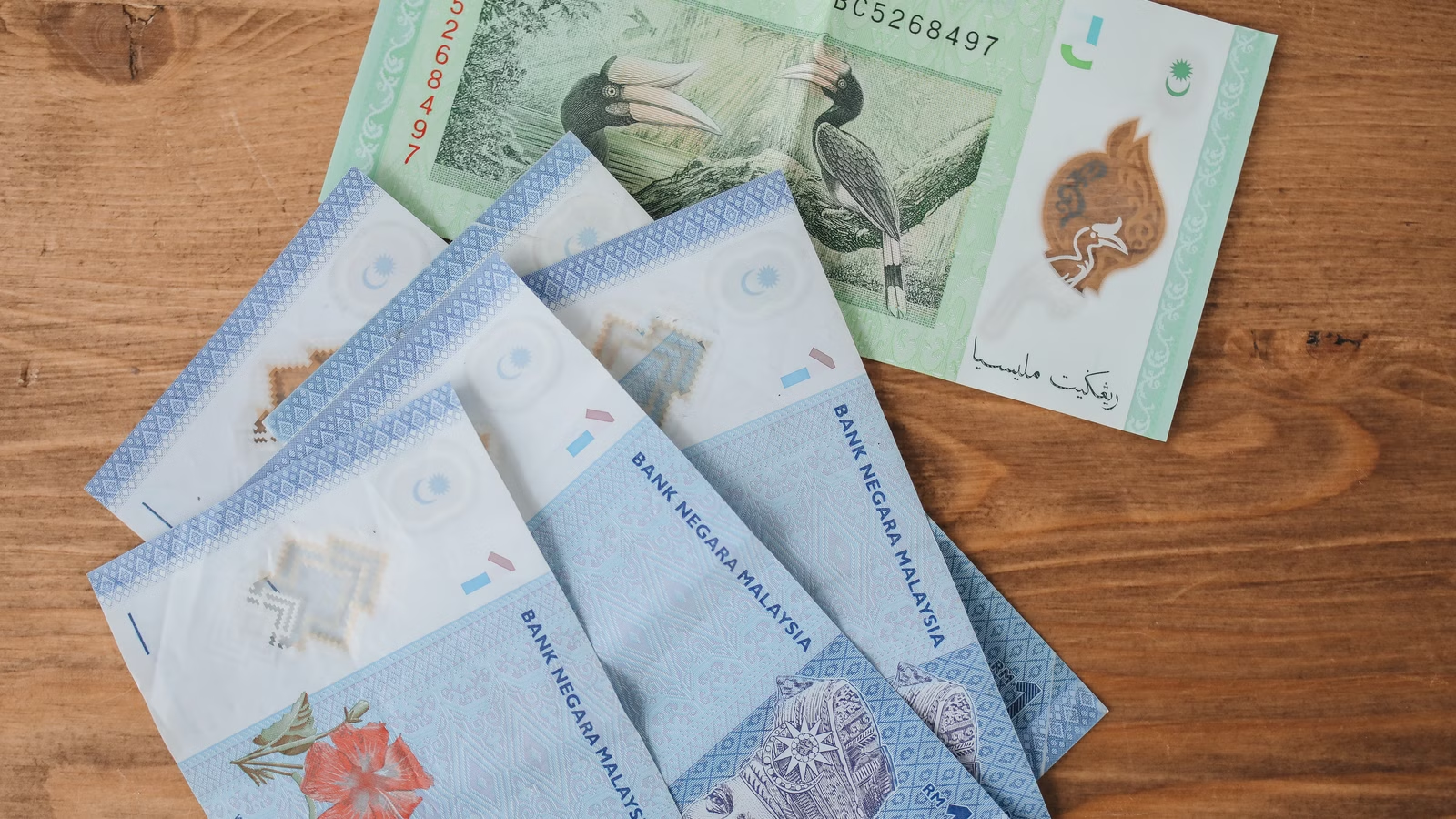
The real cost of a multi-currency account is not just the visible transfer fee. You need to compare the exchange rate, conversion fee, weekend markup, ATM withdrawal cost, unsupported-currency fee, receiving-bank charge and dynamic currency conversion risk. Wise is usually easier to analyze because it separates the exchange rate and fee. Revolut can be attractive for card use but requires attention to plan limits and weekend FX rules. HSBC and DBS may advertise low or zero transfer fees, but the bank exchange rate and supported-currency rules still matter.
A provider can say “no transfer fee” and still be more expensive than another provider if the exchange rate is less favorable. A card can say “no foreign transaction fee” and still cost you more if you pay in the wrong currency at the merchant terminal. An ATM withdrawal can be free from your card provider but still charged by the ATM operator. These small differences are why international users should compare total cost, not headline fee.
Exchange Rate, Conversion Fee and FX Markup
Wise is known for showing the exchange rate and fee before you confirm. On Wise pricing, Singapore users can see sending fees that vary by currency and start from 0.23%, plus ATM rules and account costs. This structure helps users estimate cost before moving money.
Revolut’s cost structure depends on plan, usage and timing. On Revolut Standard fees, Singapore users can see international ATM limits and foreign exchange conditions, including extra costs that may apply outside foreign exchange market hours. Revolut may be very efficient if you stay within plan limits and exchange during favorable times, but weekend or fair-usage fees can change the final cost.
HSBC and DBS should be read differently. A bank may charge no separate transfer fee or card fee in a specific scenario, but the conversion may still use the bank’s exchange rate. This does not automatically make it bad. It simply means you should compare the final amount received, not only the stated fee. For bank-based accounts, the exchange rate spread is often the main cost to watch.
ATM Withdrawals, Card Fees and Unsupported Currencies
ATM rules are easy to underestimate. Travellers often focus on card spending and forget cash withdrawal limits until they arrive overseas. Wise Singapore pricing lists free withdrawals up to 100 SGD per month per account and a 1.75% fee above that threshold. Revolut Singapore Standard allows international ATM withdrawals up to S$350 or five withdrawals per rolling month, after which the higher of 2% or S$1.49 applies.
DBS has a different structure because the card is linked to a Singapore bank account. A DBS Visa Debit Card can be used in up to 11 foreign currencies with no foreign exchange fees when the correct foreign-currency wallet is linked and funded. However, if you spend in an unsupported currency or do not have enough balance in the relevant currency wallet, other foreign transaction fees may apply according to DBS card rules.
For all providers, check these items before travel:
- Does the card support the local currency of your destination?
- Will the card debit your foreign-currency balance first?
- What happens if the balance is not enough?
- What is the monthly free ATM allowance?
- Does the ATM operator charge its own fee?
- Are weekend exchange markups applied?
- Are there card delivery, replacement or inactivity fees?
Dynamic Currency Conversion and Hidden Cost Traps
Dynamic currency conversion is one of the most common hidden costs. When a terminal overseas asks whether you want to pay in your home currency or the local currency, paying in your home currency may allow the merchant or payment processor to set the conversion rate. For most international users, paying in the local currency is usually the cleaner choice because your card provider or account handles the conversion under its own rules.
Other hidden traps include unsupported currencies, weekend conversion, ATM operator fees, correspondent bank charges, incoming payment fees, minimum transfer amounts and card-network conversion differences. A global user who mostly spends by card may care more about DCC and weekend FX. A freelancer receiving USD may care more about incoming transfer fees. An investor moving funds to a brokerage may care more about conversion rate, bank proof and transaction records.
| Cost type | Wise | Revolut | HSBC | DBS |
|---|---|---|---|---|
| Currency conversion | Visible fee plus exchange rate | Plan and timing dependent | Bank exchange rate | Bank exchange rate |
| Card spending | Strong if currency is held or converted efficiently | Strong for app-first travel use | Depends on card/account region | Strong for supported wallets |
| ATM withdrawal | Free allowance, then percentage fee | Free allowance, then percentage/minimum fee | Depends on account and card | Depends on card and ATM network |
| Transfers | Transparent quote by route | Route and plan dependent | Strong for HSBC/global banking users | Strong in Singapore banking context |
| Main fee risk | ATM threshold and route fees | Weekend/fair-usage limits | FX spread and eligibility | Unsupported currency and card rules |
Summary: The cheapest multi-currency account is the one with the lowest total cost for your actual behavior. If you send money often, compare the final received amount after fees and exchange rate. If you travel often, compare card FX, ATM allowances, weekend conversion and dynamic currency conversion risk. If you hold bank balances, compare account type and protection rules as much as fee tables. Wise is usually the easiest to assess because the pricing is transparent. Revolut can be cost-effective when used within plan limits. HSBC and DBS can be attractive for bank users, but the exchange rate and eligible scenario matter. Always test the exact currency pair and amount before committing larger sums.
Everyday Use Cases: Travel, Freelance Income, Salary and Global Transfers
A multi-currency account should be chosen by the transaction you repeat most often. For travel and online subscriptions, card behavior matters most. For freelance income, receiving details and proof of payment matter more. For salary, rent and long-term living abroad, a local or traditional bank account may still be necessary. For global transfers, the best provider is the one that gives a predictable exchange rate, reasonable delivery time and clear records. Wise, Revolut, HSBC and DBS each become stronger in different use cases.
Spending Abroad and Online Purchases
For travel spending, Wise and Revolut are usually the first two accounts people compare. Wise is useful when you want transparent conversion and a card that can draw from supported balances. Revolut is useful when you want an app-led travel wallet, virtual cards, spending controls and quick currency exchange before a trip.
HSBC and DBS are more useful when you want your travel spending connected to an existing bank relationship. DBS is particularly practical for Singapore residents who already use DBS or POSB and want to spend directly from foreign-currency wallets. HSBC is practical for users who already bank with HSBC and want international spending and transfers under one global banking relationship.
For online purchases, the same logic applies. If you subscribe to services in USD, EUR or GBP, Wise or Revolut can help you separate foreign-currency payments from your main bank account. If your online spending needs formal bank statements or is connected to a broader relationship, HSBC or DBS may be easier to reconcile.
Receiving Money Across Borders
Receiving money is where the gap between providers becomes clearer. Wise is often attractive to freelancers, remote workers and small business users because receiving details can make cross-border payments feel more local in supported currencies. That can be useful when clients want to pay by local bank transfer rather than an international wire.
Revolut can also support international money movement, but availability depends heavily on country, plan and local account features. Its app experience is strong, yet users should verify whether the exact receiving currency and account details are available in their country.
HSBC and DBS can be better when the sender expects a bank account, when you need official statements, or when incoming funds relate to salary, rent, tuition or long-term residence. A traditional bank account may also be easier to explain for compliance checks, proof-of-funds documents or tax records.
For users who receive income and then invest globally, maintaining clean transaction records matters. A multi-currency account may help you receive and convert funds, while a platform such as Biya can sit later in the workflow when you want to manage access to US stocks, Hong Kong stocks, crypto trading and multi-asset activity. This is not a replacement for bank compliance or tax reporting, but it can help separate payment, conversion and investment steps more clearly.
Sending Money Internationally
For international transfers, Wise is usually strong when you want a transparent quote before sending. Revolut can be convenient if both your app, plan and route support the transfer efficiently. HSBC is useful for global bank clients, and HSBC Global Money Transfers has expanded zero-fee transfers to more than 100 destinations in over 60 currencies. DBS is practical for Singapore users who send money from a familiar local bank environment and want account records inside their main banking app.
| Use case | Stronger fit | Why it fits | What to verify first |
|---|---|---|---|
| Weekend travel | Revolut or Wise | App card spending and quick currency use | Weekend FX, ATM limit, supported currency |
| Freelance USD income | Wise or bank account | Receiving details and transfer clarity | Local details, incoming fees, tax records |
| Expat salary | HSBC or DBS | Bank statements and traditional account use | Employer acceptance, local account needs |
| Tuition or rent | DBS, HSBC or Wise | Transfer records and payee compatibility | Recipient bank details, transfer route |
| Family remittance | Wise, HSBC or DBS | Predictable transfer and currency conversion | Delivery time, final amount, limits |
| Global investing cash flow | Bank + Wise/Biya workflow | FX records and asset access separation | Platform rules, transfer path, fees |
Summary: Use-case matching is more reliable than brand ranking. Wise is strong when your main need is receiving, converting and sending money across borders with clear pricing. Revolut is strong when you want card spending, travel controls and a highly usable app. HSBC is strong when your cross-border life is tied to an international banking relationship. DBS is strong when you are Singapore-based and want multi-currency functions inside daily banking. For users who also manage global assets, the account should support clean fund records before money moves into investment tools. The best setup may combine a bank account for stability, a fintech account for FX efficiency and a trading wallet for market access.
Safety, Regulation and Account Protection
Safety depends on account type, jurisdiction and balance size. A multi-currency account can be a bank deposit account, an e-money wallet, a payment account or a digital financial app. These are not the same. Wise and Revolut are regulated payment institutions in Singapore, but that does not automatically make every balance equivalent to a bank deposit. HSBC and DBS are banks, but foreign-currency deposits may not receive the same protection as local insured deposits. If you hold larger balances, protection rules are as important as fees.
Fintech Account vs Traditional Bank Account
Wise and Revolut are often described like digital banking apps, but users should still check the exact legal structure in their country. In Singapore, Wise Asia-Pacific is licensed by the Monetary Authority of Singapore as a Major Payment Institution and also holds a Capital Market Services Licence for specified activities. Revolut Technologies Singapore says it is regulated as a Major Payment Institution by the Monetary Authority of Singapore.
This regulatory status matters because it confirms oversight for regulated payment services, but it does not mean the account works exactly like a conventional bank deposit in every respect. Users should read safeguarding, account limits, transfer limits and dispute handling rules in their own jurisdiction.
HSBC and DBS are traditional banks. That can help when you need salary crediting, local transfer rails, bank statements, mortgage documents, proof of funds or a long-term relationship. But traditional banking does not remove the need to compare FX spreads, account fees, transfer rules and eligibility.
Deposit Insurance and Foreign Currency Balances
Deposit insurance is especially important when users hold larger balances in USD, EUR, GBP or other foreign currencies. In Singapore, the SDIC Deposit Insurance Scheme does not cover foreign currency deposits, structured deposits or investment products. DBS also states that foreign currency deposits are not insured under the deposit insurance scheme.
This means a Singapore-dollar savings balance and a foreign-currency wallet may not receive the same treatment. A user who keeps a small travel balance may not care much. A user holding large USD or EUR balances should care a lot. The decision is not simply “bank is safer” or “fintech is cheaper.” It is “what type of balance is this, under which entity, in which country, and under which protection rule?”
Compliance, Eligibility and Account Limits
Multi-currency accounts are subject to identity checks, residency rules, sanctions screening, source-of-funds checks and transaction monitoring. A provider may ask for additional documents if you receive large payments, move money frequently, receive funds from higher-risk routes or use the account in a way that does not match your profile.
Before opening or relying on any account, check:
- Whether your country of residence is supported.
- Whether the provider accepts your ID and address proof.
- Whether you can receive the currencies you need.
- Whether card delivery is available in your location.
- Whether there are balance caps or outgoing transfer limits.
- Whether foreign-currency balances are protected.
- Whether the account can be used for business, salary or investment funding.
- Whether tax reporting or local exchange-control rules apply.
| Provider | Account nature | Regulation/protection angle | Main safety question |
|---|---|---|---|
| Wise | Payment/e-money style account in many markets | Regulated locally by relevant authorities | Are balances safeguarded and are limits suitable? |
| Revolut | App-based financial account, varies by country | Regulated entity depends on jurisdiction | Which entity serves you and what limits apply? |
| HSBC | Traditional bank account for eligible users | Bank regulation and account terms | Which balances are insured and which are not? |
| DBS | Singapore bank account | Bank regulation and SDIC rules | Are foreign-currency balances insured? |
Summary: Safety should be judged by account type, not brand image alone. Wise and Revolut can be well-regulated payment providers, but their accounts may not be identical to bank deposits. HSBC and DBS offer traditional banking infrastructure, but foreign-currency balances may still fall outside deposit insurance in Singapore. For small travel balances, usability and fees may matter most. For large balances, legal entity, safeguarding, deposit insurance, transfer limits and documentation matter more. A prudent user may keep operational foreign-currency balances in a fintech account, larger reserves in a bank account, and investment funds only on platforms that match their risk tolerance, local rules and record-keeping needs.
Which Multi-Currency Account Should You Choose?
Choose Wise if your main goal is transparent foreign exchange and international transfers. Choose Revolut if your main goal is app-based travel spending, card controls and everyday foreign-currency use. Choose HSBC if you need a traditional international bank relationship and qualify for the relevant account. Choose DBS if you are based in Singapore and want SGD banking plus selected foreign-currency wallets in one bank app. The best choice is not universal; it depends on your country, currencies, balance size, transaction frequency and documentation needs.
Best for Transparent FX and Cross-Border Payments
Wise is often the strongest first choice when you want to compare costs before moving money. It is especially useful if you send money across borders, receive in supported currencies, convert between major currencies, pay overseas merchants or keep modest balances for international spending. Wise also fits users who dislike unclear FX spreads and want to see fees before confirming.
Choose Wise if most of these statements describe you:
- You send money internationally more than a few times per year.
- You receive money from overseas clients or platforms.
- You want local account details in supported currencies.
- You prefer visible conversion fees over unclear FX markups.
- You want a card for foreign-currency spending and online payments.
- You do not need a full local bank account for salary or rent.
Wise may be less suitable if your employer requires a domestic bank account, if you need full bank deposit functionality, or if you plan to hold large balances without checking safeguarding rules.
Best for App-First Travel and Everyday Spending
Revolut is often the stronger choice for digital-first users who want card controls, travel spending, quick currency exchange, budgeting and a clean mobile interface. It can be attractive for users who travel frequently, make many small foreign-currency purchases, want virtual cards, or prefer managing money from a single app.
Choose Revolut if most of these statements describe you:
- You travel often and spend mostly by card.
- You want virtual cards, card freezing and app controls.
- You exchange money before trips and track spending by category.
- You stay within plan limits and understand weekend FX rules.
- You value convenience and app experience as much as transfer cost.
Revolut may be less suitable if your main need is receiving overseas income with specific local account details, if you often exchange money on weekends, or if your country has limited Revolut features.
Best for Traditional Global Banking
HSBC is best suited to users who already have, or can qualify for, an international banking relationship. If you need bank statements, global transfers, account continuity across countries, or a more traditional institution, HSBC can be more appropriate than a standalone payment account. It is especially relevant for expats, internationally mobile professionals and users who already keep accounts with HSBC in more than one market.
DBS is best for users whose financial life is centered in Singapore. If you receive SGD salary, pay Singapore bills, use local transfers and also travel or hold USD, EUR, GBP, HKD or other supported currencies, DBS My Account and a linked debit card can be very practical. DBS may not be the right answer for someone outside Singapore who simply wants a globally available digital wallet, but it is highly relevant for Singapore residents who want bank-based multi-currency functionality.
| Decision factor | Choose Wise if… | Choose Revolut if… | Choose HSBC if… | Choose DBS if… |
|---|---|---|---|---|
| Main goal | Transparent transfers | App-first spending | Global banking | Singapore banking |
| User type | Freelancer, sender, receiver | Traveller, digital-first user | Expat, international bank client | Singapore resident |
| Cost focus | Visible FX and transfer fee | Plan limits and card use | Bank FX and transfer rules | Wallet currency and card rules |
| Account proof | Payment records | App records | Bank statements | Singapore bank statements |
| Balance size | Operational balances | Travel balances | Larger bank-managed balances | SGD + foreign-currency bank balances |
Users who manage global investments may also need a separate layer for market access. For example, US stock information can help you check ticker-level details before making investment decisions, while multi-currency accounts help you prepare and organize cash. Keeping these functions separate makes the workflow cleaner: banking for funds, payment accounts for FX and transfers, and regulated investment tools for market activity.
Summary: Wise is usually the best starting point for transparent FX, international transfers and receiving money in supported currencies. Revolut is better when you prioritize travel spending, app controls and everyday card use. HSBC is better when you need traditional international banking and can meet eligibility requirements. DBS is better when you are based in Singapore and want multi-currency functions connected to a local bank account. A mature setup may use more than one provider: one for bank stability, one for low-friction FX and one for global investing access. The right choice is the one that matches your repeated transaction, not the provider with the most marketing claims.
Managing Multi-Currency Cash Alongside Global Investing
A multi-currency account can help you organize USD, SGD, HKD, EUR or GBP cash, but it is only one part of a global financial workflow. Once you start using foreign currencies for overseas subscriptions, remittances, savings or investing, you also need a clear way to compare exchange rates, keep transaction records and understand trading costs.
For users who move from currency management into global asset access, Biya can be used as a global multi-asset trading wallet covering US stocks, Hong Kong stocks and crypto trading. It also supports USDT conversion into major fiat currencies such as USD or HKD, and covers payments across 190+ countries and regions with more than 40 local currencies. If you are planning a transfer before a market transaction, real-time exchange rates can help you compare currency movement before making a decision.
Biya’s US stock trading fee structure is also clear enough to include in cost planning: US stock commission is 0 USD, the platform fee is 0.005 USD per share, with a minimum of 0.99 USD per order and a cap of 1% of trade value; external agency and trading activity fees total 0.00396 USD per share. For fractional-share orders below one share, the platform fee is 1% of the transaction amount, capped at 1 USD. Fees, account availability, transfer routes, tax treatment and trading rules should always be checked against the platform display, order page, bank terms and local regulatory requirements. Multi-currency accounts can support your cash workflow, but they should not be used to bypass banking, tax, exchange-control or investment rules.
FAQ
Is Wise or Revolut better for frequent international travel?
Wise is usually better for transparent FX and predictable cross-border transfers, while Revolut is often better for app-first travel spending and card controls. Frequent travellers should compare supported destination currencies, weekend FX rules, ATM limits, card replacement cost and whether the account is fully available in their country.
Can a multi-currency account replace a local bank account for expats?
A multi-currency account cannot always replace a local bank account for expats. It may work well for foreign-currency spending, transfers and overseas income, but salary crediting, rent payments, tax records, utilities, loans and official bank letters may still require a local traditional bank account.
Are foreign currency balances in HSBC or DBS accounts deposit-insured in Singapore?
Foreign-currency balances in Singapore are generally not protected by the SDIC Deposit Insurance Scheme. Eligible Singapore-dollar deposits may be insured up to the applicable limit, but foreign currency deposits are excluded. Users should check the bank’s current deposit insurance wording before holding large balances.
Which multi-currency account is better for receiving freelance income from overseas clients?
Wise is often strong for freelancers who need supported local account details and transparent receiving or conversion costs. HSBC or DBS may be better when clients, tax authorities or business partners expect traditional bank statements. The best choice depends on currency, payer location, documentation needs and local rules.
Do multi-currency cards always avoid foreign transaction fees?
Multi-currency cards do not always avoid foreign transaction fees. Fees can still appear when you spend in an unsupported currency, lack enough balance in the target currency, withdraw cash beyond free limits, accept dynamic currency conversion, or use the card during periods with additional FX markup.
What should global users check before opening a multi-currency account?
Global users should check residency eligibility, supported currencies, account type, FX pricing, ATM rules, transfer limits, receiving details, balance protection and tax obligations before opening a multi-currency account. The best account for travel may not be the best account for salary, savings or global investing.
*This article is provided for general information purposes and does not constitute legal, tax or other professional advice from BiyaPay or its subsidiaries and its affiliates, and it is not intended as a substitute for obtaining advice from a financial advisor or any other professional.
We make no representations, warranties or warranties, express or implied, as to the accuracy, completeness or timeliness of the contents of this publication.
Related Blogs of

Crypto Trading Bots: Types, Costs, and Security Risks


Crypto-Related Stocks vs Digital Assets: What Investors Actually Own





Choose Country or Region to Read Local Blog
 Australia
 Austria
 Belgium
 Canada
 Cyprus
 Czech Republic
 Denmark
 Estonia
 Finland
 France
 Germany
 Greece
 Hong Kong
 India
India Indonesia
 Ireland
 Italy
Italy Japan
Japan Latvia
 Lithuania
 Luxembourg
 Malaysia
 Malta
Malta Morocco
 Nepal
Nepal Netherlands
 New Zealand
 Norway
 Pakistan
 Philippines
 Poland
 Portugal
 Romania
 Singapore
 Slovakia
 Slovenia
 South Africa
 South Korea
 Spain
Spain Sweden
 Thailand
 United States
 Turkey
 United Arab Emirates
 United Kingdom
 Vietnam