- More
- Download
What Time Does the U.S. Stock Market Open? Pre-Market, After-Hours, Funding, and Fee Guide




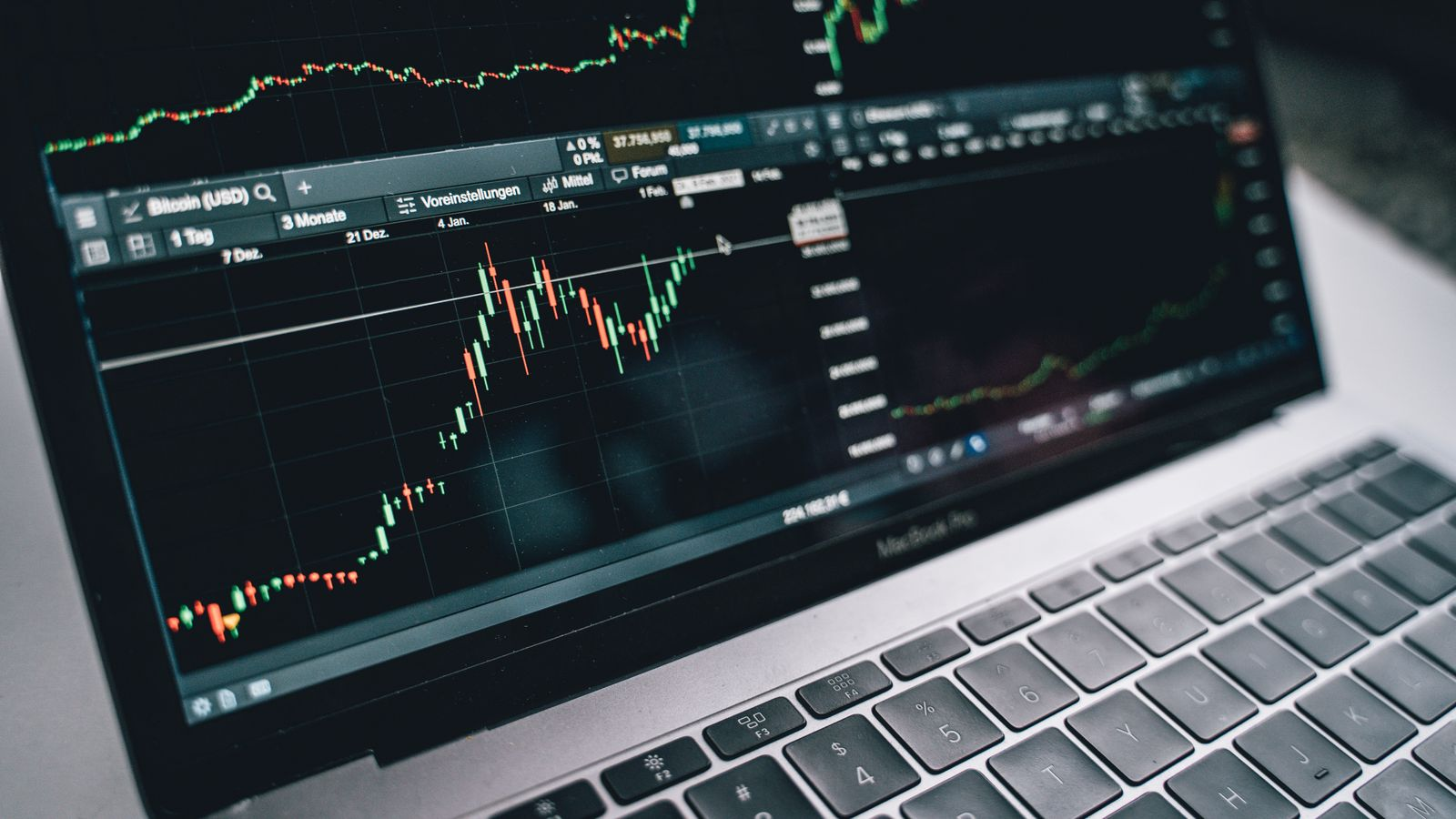
Regular U.S. stock market hours are 9:30 a.m. to 4:00 p.m. Eastern Time. For users in UTC+8 regions such as Beijing, Singapore, Hong Kong, and Taiwan, the market usually opens at 9:30 p.m. and closes at 4:00 a.m. the next day during U.S. daylight saving time. During standard time, it usually opens at 10:30 p.m. and closes at 5:00 a.m. the next day. You also need to distinguish regular trading, pre-market trading, after-hours trading, market holidays, and early closures, because these rules affect order timing, execution price, funding arrangements, and actual trading costs.
Key Takeaways
- Regular U.S. stock market opening time is based on 9:30 a.m. Eastern Time.
- UTC+8 users need to distinguish U.S. daylight saving time from standard time.
- Pre-market and after-hours trading are available, but liquidity and spread risks are higher.
- U.S. market holidays and early closures change the actual trading window.
- Funding, currency conversion, and account review can affect whether you can trade at the open.
- Trading costs are not only about commission; platform fees and external fees also matter.
What Time Does the U.S. Stock Market Open? Start with Regular Trading Hours

Regular U.S. stock market hours are 9:30 a.m. to 4:00 p.m. Eastern Time. The key reference point is not your local time, but U.S. Eastern Time. Whether you are in Beijing, Singapore, Hong Kong, or Taiwan, when searching “what time does the U.S. stock market open,” you should first confirm the regular trading session of NYSE or Nasdaq, then convert it into your local time. NYSE lists its core trading session as 9:30 a.m. to 4:00 p.m. ET, and Nasdaq also lists regular U.S. market hours as 9:30 a.m. to 4:00 p.m. ET.
| Item | U.S. Eastern Time | Beijing/Singapore During Daylight Saving Time | Beijing/Singapore During Standard Time |
|---|---|---|---|
| Regular Market Open | 9:30 a.m. | 9:30 p.m. | 10:30 p.m. |
| Regular Market Close | 4:00 p.m. | 4:00 a.m. next day | 5:00 a.m. next day |
| Trading Days | Monday to Friday | Local nighttime | Local nighttime |
| Special Cases | Holidays, early closures | Need separate confirmation | Need separate confirmation |
When Chinese-speaking users ask what time the U.S. market opens, they are usually not only looking for a single number. They often want to know whether they can trade tonight, whether they can trade immediately after earnings, whether funding will arrive in time, and whether pre-market or after-hours orders can be executed. For beginners, the most practical way to understand it is this: regular trading hours are suitable for most normal buy and sell orders, while pre-market and after-hours sessions are extended trading sessions where prices may be more sensitive and execution conditions may be stricter.
If you are buying a U.S. stock or ETF for long-term investing, there is usually no need to chase the first minute after the opening bell. If you are following earnings reports, CPI, FOMC decisions, nonfarm payrolls, or volatile technology stocks, you need to look at both the market opening time and the event release time. When using U.S. stock information search, it is also useful to check the ticker, market status, and trading session at the same time, so you do not mistake an extended-hours quote for a regular-session execution price.
Summary: The core answer is that the U.S. stock market opens at 9:30 a.m. Eastern Time and closes at 4:00 p.m. For UTC+8 users, this usually means 9:30 p.m. to 4:00 a.m. during daylight saving time, and 10:30 p.m. to 5:00 a.m. during standard time. Before placing an order, you still need to confirm whether the day is a U.S. trading day, whether there is an early close, whether your broker supports the relevant session, and whether your order will enter regular trading or extended-hours trading.
How to Convert U.S. Market Open Time into Beijing and Singapore Time
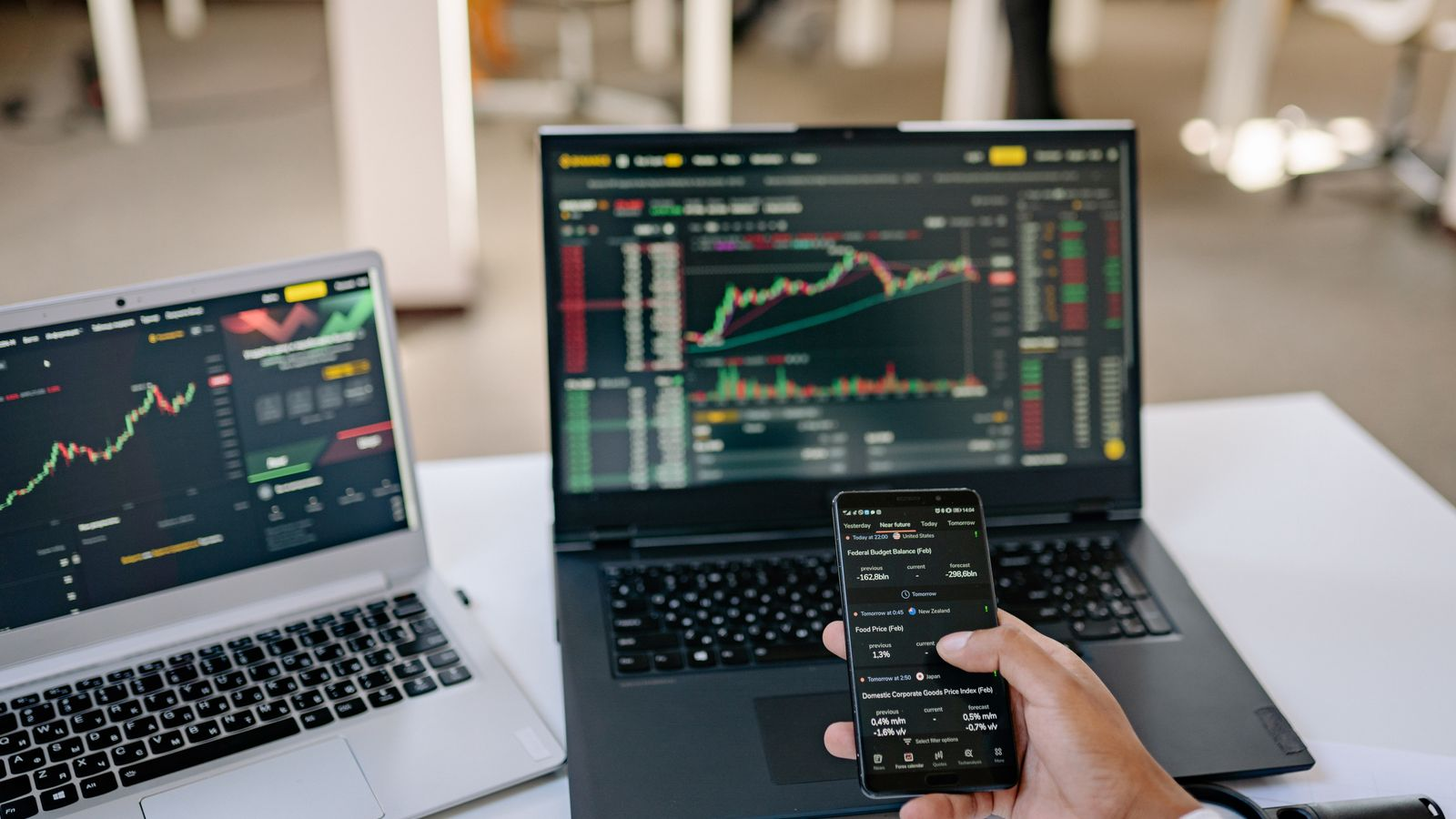
Beijing time and Singapore time are both UTC+8. The difficulty in converting U.S. market hours is that the United States observes daylight saving time, while China, Singapore, Hong Kong, and Taiwan generally do not. In most parts of the United States, daylight saving time starts on the second Sunday in March and ends on the first Sunday in November. As a result, the U.S. market open time for UTC+8 users shifts by one hour around March and November each year.
You can use the following rule:
| U.S. Time Status | Eastern Time Offset | U.S. Market Open in UTC+8 | U.S. Market Close in UTC+8 |
|---|---|---|---|
| Daylight Saving Time, EDT | UTC-4 | 9:30 p.m. | 4:00 a.m. next day |
| Standard Time, EST | UTC-5 | 10:30 p.m. | 5:00 a.m. next day |
If you watch U.S. stocks every night, remember two time windows: 9:30 p.m. during daylight saving time, and 10:30 p.m. during standard time. Around March and November each year, check your broker app or the exchange calendar again to avoid misjudging the opening time. This is especially important for pre-market quotes, after-hours earnings reactions, and overnight orders, because a one-hour difference can affect whether your order enters the right trading session.
Common situations can be handled as follows:
- Preparing to buy U.S. stocks at night: first confirm whether the U.S. is currently in daylight saving time or standard time.
- Watching after-hours earnings reactions: check whether earnings are released before the open, during the session, or after the close.
- Setting reminders or alarms: use your local time, not only Eastern Time.
- Reading financial news headlines: pay attention to whether the time shown is ET, EST, EDT, or local time.
- Using a brokerage interface: follow the market status and order prompts shown in your account.
For international investors, time conversion also affects daily routines. During daylight saving time, the market opens earlier in the evening, making it easier to follow. During standard time, the market opens later and closes close to early morning. Short-term traders may pay more attention to the first half hour after the open and the final half hour before the close, while long-term investors can reduce their dependence on exact minutes and focus more on order price, funding arrangements, and risk tolerance.
Summary: For users in Beijing, Singapore, Hong Kong, and Taiwan, the most common mistake is forgetting U.S. daylight saving time. A simple rule is: 9:30 p.m. during daylight saving time, and 10:30 p.m. during standard time. During the March and November transition periods, U.S. holidays, early closures, or major event days, you should recheck the exchange calendar and brokerage prompts instead of relying only on memory.
What Are Pre-Market and After-Hours Trading? Should Ordinary Investors Use Them?

Pre-market and after-hours trading are extended trading sessions outside regular market hours. They are not simply a longer version of normal daytime trading. Nasdaq lists pre-market trading as 4:00 a.m. to 9:30 a.m. ET and after-hours trading as 4:00 p.m. to 8:00 p.m. ET, while also noting that different brokers may offer different access windows. NYSE markets also have early and late trading arrangements, such as early trading sessions from 7:00 a.m. to 9:30 a.m. ET in some markets, and late trading sessions from 4:00 p.m. to 8:00 p.m. ET. Whether you can participate depends on your broker, account permissions, security, order type, and applicable rules in your location.
| Dimension | Regular Trading | Pre-Market Trading | After-Hours Trading |
|---|---|---|---|
| Time | 9:30 a.m.–4:00 p.m. ET | Usually before the open | Usually after the close |
| Liquidity | Usually higher | Usually lower | Usually lower |
| Bid-Ask Spread | More normal | May widen | May widen |
| Order Types | More complete | Often limit orders | Often limit orders |
| Suitable Use Case | Normal buy and sell orders | Earnings and news reactions | Earnings and news reactions |
The appeal of pre-market and after-hours trading is that you can react earlier to news, earnings, and macro data. But risks are also more concentrated. FINRA Rule 2265 states that extended-hours trading may involve higher volatility, price changes, unlinked markets, stronger news impact, and wider spreads. SEC’s Extended-Hours Trading also notes that lower trading interest in extended hours may lead to wider bid-ask spreads or even no available quotes.
Beginners should especially understand that “being able to place an order” is not the same as “being able to execute at your desired price.” A price shown in pre-market or after-hours trading may reflect only the quote in a particular electronic trading system, and may not represent the price level after the regular market opens. SEC materials on after-hours risks also mention that many electronic trading systems tend to accept limit orders, meaning you need to set the price at which you are willing to buy or sell. If the market price moves away from your limit price, the order may not be executed.
Summary: Ordinary investors can learn about pre-market and after-hours trading, but should not treat them as identical to regular trading. These sessions are more suitable for responding to earnings, major news, and sudden market events, but they also carry a higher chance of low liquidity, wider spreads, partial fills, or no fills. Beginners are generally better off first becoming familiar with order types during regular market hours, then using extended-hours trading cautiously.
How Do U.S. Market Holidays, Early Closures, and Earnings Times Affect Orders?
The U.S. stock market is not open on every local weekday. Even if it is Monday to Friday in your location, the U.S. market may be closed for a holiday or may close early on dates such as the day after Thanksgiving or Christmas Eve. Nasdaq’s 2026 U.S. market holidays list New Year’s Day, MLK Day, Presidents Day, Good Friday, Memorial Day, Juneteenth, Independence Day, Labor Day, Thanksgiving Day, and Christmas Day, as well as certain dates with a 1:00 p.m. ET early close.
Before placing an order, check these five things:
- Whether today is a U.S. market trading day.
- Whether there is a 1:00 p.m. ET early close.
- Whether the target company is about to release earnings.
- Whether the current session is regular, pre-market, or after-hours.
- Whether your broker supports trading the security in that session.
Holidays and early closures have a significant impact on international users. For example, if a UTC+8 user opens a trading interface at night and finds that prices are not moving, it may not be a platform issue; the U.S. market may simply be closed. Early closures are also easy to miss because the market is not fully closed, but the trading window is shortened. If you plan to rebalance before the close, buy before earnings, or sell a volatile stock, an early close reduces the time available.
Earnings and macro data also affect trading rhythm. Many companies release earnings before the U.S. market opens or after it closes. Popular technology stocks, IPO stocks, AI-related stocks, and large index constituents may show sharp quote changes outside regular hours. CPI, nonfarm payrolls, FOMC rate decisions, and other macro data may also affect indexes and individual stocks before the open or during the session. In addition to knowing what time the U.S. market opens, you also need to know whether the event happens before the open, during the session, or after the close.
| Event Type | Common Impact | What to Check Before Ordering |
|---|---|---|
| U.S. Market Holiday | No regular trading | Exchange calendar |
| Early Close | Shorter trading window | 1:00 p.m. ET close |
| Company Earnings | Pre-market or after-hours volatility | Release time |
| Macro Data | Index and popular stock volatility | Publication time |
| Broker Maintenance | Orders may be restricted | Account prompts |
Summary: The U.S. market opening time is only the first layer of trading information. What truly affects whether you can place an order smoothly also includes U.S. holidays, early closures, earnings release times, macro data, and broker permissions. International users should not interpret U.S. trading days only through their local calendar. Before trading, confirm whether the market is open, whether the target stock has an event, and whether your order will enter regular or extended-hours trading.
How Early Should You Prepare Funding and Currency Conversion to Catch the U.S. Market Open?
If your funds have not arrived, knowing the exact U.S. market opening time will not help you place an order. International users often go through local bank transfers, cross-border remittances, currency conversion, USD funding, account review, and trading permission checks. Different banks, brokers, regions, currencies, and compliance review requirements can affect arrival time, so beginners should not wait until shortly before the open to make their first deposit. If you want to participate in a particular trading day, funding should be arranged earlier than the trading window.
| Funding Step | Possible Impact | Suggested Action |
|---|---|---|
| Local Bank Transfer | Processing time differs by bank | Arrange in advance |
| Cross-Border Remittance | May involve intermediaries and review | Check recipient details |
| Currency Conversion | Exchange rate and spread affect cost | Review actual rate |
| Account Review | Identity and regional rules differ | Leave enough time |
| Balance Confirmation | Cannot trade before funds are available | Use available balance as the standard |
If you are investing for long-term allocation, you can reduce your dependence on catching tonight’s opening time. Scenarios that require more precise timing usually include earnings releases, early-stage IPO trading, sharp index moves, or orders planned around a specific price level. Even then, it is not wise to leave everything until the final hour, because bank review, remittance returns, currency mismatch, and incorrect recipient information can disrupt your plan.
Funding arrangements also depend on your base currency. If you do not hold USD, you need to consider currency conversion costs and the actual amount received. When using tools such as real-time exchange rates, you can first estimate the conversion between currencies, then compare it with the final executed exchange rate and fee details shown by the platform. Biya is a global multi-asset trading wallet that supports U.S. stocks, Hong Kong stocks, and other multi-asset trading scenarios. Service availability still depends on the user’s location, identity verification results, platform rules, and applicable laws and regulations.
Summary: To catch the U.S. market open, you should not only look at 9:30 p.m. or 10:30 p.m. UTC+8 time. You also need to confirm whether your funds are actually available. Funding, currency conversion, bank processing, platform review, and account permissions can all affect whether you can trade. Beginners are better off preparing account access and funds in advance, then using small amounts to understand funding, conversion, orders, and statements before moving into more time-sensitive pre-market, after-hours, or earnings-related trading.
How Should You Read U.S. Stock Trading Fees? It Is Not Only About Zero Commission
When judging U.S. stock trading costs, you should not only look at commission. Actual costs may include commission, platform fees, external agency fees, trading activity fees, fractional share fees, sell-side related fees, currency conversion costs, and transfer fees. For small orders, fractional share orders, frequent trading, and cross-currency funding, fees may account for a higher proportion of total cost than they would for larger, less frequent trades. Before placing an order, review the estimated fees; after execution, review the statement details instead of relying only on “zero commission.”
| Fee Type | Common Trigger | What to Check |
|---|---|---|
| Commission | Buying or selling stocks | Whether it is USD 0 |
| Platform Fee | Each trade | Minimum fee and cap |
| External Fees | Generated after execution | Whether shown in statement |
| Fractional Share Fee | Orders below 1 share | Whether charged proportionally |
| FX Cost | Non-USD funding | Actual exchange rate and spread |
| Transfer Fee | Deposit or withdrawal | Bank and platform rules |
If you are watching trading opportunities after the U.S. market opens, you should consider not only price movement, but also the real cost of execution. Biya charges USD 0 commission for U.S. stock trading, while platform fees, external agency fees, and other fees are subject to the fee center and order page. According to the current fee explanation, Biya’s U.S. stock platform fee is USD 0.005 per share, with a minimum of USD 0.99 per order and a maximum of 1% of the transaction value. External agency fees and trading activity fees are USD 0.00396 per share. The fee center also states that for fractional share orders below 1 share, only a platform fee of 1% of the total transaction amount is charged, capped at USD 1. You can check the latest rules under U.S. stock trading fees.
Here is a practical way to think about it: if you buy one share of a high-priced U.S. stock, focus on the minimum platform fee, external fees, and exchange rate. If you buy less than one share, focus on the fractional share platform fee percentage and cap. If you trade frequently, the minimum fee per order may have a more noticeable impact on total cost. If you are a long-term holder with lower trading frequency, you can evaluate fees together with holding period, order size, and funding path.
This information is intended only to explain public market trading rules and fee structures. It does not constitute investment advice. Fees, available regions, order types, trading permissions, and funding services of any platform should be based on platform displays, statement details, and local regulatory requirements.
Summary: U.S. stock trading cost is not equal to commission alone. You should also review platform fees, external agency fees, trading activity fees, fractional share fees, currency conversion costs, and transfer fees. For international users, the process of converting local currency into USD and moving funds into a trading account can also affect real cost. Checking estimated fees before ordering and reviewing statements after execution gives you a more complete view.
Manage Trading Time, Funding, and Fees in One Workflow
After you know what time the U.S. market opens, the next step is not necessarily to place an order immediately. A better approach is to check trading time, funding status, order type, and fee structure together. For international market users, a complete workflow usually includes confirming whether tonight is a U.S. trading day, identifying whether the current session is regular, pre-market, or after-hours, confirming that funds are available, reviewing the target stock’s quote and order price, and checking estimated fees and statement rules.
You can use the following checklist before placing an order:
- Check the market: confirm whether NYSE and Nasdaq are open.
- Check the time: confirm whether the U.S. is in daylight saving time or standard time.
- Check the security: confirm the ticker, earnings, and news events.
- Check funding: confirm USD balance, currency conversion, and deposit status.
- Check the order: understand limit orders, market orders, and time-in-force.
- Check fees: review platform fees, external fees, and FX costs.
If the relevant services are available in your location, you can use Biya to view U.S. stocks, Hong Kong stocks, and other multi-asset trading scenarios, while planning around account funds, market quotes, and fee rules. If you prefer mobile access, you can also manage your account and view related features through the Biya App. Before using any trading service, complete identity verification, confirm the applicable rules in your location, and understand order types, fee structures, and market risks.
Summary: “What time does the U.S. stock market open?” is an entry-level question, but trading experience is determined by the full process: whether the market is open, whether the time conversion is correct, whether funds have arrived, whether the order type suits the session, and whether fees are clear. For beginners, turning these checks into a routine is more important than trying to execute at the exact opening second. The information above explains public market information, trading rules, and fee structures only, and does not constitute investment advice.
FAQ
Why Does the U.S. Stock Market Opening Time Change?
The U.S. market opening time changes in Beijing or Singapore time mainly because the United States observes daylight saving time and standard time, while Beijing, Singapore, Hong Kong, and Taiwan usually do not. During daylight saving time, U.S. stocks generally open at 9:30 p.m. UTC+8; during standard time, they generally open at 10:30 p.m. UTC+8. Always follow exchange and broker displays.
Is U.S. Pre-Market Trading Suitable for Beginners?
U.S. pre-market trading is usually not suitable for beginners who do not yet understand order rules. Liquidity is often lower than in regular trading, bid-ask spreads may widen, and orders may be partially filled or not filled at all. Beginners should first understand limit orders, execution rules, and fee details.
Can U.S. After-Hours Prices Represent the Next Opening Price?
U.S. after-hours prices cannot fully represent the next regular-session opening price. After-hours volume is usually lower, and prices may be affected by earnings, news, and low liquidity. After the next regular session opens and more participants enter the market, prices may be repriced.
How Long Does U.S. Stock Account Funding Take Before Trading?
Funding time for U.S. stock trading depends on the bank, currency, transfer method, platform processing, and compliance review. If you want to trade on a specific day, it is better to complete funding and currency conversion in advance instead of waiting until shortly before the market opens. The available account balance should be the final reference.
Are There Still Fees for Zero-Commission U.S. Stock Trading?
Zero commission does not mean there are no trading costs. You still need to check platform fees, external agency fees, trading activity fees, fractional share fees, FX costs, and bank transfer fees. For any fee judgment, rely on the order page, fee rules, and statement details.
*This article is provided for general information purposes and does not constitute legal, tax or other professional advice from BiyaPay or its subsidiaries and its affiliates, and it is not intended as a substitute for obtaining advice from a financial advisor or any other professional.
We make no representations, warranties or warranties, express or implied, as to the accuracy, completeness or timeliness of the contents of this publication.
Related Blogs of

Which AI Hardware Stocks Benefit More Under IBM’s Warning? Comparing the Sensitivity of NVDA, DELL, MU, and HPE


Why Might the Fed Stay Cautious Even When CPI and PPI Are Both Cooling?


Under the IBM Shock, Which Has the Highest Enterprise IT Budget Exposure: NOW, CRM, ADBE, or ORCL? A Risk Ranking

ASML Q2 2026 Earnings Analysis: What Signals Did Orders, EUV Demand, and Full-Year Guidance Release?

Choose Country or Region to Read Local Blog
 Australia
 Austria
 Belgium
 Canada
 Cyprus
 Czech Republic
 Denmark
 Estonia
 Finland
 France
 Germany
 Greece
 Hong Kong
 India
India Indonesia
 Ireland
 Italy
Italy Japan
Japan Latvia
 Lithuania
 Luxembourg
 Malaysia
 Malta
Malta Morocco
 Nepal
Nepal Netherlands
 New Zealand
 Norway
 Pakistan
 Philippines
 Poland
 Portugal
 Romania
 Singapore
 Slovakia
 Slovenia
 South Africa
 South Korea
 Spain
Spain Sweden
 Thailand
 United States
 Turkey
 United Arab Emirates
 United Kingdom
 Vietnam
Contact Us



