What Is the Relationship Between SpaceX and NASA? How Important Are Government Contracts to Company Revenue?




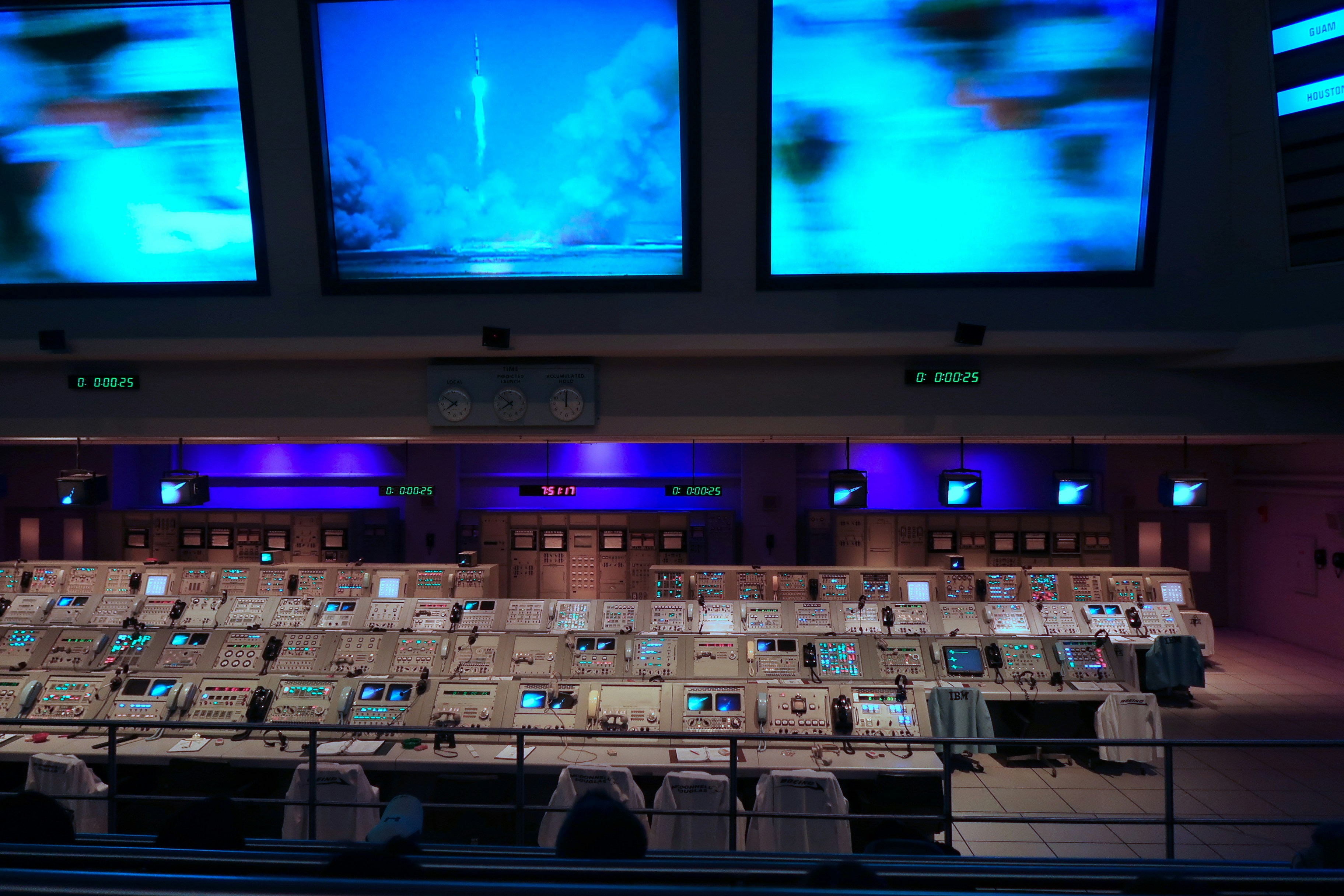
SpaceX does not belong to NASA, and NASA is not SpaceX’s parent company. A more accurate way to describe their relationship is this: NASA, as a U.S. government space agency, sets mission objectives, budgets, and safety requirements; SpaceX, as a commercial space company, provides rockets, spacecraft, cargo transport, crewed transportation, lunar landers, and other services through contracts. Government contracts are very important to SpaceX because they bring multi-year revenue and highly credible mission validation. However, SpaceX’s long-term value also depends on whether Starlink, commercial launch services, and Starship can continue to commercialize.
Key Takeaways
- SpaceX is an important partner in NASA’s commercial space programs.
- NASA contracts helped SpaceX complete early technical validation.
- Cargo and crewed missions provide a long-term revenue base.
- Artemis and Starship HLS affect the long-term growth narrative.
- Government contracts bring certainty, but also compliance constraints.
- To assess SpaceX, you cannot only look at Starlink user growth.
What Exactly Is the Relationship Between SpaceX and NASA? It Is Not an Ownership Relationship, but a Commercial Partnership
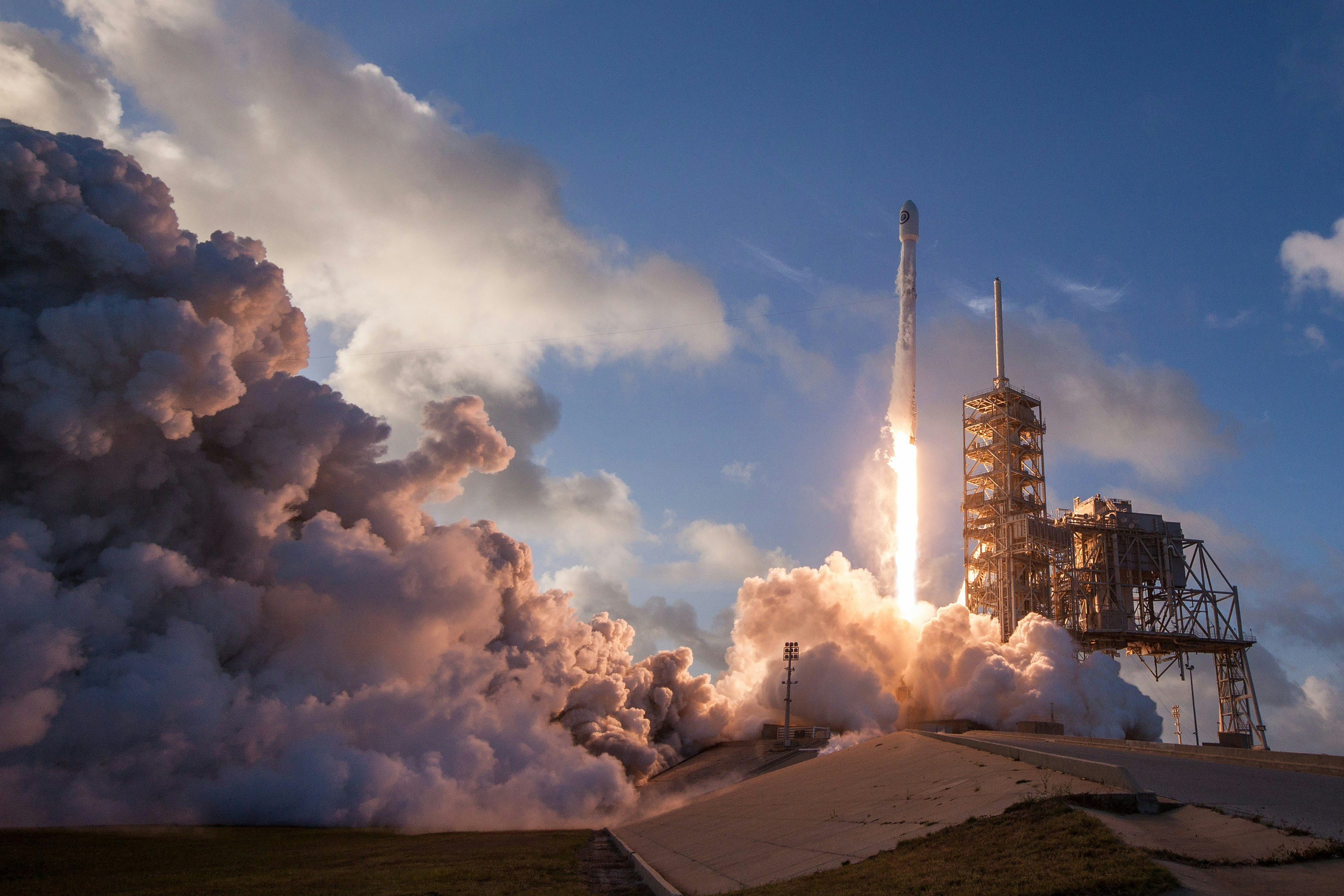
SpaceX and NASA have a contractual partnership between a government agency and a commercial space company. NASA does not own SpaceX, and SpaceX is not a subsidiary of NASA. NASA is responsible for mission requirements, budget allocation, safety standards, and acceptance criteria, while SpaceX is responsible for system development and mission delivery, including Falcon 9, Dragon, Crew Dragon, Starship HLS, and related services.
NASA Is the Customer, Mission Definer, and Safety Standard Setter
NASA’s role has gradually shifted from “the government leads the manufacturing of all space systems” to “the government defines objectives, and commercial companies compete to deliver.” In the NASA Commercial Crew Program, NASA defines its goal as working with American private industry to enable safe, reliable, and cost-effective crew transportation to and from the International Space Station.
This means NASA is not only the paying customer, but also participates in mission requirements, safety certification, flight reviews, and system acceptance. SpaceX uses Falcon 9 and the Dragon family of spacecraft to carry out missions and turn technical capability into purchasable space transportation services.
The Partnership Expanded from Low-Earth Orbit Cargo to Crewed Flights and Lunar Missions
The cooperation between NASA and SpaceX did not begin with Starship or the Mars vision. It started with low-Earth orbit transportation capability. NASA previously stated that SpaceX was selected as a commercial partner in 2006 to develop the Dragon spacecraft and Falcon 9 rocket, and completed the COTS demonstration mission in 2012, restoring America’s commercial ability to deliver cargo to and return cargo from the International Space Station. Later, the partnership gradually expanded into commercial cargo, commercial crew, the Artemis lunar lander, and the International Space Station deorbit vehicle.
| Role | What NASA Is Responsible For | What SpaceX Is Responsible For |
|---|---|---|
| Mission objectives | Space station resupply, crew rotation, lunar landing, ISS deorbit | Designing, manufacturing, and operating the corresponding systems |
| Contract arrangements | Budget, procurement, acceptance, safety requirements | Bidding, development, launch, fulfillment |
| Partnership outcomes | Commercial Crew, CRS, HLS, USDV | Falcon 9, Dragon, Crew Dragon, Starship HLS |
| Relationship type | Government procurement and mission management | Commercial space service delivery |
Summary: SpaceX and NASA do not have an equity ownership relationship; they have a long-term contractual partnership. NASA purchases cargo, crewed flight, lunar landing, and other engineering services through a commercial space model, while SpaceX delivers them using its self-developed rockets and spacecraft. Understanding this is important: NASA does not “own SpaceX,” but NASA contracts do deeply influence SpaceX’s technology roadmap, revenue structure, and market credibility. When evaluating SpaceX’s commercial value, you should view NASA as a high-credit customer, mission driver, and safety standard setter, not as a parent company.
Why Is NASA Willing to Give Key Missions to SpaceX? The Core Reason Is the Shift in Commercial Space Procurement
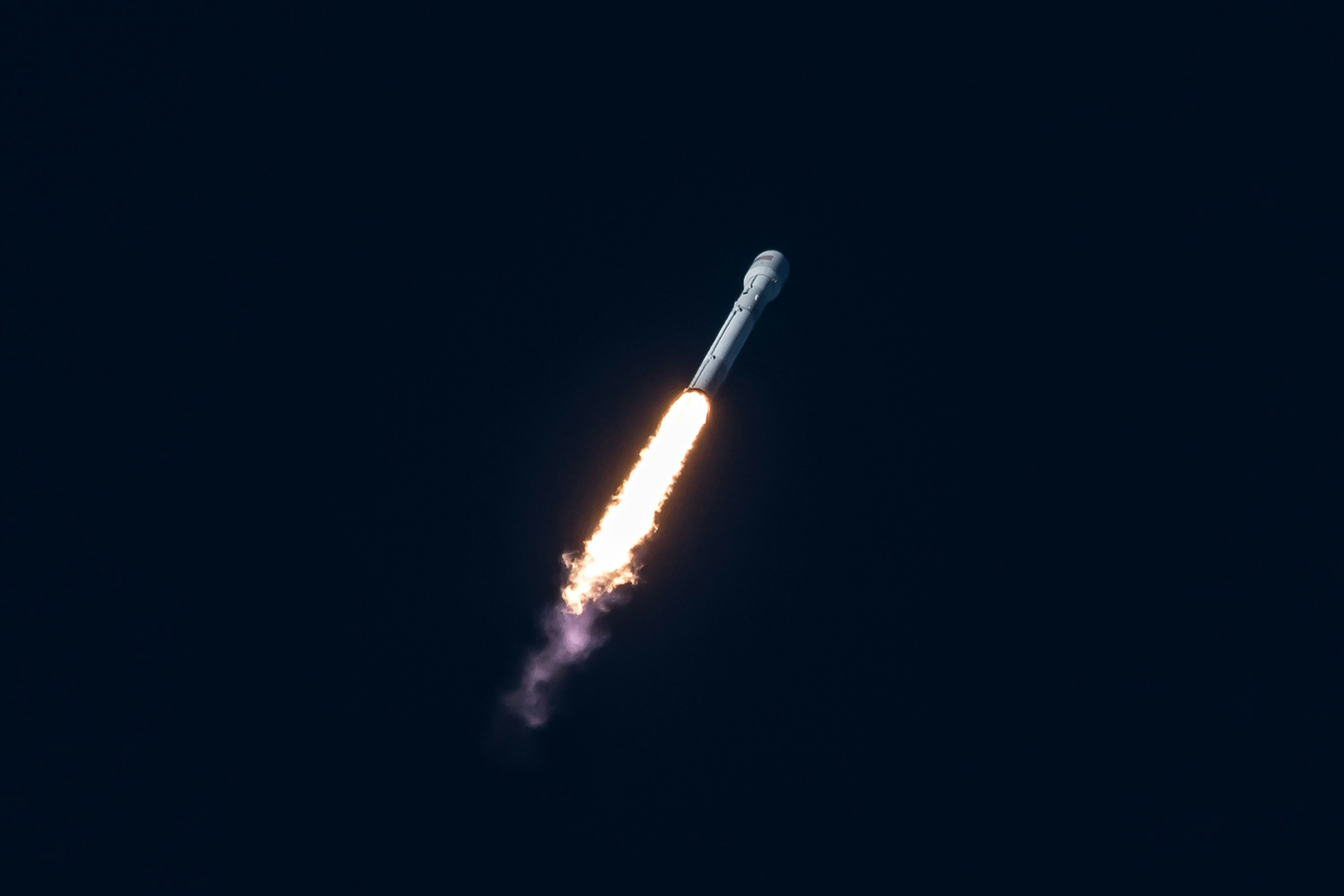
NASA chose SpaceX not only because SpaceX rockets have cost advantages, but more importantly because the U.S. space procurement model changed. Through commercial cargo and commercial crew programs, NASA gave part of its low-Earth orbit transportation missions to private companies competing to deliver. This allows NASA to control budgets and introduce market competition, while also allowing SpaceX to validate technology through real missions.
COTS and CRS Gave SpaceX Critical Early Validation
COTS and CRS are key to understanding SpaceX’s early growth. COTS was more like a demonstration program for commercial orbital transportation capability, with NASA supporting company development based on milestones. CRS then turned demonstrated capability into formal cargo transportation services. In its first contracted cargo mission, NASA stated that SpaceX’s CRS contract was worth $1.6 billion and covered at least 12 cargo missions to the International Space Station.
For SpaceX, this was not simply “receiving government subsidies.” What it gained was a clear mission scenario, engineering acceptance standards, and early cash flow. The fact that Dragon could approach, berth, or dock with the International Space Station was itself a high-difficulty certification.
Commercial Crew Made SpaceX Part of America’s Crewed Spaceflight Infrastructure
After the Space Shuttle retired, the United States needed to restore domestic crewed launch capability. After Crew Dragon succeeded, SpaceX was no longer just a commercial launch company; it became an important part of America’s crewed space transportation system. After NASA added Crew-10 through Crew-14 and other missions in 2022, the total value of SpaceX’s CCtCap contract reached $4,927,306,350, with performance extending to 2030.
The value of commercial crew missions is not only that the contract amount is larger. Being able to transport astronauts to and from the International Space Station over the long term means SpaceX has passed extremely high safety standards and gained credibility that capital markets and commercial customers can hardly ignore.
| Partnership Stage | NASA’s Need | SpaceX’s Delivery | Meaning for SpaceX |
|---|---|---|---|
| COTS | Validation of low-Earth orbit transportation capability | Dragon and Falcon 9 demonstrations | Early technical certification |
| CRS | International Space Station cargo resupply | Dragon cargo services | Stable mission revenue |
| Commercial Crew | U.S. domestic crew transportation | Crew Dragon | Crewed spaceflight credibility |
| Artemis HLS | Lunar landing system | Starship HLS | Entry point into deep-space missions |
Summary: NASA’s decision to give key missions to SpaceX is essentially the result of the commercial space procurement model. NASA no longer relies entirely on traditional cost-plus contracting, but uses fixed-price contracts, mission milestones, and commercial service procurement to redistribute risk and incentives to companies. SpaceX gained the opportunity because it gradually proved launch, docking, return, and reuse capabilities through Falcon 9, Dragon, and Crew Dragon. NASA obtained a more flexible supplier system, while SpaceX gained technical validation, a revenue base, and strategic endorsement.
What Revenue Has NASA Brought to SpaceX? Cargo, Crew, Lunar, and ISS Deorbit Are the Four Key Categories
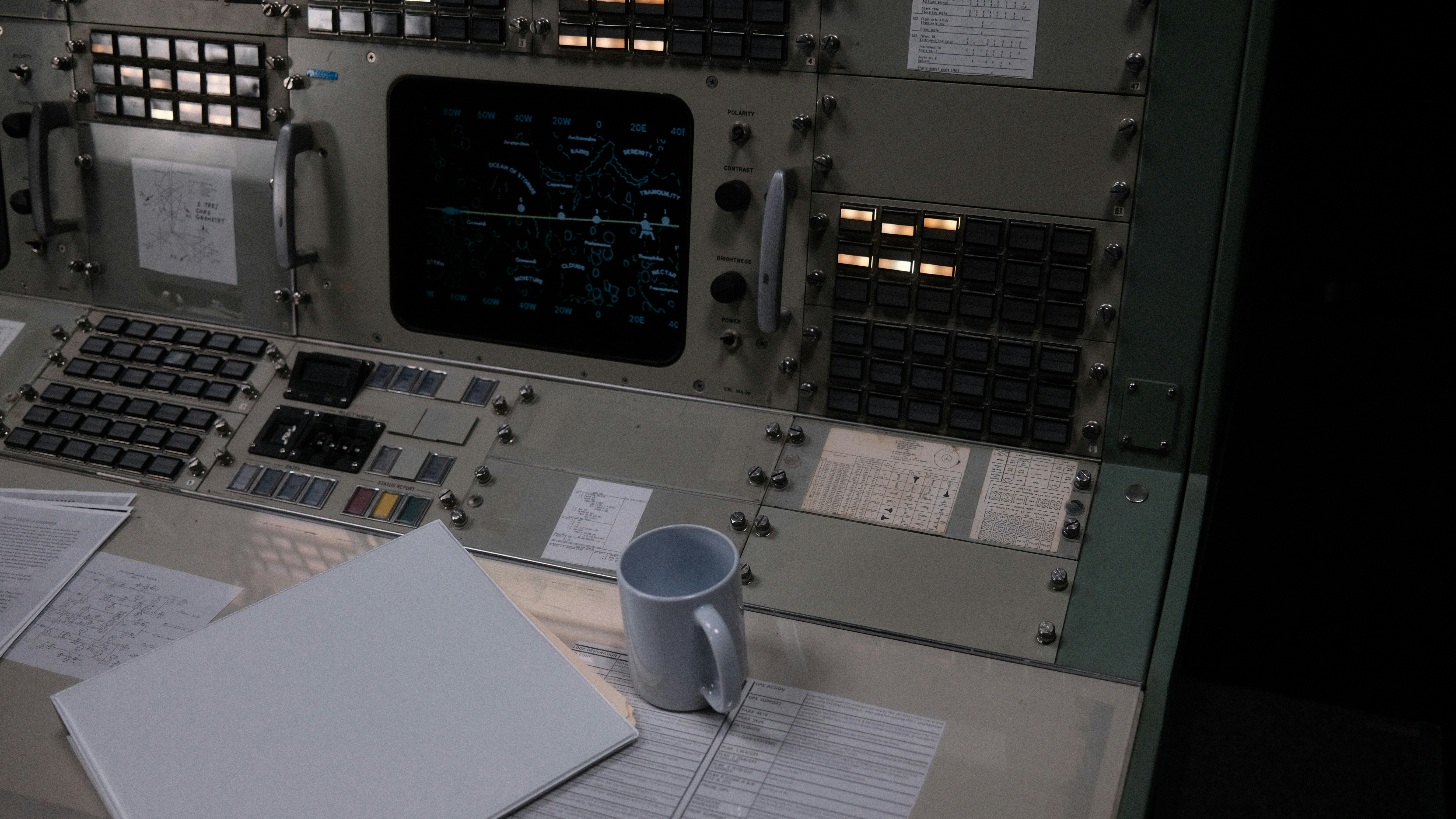
NASA contract revenue for SpaceX mainly comes from four categories: International Space Station cargo resupply, commercial crew transportation, the Artemis lunar lander, and the International Space Station deorbit vehicle. These are not simple one-time revenues, but are composed of development contracts, mission orders, contract modifications, mission services, and multi-year performance.
Commercial Cargo: CRS Was an Early Source of Stable Revenue
CRS was a key stage in turning SpaceX’s Dragon and Falcon 9 capabilities into revenue. When NASA carried out SpaceX’s first contracted cargo mission in 2012, it disclosed that the CRS contract was worth $1.6 billion and covered at least 12 cargo missions to the International Space Station. For SpaceX at the time, this type of long-term mission provided stable cash flow and allowed Falcon 9 and Dragon to accumulate reliability records through real space station missions.
The significance of commercial cargo is not just “delivering supplies.” Dragon can deliver experiment equipment, supplies, and scientific samples to the space station, and bring some cargo back to Earth. This two-way capability significantly strengthened SpaceX’s position in the low-Earth orbit transportation market.
Commercial Crew: Crew Dragon Is a High-Credibility Asset
Commercial crew is an important upgrade in the SpaceX-NASA partnership. In 2022, NASA added five SpaceX crewed missions and stated that these missions include ground, launch, in-orbit, return, and recovery operations, as well as cargo transportation for each mission and lifeboat capability while docked. Crewed missions are not only high in value; they also represent stricter safety certification.
Lunar Landing and ISS Deorbit: From Low-Earth Orbit to Deep Space and Critical Infrastructure
NASA included Starship HLS in its human return-to-the-Moon program through the Artemis lunar lander selection, and later added an approximately $1.15 billion contract modification through Option B for follow-on Artemis lunar landing capability. In 2024, NASA also selected SpaceX to develop the U.S. Deorbit Vehicle, with a potential contract value of $843 million, to support the future controlled deorbit of the International Space Station.
| Contract Type | Representative Project | Known Amount or Feature | Role for SpaceX |
|---|---|---|---|
| Commercial cargo | CRS | CRS-1 approximately $1.6 billion | Early cash flow and spacecraft validation |
| Commercial crew | CCtCap | Total value approximately $4.927 billion | Crewed spaceflight credibility and long-term missions |
| Lunar landing | Starship HLS | Option B approximately $1.15 billion | Supports Starship’s deep-space narrative |
| ISS deorbit | U.S. Deorbit Vehicle | Potential value of $843 million | Entry into critical infrastructure missions |
Summary: NASA contracts are important to SpaceX revenue because they cover multiple layers of missions, from low-Earth orbit cargo to crewed spaceflight, and from lunar landing to space station deorbit. They provide not only money, but also mission scenarios, technical certification, and long-term performance opportunities. It is important to note that total contract value does not equal current-period revenue, nor does it equal profit. Development costs, fixed-price risks, mission delays, and technical milestones all affect the final financial outcome. When evaluating NASA contracts, you should look at contract value, performance period, revenue recognition, cost burden, and mission risk together.
How Important Are Government Contracts to SpaceX Revenue? They Are Both Cash Flow and Credit Endorsement
Government contracts are very important to SpaceX, but they should not be simplistically understood as “SpaceX only survives on government support.” NASA, the U.S. Department of Defense, the U.S. Space Force, and other government customers provide high-value long-term missions. At the same time, Starlink, commercial launches, enterprise connectivity, and defense communications are also expanding revenue sources. The value of government contracts lies not only in the amount, but also in credibility and technical certification.
The Importance of Government Contracts Is Not Only Reflected in Amounts
Government contracts are usually long in cycle, large in value, backed by strong customer credit, and high in mission threshold. Reuters reported in 2025 that SpaceX management had mentioned the company had about $22 billion in government contracts, most of which came from NASA, at around $15 billion. This type of data can help assess the scale of government contracts, but specific revenue recognition still depends on contract performance timing and formal financial disclosures.
For SpaceX, NASA contracts have three layers of value: first, they provide stable missions and cash flow; second, they prove the safety and reliability of its systems; third, they make it easier for commercial customers, international partners, and capital markets to trust its engineering capabilities.
NASA Endorsement Spills Over Into the Commercial Market
A company that can repeatedly transport cargo to the International Space Station, send astronauts to orbit, and participate in lunar lander development is more likely to gain trust in the commercial launch and government mission markets. NASA cooperation is not an ordinary marketing label; it is a high-barrier mission performance record. It helps SpaceX gain stronger bargaining power in commercial satellites, national security launches, deep-space exploration, and international cooperation.
A Lower Share of Government Revenue Is Not Necessarily Bad
If Starlink users, enterprise connectivity, commercial launch, and defense communications services continue to expand, the share of government revenue may decline. However, that is not necessarily a negative signal. The key is whether commercial revenue can make up for it and whether it has good margins, cash flow, and customer retention. Reuters reported in 2026 that SpaceX’s 2025 revenue was around $15 billion to $16 billion, with profit around $8 billion, and that Starlink was one of its main revenue sources. Such reports are suitable for judging trends, but cannot replace a prospectus or audited financial statements.
| Evaluation Dimension | Value of Government Contracts | Potential Risk |
|---|---|---|
| Revenue | Multi-year, clearly defined missions, high customer credit | Budget changes, contract delays |
| Technology | NASA safety standards and mission certification | Failures amplify reputational impact |
| Valuation | Improves revenue visibility and credibility | Excessive dependence may be discounted |
| Policy | Aligned with national space strategy | Political controversy, regulatory changes |
| Commercialization | Builds trust among commercial customers | Government review and pricing pressure |
Summary: Government contracts are an important cornerstone of SpaceX’s revenue structure, but they are not the whole story. NASA contracts helped SpaceX establish early cargo capability, crewed spaceflight credibility, and a deep-space mission entry point. Defense and Space Force missions further strengthened its position in national security space. At the same time, SpaceX’s long-term valuation cannot rely only on government orders. It also depends on Starlink commercialization, commercial launch competitiveness, Starship mission delivery, and the quality of diversified revenue. Government contracts provide certainty, while commercial businesses determine growth.
How Does NASA Cooperation Affect SpaceX Valuation? Look at Revenue Quality, Technical Validation, and Risk Discounts
NASA cooperation has a positive impact on SpaceX valuation because it improves revenue visibility, mission credibility, and the strength of technical validation. However, valuation cannot be raised indefinitely simply because “there are NASA contracts.” You also need to look at contract margins, performance risk, Starship delays, government budget cycles, regulatory permits, and the quality of Starlink commercialization.
Positive Impact: NASA Contracts Improve “Verifiability”
Commercial space is not a pure internet business. Real launches, space station docking, crew safety, lunar lander development, and International Space Station deorbit are all extremely high-threshold missions. NASA cooperation gives SpaceX external validation: it is not financing itself only through concepts, but is repeatedly tested through mission milestones, flight records, and safety standards.
This verifiability affects valuation. Investors are usually more willing to pay a premium for sustainable contracts, high-credit customers, and technical certification, especially in a capital-intensive, high-R&D, long-cycle industry.
Negative Impact: Government Dependence and Mission Failure Can Also Be Discounted
Government contracts also bring risks. Budget cuts, contract disputes, launch accidents, key-person controversies, regulatory investigations, and mission delays may all affect project progress and market pricing. If a company relies too heavily on a small number of government customers, investors will also pay attention to customer concentration and policy-cycle risks.
NASA, Starlink, and Starship Should Be Valued Separately
NASA contracts lean toward “certainty and credibility,” Starlink leans toward “scale and growth,” and Starship leans toward “future upside and uncertainty.” The three cannot be mixed into one simple story. If SpaceX enters the public market in the future, the most important things to watch will not be a single news item, but revenue segments, customer concentration, contract liabilities, deferred revenue, capital expenditure, gross margin, and risk factors.
- For NASA contracts: focus on contract value, performance period, mission milestones, and margins.
- For Starlink: focus on user growth, ARPU, terminal costs, and enterprise customer share.
- For Starship: focus on test milestones, reuse validation, regulatory approval, and real payloads.
- For government dependence: focus on NASA, DoD, NRO, and Space Force customer concentration.
- For trading risk: focus on prospectus disclosure rather than a single rumor or product event.
Summary: NASA cooperation improves the credibility of SpaceX’s valuation, but it does not automatically eliminate risk. It shows that SpaceX has high-credit customers, real mission scenarios, and strong technical certification, but it does not guarantee that every project is highly profitable, low-risk, or completed on schedule. When assessing valuation, you should treat NASA contracts as “revenue quality and technical endorsement,” Starlink as a “commercial growth engine,” and Starship as a “high-upside but highly uncertain future variable.” Together, the three define the boundaries of SpaceX’s valuation.
How Should Ordinary Investors Read SpaceX Government Contracts? Do Not Look Only at Contract Value; Look at Performance and Fees
When ordinary investors read SpaceX government contracts, they should not only focus on “the contract value is large.” Contract value is not current-period revenue, nor does it equal profit. You need to look at contract type, performance milestones, revenue recognition, cost burden, fixed-price risk, customer concentration, and regulatory conditions. If public market trading becomes involved in the future, you should also understand order rules and real trading costs.
Distinguish Contract Value, Potential Value, and Current Revenue
Government contracts often involve multi-year performance. A contract’s total potential value may include development, testing, mission services, later modifications, and future procurement. It does not mean the full amount is recognized as revenue in the same year. Fixed-price contracts may also require companies to bear more cost-overrun risk.
| Investor Focus | What to Look At | Common Misunderstanding |
|---|---|---|
| Contract amount | Confirmed orders, potential ceiling, performance period | Treating the total amount as current-year revenue |
| Government customers | NASA, DoD, NRO, Space Force | Assuming government contracts have no delay risk |
| Technical progress | Crew Dragon, Starship HLS, USDV | Treating mission goals as completed results |
| Trading costs | Commission, platform fees, external fees, fractional share rules | Looking only at share price, not the bill |
| Compliance boundary | Location, KYC, platform rules, regulatory requirements | Trusting “no threshold” or “no risk” claims |
From Government Contracts to U.S. Stock Trading Costs
If you follow SpaceX IPOs, space concept stocks, or U.S. technology stocks, you need to pay attention not only to NASA contracts, but also to actual trading costs. U.S. stock trading costs usually include not only commissions, but may also include platform fees, external agency fees, trading activity fees, fractional share order fees, and foreign exchange costs.
You can use BiyaPay U.S. stock market information to learn about different stocks and market information, then assess availability based on your location, identity verification results, and platform eligibility rules. BiyaPay charges 0 USD commission for U.S. stock trading, while platform fees, external agency fees, and other charges are subject to the fee center and order page. Popular IPOs may experience significant price volatility in early trading, so you should fully understand order types, fee structures, and risks before trading.
Summary: Ordinary investors should place SpaceX government contracts back into a business context. The most important thing is not the number in the headline, but whether the contract has been confirmed, how long the performance period is, how revenue is recognized, whether fixed pricing creates cost risk, whether key technical milestones have been completed, and whether customer concentration is too high. Government contracts can improve SpaceX’s revenue visibility and technical credibility, but they are not risk-free revenue. If you participate in related public market trading in the future, you should separate business analysis from trading costs, understand the rules first, and then decide whether to trade.
If you follow SpaceX, NASA contracts, the space industry chain, U.S. stock IPOs, or technology stock themes, understanding the business logic is only the first step. Understanding trading costs and risk boundaries is equally important. BiyaPay is a global multi-asset trading wallet that supports U.S. stocks, Hong Kong stocks, and cryptocurrency trading, as well as USDT conversion into major fiat currencies such as USD or HKD. Users who meet relevant service eligibility requirements can use the BiyaPay App or U.S. stock trading to learn more about U.S. stock trading fee structures. BiyaPay charges 0 USD commission for U.S. stock trading. The platform fee is 0.005 USD per share, with a minimum of 0.99 USD per order and a maximum of 1% of the transaction value. External agency fees and trading activity fees are 0.00396 USD per share. For fractional share orders with fewer than one share executed, only a platform fee of 1% of the total transaction amount is charged, capped at 1 USD. Before trading, always refer to the fee center, order page, local regulatory requirements, and your own risk tolerance. This content does not constitute investment advice.
FAQ
Is SpaceX a NASA Subsidiary?
No. SpaceX is a private commercial space company, while NASA is a U.S. government space agency. The two cooperate through commercial cargo, commercial crew, lunar lander, and other mission contracts. NASA purchases services, while SpaceX is responsible for system development and mission execution.
Why Were NASA Contracts Important to SpaceX’s Early Development?
NASA contracts provided SpaceX with early funding, mission scenarios, and technical certification. COTS, CRS, and Commercial Crew allowed Falcon 9, Dragon, and Crew Dragon to validate capabilities through real missions, while also increasing trust from commercial customers and capital markets.
What Projects Generate SpaceX Revenue From NASA?
The main sources include International Space Station cargo resupply, commercial crew transportation, the Artemis lunar lander, the ISS deorbit vehicle, and launch services. Specific revenue recognition depends on contract terms, mission orders, performance milestones, and later contract modifications.
Will Government Contracts Make SpaceX Overly Dependent on NASA?
Government contracts are indeed important sources of revenue and credibility for SpaceX, but SpaceX also has revenue from Starlink, commercial launches, enterprise connectivity, and defense communications. Dependency should be judged by customer concentration, revenue segments, contract duration, and the quality of commercial business growth.
Does NASA Cooperation Increase SpaceX IPO Valuation?
NASA cooperation usually improves SpaceX’s revenue visibility and technical credibility, but valuation also depends on margins, Starlink growth, Starship commercialization, government customer concentration, and risk disclosures. NASA contracts alone cannot be used to derive a definite investment value.
How Should Ordinary Investors Assess SpaceX Government Contract Risk?
They should focus on contract type, performance period, revenue recognition, fixed-price cost risk, technical milestones, and regulatory requirements. Government contracts have relatively strong credit, but they are not risk-free. If public market trading is involved, investors should rely on the prospectus, platform rules, and local regulatory requirements.
*This article is provided for general information purposes and does not constitute legal, tax or other professional advice from BiyaPay or its subsidiaries and its affiliates, and it is not intended as a substitute for obtaining advice from a financial advisor or any other professional.
We make no representations, warranties or warranties, express or implied, as to the accuracy, completeness or timeliness of the contents of this publication.
Related Blogs of

How Does SpaceX Make Money? Revenue Sources from Rocket Launches, Starlink, and Commercial Spaceflight


Why Has SpaceX Become the Leader in Commercial Spaceflight? A Breakdown of Its Technology, Costs, and Launch Frequency


What’s the Difference Between Falcon 9, Starship, and Starlink? Understanding SpaceX’s Three Major Business Lines


How Important Is Starlink User Growth to SpaceX? An Analysis of Satellite Internet Revenue Logic
Choose Country or Region to Read Local Blog
 Australia
 Austria
 Belgium
 Canada
 Cyprus
 Czech Republic
 Denmark
 Estonia
 Finland
 France
 Germany
 Greece
 Hong Kong
 India
India Indonesia
 Ireland
 Italy
Italy Japan
Japan Latvia
 Lithuania
 Luxembourg
 Malaysia
 Malta
Malta Morocco
 Nepal
Nepal Netherlands
 New Zealand
 Norway
 Pakistan
 Philippines
 Poland
 Portugal
 Romania
 Singapore
 Slovakia
 Slovenia
 South Africa
 South Korea
 Spain
Spain Sweden
 Thailand
 The United States
 Turkey
 United Arab Emirates
 United Kingdom
 Vietnam
Contact Us




BIYA GLOBAL LLC is registered with the Financial Crimes Enforcement Network (FinCEN), an agency under the U.S. Department of the Treasury, as a Money Services Business (MSB), with registration number 31000218637349, and regulated by the Financial Crimes Enforcement Network (FinCEN).
BIYA GLOBAL LIMITED is a registered Financial Service Provider (FSP) in New Zealand, with registration number FSP1007221, and is also a registered member of the Financial Services Complaints Limited (FSCL), an independent dispute resolution scheme in New Zealand.