
Preparing Funds Transfer Before Immigrating to the US: How to Legally Move Funds Without Violating Foreign Exchange Controls?




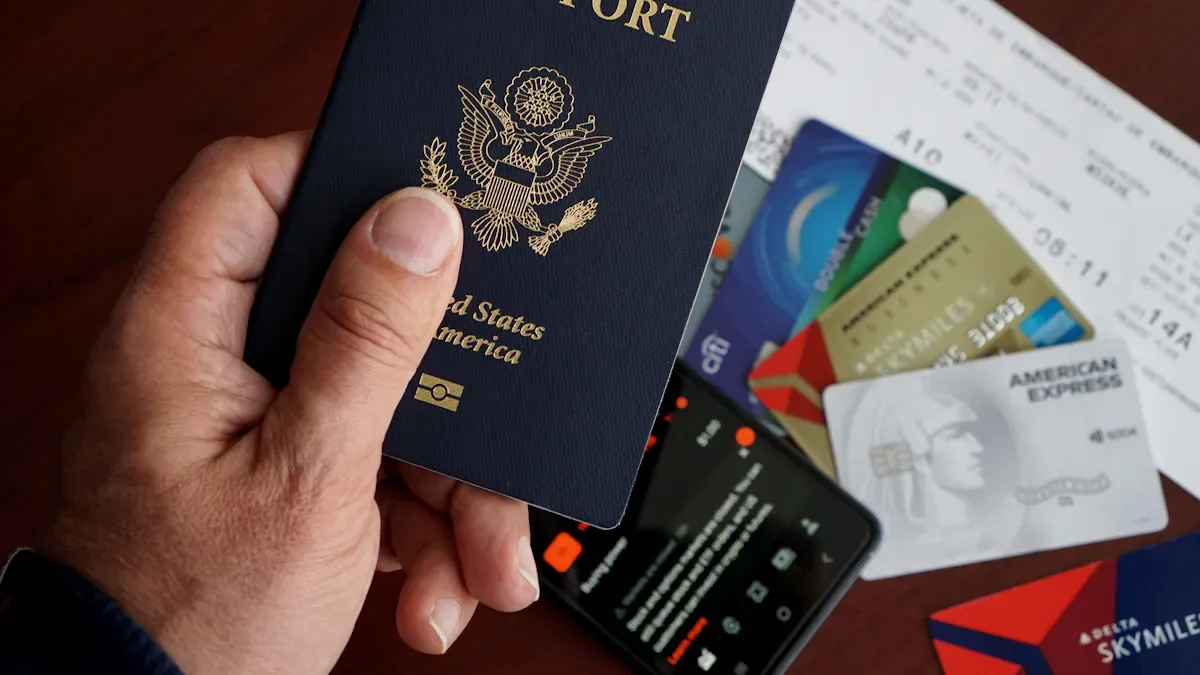
Image Source: pexels
When preparing for funds transfer, you must take compliance issues seriously. China maintains strict foreign exchange controls, and any "ant-moving" method that circumvents the personal annual quota carries the risk of being held accountable. You can transfer funds to the United States through various legal channels, such as personal foreign exchange purchase, personal property transfer abroad, domestic card overseas withdrawal, through special purpose vehicles (SPV), and domestic guarantees for overseas loans. The table below clearly shows common compliant methods:
| Funds Transfer Method | Description |
|---|---|
| Personal Foreign Exchange Purchase | Each person can exchange the equivalent of USD 50,000 in foreign currency per year. |
| Personal Property Transfer Abroad | Includes immigration transfer and inheritance transfer, requiring application to the local SAFE branch in China. |
| Domestic Card Overseas Withdrawal | Within the legally prescribed withdrawal limit, funds can be withdrawn directly overseas. |
| Through Special Purpose Company (SPV) | Domestic resident individuals can conduct investments through SPVs. |
| Domestic Guarantee for Overseas Loan | Cross-border guarantee method involving multiple legal entities. |
You need to plan in advance, choose compliant channels, and ensure the security of your funds.
Key Points
- Understand China's foreign exchange control policies to ensure you do not exceed the USD 50,000 annual foreign exchange quota and avoid compliance risks.
- Prepare complete funds transfer documents, including payee information and proof of fund sources, to ensure smooth completion of transfers.
- Choose compliant funds transfer channels, such as personal foreign exchange purchase and property transfer, to reduce compliance risks.
- When receiving funds in the United States, proactively understand declaration requirements to avoid legal consequences due to non-declaration.
- Avoid using "ant-moving" methods, choose legal paths, and ensure funds arrive safely and smoothly in U.S. accounts.
Key Points for Funds Transfer Preparation
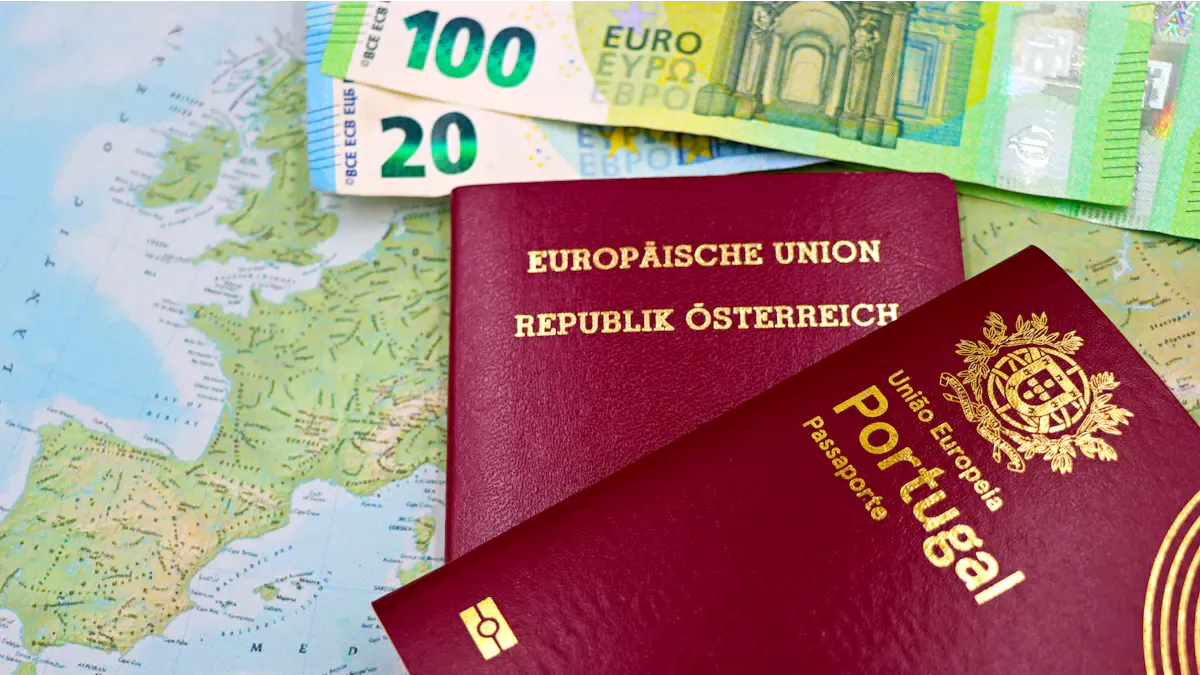
Image Source: pexels
Understand Foreign Exchange Control Policies
When preparing for funds transfer, the first step is to understand China's foreign exchange control policies. China stipulates that individuals have an annual foreign exchange quota equivalent to USD 50,000. You need to pay attention to the annual quota, approval processes, and relevant policy changes. Planning funds transfer preparation in advance can effectively avoid delays caused by exceeding the quota or incomplete documents. Common mistakes include failing to verify payee information, choosing inappropriate remittance channels, ignoring intermediary bank fees and exchange rate differences, failing to comply with foreign exchange quotas, and insufficient proof of fund sources. These issues will directly affect the smooth transfer of funds.
- Before transferring, be sure to verify the payee's information to ensure accuracy.
- Choose formal channels to avoid high fees or transfer delays due to improper channels.
- Understand all possible fees and reasonably estimate the final amount received.
- Comply with the annual foreign exchange quota to avoid rejection or delays due to violations.
- Prepare sufficient proof of fund sources to meet bank anti-money laundering reviews.
Required Documents for Funds Transfer
When handling funds transfer, you need to prepare complete documents. The following table lists common required documents and explanations:
| Required Document | Explanation |
|---|---|
| Payee's Full Name | Must exactly match the name on the account |
| Bank Account Number | Chinese account numbers are usually 16-19 digits |
| Branch Address | May be required for certain transfers |
| SWIFT/BIC Code | Used for international bank identification, usually 8 to 11 characters |
| CNAPS Code | Required when remitting to Chinese banks; this is the domestic clearing code |
| Payee's Full Address | Required for compliance reasons |
You should also prepare proof of fund sources, tax payment certificates, and relevant agreements. All significant transactions should have written agreements, pricing terms must match actual conditions, and risk allocation should be clear. You must prepare all documents before or at the time of submitting tax declarations; they cannot be supplemented afterward.
Notes for Receiving Funds in the United States
When receiving funds in the United States, you need to understand the relevant declaration requirements. U.S. financial institutions report all international transfers exceeding USD 10,000. If the total amount in your overseas financial accounts exceeds USD 10,000 in a year, you must file an FBAR report. If you hold foreign financial assets exceeding USD 200,000 at year-end, or exceeding USD 300,000 at any time during the year, you must also declare on Form 8938. You should open a U.S. bank account in advance and ensure the account information is accurate. Failure to declare as required may result in seizure of funds, fines, or even criminal penalties.
- U.S. banks automatically monitor large inflows of funds.
- You need to proactively understand and fulfill declaration obligations to avoid legal risks.
- Thorough funds transfer preparation can significantly reduce compliance risks.
Legal Funds Transfer Methods
Personal Annual Foreign Exchange Purchase and Remittance
You can transfer funds legally to U.S. accounts through personal annual foreign exchange purchase and remittance. Mainland Chinese residents have an annual foreign exchange quota of USD 50,000. During the funds transfer preparation stage, you should prioritize this method because the process is relatively simple and compliance risk is low. You can operate through bank counters, online banking, or compliant third-party platforms (such as BiyaPay, Wise, etc.). The following is a typical operation process:
- Register and log in to a compliant cross-border remittance platform (such as Wise), or go to major mainland Chinese banks to handle it.
- Complete identity verification to ensure information is true and valid.
- Select the source account for funds, supporting mainstream banks such as Bank of China, ICBC, China Merchants Bank, and CCB.
- Fill in payee information, including U.S. bank account, SWIFT/BIC code, etc.
- Confirm the transaction and submit the remittance application. It generally arrives within 2-3 business days.
When operating, you need to pay attention to the annual quota limit. If it exceeds USD 50,000, the bank will require additional documents or refuse to process. The table below summarizes the relevant limits and fees:
| Item | Limit/Fee |
|---|---|
| Annual Foreign Exchange Quota | Up to $50,000 per year |
| Applicable to | Personal transactions |
| Additional Funds Receipt | Requires special permission |
During the funds transfer preparation process, you should check your quota usage in advance to avoid affecting subsequent operations due to quota exhaustion.
Compliant Process for Property Transfer
If you are involved in large asset transfers (such as real estate sales, inheritance, or immigration asset proof), you need to follow the compliant property transfer process. Mainland China has strict approval requirements for property transfers. You need to apply to the local foreign exchange administration bureau and submit relevant supporting documents. Common documents include:
- Proof of asset sources (such as real estate sale contracts, inheritance notarized certificates)
- Tax payment certificates
- Explanation of fund usage
- Personal identity proof
During the funds transfer preparation stage, you should organize all documents in advance to ensure the information is true and complete. The foreign exchange administration will strictly review large fund flows; if documents are incomplete or fund sources are unclear, approval may be rejected or delayed. You can entrust professional institutions to assist in handling to improve compliance efficiency.
SAFE Approval and Large Amount Funds Transfer
If you need to transfer more than USD 50,000 at once, you must obtain special approval from the State Administration of Foreign Exchange (SAFE) in China. You need to provide valid identity proof, explanation of fund sources, and relevant supporting documents. Banks will verify all documents during processing to ensure the legality of fund sources. Transfers exceeding the quota require the following process:
- Provide personal identity proof documents
- Submit explanation of fund sources and usage
- Supplement relevant contracts, agreements, or proof documents
- Wait for SAFE approval results
During funds transfer preparation, you should allow sufficient time to avoid impacting overall fund arrangements due to approval cycles. Chinese banks will verify sources or purposes for large or unusual inflows; if anomalies are found, they may require additional documents or refuse to process.
Compliance Boundaries for Assistance from Relatives and Friends
You can transfer funds in batches to U.S. accounts with assistance from relatives and friends. This method is commonly known as "ant-moving," but you must strictly adhere to compliance boundaries. Each relative or friend also enjoys an annual foreign exchange quota of USD 50,000. If you organize multiple people to assist in transfers, you must ensure that the source of each fund is clear and meets anti-money laundering requirements. U.S. banks monitor split payments; if structured transfers or evasion of declarations are detected, it may trigger suspicious activity reports and even lead to fund freezing.
Tip: During the funds transfer preparation stage, never circumvent regulation through split payments, fictitious transactions, or other methods. Banks and regulators closely monitor unusual fund flows; irregular operations may result in fines, asset freezing, or even inclusion in the credit system, affecting future financial activities.
You should prioritize compliant paths, reasonably plan funds transfer preparation, and ensure funds arrive safely and smoothly in U.S. accounts.
Risks and Warnings of the "Ant-Moving" Method

Image Source: pexels
Definition and Common Practices of "Ant-Moving"
During funds transfer preparation, you may have heard of the "ant-moving" method. This refers to gradually transferring large amounts of funds abroad by having multiple people use their personal annual foreign exchange quotas in batches and multiple times. Common practices include mobilizing relatives and friends to purchase foreign exchange with their annual quotas and remit to the same U.S. account, or making multiple small transfers to evade regulation. Although it appears compliant on the surface, it essentially constitutes circumvention of China's foreign exchange controls.
Illegal Risks and Legal Consequences
You need to understand clearly that "ant-moving" is strictly prohibited in China. Regulators consider it an illegal operation to circumvent foreign exchange quotas, which may bring serious consequences:
- You may face high fines, and even asset freezing.
- Your fund flows may be deemed suspected of money laundering, leading to legal sanctions.
- Your credit record may be damaged as a result, affecting future financial activities.
Chinese banks and foreign exchange authorities strictly monitor unusual fund flows. Once discovered transferring funds through "ant-moving," relevant accounts may be investigated, and funds may be recovered.
Alternative Suggestions for Compliant Funds Transfer
You should prioritize compliant paths for funds transfer preparation. You can ensure legal sources and uses of funds, with complete documents, through personal annual foreign exchange purchase, compliant property transfer processes, or SAFE approval. You can also consult professional institutions for compliance advice tailored to your personal situation. Compliant operations not only protect fund security but also help smoothly complete U.S.-side declarations and subsequent financial arrangements. Never ignore long-term risks for short-term convenience; reasonable planning of funds transfer is the way to achieve asset security and compliance goals.
Risk Warnings and Compliance Suggestions
Common Irregular Methods and Consequences
During funds transfer preparation, you must be vigilant about common irregular behaviors. Regulators frequently identify the following patterns:
- Multiple individuals remitting to the same U.S. account on the same day or consecutive days, which constitutes illegal splitting.
- Splitting remittances, i.e., dividing large amounts into multiple small transfers to circumvent the annual foreign exchange quota.
- Transferring funds through third-party exchangers or designated account holders, which is prone to focused review by U.S. immigration authorities.
In mainland China, splitting remittances and using underground banks to trade foreign exchange are serious illegal acts. Even if the funds themselves are legal, structured transactions (internationally known as "smurfing") will be deemed irregular. Once discovered, you may face fines, asset freezing, or even criminal penalties. The table below summarizes major irregular behaviors and legal consequences:
| Irregular Behavior | Legal Consequences |
|---|---|
| Unauthorized foreign exchange activities | May violate Article 255 of China's Criminal Law |
| Split remittances | May result in fines and asset freezing |
| Using underground banks | May face criminal penalties |
Key Points for Compliant Operations
To ensure compliant funds transfer, you need to grasp the following key points:
When comparing compliant transfer routes, you can also use the BiyaPay official website and its exchange-rate comparison tool to review real-time rates, estimated costs, and possible receipt differences before deciding whether to move funds in batches or use a clearer same-name account path. In pre-immigration planning, transparent costs and a traceable route often matter more than speed alone.
In this context, BiyaPay is better understood as a support tool for cross-border fund scheduling and remittance planning. It is positioned as a multi-asset trading wallet covering cross-border payments, fund management, and multi-currency conversion, and it operates with relevant financial registrations and compliance credentials in jurisdictions such as the United States and New Zealand. Its practical value here is helping you understand fees, routes, and account arrangements more clearly, rather than replacing the foreign-exchange declarations and compliance documents you still need to prepare.
- Clearly identify fund sources and prepare legal proof of income, investment, or property.
- Comply with the annual foreign exchange quota and reasonably plan annual transfer amounts.
- Choose compliant channels, such as major mainland Chinese banks, Hong Kong licensed banks, or compliant cross-border remittance platforms (such as BiyaPay), and avoid using underground banks.
- Retain all transfer vouchers and related agreements for subsequent declaration and verification.
- In complex situations, you can entrust professional lawyers to issue legal opinions analyzing whether the fund path complies with foreign exchange control requirements.
During the funds transfer preparation stage, be sure to consult professionals in advance to ensure every step can withstand regulatory scrutiny.
How to Avoid Funds Transfer Pitfalls
In actual operations, you can easily fall into pitfalls due to information asymmetry or lack of experience. The following suggestions help you effectively avoid risks:
- Do not easily believe advertisements for "fast large-amount transfers" or "low-fee traceless transfers"; such services often involve underground banks and carry extremely high risks.
- Do not circumvent quotas through multi-person split remittances; regulators strictly monitor structured transactions.
- Do not ignore U.S.-side declaration obligations; all large fund inflows must be truthfully declared.
- Funds transfer preparation should be premised on compliance; never ignore long-term legal risks for convenience.
You can further prove the legality of fund sources and transfer paths by submitting legal opinions from qualified lawyers. As long as you adhere to compliance principles and reasonably plan fund flows, you can effectively reduce legal and financial risks.
During funds transfer preparation, you should emphasize compliant operations and avoid irregular behaviors such as "ant-moving." You can select appropriate legal paths based on asset types and pay attention to U.S. tax declaration forms such as Form 8938, Form 3520, etc. You should closely monitor policy changes, combine with your actual situation, scientifically plan fund flows, and ensure asset security and compliance.
FAQ
What forms need to be declared after transferring funds to the United States?
You need to declare FBAR or Form 8938 based on the scale of funds. If the total in your overseas accounts exceeds USD 10,000 in a year, you must file FBAR. If foreign financial assets exceed USD 200,000 at year-end or USD 300,000 at any point during the year, you need to complete Form 8938.
What is the difference between using BiyaPay and traditional bank remittances?
Through BiyaPay, you can enjoy faster arrival times and transparent fee structures. Traditional banks usually involve cumbersome procedures and longer arrival cycles. BiyaPay provides compliant cross-border remittance services for Chinese-speaking users, supporting multi-currency settlement to facilitate flexible fund management.
Is assistance from relatives and friends in transferring funds necessarily irregular?
If you have relatives and friends assist in transfers, ensure that each person does not exceed the USD 50,000 annual foreign exchange quota and that fund sources are clear. If there is organized splitting or abnormal fund flows, regulators may deem it irregular. You should prioritize compliant paths.
How to prove the legality of fund sources?
You need to prepare materials such as pay stubs, investment income proofs, real estate sale contracts, or inheritance notarized certificates. Banks and foreign exchange administrations will review these documents. You should ensure all materials are true and complete to smoothly pass compliance reviews.
How to reduce exchange rate losses during funds transfer?
You can monitor exchange rate fluctuations and choose appropriate timing for operations. Compliant platforms like BiyaPay usually provide real-time exchange rates and locking services. You can also transfer in batches to spread risks. You should plan in advance to avoid unnecessary losses due to exchange rate changes.
*This article is provided for general information purposes and does not constitute legal, tax or other professional advice from BiyaPay or its subsidiaries and its affiliates, and it is not intended as a substitute for obtaining advice from a financial advisor or any other professional.
We make no representations, warranties or warranties, express or implied, as to the accuracy, completeness or timeliness of the contents of this publication.
Related Blogs of

Cheapest Way to Transfer Money Internationally: Small vs. Large Transfers


US to Portugal Online Money Transfer Limits: Per-Transaction Caps Explained

International Wire Transfer Time: What Affects Delivery?



Choose Country or Region to Read Local Blog
 Australia
 Austria
 Belgium
 Canada
 Cyprus
 Czech Republic
 Denmark
 Estonia
 Finland
 France
 Germany
 Greece
 Hong Kong
 India
India Indonesia
 Ireland
 Italy
Italy Japan
Japan Latvia
 Lithuania
 Luxembourg
 Malaysia
 Malta
Malta Morocco
 Nepal
Nepal Netherlands
 New Zealand
 Norway
 Pakistan
 Philippines
 Poland
 Portugal
 Romania
 Singapore
 Slovakia
 Slovenia
 South Africa
 South Korea
 Spain
Spain Sweden
 Thailand
 United States
 Turkey
 United Arab Emirates
 United Kingdom
 Vietnam