Hong Kong to Taiwan Remittance: Currencies, NT$500K Declaration Rule, Limits, Fees and Documents




Image Source: pexels
When sending money from Hong Kong to Taiwan, the most important issue is not a single “new 2025 policy,” but three practical questions: which currencies your Hong Kong bank or remittance provider supports, how the Taiwan receiving bank will credit or convert the funds, and whether the transaction triggers Taiwan’s foreign exchange declaration or supporting document requirements.
It is not accurate to say that “Hong Kong banks no longer accept TWD electronic remittances” or that “Hong Kong to Taiwan remittances can only be made in HKD or USD.” The actual available currencies depend on the sending bank, transfer channel, receiving bank, account type, and the route shown at the time of transfer. Some Hong Kong or overseas transfer services may still list TWD-related arrangements, but Taiwan-side receiving, declaration, and documentation requirements must still be checked before sending.
The table below summarizes the main issues you should confirm before making a Hong Kong to Taiwan transfer:
| Item | What You Need to Confirm |
|---|---|
| Transfer currency | Whether your Hong Kong bank supports HKD, USD, TWD, or other currencies to Taiwan |
| Receiving method | Whether the Taiwan account receives foreign currency, TWD, or requires conversion after arrival |
| Declaration threshold | Foreign exchange receipts, disbursements, or transactions involving NT$500,000 or more generally require declaration in Taiwan |
| Supporting documents | Large amounts, business payments, investment-related funds, or unusual sources may require additional documents |
| Total cost | Fees, cable charges, intermediary bank fees, exchange rate spreads, and receiving bank charges should all be considered |
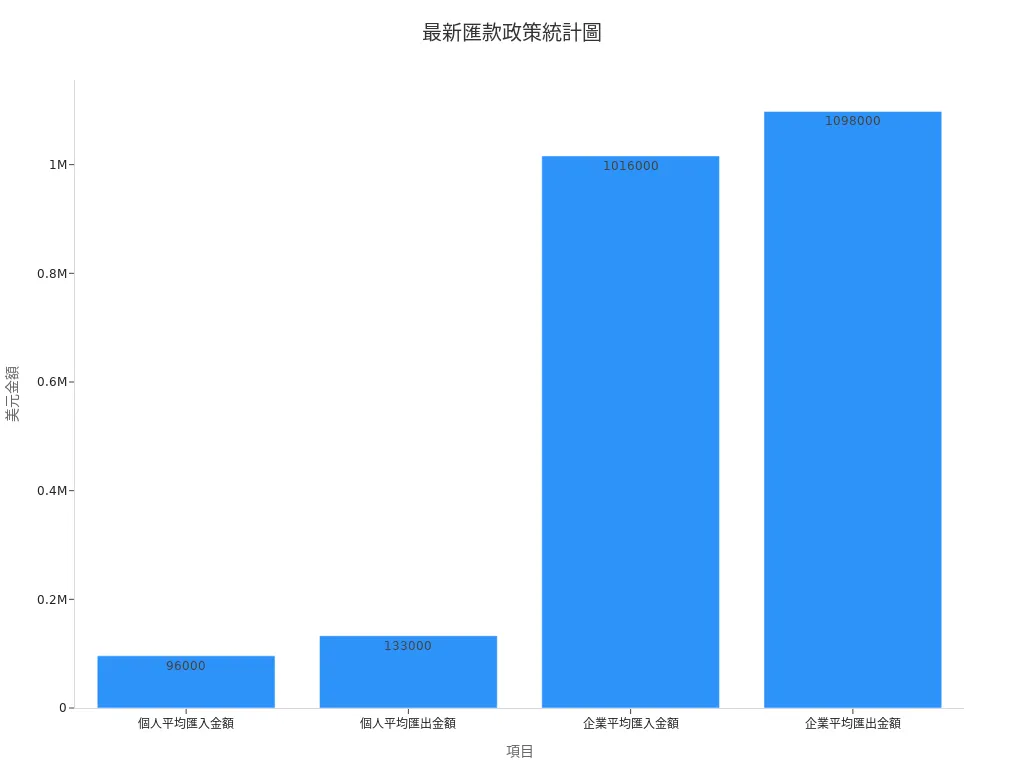
Before transferring, confirm the available currency, recipient information, declaration rules, and final amount received. This can help avoid delays caused by incomplete information, unsupported currencies, recipient bank review, or intermediary bank deductions.
Key Points
- Hong Kong to Taiwan remittances should not be described as “HKD or USD only.” Available currencies depend on the Hong Kong bank, transfer product, receiving bank, and the route shown at the time.
- In Taiwan, foreign exchange receipts, disbursements, or transactions involving NT$500,000 or more or its equivalent in foreign currency generally require declaration.
- Taiwan’s annual aggregate foreign exchange settlement quota has been raised to USD 10 million for individuals and associations, and USD 100 million for companies and firms. However, certain transactions may still require supporting documents or regulatory approval.
- Daily transfer limits mainly depend on the Hong Kong bank’s overseas transfer limit, account type, security settings, and whether the payee has been registered. Taiwan ATM transfer limits should not be used as a benchmark for cross-border remittances from Hong Kong.
- Do not judge cost by the sending bank fee alone. Exchange rate spreads, intermediary bank charges, receiving bank fees, and the final amount credited are more important.
Policy and Practical Updates
TWD Remittance Is Not Universally Stopped; It Depends on Bank and Receiving-Side Rules
Some older articles simplify Hong Kong to Taiwan remittances as “send in HKD or USD,” or even state that “Hong Kong banks have fully stopped electronic TWD remittances.” This wording is too absolute and may mislead users.
In practice, whether you can send TWD depends on three layers:
- Whether the Hong Kong sending bank supports TWD telegraphic transfers or related products
- Whether the Taiwan receiving bank can accept that currency and route
- Whether the transaction satisfies Taiwan’s foreign exchange declaration, receiving bank review, and documentation requirements
Some banking or remittance guides may still show TWD as a possible currency, but they may also require recipient bank confirmation, declaration for transactions reaching Taiwan’s NT$500,000 threshold, complete sender and recipient addresses, and supporting documents.
A more accurate explanation is: HKD and USD are common currencies for Hong Kong to Taiwan transfers, but whether TWD is available depends on the latest rules of your Hong Kong bank and Taiwan receiving bank. Before sending, check the transfer screen, bank notice, or branch guidance instead of relying only on a general article.
Tip: If your Hong Kong bank does not support TWD transfers, compare HKD, USD, or other supported foreign currency routes and check how the Taiwan receiving bank will credit or convert the funds. Do not compare exchange rates alone; compare total fees, possible intermediary bank deductions, and the recipient’s final credited amount.
How to Choose Between HKD, USD, and TWD
Common currency options for Hong Kong to Taiwan transfers include HKD and USD. Some banks or routes may also support TWD or other currencies. The difference is not only the exchange rate, but also processing speed, intermediary bank routing, how the Taiwan bank credits the funds, and whether additional documentation is required.
| Currency | Common Features | Suitable For |
|---|---|---|
| HKD | Convenient for Hong Kong account holders, but the Taiwan side may need to convert the funds | Users holding mainly HKD who can accept Taiwan-side conversion |
| USD | Widely used in international transfers and often supported by mature SWIFT routes | Larger transfers, cross-border business payments, or users who prefer a more common route |
| TWD | Availability depends on the sending bank and receiving bank; Taiwan-side requirements may be stricter | Recipients who want to receive TWD directly, provided the banks support the route |
Choosing HKD is not always worse than choosing USD, and choosing USD does not always mean faster processing. The better comparison is: for the same transfer amount, which route gives the recipient the highest final credited amount, the most reliable arrival time, and the easiest documentation process.
For example, if you want to send money from Hong Kong to a Taiwan recipient’s TWD account, ask your bank or platform to estimate HKD, USD, and TWD routes if available. A route with a lower visible service fee may still be less favorable if the exchange rate spread, receiving bank fee, or intermediary bank charge is higher.
Taiwan Declaration Threshold: Not USD 50,000, but NT$500,000
The claim that “a single transaction exceeding USD 50,000 requires declaration” is inaccurate. Taiwan’s key foreign exchange declaration threshold is generally based on NT$500,000 or more, or its equivalent in foreign currency, for foreign exchange receipts, disbursements, or transactions.
It is important to separate three concepts:
- Declaration threshold: Foreign exchange receipts, disbursements, or transactions involving NT$500,000 or more generally require filing a foreign exchange declaration.
- Supporting document threshold: Depending on the transaction type and amount, banks may ask for contracts, approval letters, invoices, or other supporting documents.
- Annual aggregate settlement quota: Individuals and associations have an annual aggregate settlement quota of USD 10 million, while companies and firms have an annual quota of USD 100 million.
This means that exceeding a certain amount does not automatically mean the transfer cannot be made. It also does not mean declaration only starts at USD 50,000. The real questions are whether the transaction involves TWD settlement, whether the amount reaches NT$500,000, whether the transaction purpose requires supporting documents, and whether the annual settlement quota is sufficient.
Hong Kong to Taiwan Remittance Amount Rules

Image Source: pexels
Daily Limits: Follow the Hong Kong Bank’s Overseas Transfer Settings
The previous version used Taiwan ATM transfer limits and converted them into approximately USD 62,500. This is not suitable for explaining cross-border remittance limits from Hong Kong to Taiwan. Taiwan ATM transfer limits apply to domestic Taiwan account transfers, not Hong Kong bank overseas remittances.
For Hong Kong to Taiwan transfers, daily or per-transaction limits usually depend on:
- The overseas transfer limit set in your Hong Kong bank account
- Whether the recipient has been registered or saved as an overseas payee
- Whether you use online banking, mobile banking, a branch, or corporate banking
- Your account type, risk level, and security verification method
- Whether the transaction triggers internal bank risk control or anti-money-laundering review
For example, some Hong Kong banks require customers to set a “Mainland and overseas” daily transfer limit before using overseas transfer services. Some banks show the estimated arrival time, exchange rate, and remittance charge before the user confirms the transfer. Therefore, you should check your own bank’s overseas transfer limit directly instead of using domestic Taiwan transfer limits as a proxy.
Annual Settlement Quota: USD 10 Million for Individuals and Associations, USD 100 Million for Companies and Firms
Taiwan’s central bank has raised the annual aggregate foreign exchange settlement quota. In general, individuals and associations now have an annual aggregate settlement quota of USD 10 million, while companies and firms have an annual quota of USD 100 million.
However, this quota relates to transactions involving foreign exchange settlement against TWD. It does not mean every transfer can be processed automatically without review.
You should still note the following:
- Trade payments, service income, tuition, tourism, business travel, and other current-account transactions are not judged only by the annual quota; transaction nature and supporting documents may matter.
- Direct investment, securities investment, futures trading, or items requiring approval from a competent authority may require approval documents.
- If the amount is large, the purpose is unusual, or the documents are incomplete, banks may still ask for proof of source of funds, contracts, invoices, transaction records, or other documents.
- Foreign currency inflows or outflows that do not involve TWD conversion are generally treated differently from annual TWD settlement quota issues, but banks will still conduct AML and internal compliance checks.
Taiwan-Side Declaration Requirements
When sending money from Hong Kong to Taiwan, if the funds enter Taiwan and involve foreign exchange receipts, disbursements, transactions, or TWD settlement reaching NT$500,000 or more, the Taiwan bank will generally require a declaration.
Common information and documents include:
- Sender and recipient identity information
- Transfer amount and currency
- Purpose of the transfer
- Source of funds explanation
- Contracts, invoices, payslips, investment income proof, tuition notices, or other transaction evidence
Reminder: “Declaration” does not mean “the transfer is prohibited.” In many cases, it means the bank helps process the required reporting. What affects whether a transfer goes smoothly is whether the information is true, the purpose is clear, and the documents support the transaction.
Review and Required Documents
Identity and Source of Funds Proof
When sending money from Hong Kong to Taiwan, both the Hong Kong sending bank and the Taiwan receiving bank may review the transaction. The Hong Kong bank usually focuses on the sender’s identity, account risk, source of funds, and transaction purpose. The Taiwan bank usually focuses on the recipient’s identity, crediting currency, settlement declaration, fund purpose, and whether additional documents are required.
You may need to prepare the following documents:
- Valid identity document, such as a Hong Kong ID card, passport, Taiwan ID card, or residence permit
- Address proof, if required by the bank
- Source of funds proof, such as salary records, company dividends, investment income proof, property transaction documents, or contracts
- Transfer purpose explanation, such as living expenses, tuition, goods payment, service fees, investment funds, or family support
- Recipient bank details, including name, account number, bank name, branch, SWIFT/BIC, address, and contact details
Banks decide the level of review based on the amount and purpose. Larger amounts, more complex purposes, or unclear transaction relationships are more likely to trigger additional document requests.
Tip: For business payments, prepare contracts, invoices, customs documents, or proof of service delivery in advance. For family support or living expenses, prepare a relationship explanation, source of funds, and purpose statement.
Remittance Details
When filling in remittance details, pay close attention to the English name, bank identification code, address, and payment purpose. In cross-border wire transfers, a single incorrect field may lead to delays, returned funds, or extra charges.
Common details include:
- Recipient’s English name, matching the Taiwan bank account
- Recipient bank name and SWIFT/BIC
- Recipient account number
- Recipient address and phone number
- Sender address
- Transfer purpose, such as living expenses, tuition fee, business payment, family support, or investment proceeds
- Reference or remarks field, especially if the receiving institution requires a specific format
If you are sending money to a brokerage account, trading platform, or corporate account, the remarks field may need to include an English name, account number, client ID, invoice number, or other reference information. If the reference is wrong, the funds may arrive at the bank but remain unmatched in the recipient institution’s manual reconciliation process.
Hong Kong to Taiwan Remittance Process
Image Source: pexels
Choosing a Bank or Platform
Common ways to send money from Hong Kong to Taiwan include traditional bank wire transfers, overseas transfers through bank apps, cross-border payment platforms, and business collection platforms. Each option fits different use cases, and you should not choose based only on familiarity.
| Method | Suitable For | Advantages | What to Watch |
|---|---|---|---|
| Bank wire transfer | Large transfers, business payments, formal documentation needs | Traceable, complete records, bank support for follow-up | More fees and possible intermediary bank charges |
| Bank app overseas transfer | Personal transfers, users with overseas transfer access | Convenient and usually shows fees and rates before confirmation | Limits depend on account settings; not all currencies or countries are supported |
| Third-party remittance platform | Small, frequent, convenience-focused transfers | Simpler process and often clearer upfront quotes | Must confirm whether Hong Kong-to-Taiwan transfers are actually supported |
| Business payment platform | E-commerce, company collection, cross-border operations | May integrate receiving, payout, FX, and accounting | Not always suitable for personal transfers; fees and rules vary |
If you are a large enterprise with high transaction volume and clear payment purposes, bank wire transfers are usually more suitable for formal recordkeeping. If you are an SME, freelancer, or cross-border seller, you can compare banks with commercial payment platforms. If you are simply sending money to family or friends in Taiwan, first confirm whether the platform actually supports personal transfers from Hong Kong to Taiwan instead of relying on its services in other markets.
Operational Steps
To send money from Hong Kong to Taiwan, you can follow these steps:
- Choose a Hong Kong bank or remittance platform and confirm whether it supports transfers to Taiwan.
- Confirm the available currencies, such as HKD, USD, TWD, or other supported currencies.
- Prepare recipient details, including bank account number, name, address, phone number, bank name, and SWIFT/BIC.
- Fill in the transfer amount, currency, purpose, and reference note.
- Upload or submit identity proof, source of funds proof, or purpose documents if required.
- Before submitting, confirm the exchange rate, fee, estimated arrival time, and final amount the recipient is expected to receive.
- Keep the receipt, transaction reference, and bank notification for follow-up.
Processing time differs by bank and platform. A bank wire transfer often takes around 1 to 4 business days, but some same-group or faster overseas transfer services may be quicker. Delays may occur because of holidays, incomplete information, receiving bank review, or intermediary bank processing.
Tip: Before submitting, save or screenshot the confirmation page, including the exchange rate, fee, recipient details, and transaction reference. These records are useful if you need to trace, amend, or refund a transfer.
Fees and Exchange Rates
Do Not Look Only at the Remittance Fee; Look at the Total Cost
When sending money from Hong Kong to Taiwan, the visible remittance fee may not represent the full cost.
Common cost components include:
- Sending bank fee: Charged by the Hong Kong bank or platform.
- Cable charge or overseas transfer fee: Some banks charge by channel.
- Intermediary bank fee: Funds may be deducted if the transfer passes through correspondent banks.
- Receiving bank fee: The Taiwan bank may charge a crediting or handling fee.
- Exchange rate spread: The bank or platform exchange rate may differ from the mid-market rate.
- Return fee: Incorrect details, failed crediting, or rejected transfers may cause return charges.
| Cost Item | How to Check |
|---|---|
| Sending fee | Check the Hong Kong bank or platform confirmation page |
| Exchange rate | Compare the final converted amount, not only the listed rate |
| Intermediary bank fee | Ask whether the route may pass through correspondent banks |
| Receiving bank fee | Ask the Taiwan recipient to confirm with their bank |
| Return cost | Confirm all details before sending to reduce amendment or return risk |
If you send HKD, the Taiwan side may convert it into TWD. If you send USD, the Taiwan side may credit USD or convert it into TWD. The total cost differs by route, so the best comparison standard is the recipient’s final credited amount.
Exchange Rate Risk
Exchange rates directly affect the recipient’s actual amount received. For larger transfers, even a small exchange rate difference can create a meaningful gap.
You can reduce uncertainty by:
- Comparing at least two banks or platforms before sending
- Looking at total cost, not only the exchange rate
- Avoiding rushed transfers during highly volatile market periods
- Considering split transfers, forward contracts, hedging, or rate-locking tools for large payments
- Planning ahead if the payment is for a fixed purpose, such as tuition or a commercial invoice
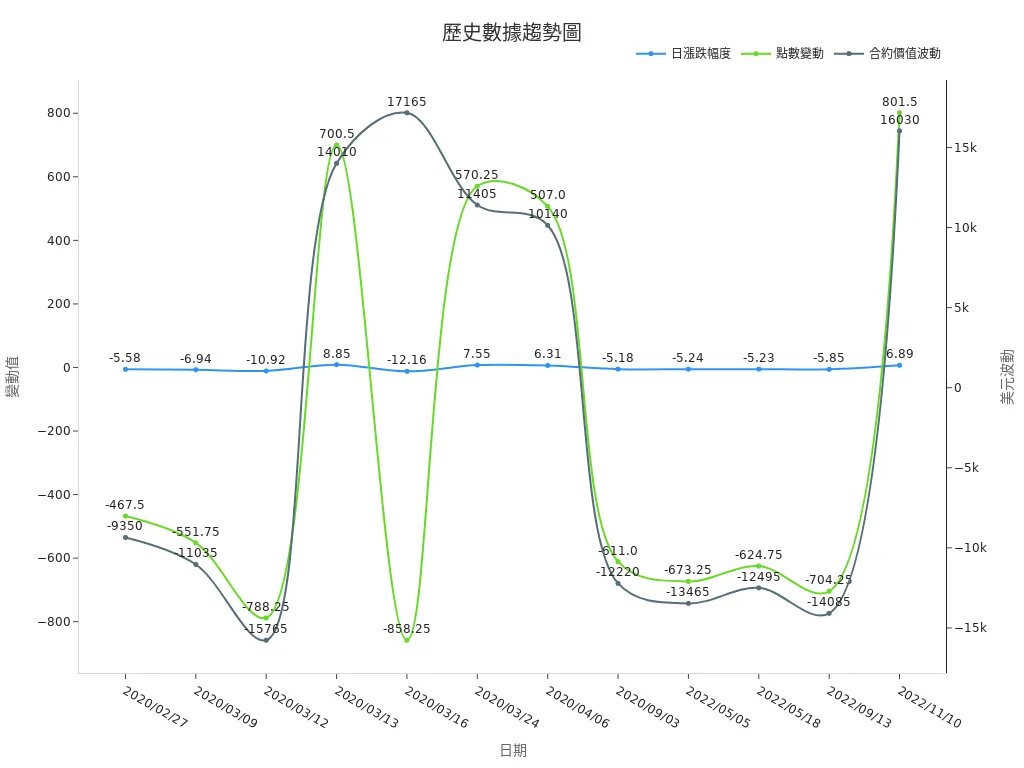
Tip: Exchange rate websites usually show reference rates, not your final executable rate. What matters is the final debit amount, fees, and recipient amount shown before the bank or platform submits the transfer.
Common Risks and How to Handle Them
Transfer Delays
Transfer delays are often caused by:
- Incorrect recipient name, account number, or bank code
- Receiving bank requests for additional documents
- Unclear transfer purpose
- Amount reaching declaration or document-review thresholds
- Longer intermediary bank processing time
- Public holidays in Hong Kong, Taiwan, or intermediary banking locations
To handle delays, first check the transaction status, keep the transfer receipt, and ask the Hong Kong sending bank to initiate a trace if needed. If the Taiwan receiving bank requests documents, the recipient should provide them as soon as possible.
Unclear or Unexpected Fees
Some fees are visible on the Hong Kong side, while others only appear after the funds reach the receiving side. If you care about the recipient’s final credited amount, ask about the fee-bearing method in advance.
Common fee-bearing methods include:
| Method | Explanation |
|---|---|
| Sender pays | The sender pays most charges, making the recipient’s amount more stable |
| Shared charges | The sender pays the sending bank fee, while intermediary or receiving bank fees may be deducted from the funds |
| Recipient pays | Most charges are deducted from the principal, so the recipient receives less |
Recipient Account Issues
Not every Taiwan account is suitable for receiving cross-border funds. You should confirm:
- Whether the account can receive overseas remittances
- Whether it can receive the selected currency
- Whether a foreign currency account is needed
- Whether the recipient needs to confirm the transfer at a branch
- Whether corporate, association, nonprofit, brokerage, virtual, or special-purpose accounts can receive the funds
If you are sending money to a brokerage account, virtual account, platform account, or corporate account, confirm the required reference format and crediting rules before sending. Otherwise, the funds may arrive but fail to match automatically.
FAQ
How long does it take to send money from Hong Kong to Taiwan?
A standard bank wire transfer usually takes around 1 to 4 business days. The actual time depends on the Hong Kong bank, receiving bank, currency, intermediary bank route, holidays, and whether additional review or documents are required. Some same-group or faster overseas transfer services may be quicker, but the transfer screen’s estimated arrival time should be treated as the main reference.
Which currencies can be used for Hong Kong to Taiwan remittances?
Common currencies include HKD and USD, while some banks or routes may also support TWD or other currencies. It is not accurate to say that only HKD or USD can be used in every case. You should confirm the available currencies on your Hong Kong bank’s transfer page or with a branch, and ask the Taiwan receiving bank whether it can accept that currency.
Are there limits on remittance amounts?
Yes, but the limits should be separated into Hong Kong-side and Taiwan-side rules. On the Hong Kong side, daily and single-transfer limits depend on your bank account, overseas transfer settings, and security verification. On the Taiwan side, foreign exchange receipts, disbursements, or transactions involving NT$500,000 or more generally require declaration. Higher amounts or special purposes may require contracts, approval letters, or source-of-funds documents.
What documents are needed for a Hong Kong to Taiwan transfer?
You usually need sender identity information, source of funds proof, transfer purpose, and recipient details such as English name, account number, bank name, SWIFT/BIC, address, and phone number. For large, business, investment, or tuition-related transfers, prepare contracts, invoices, tuition notices, transaction records, or other documents that support the payment purpose.
Is sending TWD to Taiwan always better than sending USD or HKD?
Not necessarily. Whether TWD transfers are available depends on the Hong Kong sending bank and Taiwan receiving bank. Even if TWD is available, it may involve receiving bank confirmation, declaration, documentation, and longer processing. USD or HKD routes may be more commonly supported, but they may involve currency conversion costs. Compare the final credited amount instead of choosing only by currency name.
What should I do if a transfer has a problem?
First confirm whether the funds have been debited by the Hong Kong bank, then check the recipient details, transaction reference, and bank notifications. If the transfer is delayed, contact the Hong Kong sending bank for a trace. If the Taiwan receiving bank requests additional documents, the recipient should submit them promptly. If the information is incorrect, you may need to request an amendment, recall, or refund, which may involve extra fees.
Confirm Currency, Declaration Rules, and Final Amount Before Sending
The easiest mistake when sending money from Hong Kong to Taiwan is mixing up different rules: Hong Kong bank transfer limits, Taiwan foreign exchange declaration, recipient bank requirements, currency conversion, and platform fees are separate issues. Before sending, confirm the available currency, declaration threshold, recipient account conditions, and final credited amount. This is more reliable than comparing only a single service fee.
If you also need multi-currency conversion, cross-border fund management, U.S. stock, Hong Kong stock, or digital asset trading services, BiyaPay can be considered as one cross-border money management option. You can use BiyaPay for multi-currency fund management and use its transparent exchange rate converter to estimate conversion costs across currencies before making a decision. Actual supported currencies, fees, exchange rates, trading services, and wealth management product terms should follow the platform’s current page display and applicable rules.
*This article is provided for general information purposes and does not constitute legal, tax or other professional advice from BiyaPay or its subsidiaries and its affiliates, and it is not intended as a substitute for obtaining advice from a financial advisor or any other professional.
We make no representations, warranties or warranties, express or implied, as to the accuracy, completeness or timeliness of the contents of this publication.
Related Blogs of

SanDisk SNDK vs Pure Storage PSTG: The Investment Logic Difference Between Flash Chips and All-Flash Systems


Seagate STX vs Pure Storage PSTG: Which Benefits More from Cloud Demand, Nearline HDDs or Enterprise Flash Storage?


SanDisk SNDK vs NetApp NTAP: NAND Manufacturer vs Enterprise Storage Services Provider


Micron MU vs NetApp NTAP: Comparing a Hardware Cycle Stock with an Enterprise Storage Services Company

Choose Country or Region to Read Local Blog
 Australia
 Austria
 Belgium
 Canada
 Cyprus
 Czech Republic
 Denmark
 Estonia
 Finland
 France
 Germany
 Greece
 Hong Kong
 India
India Indonesia
 Ireland
 Italy
Italy Japan
Japan Latvia
 Lithuania
 Luxembourg
 Malaysia
 Malta
Malta Morocco
 Nepal
Nepal Netherlands
 New Zealand
 Norway
 Pakistan
 Philippines
 Poland
 Portugal
 Romania
 Singapore
 Slovakia
 Slovenia
 South Africa
 South Korea
 Spain
Spain Sweden
 Thailand
 The United States
 Turkey
 United Arab Emirates
 United Kingdom
 Vietnam
Contact Us




BIYA GLOBAL LLC is registered with the Financial Crimes Enforcement Network (FinCEN), an agency under the U.S. Department of the Treasury, as a Money Services Business (MSB), with registration number 31000218637349, and regulated by the Financial Crimes Enforcement Network (FinCEN).
BIYA GLOBAL LIMITED is a registered Financial Service Provider (FSP) in New Zealand, with registration number FSP1007221, and is also a registered member of the Financial Services Complaints Limited (FSCL), an independent dispute resolution scheme in New Zealand.