SanDisk SNDK vs Pure Storage PSTG: The Investment Logic Difference Between Flash Chips and All-Flash Systems




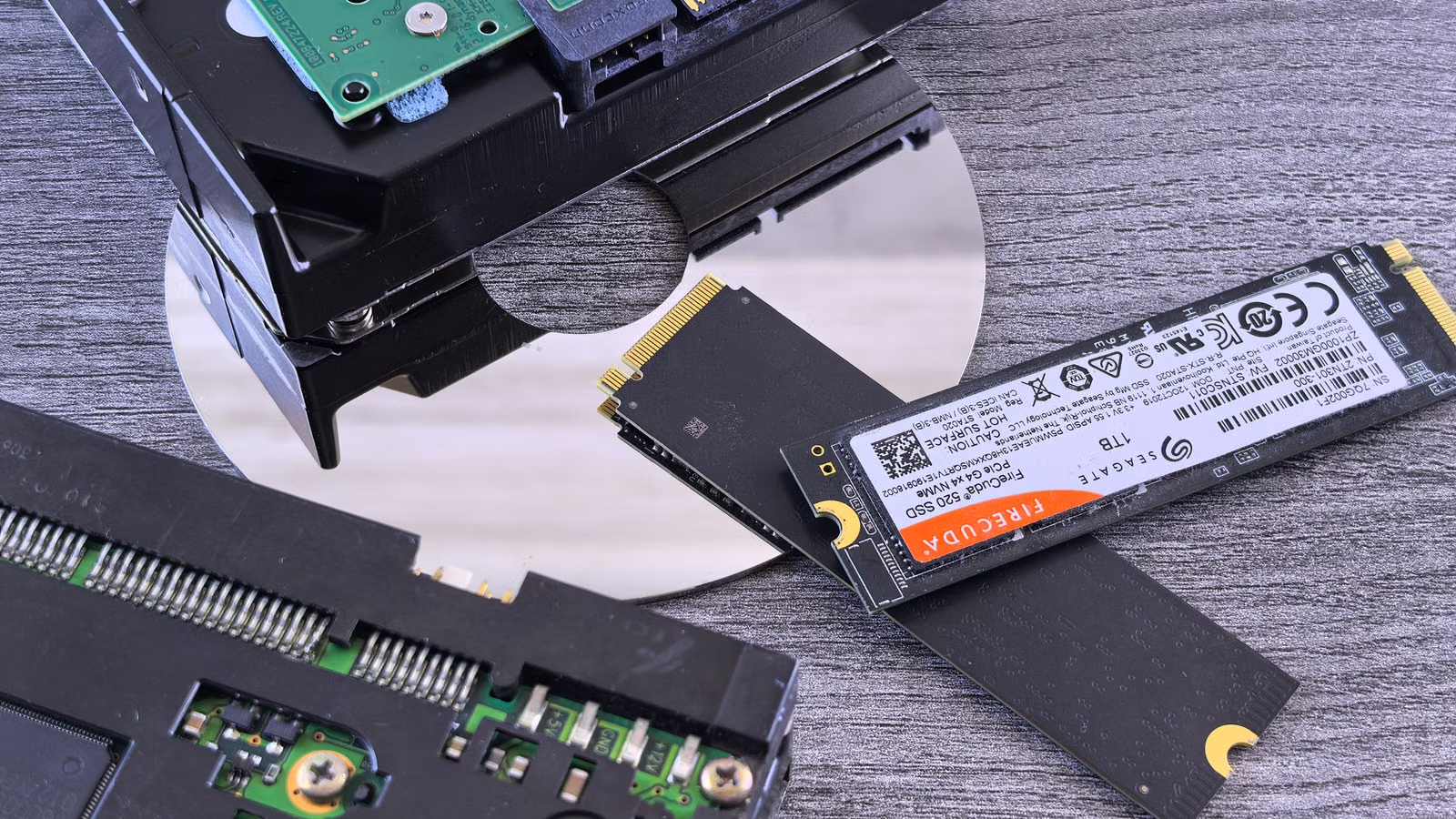
If you are comparing SNDK and PSTG, the key is not that both use Flash, but where they sit in the storage value chain. SanDisk SNDK is closer to a NAND Flash, SSD, and storage product cycle stock, with revenue more affected by NAND pricing, data center SSD demand, customer mix, and long-term supply agreements. Pure Storage / PSTG is closer to an enterprise all-flash system and data management platform, with the core focus on product revenue, subscription services, ARR, RPO, and enterprise customer expansion. In simple terms, SNDK has stronger pricing-cycle elasticity, while PSTG has better system-service visibility and revenue predictability.
Key Takeaways
- SNDK is more directly affected by NAND Flash, SSD pricing, and data center demand.
- PSTG relies more on all-flash systems, subscription services, ARR, RPO, and customer renewals.
- SNDK has stronger upside elasticity, but volatility becomes more obvious when the NAND cycle turns.
- PSTG has more predictable revenue, but it is still affected by component costs, enterprise budgets, and competition.
- The two should not be grouped together simply because both use Flash; chip supply and system-service models are different.
- Beginners should focus on revenue structure, customer type, gross margin, and valuation assumptions.
What Is the Real Difference Between SNDK and Pure Storage / PSTG: Flash Chips and Storage Products vs Enterprise All-Flash Systems
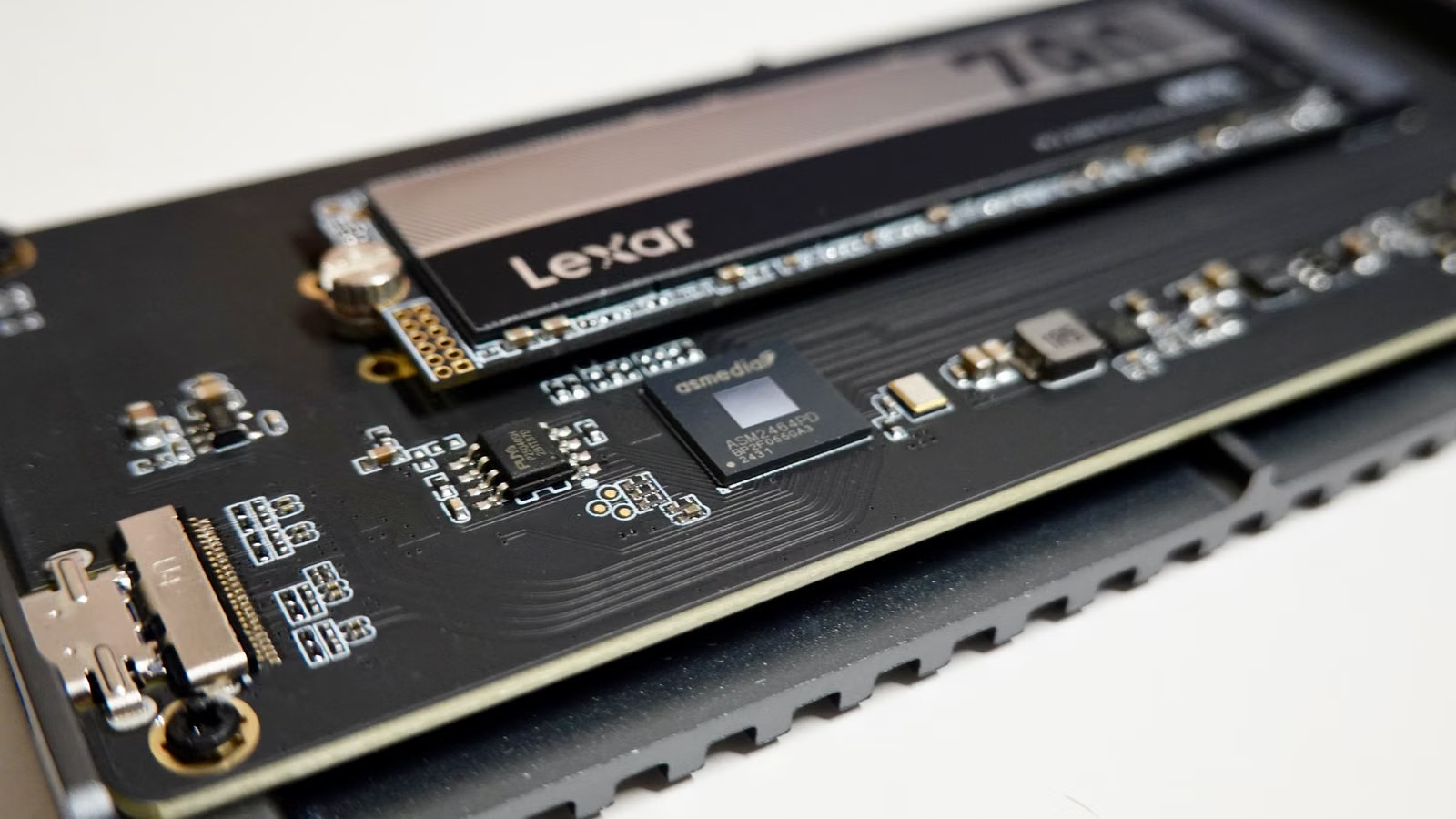
The biggest difference between SNDK and PSTG is this: SNDK is a Flash storage product supplier, while PSTG is an enterprise storage system and data management platform. SNDK’s key variables are NAND Flash, SSDs, embedded storage, consumer products, and data center customer demand. PSTG’s key variables are all-flash arrays, software, controllers, data services, and subscription models. When comparing the two companies, you should not focus only on the shared word “Flash.” You need to see who sells chips and products, and who sells systems and services.
After becoming independent again, SanDisk became an important U.S.-listed name in the NAND Flash value chain. According to SanDisk’s announcement that it had completed its separation and began trading as SNDK on Nasdaq, the company was spun off from Western Digital and now focuses on Flash data storage. According to Sandisk’s 10-Q, the company divides its end markets into Datacenter, Edge, and Consumer, with products covering SSDs, embedded Flash, removable storage, USB drives, memory cards, wafers, and components.
Pure Storage follows a different logic. Many users still search for Pure Storage / PSTG, but in 2026 the company moved to the Everpure brand identity and updated its ticker. For search relevance, PSTG can still be understood under the historical Pure Storage context. According to Everpure FY2027 Q1 results, the company’s revenue comes from product revenue and subscription services revenue, with core offerings including FlashArray, FlashBlade, Evergreen, Storage-as-a-Service, and Enterprise Data Cloud.
| Comparison Dimension | SanDisk SNDK | Pure Storage / PSTG |
|---|---|---|
| Company positioning | NAND Flash and storage products company | Enterprise all-flash systems and data platform |
| Value chain position | Upstream Flash supply and SSD products | Downstream enterprise storage systems and services |
| Core products | NAND, SSDs, embedded storage, memory cards, USB drives | FlashArray, FlashBlade, Evergreen, subscription services |
| Revenue drivers | NAND pricing, shipment volume, customer mix | Product orders, subscription services, ARR, RPO |
| AI benefit path | Enterprise SSD and data center NAND demand | Enterprise AI data management and all-flash infrastructure |
| Main risk | NAND cycle reversal | Slower enterprise IT spending and subscription growth |
Investors often mix SNDK and PSTG into the same category because both companies are related to Flash, SSDs, AI data centers, and data growth. But SNDK makes money from Flash storage products, while PSTG makes money from enterprise systems, software, and services. The former is more like a NAND / SSD pricing cycle stock; the latter is more like an enterprise data infrastructure platform.
Summary: The first step in judging SNDK and PSTG is separating Flash chips from all-flash systems. SNDK is closer to NAND Flash supply, SSD shipments, data center customers, and storage pricing cycles. It should be analyzed through ASP, Datacenter revenue, inventory, customer agreements, and capacity. PSTG turns Flash components into enterprise systems and serves corporate customers through software, controllers, data services, and subscriptions. It should be analyzed through ARR, RPO, subscription revenue, product gross margin, and enterprise IT budgets. If you value upstream Flash supply-demand elasticity, SNDK is more direct. If you value enterprise systems and service revenue, PSTG is closer to a stable infrastructure logic.
Revenue Structure Comparison: SNDK Depends on NAND Pricing, Customer Mix, and Shipments; PSTG Depends on Subscriptions, ARR, and RPO
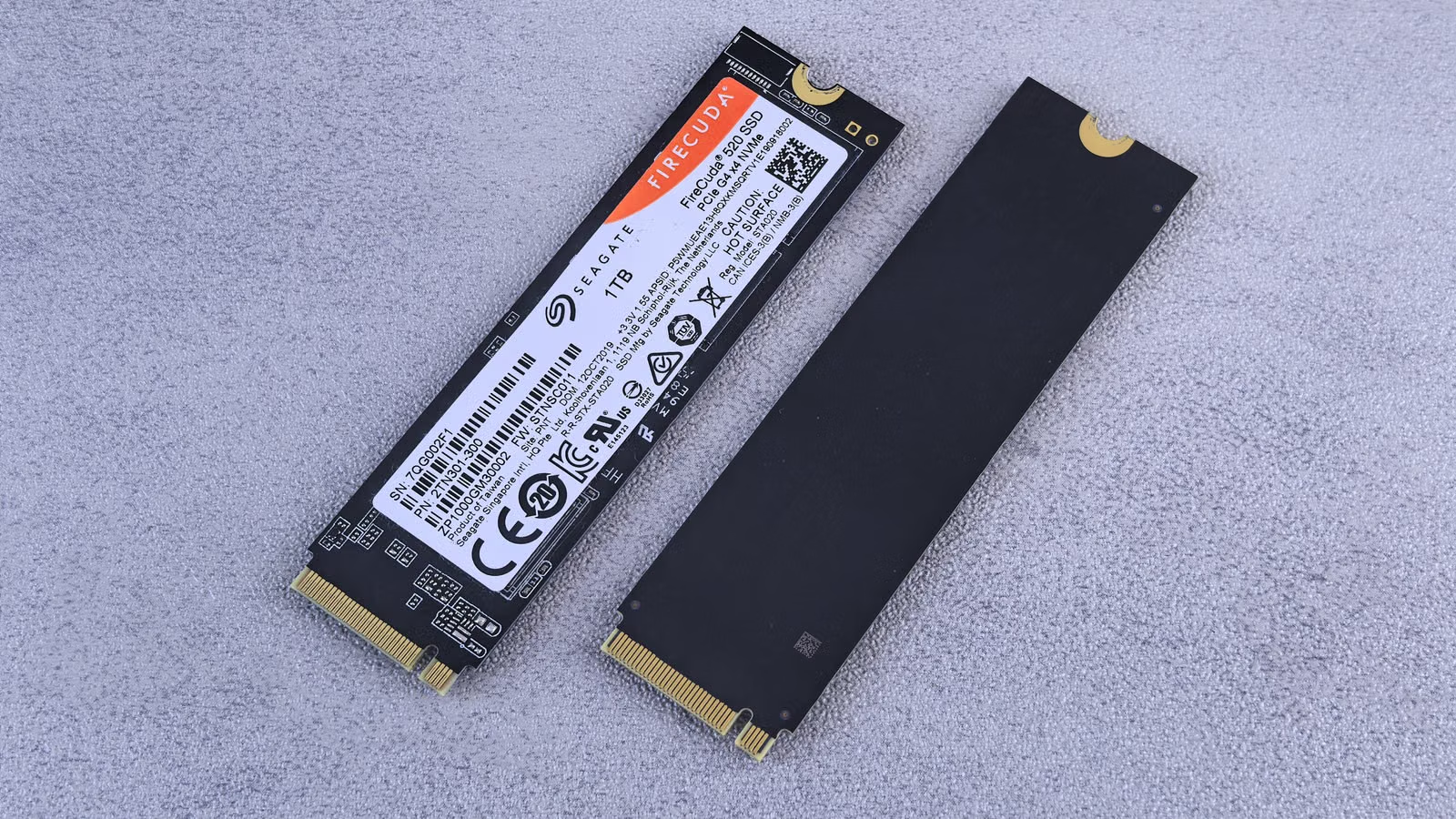
From a revenue structure perspective, SNDK has stronger cyclical elasticity, while PSTG has better revenue visibility. SNDK’s revenue is mainly affected by NAND Flash and SSD shipments, average selling prices, data center customer demand, and the mix between Edge and Consumer markets. PSTG’s revenue is better evaluated through product revenue, subscription services, ARR, RPO, and enterprise customer expansion. If you want to capture a NAND / SSD upcycle, SNDK is more sensitive. If you want to analyze contracted revenue and subscription sustainability, PSTG is easier to evaluate.
SNDK’s performance has already been significantly driven by AI data center demand. According to Sandisk FY2026 Q3 results, quarterly revenue reached $5.95 billion, up 97% sequentially and 251% year over year, with GAAP gross margin of 78.4%. More importantly, Datacenter revenue reached $1.467 billion, up 233% sequentially and 645% year over year. This shows that SNDK’s growth is not only coming from consumer memory cards or USB drives, but is increasingly influenced by AI data centers and high-value customers.
SNDK’s revenue logic can be simplified as NAND / SSD shipment volume multiplied by average selling price, then adjusted by customer and product mix quality. According to Sandisk’s 10-Q discussion of business performance, changes in Datacenter, Edge, and Consumer demand directly affect revenue structure and gross margin. The company is also trying to reduce the extreme cyclicality of the traditional NAND industry through NBM and other long-term customer agreements, but its core nature remains closer to a Flash storage product supplier.
PSTG’s revenue metrics are more enterprise-service oriented. According to Everpure FY2027 Q1 revenue data, quarterly revenue was $1.1 billion, up 35% year over year; product revenue was $577 million, up 55%; and subscription services revenue was $476 million, up 17%. In the same earnings release, ARR reached $2.0 billion, up 19%, while RPO reached $3.8 billion, up 41%. These indicators show that PSTG’s revenue quality should not be judged only by one quarter of hardware delivery, but also by future contracted revenue and enterprise customer renewals.
| Metric | How to Read SNDK | How to Read PSTG |
|---|---|---|
| Revenue growth | Measures the strength of the NAND and SSD cycle | Measures product orders and subscription expansion |
| Gross margin | Reflects NAND pricing and customer mix | Reflects system, software, and service mix |
| Datacenter revenue | Measures AI data center pull-through | Indirectly benefits from enterprise AI projects |
| ARR | Not a core metric | Measures subscription revenue scale |
| RPO | Can help assess long-term agreements | Measures visibility into future contracted revenue |
| Inventory and ASP | Key to identifying cycle turning points | Less important than enterprise orders and renewals |
PSTG’s subscription model is not completely cycle-proof. According to Everpure FY2026 full-year results, full-year revenue exceeded $3.6 billion, up 16%, while Q4 revenue exceeded $1.0 billion, up 20%. This kind of growth reflects the continuity of enterprise storage demand, but product revenue, component costs, and customer procurement timing can still affect short-term results.
Summary: Revenue structure determines the investment framework for each company. SNDK is centered on NAND Flash, SSD shipments, average selling prices, data center customers, and long-term supply agreements. During an upcycle, revenue and gross margin can expand quickly, but they are also more sensitive when the cycle reverses. PSTG is centered on product revenue, subscription services, ARR, RPO, customer renewals, and enterprise data platform expansion. Its growth may not be as explosive as SNDK’s, but future revenue visibility is higher. If you are good at tracking NAND pricing, inventory, and data center SSD demand, SNDK is easier to understand. If you focus more on enterprise customers, contracted revenue, and subscription models, PSTG’s financial structure is clearer.
AI Data Center Benefit Paths: SNDK Relies on Enterprise SSDs and Tight NAND Supply, While PSTG Relies on Enterprise Data Platforms
AI data center expansion provides a more direct tailwind for SNDK and a more application-layer tailwind for PSTG. SNDK benefits from enterprise SSDs, QLC NAND, high-capacity storage, and hyperscaler customer demand. PSTG benefits when enterprises use data for training, inference, retrieval, governance, and backup, creating demand for all-flash systems and unified data management platforms. One is more driven by hardware supply-demand, while the other is more driven by enterprise deployment.
SNDK’s AI logic mainly comes from data center storage demand. AI training and inference require large amounts of high-speed, low-power, high-capacity SSDs. As model data, vector databases, logs, code repositories, enterprise documents, and inference caches continue to grow, NAND Flash becomes an important resource for data center expansion. The rapid growth of Sandisk FY2026 Q3 Datacenter revenue shows that the company is benefiting from high-value customers, strong Datacenter demand, and higher pricing.
Long-term agreements are also changing the SNDK cycle narrative. Reuters’ report on Sandisk’s long-term supply agreements noted that the company disclosed five long-term supply agreements, three of which had a minimum value of $42 billion, with arrangements including price ceilings and floors as well as customer commitments. These agreements can help improve revenue visibility in the traditionally volatile NAND industry, but they do not mean cycle risk disappears.
PSTG’s AI path is more focused on enterprise data platforms. Enterprise AI deployment often faces data silos, unstructured data, access governance, low-latency access, backup and recovery, ransomware protection, and cross-cloud management issues. According to Everpure FY2027 Q1 business updates, the company emphasized Enterprise Data Cloud, data discovery, classification, semantic context, and AI data orchestration capabilities. This shows that its AI exposure is not about chip shortages, but about how enterprises use data.
| AI Scenario | SNDK’s Benefit Position | PSTG’s Benefit Position |
|---|---|---|
| AI training data storage | Enterprise SSDs, QLC NAND | High-performance file and object storage |
| AI inference expansion | More data center SSD shipments | Enterprise knowledge bases and retrieval data management |
| Hyperscaler expansion | NAND demand and long-term supply agreements | Large customer all-flash system deployments |
| Enterprise AI applications | Indirect benefit from SSD demand | Data governance, backup, recovery, and cross-cloud management |
| Storage cost optimization | High-capacity NAND and SSDs | Storage-as-a-Service and automated management |
Both companies can benefit from AI-driven data growth, but the profit transmission speed is different. SNDK’s AI tailwind shows up more quickly in Datacenter revenue, NAND ASP, enterprise SSD shipments, and customer agreements. PSTG’s AI tailwind is more likely to show up in enterprise projects, product revenue, subscription renewals, Storage-as-a-Service, and data management platform expansion.
Summary: AI data center expansion benefits both SNDK and PSTG, but the logic is very different. SNDK is more driven by hardware supply-demand. AI pushes demand for high-capacity SSDs, QLC NAND, Datacenter customers, and long-term supply agreements, making revenue and gross margin more sensitive to supply-demand changes. PSTG is more driven by enterprise deployment. When enterprises use data for AI applications, they need high-performance all-flash systems, unified data management, data protection, cross-cloud access, and subscription-based storage services. If you value upstream AI storage hardware elasticity, SNDK is more direct. If you value long-term upgrades in enterprise AI data infrastructure, PSTG is worth tracking.
Which Is More Stable: Comparing SNDK and PSTG by Cycle Exposure, Gross Margin, Cash Flow, and Business Model
If “stable” means predictable revenue, customer renewals, and contracted visibility, PSTG is usually more stable. If “stable” means profit elasticity during a Flash upcycle, SNDK is stronger. SNDK is more affected by NAND Flash prices, enterprise SSD demand, customer inventories, capacity expansion, and long-term agreements. PSTG is more affected by enterprise IT budgets, hardware orders, subscription renewals, component costs, and Storage-as-a-Service adoption.
SNDK’s gross margin expands significantly during an upcycle. Sandisk FY2026 Q3 gross margin reached 78.4%, which was related to higher pricing, high-value customer mix, Datacenter growth, and improved NAND supply-demand. Strong gross margin shows that SNDK has powerful upside elasticity during an upcycle, but it also reminds you that if NAND prices, customer inventories, or high-end SSD demand changes, margins may come under pressure.
PSTG’s gross margin reflects its systems and services mix. According to Everpure FY2027 Q1 gross margin, GAAP gross margin was 68.7% and non-GAAP gross margin was 70.1%. This level comes from all-flash systems, software, subscription services, and enterprise customer relationships, but it can also be affected by Flash component costs, supply chain constraints, hardware product mix, and pricing strategy.
| Stability Dimension | SNDK | PSTG |
|---|---|---|
| Cycle sensitivity | High; affected by NAND pricing and SSD demand | Medium; affected by enterprise IT budgets |
| Gross margin elasticity | Strongly expands during upcycles | More dependent on system and service mix |
| Revenue visibility | Long-term agreements can help, but the business remains cyclical | ARR, RPO, and subscription services are clearer |
| Asset profile | More like a storage product cycle stock | More like an enterprise data platform |
| Main risk | NAND pricing and customer inventory | Component costs, subscription growth, and competition |
PSTG is not completely free from cost pressure. According to Everpure’s 10-K discussion of component costs, rising component costs may affect pricing, gross margin, and supply chain arrangements. In other words, although PSTG is not a NAND producer, it uses Flash components to build products and cannot fully escape the hardware cost cycle.
To judge which company is more stable, you also need to look at cash flow and business model. SNDK must deal with NAND manufacturing, joint-venture capacity, inventory, ASP, customer agreements, and product mix. PSTG puts more emphasis on system design, software capabilities, subscription services, customer relationships, and future contracted revenue. One is more hardware-cycle driven, while the other is more enterprise-platform driven.
Summary: SNDK and PSTG’s stability cannot be judged by one quarter of profit alone. SNDK’s strength lies in the revenue and gross margin elasticity of a NAND / SSD upcycle, especially when Datacenter customers and enterprise SSD demand are strong. But it still faces pricing, inventory, and capacity cycles. PSTG’s strength lies in enterprise customers, subscription revenue, ARR, RPO, and all-flash platforms, giving it higher revenue visibility. However, it is still affected by component costs, enterprise budgets, and competitive pressure. If you can tolerate cyclical volatility, SNDK’s elasticity is more attractive. If you care more about revenue continuity, PSTG fits a more stable allocation logic.
Valuation and Risk Comparison: SNDK Risks a NAND Cycle Reversal, While PSTG Risks Slower Growth and Component Cost Pressure
SNDK’s valuation risk is that investors may treat high profits driven by a NAND upcycle, high-end SSD demand, and long-term agreements as permanent. PSTG’s valuation risk is that investors may view subscription growth, ARR, RPO, and enterprise AI data demand too linearly. When comparing the two companies, you should not look only at P/E or only at subscription revenue. You need to consider cycle position, growth quality, gross margin, cash flow, competition, and actual trading costs at the same time.
SNDK’s typical risk is cycle extrapolation. NAND / SSD cycle stocks may show “high profits and seemingly inexpensive valuation” near a cycle peak. But if NAND prices decline, customer inventory adjusts, AI storage demand cools, or capacity expands too quickly, the earnings base can be revised down quickly. Sandisk’s NBM agreements can improve part of the company’s revenue visibility, but long-term agreements do not completely eliminate pricing cycles.
PSTG’s risks are more about growth quality and cost pass-through. If enterprise IT budgets slow, product revenue misses expectations, subscription growth declines, or ARR and RPO growth slows, the market may revise its valuation multiple downward. Everpure FY2027 Q1 free cash flow was $112 million, while operating cash flow was $180 million, showing that the company still has cash flow capability. But in a high-valuation environment, cash flow, growth, and gross margin must all meet market expectations.
| Risk Factor | Impact on SNDK | Impact on PSTG |
|---|---|---|
| Falling NAND prices | Directly pressures revenue and gross margin | Indirectly affects component costs and product pricing |
| Cooling AI storage demand | Enterprise SSD expectations decline | Enterprise AI project timing slows |
| Customer inventory adjustment | Orders and ASP come under pressure | Hardware orders may be delayed |
| Rising component costs | Cost and supply pressure | Product gross margin may be pressured |
| Stronger competition | NAND / SSD pricing pressure | All-flash systems and cloud storage competition |
| Overvaluation | Risk of extrapolating a cycle peak | Multiple compression after slower growth |
If you plan to trade SNDK or PSTG, you should also factor in fee structure. U.S. stock trading costs usually include more than commissions. They may also include platform fees, external agency fees, trading activity fees, fractional-share fees, and other items shown on the order page. Taking U.S. stock trading fees as an example, Biya charges $0 commission for U.S. stock trading, while platform fees, external agency fees, and other charges are subject to the fee center and order page. For fractional-share orders below one share, platform fee rules should also be checked based on the actual display.
Summary: From a valuation perspective, SNDK and PSTG should not be measured with the same yardstick. SNDK’s core risk is a NAND cycle reversal. If pricing, inventory, customer orders, or high-end SSD demand changes, profits may fluctuate quickly. PSTG’s core risk is weaker growth quality. If product revenue, subscription services, ARR, RPO, or free cash flow falls short of expectations, valuation may be compressed. On the trading side, fees affect the experience of staged buying, frequent rebalancing, and fractional-share trading. Public information can help you understand business models, trading costs, and risk structures, but it cannot replace personal investment judgment. Service availability also depends on user location, identity verification results, platform rules, and applicable laws and regulations.
How Ordinary Investors Can Choose: Decide by Risk Appetite, Holding Period, and Portfolio Role
Ordinary investors do not need to treat SNDK and PSTG as an absolute either-or decision. A more reasonable approach is to first define their portfolio roles: SNDK can be used as an upstream NAND / SSD elasticity allocation, while PSTG can be used as an enterprise all-flash system and data platform stability allocation. If you are optimistic about AI data center storage demand and can tolerate NAND pricing-cycle volatility, SNDK may be more suitable. If you value enterprise customers, subscription services, and revenue visibility more, PSTG may be more suitable.
Investors suited to SNDK usually need to accept these conditions:
- You are willing to track NAND Flash, enterprise SSDs, and Datacenter revenue.
- You understand changes in ASP, inventory, customer mix, and capacity cycles.
- You can tolerate large share price swings driven by storage pricing and earnings expectations.
- You do not simply extrapolate short-term high gross margin into a long-term normal state.
- You view SNDK as an offensive cyclical allocation, not a low-volatility defensive asset.
Investors suited to PSTG should focus more on these factors:
- Whether product revenue and subscription services revenue grow together.
- Whether ARR and RPO continue to increase, and whether customer renewals remain stable.
- Whether all-flash systems and Storage-as-a-Service continue to expand penetration.
- Whether gross margin, free cash flow, and operating margin remain healthy.
- Whether enterprise AI, data governance, backup and recovery, and cross-cloud management demand continues.
| Investment Goal | More Toward SNDK | More Toward PSTG |
|---|---|---|
| Seeking upstream NAND / SSD elasticity | Yes | Weaker |
| Valuing revenue predictability | Weaker | Yes |
| Able to tolerate pricing cycles | Yes | Moderate |
| Preference for subscriptions and enterprise services | No | Yes |
| Focus on Datacenter hardware demand | Yes | Indirectly related |
| Focus on ARR and RPO | Not core | Yes |
If you want to put SNDK, PSTG, and other AI storage-related stocks into the same watchlist, you can use U.S. stock information search to review basic ticker information first, then combine earnings dates, valuation ranges, position plans, and trading costs for further judgment. Stock comparison can only help you identify the risk-return structure; it does not represent any buy or sell recommendation. For cross-market investors, fees, order details, exchange rates, platform rules, and local regulatory requirements should also be considered together.
Summary: The choice between SNDK and PSTG is essentially a trade-off between “Flash supply elasticity” and “enterprise system stability.” SNDK is more suitable for investors who are optimistic about NAND Flash, enterprise SSDs, and the AI data center storage cycle, and who can tolerate higher volatility. PSTG is more suitable for investors who value all-flash systems, subscription services, ARR, RPO, enterprise customers, and data management platforms. Most investors do not need one answer to cover every need. SNDK can be viewed as an offensive upstream Flash allocation, while PSTG can be viewed as an enterprise data infrastructure stability allocation. Allocation can then be adjusted based on valuation, position size, and holding period.
When comparing U.S. stocks such as SNDK and PSTG, you need to consider not only company fundamentals, but also trading channels, fee structures, order details, and position discipline. Biya is a global multi-asset trading wallet that supports U.S. stocks, Hong Kong stocks, digital assets, and other asset classes. If services are available in your region under the relevant conditions, you can review fee rules before trading and rely on the actual costs shown on the order page. U.S. stock trading commission is $0, but platform fees, external agency fees, and other charges should still be checked against the fee center and order details. You can also use Download App to manage watchlists, review transaction details, and track market changes. The above only introduces public market information, business models, and fee structures, and does not constitute investment advice.
FAQ
Is SanDisk SNDK or Pure Storage PSTG more suitable for long-term holding?
There is no absolute answer. SNDK is more suitable for investors who are optimistic about NAND Flash, enterprise SSDs, and the AI data center storage cycle, and who can tolerate higher volatility. PSTG is more suitable for investors who value enterprise customers, all-flash systems, subscription services, ARR, RPO, and data management platforms.
Why is SanDisk SNDK more affected by NAND prices than Pure Storage PSTG?
Because SNDK is a supplier of NAND Flash and storage products, its revenue and gross margin are directly affected by NAND pricing, SSD shipments, customer mix, and inventory cycles. PSTG mainly sells enterprise all-flash systems, software, and subscription services, so NAND pricing affects it more indirectly.
Is Pure Storage PSTG a Flash chip company?
Pure Storage / PSTG is not a Flash chip company. It uses Flash components to build enterprise all-flash systems and serves enterprise customers through software, subscription services, data management platforms, and customer support. Its business model is closer to an enterprise data infrastructure platform.
How does AI data center expansion affect SNDK and PSTG differently?
AI has a more direct impact on SNDK, mainly through enterprise SSDs, NAND Flash, and data center customer demand. For PSTG, the impact is more related to enterprise AI data management, all-flash systems, data protection, cross-cloud access, and Storage-as-a-Service demand.
What financial metrics should beginners track for SNDK and PSTG?
For SNDK, beginners should focus on Datacenter revenue, NAND ASP, gross margin, inventory, long-term supply agreements, and free cash flow. For PSTG, they should focus on product revenue, subscription services revenue, ARR, RPO, gross margin, free cash flow, and full-year guidance.
Is P/E enough when comparing SNDK and PSTG?
No. SNDK is a NAND / SSD cycle stock, and a low P/E may reflect a cycle peak. PSTG should be evaluated together with ARR, RPO, subscription revenue, product gross margin, cash flow, and enterprise IT spending. A single valuation metric can easily overlook the real source of risk.
*This article is provided for general information purposes and does not constitute legal, tax or other professional advice from BiyaPay or its subsidiaries and its affiliates, and it is not intended as a substitute for obtaining advice from a financial advisor or any other professional.
We make no representations, warranties or warranties, express or implied, as to the accuracy, completeness or timeliness of the contents of this publication.
Related Blogs of

Shanghai Fudan vs Micron: How Are Non-Volatile Memory and the Global DRAM/HBM Leader Different?


Western Digital WDC vs NetApp NTAP: Investment Logic Comparison Between a Hard Drive Manufacturer and a Data Management Platform


Micron MU vs NetApp NTAP: Comparing a Hardware Cycle Stock with an Enterprise Storage Services Company


Seagate STX vs Pure Storage PSTG: Which Benefits More from Cloud Demand, Nearline HDDs or Enterprise Flash Storage?

Choose Country or Region to Read Local Blog
 Australia
 Austria
 Belgium
 Canada
 Cyprus
 Czech Republic
 Denmark
 Estonia
 Finland
 France
 Germany
 Greece
 Hong Kong
 India
India Indonesia
 Ireland
 Italy
Italy Japan
Japan Latvia
 Lithuania
 Luxembourg
 Malaysia
 Malta
Malta Morocco
 Nepal
Nepal Netherlands
 New Zealand
 Norway
 Pakistan
 Philippines
 Poland
 Portugal
 Romania
 Singapore
 Slovakia
 Slovenia
 South Africa
 South Korea
 Spain
Spain Sweden
 Thailand
 The United States
 Turkey
 United Arab Emirates
 United Kingdom
 Vietnam
Contact Us




BIYA GLOBAL LLC is registered with the Financial Crimes Enforcement Network (FinCEN), an agency under the U.S. Department of the Treasury, as a Money Services Business (MSB), with registration number 31000218637349, and regulated by the Financial Crimes Enforcement Network (FinCEN).
BIYA GLOBAL LIMITED is a registered Financial Service Provider (FSP) in New Zealand, with registration number FSP1007221, and is also a registered member of the Financial Services Complaints Limited (FSCL), an independent dispute resolution scheme in New Zealand.