
How to Choose a Memory ETF? Investment Logic for HBM, DRAM, and NAND Theme Funds




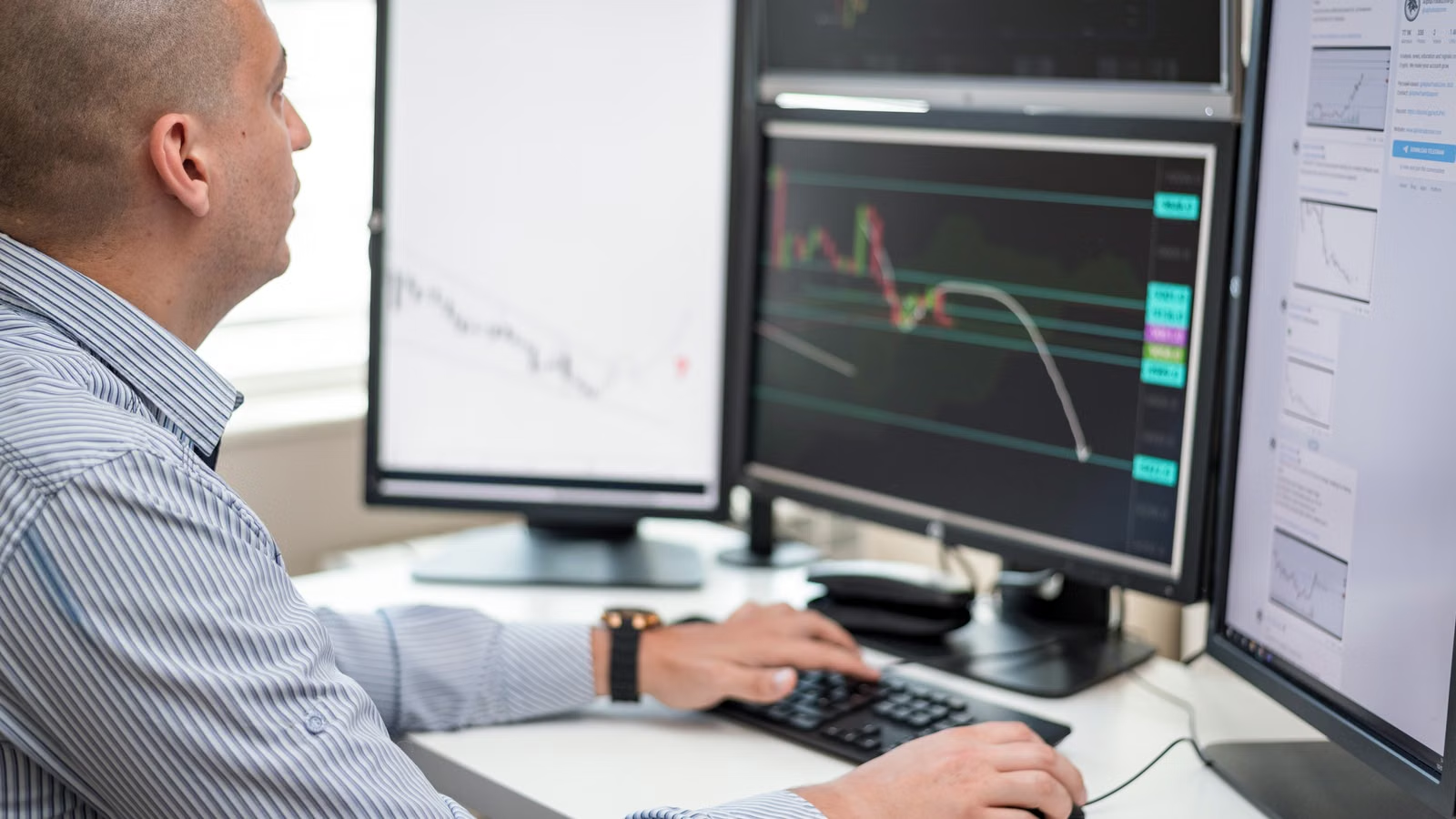
Memory ETFs are not a single unified category. You first need to decide whether you want exposure to HBM growth, the DRAM pricing cycle, NAND recovery, or the broader semiconductor industry. A dedicated memory ETF usually has higher thematic purity and may more directly reflect the cycle sensitivity of companies such as Micron, Samsung, SK hynix, SanDisk, and Kioxia. A broad semiconductor ETF, however, may be dominated by NVIDIA, TSMC, Broadcom, ASML, and semiconductor equipment companies. Before choosing a fund, the key is not the ETF name, but its holdings, weights, fees, liquidity, and regional risks.
Key Takeaways
- The biggest difference between memory ETFs and broad semiconductor ETFs is holding purity.
- The HBM theme mainly depends on Samsung, SK hynix, and Micron.
- NAND exposure also requires attention to SanDisk, Kioxia, enterprise SSDs, and HDD chains.
- Korea ETFs can provide high memory exposure, but they are not pure memory funds.
- High-purity theme funds have stronger upside sensitivity, but also higher drawdown and single-company risk.
What Do Memory ETFs Actually Invest In? Start by Separating Memory, Flash, and Semiconductor Funds
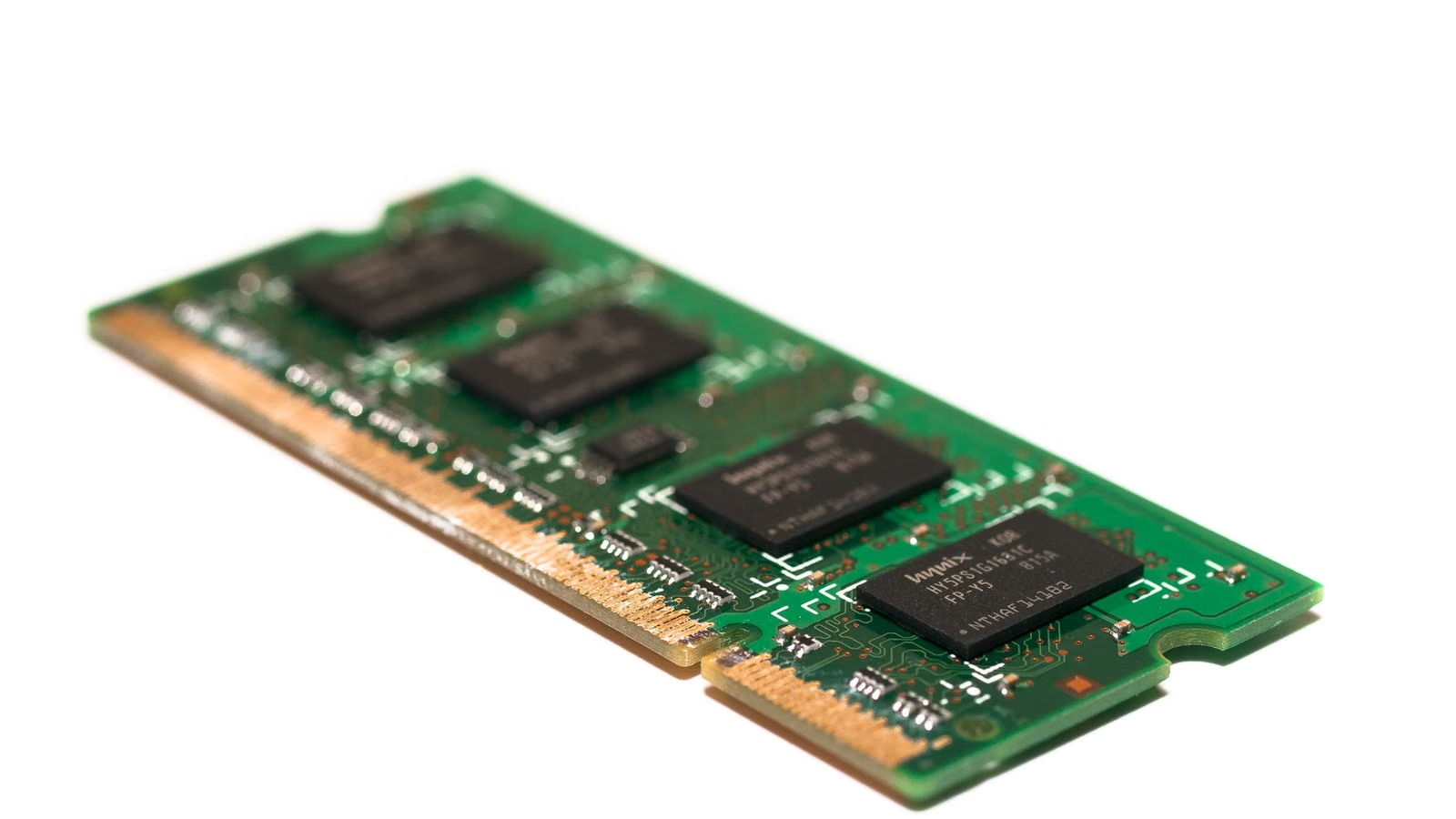
A memory ETF is not the same as every semiconductor ETF. A truly memory-focused fund will emphasize HBM, DRAM, NAND, SSDs, HDDs, and related storage companies. A broad semiconductor ETF may hold large positions in GPUs, foundries, EDA, analog chips, and semiconductor equipment companies. If you want to capture the memory pricing cycle, the first step is not to search for “semiconductor ETF,” but to check the actual weight of memory companies inside the fund.
The memory industry can be divided into several layers. HBM mainly serves AI GPUs and high-performance computing, with profit drivers including AI server demand, advanced packaging capacity, customer qualification, and long-term orders. DRAM is more affected by servers, PCs, smartphones, and supplier capacity discipline, making it highly cyclical. NAND is related to enterprise SSDs, consumer electronics, smartphone storage upgrades, cloud storage, and supplier production cuts. HDDs, enterprise storage systems, and data management software are also part of the broader data storage chain, but they are not the same as memory chips.
| Memory Theme | Representative Companies | Key Drivers | More Relevant Fund Types |
|---|---|---|---|
| HBM | SK hynix, Samsung, Micron | AI servers, advanced packaging, customer qualification | Memory ETFs, global semiconductor ETFs |
| DRAM | Micron, SK hynix, Samsung | ASP, inventory, capacity discipline | Memory ETFs, Korea ETFs |
| NAND | Samsung, Kioxia, SanDisk, Micron | SSD demand, production cuts, pricing cycle | Memory ETFs |
| HDD | Western Digital, Seagate | Cloud cold data, mass storage | Storage value-chain funds |
| Semiconductor Equipment | Applied Materials, Lam Research, KLA | Fab capital expenditure | Broad semiconductor ETFs |
The advantage of broad semiconductor ETFs is diversification, but this also dilutes memory exposure. For example, VanEck Semiconductor ETF holds Micron, but its portfolio also includes significant GPU, foundry, and equipment exposure. iShares Semiconductor ETF also holds Micron, AMD, NVIDIA, and other U.S.-listed chip companies, but it is not specifically designed around HBM, DRAM, and NAND.
Dedicated memory ETFs address the issue of thematic purity. Roundhill Memory ETF began trading in April 2026, has an expense ratio of 0.65%, and is actively managed. Its goal is to invest in global companies that produce or supply HBM, DRAM, NAND, and related memory products. Its significance is not that it has the lowest fee, but that it can place Micron, Samsung, SK hynix, SanDisk, Kioxia, Western Digital, Seagate, and other companies into a portfolio that more closely follows the memory cycle.
You can use four questions to screen a fund first:
- Are the top three holdings memory companies?
- Does it include Micron, Samsung, and SK hynix at the same time?
- Does it hold NAND-related companies such as Kioxia, SanDisk, or Western Digital?
- Is the fund’s performance mainly driven by memory prices, or by NVIDIA and TSMC?
Summary: There are at least four ways to gain memory ETF exposure: dedicated memory ETFs, broad semiconductor ETFs, global semiconductor ETFs, and Korea market ETFs. Dedicated memory ETFs are more sensitive to HBM, DRAM, and NAND pricing cycles, making them more suitable for investors who clearly believe in a memory upcycle. Broad semiconductor ETFs can reduce single-theme volatility, but their return drivers may come more from GPUs, foundries, and equipment companies. Before choosing a fund, you must start with holdings and weights, not the fund name.
How Are Dedicated Memory ETFs Different From Mainstream Semiconductor ETFs?
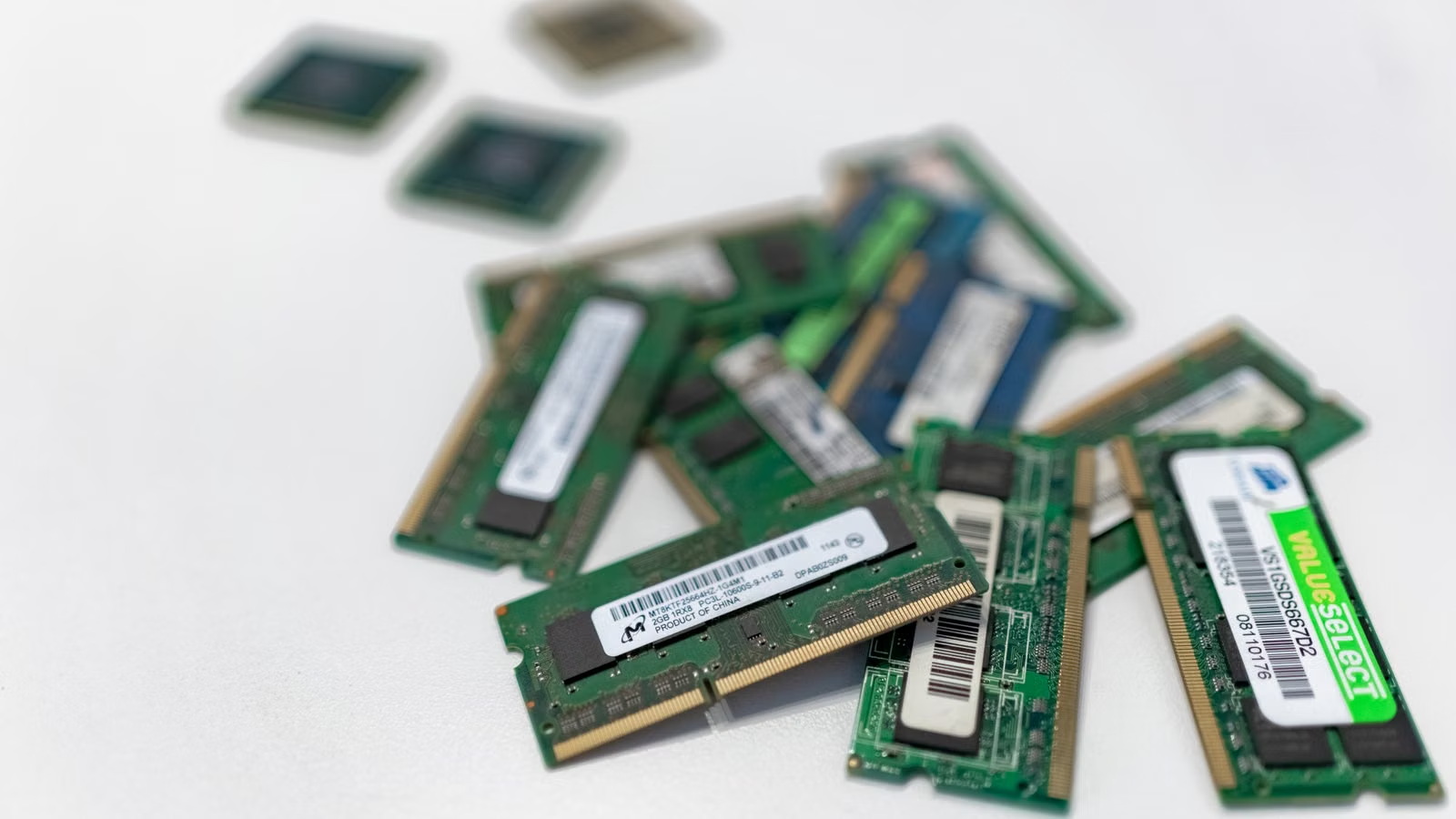
If you want to track memory pricing and AI memory demand more directly, dedicated memory ETFs have higher thematic purity. If you want exposure to GPUs, foundries, equipment, and chip design leaders at the same time, SMH, SOXX, SOXQ, FTXL, or XSD may be more suitable. The real difference is not only the expense ratio, but also each fund’s weight in Micron, Samsung, SK hynix, SanDisk, and Kioxia.
Dedicated memory ETFs such as DRAM usually have three characteristics. First, holdings are concentrated, and the top memory manufacturers can have a major impact on NAV performance. Second, they can include key non-U.S. companies such as Samsung and SK hynix. Third, the fund history is relatively short, meaning it has not yet gone through a full memory downcycle, so drawdowns and liquidity still need to be tested over time. Roundhill also states that the fund may use total return swaps to obtain certain exposures, so you also need to understand derivatives, counterparties, and daily holding changes.
Broad semiconductor ETFs are closer to industry allocation tools. SMH has an expense ratio of 0.35% and is relatively concentrated in large-cap semiconductor leaders, with Micron only one part of the portfolio. SOXX has an expense ratio of 0.34% and mainly covers U.S.-listed semiconductor companies. It offers some Micron exposure, but does not fully represent Samsung and SK hynix. Invesco PHLX Semiconductor ETF has an expense ratio of 0.19%, making it more suitable as a lower-cost broad semiconductor allocation.
| ETF Type | Representative Fund | Memory Exposure | Advantages | Limitations |
|---|---|---|---|---|
| Dedicated memory ETF | DRAM | High | Close to HBM, DRAM, NAND themes | High concentration, short history |
| Large-cap semiconductor ETF | SMH | Medium | Concentrated in industry leaders | Memory exposure diluted by GPUs and foundries |
| U.S. semiconductor ETF | SOXX | Medium | Broad coverage of U.S. chip leaders | Limited Asian memory leader exposure |
| Low-cost semiconductor ETF | SOXQ | Medium | Lower expense ratio | Still not a pure memory theme |
| Equal-weight semiconductor ETF | XSD | Lower | Lower single-company weight | Weaker sensitivity to memory price increases |
Weighting methodology can also materially change outcomes. First Trust Nasdaq Semiconductor ETF uses factors such as fundamentals and momentum to select semiconductor companies, has an expense ratio of 0.60%, and may have a higher Micron weight than some market-cap-weighted funds. This makes it relevant for investors who want greater Micron exposure without buying only one stock. SPDR S&P Semiconductor ETF has an expense ratio of 0.35% and uses a more diversified structure, so single-company weights are usually lower and sensitivity to the memory cycle may also be weaker.
Therefore, choosing a fund is not as simple as comparing “which one rose the most this year.” If your thesis is HBM shortage and DRAM price increases, thematic purity matters more than past returns. If your thesis is the long-term expansion of AI semiconductors, a broad semiconductor ETF may be more balanced.
Summary: Dedicated memory ETFs are suitable for high-purity exposure to HBM, DRAM, and NAND cycles. Broad semiconductor ETFs are more suitable for participating in the wider AI chip value chain. The differences among SMH, SOXX, SOXQ, FTXL, and XSD are not only expense ratios and issuers, but also index methodology, holding weights, and memory company exposure. You should first clarify your investment thesis, then decide whether you want memory cycle sensitivity or diversified semiconductor exposure.
Which Holdings Should You Check When Investing in HBM, DRAM, or NAND?
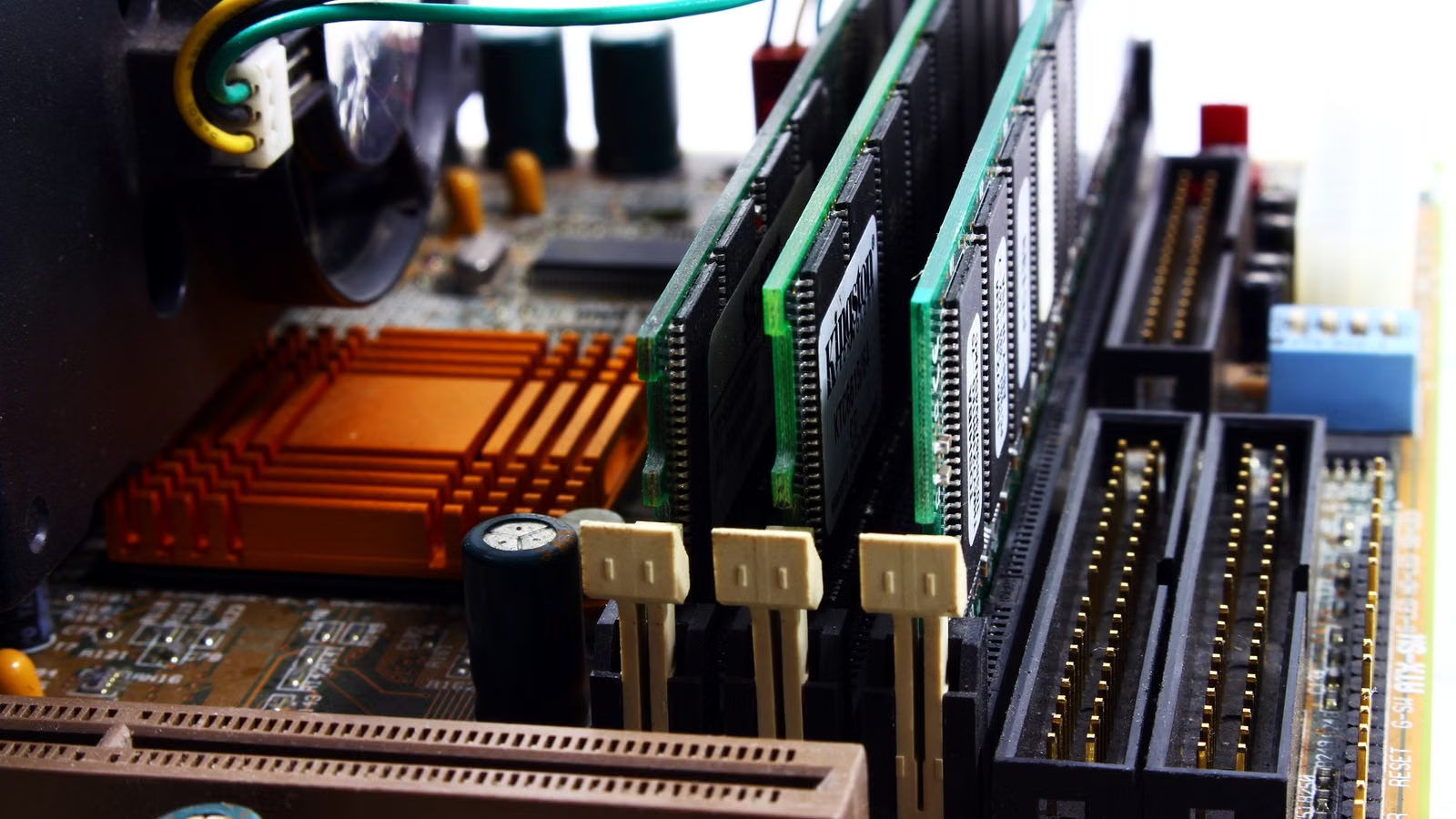
HBM, DRAM, and NAND are all part of memory, but their profit drivers differ. HBM depends more on AI servers, advanced packaging, and customer qualification. DRAM depends more on inventory, ASP, and capacity discipline. NAND also requires attention to enterprise SSDs, consumer storage, and supplier production cuts. Even if a fund holds Micron, that does not mean it fully covers the global memory cycle.
The core listed companies for the HBM theme are SK hynix, Samsung Electronics, and Micron. SK hynix has strong customer relationships and mass-production experience in HBM. Samsung has large memory capacity and a broad customer base. Micron is one of the easiest HBM exposures to access through U.S.-listed ETFs and stocks. If a fund holds Micron but not Samsung and SK hynix, its HBM exposure is incomplete.
DRAM investing is more cyclical. You need to watch inventory, ASP, bit shipments, gross margin, and capital expenditure. If contract prices rise, days of inventory fall, and gross margin improves, DRAM companies usually show strong earnings leverage. If capital expenditure expands quickly and customer restocking slows, the next supply pressure may arrive earlier.
| Indicator | Upcycle Signal | Risk Signal |
|---|---|---|
| Days of inventory | Keeps declining | Rises again |
| Contract prices | Continue rising | Growth slows or prices fall |
| Bit shipments | Real demand growth | Depends on discount-driven sales |
| Gross margin | Keeps improving | Falls from a high level |
| Capital expenditure | Disciplined expansion | Large-scale simultaneous expansion |
NAND exposure should not be judged by Micron alone. Samsung, Kioxia, SanDisk, Micron, Western Digital, Seagate, and enterprise SSD-related companies all occupy different positions in the storage chain. SanDisk is closer to NAND and flash products. Kioxia is a major NAND manufacturer. Western Digital, after its separation, is more focused on HDD and data center storage. Seagate is more focused on nearline HDDs. Calling all of them “storage companies” is acceptable, but their sensitivity to NAND prices, cloud data center demand, and AI storage expansion is not the same.
Global semiconductor ETFs can help fill Asian memory company exposure. For example, Samsung Bloomberg Global Semiconductor ETF holds TSMC, Broadcom, NVIDIA, Micron, Samsung, and SK hynix, making it suitable for investors who want both global chip leaders and Asian memory companies. Global X Semiconductor ETF also provides global semiconductor allocation and includes SK hynix. But these funds are not pure memory funds. TSMC, NVIDIA, Broadcom, and equipment companies still have major effects on NAV performance.
You can check holdings by theme:
- HBM: whether SK hynix, Samsung, and Micron are all included
- DRAM: whether Micron, Samsung, and SK hynix have sufficient weight
- NAND: whether the fund covers Kioxia, SanDisk, Micron, Samsung, and the SSD chain
- HDD: whether it holds Western Digital, Seagate, and other mass-storage companies
- Broad semiconductor: whether TSMC, NVIDIA, and Broadcom dilute memory exposure too much
Summary: The HBM theme requires checking whether the three major memory companies are all represented. The DRAM theme requires tracking ASP, inventory, and capital expenditure. The NAND theme requires confirming whether the fund covers Kioxia, SanDisk, and the enterprise SSD chain. A semiconductor ETF that only holds Micron can provide partial memory exposure, but it cannot fully represent the global memory market. The more complete the holdings, the more regional risk, currency risk, and portfolio complexity usually come with it.
Can Korea ETFs Replace Memory Theme Funds?
Korea ETFs can serve as high-weight alternatives for exposure to Samsung and SK hynix, but they are not pure memory ETFs. They invest in the Korean stock market, which may also include autos, financials, industrials, internet, and consumer companies. Therefore, Korea ETFs are suitable for investors who want exposure to Korean technology leaders and can accept country-market and Korean won currency risks. They are not suitable for precisely tracking DRAM or HBM prices.
iShares MSCI South Korea ETF has an expense ratio of 0.59% and holds multiple large-cap Korean companies, with SK hynix and Samsung Electronics as important sources of weight. Franklin FTSE South Korea ETF has an expense ratio of 0.09% and also provides Korea market exposure at a lower cost, but it is still not a dedicated memory theme fund.
| ETF | Main Memory Exposure | Portfolio Features | Main Limitations |
|---|---|---|---|
| EWY | Samsung, SK hynix | Korean large-cap portfolio | Higher fee, country risk |
| FLKR | SK hynix, Samsung | Lower-cost structure | Meaningful non-tech exposure |
| DRAM | Samsung, SK hynix, Micron, and others | Dedicated memory theme | High concentration and cycle volatility |
| Global semiconductor ETFs | Asian memory companies and global chip leaders | More regional diversification | Lower memory purity |
The advantages of Korea ETFs are clear. You can get exposure to Samsung and SK hynix through one fund, and the fund history is usually longer than newly launched memory theme ETFs. During a memory downcycle, other industries in the portfolio may provide some diversification. For investors who do not want to buy individual Korean stocks but still want to participate in Korea’s semiconductor cycle, EWY and FLKR are worth comparing.
The limitations are also clear. First, the Korean won affects U.S. dollar-denominated returns. Second, the Korean market can be highly concentrated in a few technology leaders. Third, Samsung Electronics is not a pure memory company; it also has smartphones, foundry, displays, and consumer electronics businesses. Fourth, Korean macro policy, corporate governance, geopolitical risks, and foreign capital flows can all affect fund performance.
Korea ETFs are more suitable for three types of investors:
- Investors who like Samsung and SK hynix but do not want a highly concentrated memory fund
- Investors who can accept Korea market exposure, Korean won volatility, and non-tech holdings
- Investors who want to place the memory theme within broader Asian asset allocation
If your core view is “HBM prices will rise, DRAM supply is tight, and NAND is recovering,” a dedicated memory ETF usually has higher thematic purity. If your core view is “Korean technology leaders and the Korean equity market may re-rate,” a Korea ETF is more aligned with that thesis.
Summary: Korea ETFs can complement Samsung and SK hynix exposure, but they cannot replace pure memory theme funds. Their returns come not only from HBM and DRAM, but also from Korea’s overall market performance, the Korean won, and changes in financial and industrial sectors. If you want memory pricing cycle sensitivity, a dedicated memory ETF is more direct. If you want broader Korean large-cap exposure, EWY or FLKR may be more suitable. Before choosing, separate industry concentration risk from country concentration risk.
How Should You Compare and Allocate Memory ETFs?
When choosing a memory ETF, the most important goal is not to find the fund with the best short-term return, but to confirm whether the fund represents your investment thesis. You should compare memory revenue purity, top-three holding concentration, HBM and NAND coverage, regional distribution, expense ratio, bid-ask spread, fund history, and index methodology. The purer the theme, the stronger the cycle sensitivity, but drawdowns are usually larger as well.
You can build a screening table with seven dimensions:
| Comparison Dimension | What to Check | Possible Impact |
|---|---|---|
| Theme purity | Total weight of memory companies | Determines sensitivity to the ASP cycle |
| Concentration | Top three and top five holdings | Determines single-company risk |
| Product coverage | HBM, DRAM, NAND, HDD | Determines theme completeness |
| Regional distribution | U.S., Korea, Japan, Taiwan | Determines currency and regional risk |
| Index methodology | Market-cap, equal-weight, factor, active | Determines weight changes |
| Fees and spreads | Expense ratio, bid-ask spread | Affects actual holding cost |
| Fund history | Launch date, cycle performance | Determines how much data is verifiable |
If you are bullish on HBM and a memory pricing supercycle, a dedicated memory ETF is more direct. If you are bullish on overall AI semiconductor demand, SMH, SOXX, or global semiconductor ETFs may be more balanced. If you want to increase Micron exposure, compare the latest holdings of FTXL, SOXX, and dedicated memory ETFs. If you are concerned about single-leader risk, more diversified products such as XSD may be more appropriate. If you are especially bullish on Samsung and SK hynix, Korea ETFs or global semiconductor ETFs can serve as complements.
Expense ratio is not the only cost. Fund management fees are only the surface layer. You also need to consider bid-ask spreads, premiums and discounts, trading volume, platform fees, external agency fees, currency conversion costs, and tax rules. For new funds, cross-market funds, or theme funds using derivatives, actual trading experience can differ significantly even when headline expense ratios look similar.
If you track memory ETFs and related companies in U.S. or Hong Kong markets, you can use Biya U.S. stock information search to compare Micron, SanDisk, Western Digital, Seagate, Pure Storage, NetApp, and other names. You can also use Hong Kong stock search to observe Hong Kong-listed semiconductor ETFs or technology funds. Before trading, you should also verify fund holdings, expense ratios, bid-ask spreads, trading volume, and order-page fee disclosures.
Leveraged 2x long memory ETFs require even more caution. Roundhill T-Rex 2X Long DRAM Daily Target ETF seeks to deliver two times the daily performance of the memory theme and has a net expense ratio of 1.25%. Products like this are not simple long-term return multipliers. Daily rebalancing, volatility decay, financing costs, and path dependency may cause long-term results to differ materially from the cumulative return of the underlying exposure.
You can check the following signals every quarter:
- DRAM and NAND contract prices
- HBM orders and customer qualification
- Memory company days of inventory
- Gross margin and capital expenditure
- Top-three ETF holding weights
- Fund inflows and trading volume
- Korea, Japan, and Taiwan currency and market risks
Summary: Choosing a memory ETF should follow the sequence of investment thesis, holding structure, and cost-risk control. High-purity memory ETFs are suitable for investors who clearly believe in the HBM, DRAM, and NAND cycle and can tolerate high volatility. Broad semiconductor ETFs are more suitable for investors who want to participate in long-term AI chip growth while reducing single memory-cycle risk. Do not choose only by fund name, short-term return, or expense ratio. The real drivers are holding weights, thematic purity, and cycle position.
If you have already built a memory ETF watchlist, the next step is to look at research and trading costs together. Memory theme funds can move quickly after earnings, pricing updates, Korean market volatility, and AI order news, and short-term trading has a different cost structure from long-term allocation. When following U.S. stocks, Hong Kong stocks, digital assets, and other multi-asset markets through Biya, you can include fund holdings, trading volume, bid-ask spreads, and platform fees in your decision process. Biya charges $0 commission for U.S. stock trading, while platform fees, external agency fees, and other charges are subject to Biya U.S. stock trading fees and the order page. Service availability depends on the user’s location, identity verification results, platform rules, and applicable laws and regulations. Public market information, fund materials, and fee structures are for research reference only and do not constitute investment advice.
FAQ
Are There Any ETFs That Invest Only in HBM Companies?
Pure mainstream ETFs that invest only in HBM companies are still rare. Investors usually gain exposure to Samsung, SK hynix, and Micron through memory theme ETFs, global semiconductor ETFs, or Korea ETFs. Before choosing, check whether the fund also holds large positions in GPUs, equipment, foundries, or other chip companies.
What Is the Difference Between a DRAM Memory ETF and the SMH Semiconductor ETF?
A DRAM memory ETF is more concentrated in HBM, DRAM, NAND, and data storage companies. SMH covers GPU, foundry, chip design, and semiconductor equipment leaders. The former is more sensitive to the memory pricing cycle, while the latter is more diversified across the semiconductor value chain and more influenced by NVIDIA, TSMC, Broadcom, and similar companies.
Which Type of ETF Is More Sensitive to Micron’s Stock Price?
ETFs with higher Micron weights are generally more sensitive to Micron’s stock price, regardless of category. Dedicated memory ETFs, FTXL, SOXX, or SOXQ may all have meaningful Micron exposure, but weights change with rebalancing and share price moves. Investors should rely on the fund’s latest disclosed holdings before making decisions.
Are Korea ETFs Suitable for Investing in SK hynix and Samsung?
Korea ETFs can provide high exposure to SK hynix and Samsung, but they are not pure memory funds. EWY and FLKR also hold financial, auto, industrial, and other Korean companies, and are affected by the Korean won, Korean equity valuations, and country risk. They are more suitable for Korea market allocation than for precisely tracking HBM prices.
Will Rising NAND Prices Benefit All Memory ETFs?
Not necessarily. Funds that hold Samsung, Kioxia, SanDisk, Micron, or related SSD companies may benefit more directly from rising NAND prices. Broad semiconductor ETFs dominated by GPUs, foundries, or semiconductor equipment may show a weaker response to NAND price increases.
Are 2x Long Memory ETFs Suitable for Long-Term Holding?
2x long memory ETFs are usually not suitable as a long-term core holding for ordinary investors. They target two times daily performance and are affected by daily rebalancing, volatility decay, financing costs, and path dependency. Their long-term results will not simply equal twice the cumulative return of the underlying exposure.
*This article is provided for general information purposes and does not constitute legal, tax or other professional advice from BiyaPay or its subsidiaries and its affiliates, and it is not intended as a substitute for obtaining advice from a financial advisor or any other professional.
We make no representations, warranties or warranties, express or implied, as to the accuracy, completeness or timeliness of the contents of this publication.
Related Blogs of

Crypto Exchange Fees Comparison: Trading Fees, Spreads, and Withdrawals


Online Bank-to-Bank Transfers: Account Linking, Steps, and Limits



Choose Country or Region to Read Local Blog
 Australia
 Austria
 Belgium
 Canada
 Cyprus
 Czech Republic
 Denmark
 Estonia
 Finland
 France
 Germany
 Greece
 Hong Kong
 India
India Indonesia
 Ireland
 Italy
Italy Japan
Japan Latvia
 Lithuania
 Luxembourg
 Malaysia
 Malta
Malta Morocco
 Nepal
Nepal Netherlands
 New Zealand
 Norway
 Pakistan
 Philippines
 Poland
 Portugal
 Romania
 Singapore
 Slovakia
 Slovenia
 South Africa
 South Korea
 Spain
Spain Sweden
 Thailand
 United States
 Turkey
 United Arab Emirates
 United Kingdom
 Vietnam