
Will PayPal Accept Stripe’s Offer? Three Major Obstacles: Board Approval, Financing, and Regulation





PayPal is unlikely to accept Stripe and Advent’s $60.50-per-share offer unconditionally in the near term. A more realistic path would involve demanding a higher price, stronger financing commitments, and a clearer regulatory remedy plan for assets such as Braintree. As of July 17, 2026, this remains a reported private acquisition proposal rather than a signed merger agreement. You should focus on board valuation, financing certainty, antitrust review, and the July 28 earnings report instead of simply looking at whether the offer price is above the current market price.
Key Takeaways
- PayPal’s board believes the $60.50 offer does not fully reflect the company’s future value.
- Stripe and Advent’s proposal has financing support but is not yet a formal transaction.
- Roughly $50 billion in bank financing improves credibility but creates leverage pressure.
- Braintree may become a key remedy asset in regulatory review.
- PayPal’s July 28 earnings report could affect the board’s negotiating leverage.
- Investors should distinguish between the offer price, the merger spread, and downside risk if the deal fails.
Where Does Stripe’s Offer Stand, and Why Has PayPal Not Accepted It?

PayPal has not accepted Stripe and Advent’s $60.50-per-share offer because it remains a reported private acquisition proposal, not a definitive agreement approved and signed by the board. The current stage is closer to “serious contact and price evaluation” than “a completed transaction.” For investors, the key is to distinguish between offer disclosure, board review, definitive agreement signing, shareholder approval, and regulatory closing.
According to the joint offer submitted by Stripe and Advent, the two parties are willing to acquire PayPal for $60.50 per share, implying an equity value of more than $53 billion. The offer represents a premium of roughly 28% to PayPal’s closing price before the news was reported. The report also noted that Stripe and Advent would each hold approximately half of the company after completion and that the consortium had arranged roughly $50 billion in bank financing.
| Factor | Known Information | Still Unclear |
|---|---|---|
| Offer price | $60.50 per share | Whether the offer will be increased |
| Valuation | More than $53 billion | Final fully diluted value |
| Financing | Roughly $50 billion in debt support | Interest rate, maturity, and funding conditions |
| Ownership | Stripe and Advent each hold approximately half | Governance rights and board arrangements |
| Status | Private acquisition proposal | Whether it becomes a definitive agreement |
PayPal’s failure to immediately accept the offer does not mean the deal has failed. The board needs to decide whether the price is in shareholders’ best interests and compare an immediate sale with the value of continuing as an independent company. PayPal still owns a large consumer-account network, branded checkout, Venmo, Braintree, and merchant payment services, so the board cannot judge a fair sale price solely based on the stock’s pre-report level.
More importantly, the report that PayPal’s board sees the offer as inadequate shifts the negotiation focus to three questions: whether the price is high enough, whether the financing is reliable, and whether the regulatory path is manageable. The report also indicated that PayPal’s July 28 earnings release could become an important reference point for assessing the company’s growth outlook and stand-alone valuation.
You can understand the transaction through five stages:
- Media reports disclose the offer: The market learns that Stripe and Advent have made a proposal, and the stock reacts in advance.
- Board evaluates the offer: PayPal assesses whether the price, financing, and regulatory terms are acceptable.
- Definitive agreement is signed: The parties confirm the final price, financing, termination fees, and closing conditions.
- Shareholder and regulatory process begins: Shareholder votes and regulatory reviews in the U.S., EU, UK, and other markets move forward.
- Transaction closes: The cash consideration is actually paid, and PayPal’s ownership structure changes.
Entering the third stage is the dividing line between a “reported proposal” and a “formal transaction.” You can monitor PayPal’s investor relations information to see whether a final agreement, board recommendation, shareholder vote, or regulatory filings appear. Until these elements are in place, $60.50 should be viewed as a reference offer price, not a guaranteed settlement price.
Summary: PayPal has not accepted Stripe’s offer because the proposal is still under board review, not because the two sides necessarily lack deal interest. The $60.50 offer includes a specific price, financing structure, and acquisition framework, which means it is not just ordinary market noise. However, it has not become a definitive agreement and has not gone through shareholder or regulatory processes. You should view the situation as an M&A event with a credible basis but still-unresolved conditions, not as a cash acquisition with a locked-in price.
Board Obstacle: Why Could $60.50 Undervalue PayPal?
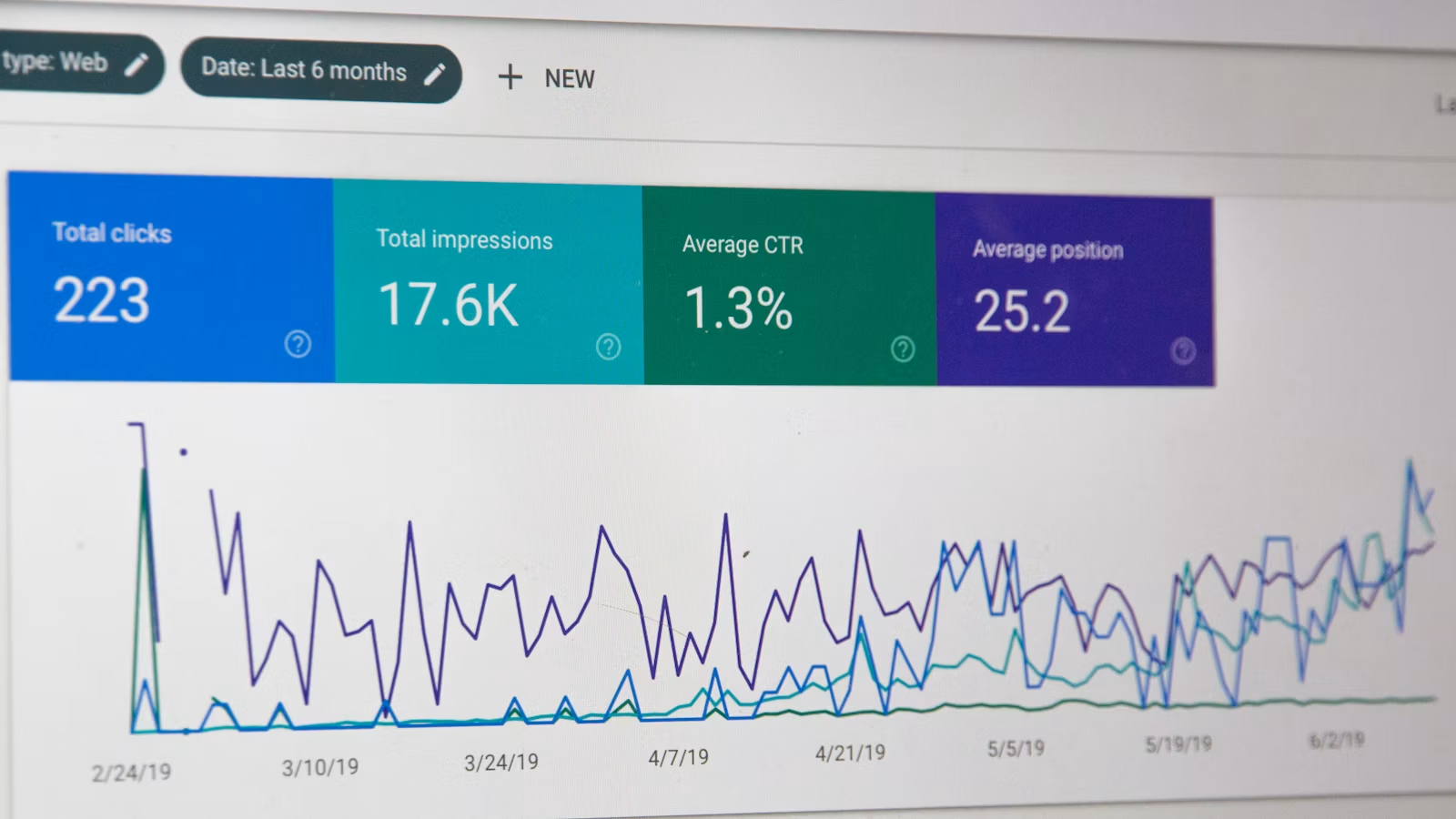
PayPal’s board may believe the $60.50 offer is too low because, although it represents a clear premium to the pre-report share price, it may not fully reflect the control premium for the entire company, the value of PayPal’s business transformation, or the possibility of a competing bid. For the board, a depressed share price does not automatically define a fair sale price. This is especially true while PayPal still owns a large active-account base, payment volume, Venmo, and Braintree. A sale decision must be based on future cash flow, not short-term stock pressure.
The offer premium and long-term corporate value are not the same thing. The $60.50 price is about 28% above the pre-report price, but PayPal’s stock quickly moved closer to the offer after the news and closed near $56.73 on July 16. For new investors buying after the report, the visible nominal spread has already narrowed. What remains is merger-arbitrage risk, including deal failure risk, approval timing risk, and financing risk.
| Board Assessment Factor | Core Question | Impact on Accepting the Offer |
|---|---|---|
| Control premium | Is $60.50 enough to acquire the entire company? | If not, the board may demand a higher price |
| Stand-alone value | Can PayPal restore growth through transformation? | The stronger the outlook, the less urgency to sell |
| Market price | Has the share price already moved close to the offer? | A smaller spread leaves less risk compensation |
| Asset optionality | Could PayPal sell selected assets or attract another bidder? | More options increase negotiating leverage |
| Earnings catalyst | Will the July 28 report improve expectations? | Stronger results support rejecting a low offer |
PayPal’s fundamentals still offer support. In its first-quarter 2026 results, the company reported total payment volume of $464 billion, up 11% year over year; 6.5 billion payment transactions, up 7%; and a GAAP operating margin of 17.8%. These numbers show that PayPal still has scale and a strong transaction network, although pressure on margins also explains why the market has been divided on its valuation.
The board will also consider longer-term asset value. PayPal’s 2025 annual report includes information on branded checkout, merchant services, Venmo, and payment-network businesses. Even though PayPal’s share price has fallen significantly from its historical peak, these businesses still have restructuring, monetization, or strategic-buyer integration value.
The July 28 earnings release matters because it will shape how the board compares “selling now” with “continuing the turnaround.” If branded checkout, transaction-margin dollars, or Venmo monetization improves, the board will have a stronger reason to demand a higher offer. If growth continues to slow, the $60.50 cash offer could become more attractive to shareholders. The earnings report will also affect whether Stripe and Advent are willing to raise their bid, because the buyers must recalculate post-acquisition returns.
Reasons the board may demand a higher price include:
- Acquiring the entire company requires a control premium;
- A successful PayPal turnaround could support a higher future valuation;
- Venmo and Braintree still have stand-alone asset value;
- Other strategic or private equity buyers may emerge;
- Shareholders may not want to sell near a depressed valuation zone;
- If regulatory remedies weaken deal value, price or terms may need to compensate.
If you are following M&A-driven volatility in PayPal, transaction costs also matter. Biya charges no commission for U.S. stock trades. Platform fees, external institutional fees, and other charges are subject to the U.S. stock trading fee schedule and the order screen. Fee information is provided only to help you understand trading costs and does not constitute investment advice. Service availability also depends on location, identity-verification results, platform rules, and applicable laws and regulations.
Summary: The core board obstacle is not whether $60.50 includes a premium, but whether that premium is enough. PayPal’s board must decide whether the offer reflects control value, the consumer network, Braintree’s value, and the option value of a successful turnaround. If the July 28 earnings report is strong, PayPal is more likely to demand a higher price or continue negotiating. If earnings are weak, pressure to accept or continue serious talks may increase. Accepting the original offer looks less likely than accepting a higher offer or improved protection terms.
Financing Obstacle: Is $50 Billion of Funding Reliable Enough?

Roughly $50 billion of financing support makes Stripe and Advent’s offer more credible, but the size of the financing does not make the transaction certain. PayPal’s board will want to know whether the financing is binding, whether it includes market-change clauses, whether interest costs and leverage are manageable, and whether shareholders are protected if the deal fails to close. In a highly leveraged acquisition, the key risk is that funding costs and credit-market conditions could change the transaction terms.
According to reports, JPMorgan and Morgan Stanley are arranging about $50 billion in financing for the consortium, while Stripe and Advent would contribute roughly $17 billion in equity capital. This financing package may be used not only to pay PayPal shareholders but also to refinance debt, cover transaction expenses, fund regulatory remedies, and provide post-closing liquidity.
| Funding Source | Possible Use | PayPal Board Concern |
|---|---|---|
| Bank debt | Pay acquisition consideration | Whether it is binding |
| Bridge loans | Support a faster closing | Subsequent refinancing risk |
| Stripe equity | Strategic capital contribution | Private-company liquidity |
| Advent equity | Reduce leverage | Private equity return requirements |
| Asset sales | Lower debt burden | Whether they weaken deal value |
The $50 billion of bank financing and $17 billion of equity capital should not simply be added together to conclude that PayPal is valued at $67 billion. The $53 billion figure mainly corresponds to PayPal’s equity acquisition value, while the larger financing package reflects sources of funds that may also include debt repayment, fees, and reserve capital. For the board, the key question is not whether the financing looks sufficient on paper, but who bears the risk if financing fails.
Stripe’s need for Advent as a partner also shows the scale of the funding challenge. In its 2025 annual update, Stripe said businesses on its platform processed $1.9 trillion in payment volume, up 34%, while the company remained profitable. Stripe has significant scale, but as a private company, a high valuation does not mean it can independently deploy enough cash to acquire PayPal.
Stripe’s payment infrastructure primarily serves merchants, platforms, subscription businesses, and internet companies. Acquiring PayPal would strengthen its consumer access and wallet capabilities, but financing the transaction alone could materially change its balance sheet and future investment flexibility. Advent can provide equity capital, leveraged-buyout experience, and flexibility in handling asset disposals and regulatory remedies.
Advent also has payment-industry investment experience. Its involvement in the Nuvei take-private transaction, completed in 2024, could help with debt financing, regulatory engagement, and payment-asset integration. However, private equity capital usually has explicit return requirements. If the offer price rises too much, the expected return on the deal declines.
PayPal’s board may seek the following financing protections:
- Binding debt-commitment documents;
- A higher reverse termination fee;
- Clear responsibility if financing fails;
- A higher equity contribution and lower leverage;
- Continued financing validity during regulatory delays;
- Clear limits around material adverse change clauses;
- A timeline for asset divestitures and debt refinancing.
Summary: The financing obstacle is not whether banks are willing to support the deal, but whether the funding is sufficiently certain, the cost is manageable, and the loss falls on the right party if the deal fails. The roughly $50 billion financing package improves the offer’s credibility, but PayPal’s board will still likely demand stronger debt commitments, a reverse termination fee, and protection against regulatory delays. For investors, the formal financing documents matter more than the headline financing amount because they show whether the transaction can continue through market volatility, earnings changes, or a longer regulatory review.
Regulatory Obstacle: Why Could Stripe’s PayPal Acquisition Trigger Antitrust Review?
Stripe’s acquisition of PayPal could trigger regulatory review because both companies are not just payment firms; they connect merchants, consumers, developers, financial institutions, and data networks. Regulators may focus on large internet merchant payment processing, digital wallets, consumer data, and platform network effects. Braintree is especially important because it overlaps with Stripe in enterprise merchant payment processing, which could directly affect approval difficulty and the final asset perimeter.
Stripe is strong in merchant payment APIs, subscription billing, platform payouts, and developer ecosystems. PayPal is strong in consumer accounts, branded checkout, Venmo, and Braintree. The strategic value of a combination comes from linking the merchant side more tightly with the consumer side, but the regulatory risk comes from the same integration.
| Review Area | Stripe-Related Business | PayPal-Related Business | Regulatory Concern |
|---|---|---|---|
| Merchant payments | Stripe Payments | Braintree | Whether merchant choice is reduced |
| Digital wallets | Link | PayPal wallet and Venmo | Whether consumer access becomes concentrated |
| Data | Merchant transaction data | Consumer payment data | Boundaries of data integration |
| Cross-border payments | Global payment network | PayPal international accounts | Whether market power increases |
| Crypto payments | Stablecoin infrastructure | PYUSD ecosystem | Emerging payments competition |
Braintree could become the central remedy asset. If Stripe directly obtains PayPal’s Braintree business, the horizontal overlap in large merchant payment processing becomes more visible. If Braintree is sold or placed under Advent’s control, regulatory pressure may decline, but deal synergies would also be reduced. In other words, the more completely Braintree remains in the transaction, the higher the strategic value. The more it must be divested, the higher the chance of regulatory approval may become, but the lower the bidders’ valuation ceiling may be.
The U.S. merger-review framework focuses on whether a transaction may substantially lessen competition. For Stripe and PayPal, regulators may look beyond payment-processing fees to multi-sided platforms, merchant choice, consumer-wallet access, data integration, and potential competitors.
The 2023 Merger Guidelines also emphasize multi-sided platforms, network effects, and potential competition as important factors in regulatory analysis. The payments industry naturally has network effects, with merchants, consumers, card issuers, and fintech platforms influencing one another, which means Stripe’s acquisition of PayPal may be more complex than an ordinary corporate merger.
Regulatory outcomes could include:
- Approval without conditions;
- Required sale of Braintree or part of the merchant-processing business;
- Limits on combining user and merchant data;
- Restrictions on bundling or exclusivity arrangements;
- A prolonged review with requests for more internal documents;
- Deal termination if remedy costs become too high.
The global nature of the payment business could also create scrutiny outside the U.S. PayPal and Stripe both serve merchants around the world, so regulatory questions may involve the EU, the UK, and other major payment markets. If regulators in different jurisdictions require different remedies, the transaction timeline would lengthen, and financing duration, termination fees, and bridge-loan costs would become more important.
Summary: Regulatory obstacles would not necessarily block Stripe’s acquisition of PayPal, but they could affect the closing timeline, asset scope, and final price. The attraction of the deal lies in integrating the merchant side with the consumer side, and the regulatory risk also comes from that integration. Braintree may be the most important remedy asset: retaining it increases strategic synergies, while selling it could reduce antitrust pressure. PayPal’s board and the bidders must both reassess deal value after considering regulatory remedies.
How Should Investors Assess the Probability That PayPal Accepts the Offer?
Whether PayPal accepts Stripe’s offer should not be answered with a single probability. It is better to divide the situation into three scenarios: a higher offer leading to a deal, continued negotiations without a near-term result, or board rejection and deal withdrawal. The current offer has financing and strategic substance, so it is not just an ordinary rumor. However, board valuation, financing documents, and regulatory remedies remain unresolved, so the transaction cannot be treated as highly certain.
The most optimistic scenario is that Stripe and Advent raise the offer and provide stronger financing protection. If the per-share price increases, the reverse termination fee becomes larger, and debt commitments become clearer, PayPal’s board would be more likely to accept a transaction. In that case, the market would focus on a definitive agreement, board recommendation, shareholder-voting arrangements, and the regulatory filing timeline.
The neutral scenario is extended negotiations. PayPal may wait for earnings and use new operating data to support its stand-alone value. Stripe and Advent may continue due diligence and assess regulatory remedies and a Braintree divestiture plan. In this scenario, PayPal’s share price could trade around the offer range and fluctuate with media reports, earnings, and market risk appetite.
The negative scenario is that the offer is rejected or the deal is abandoned. If the board believes $60.50 is clearly too low, or if the bidders cannot provide stronger financing protection, the deal may stall. If regulators require the sale of key assets and reduce strategic synergies, Stripe and Advent may also be unwilling to raise the price. If the transaction falls apart, the acquisition premium could reverse and the stock may return to fundamental-based pricing.
| Scenario | Trigger | Change in Deal Probability | Investor Focus |
|---|---|---|---|
| Higher bid leads to deal | Improved price and protection terms | Increases | Final offer and closing timeline |
| Extended negotiations | Price and regulatory issues remain unresolved | Neutral | Earnings, spread, and news updates |
| Competing bid emerges | Another buyer joins | Increases but lengthens timeline | Bidding intensity and asset scope |
| Deal falls apart | Board rejection or financing problems | Decreases | Stand-alone valuation and downside risk |
PayPal’s earnings will meaningfully affect the scenario analysis. The company’s full-year 2025 results showed annual revenue of $33.2 billion, transaction-margin dollars of $15.5 billion, and GAAP operating income growth of 14%. If future earnings show improvement in branded checkout, Venmo, or transaction margins, the board will have a stronger basis to demand a higher price. If growth weakens, a cash offer may become more attractive to some shareholders.
You can track probability changes using the following checklist:
- Whether PayPal formally responds to the $60.50 offer;
- Whether Stripe and Advent raise the per-share price;
- Whether a definitive merger agreement is signed;
- Whether debt commitments and a reverse termination fee are disclosed;
- Whether FTC, EU, or UK regulatory filings are submitted;
- Whether Braintree becomes part of a formal divestiture plan;
- Whether earnings improve PayPal’s stand-alone valuation;
- Whether another strategic buyer or private equity bidder emerges.
When using a U.S. stock information tool to track PayPal, you can record the current price, offer price, remaining spread, and estimated stand-alone value if the deal fails. A share price close to the offer does not mean the deal is safe, and the gap below the offer is not guaranteed profit. In merger arbitrage, the spread itself compensates investors for failure risk and time cost.
Summary: PayPal is unlikely to accept the original offer as-is; accepting a higher offer with improved terms is more realistic. The core variable is not whether Stripe is interested, but whether PayPal’s board can secure a high enough price, strong enough financing certainty, and a manageable regulatory path. Investors should compare the offer price, current price, failure scenario, and earnings catalysts in one risk framework instead of judging the opportunity solely based on the $60.50 headline figure.
How Should Investors Track PayPal Acquisition Progress and Deal Risk?
Investors tracking PayPal’s acquisition progress should prioritize formal announcements, the board’s position, financing documents, regulatory filings, and earnings rather than relying only on share-price movements or a single media report. A stock price close to the offer does not mean the deal will definitely close, and a spread below the offer does not represent risk-free return. You need to calculate potential upside if the deal succeeds, downside if it fails, holding period, and trading costs.
| Item to Watch | Why It Matters | Possible Impact |
|---|---|---|
| Board response | Determines negotiation direction | Higher bid, rejection, or continued talks |
| Q2 earnings | Tests stand-alone value | Strengthens or weakens offer appeal |
| Financing documents | Shows deal certainty | Narrows or widens merger spread |
| Regulatory filings | Indicates approval timeline | Affects capital lock-up period |
| Braintree plan | Shows remedy cost | Influences final offer price |
| Share-price spread | Reflects market expectations | Helps assess risk compensation |
The most important items to watch next include whether PayPal formally responds to the offer, whether Stripe and Advent raise the price, whether a definitive agreement is signed, whether debt commitments and a reverse termination fee are disclosed, whether U.S. and international regulatory filings are submitted, whether Braintree is included in a formal remedy package, and whether a new bidder emerges.
M&A trading is not just about the offer price. It also depends on entry price, exit price, holding period, and transaction costs. U.S. stock trading costs may include commissions, platform fees, external institutional fees, trading-activity fees, and settlement-related costs. Biya charges no commission for U.S. stock trades; platform fees, external institutional fees, and other fees are subject to the fee schedule and order screen. Fractional-share orders should also be reviewed based on the actual order display. Fee information is provided only to help you understand trading costs and does not constitute investment advice.
As a global multi-asset trading wallet, Biya supports U.S. stocks, Hong Kong stocks, and digital-asset trading, as well as USDT conversion into major fiat currencies such as USD and HKD. If the relevant services are available in your region, you can evaluate PayPal’s market price, company earnings, and your own risk tolerance before deciding whether to participate in related trades. Service availability depends on location, identity-verification results, platform rules, and applicable laws and regulations. You can also use the Biya App to review the account and trading functions available to you.
Summary: The risk in PayPal acquisition reports is that the market may price in deal probability before the transaction is formally negotiated and approved. Investors should evaluate the offer spread, stand-alone valuation if the deal fails, earnings catalysts, regulatory timeline, and trading costs together. Avoid assuming that a higher offer price than the current market price automatically creates a certain opportunity. A more prudent approach is to reassess the risk-reward profile after a definitive agreement, financing documents, and the regulatory path become clearer.
FAQ
Will PayPal Directly Accept Stripe’s $60.50-per-Share Offer?
PayPal is unlikely to accept the original offer unconditionally in the near term. The board reportedly believes $60.50 may undervalue the company. A more realistic path would involve demanding a higher price, stronger financing certainty, and a clearer regulatory remedy plan for assets such as Braintree.
Why Does Stripe and Advent’s PayPal Acquisition Need Board Approval?
PayPal’s board must evaluate whether the offer is fair to shareholders. The board does not only look at the headline premium; it must also assess whether financing is reliable, whether regulatory risk is manageable, and whether selling the company is better than remaining independent.
Does PayPal Trading Below Stripe’s Offer Mean Risk-Free Arbitrage?
No. The spread between the offer price and the current stock price reflects deal failure risk, regulatory delay, financing changes, and capital lock-up costs. If PayPal rejects the offer or the bidders withdraw, the stock may lose its acquisition premium.
Why Does Braintree Affect Regulatory Review of Stripe’s PayPal Acquisition?
Braintree and Stripe both serve merchant payment processing, especially for large internet merchants. If the two businesses are combined, regulators may worry about reduced merchant choice, stronger data advantages, or weaker market competition. That makes Braintree a likely focus of potential remedies.
How Could PayPal’s Earnings Affect Negotiations With Stripe?
PayPal’s earnings could affect the board’s negotiating leverage. If transaction-margin dollars, Venmo, or branded checkout improve, the board may demand a higher price. If business performance weakens, the cash offer could become more attractive to some shareholders.
How Can Ordinary Investors Track PayPal Acquisition Progress?
Ordinary investors should prioritize PayPal announcements, regulatory filings, financing commitments, board responses, and earnings reports rather than relying only on share-price moves or a single media report. Definitive agreements and regulatory filings are more reliable indicators of deal progress than market rumors.
*This article is provided for general information purposes and does not constitute legal, tax or other professional advice from BiyaPay or its subsidiaries and its affiliates, and it is not intended as a substitute for obtaining advice from a financial advisor or any other professional.
We make no representations, warranties or warranties, express or implied, as to the accuracy, completeness or timeliness of the contents of this publication.
Related Blogs of

Crypto Exchange Fees Comparison: Trading Fees, Spreads, and Withdrawals


Choosing a Stock Trading App: Beginner Checklist




Choose Country or Region to Read Local Blog
 Australia
 Austria
 Belgium
 Canada
 Cyprus
 Czech Republic
 Denmark
 Estonia
 Finland
 France
 Germany
 Greece
 Hong Kong
 India
India Indonesia
 Ireland
 Italy
Italy Japan
Japan Latvia
 Lithuania
 Luxembourg
 Malaysia
 Malta
Malta Morocco
 Nepal
Nepal Netherlands
 New Zealand
 Norway
 Pakistan
 Philippines
 Poland
 Portugal
 Romania
 Singapore
 Slovakia
 Slovenia
 South Africa
 South Korea
 Spain
Spain Sweden
 Thailand
 United States
 Turkey
 United Arab Emirates
 United Kingdom
 Vietnam