
What Are the Differences Between RDIMM, LPDDR, GDDR, and HBM? An Investor-Focused Explanation




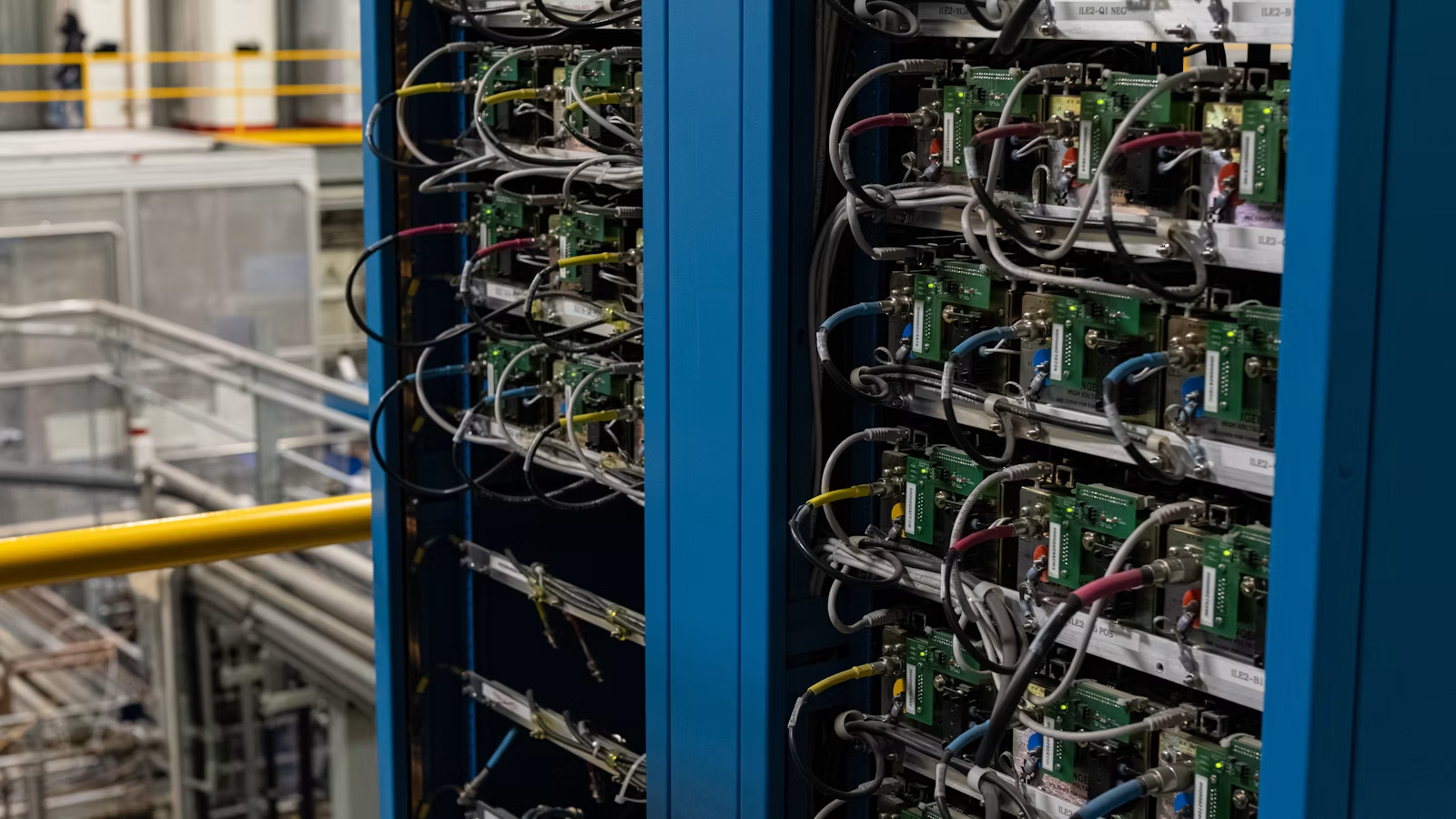
RDIMM, LPDDR, GDDR, and HBM are all related to DRAM, but they do not solve the same problem. RDIMM is used as server main memory, with a focus on capacity, stability, and scalability. LPDDR is used in smartphones, thin laptops, and edge AI devices, with a focus on low power consumption. GDDR is used as GPU memory, with a focus on bandwidth and cost balance. HBM is used in high-end AI accelerators and HPC systems, with a focus on extremely high bandwidth and advanced packaging. From an investor’s perspective, the point is not to memorize technical abbreviations, but to understand which type of memory is driving ASP, gross margin, and supplier pricing power.
Key Takeaways
- RDIMM is server main memory, so investors should watch cloud providers, AI servers, and data center procurement cycles.
- LPDDR focuses on low power and compact packaging, with demand tied to smartphones, AI PCs, and edge AI.
- GDDR is the main GPU memory route, influenced by gaming GPUs, professional graphics, and AI inference.
- HBM has high unit value and complex packaging, making it a key memory variable for high-end AI accelerators.
- Investors should distinguish shipment volume, ASP, gross margin leverage, and customer concentration.
- DRAM technology upgrades do not guarantee stock gains; inventory, valuation, and capacity expansion still matter.
RDIMM, LPDDR, GDDR, and HBM in One Framework
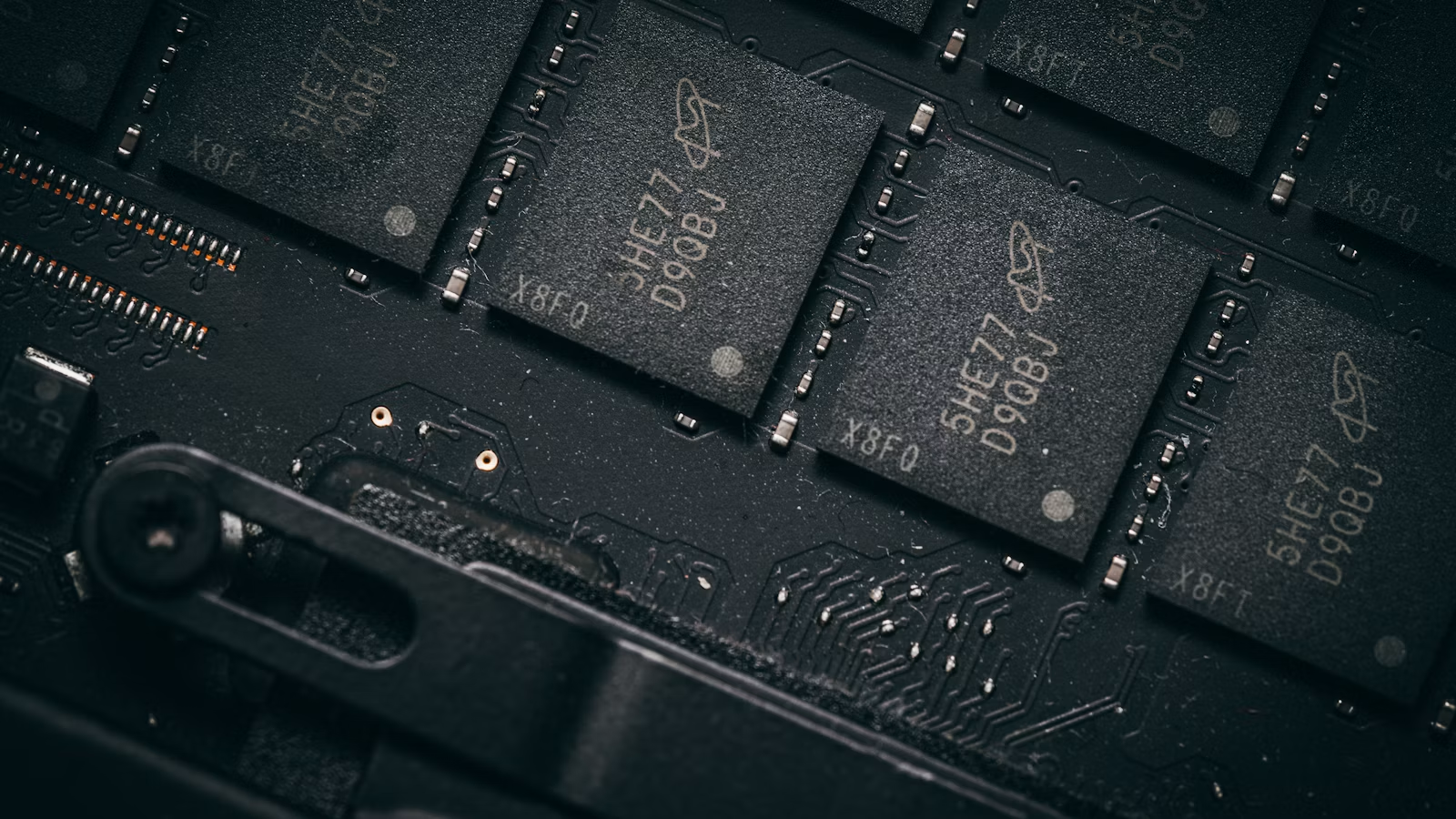
The biggest difference between RDIMM, LPDDR, GDDR, and HBM is that each type serves a different system bottleneck. RDIMM solves server capacity and stability problems. LPDDR solves power consumption problems in mobile devices. GDDR solves GPU memory bandwidth and cost-balance problems. HBM solves the extreme bandwidth needs of AI accelerators. You should not judge value only by asking which technology is “more advanced,” because the importance of a memory type depends on its downstream market, customer budget, supply difficulty, and pricing elasticity.
DRAM is the broader category, meaning dynamic random-access memory. RDIMM, LPDDR, GDDR, and HBM can all be viewed as different branches within the DRAM ecosystem, but their interfaces, packaging, power consumption, capacity, and customer bases differ significantly. Micron links RDIMM and MRDIMM to servers, AI, HPC, and other memory-intensive workloads in its DDR5 DRAM information; emphasizes mobile AI and power efficiency in its LPDDR5X information; highlights GPU, gaming, AI inference, and HPC in its GDDR7 information; and positions HBM3E around high-bandwidth demand for AI training and inference.
| Memory Type | Main Location | Core Metric | Typical Customers | Investment Keywords |
|---|---|---|---|---|
| RDIMM | Server CPU-side main memory | Capacity, stability, scalability | Cloud providers, enterprise data centers | Server DRAM, contract pricing |
| LPDDR | Smartphones, tablets, thin laptops, automotive | Low power, compact packaging, efficiency | Smartphone brands, AI PCs, automakers | Mobile DRAM, edge AI |
| GDDR | GPU memory | Bandwidth, cost, GPU ecosystem | GPU vendors, graphics card makers | GDDR7, AI inference |
| HBM | Near GPU / AI accelerator | Extremely high bandwidth, advanced packaging | AI chip vendors, CSPs | HBM3E, HBM4, gross margin |
From a use-case perspective, RDIMM is like the “working memory pool” of a server, helping CPU-side systems run reliably. LPDDR is like the “power-efficient main memory” of mobile devices, balancing battery life, heat, and physical size. GDDR is like the “high-speed graphics cache” of a GPU, allowing enough data throughput for graphics and parallel computation. HBM is like the “nearby high-speed warehouse” of a high-end AI accelerator, pushing bandwidth to extremely high levels through stacking and advanced packaging.
Summary: The core difference between these four types of DRAM is not just technical naming. Each one is tied to a different system bottleneck. RDIMM is tied to servers and cloud computing. LPDDR is tied to smartphones, AI PCs, and edge AI. GDDR is tied to GPUs, gaming graphics cards, and parts of AI inference. HBM is tied to high-end AI accelerators and HPC. From an investment perspective, you should not treat all “memory price increases” as the same story. The useful question is which type of memory is gaining stronger customer demand, higher ASP, better gross margin, and tighter supply conditions.
What Is RDIMM? Why Can Servers and AI Data Centers Not Operate Without It?
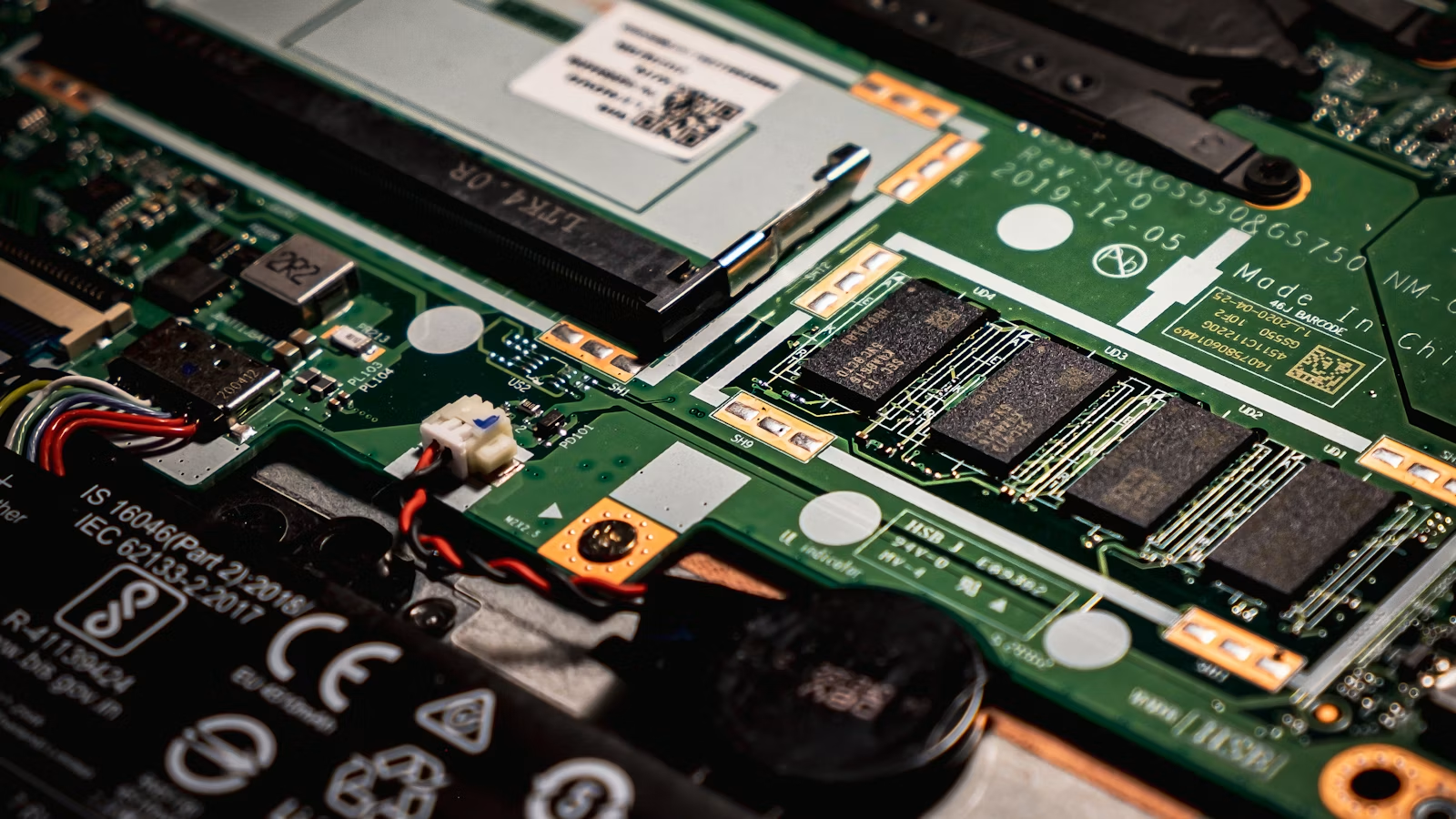
RDIMM stands for Registered DIMM and is mainly used as server main memory. Its value is not about making a personal computer score higher in benchmarks, but about helping servers run reliably in multi-channel, multi-slot, high-capacity environments. AI data centers, cloud computing, databases, and virtualization systems all require large amounts of CPU-side memory. RDIMM reduces the load on the memory controller through registered buffering and supports higher capacity and stronger reliability, which makes it an important entry point into the server DRAM cycle.
The difference between RDIMM and regular UDIMM can be understood as the difference between “enterprise-grade scalability” and “consumer-grade usability.” Regular UDIMM is more suitable for desktops, gaming PCs, and office computers. It is cheaper and easier to buy in retail channels. RDIMM requires support from server CPUs, motherboards, and BIOS, and is usually tied to ECC, platform validation, and long-term stable operation. Micron’s RDIMM memory targets enterprise servers, cloud, and data center applications, emphasizing high performance and stability.
Server upgrades are not only about the capacity of a single memory module. You also need to consider how many memory channels each CPU supports, how many DIMMs can be installed per channel, and whether the system can remain stable when fully populated. As AI inference, vector databases, data caching, and large-scale virtualization grow, memory capacity per server continues to rise. Micron also emphasizes high bandwidth, low latency, performance-per-watt, and AI / HPC workloads in its MRDIMM information, showing that server main memory is moving from “capacity expansion” toward a dual upgrade of “capacity plus bandwidth.”
| Type | Main Scenario | Core Advantage | Main Limitation | Investment Meaning |
|---|---|---|---|---|
| UDIMM | Consumer PCs | Cheap, easy to buy, compatible with consumer motherboards | More limited capacity and reliability | More tied to the PC cycle |
| RDIMM | Enterprise servers | Stable, high-capacity, scalable | Higher cost, requires platform support | Affects server DRAM cycle |
| MRDIMM | High-end servers | Higher bandwidth, lower latency | Ecosystem still expanding | Affects AI / HPC configuration upgrades |
Investors pay attention to RDIMM because its demand is closer to cloud providers, enterprise data centers, and AI servers, rather than the DIY memory market. Server customers usually procure memory through contracts and place higher importance on stable supply, qualification cycles, and platform compatibility. If cloud providers continue to raise AI server capital expenditure, RDIMM demand can transmit into server DRAM contract pricing, DRAM suppliers’ ASP, gross margins, and revenue visibility.
Summary: RDIMM is a key entry point into the server DRAM cycle. It is not simply a premium version of regular memory. It is enterprise-grade main memory designed for high capacity, high reliability, and platform validation. AI data centers cannot operate without RDIMM because, beyond GPUs, many CPU-side tasks require main memory support, including data preprocessing, inference scheduling, databases, caching, and virtualization. When evaluating the DRAM cycle for Micron, Samsung, or SK hynix, you should not only look at retail PC memory prices. You should pay more attention to server RDIMM demand, cloud customer orders, data center capital expenditure, and supply-demand changes in high-capacity modules.
What Is LPDDR? Why Do Smartphones, Thin Laptops, and Edge AI Care More About Low Power?
LPDDR stands for Low Power DDR. Its core task is to support mobile devices and edge AI computing with lower power consumption. Smartphones, tablets, thin laptops, automotive systems, and some AI PCs are limited by battery capacity, temperature, and physical space. Therefore, LPDDR does not pursue extreme bandwidth like HBM. Instead, it balances bandwidth, power consumption, package size, and cost. From an investment perspective, LPDDR should be understood through smartphone cycles, AI smartphones, AI PCs, and mobile DRAM contract pricing.
The first keyword for LPDDR is low power. Smartphones and thin devices cannot be packed with the same cooling and power systems as servers, so memory must exchange data within limited battery and thermal design constraints. Micron’s LPDDR5X information shows speed grades of up to 10.7Gbps and emphasizes acceleration of AI use cases and improved mobile experiences. For device brands, LPDDR upgrades can improve edge AI, image processing, and multitasking, but they can also raise hardware costs.
LPDDR6 further extends the boundary of mobile memory applications. JEDEC noted in its LPDDR6 Roadmap that LPDDR is expanding from traditional mobile scenarios into data centers and Processing-in-Memory directions, aiming to reduce data movement and improve energy efficiency. This shift matters because LPDDR is no longer just smartphone memory. It may also enter parts of low-power AI computing, SOCAMM, and edge AI ecosystems.
Investors can observe LPDDR through these indicators:
- Global smartphone shipments and flagship model mix
- Whether DRAM capacity per device is increasing
- Penetration of LPDDR5X and LPDDR6
- Demand from AI smartphones, AI PCs, and automotive electronics
- Mobile DRAM contract price changes
- Whether smartphone brands can absorb higher component costs
TrendForce expects average smartphone DRAM capacity in 2026 to rise to 8.5GB, up about 10% year over year, while also warning that mobile DRAM price increases will continue to pressure smartphone brand costs. This information is valuable for investment analysis: LPDDR demand may grow, but terminal brands may not always be able to pass higher costs smoothly to consumers.
Summary: LPDDR’s investment logic is completely different from HBM’s. HBM is tied to high-end AI accelerators and cloud capital expenditure, while LPDDR is more closely tied to smartphones, AI PCs, automotive, and edge AI. Its core advantages are low power, compact packaging, and relatively high energy efficiency, not extreme bandwidth. When evaluating LPDDR demand, you should look at smartphone shipments, capacity per device, AI feature upgrades, contract prices, and terminal cost pressure together. LPDDR may have large shipment volume, but its gross margin leverage may not be as strong as HBM’s, because smartphone brands are highly cost-sensitive and inventory cycles can amplify price volatility.
What Is GDDR? Why Does It Connect GPUs, Gaming Graphics Cards, and AI Inference?
GDDR stands for Graphics DDR. Its core task is to provide high-bandwidth memory for GPUs. It was originally more associated with gaming graphics cards and graphics rendering, but it now also serves professional graphics, AI inference, and parts of high-performance computing. GDDR’s advantages are high bandwidth, mature ecosystem, and lower cost and packaging complexity compared with HBM. Its limitations are lower bandwidth density and energy efficiency than HBM. From an investment perspective, GDDR should be evaluated through GPU upgrade cycles, gaming GPU demand, AI inference card configurations, and the penetration rate of GDDR7.
GDDR and regular DDR both belong to DRAM-related technology routes, but their design goals are different. Regular DDR / RDIMM is more like CPU-side main memory, emphasizing capacity, stability, and system scalability. GDDR is more like a high-speed data channel for GPUs, emphasizing the memory bandwidth required for parallel computing. Gaming rendering, high-resolution textures, professional design, video processing, and some AI inference workloads all require GPUs to read large amounts of data quickly.
GDDR7 is an important direction for current graphics memory upgrades. Micron’s GDDR7 graphics memory information shows that GDDR7 targets GPUs, AI inference, gaming, and HPC, with speeds of up to 32Gb/s and system bandwidth of more than 1.5TB/s. In its GDDR7 sampling announcement, Micron also emphasized that GDDR7 improves power efficiency and standby power compared with GDDR6, and that its applications extend from gaming to AI and high-performance computing.
| Comparison Dimension | GDDR | HBM | LPDDR |
|---|---|---|---|
| Core Use | GPU memory | Near-accelerator high-bandwidth memory | Mobile and low-power main memory |
| Packaging Complexity | Medium | High | Low to medium |
| Cost Pressure | Lower than HBM | Significantly high | Terminal brands are cost-sensitive |
| Typical Scenario | Gaming GPUs, professional graphics, AI inference | AI training, high-end inference, HPC | Smartphones, AI PCs, automotive |
| Investment Variable | GPU upgrade cycles, GDDR7 adoption | HBM supply, advanced packaging | Smartphone cycle, edge AI |
GDDR and HBM should not be simplified into “low-end” versus “high-end.” HBM is suitable for extremely high bandwidth, high power-density environments, and high-end AI accelerators. GDDR is better suited to balancing cost, PCB design, graphics card ecosystems, and supply scale. Many gaming graphics cards, mid-to-high-end GPUs, professional graphics cards, and some AI inference devices may continue to rely on GDDR for a long time. The popularity of HBM does not mean GDDR has lost its investment relevance.
Summary: GDDR is an important memory route in the GPU supply chain that is easily overshadowed by the HBM narrative. It does not represent the highest-end AI training memory in the same way HBM does, but it covers a broader market of graphics cards, graphics computing, and parts of AI inference. The GDDR7 upgrade will affect GPU performance, memory capacity, power consumption, and cost structure. When analyzing memory stocks or the GPU supply chain, you should not only ask whether HBM is in short supply. You should also ask how quickly GDDR7 is being adopted, whether gaming GPUs are entering an upgrade cycle, and whether professional graphics and AI inference hardware are creating new graphics memory demand.
What Is HBM? Why Is It the Core of the AI Memory Investment Narrative?
HBM stands for High Bandwidth Memory. Its core feature is the use of stacked DRAM, TSV, and advanced packaging to place memory close to GPUs or AI accelerators, delivering extremely high bandwidth and higher bandwidth density. HBM is not designed to replace all types of DRAM. It serves the most bandwidth-intensive scenarios, such as AI training, high-end inference, and HPC. Investors pay attention to HBM not because it has the largest shipment volume, but because it has high unit value, high supply difficulty, high customer concentration, and the ability to crowd out conventional DRAM capacity.
HBM’s technology route is very different from regular memory. Regular RDIMM is installed on server motherboards. GDDR is distributed around GPU boards. HBM uses stacking and advanced packaging such as interposers to sit close to the computing chip. Micron’s HBM3E information shows that 8-high 24GB HBM3E can deliver more than 1.2TB/s of bandwidth and is used for AI training and inference. JEDEC’s HBM4 standard emphasizes continued improvements in bandwidth, energy efficiency, and capacity per die / stack to meet AI and HPC data-processing requirements.
HBM affects the broader DRAM market because it consumes not only packaging resources, but also DRAM wafer allocation. TrendForce expects the top three DRAM suppliers’ HBM wafer input share to rise from about 18% at the end of 2025 to around 22% by the end of 2026, and then to about 30% by the end of 2027. During the same period, HBM bit supply share is expected to remain meaningfully lower than wafer input share, showing that HBM crowds out conventional DRAM capacity.
| HBM Investment Chain | Transmission Logic |
|---|---|
| AI accelerator demand growth | Drives HBM orders and long-term supply agreements |
| Packaging and yield challenges | Raise supply barriers and customer lock-in |
| DRAM wafer allocation shifts | Compress conventional DRAM supply |
| Contract pricing and ASP changes | Affect memory suppliers’ revenue and gross margin |
| Valuation repricing | Amplifies stock price sensitivity for Micron, SK hynix, and Samsung |
TrendForce raised its DRAM market outlook when discussing agentic AI and memory demand, and argued that HBM-related wafer consumption would compress conventional DRAM capacity and strengthen supplier pricing power. For investors, this is the core meaning of HBM: it is not only companion memory for high-end AI chips, but also an amplifier that affects the entire DRAM supply structure.
Summary: HBM is the core of the AI memory investment narrative, but it should not be understood simply as the product with the largest shipment volume. Its real importance lies in high unit value, high technical barriers, complex packaging, customer concentration, and the fact that it consumes DRAM wafers and advanced packaging resources. As HBM3E and HBM4 enter more AI accelerator platforms, memory suppliers’ product mix, supply agreements, gross margins, and valuation expectations may change. When evaluating the HBM supply chain, you should look at AI accelerator demand, supplier qualification, packaging capacity, yield, long-term contracts, and the crowding-out effect on conventional DRAM supply, rather than focusing only on a single product launch.
How Can Investors Use These Four Types of DRAM to Identify Supply Chain Opportunities and Risks?
Investors can use RDIMM, LPDDR, GDDR, and HBM as a map of the DRAM supply chain. RDIMM points to servers. LPDDR points to mobile devices and edge AI. GDDR points to GPUs and graphics computing. HBM points to high-end AI accelerators. The useful part is not memorizing the abbreviations, but identifying which type of memory is gaining higher ASP, stronger customer lock-in, better gross margin, and which demand trends have already been priced into stocks.
First, separate the sources of demand. RDIMM demand comes from cloud providers, AI servers, and enterprise data centers. LPDDR demand comes from smartphones, AI PCs, automotive, and edge AI. GDDR demand comes from gaming GPUs, professional graphics, and parts of AI inference. HBM demand comes from high-end GPUs, AI ASICs, CSPs, and HPC. Different demand sources have different cycles and cannot all be explained by a single “memory boom” narrative.
Second, separate revenue leverage and gross margin leverage. LPDDR has large shipment volume, but smartphone brands are cost-sensitive. RDIMM is tied to server customers, where contracts and configuration upgrades matter more for revenue visibility. GDDR is influenced by GPU upgrades and graphics card demand. HBM is in tight supply, has high technical barriers and high unit pricing, and may bring stronger gross margin leverage, but it also carries customer concentration and overheated valuation risks.
You can use the following checklist to track the DRAM investment cycle:
- HBM3E / HBM4 supply agreements and capacity release pace
- Server RDIMM contract pricing and cloud customer orders
- LPDDR5X / LPDDR6 penetration in smartphones and AI PCs
- GDDR7 adoption in GPUs, gaming graphics cards, and AI inference
- DRAM suppliers’ ASP, gross margin, inventory, and capital expenditure
- Procurement pace from Nvidia, AMD, cloud providers, and smartphone brands
- Product mix differences among Micron, SK hynix, and Samsung
If you follow Micron MU, Nvidia NVDA, AMD, Samsung, SK hynix, or related ETFs, you should consider actual trading costs in addition to technology routes. U.S. stock trading costs usually include more than commissions; they may also include platform fees, external agency fees, trading activity fees, and sell-related charges. Through Biya U.S. stock trading fees, you can see that Biya charges $0 commission for U.S. stock trading, while platform fees, external agency fees, and other charges are subject to the fee center and order page display. Service availability depends on the user’s location, identity verification result, platform rules, and applicable laws and regulations.
| Memory Type | Main Focus | Main Risk |
|---|---|---|
| RDIMM | Cloud capital expenditure, server configuration upgrades | Data center procurement slowdown |
| LPDDR | Smartphone replacement cycle, AI PCs, capacity per device | Cost pressure and smartphone inventory |
| GDDR | GPU upgrade cycle, GDDR7 adoption | Gaming demand volatility |
| HBM | AI accelerators, advanced packaging, long-term agreements | Customer concentration and overheated valuation |
Summary: These four types of DRAM can help you break down memory stocks into a clearer supply chain framework. RDIMM represents server main memory. LPDDR represents mobile and low-power devices. GDDR represents GPU memory. HBM represents high-end AI accelerators. Investment opportunities usually come from rising ASP, stronger customer lock-in, gross margin improvement, and tight supply. Risks come from inventory buildup, excessive capital expenditure, slowing terminal demand, and stock prices that have already priced in too much optimism. Technology upgrades alone are not a sufficient reason to buy. The key is whether the upgrade can translate into revenue, gross margin, and sustained orders.
Understanding the differences between RDIMM, LPDDR, GDDR, and HBM can help you observe U.S. semiconductor and AI storage supply chains with more structure. You do not need to attribute every “memory price increase” to HBM, and you should not ignore the cyclical roles of RDIMM, LPDDR, and GDDR simply because HBM is more popular. If you follow Micron MU, Nvidia NVDA, AMD, or related ETFs, you can first use U.S. stock information to review basic ticker information, then combine earnings reports, contract pricing, inventory, capital expenditure, and your own risk tolerance. Biya is a global multi-asset trading wallet that supports U.S. stocks, Hong Kong stocks, digital assets, and other asset classes. You can also use Biya to follow related market opportunities. Public information and fee structures can improve decision quality, but they do not constitute investment advice. Before trading, follow platform rules, order page details, and local regulatory requirements.
FAQ
What Is the Difference Between RDIMM and Regular DDR5 Memory?
RDIMM is designed for servers, while regular DDR5 is mostly used in personal computers. RDIMM emphasizes registered buffering, stability, high-capacity expansion, and platform validation. Regular DDR5 focuses more on price, frequency, latency, and consumer motherboard compatibility.
Why Is LPDDR Commonly Used in Smartphones and AI PCs?
LPDDR is commonly used in smartphones and AI PCs because it offers low power consumption, compact packaging, and relatively high energy efficiency. Battery-powered devices are sensitive to battery life, heat, and physical size, making LPDDR more suitable than traditional desktop DDR.
Are GDDR and HBM Both GPU Memory?
GDDR and HBM can both serve GPUs, but their positioning is different. GDDR is more common in gaming graphics cards, professional graphics, and parts of AI inference. HBM is more commonly used in high-end AI accelerators, AI training, and HPC.
Why Do Memory Stock Investors Pay More Attention to HBM?
Investors pay more attention to HBM because it has high unit pricing, tight supply, complex packaging, customer concentration, and the ability to crowd out conventional DRAM capacity. Its impact on ASP, gross margin, and valuation sensitivity is usually more visible.
Which Type of DRAM Should Micron Investors Watch?
Micron investors should watch HBM, server RDIMM, LPDDR, and GDDR together. The priority depends on AI data center demand, smartphone cycles, GPU upgrades, product mix, gross margin guidance, and inventory changes.
Do DRAM Technology Upgrades Always Benefit Memory Stocks?
DRAM technology upgrades do not always directly benefit stock prices. New technologies may raise ASP and gross margins, but stock prices are also affected by valuation, customer demand, inventory, capital expenditure, competition, and cyclical downturn risks.
*This article is provided for general information purposes and does not constitute legal, tax or other professional advice from BiyaPay or its subsidiaries and its affiliates, and it is not intended as a substitute for obtaining advice from a financial advisor or any other professional.
We make no representations, warranties or warranties, express or implied, as to the accuracy, completeness or timeliness of the contents of this publication.
Related Blogs of
Crypto Trading Bots: Types, Costs, and Security Risks


US to Portugal Online Money Transfer Limits: Per-Transaction Caps Explained


Wire Transfer Requirements: Sender and Beneficiary Details Checklist


Choose Country or Region to Read Local Blog
 Australia
 Austria
 Belgium
 Canada
 Cyprus
 Czech Republic
 Denmark
 Estonia
 Finland
 France
 Germany
 Greece
 Hong Kong
 India
India Indonesia
 Ireland
 Italy
Italy Japan
Japan Latvia
 Lithuania
 Luxembourg
 Malaysia
 Malta
Malta Morocco
 Nepal
Nepal Netherlands
 New Zealand
 Norway
 Pakistan
 Philippines
 Poland
 Portugal
 Romania
 Singapore
 Slovakia
 Slovenia
 South Africa
 South Korea
 Spain
Spain Sweden
 Thailand
 United States
 Turkey
 United Arab Emirates
 United Kingdom
 Vietnam