Which Products Are Affected by NAND Price Increases? SSDs, Smartphones, Servers, and Consumer Electronics




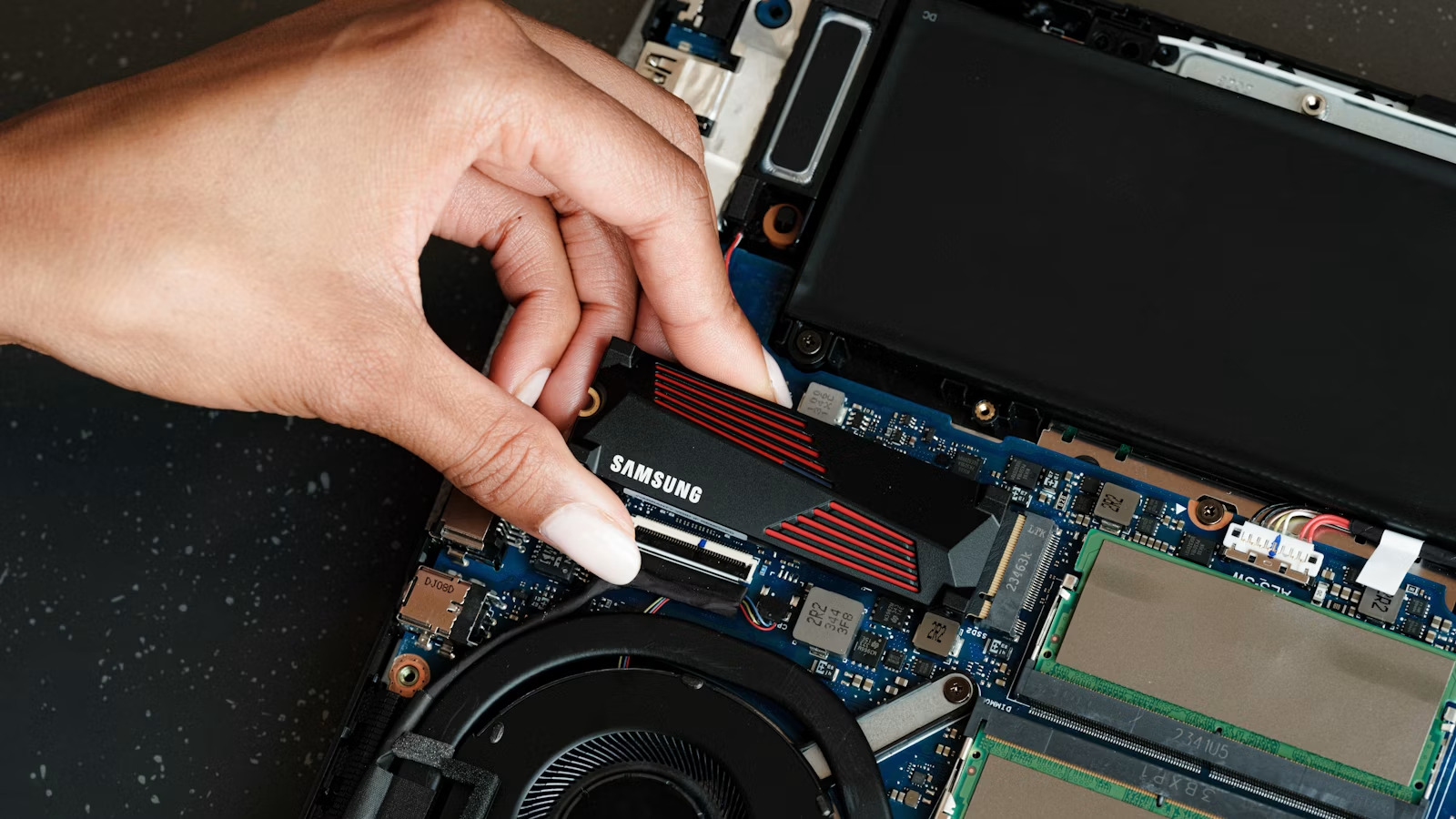
NAND price increases affect all products that rely on flash storage, but the speed and magnitude of the impact vary. The most directly affected products are SSDs, enterprise SSDs, portable SSDs, memory cards, and USB drives. Smartphones, laptops, tablets, game consoles, servers, security cameras, and in-vehicle electronics may also feel the pressure. Retail prices usually do not move in perfect sync with NAND contract prices because brands still have inventories, long-term procurement contracts, channel promotions, and pricing strategies. What really matters is whether NAND price increases continue, whether enterprise SSD demand crowds out consumer supply, and whether downstream brands can absorb higher costs.
Key Takeaways
- NAND price increases first affect SSDs and storage modules, then pass through to finished devices.
- Smartphones, laptops, tablets, and game consoles all face storage cost pressure.
- Enterprise SSDs and AI servers are affected more directly, with stronger price sensitivity.
- Low-margin consumer electronics may reduce capacity or raise prices more quickly.
- NAND price increases do not mean every electronic product will immediately become more expensive.
- Investors should watch the price cycle, shipments, gross margins, and downstream demand.
Why Do NAND Price Increases Affect So Many Products? Start with NAND Flash’s Role in Electronics
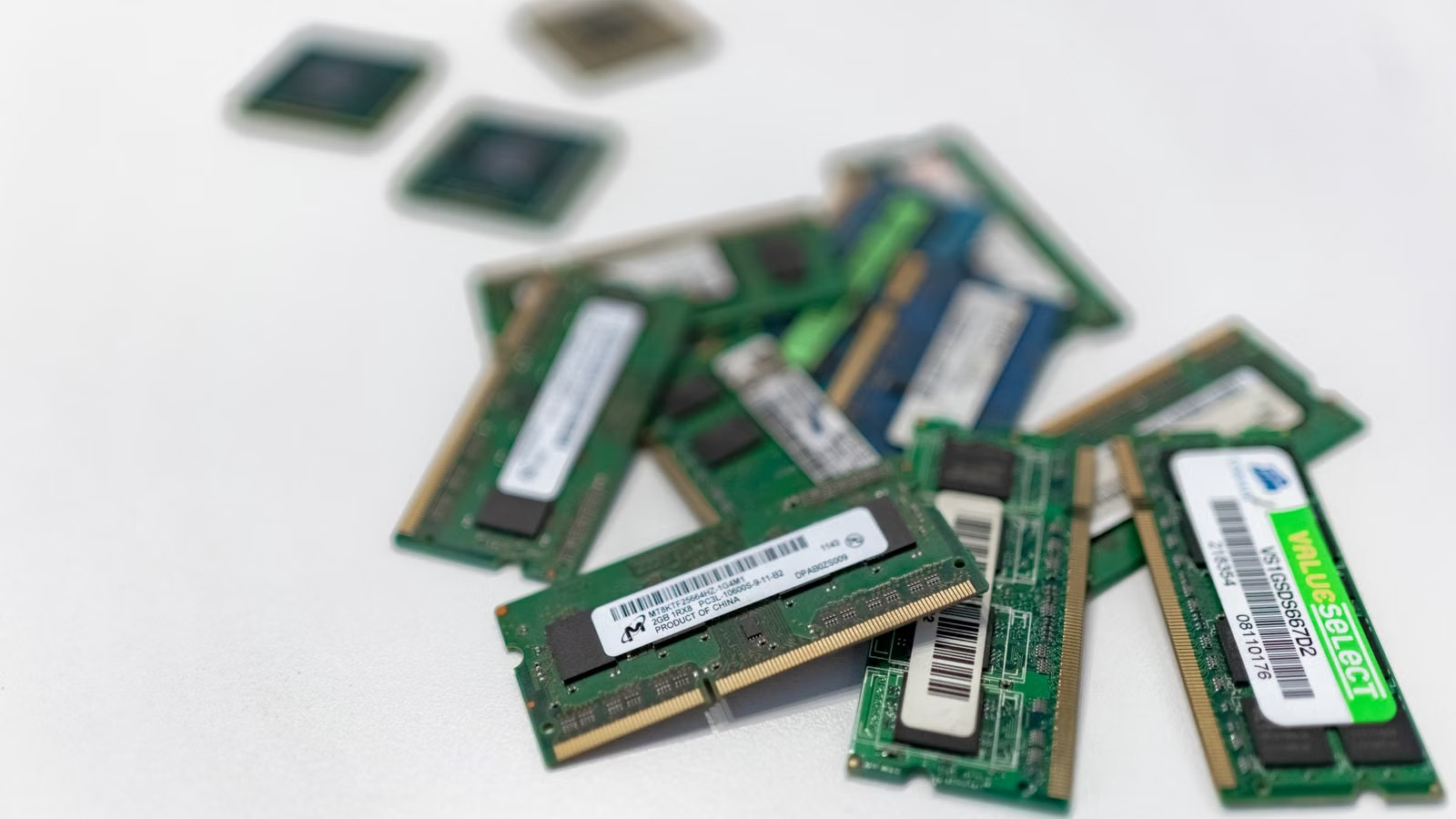
NAND price increases have a wide impact because NAND Flash is the basic “data retention layer” inside many electronic products. Photos on your phone, system files on your laptop, games on your SSD, databases on servers, and video recordings in security cameras may all depend on NAND or NAND-based storage modules. IBM defines NAND flash memory as non-volatile storage that retains data even after power is removed, while Micron describes NAND flash memory as serving mobile, embedded, and data center storage applications.
NAND Is Not DRAM; It Is Long-Term Storage
NAND Flash and DRAM are both memory technologies, but they play different roles. DRAM mainly handles temporary data while a device is running, and the data disappears after power is turned off. NAND is used for long-term data storage, including SSDs, UFS, eMMC, memory cards, USB drives, embedded storage, and enterprise storage. SanDisk’s explanation of a solid state drive also emphasizes that SSDs store files, photos, and applications using flash memory chips instead of mechanical moving parts like HDDs.
NAND price increases first affect chips, wafers, and dies, then pass through to modules and finished products. The rough transmission path is: NAND wafer → NAND die → SSD / UFS / eMMC / microSD / USB drive → smartphones, PCs, servers, game consoles, cameras, and industrial equipment. Products closer to NAND itself respond more directly to price changes, while more complex finished devices tend to see slower pass-through.
| Transmission Stage | Related Products | Price Pass-Through Speed | End-User Impact |
|---|---|---|---|
| NAND wafers / dies | Flash chips | Very fast | Upstream quotation changes |
| Storage modules | SSDs, UFS, eMMC, memory cards | Fast | Factory and channel prices change |
| Finished devices | Smartphones, PCs, tablets, game consoles | Medium | New pricing or configuration changes |
| Enterprise systems | Servers, storage arrays, cloud services | Medium to fast | IT budgets and TCO change |
| Long-cycle equipment | Automotive, industrial, security devices | Slower | Procurement cost and delivery lead time change |
This round of NAND price increases is easier to notice because it does not come only from a normal inventory cycle. TrendForce’s forecast for 1Q26 NAND Flash prices rising 33–38% QoQ already showed that server-related applications were beginning to squeeze traditional consumer markets. TrendForce later linked 2Q26 NAND Flash contract prices rising 70–75% QoQ to AI server demand, enterprise SSDs, and tight supply.
Summary: NAND price increases affect many products because NAND is not a niche component. It is a core storage element in modern electronics. From SSDs and smartphone storage to servers and AI data centers, many products rely on NAND to store systems, applications, files, logs, and model data. But price changes do not reach every product at the same speed. SSDs, memory cards, and USB drives respond fastest because they are storage-capacity-led products. Smartphones, laptops, and game consoles are also affected, but the pass-through depends on inventory, brand margins, promotions, and long-term procurement contracts. Automotive and industrial devices may see the impact more through procurement costs and delivery schedules. To judge NAND price impact, you need to look beyond the chip price itself and examine product structure, channel inventory, and downstream bargaining power.
How Will SSDs Be Affected by NAND Price Increases? Client SSDs and Enterprise SSDs See the Fastest Pass-Through

SSDs are the most directly affected downstream products because NAND Flash is the core cost component of SSDs. Consumer SSDs, portable SSDs, game expansion drives, enterprise NVMe SSDs, and high-capacity QLC SSDs can all be affected, although the pass-through mechanism differs. Ordinary users may see higher retail prices, fewer promotions, and more expensive high-capacity models. Enterprise users may see rising budgets for server storage, data lakes, all-flash arrays, and cloud storage expansion.
Consumer SSDs: Retail Prices, Promotions, and Capacity Mix Can All Change
Consumer SSD hardware is relatively straightforward, and NAND accounts for a large share of cost. When NAND dies become more expensive, SSD brands may respond by raising retail prices, reducing discounts, prioritizing higher-margin models, cutting low-price low-capacity SKUs, or widening the price gap between 1TB, 2TB, and 4TB models. DIY PC builders, gaming PC users, handheld console owners, and portable storage users may feel the change sooner.
| SSD Type | Main Users | Impact Level | Possible Changes |
|---|---|---|---|
| SATA SSD | Old PC upgrades, budget builds | High | Fewer low-price models |
| PCIe 4.0 SSD | Mainstream PCs and gamers | High | Fewer promotions, higher prices |
| PCIe 5.0 SSD | High-end PCs, workstations | Medium to high | High-capacity versions become more expensive |
| Portable SSD | Creators, backup users | High | 2TB / 4TB prices become more sensitive |
| Enterprise SSD | Cloud providers, servers, AI data centers | Very high | Contract prices and delivery lead times change |
Enterprise SSDs: AI Data Centers Amplify Price Sensitivity
The price logic for enterprise SSDs is even stronger because AI data centers and cloud providers need not only speed, but also massive capacity. Training data, inference logs, vector databases, object storage, model checkpoints, backups, and analytics data all consume large amounts of SSD capacity. Counterpoint reported that global NAND Flash market revenue reached USD 46 billion in Q1 2026, with AI infrastructure demand as a key driver.
Enterprise SSDs can also absorb higher-value NAND supply first. TrendForce noted that NAND capacity is increasingly allocated to enterprise SSDs, which means consumer SSDs may face not only rising costs but also lower supply priority. For storage brands, large-capacity enterprise drives sold to data centers often offer higher margins and more stable orders, so the consumer market may not receive the cheapest or most abundant supply.
SSD users should pay attention to:
- Channel prices for mainstream 1TB, 2TB, and 4TB SSDs.
- Promotion frequency for PCIe 4.0 and PCIe 5.0 SSDs.
- Whether enterprise SSD contract prices continue to rise.
- Whether QLC SSDs are adopted by more data centers.
- Whether SSD controllers, DRAM cache, and NAND generations change at the same time.
If you follow storage supply-chain companies listed in the U.S. or Hong Kong markets, you should not only watch NAND prices and SSD demand. You should also include actual trading costs in your framework. Biya charges USD 0 commission for U.S. stock trades, while platform fees, external institutional fees, and other charges are subject to U.S. stock trading fees and the order page. This information is only for understanding public market information, trading rules, and fee structures, and does not constitute investment advice. Service availability depends on the user’s location, identity verification results, platform rules, and applicable laws and regulations.
Summary: SSDs are the most direct product category affected by NAND price increases. Consumer SSDs reflect the impact through retail prices, promotion intensity, capacity gaps, and low-price model supply. Enterprise SSDs are more influenced by AI data centers, cloud procurement, and high-capacity storage demand. You should not simply ask whether SSDs will become more expensive. Instead, distinguish between client SSDs, enterprise SSDs, QLC SSDs, TLC SSDs, PCIe 4.0 drives, PCIe 5.0 drives, and portable SSDs. For ordinary consumers, the practical decision is to watch channel inventory and promotion windows. For enterprises, the key is to lock in capacity planning, delivery schedules, and TCO. For investors, the focus is whether enterprise SSD shipments, contract prices, gross margins, and AI data center capex move together.
How Will Smartphones, Tablets, and Laptops Be Affected? Storage Capacity, BOM, and Pricing Strategy Matter

Smartphones, tablets, and laptops will be affected by NAND price increases, but that does not mean every model will immediately become more expensive. More common outcomes include wider premiums for high-capacity versions, more conservative entry-level configurations, fewer discounts on older models, higher starting prices for new devices, or longer sales cycles for older platforms. To judge the impact, you need to look at NAND cost, DRAM cost, channel inventory, brand margins, and product positioning together.
Smartphone Storage: UFS, eMMC, and High-Capacity Versions Are More Sensitive
Smartphones usually use UFS or eMMC storage. High-end phones rely more on high-speed UFS, while entry-level models may still use eMMC or lower-spec UFS. Micron’s G9 NAND mobile UFS 4.1 material emphasizes that high-performance NAND storage supports faster reads and writes, smoother user experience, and on-device AI in flagship smartphones. As photos, videos, games, AI features, and local models take up more storage, 256GB, 512GB, and 1TB versions become more sensitive to NAND prices.
Smartphone brands may not pass every cost increase directly to consumers. They may raise the storage upgrade premium, reduce discounts on older models, shorten promotion cycles, adjust entry-level storage capacity, or reduce production of low-margin devices. Counterpoint’s analysis of the India smartphone market also noted that NAND and DRAM prices were expected to keep rising, forcing OEMs to recalibrate margins and strategies.
Laptops and Tablets: SSD and Memory Prices Can Push Up BOM Together
Laptops are affected by both NAND and DRAM. Rising SSD prices increase storage costs, while rising DRAM prices increase system memory costs. Thin-and-light laptops, gaming laptops, AI PCs, workstations, and high-capacity tablets may all face pressure. IDC’s discussion of the Global Memory Shortage Crisis notes that major memory vendors are shifting capacity toward AI data center-related memory, constraining the general memory supply needed by smartphones, PCs, and consumer electronics.
| Product | Affected Components | Possible Changes | What Users Should Watch |
|---|---|---|---|
| Flagship smartphones | UFS, DRAM | 512GB / 1TB versions become more expensive | Storage upgrade pricing |
| Entry-level smartphones | eMMC / UFS, DRAM | Fewer low-cost models or tighter configurations | Starting storage capacity |
| Thin-and-light laptops | SSD, DRAM | New model starting prices move up | 16GB + 1TB configurations |
| Gaming laptops | SSD, DRAM, GPU platform | Higher premium for high-end versions | 2TB SSD options |
| Tablets | NAND, DRAM | Wider gaps for larger storage versions | 256GB / 512GB pricing |
TrendForce’s analysis of Rising Memory Prices Weigh on Consumer Markets forecast that overall BOM costs in 2026 could rise another 5–7% or more from 2025, with low-end models more exposed because of thinner margins. Counterpoint’s analysis of Q1 2026 PC shipments also pointed out that some shipment growth came from purchases pulled forward ahead of memory-led price increases.
Summary: Smartphones, tablets, and laptops are affected by NAND price increases, but the impact is usually not a simple across-the-board price hike. It often appears through storage versions, configuration mixes, and promotion strategies. High-end phone versions with 512GB or 1TB storage, large-SSD AI PCs, high-spec gaming laptops, and low-margin entry-level devices are more sensitive. When making a purchase decision, do not look only at launch prices. Compare the price gaps between storage versions, older-model inventory, promotion timing, DRAM configuration, and SSD specifications. If you have a clear need, waiting for a full cycle reversal may not always be optimal. If the purchase is not urgent, watch seasonal promotions, old-model clearance, and whether storage upgrade premiums become unusually wide.
How Will Servers, AI Data Centers, and Cloud Services Be Affected? Cost Pressure May Reach Enterprise IT Budgets
Servers and AI data centers amplify NAND price increases because they need not just ordinary SSDs, but large volumes of enterprise NVMe SSDs, high-capacity QLC SSDs, storage arrays, object storage, and data lake capacity. In the short term, higher prices can affect hardware procurement and delivery schedules. Over the medium term, they may reshape enterprise IT budgets, cloud storage costs, and hot-warm-cold data tiering strategies.
AI infrastructure is changing the structure of NAND demand. In the past, NAND prices were more closely tied to PC, smartphone, and consumer electronics cycles. Now enterprise SSDs, AI servers, cloud service providers, and data center expansion have become more important variables. Omdia noted that 1Q26 NAND revenue approached USD 48 billion, rising 96% quarter over quarter, with NAND ASP also moving significantly higher. This kind of data suggests that price increases are not driven only by consumer recovery, but also by the reallocation of supply toward high-value enterprise demand.
| Scenario | Affected Components | Cost Change | Response Strategy |
|---|---|---|---|
| AI training clusters | Enterprise SSDs, object storage | Data lake expansion becomes more expensive | Tiering, compression, lifecycle management |
| AI inference platforms | NVMe SSDs, vector databases | Retrieval and log storage costs rise | Cache optimization, data tiering |
| Enterprise servers | Boot SSDs, data drives | Server BOM rises | Early procurement, standardized capacities |
| All-flash arrays | Enterprise SSDs | Procurement and maintenance costs rise | Recalculate TCO |
| Cloud services | Cloud storage, databases, backups | Costs may pass through with a delay | Compare storage tiers and retention periods |
Cloud providers usually have long-term contracts, scale advantages, and stronger bargaining power, so cloud service prices may not rise immediately. But if NAND prices remain high, costs may eventually show up in object storage, block storage, databases, backups, log retention, AI inference, and data analytics services. For enterprise users, the more important issue is total cost of ownership: hardware purchases, racks, power, cooling, maintenance, expansion, migration, and long-term cloud bills.
Enterprises can cushion NAND price increases in four ways. First, plan annual capacity needs earlier to avoid urgent high-price procurement. Second, separate hot, warm, and cold data instead of placing every dataset in expensive flash storage. Third, compare the TCO of all-flash, hybrid flash, HDD, object storage, and cloud services. Fourth, negotiate long-term contracts and delivery guarantees with suppliers.
Summary: Servers and AI data centers magnify the effect of NAND price increases because their demand for enterprise SSDs and high-capacity storage is far larger than ordinary consumer electronics. AI training, inference, vector retrieval, log analytics, and object storage all raise SSD capacity consumption, making enterprise-grade NAND supply more likely to tighten. For enterprises, the impact is not just a higher price for one SSD. Data center expansion, cloud service bills, IT budgets, and data architecture can all change. To evaluate the effect, look at whether the enterprise has long-term contracts, whether it can implement hot-warm-cold tiering, whether some workloads can use HDDs or cold object storage, and whether storage costs have been included in the long-term TCO of AI projects.
Will Game Consoles, Memory Cards, USB Drives, and Consumer Electronics Become More Expensive? Low-Margin Products Are More Sensitive
Game consoles, memory cards, USB drives, portable SSDs, security cameras, smart home devices, and in-vehicle electronics can all be affected by NAND price increases, but the strength of the pass-through depends on product margins and the share of NAND in total cost. Products that directly sell “storage capacity” follow NAND prices more closely. More complex finished devices with stronger brand premiums and longer inventory cycles tend to pass costs through more slowly, sometimes through configuration changes rather than direct price increases.
For game consoles and handhelds, the impact mainly appears in built-in SSDs, storage expansion, and overall BOM. New-generation consoles, handheld gaming devices, and gaming laptops require more installation space for larger games, while external SSDs, dedicated expansion cards, microSD cards, and portable hard drives also move with NAND costs. Memory cards, USB drives, and portable SSDs have simpler structures and a higher share of hardware cost, so fewer promotions and higher channel prices can appear more clearly.
| Product Category | Impact Level | Main Reason | What Users Should Watch |
|---|---|---|---|
| Portable SSDs | High | Directly priced by NAND capacity | 2TB / 4TB prices |
| Memory cards | High | Standardized products with limited margins | microSD and SD promotions |
| USB drives | High | Low-price products have little room to absorb costs | Large-capacity USB prices |
| Game storage expansion | Medium to high | Larger game sizes increase SSD demand | Console expansion drives |
| Security cameras | Medium | Storage capacity affects recording duration | Local-storage versions |
| In-vehicle electronics | Medium to low | Long contract cycles and strict qualification | Delivery time and option pricing |
TrendForce’s discussion of consumer markets noted that rising memory prices could pressure consumer device demand in 2026, and low-end products with thin margins would have more difficulty absorbing costs. This is especially visible in consumer electronics. Premium brands can cushion costs through brand value, software services, or accessory margins. Low-price products are more likely to raise prices, reduce capacity, cut promotions, or adopt more conservative configurations in new models.
A common consumer mistake is assuming that if the finished device price does not rise, NAND has had no impact. The real change may be more subtle. A brand may keep the 128GB entry model but widen the price gap for 256GB or 512GB versions. It may keep the headline price unchanged while reducing freebies, canceling discounts, or extending the sales life of older models. The more central storage capacity is to the purchase decision, the more visible NAND price increases become.
Summary: The impact of NAND price increases on consumer electronics is more dispersed. Portable SSDs, memory cards, and USB drives respond fastest because they are capacity-led products. Game consoles, handhelds, and gaming laptops may show the impact more through storage expansion and high-capacity versions. Security, smart home, automotive, and industrial devices may show the impact through procurement costs, delivery schedules, or option pricing. When buying consumer electronics, do not look only at whether the finished device price has risen. Check whether storage capacity has been reduced at the same price, whether promotions have become less frequent, whether high-capacity versions have become more expensive, and whether older inventory is being cleared faster.
How Should You Judge the Impact of NAND Price Increases? Watch the Price Cycle, Inventory, Product Margins, and Downstream Demand
To judge NAND price increases, do not look only at the word “increase.” Consumers should focus on channel inventory and real demand. Enterprises should focus on procurement cycles, capacity planning, and TCO. Investors should watch NAND prices, shipments, gross margins, inventory days, and downstream demand elasticity. NAND price increases may improve upstream vendor profitability, but they may also suppress consumer electronics demand. The final result depends on which side has stronger bargaining power.
| User Type | Key Question | Key Indicators | Possible Action |
|---|---|---|---|
| Consumers | Should SSDs, smartphones, or PCs be bought now? | Channel inventory, promotions, storage-version gaps | Prioritize real needs; wait for promotions if not urgent |
| Enterprise procurement teams | Will storage expansion exceed budget? | Contract prices, delivery time, TCO | Plan early and tier data |
| Cloud service users | Will cloud storage bills rise? | Storage tiers, retention periods | Optimize logs and backup strategies |
| Investors | Can price increases improve earnings? | ASP, shipments, gross margin, inventory | Watch both cycle and demand |
| Electronics brands | Can costs be passed through? | BOM, margins, channel inventory | Adjust configurations and pricing |
For consumers, if you urgently need to upgrade an SSD, buy a smartphone, or replace a laptop, you do not have to wait only for the NAND cycle to reverse. Finished-device prices are affected not just by contract prices, but also by channel inventory, promotion seasons, exchange rates, brand strategy, and competitive pressure. If the purchase is not urgent, watch whether 1TB / 2TB SSDs, 512GB smartphone versions, and 16GB + 1TB laptop configurations still have old-inventory promotions.
For enterprises, NAND price increases mean stricter data lifecycle management is needed. Hot data can stay on high-performance SSDs, warm data can be evaluated for QLC SSDs or object storage, and cold data can be placed on HDDs, cold object storage, or archive solutions. This is often more controllable than simply expanding all-flash capacity. For investors, TrendForce’s forecast that the 2026 NAND flash market size was revised up to USD 270.6 billion shows strong market momentum, but high growth may also come with cycle risk. You should also watch TrendForce’s tracking of top NAND vendor revenue, inventory changes, downstream demand, and the share of enterprise SSDs rather than focusing only on price-increase headlines.
If you follow U.S.-listed storage companies such as Micron, Western Digital, Seagate, NetApp, and Pure Storage, you can use U.S. stock information to track basic market data. If you follow Hong Kong-listed semiconductor, consumer electronics, or cloud infrastructure companies, Hong Kong stock information can help with cross-market comparison. Market information should only be used as research input and does not represent any buy or sell recommendation.
Summary: The impact of NAND price increases cannot be reduced to “all electronics will become more expensive.” Consumers need to look at channel inventory, promotion windows, and specific storage configurations. Enterprises need to evaluate annual procurement, data growth, cloud bills, and hot-warm-cold tiering. Investors need to judge whether price increases can truly translate into revenue, gross margin, and cash flow. Price increases may benefit upstream NAND vendors, but they may also weaken demand for smartphones, PCs, game consoles, and consumer electronics. Only by combining the NAND price cycle, enterprise SSD demand, consumer affordability, and company inventory can you determine whether this is a short-term cost shock or a signal of revaluation across the storage supply chain.
If you are watching investment opportunities behind NAND price increases, you can divide the field into three layers. Upstream, look at NAND Flash, DRAM, HBM, and wafer capacity. Midstream, look at enterprise SSDs, storage controllers, all-flash arrays, and server supply chains. Downstream, look at smartphones, PCs, game consoles, cloud services, and consumer electronics demand. When using Biya to observe U.S. stocks, Hong Kong stocks, digital assets, and other multi-asset markets, you should also pay attention to trading costs, order rules, and statement details. Biya charges USD 0 commission for U.S. stock trades, while platform fees, external institutional fees, and other charges are subject to the fee center and order page. Service availability depends on the user’s location, identity verification results, platform rules, and applicable laws and regulations. Before making any trade, you should make an independent judgment based on your risk tolerance.
FAQ
Why Do NAND Price Increases Affect SSD Prices?
NAND price increases directly affect SSD prices because NAND Flash is the core storage medium inside SSDs. When NAND die costs rise, SSD brands may raise retail prices, reduce promotions, adjust capacity mixes, or cut low-price models. However, final retail prices are still affected by inventory and channel strategy.
Will NAND Price Increases Make High-Storage Smartphones More Expensive?
NAND price increases are more likely to make high-storage smartphone versions more expensive. Models with 512GB or 1TB storage use more NAND, so brands may raise storage upgrade premiums, reduce discounts on older models, or keep entry-level capacities lower. Actual prices still depend on brand margins, inventory, and market competition.
Are AI Servers Most Affected by NAND Price Increases?
AI servers and data centers are heavily affected by NAND price increases because they require large volumes of enterprise SSDs, object storage, data lakes, and inference retrieval capacity. However, large cloud providers often have long-term procurement contracts, so costs may not immediately appear in cloud service prices.
Should Ordinary Consumers Buy SSDs Earlier Because of NAND Price Increases?
Ordinary consumers should buy SSDs earlier only when there is a clear need. If your PC is already short on storage or your work depends on high-speed storage, watch channel promotions. If the upgrade is not urgent, compare brands, capacities, and promotion cycles rather than making a decision based only on NAND contract price news.
Do NAND Price Increases Always Benefit Memory Chip Companies?
NAND price increases do not always benefit memory chip companies. Higher prices may improve revenue and gross margins, but if prices suppress consumer electronics demand, or if a company has unfavorable inventory, cost structure, or product mix, share prices can still fluctuate. Investment judgment should include shipments, ASP, inventory, and downstream demand.
How Can Enterprises Respond to Higher Storage Costs from NAND Price Increases?
Enterprises can respond to higher NAND-related storage costs through capacity planning, long-term procurement negotiations, and hot-warm-cold data tiering. Hot data can stay on high-performance SSDs, warm data can be evaluated for QLC SSDs or object storage, and cold data can be compared across HDDs, cold storage, and cloud archives based on overall TCO.
*This article is provided for general information purposes and does not constitute legal, tax or other professional advice from BiyaPay or its subsidiaries and its affiliates, and it is not intended as a substitute for obtaining advice from a financial advisor or any other professional.
We make no representations, warranties or warranties, express or implied, as to the accuracy, completeness or timeliness of the contents of this publication.
Related Blogs of

Which Storage Chip Concept Stocks Are There in 2026? Classification of Related U.S. and Hong Kong Companies


Who Are the Leading HBM Companies? Business Differences Between Samsung, SK hynix, and Micron


What Is the Difference Between HBM Stocks and GPU Stocks?

Why Is HBM Supply So Tight? Explaining Capacity, Packaging, and Long-Term Customer Agreements
Choose Country or Region to Read Local Blog
 Australia
 Austria
 Belgium
 Canada
 Cyprus
 Czech Republic
 Denmark
 Estonia
 Finland
 France
 Germany
 Greece
 Hong Kong
 India
India Indonesia
 Ireland
 Italy
Italy Japan
Japan Latvia
 Lithuania
 Luxembourg
 Malaysia
 Malta
Malta Morocco
 Nepal
Nepal Netherlands
 New Zealand
 Norway
 Pakistan
 Philippines
 Poland
 Portugal
 Romania
 Singapore
 Slovakia
 Slovenia
 South Africa
 South Korea
 Spain
Spain Sweden
 Thailand
 The United States
 Turkey
 United Arab Emirates
 United Kingdom
 Vietnam
Contact Us




BIYA GLOBAL LLC is registered with the Financial Crimes Enforcement Network (FinCEN), an agency under the U.S. Department of the Treasury, as a Money Services Business (MSB), with registration number 31000218637349, and regulated by the Financial Crimes Enforcement Network (FinCEN).
BIYA GLOBAL LIMITED is a registered Financial Service Provider (FSP) in New Zealand, with registration number FSP1007221, and is also a registered member of the Financial Services Complaints Limited (FSCL), an independent dispute resolution scheme in New Zealand.