
What Is the Difference Between Server Memory and Regular Memory? Why Does It Affect Micron’s Stock Price?




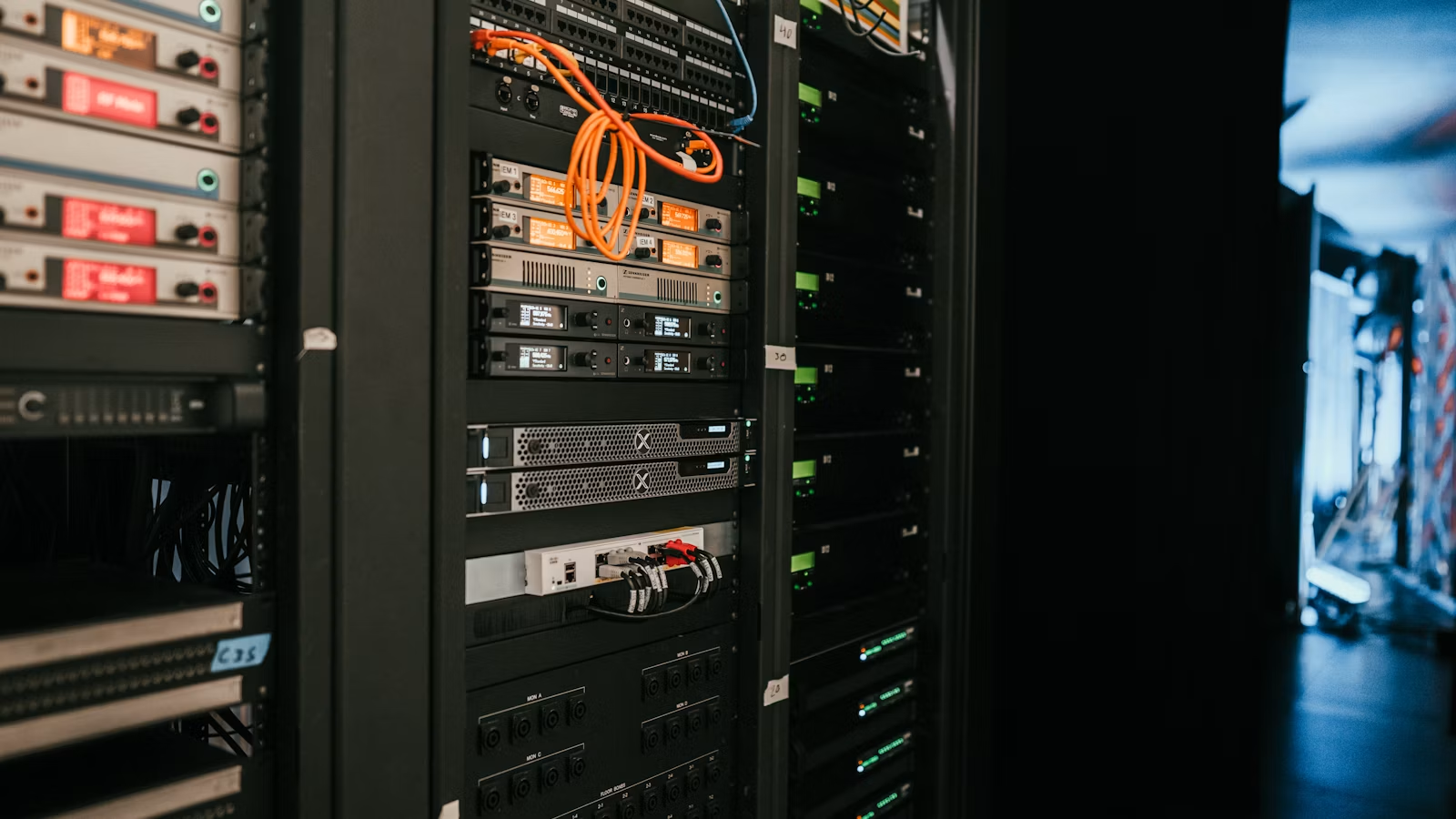
Server memory is not simply “more expensive regular memory.” It is a type of DRAM module designed for 24/7 operation, high-capacity expansion, data correctness, and enterprise-grade stability. Regular memory is more suitable for personal computers, gaming PCs, and light office devices, where the priorities are cost performance, frequency, and compatibility. Server memory places greater emphasis on ECC, RDIMM, platform validation, and long-term supply reliability. When AI data centers, cloud computing platforms, and high-performance computing systems continue to purchase DDR5 RDIMM, MRDIMM, HBM, and high-capacity server DRAM, the DRAM supply-demand balance, contract prices, gross margins, and earnings expectations all change. That is why server memory can affect how investors evaluate Micron’s MU stock price.
Key Takeaways
- Server memory prioritizes ECC, capacity, and stability, while regular memory focuses more on price and consumer performance.
- RDIMM reduces pressure on the memory controller through registered buffering, making it more suitable for high-capacity servers.
- DDR5 on-die ECC is not the same as server-grade ECC and should not be treated as equivalent.
- AI data centers are driving demand for HBM, DDR5 RDIMM, and high-capacity server DRAM at the same time.
- Micron’s stock price is affected by DRAM contract prices, gross margins, customer agreements, and supply cycles.
- Investors should watch demand, capacity, inventory, valuation, and trading costs together.
What Is the Core Difference Between Server Memory and Regular Memory?
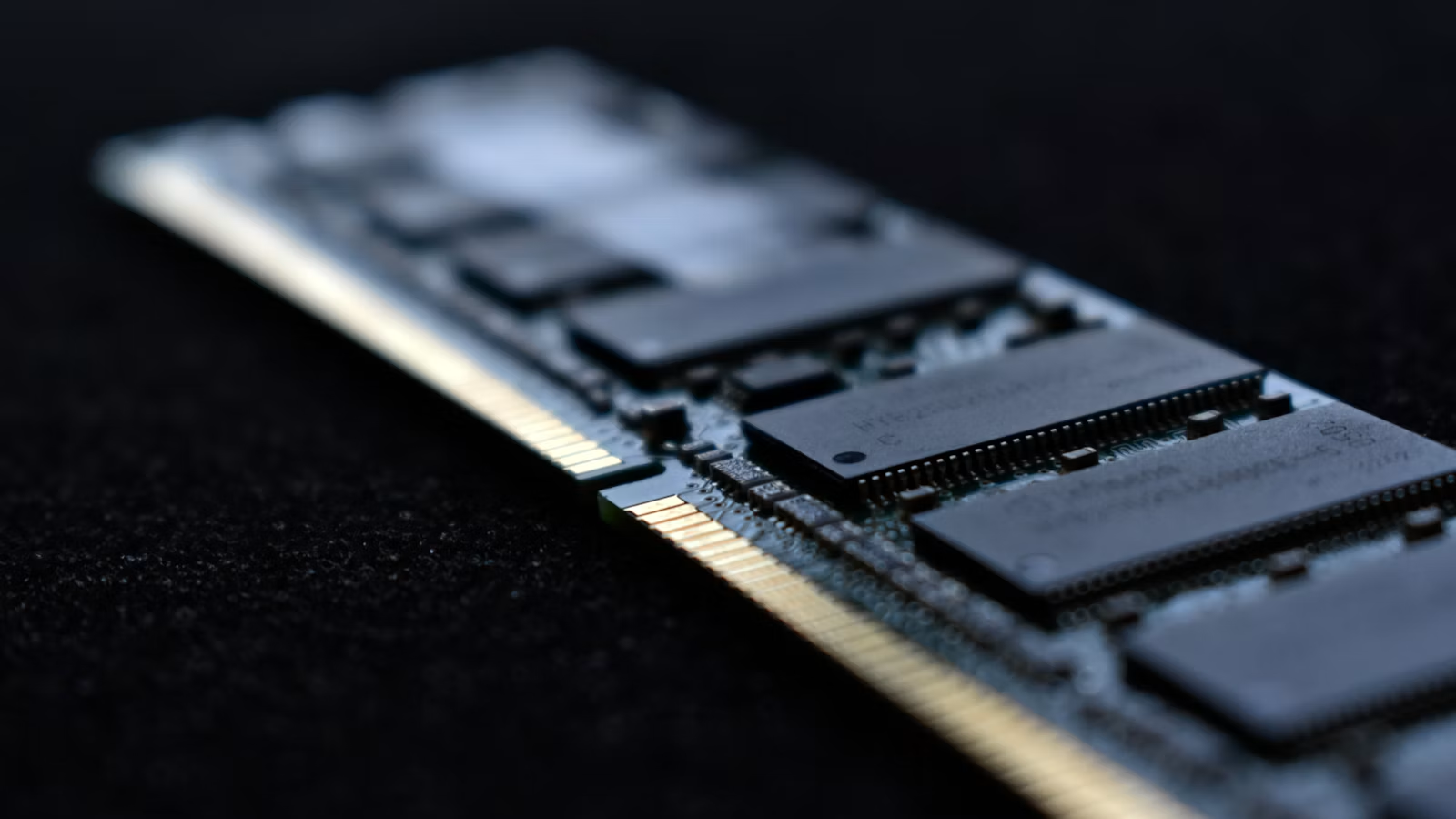
The core difference between server memory and regular memory lies in the system goals they serve. Regular memory mainly serves personal computers, focusing on price, frequency, low latency, and motherboard compatibility. Server memory mainly serves enterprise systems, focusing on stability, error correction, capacity ceilings, long-running operation, and multi-slot scalability. You cannot judge which is “better” simply by looking at DDR5, frequency, or capacity. The real cost of server memory comes from platform validation, ECC error correction, registered buffering, and stricter reliability requirements.
Regular Memory Is More Consumer-Oriented
Regular memory is commonly used in desktops, laptops, gaming PCs, and entry-level workstations. Desktops often use UDIMM, while laptops often use SO-DIMM. The buying logic is straightforward: you look at capacity, frequency, CAS latency, brand, RGB lighting, heat spreaders, and motherboard QVL compatibility. For regular users, a memory error may cause an application crash, blue screen, game failure, or file corruption. These problems are inconvenient, but in most cases they do not cause large-scale business interruption.
The advantages of regular memory are lower price, wide selection, strong retail availability, and easy upgrades. Its limitations are relatively lower capacity expansion, lack of registered buffering, and no guaranteed support for true ECC error correction. Even if some consumer DDR5 memory includes internal chip-level correction, it is not equivalent to end-to-end data protection on a server platform.
Server Memory Is More Enterprise-Oriented
Server memory is commonly used in cloud servers, database servers, virtualization platforms, AI inference servers, ERP systems, financial trading systems, and high-performance computing clusters. It must handle multi-user access, multi-process workloads, continuous operation, and massive data read-write activity. A single memory bit flip may only crash software on a personal computer; in a database, cloud platform, or financial system, it may cause silent data corruption, service disruption, or accounting errors.
Common types of server memory include RDIMM, LRDIMM, and MRDIMM. According to Kingston’s explanation of server memory types, RDIMM places registered components between the memory controller and DRAM chips to improve signal integrity and support higher-capacity expansion. You can think of regular memory as a family car and server memory as a commercial truck. The latter is not necessarily designed to feel faster in daily driving, but to operate more reliably under heavy, long-term load.
| Comparison Dimension | Regular Memory | Server Memory |
|---|---|---|
| Common Form Factor | UDIMM, SO-DIMM | RDIMM, LRDIMM, MRDIMM |
| Main Use Case | Gaming, office work, content creation, light workstations | Cloud computing, databases, AI, virtualization |
| Reliability Requirement | Medium | High |
| ECC Support | Not always supported | Commonly supported |
| Capacity Expansion | Relatively limited | Higher |
| Price | Lower | Higher |
| Compatibility | Mainly consumer motherboards | Validated server CPUs and motherboards |
| Purchase Logic | Frequency, latency, price | Stability, capacity, platform certification |
Summary: The difference between server memory and regular memory is not simply a question of which is faster. Regular memory is more suitable for personal devices and focuses on price, frequency, and easy upgrades. Server memory is more suitable for enterprise systems and focuses on ECC, RDIMM, high capacity, platform validation, and long-term stable operation. The DDR5 memory you see in a consumer PC and the DDR5 RDIMM purchased by AI data centers both belong to the DRAM ecosystem, but they face completely different risks, costs, and procurement logic. Because server memory is more closely tied to cloud customers and AI infrastructure spending, it has a greater impact on DRAM vendors’ revenue and gross margins.
Why Do Servers Depend More on ECC, RDIMM, and High-Capacity DRAM?
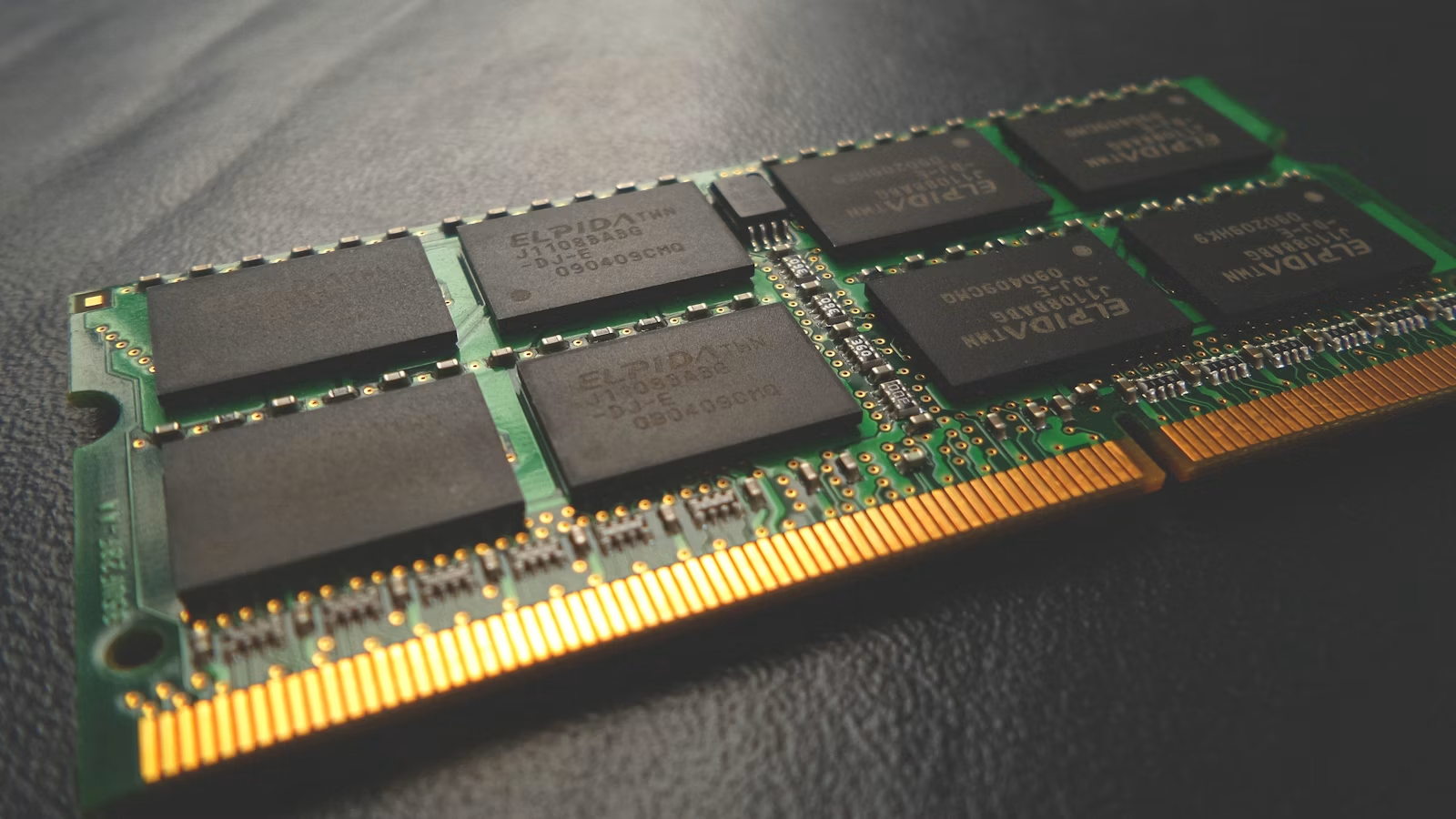
Servers depend more on ECC, RDIMM, and high-capacity DRAM because their core mission is not benchmarking performance, but processing data continuously, accurately, and scalably. A personal computer can usually tolerate an occasional restart, but server downtime or data errors may affect thousands or even millions of users. ECC addresses data correctness, RDIMM addresses signal load during high-capacity expansion, and high-capacity DRAM addresses memory bottlenecks in databases, virtual machines, AI inference, and caching systems. Together, these three elements form the foundation of enterprise memory value.
ECC Solves Data Correctness
ECC stands for Error Correction Code, which means error detection and correction. Kingston explains ECC as a mechanism that uses additional check bits to detect and correct common data errors, reducing the risk of silent corruption and system instability. For servers, silent data corruption is more dangerous than an immediate crash because the system may continue running while writing incorrect data into databases, caches, or transaction records.
You can think of ECC as the “data seat belt” of enterprise systems. It does not make a server calculate faster, but it can correct single-bit memory errors and reduce the risk of error propagation. Databases, financial systems, medical data platforms, scientific computing, and multi-tenant cloud platforms usually need ECC more because they have higher requirements for data integrity.
DDR5 On-Die ECC Is Not Server-Grade ECC
Many people see that DDR5 supports on-die ECC and assume regular DDR5 memory already has server-grade ECC. This is a common misunderstanding. When Kingston introduces DDR5 on-die ECC, it clearly distinguishes between internal chip-level correction and server-grade ECC: on-die ECC mainly corrects errors inside the DRAM chip and does not correct errors outside the chip or on the memory bus.
Server-grade ECC usually requires support from the CPU, motherboard, chipset, and ECC memory module. In other words, true server-grade data protection is not completed by a single memory module alone. It is achieved through coordination across the entire platform. When choosing a server or workstation, you should not only look at the term “DDR5.” You also need to check whether the CPU supports ECC, whether the motherboard supports ECC, and whether the memory module is ECC UDIMM, RDIMM, or LRDIMM.
RDIMM’s Value Lies in High-Capacity Expansion
The core value of RDIMM is maintaining signal stability in high-capacity, multi-channel, multi-slot environments. Regular UDIMM places the load from memory chips directly on the memory controller. The higher the capacity and the more slots populated, the heavier the electrical load. RDIMM adds registered buffering, which reduces the burden on the memory controller and allows servers to support more DIMMs and higher total capacity.
Scenarios where server memory should be prioritized include:
- Multi-tenant cloud servers and virtualization platforms
- Large relational databases and in-memory databases
- AI inference servers and vector databases
- Finance, healthcare, industrial control, and other mission-critical systems
- High-concurrency websites, ERP systems, and data warehouses
- High-performance computing and scientific simulation
Summary: The value of server memory is not making a single application “look faster,” but helping enterprise systems remain stable under high load, high capacity, and long-running operation. ECC is responsible for data correctness. RDIMM is responsible for signal stability during high-capacity expansion. High-capacity DRAM supports databases, virtualization, AI inference, and caching needs. DDR5 on-die ECC only improves chip-level reliability and cannot replace server-grade ECC. When evaluating server memory, you should look at whether the entire platform supports ECC, RDIMM, capacity expansion, and long-term validation, rather than focusing only on frequency specifications.
Why Are AI Servers Driving Demand for DDR5 RDIMM and Server DRAM?

AI servers are driving demand for DDR5 RDIMM and server DRAM because AI infrastructure needs more than GPUs and HBM. It also requires a large amount of CPU-side main memory. Training, inference, data preprocessing, vector search, caching, scheduling, and multi-user services all depend on server DRAM. GPUs handle massively parallel computation. HBM supports high-bandwidth data exchange near AI accelerators. DDR5 RDIMM supports general-purpose servers, CPU-side tasks, and large memory pools. As AI moves from training toward inference and application deployment, the importance of server DRAM becomes more visible.
AI Servers Are Not Only About GPUs
When the market discusses AI servers, the focus often falls on GPUs, HBM, and advanced packaging. But from a system perspective, an AI server also needs CPUs, DDR5 RDIMM, enterprise SSDs, network cards, power supplies, cooling systems, and management chips. Data cleaning before model training, inference request scheduling, vector database retrieval, recommendation system caching, log analysis, and multi-tenant resource management all require CPU-side memory.
This is why server DRAM demand does not simply follow the PC cycle. AI data center construction shifts memory demand from consumer devices toward enterprise-grade, high-capacity, high-reliability products. In its DDR5 DRAM product information, Micron says DDR5 RDIMM can reach speeds of up to 9200 MT/s, while MRDIMM can reach 8800 MT/s, targeting memory-intensive workloads such as AI and high-performance computing.
High-Capacity RDIMM Is Becoming a Key Configuration
The more complex AI workloads become, the more important server memory capacity becomes. In May 2026, Micron announced sampling of its 256GB DDR5 RDIMM, based on 1-gamma DRAM, with speeds of up to 9200 MT/s and the use of 3DS and TSV advanced packaging technologies. For data centers, the significance of a single 256GB RDIMM is not merely that the capacity looks larger. It improves memory density per server within limited slot count, power, and thermal constraints.
| Memory Type | Location | Main Use | Typical Customers | Meaning for DRAM Vendors |
|---|---|---|---|---|
| HBM | Near GPU / AI accelerator | High-bandwidth training and inference | AI chip vendors, cloud providers | High value, high technical barrier |
| DDR5 RDIMM | CPU-side main memory | Databases, inference, caching, general servers | CSPs, enterprise data centers | High capacity, high stability demand |
| MRDIMM | Next-generation server main memory | High-bandwidth CPU-side workloads | High-end server customers | Improves product mix |
| Regular DDR5 UDIMM | PC motherboard | Gaming, office work, content creation | Consumers, DIY market | More cyclical |
HBM and RDIMM Jointly Tighten DRAM Supply
HBM and DDR5 RDIMM do not fully replace each other, but they jointly affect DRAM supply. HBM requires more complex packaging, higher testing requirements, and more wafer resources. High-capacity RDIMM requires advanced DRAM dies, module validation, and enterprise customer qualification. When DRAM vendors prioritize capacity for HBM, server RDIMM, MRDIMM, and enterprise customers, supply for regular PC memory and some consumer DRAM may be affected.
Summary: AI server memory demand is system-level, not just GPU-driven. HBM handles high-bandwidth data transfer near AI accelerators. DDR5 RDIMM supports CPU-side main memory and general server workloads. MRDIMM targets next-generation server platforms that require even higher bandwidth. When understanding Micron’s stock price, you should not only ask whether HBM is selling well. You should also look at whether server DRAM, high-capacity RDIMM, customer contracts, and data center revenue continue to grow. As AI data centers place more emphasis on inference, caching, and multi-tenant deployment, server memory becomes increasingly difficult to ignore.
How Does Server Memory Demand Change DRAM Prices and Regular Memory Supply?
Server memory demand changes the entire DRAM market through “capacity allocation.” DRAM vendors have limited wafer, packaging, testing, and customer validation resources. When AI data centers are willing to pay higher prices for HBM, high-capacity RDIMM, and server DRAM, suppliers naturally prioritize these customers. The result is rising server DRAM contract prices and tighter supply for regular PC DRAM, consumer memory, and some mobile DRAM. When you see memory prices rise in the retail market, it is often not because DIY users suddenly bought more memory, but because upstream capacity has been absorbed by higher-value server demand.
Contract Prices Explain the Cycle Better Than Retail Prices
Regular users most easily see prices on e-commerce platforms, but investors should focus more on DRAM contract prices, ASP, bit shipment, and inventory. Contract prices reflect quarterly negotiations between cloud providers, server customers, PC OEMs, smartphone makers, and DRAM suppliers. They are more closely tied to revenue recognition and gross margin changes at Micron, Samsung, SK hynix, and other DRAM manufacturers.
In February 2026, TrendForce raised its first-quarter forecast for DRAM contract prices from 55%–60% quarter-over-quarter growth to 90%–95%, citing worsening supply-demand imbalance driven by AI and data center demand. By June 2026, TrendForce said 1Q26 DRAM industry revenue grew 81% quarter over quarter, and noted that the top three suppliers continued directing output and shipments toward higher-priced, higher-margin server applications.
The Supply Transmission Chain
Server DRAM tightness usually affects regular memory supply through the following chain:
- AI servers and cloud providers increase procurement demand
- DRAM vendors prioritize capacity for HBM, RDIMM, and MRDIMM
- Server DRAM contract prices rise
- PC DRAM, consumer DDR5, and mobile DRAM supply are squeezed
- Regular memory modules, PC makers, and end-device costs rise
- DRAM vendors’ revenue, ASP, and gross margins improve
- The stock market reprices memory vendors such as Micron
This chain shows that regular memory prices are not isolated variables. Even if you only buy a PC, you may still be affected by cloud providers, AI servers, and the DRAM capital expenditure cycle. Conversely, investors should not judge Micron’s business cycle only by retail memory prices, because retail prices often lag and are affected by channel inventory, promotions, and regional supply-demand conditions.
HBM Crowds Out Traditional DRAM Capacity
TrendForce expects the HBM wafer input share among the top three suppliers to rise from about 18% at the end of 2025 to around 30% by the end of 2027. This means more DRAM resources will flow toward high-value HBM, while available supply for traditional DRAM will be compressed. TrendForce also believes HBM-related wafer consumption will squeeze conventional DRAM capacity and strengthen suppliers’ pricing power in contract negotiations.
| Observation Variable | Impact on Prices | Meaning for Micron |
|---|---|---|
| Server RDIMM demand | Raises enterprise DRAM ASP | Improves product mix |
| HBM capacity usage | Compresses traditional DRAM supply | Increases high-end product weight |
| PC-side inventory | Affects delayed retail pricing changes | Cannot independently define the cycle |
| Cloud customer long-term agreements | Improve revenue visibility | Reduce some cyclical volatility |
| Capital expenditure expansion | Increases medium- to long-term supply | May pressure future prices |
Summary: Server memory demand affects the entire DRAM market through capacity allocation, contract prices, and product mix. When AI data centers and cloud providers purchase HBM, DDR5 RDIMM, and MRDIMM, DRAM vendors allocate limited capacity to higher-value, higher-margin, more stable enterprise customers. Rising regular PC memory prices are only one result. The more important variables are whether DRAM contract prices, ASP, and gross margins continue to improve. When assessing Micron’s cycle, you should consider server demand and HBM capacity crowding together, instead of only looking at whether retail memory module prices are rising.
Why Does the Server Memory Cycle Affect Micron’s Stock Price?
The server memory cycle affects Micron’s stock price because it directly relates to Micron’s revenue structure, product mix, gross margins, and market expectations. Micron is not simply a company that sells “memory sticks.” It provides DRAM, NAND, HBM, and storage products for data centers, AI, automotive, mobile, and client markets. When server DRAM, HBM, and high-capacity RDIMM are in short supply, Micron’s ASP, gross margins, and earnings guidance may improve. When the market worries about overcapacity, price declines, or stretched valuation, the stock price may fluctuate in advance.
Micron’s Stock Price Reflects the Next Several Quarters
The stock market does not trade on the price of a single memory module today. It trades on whether Micron can sustain pricing, orders, and gross margins over the next several quarters. Micron’s FQ3 2026 earnings report showed Cloud Memory Business Unit revenue of $13.769 billion with an 83% gross margin, and Core Data Center Business Unit revenue of $11.524 billion with an 87% gross margin. These figures show that data center memory has become a key variable in Micron’s valuation.
However, Micron’s stock does not rise in a straight line just because DRAM prices increase. The market also asks three questions: first, whether the price increase has already been reflected in the stock price; second, whether customers are willing to keep signing long-term agreements; third, whether new capacity will cause prices to fall in the future. Memory stocks have historically been cyclical. Once investors see inventory buildup, supply expansion, or slower cloud capital expenditure, stock prices may correct before fundamentals fully turn.
Long-Term Agreements Improve Visibility but Create Valuation Debates
Micron’s long-term supply arrangements with customers can improve revenue visibility. The Strategic Customer Agreement between Micron and General Motors emphasizes that automotive platforms need long-term, stable memory and storage supply. Although automotive memory is not server DRAM, it reflects a broader trend: as AI, automotive, and data centers compete for memory, downstream customers are placing greater emphasis on supply certainty.
Reuters’ coverage of memory vendors’ long-term supply strategies also notes that memory stocks can still be affected by valuation and market volatility. In other words, long-term agreements can reduce some revenue uncertainty, but they cannot eliminate cyclical risk.
Include Trading Costs in Investment Decisions
If you follow Micron MU, semiconductor ETFs, or the AI storage supply chain, you should consider actual trading costs in addition to the server DRAM cycle. U.S. stock trading costs usually include more than commissions. They may also include platform fees, external agency fees, trading activity fees, sell-side charges, and foreign exchange costs. Through Biya U.S. stock trading fees, you can see that Biya charges $0 commission for U.S. stock trading, while platform fees, external agency fees, and other charges are subject to the fee center and order page display. Before trading, you should still confirm service availability based on your location, account status, fee details, and applicable laws and regulations.
| Stock Price Variable | Impact Direction | Key Risk to Watch |
|---|---|---|
| Server DRAM contract price | Affects revenue and gross margin | Whether price increases are sustainable |
| HBM demand | Raises the value of high-end products | Technology route and customer concentration |
| Data center revenue share | Improves market narrative | Excessive dependence on AI capital expenditure |
| Customer long-term agreements | Improve revenue visibility | Pricing terms and execution cycle |
| Capital expenditure | Supports expansion | Future oversupply |
| Valuation level | Affects stock price elasticity | Whether good news is already priced in |
Summary: The server memory cycle affects Micron’s stock price not because server memory alone “determines” the stock price, but because it changes Micron’s revenue quality, customer structure, gross margins, and market expectations. When server DRAM, HBM, and high-capacity RDIMM are in tight supply, Micron may benefit from higher ASP and stronger earnings leverage. But memory stocks remain cyclical, and valuation, capital expenditure, customer inventory, and price decline risks all affect share price performance. Regular investors should evaluate both the industry cycle and trading costs, instead of assuming that rising DRAM prices automatically mean the stock must rise.
How Can Regular Investors Track Micron’s Server Memory Cycle?
Regular investors can track Micron’s server memory cycle through five lenses: demand, supply, pricing, financials, and risk. On the demand side, watch AI servers, cloud provider capital expenditure, and inference deployment. On the supply side, watch HBM, DDR5 RDIMM, and advanced process capacity. On the pricing side, watch DRAM contract prices and ASP. On the financial side, watch data center revenue and gross margins. On the risk side, watch valuation, inventory, customer order cuts, and excessive capital expenditure. This approach is more robust than only following stock price headlines.
Start with the Demand Side
The most important demand-side factors are cloud provider and AI infrastructure buildout cycles. North American CSP capital expenditure, AI server orders, GPU deliveries, inference application growth, enterprise AI deployment, and related infrastructure spending all affect server DRAM demand. When discussing the global memory market, TrendForce noted that agentic AI is driving structural expansion in memory demand and raised its DRAM market expectations for 2026 and 2027. For Micron, if this type of demand continues, it can support a higher-value product mix.
Then Look at the Supply Side
On the supply side, you should watch whether DRAM vendors are expanding capacity, whether HBM is crowding out traditional DRAM, and whether DDR5 RDIMM remains tight. Memory capacity expansion cannot be completed quickly. Equipment procurement, wafer production, packaging, testing, and customer validation all take time. If new capacity comes online while demand remains strong, it may ease shortages. If demand slows while capacity is released at the same time, the cycle may turn downward.
Finally, Track the Risk Side
Micron’s investment risks do not only come from industry fundamentals. They also come from valuation expectations. When the market has already priced in strong AI demand, even a solid earnings report may cause volatility if investors treat it as “good news already realized.” You also need to watch customer inventory, HBM prices, competitor expansion, progress from Chinese DRAM suppliers, geopolitics, antitrust litigation, and the macro interest rate environment.
You can use the following checklist to track Micron MU:
- Are DRAM contract prices still rising?
- Is server RDIMM still in tight supply?
- Are HBM supply agreements improving?
- Is the data center revenue share increasing?
- Is gross margin guidance above market expectations?
- Is capital expenditure creating oversupply concerns?
- Are PC, smartphone, and automotive markets facing cost pressure?
- Has the stock’s valuation already priced in too much optimism?
If you need to track U.S. semiconductor companies, AI storage stocks, or related ETFs, you can first use U.S. stock information to review basic ticker information, then combine it with earnings reports, industry data, and your own risk tolerance. Biya is a global multi-asset trading wallet that supports U.S. stocks, Hong Kong stocks, digital assets, and other asset classes. Service availability depends on your location, identity verification result, platform rules, and applicable laws and regulations.
Summary: To track Micron’s server memory cycle, you should not focus only on the phrase “memory prices are rising.” A more complete framework is: demand side — AI servers and cloud provider capital expenditure; supply side — HBM and DDR5 RDIMM capacity; pricing side — DRAM contract prices and ASP; financial side — data center revenue and gross margins; risk side — valuation, inventory, and expansion pace. Server memory is an important variable in assessing Micron’s cycle, but it is not the only one. The more you can connect technical differences, industry supply-demand dynamics, and financial indicators, the less likely you are to be misled by short-term stock price volatility.
Understanding the difference between server memory and regular memory can help you better understand Micron MU’s stock logic. Server memory is not a consumer upgrade accessory. It is critical infrastructure for AI data centers, cloud computing, and enterprise systems. When DDR5 RDIMM, HBM, MRDIMM, and high-capacity server DRAM remain in short supply, DRAM vendors’ product mix, contract prices, and gross margins can change significantly. If you follow U.S. semiconductor stocks, AI storage, the server supply chain, or related ETFs, you can add these variables to your own watchlist. When using Biya to follow U.S. and Hong Kong stock opportunities, you should also review order fees, platform rules, and risk disclosures. Public market information and fee structures can help improve your decision quality, but they do not constitute investment advice. Before trading, you should follow platform rules, billing details, and local regulatory requirements.
FAQ
Can Server Memory Be Used in a Regular Computer?
Not always. Server memory usually requires support from a server CPU, motherboard, and BIOS. RDIMM or LRDIMM cannot be freely installed in regular consumer motherboards. Even if the interface looks similar, the system may fail to boot or run unstably.
Can Regular Memory Be Installed in a Server?
Most formal server environments should not use regular memory. Server platforms usually require ECC, RDIMM, or certified memory modules. Regular UDIMM may affect stability, capacity expansion, and vendor support.
Does DDR5 Memory Include ECC?
DDR5 includes on-die ECC, but it is not the same as server-grade ECC. On-die ECC mainly handles errors inside the DRAM chip. Server-grade ECC requires coordinated support from the CPU, motherboard, and memory module.
Do AI Servers Mainly Use HBM or RDIMM?
AI servers usually need both. HBM mainly serves GPUs or AI accelerators, while DDR5 RDIMM more often supports CPU-side main memory, databases, caching, scheduling, and inference systems.
Does Rising DRAM Pricing Always Benefit Micron’s Stock?
Not always. Rising DRAM prices are usually positive for revenue and gross margins, but Micron’s stock price also depends on valuation, market expectations, supply expansion, customer demand, inventory, and industry cycle risks.
How Should Regular Investors Track Micron’s Memory Cycle?
Regular investors should focus on server DRAM contract prices, HBM supply-demand conditions, data center revenue, gross margin guidance, inventory changes, and capital expenditure. They should not rely only on retail memory module prices.
*This article is provided for general information purposes and does not constitute legal, tax or other professional advice from BiyaPay or its subsidiaries and its affiliates, and it is not intended as a substitute for obtaining advice from a financial advisor or any other professional.
We make no representations, warranties or warranties, express or implied, as to the accuracy, completeness or timeliness of the contents of this publication.
Related Blogs of

Crypto Trading Bots: Types, Costs, and Security Risks


Wire Transfer Requirements: Sender and Beneficiary Details Checklist



Choose Country or Region to Read Local Blog
 Australia
 Austria
 Belgium
 Canada
 Cyprus
 Czech Republic
 Denmark
 Estonia
 Finland
 France
 Germany
 Greece
 Hong Kong
 India
India Indonesia
 Ireland
 Italy
Italy Japan
Japan Latvia
 Lithuania
 Luxembourg
 Malaysia
 Malta
Malta Morocco
 Nepal
Nepal Netherlands
 New Zealand
 Norway
 Pakistan
 Philippines
 Poland
 Portugal
 Romania
 Singapore
 Slovakia
 Slovenia
 South Africa
 South Korea
 Spain
Spain Sweden
 Thailand
 United States
 Turkey
 United Arab Emirates
 United Kingdom
 Vietnam