Is Hua Hong Semiconductor 1347.HK Related to Memory? Mature Nodes, Embedded Applications, and the Semiconductor Cycle




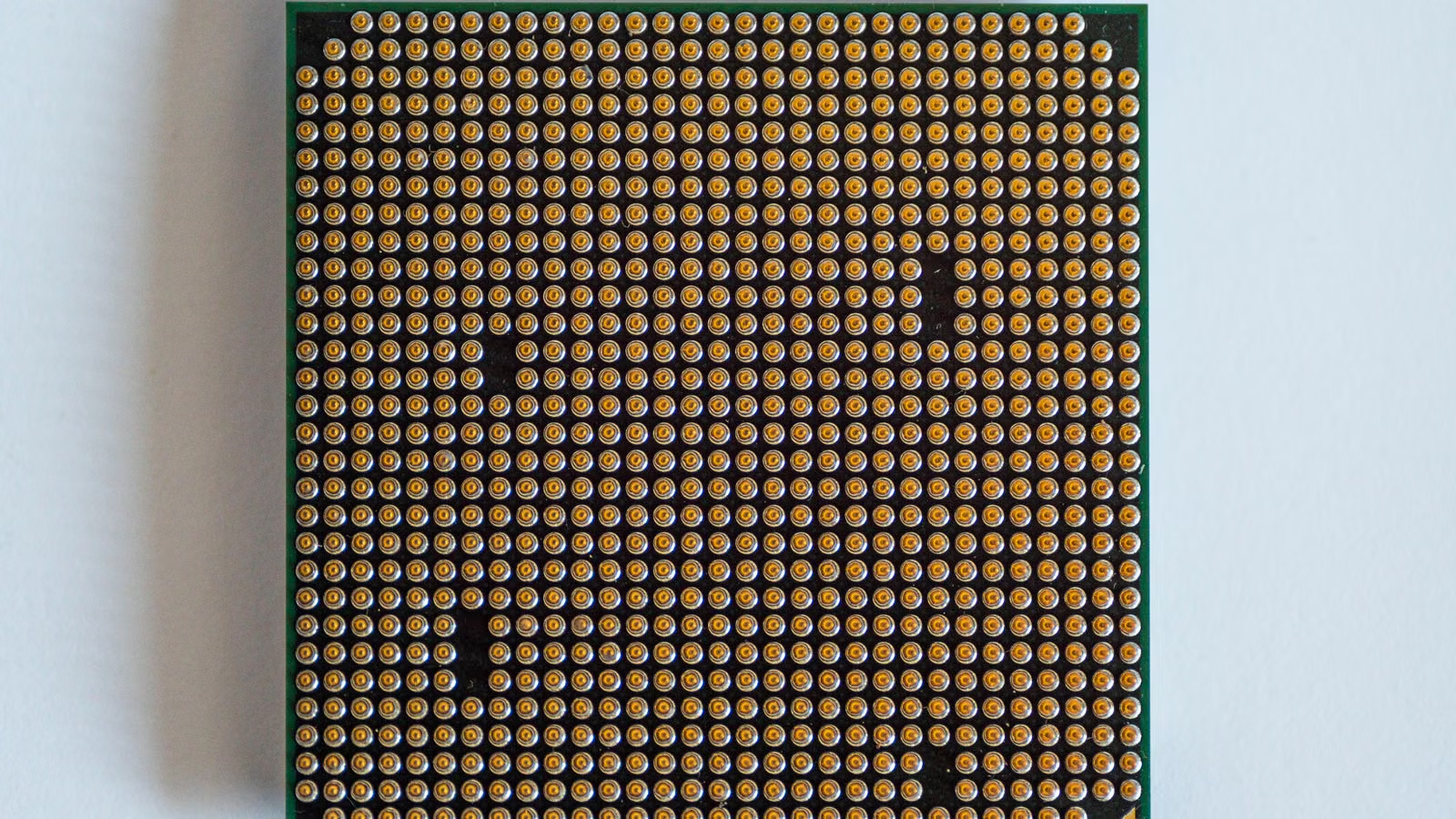
Hua Hong Semiconductor 1347.HK is related to memory, but you should not simply treat it as a DRAM, NAND, or HBM memory manufacturer. More accurately, Hua Hong is a specialty process wafer foundry, and its memory exposure mainly comes from embedded non-volatile memory, or eNVM, and standalone non-volatile memory, or sNVM. Its investment logic is closer to mature process nodes, MCU, NOR Flash, automotive electronics, industrial control, and China’s domestic wafer foundry cycle, rather than a direct move with memory contract prices.
Key Takeaways
- Hua Hong is not a pure memory stock, but a specialty process foundry.
- Its memory-related business mainly comes from eNVM and sNVM platforms.
- MCU, smart cards, and automotive electronics are key embedded memory scenarios.
- Mature nodes focus more on cost, reliability, delivery, and long-term supply.
- Hua Hong’s cycle is closer to mature-node foundry demand than the DRAM cycle.
- To analyze 1347.HK, watch utilization, ASP, gross margin, and expansion pace.
What Is the Real Relationship Between Hua Hong Semiconductor and Memory?
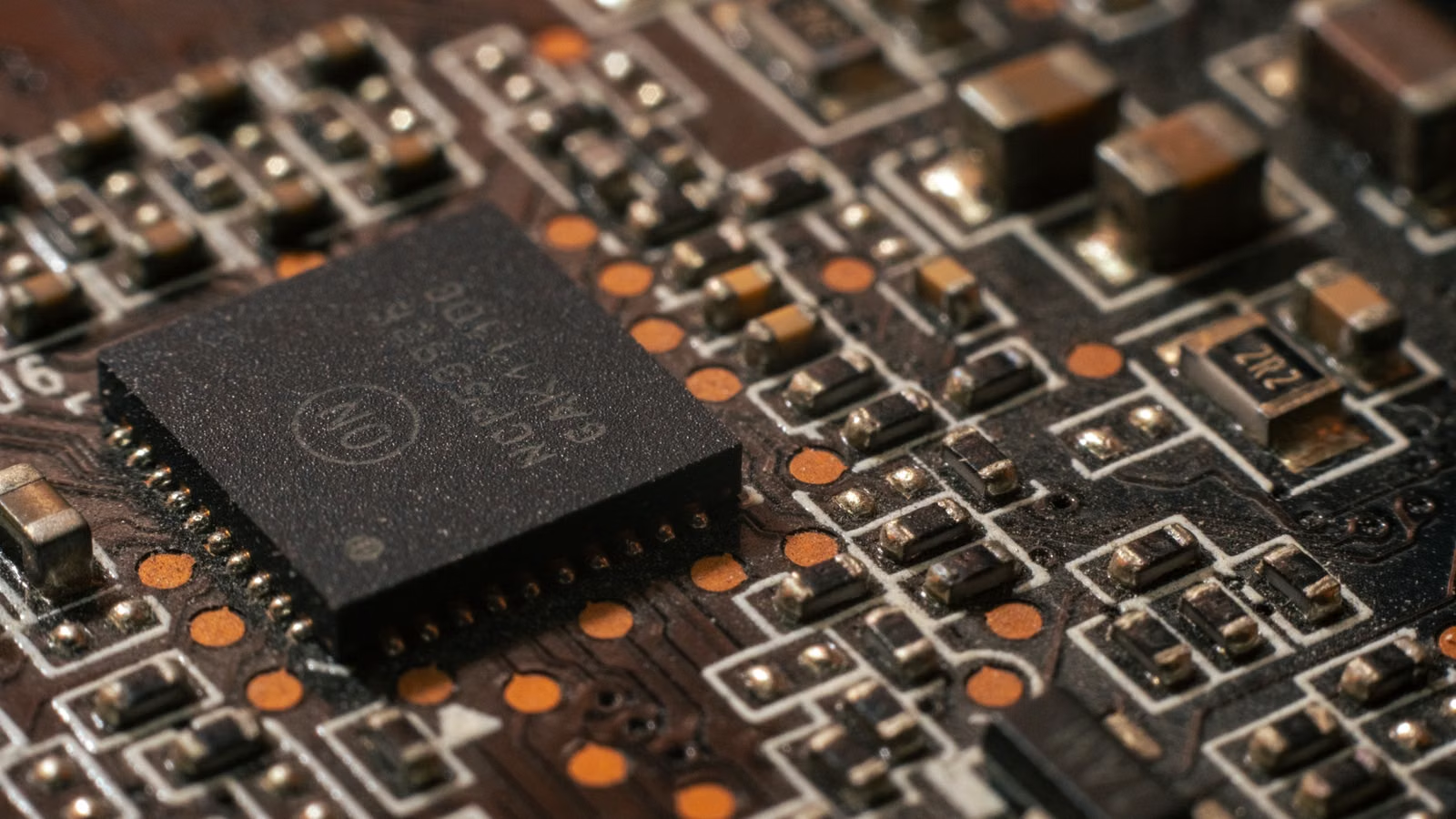
Hua Hong Semiconductor is related to memory, but it is not a memory manufacturer like Micron, Samsung, or SK Hynix. You can understand Hua Hong as a wafer foundry that manufactures memory-related chips, or chips containing memory cells, for its customers. Its revenue does not mainly come from selling DRAM, NAND, or HBM products. Instead, it relies on mature process nodes and specialty technology platforms to provide manufacturing services for MCU, smart cards, NOR Flash, automotive electronics, and industrial chips.
Hua Hong positions itself as a leading pure-play wafer foundry and emphasizes its broad specialty process platform. Hua Hong Semiconductor focuses on embedded non-volatile memory, standalone non-volatile memory, power discrete, analog and power management, logic, and radio frequency technologies. In this context, “memory” does not mainly refer to the large-capacity memory modules used in data centers, nor the HBM stacked next to AI GPUs. It is more often the memory unit embedded inside control chips and system chips.
The key difference lies in its position in the value chain. DRAM, NAND, and HBM manufacturers usually design, manufacture, and sell standardized memory products, so their revenue is highly exposed to the memory pricing cycle. Hua Hong mainly plays the role of a wafer foundry. Its customers provide chip designs, and Hua Hong manufactures wafers through eNVM, sNVM, BCD, power discrete, and other specialty platforms. The “memory exposure” you see is essentially related to process technology and customer products, not direct exposure to standard memory product pricing.
| Question | More Accurate Answer |
|---|---|
| Is Hua Hong Semiconductor a memory chip maker? | Not a pure memory chip manufacturer |
| Is Hua Hong Semiconductor related to memory? | Yes, but mainly at the process and foundry level |
| What are the main related businesses? | eNVM, sNVM, NOR Flash, MCU |
| Is it the same as the DRAM/NAND/HBM cycle? | No, only indirectly linked |
| What framework fits it better? | Mature nodes, specialty processes, domestic wafer foundry |
If you only ask whether Hua Hong is a “memory stock,” the answer can easily become oversimplified. A better question is: how much of Hua Hong’s revenue comes from memory-related process platforms? Which downstream applications do these platforms serve? Are those applications entering a recovery cycle? Under this framework, Hua Hong is indeed memory-related, but it is not a standard memory manufacturer. It is a mature-node specialty foundry. Its memory attributes are mainly reflected in eNVM and sNVM platforms, especially in MCU, NOR Flash, smart cards, automotive-grade chips, and industrial control chips. When you analyze 1347.HK, you should not only look at DRAM or NAND prices. You also need to watch foundry utilization, customer wafer starts, average selling price, gross margin, and product mix changes.
Which Hua Hong Businesses Are Truly Related to Memory?
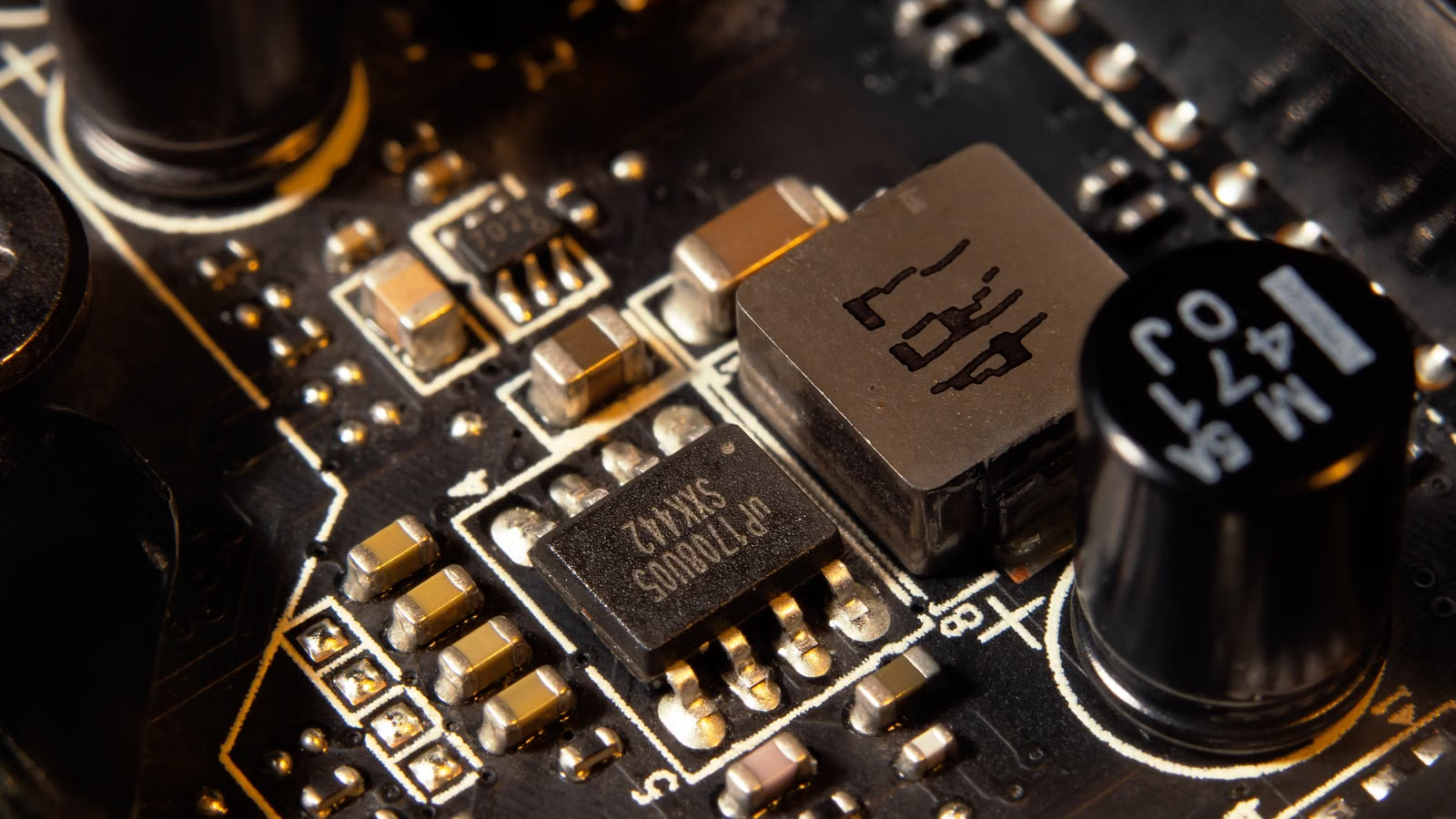
The Hua Hong businesses that are truly related to memory are mainly embedded non-volatile memory, or eNVM, and standalone non-volatile memory, or sNVM. The former mainly serves MCU, smart cards, automotive electronics, and IoT chips, while the latter is closer to standalone memory products such as NOR Flash. According to Hua Hong Semiconductor’s 2025 annual report, eNVM revenue reached US$611.293 million in 2025, accounting for 25.4% of total revenue; sNVM revenue reached US$187.686 million, accounting for 7.8%.
You can think of eNVM as a “memory unit embedded inside a chip.” For example, an MCU does not only need computing and control functions. It also needs to store programs, parameters, security keys, or calibration data. That requires non-volatile memory technologies such as eFlash, EEPROM, and OTP. Hua Hong’s embedded non-volatile memory platform covers both 8-inch and 12-inch lines, showing that it serves a large number of control chips based on mature nodes, rather than high-performance computing chips that chase the most advanced linewidth.
sNVM is closer to standalone NOR Flash. NOR Flash is often used for code storage, firmware booting, vehicle control, industrial equipment, and consumer electronics. Infineon’s explanation of NOR Flash emphasizes its use in automotive, industrial, and consumer electronics, especially for code storage, firmware, and low-power applications. You can think of NOR Flash as the place where many devices read the programs they need when they start and operate. It may not offer the largest capacity, but it usually requires high reliability and fast read performance.
| Process Platform | Memory Related? | Common Products or Processes | Main Applications |
|---|---|---|---|
| eNVM | High | eFlash, EEPROM, OTP | MCU, smart cards, automotive electronics |
| sNVM | High | NOR Flash | Industrial control, consumer electronics, vehicle devices |
| Analog & PM | Indirectly related | PMIC, BCD | Power management, AI server peripherals |
| Power Discrete | Not typical memory | MOSFET, IGBT | New energy, industrial, automotive |
| Logic & RF | Not typical memory | RF, CIS, logic chips | Communication, consumer electronics, sensors |
Hua Hong’s first-quarter 2026 changes also support this view. Its first-quarter 2026 report stated that the company achieved revenue of US$660.9 million, up 22.2% year over year, with a gross margin of 13.0%. Growth was particularly notable in MCU, standalone flash, and BCD process products. This shows that Hua Hong’s memory-related business does not exist in isolation. It moves together with MCU, BCD, power management, automotive-grade, and industrial demand.
Summary:Hua Hong’s memory relevance has two layers. The first layer is direct exposure, namely eNVM and sNVM, which already account for an important part of its revenue structure. The second layer is application exposure. MCU, automotive electronics, industrial control, smart cards, and IoT devices may all rely on embedded memory or NOR Flash. If you view Hua Hong as a pure memory manufacturer, you will misread its business model. But if you completely ignore its memory-related platforms, you may underestimate the influence of eNVM and sNVM on its revenue structure, gross margin, and cycle sensitivity. A more balanced method is to place Hua Hong in the combined framework of “mature-node specialty processes + memory-related platforms + downstream application recovery.”
Why Is Hua Hong’s Memory Logic Closely Tied to Mature Process Nodes?
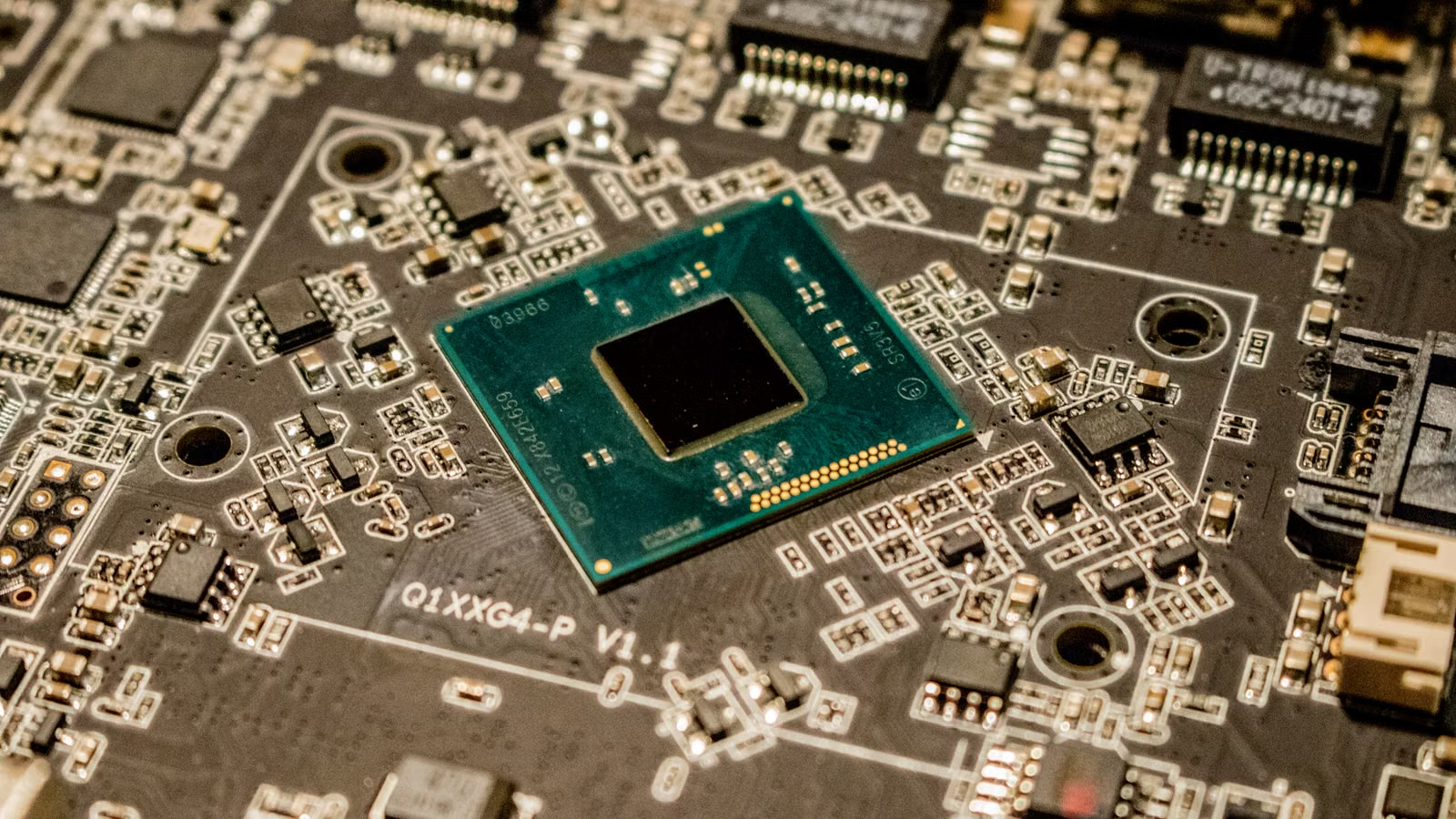
Hua Hong’s memory logic is closely tied to mature process nodes because eNVM, NOR Flash, MCU, PMIC, BCD, and power discrete devices usually do not chase the most advanced nodes. They focus more on reliability, stability, cost control, and long-term supply. When you look at AI GPUs, you may focus on 5nm, 3nm, or advanced packaging. But when you look at a company like Hua Hong, you should pay more attention to 55nm, 65nm, 90nm, 0.13μm, 0.18μm, and the utilization of 8-inch and 12-inch mature-node lines.
Mature nodes do not mean obsolete nodes. Many automotive electronics, industrial control, medical devices, home appliances, smart cards, and power management chips actually care more about long-term stable supply, yield, process validation time, and unit cost. A public report from the U.S. BIS on mature-node semiconductors noted that aerospace and defense, automotive, consumer goods, industrial, healthcare, technology hardware, and software services are all important users of legacy chips. This type of demand will not disappear simply because advanced nodes continue to develop.
Hua Hong’s competitiveness is built on this kind of specialty process platform. Its eNVM can serve control chips, BCD can serve power management, power discrete technologies can serve industrial and new energy applications, while logic and RF platforms can serve communication and consumer electronics. For customers, the key question when choosing this kind of foundry platform is not whether the node is the most advanced. It is whether the platform can support stable mass production, whether it has passed application validation, and whether it can provide long-term supply at a reasonable cost.
| Process Logic | Advanced Nodes | Mature Nodes |
|---|---|---|
| Representative Demand | AI GPU, CPU, HPC | MCU, PMIC, NOR, power devices |
| Core Metrics | Performance, transistor density | Cost, reliability, yield, delivery |
| Typical Cycle Driver | High-end computing and advanced packaging | Automotive, industrial, consumer, domestic substitution |
| Relevance to Hua Hong | Lower | High |
| Investment Focus | Technology breakthroughs and major customer orders | Utilization, ASP, gross margin, capacity ramp-up |
From an industry-cycle perspective, mature nodes are in a mild recovery phase in 2025–2026. SEMI’s analysis of silicon wafer shipments and revenue noted that advanced nodes are strongly driven by AI and HBM, while mature-node applications such as automotive, industrial, and consumer electronics are seeing inventory normalization, although demand recovery is still affected by macro and end-market conditions. This view is useful for understanding Hua Hong. It is not the company most directly driven by AI GPU demand, but if mature-node demand recovers, its capacity utilization and price transmission become more important.
Hua Hong’s 12-inch capacity is also important. Its first-quarter 2026 report stated that 12-inch revenue had increased to 62.7% of total revenue. This means Hua Hong is not only a traditional 8-inch mature-node company. It is also expanding scale and product coverage through 12-inch platforms. 12-inch capacity brings revenue upside, but it also brings depreciation and ramp-up pressure. Therefore, you should not only look at the word “expansion.” You need to judge the quality of that expansion together with gross margin and utilization.
Summary:Hua Hong’s memory logic is not advanced-memory logic, but mature-node memory logic. eNVM, sNVM, NOR Flash, MCU, and BCD all rely more on mature process platforms. Their priorities are stable supply, process reliability, and customer certification, not the most advanced linewidth. When mature-node demand improves, Hua Hong may benefit from more wafer starts, better ASP, and higher utilization. But if mature-node capacity expands too quickly, price competition and gross margin pressure may also appear. Therefore, when analyzing 1347.HK, mature nodes are more important than the broad “memory concept,” and utilization is more important than a single market theme.
What Factors Affect Hua Hong in the Semiconductor Cycle?
Hua Hong is mainly affected by the mature-node foundry cycle, not simply by DRAM or NAND prices. You should focus on four variables: capacity utilization, wafer shipments, average selling price, and gross margin. If these indicators improve at the same time, demand recovery is more solid. If revenue growth mainly comes from capacity expansion while gross margin is weighed down by depreciation and price competition, the quality of the cycle should be discounted.
Looking at 2025 data, Hua Hong’s business momentum had clearly recovered. Its fourth-quarter 2025 results showed quarterly revenue of US$659.9 million, a record high, while full-year revenue reached US$2.4021 billion, up 19.9% year over year. Chinese media reports also noted that Hua Hong’s average capacity utilization reached 106.1% in 2025. Utilization above 100% usually indicates tight production scheduling, but you still need to watch whether such high utilization can translate into sustained gross margin improvement.
The transmission from memory price increases to Hua Hong is not linear. DRAM, NAND, or HBM price increases first affect memory manufacturers and the high-end memory supply chain. Hua Hong is more likely to benefit indirectly through NOR Flash, MCU, embedded memory, industrial demand, and automotive electronics. For example, if downstream customers rebuild inventories and increase wafer starts for MCU and standalone flash, Hua Hong’s sNVM and eNVM platforms may receive stronger orders. But if only HBM prices are strong while mature-node demand does not improve, the direct benefit to Hua Hong will be limited.
You also need to pay attention to AI’s indirect impact. AI data centers do not only need GPUs. They also need power management, sensors, control chips, connectivity chips, and many peripheral analog devices. Hua Hong’s first-quarter report mentioned that AI and related applications are reshaping industry demand, while MCU, standalone flash, and BCD process products showed notable growth. The logic here is not that Hua Hong manufactures AI GPUs. It is that as AI infrastructure expands, servers, industrial equipment, edge devices, and power management chains may all increase demand for mature-node chips.
| Cycle Indicator | What to Watch | What It Means for Hua Hong |
|---|---|---|
| Capacity utilization | Whether utilization stays high | Indicates demand strength |
| ASP | Whether average selling price improves | Shows pricing transmission |
| Gross margin | YoY and QoQ changes | Reflects earnings quality |
| Wafer shipments | Number of wafers shipped | Shows customer wafer-start strength |
| Product mix | eNVM, sNVM, BCD, PMIC | Shows where growth comes from |
| Expansion pace | 12-inch capacity ramp-up | Shows future depreciation and scale effects |
You should also include trading costs in your observation framework. If you follow Hua Hong Semiconductor 1347.HK, Hong Kong semiconductor stocks, or related U.S. memory names, do not only look at price movements. You also need to consider trading fees, FX costs, order rules, and account eligibility. U.S. stock trading costs usually do not only include commission. They may also include platform fees, external agency fees, trading activity fees, and other charges. For eligible users in supported regions, Biya supports U.S. and Hong Kong stock trading. Biya charges US$0 commission for U.S. stock trading, while platform fees, external agency fees, and other charges are subject to the fee schedule and order page. Service availability depends on the user’s location, identity verification result, platform rules, and applicable laws and regulations.
Summary:Hua Hong is not simply a “memory price beta” stock. It is a combined cycle exposure to mature-node demand, memory-related processes, product mix, and capacity expansion. Memory price increases may bring market attention and some demand spillover, but Hua Hong’s real earnings sensitivity depends on customer wafer starts, ASP, utilization, and gross margin. If you only track DRAM or NAND prices, you may overlook changes in MCU, NOR Flash, BCD, PMIC, automotive, and industrial demand. If you only look at revenue growth, you may miss the impact of expansion-related depreciation on profitability. A better tracking method is to evaluate revenue mix, utilization, ASP, gross margin, and 12-inch capacity ramp-up together.
How Can Ordinary Investors Analyze the Investment Logic of 1347.HK?
For ordinary investors, the first step in analyzing 1347.HK is not asking whether it is a memory stock, but confirming its real positioning. Hua Hong is a Chinese specialty process wafer foundry, and memory-related business is only one important segment. You should use a five-step framework: business platform, process node, utilization, price transmission, and valuation position. Do not directly apply the valuation logic of Micron, SK Hynix, or Samsung’s memory division to Hua Hong.
First, look at the revenue structure. In 2025, Hua Hong’s eNVM revenue accounted for 25.4% of total revenue, while sNVM accounted for 7.8%. Together, they are an important part of the company’s business. But Hua Hong also has power discrete, analog and power management, logic, and RF businesses. Therefore, Hua Hong does not stand on only one “memory leg.” Its revenue and gross margin are determined by multiple specialty process platforms.
Second, look at capacity utilization. The foundry business has strong operating leverage. When utilization rises, fixed costs are spread across more wafers, and gross margin usually has a better chance to improve. When utilization falls, margin may come under pressure even if revenue does not decline sharply. Hua Hong’s average capacity utilization was relatively high in 2025, but investors still need to see whether this level can continue in later quarters and whether new capacity ramp-up will dilute overall profitability.
Third, look at ASP and gross margin. One important reason for Hua Hong’s profit improvement in the first quarter of 2026 was higher gross profit driven by increased average selling price and wafer shipments. For you, ASP is more useful than revenue growth alone in showing supply-demand quality. Gross margin is more useful than headline news in showing cycle sensitivity. If revenue grows but gross margin does not move, expansion, depreciation, or price competition may be offsetting the improvement in demand.
| Analysis Dimension | Key Focus | Why It Matters |
|---|---|---|
| Revenue structure | eNVM, sNVM, PMIC, power devices | Shows where growth comes from |
| Process nodes | 55nm, 65nm, 90nm, 0.13μm, etc. | Shows whether the mature-node logic fits |
| Capacity utilization | 8-inch, 12-inch, and overall levels | Shows whether demand is strong |
| ASP | Whether average selling price improves | Shows pricing transmission |
| Gross margin | YoY, QoQ, and management guidance | Shows earnings quality |
| Valuation comparison | Mature-node foundry peers | Avoids using the wrong memory-manufacturer valuation |
Fourth, choose the right comparison group. Hua Hong should not be simply compared with pure DRAM, NAND, or HBM companies. It is more suitable to compare it with specialty process foundries, mature-node wafer fabs, and power/analog supply chain companies. You can observe foundry names such as SMIC, UMC, and Vanguard International Semiconductor, as well as demand trends in power devices, analog chips, MCU, and NOR Flash. But no single comparable company provides the full answer.
Fifth, consider how you track information and execute trades. If you follow both Hong Kong semiconductor stocks and the U.S. memory supply chain, you can build a watchlist that separates Hua Hong Semiconductor, SMIC, Micron, SK Hynix-related suppliers, and equipment/material companies. When you use Hong Kong stock trading to monitor price movements, you should also check earnings reports, announcements, fee structures, and order execution details. For cross-market trading, FX costs, trading fees, and market liquidity all affect the final experience.
Summary:analyzing 1347.HK should not rely on concept labels alone. Hua Hong’s memory relevance is real, but its investment logic is not pure memory price appreciation. It is a specialty foundry cycle. You can use five steps: first, look at the weight of eNVM and sNVM in revenue; second, check mature-node platforms and utilization; third, see whether ASP and gross margin are improving; fourth, watch 12-inch capacity ramp-up; and fifth, compare whether valuation already reflects the recovery. This approach is more robust than simply chasing “memory concept,” “domestic substitution,” or “AI beneficiary” labels.
Key Risks and Misconceptions Around Hua Hong Semiconductor 1347.HK
The main risks for Hua Hong Semiconductor 1347.HK are that the market may overestimate its direct relationship with the DRAM, NAND, and HBM cycles, while underestimating mature-node expansion, depreciation, price competition, and downstream demand volatility. You should remember that Hua Hong’s strengths are specialty processes, eNVM, sNVM, power devices, analog power management, and mature-node capacity. Its risks also come from the same logic. If mature-node supply is released too quickly, pricing and gross margin may come under pressure.
The first misconception is to treat Hua Hong as an HBM or high-end memory leader. HBM demand mainly comes from AI GPUs and high-performance computing. Its supply chain focuses on advanced DRAM, advanced packaging, silicon interposers, and high-end equipment and materials. Hua Hong’s memory relevance comes more from eNVM, NOR Flash, MCU, and mature-node platforms. Both may belong to the broader semiconductor cycle, but they do not share the same profit transmission chain.
The second misconception is to only look at high utilization while ignoring expansion costs. High utilization means demand is strong, but new 12-inch capacity ramp-up requires depreciation, labor, materials, and customer certification. If new capacity is quickly filled with high-quality orders, scale effects may appear. But if expansion coincides with price competition or weaker demand, depreciation may weigh on gross margin. For wafer foundries, “expansion” is both a growth opportunity and a margin test.
The third misconception is to only look at domestic substitution while ignoring mature-node competition. China’s mature-node capacity continues to expand, which may bring supply-chain security benefits and domestic customer adoption opportunities. But it may also lead to pricing competition among similar capacity providers. Reuters noted in its coverage of China’s chip industry that China’s share of 22nm to 40nm mature-node capacity is expected to continue rising, and these nodes are widely used in vehicles, smartphones, and electronics. Mature-node capacity expansion can be an industry opportunity for Hua Hong, but it can also mean a more competitive environment.
| Risk Type | Specific Form | Impact on Investment Judgment |
|---|---|---|
| Concept misreading | Treating Hua Hong as an HBM or DRAM leader | May overestimate memory price upside |
| Supply expansion | Mature-node capacity released quickly | ASP and gross margin pressure |
| Expansion depreciation | Higher costs during 12-inch ramp-up | Revenue growth may not become profit growth |
| Demand volatility | Unstable recovery in consumer, industrial, and auto markets | Orders and utilization may fluctuate |
| Geopolitics and supply chain | Equipment, materials, and certification uncertainty | May affect expansion and delivery |
| Hong Kong stock liquidity | Valuation and sentiment volatility | Affects trading experience and price swings |
You should also pay attention to sentiment risk. Hong Kong semiconductor stocks are often affected by policy expectations, AI themes, domestic substitution, memory price increases, and broader risk appetite. Prices may sometimes reflect optimistic expectations before earnings catch up. If you enter during a high-expectation phase, you need to check whether financial data supports valuation expansion. Since 1347.HK attracts attention from both A-share and H-share investors, market sentiment, AH premium, RMB/HKD movements, and Hong Kong market liquidity may all affect short-term performance.
Summary:Hua Hong has clear industrial value, but it is not a risk-free “memory concept stock.” Its strengths lie in specialty processes, mature nodes, eNVM, sNVM, MCU, NOR Flash, PMIC, and power devices. Its risks lie in capacity expansion, depreciation pressure, price competition, downstream demand volatility, and market valuation expectations. A more balanced approach is to treat Hua Hong as a semiconductor-cycle observation target, rather than judging it through a single memory-price framework. Before trading, you should consider public earnings reports, announcements, order fees, account rules, and your own risk tolerance. No industry trend should be treated as a direct guarantee of individual stock returns.
If you are following Hua Hong Semiconductor 1347.HK, Hong Kong semiconductor stocks, the memory cycle, and mature-node companies, you can divide your research into two layers. The first layer is industry logic, including eNVM, sNVM, MCU, NOR Flash, power devices, and utilization. The second layer is trade execution, including market liquidity, order costs, FX rates, and risk controls. Eligible users in supported regions can use Biya to follow related U.S. and Hong Kong stocks and build a watchlist based on public earnings reports. If you also compare U.S. semiconductor names, U.S. stock trading fees should also be included in your cost framework. Biya charges US$0 commission for U.S. stock trading, while platform fees, external agency fees, and other charges are subject to the fee schedule and order page. Service availability depends on the user’s location, identity verification result, platform rules, and applicable laws and regulations. This does not constitute investment advice.
FAQ
Is Hua Hong Semiconductor 1347.HK a memory stock?
Hua Hong Semiconductor 1347.HK is not a pure memory stock. It is a specialty process wafer foundry, and its memory-related exposure mainly comes from eNVM, sNVM, NOR Flash, and MCU applications. It is better understood as a mature-node foundry with memory-related process platforms, rather than a DRAM, NAND, or HBM manufacturer.
How is Hua Hong Semiconductor different from HBM, DRAM, and NAND companies?
Hua Hong Semiconductor mainly provides wafer foundry services, while HBM, DRAM, and NAND companies are closer to standardized memory product manufacturers. Hua Hong’s memory relevance is concentrated in non-volatile memory processes such as eFlash, EEPROM, OTP, and NOR Flash, usually serving MCU, smart cards, automotive electronics, and industrial chips. Its price transmission is not the same as DRAM or NAND contract pricing.
What are Hua Hong Semiconductor’s embedded memory applications?
Hua Hong Semiconductor’s embedded memory is mainly used in MCU, smart cards, automotive electronics, industrial control, IoT, and some consumer electronics. Its focus is not large-capacity data storage, but storing programs, parameters, security data, or calibration data inside control chips. Reliability, low power consumption, and long-term supply are especially important.
How can ordinary investors judge Hua Hong Semiconductor’s cycle position?
Ordinary investors can judge Hua Hong Semiconductor’s cycle position by tracking capacity utilization, wafer shipments, ASP, gross margin, eNVM/sNVM growth, and 12-inch capacity ramp-up. DRAM or NAND prices can only serve as industry background and sentiment indicators. They should not replace Hua Hong’s own earnings and operating metrics.
How is Hua Hong Semiconductor 1347.HK different from SMIC?
Hua Hong Semiconductor and SMIC are both Chinese wafer foundries, but Hua Hong is more focused on specialty processes, mature nodes, embedded non-volatile memory, power devices, and analog power management. SMIC has broader node coverage and a different customer structure, with both advanced and mature-node exposure. The two should not be analyzed with exactly the same framework.
What risks should investors watch before investing in Hua Hong Semiconductor 1347.HK?
Investors should watch mature-node competition, expansion-related depreciation, ASP volatility, gross margin pressure, downstream demand changes, Hong Kong market liquidity, and cross-border regulatory factors. Any trading decision should be based on public financial reports, platform rules, order details, and applicable local laws and regulations, rather than a single market concept.
*This article is provided for general information purposes and does not constitute legal, tax or other professional advice from BiyaPay or its subsidiaries and its affiliates, and it is not intended as a substitute for obtaining advice from a financial advisor or any other professional.
We make no representations, warranties or warranties, express or implied, as to the accuracy, completeness or timeliness of the contents of this publication.
Related Blogs of

How to Read NAND Contract Prices and Spot Prices? Why Enterprise SSDs and Consumer SSDs Do Not Move in Sync


How Does NAND Price Increase Affect SanDisk? Enterprise SSDs, Consumer Storage, and Margin Leverage


Why Can’t HBM Exist Without Advanced Packaging? The Role of TSV, CoWoS, and Packaging Equipment


How to View HBM Advanced Packaging Equipment Stocks? ASMPT’s Opportunities and Cyclical Risks

Choose Country or Region to Read Local Blog
 Australia
 Austria
 Belgium
 Canada
 Cyprus
 Czech Republic
 Denmark
 Estonia
 Finland
 France
 Germany
 Greece
 Hong Kong
 India
India Indonesia
 Ireland
 Italy
Italy Japan
Japan Latvia
 Lithuania
 Luxembourg
 Malaysia
 Malta
Malta Morocco
 Nepal
Nepal Netherlands
 New Zealand
 Norway
 Pakistan
 Philippines
 Poland
 Portugal
 Romania
 Singapore
 Slovakia
 Slovenia
 South Africa
 South Korea
 Spain
Spain Sweden
 Thailand
 The United States
 Turkey
 United Arab Emirates
 United Kingdom
 Vietnam
Contact Us




BIYA GLOBAL LLC is registered with the Financial Crimes Enforcement Network (FinCEN), an agency under the U.S. Department of the Treasury, as a Money Services Business (MSB), with registration number 31000218637349, and regulated by the Financial Crimes Enforcement Network (FinCEN).
BIYA GLOBAL LIMITED is a registered Financial Service Provider (FSP) in New Zealand, with registration number FSP1007221, and is also a registered member of the Financial Services Complaints Limited (FSCL), an independent dispute resolution scheme in New Zealand.