
What Is DRAM? Investment Logic Behind Server Memory, PC Memory, and Mobile Memory




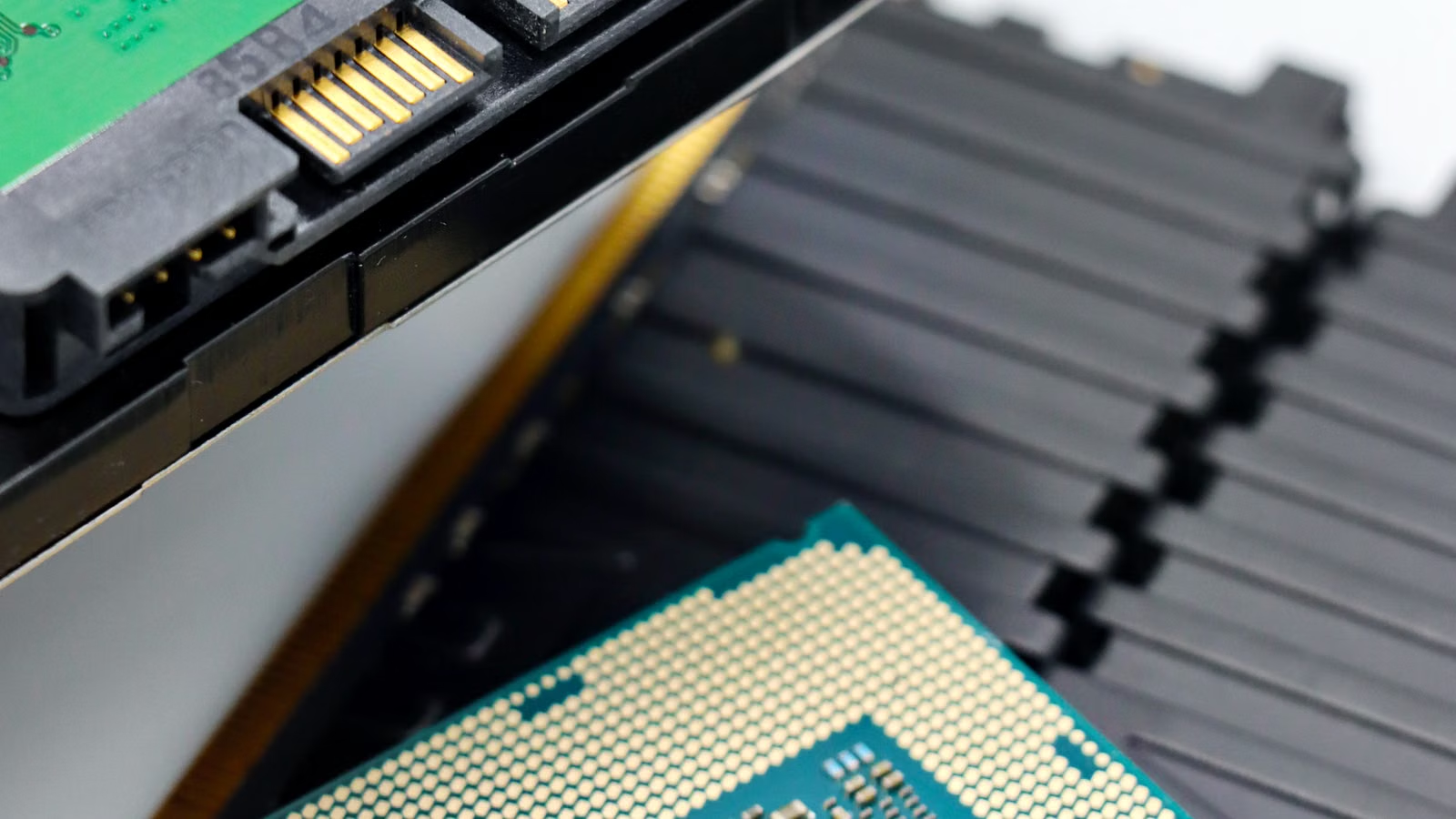
DRAM stands for Dynamic Random Access Memory. It is volatile working memory used when computers, servers, smartphones, and AI systems run programs. The PC memory modules, server DDR5, smartphone LPDDR, and HBM placed beside AI GPUs all belong to different forms of the DRAM family. To analyze DRAM investment logic, you should not only look at “memory price increases.” You also need to distinguish server memory, PC memory, mobile memory, and HBM by demand source, pricing sensitivity, inventory cycle, and capital expenditure position.
Key Takeaways
- DRAM is volatile working memory, not hard drive or SSD storage.
- Server memory is most affected by AI, cloud computing, and data center investment.
- PC memory depends more on replacement cycles, channel inventory, and DDR5 adoption.
- Mobile memory depends on LPDDR, on-device AI, and high-end smartphone upgrades.
- DRAM investment logic centers on pricing cycles, capacity allocation, and product mix.
- AI increases the value of high-end DRAM, but may also amplify valuation and cycle risks.
What Is DRAM? First Understand Memory, Storage, and Cache
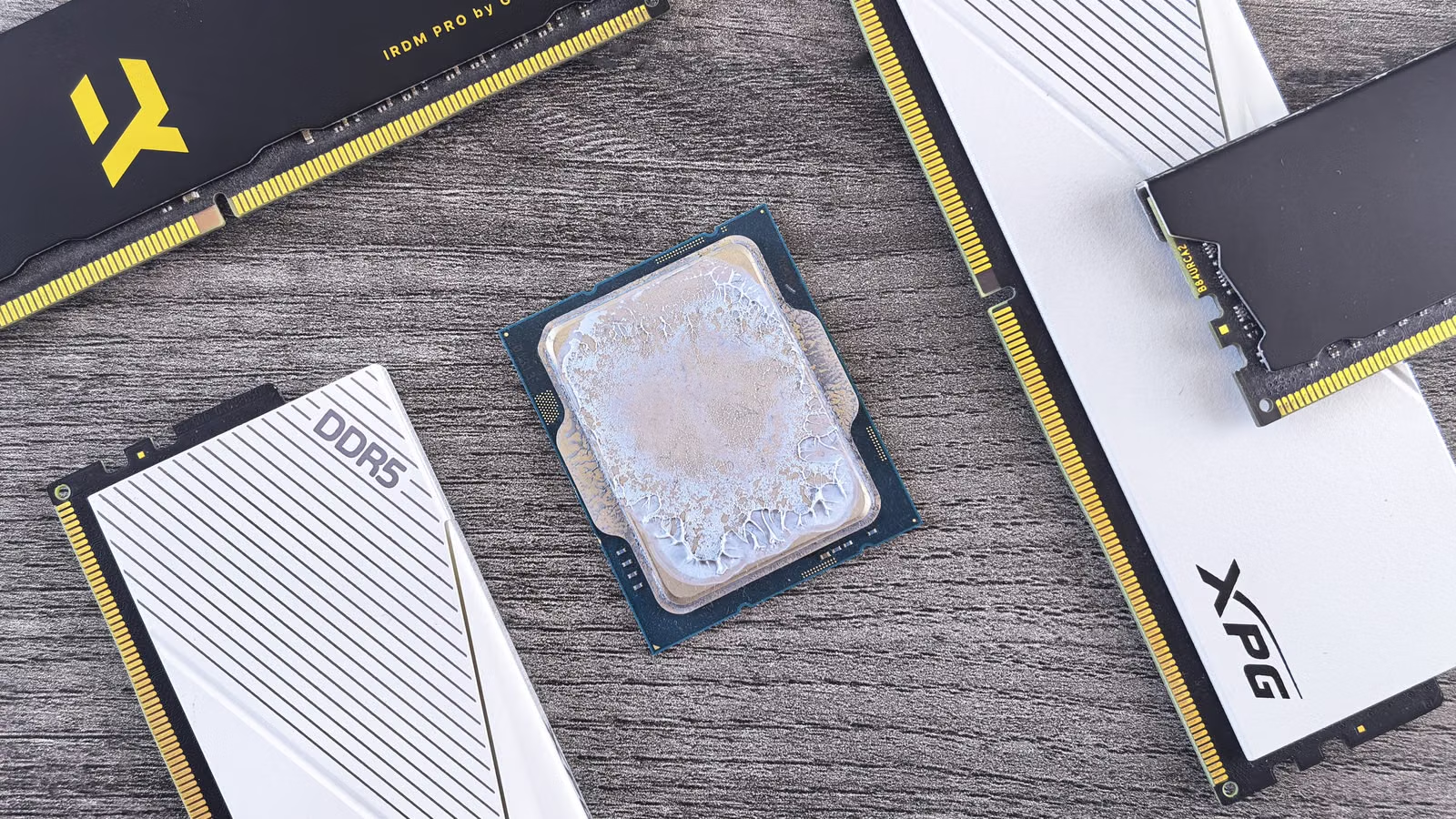
DRAM is Dynamic Random Access Memory. It is a type of volatile memory mainly used to temporarily store data while a device is running programs. It is different from SSDs, NAND Flash, and hard drives because data is not retained after power loss. It is also different from SRAM cache inside CPUs and GPUs: DRAM has larger capacity and lower cost, but its speed and latency are not as good as cache. Before understanding DRAM investment logic, you first need to separate “memory,” “storage,” and “cache,” or it is easy to mix different chip cycles together.
DRAM stands for Dynamic Random Access Memory. “Dynamic” means DRAM cells usually store charge in capacitors, and that charge gradually leaks away, so the cells must be refreshed periodically. “Random access” means the processor can directly access any memory address, rather than reading data in a fixed sequence. PCs, servers, smartphones, game consoles, GPUs, routers, automotive electronics, and industrial devices all use DRAM.
DRAM solves the problem of “runtime data.” When you open a browser, run a game, train a model, load a database, or process images and videos, CPUs, GPUs, and other computing units need to place active data into memory. Compared with SSDs, DRAM is faster and has lower latency, but it is more expensive and loses data after power is turned off. That is why software does not remain in memory after a computer restarts; the system must reload it from an SSD or hard drive.
NAND Flash, SSDs, and hard drives solve the problem of long-term storage. Operating systems, documents, photos, videos, database files, and application installers are usually stored in non-volatile storage. Data remains even after the device is powered off. DRAM and NAND both belong to the broader “memory and storage chip” sector, but their investment logic is different. DRAM depends more on server, PC, smartphone, and AI memory demand, while NAND depends more on SSDs, smartphone storage, enterprise storage, and data center capacity demand.
SRAM is closer to cache. L1, L2, and L3 cache inside CPUs and GPUs usually use SRAM. It is fast, has very low latency, and does not require refresh like DRAM, but it takes more chip area and costs more, so it is difficult to scale to tens or hundreds of gigabytes. Modern computing systems usually use a layered structure: on-chip cache handles the fastest access, DRAM serves as main memory, HBM serves as high-bandwidth memory for high-end AI accelerators, and SSDs handle long-term storage.
| Type | Volatile? | Main Use | Speed and Latency | Cost and Capacity | Investment Focus |
|---|---|---|---|---|---|
| DRAM | Yes | Working memory for running programs and tasks | Fast, lower latency than SSD | Larger capacity, more expensive than NAND | Pricing cycle, server/PC/mobile demand |
| NAND Flash | No | SSDs, smartphone storage, enterprise storage | Slower than DRAM | Large capacity, lower unit cost | SSD demand, enterprise storage, inventory cycle |
| SRAM | Yes | CPU/GPU cache | Very fast, lowest latency | Small capacity, high cost | Chip area, architecture design |
| HBM | Yes | High-bandwidth memory for AI GPUs and HPC | Extremely high bandwidth | High cost, complex packaging | AI, HBM capacity, advanced packaging |
| Hard Drive | No | Large-capacity cold data storage | Slower than SSD and DRAM | Large capacity, low cost | Cloud storage, data centers, nearline HDD |
Summary: DRAM is not a hard drive or SSD. It is working memory used when computing devices run programs. It cannot retain data after power loss, but it provides fast read and write space for CPUs, GPUs, and AI accelerators while a device is operating. DRAM, NAND, SRAM, and HBM all relate to data, but their use cases, speeds, costs, and cycles are completely different. When analyzing the DRAM supply chain, first confirm whether you are discussing server DDR5, PC memory, mobile LPDDR, or HBM used by AI GPUs. Once the concepts are clear, pricing cycles, product mix, and investment logic become much easier to judge.
Why Is Server Memory Becoming More Important? AI and Cloud Computing Are Reshaping DRAM Demand
Server memory is one of the most important branches of today’s DRAM investment logic because AI training, AI inference, cloud computing, databases, and high-performance computing all require larger capacity, higher bandwidth, and higher stability. Server DRAM usually appears as DDR5 RDIMM, MRDIMM, CXL memory expansion, and other enterprise-oriented forms. Compared with PC and mobile memory, server memory is more directly affected by cloud capital expenditure and AI cluster construction.
AI servers do not only need HBM beside GPUs; they also need DDR5 main memory on the CPU side. Training data preprocessing, vector databases, model serving orchestration, cache systems, log analysis, retrieval-augmented generation, databases, and virtualization all consume server DRAM. High-end AI servers are built from GPUs, CPUs, HBM, DDR5, NVMe SSDs, network interconnects, and system software. If any one component is insufficient, overall throughput and cost efficiency can be affected.
One design direction of DDR5 SDRAM is to meet the performance and efficiency requirements of high-performance computing systems. Compared with DDR4, DDR5 provides higher data rates, greater capacity potential, and better power management, making it the mainstream memory foundation for new server platforms. For memory makers, rising DDR5 penetration usually means an improvement in product mix.
Server memory is not just DDR5. Micron’s 128GB DDR5 RDIMM targets AI data centers and enterprise server scenarios, where high-capacity RDIMMs allow a single server to support a larger memory pool. Micron’s description of MRDIMM also emphasizes higher bandwidth, lower latency, and greater capacity for memory-intensive workloads such as AI and HPC.
CXL is another important direction to watch. CXL 2.0 Memory Pooling highlights memory pooling as an important use case, aiming to allocate memory resources more flexibly across servers. For the DRAM industry, CXL does not immediately replace traditional memory modules, but it shows that data centers are moving from “filling a single server with memory” toward pooled and scalable memory resources.
| Metric to Watch | Demand Represented | Impact on DRAM Makers | Possible Risk |
|---|---|---|---|
| Cloud capital expenditure | AI clusters, databases, cloud services | Drives server DRAM and HBM demand | CAPEX slowdown may reduce expectations |
| AI server shipments | GPU servers, inference servers | Supports DDR5, RDIMM, MRDIMM | Delivery may be limited by GPU supply |
| DDR5 penetration | New platform upgrades | Improves product mix and ASP | Legacy platform demand may still drag |
| High-capacity RDIMM/MRDIMM | AI/HPC memory-intensive workloads | Raises value of high-end server memory | Customer qualification cycles are long |
| CXL memory expansion | Memory pooling, capacity expansion | Opens new demand formats | Ecosystem maturity takes time |
| Data center inventory | Cloud procurement cycle | Affects contract prices and orders | High inventory suppresses restocking |
Summary: Server DRAM has evolved from traditional enterprise hardware support into a core part of AI infrastructure. AI servers need not only HBM, but also large amounts of DDR5, RDIMM, MRDIMM, and potentially CXL memory expansion in the future. Its demand elasticity is usually higher than that of PC memory and some mobile memory, but it also depends more heavily on cloud capital expenditure, AI server shipments, customer qualification, data center buildout pace, and inventory cycles. When analyzing DRAM investment opportunities, server memory is usually the branch that deserves the most attention.
PC Memory Investment Logic: Replacement Cycles, DDR5 Penetration, and Channel Inventory
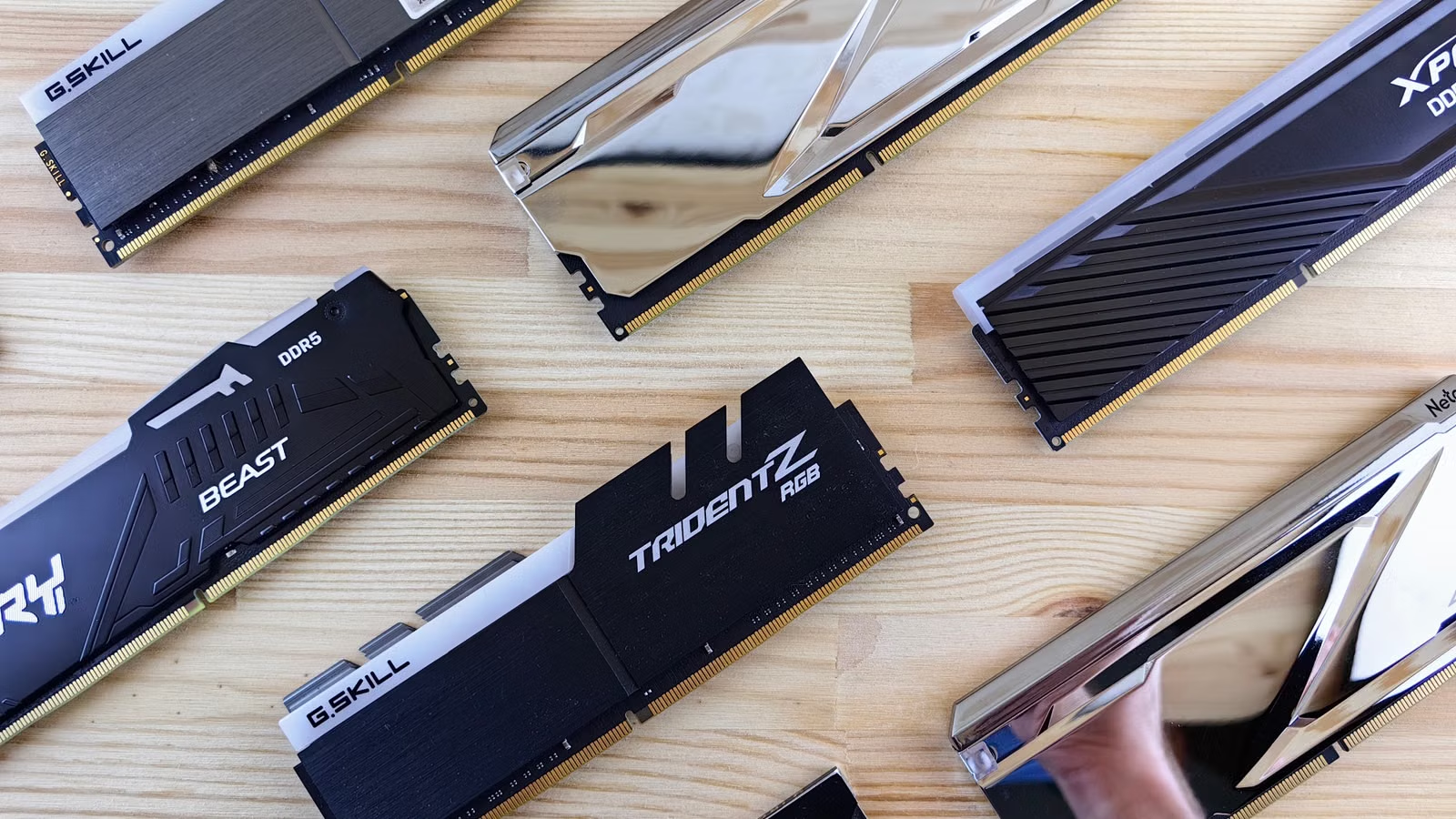
PC memory follows a logic closer to the consumer electronics cycle. Unlike server DRAM, it is not directly driven by AI data center expansion. Unlike mobile memory, it does not emphasize low power consumption and compact packaging as heavily. It is mainly affected by PC shipments, replacement cycles, gaming and creator demand, DDR5 penetration, memory module prices, and channel inventory. For investors, PC memory is an important base layer of the DRAM market, but its elasticity is usually weaker than server DRAM and HBM.
PC memory is cyclical because terminal demand can fluctuate significantly. Laptops, desktops, gaming PCs, and commercial PCs all have replacement cycles. During the pandemic, PC demand was pulled forward, and the industry later entered an inventory adjustment phase. OEMs and channel distributors adjust procurement based on sales, promotions, price expectations, and inventory pressure. When channel inventory is high, PC memory orders may recover slowly even if memory makers’ quotations improve.
The transition from DDR4 to DDR5 is an important structural variable for PC memory. New CPU platforms drive DDR5 penetration, while gaming, content creation, and high-performance notebooks increase user demand for capacity and bandwidth. The later update to JESD79-5A DDR5 SDRAM emphasizes improvements in performance and reliability, showing that DDR5 is an upgrade direction for both client systems and high-performance servers.
However, rising DDR5 penetration does not necessarily mean strong overall PC demand. A typical situation is that total PC shipments may be flat or even weak, while DDR5 increases its share due to platform upgrades. At the same time, if memory makers reduce capacity for older DDR4 products, prices of legacy specifications may rise temporarily. Investors should separate “product mix upgrade,” “price increase from supply reduction,” and “real end-demand recovery.”
PC memory stock-price sensitivity often comes from price rather than volume. Long-term PC shipment growth is usually slow. What truly affects market expectations are DRAM contract prices, spot prices, module prices, channel inventory, and memory makers’ production cut strategies. If memory makers allocate more wafer and packaging resources to HBM, server DRAM, or enterprise products, PC memory supply may tighten. Prices may rise even if PC demand is only average.
| Variable | Impact on PC DRAM | Data to Watch | Risk Warning |
|---|---|---|---|
| PC shipments | Determines terminal demand base | Laptop, desktop, commercial PC sales | Replacement cycle may be delayed |
| DDR5 penetration | Improves product mix | New platform share, DDR5 module prices | Higher penetration does not mean stronger total demand |
| Channel inventory | Affects restocking pace | Distributor inventory, OEM procurement | High inventory suppresses short-term orders |
| Contract/spot prices | Affects market expectations | DRAM pricing trends | Prices may move ahead of demand |
| Memory maker capacity allocation | Changes PC DRAM supply | HBM and server DRAM allocation | Supply-driven price increases may not last |
| Consumer budget | Affects gaming and creator PCs | GPU, CPU, and full-system sales | Weak consumption limits upgrades |
Summary: PC memory is best understood through a “consumer electronics cycle + DDR5 transition + channel inventory” framework. It remains an important part of the DRAM market, but in the AI era, market attention is usually lower than for server DRAM, HBM, and high-end data center memory. PC memory price increases may come from DDR5 penetration, supply reduction, or inventory restocking, and do not necessarily indicate strong terminal demand. To assess PC memory opportunities, separate shipments, pricing, inventory, and product mix.
Mobile Memory Investment Logic: LPDDR, On-Device AI, and High-End Smartphone Upgrades
Mobile memory is mainly LPDDR DRAM, and its investment logic is different from server and PC memory. It depends more on smartphone shipments, high-end smartphone share, on-device AI, image processing, gaming performance, power control, and packaging space. The key for mobile DRAM is not simply maximizing bandwidth, but balancing speed, capacity, and energy efficiency within limited battery, thermal, and motherboard space. On-device AI will increase memory demand, but the effect is more likely to appear first in flagship and high-end phones.
LPDDR stands for Low Power DDR, and its core feature is low power consumption. Smartphones, tablets, thin-and-light laptops, automotive systems, wearables, and some edge AI devices may use LPDDR. Compared with desktop or server DDR, LPDDR emphasizes battery life, thermal performance, and compact packaging. Smartphone motherboard space is extremely limited, and memory is usually highly integrated with the processor and storage system. Product design therefore needs to consider speed, power consumption, thickness, and cost at the same time.
Micron’s LPDDR5X targets flagship smartphones and mobile AI applications, emphasizing speed, power savings, and thinner packaging. JESD209-5C defines the functionality, AC and DC characteristics, packaging, and signal assignment of LPDDR5/LPDDR5X. For investors, this shows that mobile memory upgrades are not only about moving from 8GB to 12GB; they also include speed, energy efficiency, packaging, and platform compatibility.
On-device AI is changing mobile memory demand. AI photography, real-time translation, voice assistants, on-device large models, image generation, video understanding, and personalized recommendation all require larger working memory and higher bandwidth. High-end smartphones may be the first to increase LPDDR capacity and speed because flagship chips, imaging systems, and on-device models are easier to market as selling points. Mid-range and entry-level smartphones, however, are constrained by bill-of-materials costs, price bands, and consumer replacement willingness, so memory upgrades will be slower.
Mobile memory risks mainly come from shipments, pricing, and inventory. If global smartphone demand recovers slowly, high-end configuration upgrades may be offset by weak demand for mid-range and low-end models. Smartphone makers also adjust memory procurement based on DRAM prices and inventory. If LPDDR prices rise too quickly, device makers may delay procurement, reduce configurations, or pass costs on to consumers. For memory makers, mobile DRAM earnings sensitivity depends on high-end phone share, pricing, order stability, and capacity allocation.
| Dimension | Server Memory | PC Memory | Mobile Memory | Investment Focus |
|---|---|---|---|---|
| Main Form | DDR5 RDIMM, MRDIMM, CXL | DDR4, DDR5 DIMM/SODIMM | LPDDR5, LPDDR5X, future LPDDR6 | Start with application scenario |
| Core Demand | AI, cloud computing, databases | Replacement, gaming, office use | High-end phones, on-device AI, imaging | Demand sources differ |
| Price Elasticity | Relatively strong | Medium, heavily affected by inventory | Constrained by BOM cost | Transmission differs by market |
| Cost Constraint | Data center budget | Consumer budget and full-system price | Battery, thermals, motherboard space | Mobile focuses most on efficiency |
| Risk | CAPEX slowdown, customer qualification | Channel inventory, PC shipments | Smartphone sales, configuration cuts | Do not use one logic for all |
Summary: The core of mobile memory is LPDDR, which emphasizes low power consumption, compact packaging, and mobile user experience. On-device AI will increase high-end smartphones’ need for memory capacity, bandwidth, and energy efficiency, but this growth will not spread evenly across all phones. Flagships may upgrade first, while mainstream and entry-level models remain constrained by price, inventory, and consumer replacement willingness. To analyze mobile DRAM, look at smartphone shipments, high-end model share, LPDDR specification upgrades, bill-of-materials costs, and inventory cycles, rather than simply applying the AI logic used for server memory.
Why Is the DRAM Industry So Cyclical? How Prices, Capacity, and Inventory Affect Stock Prices
The DRAM industry is highly cyclical because supply-side expansion takes a long time and requires high capital expenditure, while demand is affected by servers, PCs, smartphones, and consumer electronics. When supply is tight, inventory declines, and contract prices rise, memory makers can see strong earnings leverage. When expansion is too aggressive, demand slows, and inventory accumulates, prices and profits can fall quickly. AI raises the value of high-end DRAM, but it does not eliminate DRAM’s cyclical nature.
DRAM is relatively standardized, so prices are very sensitive to changes in supply and demand. Contract prices reflect large customer procurement, while spot prices are more sensitive to short-term market sentiment. Demand from servers, PCs, smartphones, automotive electronics, and industrial devices all affects supply-demand balance. If multiple end markets restock at the same time, prices can rise quickly. If end demand slows and customer inventory is high, prices can fall just as quickly.
TrendForce once forecast that 2025 DRAM market revenue would reach 165.7 billion USD, up 73% year over year, significantly higher than NAND Flash revenue during the same period. Behind this shift is the way AI system architecture has raised demand for high-performance DRAM and HBM. At the same time, TrendForce’s tracking of the DRAM industry in Q1 2025 also showed that traditional DRAM contract prices and HBM shipments still affect quarterly revenue. This means that even as AI reshapes DRAM, pricing and shipment volatility remain.
Memory makers influence cycles through capacity allocation. Samsung, SK hynix, Micron, and other manufacturers can shift resources among HBM, server DRAM, PC DRAM, mobile DRAM, and NAND. When HBM and server DRAM have higher margins, manufacturers prioritize those areas, which may reduce supply for traditional PC and mobile DRAM. Supply reduction may push up prices for older DRAM specifications, but if end markets cannot absorb the price increase, demand may also be suppressed.
To judge the DRAM cycle, watch the following indicators:
- DRAM contract prices and spot prices.
- Memory makers’ inventory days.
- Procurement pace of cloud vendors and OEMs.
- Memory makers’ capital expenditure plans.
- Utilization rates and production cuts.
- Capacity allocation between HBM and ordinary DRAM.
- PC, smartphone, and server shipment trends.
- Memory makers’ gross margins and operating profits.
| Cycle Stage | Supply-Demand Condition | Price Performance | Memory Maker Financials | Common Stock Reaction | Main Risk |
|---|---|---|---|---|---|
| Downcycle | Weak demand, high inventory | Contract prices fall | Gross margins under pressure | Stocks may bottom ahead of fundamentals | Demand worsens further |
| Early Recovery | Inventory declines, production cuts take effect | Spot prices move first | Losses narrow | Market trades the inflection point early | Restocking may not last |
| Upcycle | Tight supply, rising orders | Contract prices rise | Gross margins improve | Earnings leverage appears | Valuations rise |
| Peak | Customers lock supply aggressively | Prices stay high | Profits are strong | Stocks may diverge | Expansion and demand slowdown |
| Roll-over | Supply releases, demand cools | Prices weaken | Profits decline | Stocks may price in risk early | Inventory accumulates again |
Summary: The core of DRAM investing is not “memory prices will always rise,” but identifying where the industry is in the cycle. AI increases the value of HBM, server DDR5, MRDIMM, and other high-end products, giving memory makers a chance to improve product mix, but cyclicality does not disappear. Rising prices, falling inventory, and product mix improvement usually support memory maker earnings. Capacity expansion, the end of customer restocking, excessive valuations, or a slowdown in AI capital expenditure can cause stocks to price in risk early. Investors need to consider prices, inventory, capacity, demand, and valuation together.
How Can Ordinary Investors Track the DRAM Supply Chain? Look at Companies, ETFs, and Trading Costs Together
Ordinary investors can track the DRAM supply chain through the three major memory makers, AI chip companies, server OEMs, PC and smartphone manufacturers, semiconductor equipment and materials companies, and ETFs. DRAM investing does not only mean buying memory maker stocks. Semiconductor ETFs, AI supply chain ETFs, or cross-market portfolios can also provide exposure. But when trading across markets, fees, FX, liquidity, and tax rules all affect real returns.
The most direct tracking targets are memory makers. Micron, Samsung, and SK hynix are more directly affected by DRAM prices, HBM demand, server memory, mobile DRAM, and NAND cycles. AI chip makers such as NVIDIA and AMD are driven by compute demand, but they are also affected by HBM and server memory supply. Equipment and materials companies are affected by capital expenditure, advanced process nodes, packaging, and testing demand. ETFs can reduce single-company risk, but they also dilute the sensitivity to DRAM pricing cycles.
| Tracking Target | Representative Assets | Benefit Logic | Key Indicators | Risk Warning |
|---|---|---|---|---|
| Memory makers | Micron, Samsung, SK hynix | DRAM pricing, HBM, server memory | Gross margin, inventory, ASP, CAPEX | High cycle volatility |
| AI chip makers | NVIDIA, AMD, ASIC vendors | AI server shipments and memory configuration upgrades | GPU/ASIC shipments, platform upgrades | Valuation and supply chain risk |
| Equipment and materials | Lithography, etching, thin film, testing, packaging | Memory maker expansion and process upgrades | Orders, deliveries, capital expenditure | Order cycle may lag |
| Downstream devices | PC, smartphone, server makers | Terminal demand and configuration upgrades | Shipments, inventory, BOM costs | Uneven demand recovery |
| ETFs | Semiconductor ETFs, AI ETFs | Diversified industry chain exposure | Holdings, expense ratio, liquidity | Sensitivity is diluted |
| Hong Kong/other markets | Equipment, packaging, semiconductor platforms | Indirect DRAM chain observation | Orders, valuation, turnover | Relevance does not equal direct benefit |
Different asset types have different sources of return. Memory makers are more directly affected by DRAM contract prices, product mix, and gross margins. AI chip makers depend more on compute demand, GPU/ASIC shipments, HBM supply, and cloud capital expenditure. Equipment and materials companies depend more on memory makers’ capital expenditure and process upgrades. ETFs diversify risk, but you need to look at how much of the actual holdings are in memory stocks. You should not assume an ETF has high DRAM exposure simply because “semiconductor” appears in its name.
Trading costs should not be ignored. DRAM-related assets are listed across U.S., South Korean, Taiwan, Hong Kong, and ETF markets. You may be watching Micron, NVIDIA, AMD, TSMC, Samsung, SK hynix, ASMPT, semiconductor ETFs, and AI ETFs at the same time. Cross-market trading often involves commissions, platform fees, external institutional fees, trading activity fees, FX costs, and order liquidity. If the relevant services are available in your region, you can use Biya to record U.S. stocks, Hong Kong stocks, digital assets, and multi-currency asset changes. For U.S. stock trading, U.S. stock trading fees should be based on the fee center and order page.
Biya charges 0 USD commission for U.S. stock trading. The platform fee is 0.005 USD per share, with a minimum of 0.99 USD per order and a maximum of 1% of trade value. External institutional fees and trading activity fees are 0.00396 USD per share. For fractional-share orders with less than one share executed, only 1% of the total trade amount is charged as the platform fee, capped at 1 USD. Fee structures can affect frequent rebalancing, fractional-share orders, and cross-market comparisons. When tracking DRAM-related assets, investors should check order details, fee information, and their own risk tolerance before trading.
Summary: Ordinary investors should not track DRAM only through “memory price increases” or a single company’s share price. Terminal demand, pricing cycles, capacity allocation, company financials, and trading costs all matter. Buying memory makers directly, buying semiconductor ETFs, tracking equipment and materials companies, or following AI chip companies all have different risk-return structures. The DRAM supply chain offers high-end opportunities driven by AI, but also carries cycle risks from inventory, expansion, and price declines. Before cross-market trading, FX, fees, liquidity, platform rules, and local regulatory requirements should also be included in the decision.
If you are tracking DRAM, HBM, AI chips, semiconductor ETFs, and cross-market assets at the same time, you can divide the watchlist into memory makers, AI chip companies, server supply chains, equipment and materials, PC/mobile terminals, and ETFs. Biya is a global multi-asset trading wallet that supports U.S. stocks, Hong Kong stocks, and digital asset trading, as well as conversion between USDT and major fiat currencies such as USD and HKD. It can be used to record multi-market holdings, orders, fees, and FX costs. You can also use U.S. stock search to compare U.S.-listed memory and semiconductor companies, or manage multi-asset trading through web trading. Service availability depends on your location, identity verification results, platform rules, and applicable laws and regulations. Before making any trade, always verify company announcements, financial reports, fee details, and your own risk tolerance.
FAQ
Is DRAM Memory or Hard Drive Storage?
DRAM is memory, not hard drive or SSD storage. It is used for temporary data reading and writing while a device is running, and data is not retained after power loss. Hard drives and SSDs store operating systems, files, photos, and videos for the long term. DRAM helps CPUs, GPUs, and applications quickly access active data.
What Is the Relationship Between DRAM and HBM?
HBM is essentially a high-bandwidth form within the DRAM family. It vertically stacks multiple DRAM layers and uses advanced packaging to sit close to GPUs or AI chips, making it suitable for high-end AI and HPC workloads. Ordinary DDR is more commonly used as CPU system memory, while HBM emphasizes bandwidth, energy efficiency, and packaging distance.
Why Is Server DRAM Getting More Attention Than PC Memory?
Server DRAM is receiving more attention because AI, cloud computing, and data center capital expenditure are increasing demand for high-capacity, high-bandwidth memory. AI servers need not only HBM, but also large amounts of DDR5, RDIMM, MRDIMM, and future CXL memory expansion. PC memory depends more on replacement cycles and channel inventory.
What Is the Difference Between Mobile LPDDR and PC DDR?
Mobile LPDDR emphasizes low power consumption and compact packaging, while PC DDR focuses more on general-purpose system memory capacity and cost. Both belong to the DRAM family, but they differ in standards, application scenarios, power targets, and procurement logic. LPDDR is better suited for smartphones, tablets, thin-and-light laptops, and some edge AI devices.
Does Rising DRAM Pricing Always Benefit Memory Stocks?
Rising DRAM prices do not mean all memory stocks will benefit at the same pace. Inventory, costs, product mix, customer orders, valuation levels, and market expectations all matter. If positive pricing expectations are already reflected in share prices, or if end demand cannot absorb price increases, investment returns may still fluctuate.
How Can Ordinary Investors Track DRAM Investment Risk?
Ordinary investors can track DRAM investment risk through contract prices, inventory, capital expenditure, server demand, PC and smartphone shipments, and valuation levels. For cross-market trading, fees, FX, liquidity, order rules, and local regulatory requirements also matter. Public market information can support analysis, but it does not constitute investment advice.
*This article is provided for general information purposes and does not constitute legal, tax or other professional advice from BiyaPay or its subsidiaries and its affiliates, and it is not intended as a substitute for obtaining advice from a financial advisor or any other professional.
We make no representations, warranties or warranties, express or implied, as to the accuracy, completeness or timeliness of the contents of this publication.
Related Blogs of

Wire Transfer Requirements: Sender and Beneficiary Details Checklist


Online Bank-to-Bank Transfers: Account Linking, Steps, and Limits





Choose Country or Region to Read Local Blog
 Australia
 Austria
 Belgium
 Canada
 Cyprus
 Czech Republic
 Denmark
 Estonia
 Finland
 France
 Germany
 Greece
 Hong Kong
 India
India Indonesia
 Ireland
 Italy
Italy Japan
Japan Latvia
 Lithuania
 Luxembourg
 Malaysia
 Malta
Malta Morocco
 Nepal
Nepal Netherlands
 New Zealand
 Norway
 Pakistan
 Philippines
 Poland
 Portugal
 Romania
 Singapore
 Slovakia
 Slovenia
 South Africa
 South Korea
 Spain
Spain Sweden
 Thailand
 United States
 Turkey
 United Arab Emirates
 United Kingdom
 Vietnam