What Are U.S. Storage Stocks? A Breakdown of Micron, SanDisk, Western Digital, Seagate, Pure Storage, and NetApp





U.S. storage stocks are not one single type of stock. They can be divided into memory chips, Flash/NAND, HDD capacity storage, enterprise all-flash arrays, hybrid cloud data management, and storage systems. Micron, or MU, is more exposed to DRAM, NAND, HBM, and SSDs. SanDisk, or SNDK, is more focused on Flash/NAND. Western Digital, or WDC, and Seagate, or STX, are more focused on HDDs and data center capacity storage. Pure Storage and NetApp are closer to enterprise data platforms. When analyzing these stocks, you should not only look at the AI theme. You also need to understand business layers, earnings delivery, pricing cycles, and valuation risk.
Key Takeaways
- U.S. storage stocks can be grouped into chips, flash, HDDs, all-flash arrays, and data platforms.
- MU is more exposed to DRAM, NAND, and HBM, giving it more direct AI memory leverage.
- SNDK is the Flash/NAND name separated from WDC and should be analyzed separately.
- WDC and STX are more focused on HDD capacity storage and long-term AI data retention.
- PSTG and NTAP are not chip stocks; they are enterprise storage and data management companies.
- To analyze U.S. storage stocks, watch AI demand, cycles, orders, and valuation together.
How Should U.S. Storage Stocks Be Classified? Start with Chips, Hard Drives, and Storage Systems
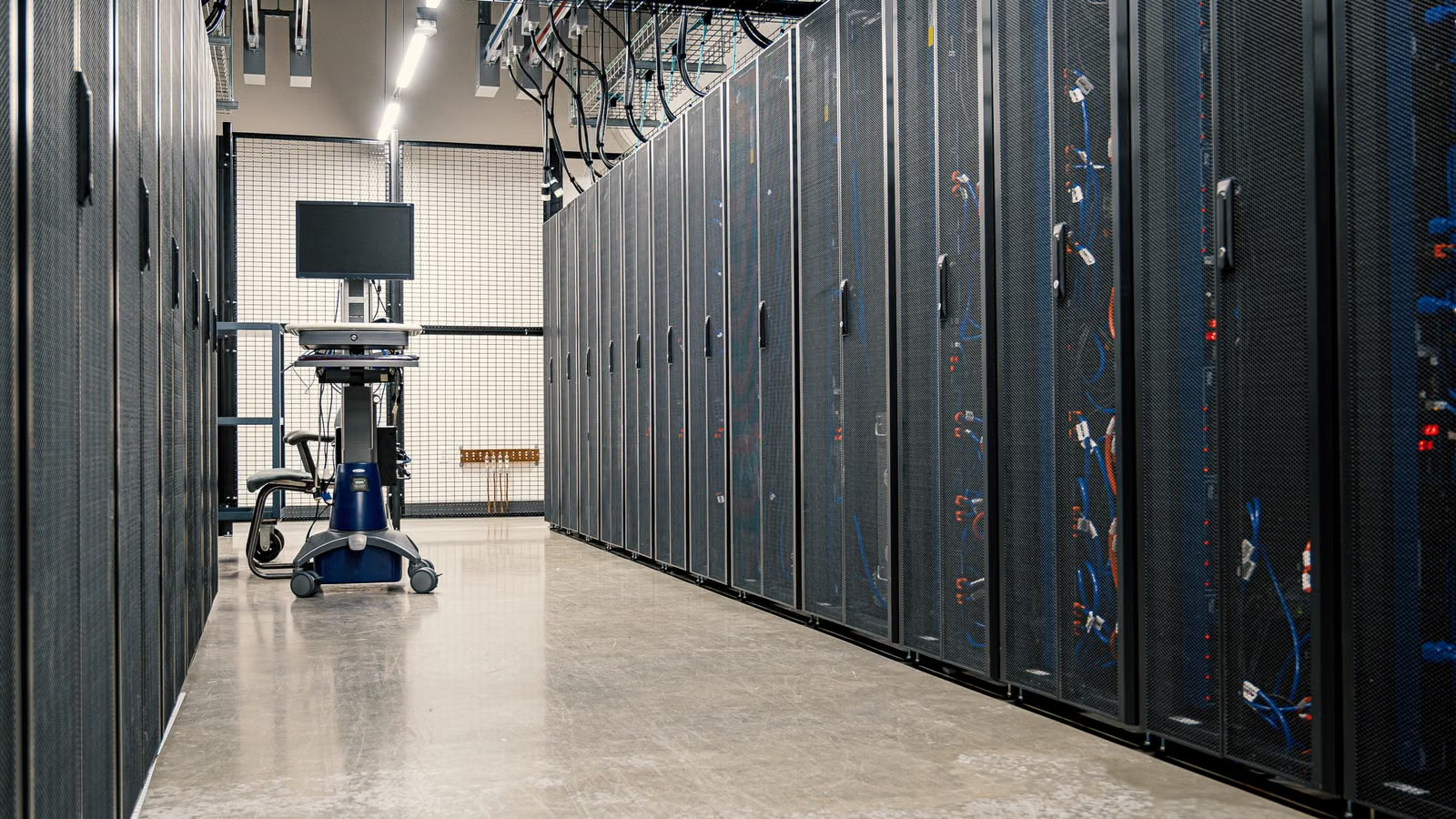
U.S. storage stocks should first be classified by business position, rather than putting MU, SNDK, WDC, STX, PSTG, and NTAP into the same basket. MU is an integrated memory chip stock. SNDK is more focused on Flash/NAND. WDC and STX are more focused on HDD capacity storage. PSTG and NTAP are closer to enterprise storage platforms and data management. Different categories have different share price drivers and risks.
| Category | Representative Stocks | Core Business | AI Demand Logic | Main Risks |
|---|---|---|---|---|
| Memory chips | MU | DRAM, NAND, HBM, SSDs | AI memory, enterprise SSDs, data center demand | Storage cycle, margin volatility |
| Flash/NAND | SNDK | Flash, NAND, storage products | Enterprise flash, high-capacity data center storage | NAND pricing cycle |
| HDD capacity storage | WDC, STX | Nearline HDDs, enterprise capacity drives | AI data lakes, object storage, long-term archives | Cloud customer procurement volatility |
| All-flash platform | PSTG | FlashArray, FlashBlade, data platform | Enterprise AI, low-latency data access | Enterprise IT spending cycle |
| Hybrid cloud data management | NTAP | ONTAP, hybrid cloud, data infrastructure | AI data pipelines, data governance, cross-cloud management | Software subscription and hardware cycle |
SanDisk completed its separation from Western Digital in 2025 and now trades independently on Nasdaq under SNDK. That means SNDK and WDC should no longer be treated as one combined “flash plus hard drive” stock. After the separation, SNDK fits better into the Flash/NAND framework, while WDC fits better into the HDD, nearline HDD, and data center capacity storage framework.
AI has brought attention to different types of storage stocks at the same time because AI data centers do not only buy GPUs. HBM and DRAM are needed near GPUs, SSDs are needed for model loading and inference, HDDs are needed for long-term data retention, and enterprise AI applications need unified management of data spread across on-premises, cloud, and multi-cloud environments. Micron’s COMPUTEX 2026 AI memory and storage portfolio places HBM, DRAM, LPDDR, and SSDs inside the same AI infrastructure framework.
Individual investors often make three mistakes. First, they treat MU, WDC, STX, PSTG, and NTAP as the same type of company. Second, they mistake HDD capacity stocks for HBM memory stocks. Third, they focus only on the AI concept while ignoring revenue structure and cycle position. U.S. storage stocks may all be connected to AI data growth, but they solve different problems: some solve bandwidth, some solve low latency, some solve capacity cost, and some solve enterprise data management.
Summary: U.S. storage stocks must be classified before they are compared. MU is closer to the memory chip cycle. SNDK is closer to the Flash/NAND cycle. WDC and STX are closer to HDD capacity storage. PSTG and NTAP are closer to enterprise data platforms. AI can increase market attention across all these companies, but it does not turn them into the same asset class. When researching this sector, your first step should be identifying what the company sells, your second step should be identifying who its customers are, your third step should be checking whether revenue is truly driven by AI data center demand, and your final step should be judging whether valuation is reasonable.
What Type of U.S. Storage Stock Is Micron? How to Read DRAM, NAND, and HBM
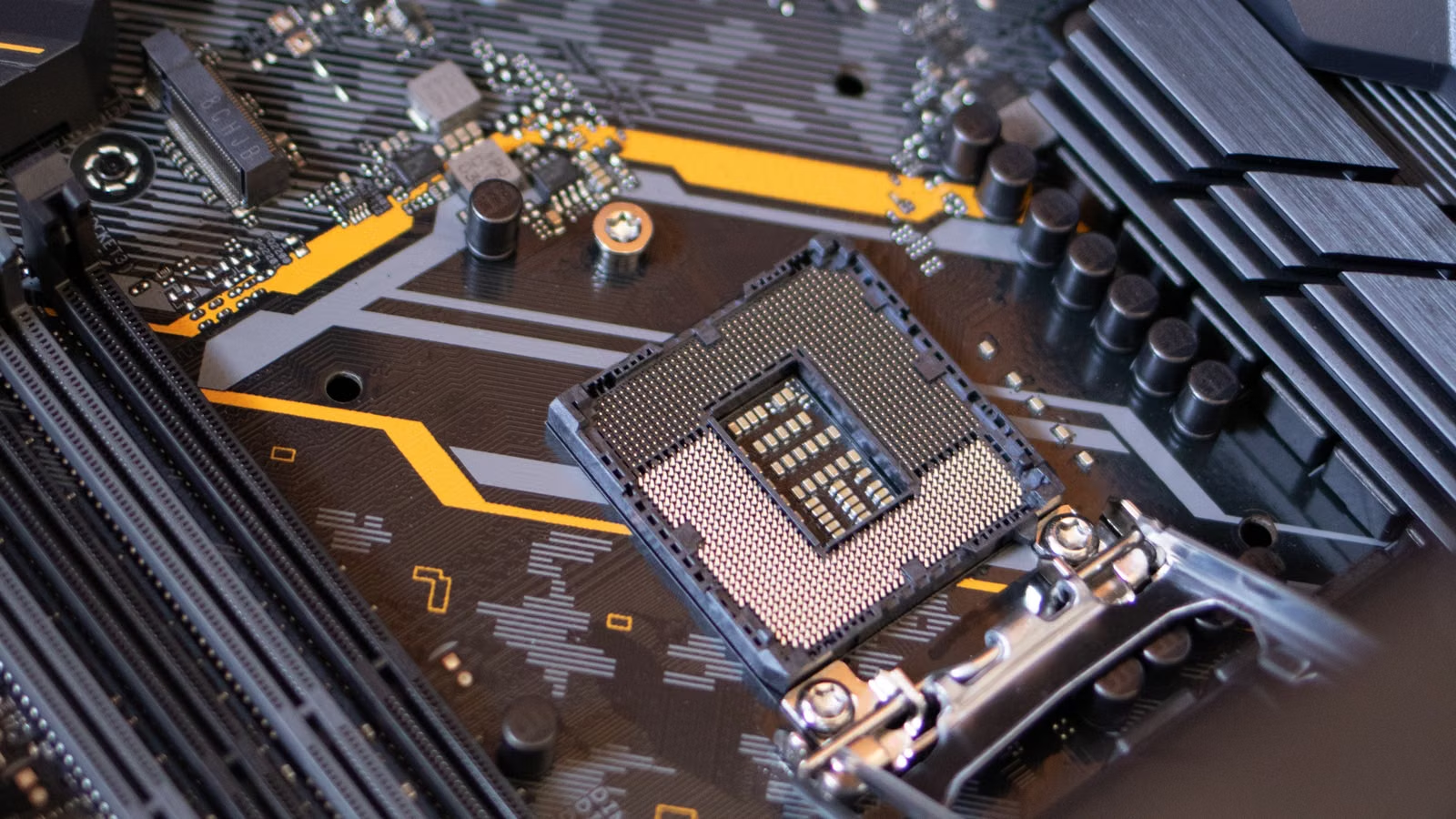
Micron, or MU, is one of the most typical integrated memory chip stocks in the U.S. market. It covers DRAM, NAND, HBM, and SSDs. It benefits from AI data center demand, but it is also exposed to the traditional storage cycle. When analyzing MU, you should not only look at the phrase “AI memory.” You also need to follow DRAM/NAND pricing, HBM progress, data center revenue, inventory, and gross margin.
| MU Business Layer | Technology | AI Demand Logic | Key Indicators |
|---|---|---|---|
| System memory | DRAM, DDR | AI server and data center memory demand | DRAM ASP, bit shipment |
| High-bandwidth memory | HBM | GPUs and AI accelerators need high-bandwidth data supply | HBM revenue, yield, customer qualification |
| Flash memory | NAND | Enterprise SSDs and data center storage | NAND ASP, inventory |
| High-speed storage | SSDs | Model loading, caching, low-latency inference | Enterprise SSD revenue |
| Overall financials | Multi-business portfolio | AI demand can improve product mix | Gross margin, capex, cash flow |
HBM is one of the most important AI keywords for MU. AI training and high-performance inference require large volumes of parameters, activations, and cache data to be continuously delivered close to the GPU. The value of HBM lies in high bandwidth, low latency, and proximity to compute units. Micron has disclosed that its HBM4 has entered high-volume production and is designed for NVIDIA’s Vera Rubin platform. This type of information directly affects how the market evaluates MU’s position in AI memory.
MU’s AI logic is not limited to HBM. Micron’s strategic agreement with Anthropic covers memory and storage products, showing that frontier AI companies are paying more direct attention to the relationship between memory, storage, and model training efficiency. For investors, this type of partnership helps validate AI customer demand, but it still needs to be followed through revenue recognition, margins, and capacity execution.
When following MU, you can focus on these indicators:
- HBM revenue or HBM revenue mix;
- DRAM ASP and NAND ASP;
- Data center revenue;
- Enterprise SSD growth;
- Gross margin;
- Inventory days;
- Capex;
- Long-term supply agreements;
- Customer concentration and order timing.
The risks for MU are also clear. The storage industry is highly cyclical. Rising prices can improve profitability, while capacity expansion and rising inventory can pressure gross margin in the opposite direction. HBM has high technical barriers, but it is still affected by customer qualification, yield, advanced packaging, and major customer purchasing schedules. If the stock price has already priced in several years of optimistic expectations, even a modest earnings miss can lead to significant volatility.
Summary: MU is the clearest integrated memory chip representative among U.S. storage stocks, with exposure to DRAM, NAND, HBM, and SSDs. Its AI leverage mainly comes from HBM, data center memory, and enterprise SSDs. But it is not a pure AI stock. It is still affected by storage pricing cycles, inventory, capex, and gross margin. When researching MU, you should connect the AI narrative with financial indicators. If HBM orders, data center revenue, and margins improve together, the thesis becomes stronger. If the stock rises while financial delivery remains weak, risk increases.
How Should SNDK, WDC, and STX Be Classified? Business Differences Between SanDisk, Western Digital, and Seagate
SNDK, WDC, and STX are all related to storage, but their business logic is very different. SNDK is more focused on Flash/NAND and flash storage products. WDC is more focused on HDDs and data center capacity storage. STX is a leading HDD and enterprise capacity drive company. You should not treat them as the same type of storage stock just because they all receive attention from AI data center demand.
SNDK Is More Flash/NAND, While WDC Is More HDD
After SanDisk became independent, SNDK is better analyzed within a Flash/NAND framework. Its core issues are NAND pricing, data center flash demand, enterprise storage product mix, and gross margin. Reuters coverage of SanDisk’s data center business noted clear growth in the company’s Datacenter segment, showing how AI and high-capacity flash demand are changing market attention toward SNDK.
WDC is now more focused on HDDs and data center capacity storage. Western Digital’s 2026 revenue outlook came in above market expectations, and Reuters connected this with AI storage demand, citing demand for high-capacity data storage. After separating its flash business, WDC has a clearer business label: it is no longer a “flash plus hard drive” hybrid, but more of a capacity supplier for long-term AI data retention and nearline HDDs.
| Company | Category | Core Business | AI Demand Point | Key Risk |
|---|---|---|---|---|
| SNDK | Flash/NAND | Flash, NAND, storage products | Data center flash, high-capacity flash | NAND pricing cycle |
| WDC | HDD capacity storage | Nearline HDDs, data center hard drives | AI data lakes, object storage | Cloud customer procurement timing |
| STX | Enterprise HDD capacity | Exos, enterprise capacity drives, NAS/video intelligence drives | Large-scale data retention, long-term archives | HDD supply-demand cycle |
STX Is an HDD Capacity Storage Stock, Not a Storage Chip Company
Seagate, or STX, is not a storage chip stock in the strict sense. It is an HDD and enterprise capacity storage company. It is included in AI storage watchlists because AI data centers continuously accumulate training data, logs, images, videos, generated content, and object storage demand. Seagate’s 32TB Exos, SkyHawk AI, and IronWolf Pro target large-scale data centers, video intelligence, NAS, and related scenarios, showing that HDDs are still moving toward higher capacities.
The key indicators for HDD stocks are completely different from those for MU. When analyzing STX and WDC, you should focus on nearline HDD shipments, exabyte shipments, average capacity per drive, cloud/data center revenue, gross margin, multi-year agreements, and cost per TB. The advantage of HDDs is not speed. It is large capacity, lower cost, and long-term data retention. Hot data may be better suited for SSDs, but warm data, cold data, archives, and large-scale object storage still need HDDs.
The risks should not be ignored. Cloud provider capex may fluctuate. Some orders may be pulled forward. SSDs may replace some hot-data workloads. Stock prices may also rise ahead of actual AI storage revenue. If nearline HDD shipments, margins, and long-term contracts do not continue to materialize, the AI data growth story alone may not be enough to support long-term valuation.
Summary: SNDK, WDC, and STX are all storage-related stocks, but they should not be grouped as the same type of company. SNDK is more tied to NAND and the flash cycle. WDC is more tied to HDD data center capacity demand. STX is more tied to enterprise capacity drives and nearline HDD shipments. AI data centers do increase demand for both high-speed flash and large-capacity hard drives, but the two logics are different. Flash is more about speed and enterprise product mix, while HDD is more about capacity, cost, and cloud customer orders. When comparing these three stocks, first separate the Flash pricing cycle from the HDD capacity cycle.
What Type of Companies Are Pure Storage and NetApp? Understanding Enterprise Storage Systems and AI Data Platforms
Pure Storage, or PSTG, and NetApp, or NTAP, are not storage chip companies. They are closer to enterprise storage systems, data management platforms, and hybrid cloud data infrastructure. PSTG is mainly about all-flash platforms and storage as a service. NTAP is mainly about ONTAP, hybrid cloud, and intelligent data infrastructure. Their valuation logic is different from MU, SNDK, WDC, and STX.
PSTG Is More About All-Flash, Storage as a Service, and Enterprise Data Cloud
Pure Storage does not produce NAND components or HDDs. It packages flash, software, services, and enterprise data management into a platform. Its FlashArray, FlashBlade, Evergreen architecture, and storage-as-a-service model are closer to enterprise IT infrastructure modernization. Pure Storage introduced Enterprise Data Cloud in 2025, positioning it around helping customers manage data rather than managing the underlying storage devices.
AI affects PSTG mainly through enterprise AI and high-performance data access. When enterprises build RAG systems, agents, semantic search, video analytics, and internal knowledge bases, they need to deliver distributed data to models quickly, securely, and with governance. Pure Storage’s combination with NVIDIA AI-ready infrastructure also shows that enterprise storage platforms are entering AI infrastructure discussions.
NTAP Is More About Hybrid Cloud Data Management and Intelligent Data Infrastructure
NetApp’s logic is closer to “data infrastructure.” It is not a chip stock, nor is it a traditional single-product hardware company. It provides products around ONTAP, hybrid cloud, data protection, governance, security, and enterprise AI data pipelines. NetApp’s AFX targets hybrid multi-cloud AI data pipelines and emphasizes a unified data foundation, enterprise data management, and security. NetApp’s AI Data Engine highlights data efficiency, clarity, and governance from data preparation to GenAI application deployment.
Therefore, the risks for PSTG and NTAP are different from those for chip stocks. MU is mainly about HBM, DRAM/NAND pricing, and margins. WDC and STX are mainly about HDD capacity and cloud customer orders. PSTG and NTAP require more attention to enterprise IT spending, subscription revenue, platform transition, customer renewal, ARR, free cash flow, and valuation framework. If the market values them like software stocks while their revenue delivery behaves more like a hardware-plus-subscription model, stock volatility can increase.
| Company | Business Layer | AI Logic | Financial Indicators | Main Risks |
|---|---|---|---|---|
| PSTG | All-flash platform, enterprise data cloud | Enterprise AI, low-latency data access | Subscription revenue, ARR, gross margin | Enterprise IT spending, valuation debate |
| NTAP | Hybrid cloud data management | AI data pipelines, data governance | Software revenue, cloud revenue, cash flow | Transition execution, cloud competition |
| MU | Memory chips | HBM, DRAM, SSDs | HBM revenue, ASP, margins | Storage cycle |
| WDC/STX | HDD capacity storage | Data lakes, object storage | Nearline HDDs, exabyte shipments | Cloud procurement cycle |
Summary: PSTG and NTAP are better viewed within the enterprise AI data infrastructure framework, not as storage chip cycle stocks. Their value lies in helping enterprises unify, protect, access, and manage data, especially as AI workloads move from pilots into production and require better data governance. But they are not direct HBM, NAND, or HDD suppliers. Analysis should therefore focus on enterprise IT spending, subscription revenue, platform capabilities, free cash flow, and valuation assumptions, rather than applying the same cycle framework used for MU, SNDK, WDC, and STX.
How to Compare U.S. Storage Stocks: AI Leverage, Cycle Elasticity, and Financial Metrics
To compare U.S. storage stocks, you can use a four-part framework: business layer, earnings delivery, cycle stage, and valuation. MU should be analyzed through HBM, DRAM, NAND, and data center revenue. SNDK should be analyzed through Flash/NAND pricing and data center flash demand. WDC and STX should be analyzed through nearline HDDs and cloud customer orders. PSTG and NTAP should be analyzed through enterprise AI data platforms, subscription revenue, and enterprise IT spending.
Start by building a watchlist by business layer:
| Stock | Category | Core Business | AI Demand Logic | Key Financial Metrics |
|---|---|---|---|---|
| MU | Memory chips | DRAM, NAND, HBM, SSDs | AI memory and enterprise SSDs | HBM revenue, DRAM/NAND ASP |
| SNDK | Flash/NAND | Flash and storage products | Data center flash demand | Datacenter segment, NAND pricing |
| WDC | HDD capacity | Nearline HDDs | AI high-capacity storage | Cloud/data center revenue |
| STX | HDD capacity | Enterprise capacity drives | Long-term data retention | Exabyte shipment, gross margin |
| PSTG | All-flash platform | FlashArray, FlashBlade, data cloud | Enterprise AI data access | ARR, subscription revenue |
| NTAP | Hybrid cloud data management | ONTAP, AI Data Engine | AI data pipelines and governance | Cloud revenue, software revenue, cash flow |
Next, check whether AI demand has entered financial results. AI concepts are easy to discuss, but they eventually need to show up in revenue and profit. For MU, the thesis becomes stronger if HBM revenue and data center revenue rise while gross margin improves. For SNDK, a rising data center flash mix can show business structure improvement. For WDC and STX, higher nearline HDD shipments and average capacity can indicate real cloud customer demand. For PSTG and NTAP, growth in subscription revenue, ARR, and enterprise AI solutions can support the platform transition.
Finally, examine whether valuation has already priced in too much optimism. Storage is not a linear-growth industry, and AI demand does not mean profits will rise forever. HBM may face capacity expansion, NAND may return to oversupply, HDDs may face volatility in cloud customer procurement, and enterprise storage systems may be affected by IT budgets. Different companies also use different valuation frameworks. MU should not be directly compared with PSTG using the same multiple, and WDC/STX should not be priced the same way as NTAP simply because all are labeled “AI storage.”
You can use a simple checklist to judge whether a U.S. storage stock is overheated:
- Has the share price risen much faster than revenue and profit delivery?
- Is data center revenue actually growing?
- Are gross margins improving at the same time?
- Is inventory falling?
- Are orders coming from long-term customers rather than short-term pull-ins?
- Is valuation above its historical range?
- Is the company overly dependent on a single AI narrative?
- Is management guidance still strong, or has it started to cool?
Summary: When comparing U.S. storage stocks, do not only ask “which one is an AI storage stock.” Ask where each company actually makes money. MU is about memory chips and HBM. SNDK is about Flash/NAND. WDC and STX are about the HDD capacity cycle. PSTG and NTAP are about enterprise data platforms and hybrid cloud. Only by combining business layer, earnings delivery, cycle stage, and valuation can you tell whether a stock is improving fundamentally or merely being lifted by the AI theme.
How Can Individual Investors Follow U.S. Storage Stocks? Watchlist, ETFs, and Trading Costs
For individual investors, the most practical way to follow U.S. storage stocks is to build a categorized watchlist first, then gradually track earnings, industry pricing, orders, and valuation. Do not mix MU, SNDK, WDC, STX, PSTG, and NTAP into one identical stock group, and do not use a single AI narrative to explain every move. Research should start with classification, not price performance.
| Category | Representative Names | Suitable For | Main Risks |
|---|---|---|---|
| Integrated memory chips | MU | Investors watching HBM, DRAM, NAND cycles | Storage pricing reversal |
| Flash/NAND | SNDK | Investors following flash and enterprise storage | NAND supply-demand shifts |
| HDD capacity | WDC, STX | Investors following AI data lakes and cloud storage | Cloud procurement volatility |
| Enterprise data platform | PSTG, NTAP | Investors following enterprise AI data infrastructure | IT spending and platform transition |
| Extended names | MRVL, AVGO, DELL, HPE, SMCI, BLZE | Investors following the data center ecosystem | Impure exposure, valuation debate |
| ETFs | Semiconductor ETFs, AI infrastructure ETFs, cloud ETFs | Investors seeking diversification | Less precise exposure |
Beginners can follow a five-step research process: classify the stock first, then look at revenue mix, read the latest earnings report, check industry pricing and order trends, and finally evaluate valuation, trading costs, and position size. Do not assume the entire storage sector is undervalued just because one storage stock rises. Do not ignore storage cyclicality just because AI data center demand is strong.
If you follow U.S. storage stocks such as MU, SNDK, WDC, STX, PSTG, and NTAP, you should also consider actual trading costs before placing orders. U.S. stock trading costs may include not only commission, but also platform fees, external agency fees, transaction activity fees, fractional-share fees, FX costs, and order types. Biya charges 0 USD commission for U.S. stock trading. Platform fees, external agency fees, and other costs are subject to U.S. stock trading fees and the order page display. Fractional-share order fees should also be based on the actual displayed amount.
You can use U.S. stock search to place MU, SNDK, WDC, STX, PSTG, and NTAP into a watchlist and classify them by “chips, Flash, HDD, and enterprise storage systems.” For users who follow U.S. stocks, Hong Kong stocks, ETFs, and digital assets at the same time, Biya can also be used for multi-asset trading, bill records, and account cost review.
Service availability depends on the user’s location, identity verification results, platform rules, and applicable laws and regulations. The information above introduces public market information, industry logic, and fee structures only, and does not constitute investment advice. Before any trade, you should check order types, fee details, FX costs, tax rules, and your own risk tolerance.
Summary: Individual investors researching U.S. storage stocks should look not only at direction, but also at costs, rules, and risk tolerance. The opportunity in storage stocks comes from AI data growth, data center expansion, and enterprise data management demand. But actual returns also depend on entry price, earnings delivery, cycle stage, fee structure, and position sizing. Reviewing company classification, financial indicators, trading records, and fee details together is more useful than simply chasing popular themes.
If you plan to track U.S. storage stocks over the long term, you can turn your research into a routine: update stock categories, earnings data, valuation ranges, order changes, and trading costs every quarter. Using the Biya App to record watchlists, trading bills, FX costs, and multi-asset position changes can help you review industry-chain judgments together with actual account results. U.S. storage stocks have a long-term AI data growth logic, but they also face storage cycles, enterprise IT spending cycles, and valuation volatility. A more rational approach is not to chase every rally, but to decide whether to participate after understanding the business, costs, and risks.
FAQ
What Is the Difference Between U.S. Storage Stocks and Storage Chip Stocks?
U.S. storage stocks are broader and include companies such as MU, SNDK, WDC, STX, PSTG, and NTAP. Storage chip stocks focus more on semiconductor segments such as DRAM, NAND, and HBM. PSTG and NTAP are closer to enterprise storage systems and data management platforms, so they are not chip stocks.
What Types of U.S. Storage Stocks Are MU, SNDK, WDC, and STX?
MU is an integrated memory chip stock covering DRAM, NAND, HBM, and SSDs. SNDK is more focused on Flash/NAND. WDC is more focused on HDDs and data center capacity storage. STX is more focused on HDDs and enterprise capacity drives. All four are storage-related, but their business logic is different.
Are Pure Storage and NetApp AI Storage Chip Companies?
Pure Storage and NetApp are not AI storage chip companies. PSTG is more focused on all-flash platforms, storage as a service, and enterprise data cloud. NTAP is more focused on hybrid cloud data management and intelligent data infrastructure. Their risks are closer to enterprise IT spending and platform transition.
Why Are U.S. HDD Storage Stocks Affected by AI Data Centers?
U.S. HDD storage stocks are affected by AI data centers because AI generates large amounts of training data, logs, videos, images, and object storage demand. HDDs are suitable for long-term, large-capacity, lower-cost data retention, so WDC and STX are often included in AI storage watchlists.
How Can Beginners Tell Whether U.S. Storage Stocks Are Overheated?
Beginners can look at share price gains, valuation, earnings delivery, data center revenue, HBM/NAND/HDD shipments, gross margin, inventory, and customer orders. If share prices rise much faster than revenue and profit delivery, the market may have already priced in a high level of optimism.
What Trading Costs Should Investors Check Before Buying U.S. Storage Stocks?
Before buying U.S. storage stocks, investors should check commissions, platform fees, external agency fees, transaction activity fees, fractional-share fees, FX costs, and tax rules. Fee structures vary by platform, and actual costs should be based on the order page, account statements, and local regulatory requirements.
*This article is provided for general information purposes and does not constitute legal, tax or other professional advice from BiyaPay or its subsidiaries and its affiliates, and it is not intended as a substitute for obtaining advice from a financial advisor or any other professional.
We make no representations, warranties or warranties, express or implied, as to the accuracy, completeness or timeliness of the contents of this publication.
Related Blogs of

How Do AI Servers Drive Storage Demand? The Roles of HBM, Server DRAM, Enterprise SSDs, and HDDs


Why Does AI Compute Growth Drive Storage Demand? The Difference Between Training, Inference, and Data Retention


How Should SSDs and HDDs Work Together in AI Data Centers? Performance, Capacity, Cost, and Hot vs. Cold Data Compared

Is SMIC 0981.HK a Memory Chip Stock? The Relationship Between Foundry Manufacturing and the Memory Supply Chain

Choose Country or Region to Read Local Blog
 Australia
 Austria
 Belgium
 Canada
 Cyprus
 Czech Republic
 Denmark
 Estonia
 Finland
 France
 Germany
 Greece
 Hong Kong
 India
India Indonesia
 Ireland
 Italy
Italy Japan
Japan Latvia
 Lithuania
 Luxembourg
 Malaysia
 Malta
Malta Morocco
 Nepal
Nepal Netherlands
 New Zealand
 Norway
 Pakistan
 Philippines
 Poland
 Portugal
 Romania
 Singapore
 Slovakia
 Slovenia
 South Africa
 South Korea
 Spain
Spain Sweden
 Thailand
 The United States
 Turkey
 United Arab Emirates
 United Kingdom
 Vietnam
Contact Us




BIYA GLOBAL LLC is registered with the Financial Crimes Enforcement Network (FinCEN), an agency under the U.S. Department of the Treasury, as a Money Services Business (MSB), with registration number 31000218637349, and regulated by the Financial Crimes Enforcement Network (FinCEN).
BIYA GLOBAL LIMITED is a registered Financial Service Provider (FSP) in New Zealand, with registration number FSP1007221, and is also a registered member of the Financial Services Complaints Limited (FSCL), an independent dispute resolution scheme in New Zealand.