
Why Are Cross-Border Transfers Flagged by Risk Control? Common Reasons, Required Documents, and Steps to Resolve It




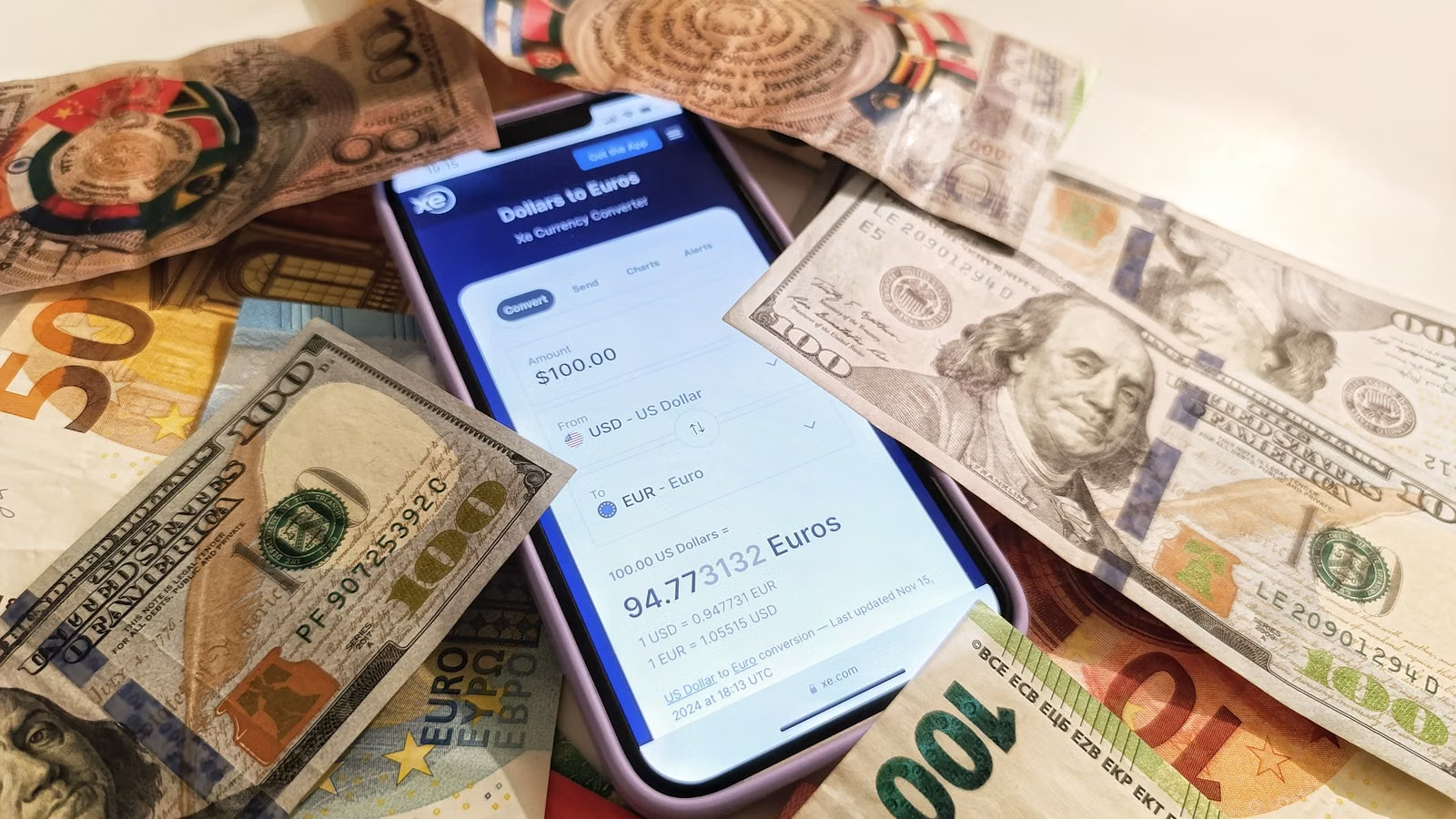
When a cross-border transfer is flagged by risk control, it does not necessarily mean the funds are problematic. In most cases, the bank, remittance platform, or receiving institution needs to verify whether the transaction is genuine, lawful, and supported by complete information. Common triggers include unusual transfer amounts, changed transfer frequency, inconsistent recipient details, unclear source of funds, vague transaction purpose, high-risk jurisdictions, or sanctions screening. When this happens, the priority is not to keep retrying the transfer, but to confirm the transaction status and submit identity, address, source-of-funds, transaction-purpose, and recipient-relationship documents as required.
Key Takeaways
- Cross-border transfer risk control is a compliance review, not proof of wrongdoing.
- Unusual amounts, vague purposes, and incorrect details may trigger checks.
- Documents should explain where the money came from, why it is being sent, and who receives it.
- When asked for documents, submit clear files through official channels only.
- Do not repeatedly split or retry transfers after a return; confirm the real reason first.
- Review standards vary by country and platform, so actual platform notices prevail.
What Does It Mean When a Cross-Border Transfer Is Flagged by Risk Control?

When a cross-border transfer is flagged by risk control, it means the transaction has entered a system or manual review process. The platform needs to verify whether the sender, recipient, source of funds, transfer purpose, and payment route comply with applicable rules. It may appear as pending, under review, on hold, additional information needed, returned, or account restricted. Risk control does not necessarily mean the transfer has failed, nor does it mean the transaction is unlawful. It is more like a compliance checkpoint.
Cross-border transfers are more likely to trigger reviews than domestic transfers because they usually involve a sending bank, intermediary bank, receiving bank, clearing network, foreign exchange conversion, and regulatory requirements across different jurisdictions. FATF’s updated Recommendation 16 in 2025 emphasizes improving the transparency of information attached to cross-border payments to reduce fraud, errors, and financial crime risks. The EU’s Regulation (EU) 2023/1113 also requires transfers of funds and certain crypto-asset transfers to include payer and payee information.
You can first classify common statuses into three types:
| Status | Common Meaning | What You Should Do First |
|---|---|---|
| Under review | The transaction is being checked by the system or manually | Check the notice, wait, or provide documents |
| Additional information needed | The platform needs identity, purpose, or source-of-funds documents | Submit the required documents |
| Returned or failed | Details may be incorrect, rules may restrict the transfer, or the receiving bank may reject it | Confirm the reason before resending |
The U.S. FFIEC’s funds transfer recordkeeping requirements also show that fund transfers often involve records such as the sender’s name, address, amount, date, receiving institution, recipient name, and account number. In other words, cross-border transfers are not only about whether the money has been sent, but also whether the information chain is complete and traceable.
Key takeaway: A cross-border transfer risk review is essentially a check on whether the person, money, purpose, route, and information match. You should first determine whether the transaction is temporarily under review, requires additional documents, has failed at the receiving end, or has already been returned. As long as the platform has not clearly rejected the transaction, the funds are usually still somewhere in the processing chain. The right approach is to keep the transaction reference number, transfer receipt, and notice, then provide the requested documents instead of immediately retrying or splitting the transfer into multiple payments.
Why Are Cross-Border Transfers Flagged? Common Reasons Explained

The most common reasons for cross-border transfer risk control can be grouped into five categories: inconsistent identity information, unusual transaction amount, unclear source of funds, vague transfer purpose, and risky payment routes or counterparties. If any one of these factors cannot be clearly explained, the bank or platform may ask for additional documents, pause the transaction, reject it, or return the funds.
The first category is inconsistent information. Examples include mismatched English name spelling, using a company name for a personal account, incorrect IBAN or SWIFT/BIC, a routing number that does not match the bank type, or a recipient account that does not support the transfer currency. Wise explains that incorrect recipient name or account information may cause the receiving bank to reject or return the funds.
The second category is unusual transaction behavior. For example, a newly opened account immediately sends a large cross-border transfer; an account that normally only handles small consumer payments suddenly sends multiple international payments; or the user frequently changes recipients, countries, currencies, and payment methods within a short period. PayPal’s explanation of withdrawal review mentions that payments larger than usual and logins from insecure networks may trigger additional review.
The third category is unclear source of funds or transaction purpose. Wise explains that source of funds may be required for large transfers because it is a regulatory requirement. Western Union also states under Additional info needed that it may need to understand why a customer is using the service and the customer’s relationship with the transaction counterparty.
Common triggers can be checked as follows:
| Trigger | What the Platform May Care About | What You Should Prepare |
|---|---|---|
| Name or account mismatch | Whether the recipient is real and the account matches | Recipient account proof and bank details |
| Amount is significantly larger | Whether the amount matches your income or assets | Bank statements, payslips, investment records |
| Vague transaction purpose | Whether the transaction purpose can be explained | Invoice, contract, tuition bill, brokerage deposit instructions |
| Third-party payment | Whether the sender-beneficiary relationship is clear | Relationship proof, explanation letter, fund-flow records |
| Sensitive jurisdiction or counterparty | Whether sanctions or high-risk screening applies | Compliance explanation and counterparty information |
The fourth category is sanctions and high-risk screening. OFAC rules on blocked persons state that U.S. persons are generally prohibited from dealing with blocked persons. Financial institutions conduct list and jurisdiction screening in cross-border payments. You may not know how an intermediary bank makes its judgment, but if the counterparty, company name, bank location, or payment remarks trigger screening, the transfer may be delayed.
Key takeaway: Cross-border transfer reviews are not random. They are triggered by overlapping risk signals. Name, account number, currency, amount, frequency, purpose, source of funds, recipient relationship, country or region, and sanctions lists can all affect the review result. The key to reducing risk is not splitting the amount into smaller pieces, but making the transaction chain more transparent: who is paying, where the money came from, why it is being sent, who receives it, and whether the recipient account matches.
What Documents Do Banks and Payment Platforms Usually Require?
When you are asked to submit documents for a cross-border transfer, the goal is not to upload as many files as possible. The goal is to prove that the transaction is genuine, the source of funds is reasonable, and the recipient relationship is clear. Common documents include proof of identity, proof of address, source-of-funds proof, source-of-wealth proof, transaction-purpose proof, and recipient-relationship proof. The more closely the files match the specific transaction, the easier it is for the review to move forward.
Proof of identity usually includes a passport, national ID card, residence permit, or driver’s license. Proof of address may include utility bills, bank statements, tax documents, government letters, or tenancy agreements. HSBC Safeguard states that customers may need to provide documents such as a passport, NRIC, and proof of current residential address to confirm customer information and related account relationships.
Source of funds and source of wealth are often confused. Source of funds means where this specific sum of money directly came from, such as salary, savings, investment sale proceeds, property sale proceeds, loans, gifts, or insurance payouts. Source of wealth means how long-term assets were accumulated, such as employment income, company dividends, investment growth, inheritance, or property appreciation. AUSTRAC’s explanation of source of funds and source of wealth lists documents such as bank statements, payslips, tax returns, wills, court documents, loan agreements, investment income statements, sale agreements, and gift letters.
Different transfer purposes may require different materials:
| Transfer Purpose | Recommended Documents |
|---|---|
| Tuition payment | Admission letter, tuition invoice, school payment details |
| Investment funding | Brokerage account details, same-name account proof, deposit instructions |
| Property payment | Purchase agreement, lawyer letter, deposit notice |
| Family support | Family relationship proof, explanation letter, recipient identity documents |
| Trade payment | Contract, invoice, order record, logistics document |
| Salary or savings transfer | Payslips, employer letter, bank statements, tax documents |
Revolut’s explanation of source of funds verification also lists categories such as tax documents, payslips, inheritance, gifts, and transfer proof. Wise’s large transfer documents further notes that if funds come from a loan or third-party funding, documents usually need to show the date, amount, parties’ names, addresses, signatures, and loan purpose.
Key takeaway: The purpose of required documents is to build a complete explanation of the transaction. Proof of identity answers “who you are.” Proof of address answers “where you are.” Source-of-funds proof answers “where the money came from.” Purpose documents answer “why the money is being sent.” Recipient-relationship proof answers “who receives the money.” Before submitting, check whether the name, amount, currency, date, and account details match. Avoid blurry screenshots, missing pages, expired documents, or materials unrelated to the transaction.
What Should You Do After a Cross-Border Transfer Is Flagged?
When a cross-border transfer is flagged, the safest order is to check the status first, verify all details, prepare the documents, and submit them through official channels. Do not keep resending the transfer when the reason is unclear. Do not temporarily change the recipient, switch accounts, or split the amount in an attempt to “bypass review.” These actions may make the account behavior look more unusual and increase the difficulty of future reviews.
You can follow this process:
- Check the transaction status Confirm whether it is pending, under review, on hold, returned, cancelled, or account restricted. Different statuses require different responses. Do not assume the transfer has failed simply because it has not arrived.
- Verify all transfer fields Focus on the recipient name, bank account number, SWIFT/BIC, IBAN, routing number, bank address, intermediary bank, currency, reference code, and payment remarks. The BSA/AML manual’s description of funds transfer risks also shows that sending banks, intermediary banks, and receiving banks play different roles in the fund-transfer chain.
- Submit the requested documents If the platform asks for source of funds, submit documents that explain the origin of the amount. If it asks for purpose, submit contracts, bills, deposit instructions, or relationship explanations. If it asks for identity, submit valid ID and address proof. Do not upload a large number of unrelated files.
- Communicate only through official channels Submit documents through the bank app, registered email, platform inbox, or official customer service phone number. Do not click unknown links in text messages. Do not send your ID documents or bank statements to unofficial support contacts.
- Keep complete records Save the transaction reference number, transfer receipt, platform notice, customer service record, return proof, and document-submission screenshots. These may be useful for appeals, resending the transfer, or explaining the case to the recipient.
During the process, the most important principle is relevance. If the platform asks about salary income, an investment account screenshot alone may not be enough. If it asks about the recipient relationship, bank statements alone may not be sufficient. If the issue is an account-name mismatch, you may need the recipient institution or bank to provide account proof. PayPal’s explanation of funds availability mentions that account activity or changes in selling patterns may affect fund availability, showing that platforms look at the broader behavior context, not only the amount of a single transaction.
If the transaction has already been returned, do not immediately resend the same incorrect information. First confirm why it was returned: wrong account number, wrong name, unsupported currency, missing payment reference, receiving bank rejection, or failed compliance review. If the issue is incorrect information, correct it before resending. If the issue is failed compliance review, complete the verification first. If the account is restricted, resolve the account status before arranging the next transfer.
Key takeaway: After a cross-border transfer is flagged, the correct process is “confirm status — verify details — prepare documents — submit through official channels — wait for the result.” What truly moves the review forward is clear, complete documentation that matches the transaction, not repeated follow-ups or split-transfer attempts. If the funds are returned, identify the reason first. If the account is restricted, complete identity and source-of-funds verification before making future transfers.
Which Cross-Border Transfer Scenarios Are More Likely to Trigger Risk Control?
The larger the amount, the more complex the route, the more parties involved, and the less common the source of funds, the more likely a cross-border transfer is to trigger risk control. Same-name transfers between personal accounts are usually easier to explain. Third-party payments, mixing business and personal accounts, cash deposits followed by overseas transfers, crypto-asset conversion, investment funding, and property payments usually require a more complete document trail.
Large personal transfers are common. For example, you may send savings to an overseas bank account, brokerage account, school, or property lawyer’s account. The platform may check whether the funds match your income, assets, or account history. Investment funding requires particular attention to the receiving institution name, account name, reference code, and same-name account proof. If you are also considering FX and deposit routes, you can use real-time exchange rates to check currency costs first, then fill in payment details according to the receiving institution’s instructions.
Third-party payments and account mixing are more likely to raise relationship questions. Examples include a friend sending money on your behalf, parents paying for you, a personal account receiving company funds, or a company account paying personal expenses. The problem is not that all third-party payments are automatically prohibited. The issue is that the relationship between the payer, actual funding source, recipient, and final purpose must be clearly explained. Western Union’s money transfer security content also emphasizes that large transfers may require identity verification or additional information to keep transactions secure.
Crypto-asset proceeds and cash sources can also make explanation more difficult. If cash is deposited and immediately transferred overseas, the bank may find it difficult to assess its source. If crypto assets are converted into fiat and then transferred, you may need exchange statements, on-chain records, deposit and withdrawal records, sale records, and tax documents. The EU’s framework placing fund transfers and certain crypto-asset transfer information requirements under the same regulatory structure also shows that cross-border fund-flow traceability is becoming more important.
| Scenario | Risk-Control Focus | What to Prepare |
|---|---|---|
| Own-account transfer | Whether the accounts are under the same name and support the currency | Same-name account proof, bank statements |
| Investment funding | Whether the receiving institution and deposit reference are correct | Brokerage deposit instructions, account proof |
| Tuition or property payment | Whether the purpose is genuine and amount matches | Tuition invoice, contract, lawyer letter |
| Third-party payment | Relationship between payer and recipient | Relationship proof, explanation letter, fund-flow records |
| Crypto-asset conversion | Asset source and transaction records | Exchange statements, sale records, tax documents |
Key takeaway: The more complex a cross-border transfer is, the more important it is to prepare supporting documents in advance. A large amount does not necessarily mean rejection, but the amount, account history, source of funds, recipient, and transfer purpose must be explainable together. For third-party payments, mixed business-personal accounts, cash sources, investment funding, and crypto-asset conversion, do not prepare documents at the last minute. Do not rely on false remarks or nominee recipient accounts to reduce apparent risk. Transparency, truthfulness, and verifiability are the core ways to reduce review friction.
How Can You Reduce the Chance of a Cross-Border Transfer Being Flagged or Returned?
The key to reducing the chance of a cross-border transfer being flagged is not finding ways to bypass review, but making the transaction more transparent. Your sender identity, recipient details, source of funds, transaction purpose, transfer amount, and payment route should be consistent. The better prepared you are, the lower the chance of delays or returns caused by incorrect details, missing documents, or unclear purpose.
Before making a transfer, check these fields:
- Whether the recipient name exactly matches the bank account;
- Whether the SWIFT/BIC, IBAN, or routing number applies to the currency and country;
- Whether the receiving bank address and intermediary bank information are complete;
- Whether the recipient account accepts third-party payments;
- Whether a reference code, remark, or customer number is required;
- Whether the transfer purpose matches the actual documents;
- Whether the amount matches income, savings, or investment-sale records.
If you are not sure about the receiving bank’s identifier, you can use Swift Lookup to check the bank code, then compare it with the details provided by the receiving institution. For cross-border remittances, you can also use Biya to arrange global transfers across multiple countries and local currency payment scenarios. Actual availability still depends on your location, identity verification result, platform rules, and applicable laws and regulations.
You should also avoid several high-risk habits:
| Not Recommended | Possible Issue |
|---|---|
| Repeatedly resending without knowing the reason | May increase abnormal-activity signals |
| Splitting one large transfer into multiple smaller ones | May be interpreted as an attempt to avoid review |
| Using a friend’s account to send or receive funds | Makes the payment relationship harder to explain |
| Writing vague or false payment remarks | Makes review harder if remarks conflict with documents |
| Submitting altered documents | May lead to account restrictions or closure |
If the transfer is for investment funding, you also need to consider consistency between the trading account and the funding account. For example, U.S. stock, Hong Kong stock, or crypto trading may involve different accounts, currencies, and fee structures. Before trading, check the receiving instructions and billing details. Biya’s U.S. stock trading fees can help you understand commission, platform fees, external institution fees, and fractional-share order fees, but all trading and deposit arrangements should be based on actual orders, statements, and local regulatory requirements.
Key takeaway: The core way to reduce the chance of cross-border transfer risk control is to keep transaction information complete, truthful, and consistent. You should verify recipient details in advance, confirm currency and account type, prepare source-of-funds and purpose documents, and avoid split transfers, third-party payments, false remarks, or unofficial document-submission channels. Even with full preparation, cross-border transfers may still be delayed by intermediary banks, sanctions screening, or platform rules. Leave enough processing time and do not schedule payments at the last minute.
If you frequently manage cross-border remittances, FX conversion, brokerage funding, overseas bills, and multi-currency fund records, it is useful to keep the purpose, source, recipient account, and receipts for every fund movement clearly organized. When using a global multi-asset wallet such as Biya, you can manage remittances, USDT conversion into USD or HKD, U.S. and Hong Kong stock trading, crypto trading, and billing records within one fund-management framework. For mobile account and transaction management, you can also use Download App. Service availability depends on your location, identity verification result, platform rules, and applicable laws and regulations. Whether you use a bank, wire transfer, remittance platform, or multi-currency wallet, always follow platform notices, fee details, receiving-institution requirements, and local regulatory rules.
FAQ
Are Funds Safe After a Cross-Border Transfer Is Flagged?
Funds are usually not automatically lost just because a cross-border transfer enters risk review, but they may be temporarily held, delayed, returned, or subject to additional document requests. You should first check the transaction status, transfer reference number, and platform notice to confirm whether the funds are with the sender, platform, intermediary bank, or receiving bank.
What Should I Submit When a Bank Asks for Source-of-Funds Proof?
When a bank asks for source-of-funds proof, you should submit documents that explain the direct origin of the money. Common examples include payslips, bank statements, tax documents, investment sale records, property sale agreements, loan agreements, gift letters, or inheritance documents. The materials should match the transfer amount, date, account, and currency.
Can I Resend a Cross-Border Transfer After It Is Returned?
You can usually resend a cross-border transfer after it is returned, but you should confirm the reason first. If the issue is an incorrect account number, name, currency, or receiving bank detail, correct it before resending. If it involves compliance review, account restriction, or insufficient documents, complete the verification first and avoid immediately splitting the transfer into smaller payments.
Will Every Large Cross-Border Transfer Be Flagged?
Not every large cross-border transfer will be flagged, but large transfers are more likely to trigger additional checks. Review intensity usually depends on the amount, account history, source of funds, transaction purpose, recipient relationship, jurisdictional risk, and platform rules. Preparing documents in advance and leaving enough processing time is safer.
How Should I Write Payment Remarks for a Cross-Border Transfer?
Payment remarks for a cross-border transfer should be truthful, specific, and consistent with the transaction purpose and supporting documents. Depending on the actual case, remarks may refer to tuition, investment funding, family support, property payment, or trade payment. Avoid false, vague, or inconsistent remarks, as they may increase review difficulty.
Can I Use Someone Else’s Account to Receive Funds After a Transfer Is Flagged?
It is not advisable to use someone else’s account to receive funds just to bypass cross-border transfer risk control. Third-party receiving arrangements make the relationship between the payer, actual funding source, recipient, and final purpose more complex, which may trigger stricter review. A safer approach is to provide the requested documents and follow platform and local regulatory requirements.
*This article is provided for general information purposes and does not constitute legal, tax or other professional advice from BiyaPay or its subsidiaries and its affiliates, and it is not intended as a substitute for obtaining advice from a financial advisor or any other professional.
We make no representations, warranties or warranties, express or implied, as to the accuracy, completeness or timeliness of the contents of this publication.
Related Blogs of
International Wire Transfer Time: What Affects Delivery?


Crypto-Related Stocks vs Digital Assets: What Investors Actually Own




Choose Country or Region to Read Local Blog
 Australia
 Austria
 Belgium
 Canada
 Cyprus
 Czech Republic
 Denmark
 Estonia
 Finland
 France
 Germany
 Greece
 Hong Kong
 India
India Indonesia
 Ireland
 Italy
Italy Japan
Japan Latvia
 Lithuania
 Luxembourg
 Malaysia
 Malta
Malta Morocco
 Nepal
Nepal Netherlands
 New Zealand
 Norway
 Pakistan
 Philippines
 Poland
 Portugal
 Romania
 Singapore
 Slovakia
 Slovenia
 South Africa
 South Korea
 Spain
Spain Sweden
 Thailand
 United States
 Turkey
 United Arab Emirates
 United Kingdom
 Vietnam