How to Buy SpaceX After It Goes Public: U.S. Stock Accounts, Order Timing, Limit Orders, and Risk Notes




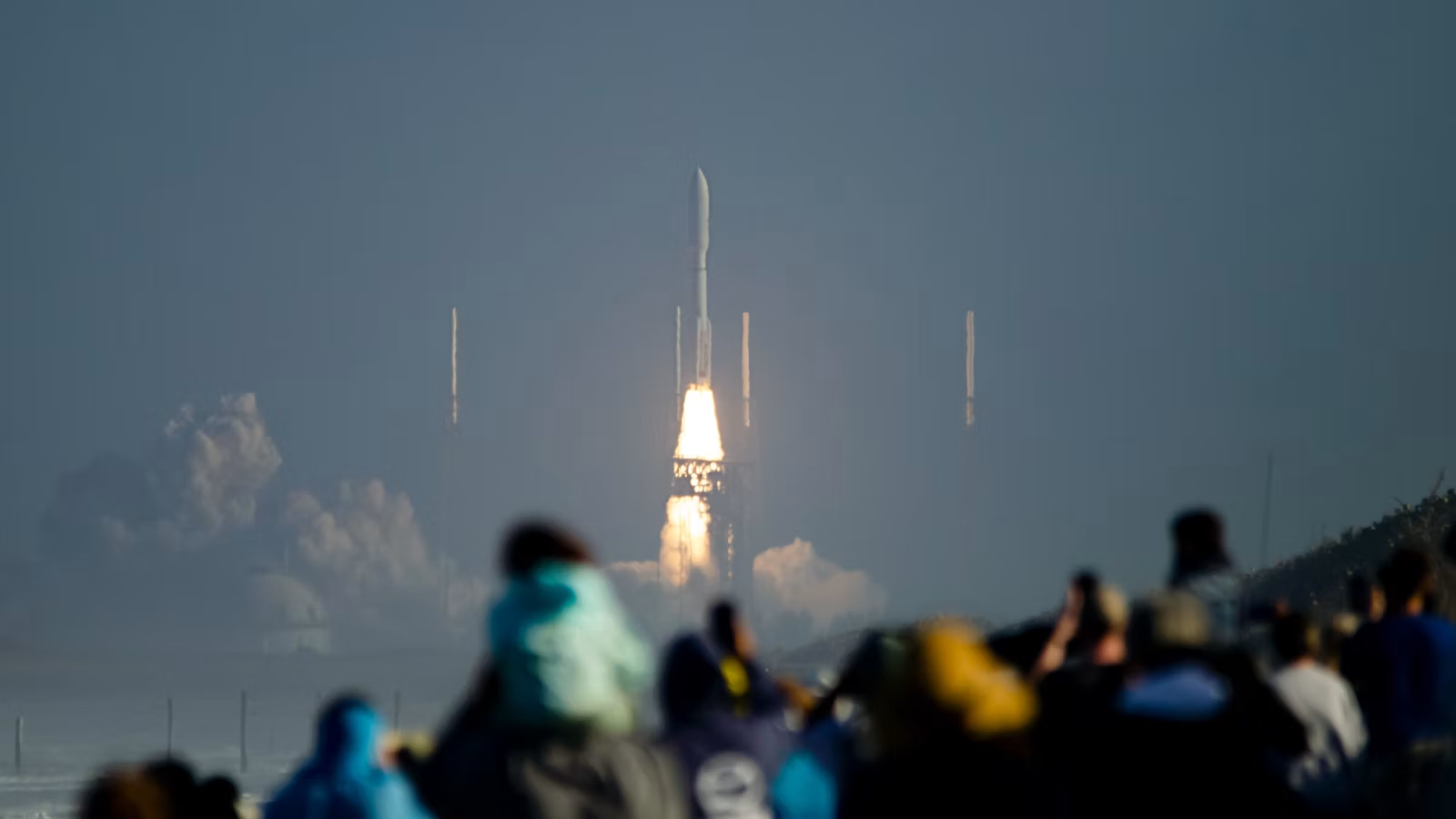
After SpaceX goes public, ordinary investors usually do not buy shares directly from SpaceX. Instead, they use a brokerage account that supports U.S. stock trading, search for the stock ticker SPCX, check the price, order type, available funds, and risks, and then place an order. You need to understand three key points: the IPO offer price is not the same as your execution price, pre-market and after-hours trading do not mean it is easier to make money, and a limit order can help control price but cannot guarantee execution. Popular IPOs often experience sharp price swings in the early stage, so before placing an order, you should check the prospectus, exchange arrangements, broker rules, and fee structure.
Key Takeaways
- After SpaceX lists, investors usually buy SPCX through a U.S. stock account.
- The IPO offer price is only the issuance-stage price, not your actual buy price.
- Regular U.S. trading hours and extended-hours trading have different liquidity and risks.
- Limit orders can control execution price, but they do not guarantee execution.
- Costs include more than commissions, such as platform fees, spreads, and FX costs.
- For a popular IPO, review your position size before deciding whether to buy.
Can Ordinary Investors Buy SpaceX After It Goes Public?
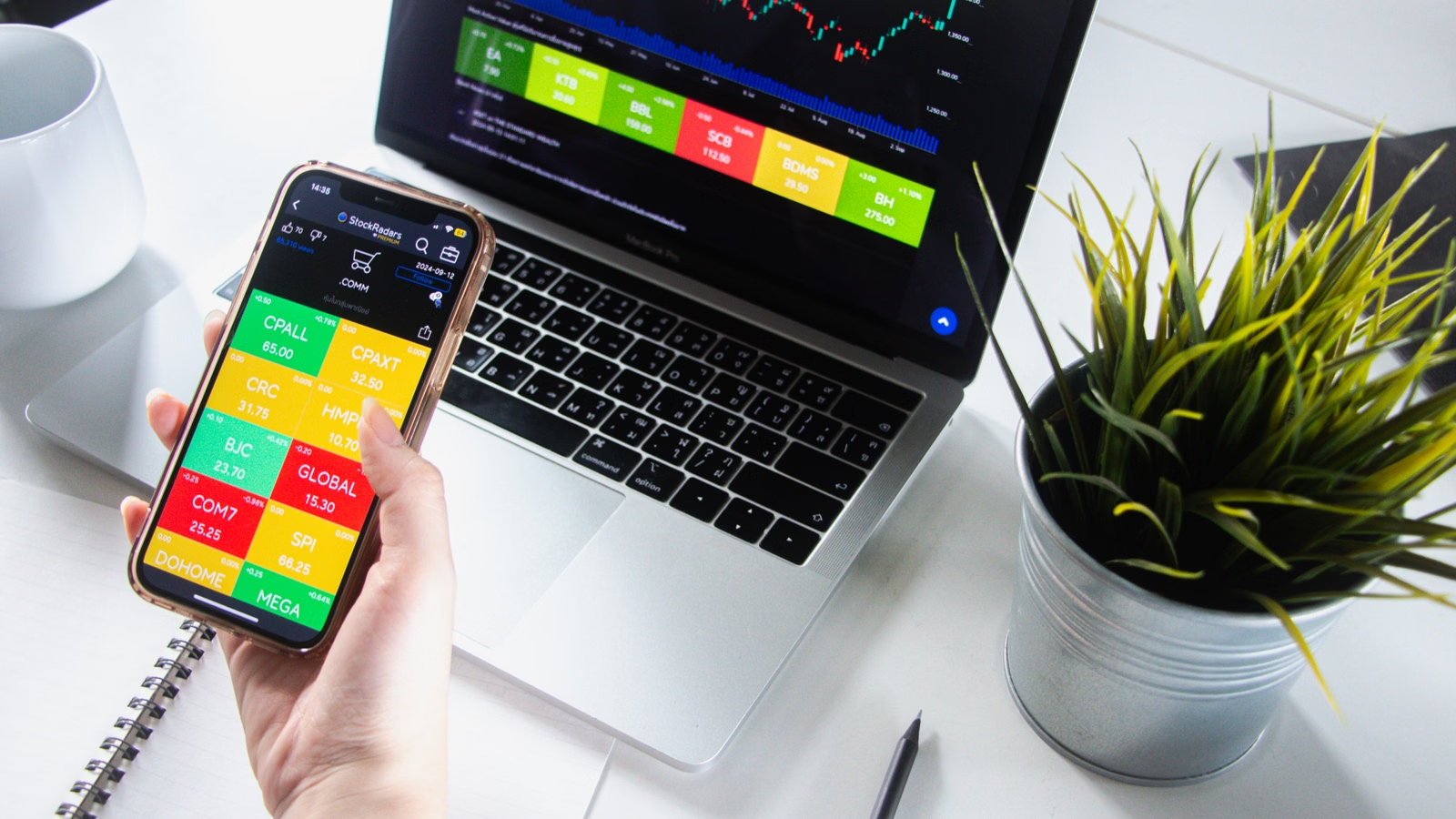
After SpaceX goes public, ordinary investors can buy it, provided that their location, identity verification, brokerage account, and trading permissions meet the relevant requirements. Public information shows that SpaceX trades on Nasdaq under the ticker SPCX. For most retail investors, the more realistic route is to buy shares in the secondary market after listing, rather than receiving an IPO allocation. The difference is that IPO allocation belongs to the issuance stage, while buying after listing is public market trading, where prices are determined by supply and demand.
According to Investor.gov’s explanation of IPOs, an IPO generally refers to the first time a company sells shares to the public. For you, this means SpaceX has moved from being a private company to a company whose shares can be traded in the public market. However, it does not mean every investor can buy shares at the IPO offer price. The offer price, opening price, real-time market price, and the actual execution price in your account may be four different numbers.
More specifically, SpaceX disclosed its listed securities, ownership structure, risk factors, and restrictions on foreign investors in its SEC S-1/A prospectus. The prospectus is important not only because it confirms the ticker, but also because it shows how the company describes its business, revenue, losses, capital expenditure, voting rights, and regulatory risks.
You can divide the ways to buy SpaceX into four categories:
| Buying Method | Suitable For | Key Feature | Main Point to Watch |
|---|---|---|---|
| IPO allocation | Clients who receive broker allocation | May be close to the offer price | Allocation is limited and may involve holding requirements |
| Buying on listing day | Investors who want early market exposure | High trading interest | Greater volatility, slippage, and execution uncertainty |
| Buying after listing | Regular U.S. stock investors | Similar to buying ordinary stocks | Still requires valuation, position sizing, and fee checks |
| Indirect exposure | ETF or related industry-chain investors | No direct SPCX purchase | Exposure may be diluted and depends on fund holdings |
The most common confusion for retail investors is mixing up “it can be bought after listing” with “it is worth buying immediately.” Being tradable only means the trading channel exists. Whether it is suitable to buy depends on valuation, price volatility, account fees, position size, and your investment horizon. According to Reuters’ report on SpaceX’s Nasdaq debut, SPCX received strong market attention on its first trading day. Highly watched stocks like this often face stronger price discovery and sentiment-driven trading in the early stage.
Summary: After SpaceX goes public, ordinary investors can usually buy SPCX through an account that supports U.S. stock trading, but this is not the same as participating in an IPO allocation. IPO-stage shares are distributed by the issuer, underwriters, and brokers, while post-listing shares are traded through market buy and sell orders. Before placing an order, you should confirm at least four things: whether the ticker is SPCX, whether your account supports Nasdaq stocks, whether your funds are available, and whether your order type fits the current volatility. For new investors, understanding public trading rules is more important than rushing to chase the first-day price.
What U.S. Stock Account Do You Need to Buy SpaceX?
To buy SpaceX, you do not need to apply to the company for shares. You need a brokerage account that can trade U.S. stocks, search for SPCX, and support U.S. dollar settlement or equivalent currency conversion. Opening an account is only the first step. More importantly, you need to know whether the account has U.S. stock trading permission, whether it supports Nasdaq-listed stocks, whether it supports the order types you want to use, and whether your location falls within the platform’s service scope. Deposit methods, currency conversion, pre-market and after-hours access, and fee structures can vary significantly among brokers.
International investors usually need to prepare the following items:
- Identity verification: Passport, identity documents, proof of address, or tax declarations, depending on platform requirements.
- Trading permissions: U.S. stocks, ETFs, options, and extended-hours trading may require separate activation.
- Funding route: U.S. dollar deposits, local-currency conversion, bank cards, or other compliant channels.
- Market data access: Real-time quotes, delayed quotes, and depth-of-book data may have different fees.
- Order support: Market orders, limit orders, stop orders, and time-in-force settings may differ by platform.
- Tax documentation: International investors may commonly need tax forms such as W-8BEN, subject to broker requirements.
Investor.gov’s explanation of why individual investors may find it difficult to obtain IPO shares notes that IPO shares are distributed by underwriters and the issuing company. Even when individual investors participate through online brokers, they may not receive the desired allocation. As a result, many people’s first real opportunity to buy SpaceX shares is in the secondary market after listing, rather than through the issuance process.
If you are interested in trading opportunities after popular IPOs, you should pay attention not only to price volatility but also to actual trading costs. U.S. stock trading costs may include more than commissions. They can also involve platform fees, external institution fees, trading activity fees, FX spreads, and settlement-related costs. Using Biya as an example, U.S. stock trading has a commission of USD 0, while platform fees, external institution fees, and other charges are subject to the fee center and the order page. For fractional-share orders involving less than one share, investors should also confirm the fee cap and billing method based on platform rules. Availability of related services depends on the user’s location, identity verification results, platform rules, and applicable laws and regulations.
You can use the following checklist before preparing your account:
| Item to Check | Why It Matters | How to Confirm Before Placing an Order |
|---|---|---|
| Whether SPCX is searchable | Confirms whether the stock is available for trading | Enter SPCX in the broker’s search box |
| U.S. stock permission | Without permission, you cannot trade | Check account trading permissions |
| Available funds | Unsettled or unavailable funds may be restricted | Check cash balance and buying power |
| Order types | Determines how you control execution price | Check whether limit orders are supported |
| FX cost | Affects your true buying cost | Use Biya currency converter or your account’s FX quote |
| Fee details | Affects the breakeven point for short-term trades | Review estimated order fees |
Summary: Preparing an account to buy SpaceX is not as simple as opening any brokerage account. You need to confirm that your account is compliant in your location, your identity verification has been approved, your U.S. stock permission is active, your funds are available for trading, and you understand commissions, platform fees, external institution fees, and FX spreads. For cross-market investors, putting account access, funding, costs, and order types into one checklist is more useful than only watching the current SPCX price. This is especially important for popular IPOs, where both price volatility and trading costs affect your real execution experience.
When Can You Place an Order for SpaceX Stock?
The time when you can place an order for SpaceX depends on U.S. stock market hours, broker permissions, and the order type. Nasdaq regular trading hours are usually 9:30 a.m. to 4:00 p.m. Eastern Time. Pre-market and after-hours trading belong to extended-hours trading and are not the same as regular trading. If you place orders from Beijing, Singapore, or another time zone, you should first convert your local time to U.S. Eastern Time, then check whether your broker allows SPCX to trade during pre-market or after-hours sessions.
Nasdaq trading hours show that pre-market trading usually runs from 4:00 a.m. to 9:30 a.m. Eastern Time, while after-hours trading runs from 4:00 p.m. to 8:00 p.m. Eastern Time. However, the actual trading window may differ by broker. This means that for the same SPCX stock, one account may allow pre-market limit orders, another may only allow regular-session trading, and another may accept orders but fail to execute them due to quotes, liquidity, or order restrictions.
The biggest misconception about pre-market and after-hours trading is thinking that “longer hours” means “more opportunities.” Extended-hours trading can allow faster responses to news, but FINRA’s warning on extended-hours trading risks highlights that lower liquidity, wider bid-ask spreads, higher volatility, and different order handling rules can all affect execution. These issues can be even more obvious for popular IPOs, because many investors are competing within the same trading windows.
You can choose order timing based on the following logic:
| Trading Session | Common Features | What It Is Useful For | What New Investors Should Note |
|---|---|---|---|
| Pre-market | Lower liquidity, more sensitive to news | Observing quotes and volume | Do not trade only based on percentage moves |
| Regular session | More concentrated trading and better price discovery | Usually better for beginners | Still check bid, ask, and limit price |
| After-hours | Earnings or financing news may affect prices | Managing existing positions | Execution uncertainty is higher |
| Before IPO first-day opening | May lack normal continuous quotes | Waiting for the first trade to form | Offer price is not an executable market price |
Reuters’ report on Nasdaq’s extended trading plan notes that Nasdaq is pushing for longer U.S. stock trading hours, but such changes usually still require regulatory approval and market infrastructure support. Even if trading hours become longer in the future, new investors still cannot ignore liquidity, spreads, and order protection.
Summary: Whether you can place an order for SpaceX stock is not determined only by whether your app has a “Buy” button. You need to confirm regular U.S. trading hours, your broker’s pre-market and after-hours access, whether SPCX supports extended-hours trading, and whether your order may fail due to price limits, funding status, or market liquidity. For new investors, regular trading hours are usually easier for understanding the market, while pre-market and after-hours sessions are better suited for observation or careful management of existing positions rather than simply chasing earlier execution.
Why You Need to Understand Limit Orders Before Buying SpaceX
When buying a highly watched IPO stock like SpaceX, limit orders are especially important to understand. A market order aims for fast execution but does not guarantee the execution price. A limit order requires execution at your specified price or better, but it does not guarantee that the order will be filled. In the early stage after a new stock lists, quotes can change quickly and bid-ask spreads may widen. A market order may lead to an actual execution price that differs from the quote you saw.
Investor.gov’s explanation of order types clearly distinguishes market orders, limit orders, and stop orders. A market order is usually executed quickly, but the execution price is not guaranteed. A limit order sets the highest price you are willing to pay when buying or the lowest price you are willing to accept when selling. For new investors who want to buy SPCX, the purpose of a limit order is not to increase returns, but to avoid execution at a price far beyond expectations during fast-moving markets.
Investor.gov’s definition of limit orders also explains that a buy limit order can only be executed at the limit price or lower, while a sell limit order can only be executed at the limit price or higher. This sounds simple, but it is critical in practice. If you place a buy limit order for SPCX at USD 160 and the lowest available ask remains above USD 160, your order may not be executed.
Common order types can be understood this way:
| Order Type | Core Function | Suitable Scenario | Main Risk |
|---|---|---|---|
| Market order | Execute as quickly as possible | High liquidity, lower volatility | Execution price is uncertain |
| Buy limit order | Buy at or below a specified price | Control buying cost | May not execute |
| Sell limit order | Sell at or above a specified price | Control selling price | May miss execution |
| Stop order | Converts into an order after being triggered | Risk management | May slip in fast-moving markets |
| Extended-hours limit order | Control price during extended sessions | Lower-liquidity sessions | Partial execution or no execution |
FINRA’s explanation of order types also reminds investors that stop orders and limit orders are trading tools, not tools that eliminate risk. This is especially true for popular IPOs, where prices can move rapidly within a short period. A limit order can define the price boundary you are willing to accept, but it cannot control whether the market gives you an execution opportunity.
Summary: Understanding limit orders before buying SpaceX helps turn “I want to buy” into “I am willing to buy only within this price range.” Market orders prioritize speed, but during the early IPO stage they may involve greater execution-price uncertainty. Limit orders help control price, but they may fail to execute, execute only partially, or miss a fast rally. For new investors, it is better to check bid, ask, volume, spread, and time-in-force before deciding whether to use a limit order, instead of blindly tapping “Buy.” A limit order is not a return guarantee; it is part of trading discipline.
How to Decide Whether SpaceX Fits Your Account Before Placing an Order
Being able to buy SpaceX does not mean you must buy it. A trading system that allows an order does not mean the stock is suitable for your account. To decide whether SPCX fits your portfolio, you should review valuation, business execution, cash flow, capital expenditure, your existing technology-stock exposure, and single-stock concentration. Popular IPOs often have strong narratives, but what you actually bear is stock price volatility, company operating risk, and account concentration risk.
SpaceX’s investment narrative usually includes rocket launches, Starlink satellite internet, government contracts, AI infrastructure, deep-space exploration, and high capital expenditure. According to the SpaceX prospectus, investors need to read the business, financials, risk factors, and ownership structure rather than only looking at news headlines. A high-growth company may have greater long-term potential, but it may also experience more severe volatility due to long investment cycles, expanding losses, or regulatory changes.
Before placing an order, you can run an account suitability check:
| Factor | Question to Ask Yourself |
|---|---|
| Position size | Will SPCX exceed your single-stock limit after purchase? |
| Sector concentration | Are you already heavily exposed to technology, AI, aerospace, or Tesla-related assets? |
| Volatility tolerance | If the stock falls 20%–30% in the short term, will you be forced to sell? |
| Capital horizon | Will you need this money in the next 6–12 months? |
| Valuation understanding | Have you reviewed revenue, profit, cash flow, and capital expenditure? |
| Exit rules | Are you buying in batches, holding long term, or trading an event? |
Reuters’ report on SpaceX’s post-listing debt financing shows that the market is watching not only IPO proceeds but also the company’s future financing, capital expenditure, and cash use. For ordinary investors, this means that after buying, you cannot only watch the stock price. You also need to monitor how the company uses capital, whether it continues expanding investment, and whether those investments can convert into revenue and cash flow.
Another common mistake is treating a “popular company” as a “low-risk asset.” High visibility may bring trading volume, but it can also create crowded trades. If SpaceX is added to major indexes or held by ETFs, it may affect passive fund flows. However, index inclusion, fund rebalancing, options trading, and news events may also amplify short-term volatility. You can use tools such as U.S. stock search to check basic market information, then use your broker’s order page to review real-time bid-ask spreads and estimated fees.
Summary: To decide whether SpaceX fits your account, you should not only ask “how do I buy it after listing,” but also “how much should I buy, what money am I using, and what will I do if it falls?” If your account is already concentrated in technology, AI, or high-volatility growth stocks, adding SPCX may further increase portfolio concentration. A more disciplined approach is to set a position limit, staged buying rules, and exit conditions before placing an order. Popular IPOs are worth following, but they should not replace basic asset-allocation discipline.
What Risks Should You Track After Buying SpaceX?
Buying SpaceX is only the beginning of risk management. You need to track not only the stock price, but also trade settlement, fees, company disclosures, financing arrangements, index changes, lock-up periods, earnings cycles, and regulatory events. Especially in the early post-IPO stage, market views on valuation, growth speed, and capital expenditure can change quickly. First-day performance alone is not enough to judge long-term value.
At the trading level, T+1 settlement has become a basic rule that U.S. stock investors need to understand. Investor.gov’s explanation of the T+1 settlement cycle states that applicable securities trades moved to a T+1 settlement cycle starting May 28, 2024. For you, this affects when proceeds from selling are officially settled, whether a cash account can reuse funds, and whether frequent trading may trigger platform restrictions.
At the company level, SpaceX’s key risks can be grouped into several categories:
- Business execution: Starlink user growth, launch service demand, and continuity of government contracts.
- Technology risk: Starship test flights, satellite deployment, launch failures, or delays.
- Capital expenditure: AI infrastructure, rocket development, and satellite network investment.
- Financing risk: Bonds, share issuance, cash burn, and credit-rating changes.
- Governance risk: Dual-class shares, founder control, and related-party arrangements.
- Market risk: Index inclusion, ETF rebalancing, options trading, and short-term sentiment.
Reuters’ report on SpaceX’s post-listing stock volatility shows that markets have become highly sensitive to AI capital expenditure and high-valuation companies. If SpaceX continues increasing spending on AI, satellites, and rockets, investors may see a stronger growth narrative, but they may also worry about short-term profitability and cash returns.
You can build a simple tracking checklist:
| Tracking Item | Frequency | What to Watch |
|---|---|---|
| Stock price and volume | Weekly | Unusual volume, widening spreads |
| Earnings and announcements | Quarterly | Revenue, losses, cash flow, capital expenditure |
| Financing news | Event-driven | Debt, share issuance, use of proceeds |
| Indexes and ETFs | Monthly or quarterly | Passive fund rebalancing |
| Order records | After each trade | Execution price, fees, FX rate, tax records |
| Position size | Monthly | Whether it exceeds your original limit |
If you also follow U.S. stocks, Hong Kong stocks, and digital assets, using the Biya App to record multi-asset holdings, bills, and FX costs can make it easier to review the true cost of each trade. Biya is a global multi-asset trading wallet that supports U.S. stocks, Hong Kong stocks, and cryptocurrency trading, and supports the exchange of USDT into major fiat currencies such as USD or HKD. Whether specific features are available still depends on the user’s location, identity verification results, platform rules, and applicable laws and regulations.
Summary: After buying SpaceX, you cannot focus only on whether the stock rises or falls. You need to track trade settlement, fee details, company announcements, financing plans, capital expenditure, index changes, and your own position size. Early post-IPO volatility is often stronger, and market sentiment can quickly shift from optimism to caution. What matters is building a review system: why you bought, whether your entry price was reasonable, whether your position is too large, and under what conditions you would add or reduce exposure. Without rules, high-profile stocks can easily pull investors into emotional trading.
If you plan to follow SpaceX, the AI supply chain, or other U.S. IPOs for the long term, you should view price, fees, FX rates, and position records together before and after each trade. Biya can be used in multi-asset trading scenarios covering U.S. stocks, Hong Kong stocks, and digital assets. U.S. stock trading has a commission of USD 0, while platform fees, external institution fees, and other charges are subject to the fee center and order page. Cross-market investors can also use Biya’s FX tool to check the cost of USD, HKD, and other currencies before deciding whether to place an order, buy in batches, or adjust a position. Public market information, trading rules, and fee structures can support decision-making, but they do not constitute investment advice. Popular IPOs may experience significant volatility in the early listing stage, so investors should fully understand order types, fees, and risks before trading.
FAQ
How Can Ordinary Investors Buy SpaceX Stock After Its IPO?
After SpaceX goes public, ordinary investors usually buy SPCX through a brokerage account that supports U.S. stock trading. You need to complete identity verification, activate U.S. stock permissions, prepare available funds, and choose a suitable order type during trading hours. Actual tradability depends on your broker, location, and platform requirements.
Is the SpaceX IPO Offer Price the Same as My Buy Price?
No. The SpaceX IPO offer price is not necessarily your actual buy price in the secondary market. The offer price belongs to the IPO pricing stage, while the post-listing trading price is determined by market buy and sell orders. On the first trading day and in the early stage, the opening price, real-time price, and your actual execution price may differ significantly.
Should New Investors Use Market Orders or Limit Orders to Buy SpaceX?
For a high-volatility new stock like SpaceX, new investors should usually understand limit orders first. A limit order lets you set the highest price you are willing to pay or the lowest price you are willing to accept when selling. However, it does not guarantee execution. Market orders may execute faster, but they can involve slippage in fast-moving markets.
Can SpaceX Stock Trade During Pre-Market and After-Hours Sessions?
Whether SpaceX stock can trade during pre-market or after-hours sessions depends on broker permissions, market arrangements, and order types. Extended-hours trading usually has lower liquidity, wider bid-ask spreads, and more obvious price swings. Many platforms only accept limit orders during these sessions, so you should check your account rules before trading.
What Should International Investors Watch Before Buying SpaceX?
International investors buying SpaceX should focus on account eligibility, KYC, tax forms, funding channels, FX costs, and local regulatory requirements. Do not open accounts or trade in ways that violate platform rules or local laws. Fees and service availability should be confirmed on the account page.
Is SpaceX Stock Suitable for Long-Term Holding?
Whether SpaceX is suitable for long-term holding depends on valuation, business execution, cash flow, capital expenditure, and your portfolio position size. A highly watched company is not the same as a low-risk asset. Before making a long-term investment, investors should read the prospectus and future earnings reports, and set a position limit they can tolerate.
*This article is provided for general information purposes and does not constitute legal, tax or other professional advice from BiyaPay or its subsidiaries and its affiliates, and it is not intended as a substitute for obtaining advice from a financial advisor or any other professional.
We make no representations, warranties or warranties, express or implied, as to the accuracy, completeness or timeliness of the contents of this publication.
Related Blogs of

Why Is HDD Supply and Demand Tightening? AI Data Centers, Long-Term Agreements, and Western Digital/Seagate Pricing Power


What Are NOR Flash, SLC NAND, and EEPROM? Why They Help Explain Hong Kong-Listed Memory-Related Stocks


How Do AI Servers Drive Storage Demand? The Roles of HBM, Server DRAM, Enterprise SSDs, and HDDs


What Is the Difference Between DRAM Contract Price and Spot Price? Which Indicator Should Investors Watch?

Choose Country or Region to Read Local Blog
 Australia
 Austria
 Belgium
 Canada
 Cyprus
 Czech Republic
 Denmark
 Estonia
 Finland
 France
 Germany
 Greece
 Hong Kong
 India
India Indonesia
 Ireland
 Italy
Italy Japan
Japan Latvia
 Lithuania
 Luxembourg
 Malaysia
 Malta
Malta Morocco
 Nepal
Nepal Netherlands
 New Zealand
 Norway
 Pakistan
 Philippines
 Poland
 Portugal
 Romania
 Singapore
 Slovakia
 Slovenia
 South Africa
 South Korea
 Spain
Spain Sweden
 Thailand
 The United States
 Turkey
 United Arab Emirates
 United Kingdom
 Vietnam
Contact Us




BIYA GLOBAL LLC is registered with the Financial Crimes Enforcement Network (FinCEN), an agency under the U.S. Department of the Treasury, as a Money Services Business (MSB), with registration number 31000218637349, and regulated by the Financial Crimes Enforcement Network (FinCEN).
BIYA GLOBAL LIMITED is a registered Financial Service Provider (FSP) in New Zealand, with registration number FSP1007221, and is also a registered member of the Financial Services Complaints Limited (FSCL), an independent dispute resolution scheme in New Zealand.