
Standard Chartered Bank Branch and Bank Code Lookup: A Guide to Filling in Hong Kong Cross-Border Transfer Details





The commonly used Bank Code for Standard Chartered Bank Hong Kong is 003. When making an international wire transfer to a Standard Chartered Hong Kong account, the commonly used SWIFT/BIC is SCBLHKHHXXX. When you fill in cross-border remittance, local transfer, brokerage deposit, or corporate payment system details, the most common confusion is between Bank Code, Branch Code, and SWIFT Code. These three items serve different purposes: 003 identifies the bank, Branch Code identifies the branch or account-related clearing point, and SCBLHKHHXXX identifies the bank in the international banking network. Before submitting a transfer, you should cross-check the payee’s bank details, the HKICL clearing code list, and Standard Chartered Hong Kong’s receiving bank information.
Key Takeaways
- Standard Chartered Hong Kong’s Bank Code is usually 003, not a branch code.
- SCBLHKHHXXX is mainly used to identify Standard Chartered Hong Kong for international wires.
- Branch Code should be checked against the payee account or HKICL list.
- Local transfers, FPS, and wire transfers use different field logic.
- Incorrect payee name and account number are more common than code errors.
- Large or cross-border transfers may trigger document requests and compliance review.
First Understand Bank Code, Branch Code, and SWIFT Code
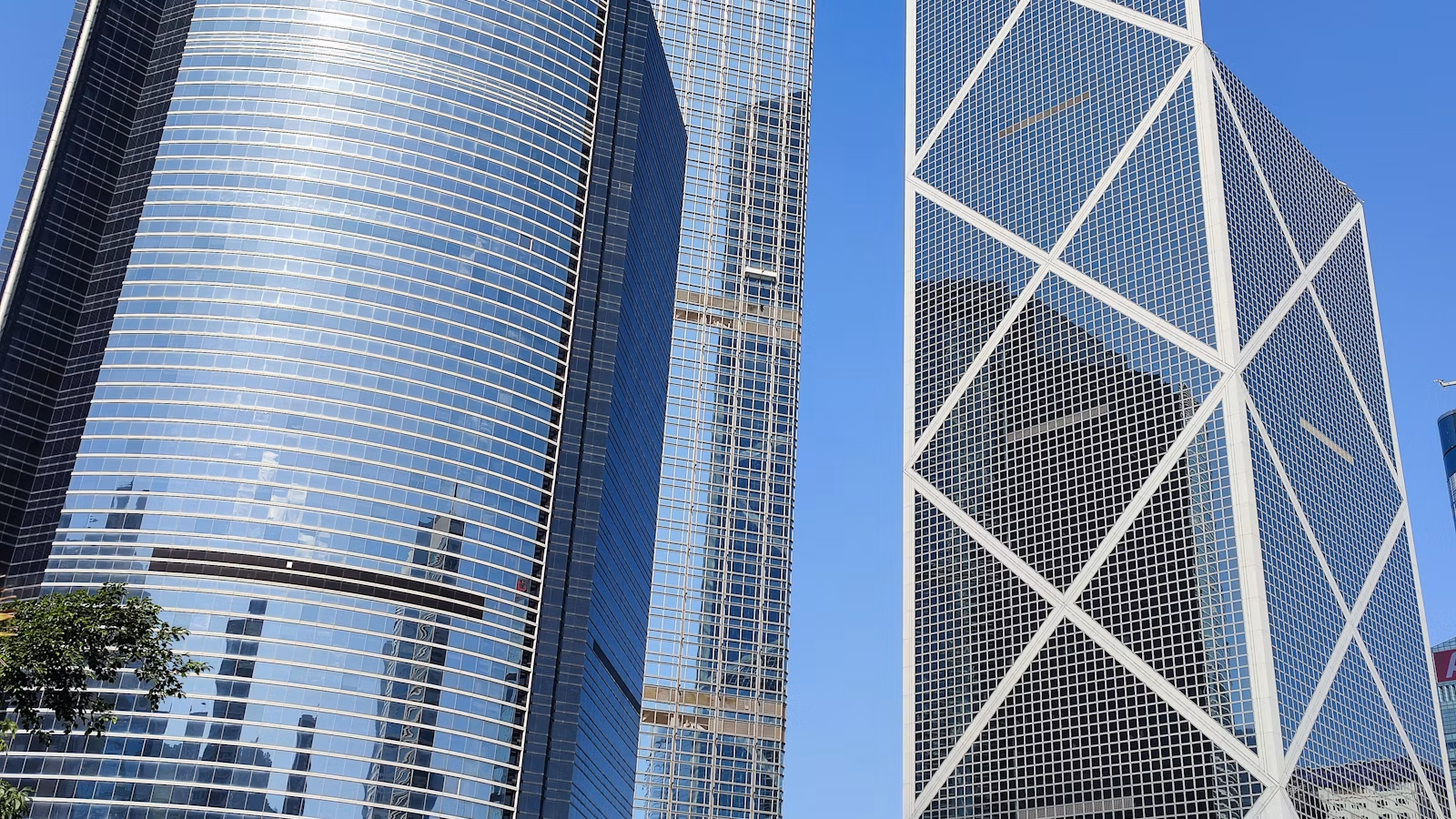
You should first identify which type of code the form is asking for. If the field says Bank Code, Clearing Code, or bank number, Standard Chartered Bank Hong Kong usually uses 003. If the field says Branch Code, you should not enter 003 directly; you need the specific branch code. If the field says SWIFT/BIC, international wire transfers to Standard Chartered Hong Kong commonly use SCBLHKHHXXX. Standard Chartered Hong Kong lists SCBLHKHHXXX, Standard Chartered Bank (Hong Kong) Limited, the bank address, Bank Code 003, the payee account number, and the payee’s full name as key receiving details for cross-border transfers.
The Difference Between Bank Code, Branch Code, and Clearing Code
Bank Code is a bank-level identifier. In Hong Kong, common bank codes are three-digit numbers. For example, Standard Chartered Bank Hong Kong uses 003, HSBC Hong Kong uses 004, and Hang Seng Bank uses 024. The WFSFAA Bank Code List also maps 003 to Standard Chartered Bank (Hong Kong) Limited and states that the data source is Hong Kong Interbank Clearing Ltd.
Branch Code is a branch-level identifier. It is also a three-digit number, but it is not the same as the bank number. You can think of Bank Code as “which bank,” and Branch Code as “which branch or clearing point under that bank.” Clearing Code is sometimes used by platforms as a broader term for local clearing information. In Hong Kong payment contexts, it is common to pay attention to the bank code, branch code, and account number format at the same time.
| Field Name | Common Standard Chartered Hong Kong Entry | Main Use | Common Error |
|---|---|---|---|
| Bank Code | 003 | Identifies Standard Chartered Hong Kong | Entering a branch code instead |
| Branch Code | Examples include 368, 364, 365 | Identifies branch or account-related clearing point | Entering 003 directly |
| SWIFT / BIC | SCBLHKHHXXX | Identifies the bank for international wire transfers | Entering Bank Code instead |
| Account Number | Payee account number | Identifies the final receiving account | Missing digits, wrong format, altered number |
SWIFT/BIC Is Not the Same as a Hong Kong Local Bank Code
SWIFT/BIC is used for international bank communication and cross-border transfer identification. SCBLHKHHXXX can be understood in parts: SCBL identifies Standard Chartered Bank, HK refers to Hong Kong, HH is the location code, and XXX is often used for the head office or default branch. Wise’s explanation of Hong Kong bank codes also emphasizes that local bank codes are used for Hong Kong local payments, while SWIFT codes are used for international payments. They are not the same system.
This is also a common reason for returned or delayed payments. If you see “SWIFT Code” in an international wire form, enter SCBLHKHHXXX. If you see “Bank Code” on a Hong Kong local transfer page, enter 003. If you see “Branch Code,” you need the specific branch number or the branch segment corresponding to the account.
Which Code Is Needed in Which Scenario?
| Scenario | Usually Required | Usually Not Required | Key Check |
|---|---|---|---|
| Overseas wire transfer to Standard Chartered Hong Kong | SWIFT, bank name, account number, payee full name | Branch Code may not be required | Payee name must match the bank record |
| Hong Kong local bank transfer | Bank Code, Branch Code, Account Number | SWIFT | Account format and branch code |
| FPS transfer | Mobile number, email, FPS ID, or bank account | SWIFT | Confirm the payee name before payment |
| Brokerage or platform deposit | Depends on platform fields | Not fixed | Do not merge or split account details yourself |
Key takeaway: The first step in looking up Standard Chartered Bank Hong Kong codes is not to find one “universal code,” but to read the field name. Bank Code identifies the bank, and Standard Chartered Hong Kong usually uses 003. Branch Code identifies a specific branch or clearing point and should be checked against the payee account or HKICL list. SWIFT/BIC identifies the bank in the international wire network, and SCBLHKHHXXX is commonly used. Once you separate “which bank,” “which branch,” and “which bank in the international network,” most form-filling errors can be avoided before submission.
Standard Chartered Hong Kong Receiving Bank Details at a Glance

If your goal is simply to send money to a Standard Chartered Hong Kong account, start with the receiving details provided by Standard Chartered Hong Kong: SWIFT Code SCBLHKHHXXX, bank name Standard Chartered Bank (Hong Kong) Limited, Bank Code 003, plus the payee account number and the full name registered with Standard Chartered. The payee’s full name with Standard Chartered Hong Kong is especially important because cross-border transfer checks often compare the account name, account number, and bank identification details.
Common Fields for International Wire Transfers
In cross-border wire transfers, the sending bank may use different field names. Some forms say Beneficiary Bank, some say Receiver Bank, some say Bank Identifier, and others say BIC/SWIFT. You do not need to be confused by the terminology. Match the fields based on the logic below:
| Transfer Field | Suggested Entry | Reminder |
|---|---|---|
| Bank Name | Standard Chartered Bank (Hong Kong) Limited | Use the full English name where possible |
| SWIFT/BIC | SCBLHKHHXXX | Core identifier for international wire transfers |
| Bank Address | DES VOEUX ROAD, 4-4A, Standard Chartered Bank Building, Floor 32 | Adjust only if the sending bank has field length limits |
| Bank Code | 003 | Hong Kong local bank number |
| Payee Account Number | Payee’s Standard Chartered account number | Do not shorten or reformat it yourself |
| Payee Name | Payee’s registered full name | Must match the Standard Chartered account name |
Verifying Bank Code 003
Standard Chartered Hong Kong Bank Code 003 appears not only in bank receiving instructions, but also in Hong Kong bank code lists. The WFSFAA bank code file lists Standard Chartered Bank (Hong Kong) Limited as 003, which makes it useful for secondary verification. The HKICL Clearing Code and Branch Code List is better suited for checking branch codes because it includes institution name, clearing code, branch name, branch code, address, and telephone number.
Remember that Bank Code 003 and Branch Code 003 are not the same concept. Some third-party sources may show historical or sample information such as “Central Branch 003,” but that does not mean the branch code and bank code can be treated as interchangeable. In actual transfer forms, prioritize the payee’s bank details, the latest HKICL list, and the sending bank’s field instructions.
Do Not Use the Bank Address as the Only Identifier
The Standard Chartered Hong Kong bank address often appears in international wire transfer fields, but the address cannot replace the code. For example, 4-4A Des Voeux Road Central may be associated with Standard Chartered Hong Kong’s head office, branch, back-office processing, or cross-border remittance instructions. You should not assume that every transfer should be treated as Des Voeux Road Branch simply because the address includes Des Voeux Road.
| Item to Check | Useful For | Cannot Replace |
|---|---|---|
| Bank address | Confirming the receiving bank is Standard Chartered Hong Kong | SWIFT |
| Branch address | Helping identify a branch | Payee account number |
| Payee name | Confirming the final receiving account | Nicknames or abbreviations |
| Account number | Determines final crediting | Guessing by district |
Key takeaway: Standard Chartered Hong Kong receiving details can be divided into two layers. The first layer is bank identification: Standard Chartered Bank (Hong Kong) Limited, SCBLHKHHXXX, Bank Code 003, and the bank address. The second layer is payee information: account number and registered full name. For cross-border wire transfers, SWIFT, bank name, account number, and payee full name are usually more important than a specific branch name. For local transfers or platform deposits, Branch Code may be required. Do not rely only on the address or on a single code from search results. Cross-check the bank’s receiving instructions and the payee’s account details together.
How to Look Up Standard Chartered Bank Branch Codes Reliably

The most reliable order for looking up Standard Chartered Bank branch codes is: first check the payee’s account information, then check the latest HKICL branch code list, and finally use the Standard Chartered branch locator to confirm address and branch details. The HKICL page shows that the June 16, 2026 version of the Clearing Code and Branch Code list is available in Excel and PDF formats, making it suitable for checking specific Branch Codes under Standard Chartered Hong Kong 003. Third-party blogs or old screenshots should only be used for reference, not as the final basis for form filling.
Start with the HKICL Branch Code List
HKICL is an important source for Hong Kong bank clearing codes. Its list includes Institution Name, Clearing Code, Branch Name, Branch Code, Branch Address, Telephone Number, and Clearing System Status. When looking up a Standard Chartered branch code, search the PDF or Excel file for “STANDARD CHARTERED BANK (HONG KONG) LIMITED,” then check the corresponding Branch Name and Branch Code in the same row.
| Lookup Step | Action | Purpose |
|---|---|---|
| 1 | Open the HKICL clearing code list | Use a relatively recent version |
| 2 | Search for Standard Chartered | Locate Standard Chartered Hong Kong records |
| 3 | Confirm Clearing Code is 003 | Verify the bank-level identifier |
| 4 | Check Branch Code | Find the specific branch code |
| 5 | Compare with payee details | Avoid confusion from similar names or multiple codes |
Use the Standard Chartered Branch Locator to Confirm Addresses
The Standard Chartered Hong Kong ATM Branch Locator is better for checking branch addresses, phone numbers, service types, and operating status. For example, Des Voeux Road Branch, Elements Priority Banking Centre, and Causeway Bay Branch can be found through the branch locator. Its value is to confirm whether a branch exists and whether the address matches. For clearing branch codes, you should still rely on HKICL or bank-provided details.
If you only know the account-opening district, do not guess the Branch Code based on district. Areas such as Central, Causeway Bay, Tsuen Wan, and Kwun Tong may have branches, priority banking centers, corporate counters, back-office processing points, or multiple clearing records. What you need to fill in is the code corresponding to the receiving account, not the branch closest to the payee.
Payee Information Is Still the Final Confirmation Point
In real transfers, the most reliable information often comes from the payee’s online banking, bank statement, bank certificate, deposit instructions, or customer service response from the bank. This is especially important for corporate accounts, brokerage accounts, trust accounts, custody accounts, or platform-designated deposit accounts. Their receiving bank fields may differ from ordinary personal accounts. You can use Swift lookup to verify the SWIFT/BIC first, then fill in Bank Code, Branch Code, and account number according to the platform’s field requirements.
| Source | Best For | Usage Suggestion |
|---|---|---|
| Payee’s online banking or statement | Account number, account name, possible branch details | Treat account details as the final reference |
| HKICL list | Bank Code and Branch Code | Check the version date |
| Standard Chartered branch locator | Address, phone number, service point | Do not use it alone to decide transfer codes |
| Third-party sources | Background reference | Do not rely on them as the only source |
Key takeaway: When looking up Standard Chartered branch codes, avoid two extremes: trusting the most visible number in search results, or treating a branch address as the code. A safer approach is to use payee details to confirm the account number and account name, use HKICL to verify the Branch Code under 003, and use the Standard Chartered branch locator to confirm the address and service point. When the same branch name appears with multiple Branch Codes, or when there are multiple Standard Chartered service points in one district, do not rely on experience. Use the payee account, platform deposit instructions, or bank-confirmed information.
Common Standard Chartered Hong Kong Branch Codes and How to Use Them
You can use common branch code lists for quick orientation, but you should not treat sample lists as the final answer. The HKICL June 16, 2026 version shows that Standard Chartered Hong Kong 003 has many Branch Codes. For example, Tuen Mun Branch is 354, Central Branch has records such as 362, 395, and 396, Causeway Bay Branch is 364, Kwun Tong Branch has records such as 365, 442, and 445, and Des Voeux Road Branch is 368. This shows that the same bank, same district, and even similar branch names may have multiple clearing records. The actual entry should be based on the payee account information.
Examples Across Hong Kong Island, Kowloon, and the New Territories
| Area | Branch or Centre Example | Bank Code | Branch Code Example | Note |
|---|---|---|---|---|
| Hong Kong Island | Central Branch | 003 | 362 / 395 / 396 | Multiple records with similar names; verify against account |
| Hong Kong Island | Causeway Bay Branch | 003 | 364 | Cross-check with HKICL and account details |
| Hong Kong Island | Des Voeux Road Branch | 003 | 368 | Common Central-related branch |
| Kowloon | Kwun Tong Branch | 003 | 365 / 442 / 445 | Same branch name may have multiple codes |
| Kowloon | One Peking Wealth Management Centre | 003 | 363 / 377 | Wealth centre does not always equal ordinary branch |
| New Territories | Tuen Mun Branch | 003 | 354 | Use payee details as final reference |
| New Territories | Tsuen Wan Branch | 003 | 353 / 402 | Similar records require caution |
| New Territories | Ma On Shan Branch | 003 | 372 | Do not guess based on district |
Why the Same Branch Name May Have Multiple Codes
The same branch name may appear with multiple Branch Codes due to system migrations, historical clearing arrangements, different service types, separate back-office processing points, or separate records for corporate and personal banking operations. HKICL’s list also indicates that clearing codes and branch codes are mainly for internal reference by clearing house members, and members should update codes from time to time according to circulars. Therefore, even if a branch code found on a third-party website was once correct, it may not be suitable for the current receiving account.
This is especially important for platform deposit scenarios. The receiving account provided by a platform may not be an ordinary personal account. It may be a custody account, securities settlement account, or corporate account. You should use the complete bank details shown on the platform’s deposit instructions. Do not replace them with a Branch Code you found online just because the receiving bank is Standard Chartered.
How to Use a Branch Code List More Safely
A branch code list should be used as a verification tool, not as a guessing tool. You can first take the branch name or the beginning of the account number provided by the payee, then verify it in the list, and confirm that the Bank Code is 003. If a platform has already provided Bank Code, Branch Code, and Account Number in separate fields, fill them in exactly as shown. Do not add SWIFT or address information just to make the form look more complete.
| Information You Already Have | Recommended Action | Not Recommended |
|---|---|---|
| Bank name only | Confirm Bank Code and SWIFT first | Guess the branch code directly |
| Account number and account name | Ask the payee whether Branch Code is needed | Split the account number yourself |
| Platform deposit instructions | Follow the platform fields exactly | Modify the platform’s format |
| Branch name | Check the corresponding HKICL record | Rely only on third-party blogs |
Key takeaway: A Standard Chartered Hong Kong branch code list helps you understand that Bank Code 003 contains many Branch Codes, but it does not replace the receiving account itself. Central, Kwun Tong, Tsuen Wan, and similar branch or district names may have multiple codes, which means that similar branch names do not make codes interchangeable. What you need to fill in is the field required by the form and the clearing information corresponding to the receiving account. For personal transfers, check the payee’s online banking or statement first. For brokerage, payment platform, or corporate accounts, follow the deposit or payment instructions first.
How to Fill in a Cross-Border Transfer to a Standard Chartered Hong Kong Account
When sending money from overseas to a Standard Chartered Hong Kong account, fill in the receiving bank first, then the payee. The bank section usually includes Bank Name, SWIFT/BIC, Bank Address, and Bank Code. The payee section includes Payee Account Number and Payee Full Name. Some sending banks may also ask for Payee Address. Standard Chartered Hong Kong states that the Payee Bank SWIFT Code should be an 11-character code, and the payee account name must match the name registered with the beneficiary bank. As long as bank identification, account number, and name are consistent, most basic checks can pass.
How to Fill in Receiving Bank Information
| Field | Filling Logic | Example |
|---|---|---|
| Beneficiary Bank | Full English name of receiving bank | Standard Chartered Bank (Hong Kong) Limited |
| SWIFT/BIC | International wire bank identifier | SCBLHKHHXXX |
| Bank Code | Hong Kong bank code | 003 |
| Bank Address | Bank address in Standard Chartered Hong Kong receiving details | DES VOEUX ROAD, 4-4A, Standard Chartered Bank Building |
| Country/Region | Bank location | Hong Kong |
If the sending bank page has no Bank Code field and only asks for SWIFT/BIC, do not force 003 into the remarks field. If the page also asks for Local Clearing Code or Branch Code, add the information according to the field description. Sending banks in different countries may also ask for local clearing codes, such as ABA Routing Number in the United States, Sort Code in the United Kingdom, or Transit Number in Canada. These belong to local systems in the sending or receiving country and should not be confused with Standard Chartered Hong Kong Bank Code.
How to Fill in Payee Information
Payee information is more likely to cause errors than bank codes. For personal accounts, use the full name registered with the bank. For corporate accounts, use the company name registered with the bank. English names, pinyin, capitalization, spaces, company suffixes, and symbols should preferably match the account information exactly. Do not add spaces, delete leading zeros, or change hyphen formatting in the account number unless the sending bank explicitly requires digits only.
| Check Item | Why It Matters | Common Issue |
|---|---|---|
| Payee full name | Bank may compare account name | Nickname, abbreviation, spelling mismatch |
| Payee account number | Determines final crediting | Missing leading zeros, wrong separators |
| Payee address | Required by some sending banks | Filled with bank address by mistake |
| Purpose of transfer | Used for compliance checks | Vague or inconsistent with source of funds |
| Charge option | Determines intermediary fee handling | SHA / OUR / BEN not confirmed |
Transfer Time, Fees, and Review
Standard Chartered Hong Kong explains that arrival time can be affected by currency, amount, destination, payee type, payment intermediary, and compliance review. The normal process may take 1-5 working days. If the bank needs to complete internal procedures, it may also request income proof, address proof, customer ID, and source of funds documents. Large transfers, cross-currency transfers, special destinations, unclear purposes, or incomplete information are more likely to be delayed.
If you need to estimate HKD, USD, or RMB conversion before sending money, you can use real-time exchange rates for a preliminary calculation. The actual exchange rate, handling fees, intermediary bank deductions, and credited amount should still be based on the sending bank, receiving bank, and final transaction receipt.
Key takeaway: To send a cross-border transfer to a Standard Chartered Hong Kong account, you cannot rely on Bank Code alone. Separate bank identification and payee information by field: use SCBLHKHHXXX for SWIFT/BIC, 003 for Bank Code, Standard Chartered Bank (Hong Kong) Limited for the bank name, and the account number and payee full name exactly as registered with Standard Chartered. Arrival time and fees are not determined by a single bank code. They are affected by currency, amount, intermediary banks, review procedures, and local clearing arrangements. Before submitting, check name, account number, SWIFT, charge option, and transfer purpose. This is more important than tracking a returned transfer afterward.
Differences Between Local Transfers, FPS, and Platform Deposits
Hong Kong local transfers, FPS, and cross-border wires do not follow the same form-filling logic. Local transfers usually focus on Bank Code, Branch Code, and Account Number. FPS can use mobile number, email, FPS ID, or bank account to transfer funds. Brokerage and payment platform deposits should follow the platform’s fields strictly. Airwallex’s Hong Kong Local Payment Guide says that required fields for Hong Kong local payments include Bank Code and Account Number, and that an account number may include a three-digit Branch Code and the bank account number, with a common total length of 9–12 digits.
Hong Kong Local Transfers Rely More on Local Codes
For local transfers, if the form separates Bank Code, Branch Code, and Account Number, fill them in separately: Standard Chartered Hong Kong Bank Code is 003, Branch Code should match the receiving account, and Account Number should be the actual receiving account number. If the form only has one account number field, it may require a full account number that includes the branch code. In that case, do not split it yourself. Follow the payee’s or platform’s example.
| Form Type | What to Do | Risk |
|---|---|---|
| Bank Code + Branch Code + Account Number separated | Fill in each field separately | Entering 003 as Branch Code |
| Account Number only | Enter the full number provided by the payee | Removing separators or leading zeros yourself |
| Clearing Code + Account Number | Confirm whether Clearing Code means bank or branch | Field names may be inconsistent |
| Platform provides a fixed format | Follow the platform format exactly | Rewriting the format may cause failed deposit |
FPS Transfers Are Not Traditional Branch Code Transfers
The FPS introduced by the Hong Kong Monetary Authority supports cross-bank and e-wallet payments. Users can enter the payee’s mobile number or email, and funds are usually received almost instantly. FPS is closer to a local instant payment infrastructure. It is not an international wire transfer and does not require a SWIFT Code.
However, FPS convenience also means you should pay more attention before confirming payment. The HKMA reminds users that an FPS QR code may contain your mobile number, email address or FPS ID, so you should only display it to others when necessary. Before payment, check the masked payee name, amount, and purpose, especially for unfamiliar payees or large transfers.
Brokerages, Payment Platforms, and Corporate Payment Systems Require Field-by-Field Matching
Brokerage deposits, digital wallets, corporate payment systems, and ERP systems may have more complex fields. Some platforms require Bank Code 003, Branch Code, and Account Number separately. Some provide a single full deposit account number. Some require SWIFT/BIC, especially for cross-border deposits. You should not use one universal format just because the bank is Standard Chartered.
| Use Case | Key Fields | Suggested Action |
|---|---|---|
| Hong Kong local bank transfer | Bank Code, Branch Code, Account Number | Compare with receiving account or platform example |
| FPS | Mobile number, email, FPS ID, account | Confirm payee name before payment |
| Securities account deposit | Platform-designated bank details | Do not replace the branch code yourself |
| Corporate payment system | Clearing Code, Branch Code, account number | Keep leading zeros and follow field instructions |
If you also manage cross-border funds, FX conversion, and investment deposits, Biya supports USDT conversion into mainstream fiat currencies such as USD and HKD, as well as U.S. stocks, Hong Kong stocks, and digital asset trading. Before platform deposits or trades, check receiving bank fields, fee disclosures, identity verification requirements, and local compliance rules. Do not mix transfer instructions with investment decisions.
Key takeaway: The difference between local transfers, FPS, and cross-border wires lies in what each system identifies. Local transfers use bank code, branch code, and account number to send money to a Hong Kong bank account. FPS uses mobile number, email, FPS ID, or account number for near-real-time payments. Cross-border wires rely on SWIFT/BIC and international payment chains. Platform deposits should follow the fields provided by the platform. Standard Chartered Bank Code 003 only answers “which bank.” It does not replace branch code, account number format, FPS payee identifier, or platform deposit instructions.
Common Filling Errors, Return Risks, and Pre-Submission Checklist
Standard Chartered bank code errors usually come from mixing fields, not from the code being hard to find. Common mistakes include entering Bank Code 003 in the Branch Code field, entering SCBLHKHHXXX in the local bank code field, filling the bank address as the payee address, or writing the payee name as a nickname. Errors do not always fail immediately. Sometimes they trigger manual review, intermediary bank inquiry, or return processing, causing delays and additional fees. Before submitting a cross-border transfer, it is better to check each item with a checklist than to track the payment afterward.
Common Error Types
| Error Type | Possible Result | Correct Approach |
|---|---|---|
| Treating 003 as branch code | Local transfer validation failure or delay | Check Branch Code separately |
| Entering SWIFT as Bank Code | Form cannot identify the code | Enter 003 for Bank Code |
| Payee name mismatch | Manual review or return | Use the registered full name |
| Account format changed | Failed or delayed crediting | Keep leading zeros and necessary format |
| Charge option not confirmed | Credited amount lower than expected | Confirm SHA / OUR / BEN before submission |
| Unclear transfer purpose | Compliance review delay | Use a true and clear purpose description |
10-Point Pre-Submission Checklist
- Confirm whether Bank Code is 003.
- Confirm whether SWIFT/BIC is SCBLHKHHXXX.
- Confirm whether Branch Code comes from the payee account, platform instructions, or HKICL.
- Confirm whether Bank Name is written in full English.
- Confirm whether Payee Name matches the Standard Chartered account record.
- Confirm whether Account Number is complete and leading zeros are preserved.
- Confirm that bank address and payee address are not mixed up.
- Confirm the fee-bearing option.
- Confirm that the transfer purpose is true, clear, and explainable.
- For large or corporate transfers, prepare source of funds documents and transaction records.
What to Do If a Transfer Is Returned or Delayed
If the funds have been debited but the payee has not received them, first check the sending bank status, SWIFT receipt, transfer reference number, charge option, and intermediary bank information. Standard Chartered Hong Kong explains that fund arrival time may be affected by intermediary banks, beneficiary banks, local clearing mechanisms, foreign exchange controls, or multiple intermediary banks. If information is incomplete, the bank may also contact you to provide identity, address, income, or source of funds documents. In this situation, do not initiate the same transfer again immediately. Ask the sending bank to trace the original transaction first.
If you use Biya to manage cross-border funds, FX conversion, or investment records, you can check bank identification fields before the transaction, then understand cost structures in different scenarios through information such as U.S. stock trading fees. Biya charges 0 USD commission for U.S. stock trading. Platform fees, external agency fees, trading activity fees, and fractional share order rules should be based on the fee center and order page.
Key takeaway: The risks in filling Standard Chartered Hong Kong transfer details are concentrated in four areas: wrong code, wrong account format, payee name mismatch, and unclear expectations around fees and review. Bank Code 003, SCBLHKHHXXX, and Branch Code each have their own purpose and cannot replace one another. Checking with a pre-submission checklist saves more time than tracking a returned transfer afterward. If funds have been debited but not received, check the transfer receipt and intermediary bank status first, then contact the sending or receiving bank. For large transfers, corporate accounts, or special currencies, prepare source of funds and purpose documents in advance.
If you frequently handle Hong Kong bank receipts, USD or HKD conversion, cross-border payments, and investment deposits, code verification should become a fixed step before moving funds. Biya is a global multi-asset trading wallet that supports USDT conversion into mainstream fiat currencies such as USD and HKD, as well as U.S. stock, Hong Kong stock, and digital asset trading. Before making cross-border remittances or FX conversions, you can use Biya to check whether the relevant service applies to your region and account type. When checking cross-border receiving details, Swift lookup and real-time exchange rate tools can help with basic verification. For trading, deposits, withdrawals, virtual cards, or multi-asset accounts, always follow the platform’s actual rules, identity verification process, fee disclosures, and order page. Do not treat any tool description as banking, tax, or regulatory advice.
FAQ
What Is Standard Chartered Bank Hong Kong’s Bank Code?
Standard Chartered Bank Hong Kong’s Bank Code is usually 003. This code identifies Standard Chartered Bank (Hong Kong) Limited. It is not a specific branch code and not the SWIFT/BIC used for international wire transfers. Before filling in a form, check whether the sending bank or platform also requires a Branch Code.
What Is the Difference Between a Standard Chartered Branch Code and SWIFT Code?
A Standard Chartered branch code is used for Hong Kong local clearing or account-related branch identification, while a SWIFT Code identifies the bank for international wire transfers. Cross-border wires commonly use SCBLHKHHXXX, while local transfers may also require Bank Code 003 and a specific Branch Code. These code types should not be mixed.
Is a Branch Code Always Required for Overseas Transfers to Standard Chartered Hong Kong?
A Branch Code is not always required for overseas transfers to Standard Chartered Hong Kong. Most international wire transfers focus on SWIFT/BIC, bank name, payee account number, and payee full name. However, if the sending bank form asks for Branch Code, check the payee account details, platform instructions, or the latest HKICL list.
Are the First Three Digits of a Standard Chartered Hong Kong Account Always the Branch Code?
The first three digits of a Standard Chartered Hong Kong account should not automatically be treated as the branch code. In Hong Kong local payments, some account formats may include a three-digit Branch Code, but handling differs by bank and platform. Use the payee’s online banking, statement, bank certificate, or deposit instructions as the reference.
Can a Wrong Standard Chartered Branch Code Cause a Returned Transfer?
A wrong Standard Chartered branch code may cause delay, manual review, failed payment, or a returned transfer. The level of risk depends on the transfer type, field validation, account number accuracy, and intermediary bank handling. Before submitting, check Bank Code, Branch Code, SWIFT, account number, and payee full name.
Is SWIFT Code Required for FPS Transfers to Standard Chartered Hong Kong?
SWIFT Code is usually not required for FPS transfers to Standard Chartered Hong Kong. FPS is a Hong Kong local instant payment system and commonly uses mobile number, email, FPS ID, or bank account number. Before confirming payment, still check the payee name, amount, and receiving identifier to reduce the risk of misdirected payments.
*This article is provided for general information purposes and does not constitute legal, tax or other professional advice from BiyaPay or its subsidiaries and its affiliates, and it is not intended as a substitute for obtaining advice from a financial advisor or any other professional.
We make no representations, warranties or warranties, express or implied, as to the accuracy, completeness or timeliness of the contents of this publication.
Related Blogs of

MACD Crypto Trading Strategy: Settings, Signals, and Risk Management


Wire Transfer Requirements: Sender and Beneficiary Details Checklist



Choose Country or Region to Read Local Blog
 Australia
 Austria
 Belgium
 Canada
 Cyprus
 Czech Republic
 Denmark
 Estonia
 Finland
 France
 Germany
 Greece
 Hong Kong
 India
India Indonesia
 Ireland
 Italy
Italy Japan
Japan Latvia
 Lithuania
 Luxembourg
 Malaysia
 Malta
Malta Morocco
 Nepal
Nepal Netherlands
 New Zealand
 Norway
 Pakistan
 Philippines
 Poland
 Portugal
 Romania
 Singapore
 Slovakia
 Slovenia
 South Africa
 South Korea
 Spain
Spain Sweden
 Thailand
 United States
 Turkey
 United Arab Emirates
 United Kingdom
 Vietnam