
Instant Bank Accounts Online: What Is Real, What to Check and Safer Alternatives




Instant bank accounts online are real, but “instant” rarely means guaranteed approval, no identity check, and unlimited access on day one. In most cases, it means you can apply through a website or mobile app, get an automated decision, and possibly receive account details or a virtual card quickly. The important question is not only how fast the account opens, but what type of account you are opening. A licensed bank account, a neobank account with a partner bank, an e-money wallet, a prepaid card, and a payment app balance can look similar on your phone but work very differently. Before you use any fast online account for salary, savings, subscriptions, international transfers, or business payments, you should check verification rules, fees, transfer limits, deposit protection, card access, and what happens if the provider freezes or closes the account.
Key Takeaways
- “Instant” usually means quick application or provisional access, not guaranteed approval or full banking access in every country.
- Real banks and regulated financial providers still need identity checks, address checks, tax information, and fraud screening.
- Deposit insurance, safeguarding, pass-through coverage, and app wallet protection are different and should not be treated as the same.
- A payment app or prepaid card can be useful for spending, but it may not be the safest place to store important cash.
- The best alternative depends on whether you need direct deposit, online subscriptions, international payments, budgeting, or long-term savings.
What Does “Instant Bank Account Online” Actually Mean?
An instant bank account online usually means you can start the account-opening process digitally and receive a fast decision if your information passes automated checks. It does not always mean you can bypass verification, receive a physical debit card immediately, withdraw large amounts, or send international transfers on the same day. When you search for an instant approval bank account, online checking account, mobile banking account, virtual bank account, or digital bank account, you are often comparing several different things at once: application speed, approval speed, account number access, card access, transfer access, and long-term account reliability. The safest way to read “instant” is to ask: instant for what exact function?
Instant application vs instant approval vs instant access
The first layer is instant application. This simply means you can apply online without visiting a branch. You enter your name, address, date of birth, phone number, email, identity information, and sometimes tax details. This can take minutes, but the provider may still need time to verify documents or review your risk profile.
The second layer is instant approval. This means the provider’s system can make a fast decision after checking your details. Some users may be approved quickly, while others may be asked for more documents. If your address, ID, phone number, or tax details do not match trusted records, approval can slow down.
The third layer is instant access. This is where many misunderstandings happen. A provider may show your account number, routing number, IBAN, sort code, or virtual debit card quickly, but still restrict transfers, cash deposits, international payments, or large transactions until extra checks are complete.
What is usually real, and what is often marketing
Realistic instant-account features often include online onboarding, app login, digital statements, a virtual card, early access to account details, and small card payments after funding. Some providers also support direct deposit setup soon after approval. These features can be useful if you need to pay online subscriptions, receive a small payment, separate spending money, or start basic account use quickly.
Marketing becomes risky when it suggests there is no identity check, no residency requirement, no funding review, no compliance screening, or guaranteed approval for everyone. A real bank account cannot be built on fake details, borrowed documents, or a hidden identity. If an offer promises “instant bank account with no ID, no KYC, no checks, and unlimited transfers,” treat it as a red flag.
| Claim you see | What it may actually mean | What you should verify |
|---|---|---|
| Instant online bank account | Fast digital application | Is it a licensed bank account or another product? |
| Instant approval | Automated decision for eligible users | Can approval still be delayed by document review? |
| Instant debit card | Virtual card may be available first | Does it support your merchant, region, and currency? |
| Account number today | Details may appear before full access | Are transfers, deposits, and withdrawals fully enabled? |
| No credit check | It may not check credit history | Does it still check identity and banking history? |
| No bank branch needed | Digital onboarding only | Is customer support available if the account is restricted? |
A useful rule is to separate speed from account quality. A slow but insured bank account with clear fees may be better for salary and savings than a fast wallet that is convenient but limited. For online shopping, a virtual card may be enough. For payroll, rent, or government payments, you may need a real checking account with stable account details and strong protection.
Summary: An instant bank account online is best understood as a fast digital entry point, not a promise of unlimited banking. You may be able to apply in minutes, get a quick decision, and receive account details or a virtual card soon after approval. But the words “instant,” “online,” and “digital” do not tell you whether the account is insured, whether transfers are fully available, whether your country is eligible, or whether the provider can freeze funds for review. Before you depend on a new account, identify the exact product type and the exact function you need. If you need salary deposits, prioritize reliability and protection. If you need online subscriptions, check card acceptance and billing rules. If you need international transfers, compare currency support, transfer limits, and compliance requirements. The fastest account is not always the safest account.
Why Instant Bank Accounts Still Require Identity Checks
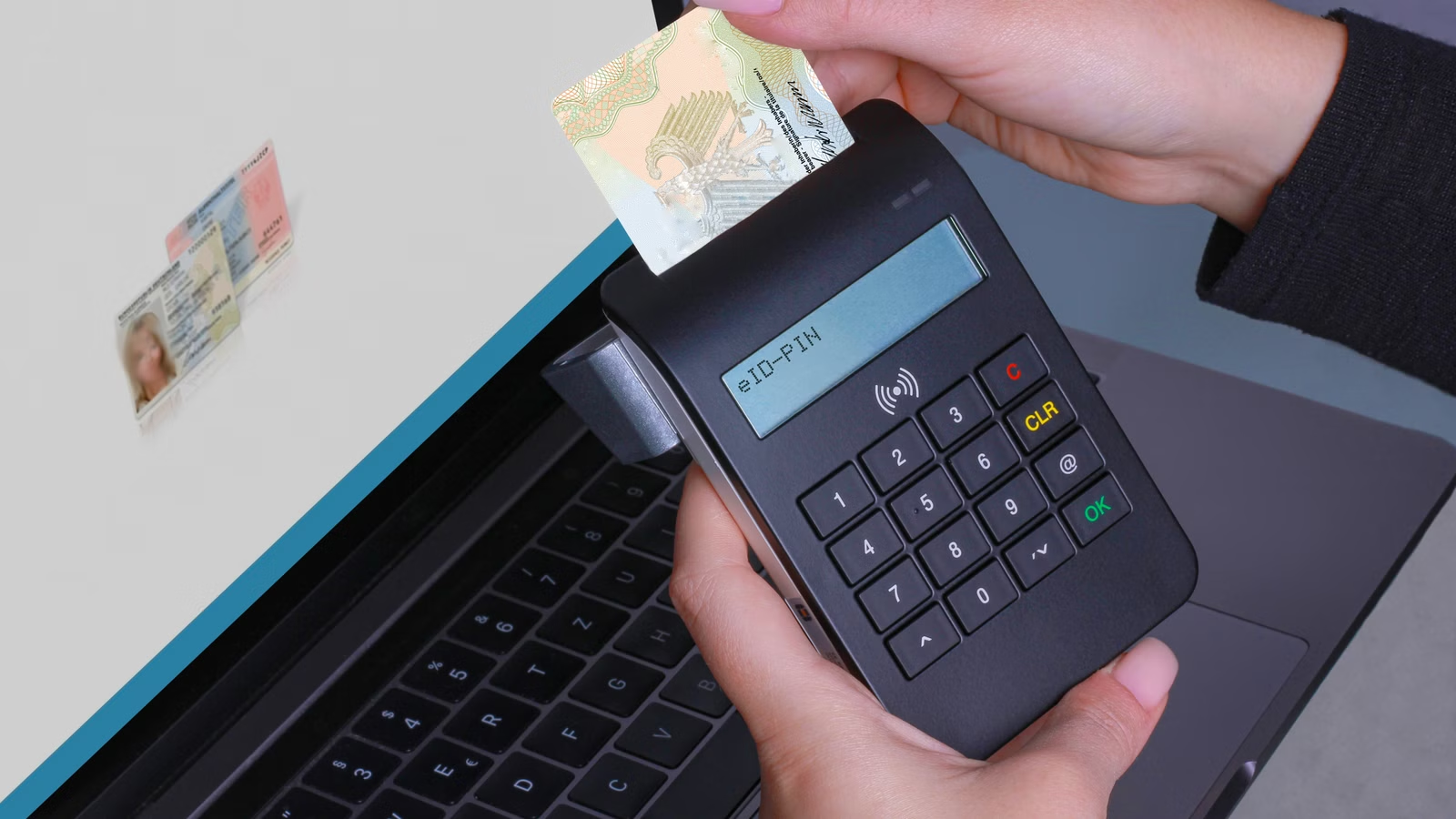
Instant bank accounts still require identity checks because banks and many financial providers must know who their customers are before providing financial access. In the United States, banks are required to maintain a Customer Identification Program, and similar know-your-customer rules exist in many markets. This does not mean every provider asks for the same documents, but it does mean a real account-opening process normally checks your identity, address, date of birth, and sometimes tax information. If you want an online account that remains usable, accurate information matters more than speed. A mismatch can trigger review, rejection, account limits, or closure.
KYC is not optional for real banking access
KYC, or know your customer, is the process financial institutions use to verify identity and understand account risk. It helps reduce fraud, money laundering, account takeover, sanctions violations, and stolen-identity accounts. Some apps make this process feel simple because they scan documents, match selfies, or use third-party databases in the background. That does not mean the check is absent.
For U.S. bank accounts, FinCEN has reminded banks of the need to collect identifying information before opening an account. For U.S. individuals, current rules also continue to require collection of a full SSN before account opening. Other countries may ask for a national ID, passport, tax number, proof of address, residence permit, or local mobile number.
Common information you may need
You should prepare your documents before applying, especially if you are a new immigrant, international student, freelancer, traveler, remote worker, or non-resident customer. The more your situation differs from a standard local resident profile, the more likely you are to face extra questions.
Common requirements include:
- Legal name matching your government ID
- Date of birth
- Residential address, not only a mailing address
- Phone number and email address
- Passport, national ID, driver’s license, or residence permit
- Tax ID, SSN, ITIN, TIN, or local equivalent
- Proof of address, such as a utility bill or bank statement
- Selfie, video check, or biometric verification
- Source-of-funds information for higher-risk activity
- Intended account use, especially for business or international transfers
A fast account application can still fail if your name order, address format, date of birth, or document number is entered incorrectly. Using a VPN, temporary phone number, borrowed address, or someone else’s documents can also create risk. Even if an application passes at first, later activity may trigger a review.
Why approval can be delayed or rejected
Many users search for instant accounts after being rejected by a traditional bank. Rejection does not always mean you did something wrong. It may reflect a mismatch in records, incomplete identity data, prior account closures, unpaid overdrafts, thin banking history, unsupported residency, missing tax information, or fraud-risk scoring. In some markets, banks may also use banking-history databases to evaluate applicants.
Here is a practical checklist before you apply:
| Check before applying | Why it matters | What to do |
|---|---|---|
| Name and ID match | Prevents automated mismatch | Use your legal name exactly as shown |
| Address is current | Supports residency and verification | Prepare proof of address if needed |
| Tax ID is available | Required in many markets | Confirm whether SSN, ITIN, TIN, or local ID applies |
| Phone number is stable | Used for login and fraud checks | Avoid disposable numbers |
| Funding source is clear | Helps reduce transfer delays | Use accounts in your own name |
| Country is supported | Eligibility differs by provider | Read residency and document rules first |
| Account purpose is realistic | Business use may need business onboarding | Do not use a personal account for restricted business activity |
Summary: Identity checks are not a sign that an online account is slow or outdated; they are part of how regulated financial access works. The provider may make the process feel instant by using automated records, document scanning, and app-based verification, but the underlying checks still matter. You should expect to provide accurate personal information, a valid ID, and sometimes tax or address details. If you are applying from abroad, using a non-local phone number, opening an account for business, or planning larger transfers, you should expect extra review. The safest approach is to prepare your documents, avoid shortcuts, and choose providers that clearly explain eligibility. A provider that promises serious banking access with no meaningful verification may be offering a limited product, using unclear compliance language, or creating avoidable risk for you.
Types of Online Accounts That Look “Instant” but Work Differently
Online accounts can look similar in an app, but the legal structure behind them can be very different. A licensed online bank, a credit union, a neobank, an e-money account, a prepaid card, a payment app wallet, and a brokerage cash balance may all let you see a balance and make payments. That does not mean your money receives the same protection or that the product is suitable for the same purpose. If you are choosing an instant bank account online, the most important question is: who legally holds your money, and what protection applies if that company or its partner fails?
Licensed online banks and credit unions
A licensed online bank can offer checking accounts, savings accounts, debit cards, direct deposits, bill pay, and bank transfers without operating like a traditional branch-based bank. If it is an FDIC-insured bank in the United States, eligible deposits are generally covered by FDIC deposit insurance up to $250,000 per depositor, per insured bank, for each ownership category.
Credit unions are different from banks, but U.S. federally insured credit unions also have federal share insurance. The NCUA says federally insured credit unions provide up to at least $250,000 of federal share insurance for eligible accounts. In the UK, the FSCS deposit protection limit has increased to £120,000 per eligible depositor per authorised firm from December 2025.
These protections are not global rules. Every market has its own deposit insurance or compensation system, coverage limits, eligibility rules, and exclusions. You should always check the protection scheme in the country where the account is issued.
Neobanks and fintech apps with partner banks
A neobank may be a licensed bank, but many neobanks are fintech companies that provide an app interface while customer funds are held at partner banks. This can be useful and legitimate, but the details matter. Some fintech balances may be eligible for pass-through deposit insurance when funds are properly placed and recorded at an FDIC-insured bank for the benefit of individual customers.
Pass-through coverage is not a separate type of unlimited insurance. It depends on account records, ownership records, and the actual placement of funds. The FDIC’s 2024 custodial account recordkeeping proposal shows why accurate records matter when banks hold customer funds through third-party arrangements. If a fintech app says funds are held with partner banks, you should check the bank names, account agreement, timing of fund placement, and what happens before funds reach the partner bank.
E-money accounts, payment apps, prepaid cards, and virtual cards
E-money accounts and payment apps can be excellent for spending, transfers, and online payments, but they may not be bank accounts. In the UK, the FCA has stated that funds held by payment and e-money firms are not directly protected by FSCS; safeguarding rules may apply, but customers can still face loss or delays if a firm fails. In the United States, the CFPB has warned that payment app balances may lack federal deposit insurance.
| Product type | Common benefit | Main limitation | Better use case |
|---|---|---|---|
| Licensed online bank | Stronger deposit-account structure | Eligibility may be stricter | Salary, savings, bills |
| Credit union account | Member-focused banking | Membership rules may apply | Local banking, basic checking |
| Neobank with partner bank | Fast app experience | Protection depends on structure | Everyday spending, direct deposit |
| E-money account | Digital payments and currency tools | Not always deposit insurance | Transfers, travel, online payments |
| Payment app wallet | Easy peer-to-peer transfers | Balance may be less protected | Small temporary balances |
| Prepaid debit card | Budget control | Fees and reload limits | Spending separation |
| Virtual card | Fast online card access | Merchant acceptance may vary | Subscriptions, online purchases |
Summary: The account type matters more than the app design. A clean interface, fast onboarding, and a debit-card image do not prove that you have opened a fully insured bank account. Licensed banks and insured credit unions are usually better for salary, emergency savings, and long-term cash storage. Neobanks can be useful, but you need to know whether the fintech itself is a bank or whether funds are held at partner banks. E-money accounts, payment apps, prepaid cards, and virtual cards can be practical tools for spending and transfers, but they may not provide the same protection or account rights as a deposit account. Before you add important money, confirm who holds the funds, which protection scheme applies, whether coverage is direct or pass-through, and what happens if the provider fails or restricts your account.
What to Check Before Opening an Instant Bank Account Online
Before opening an instant bank account online, you should check five areas: legitimacy, protection, fees, limits, and usability. A fast application is not enough. You need to know whether the provider is licensed, whether your money is insured or safeguarded, what fees apply, how much you can send or withdraw, and whether the account supports your real needs. This is especially important if you plan to use the account for direct deposit, rent, international payments, business revenue, subscriptions, crypto-related transactions, or larger balances. The safest account is transparent before you deposit money.
Safety and protection checks
Start with the legal name of the provider. Many apps use brand names that differ from the licensed entity or partner bank. Look for the account agreement, regulator information, deposit insurance wording, and customer fund structure. If a provider says your funds may be eligible for pass-through coverage, read when that coverage starts and whether funds are first held by the fintech, a payment processor, or another intermediary.
You should also check whether your account is a personal account, business account, custodial account, e-money balance, stored-value balance, prepaid account, brokerage cash balance, or deposit account. These categories affect protection, access, reporting, and dispute rights.
Fees, limits, and everyday usability
Low monthly fees do not mean low total cost. Some instant accounts charge for ATM withdrawals, cash deposits, card replacement, inactivity, foreign currency spending, international transfers, wire transfers, instant transfers, paper statements, or account closure. Others have no monthly fee but low transfer limits or long holding periods.
If your goal is cross-border money movement rather than a local bank relationship, compare exchange rates and payout routes before choosing an account. Tools such as real-time exchange rates can help you understand whether currency conversion is a major cost driver, while cross-border money transfers may be more relevant than opening a new bank account if your main need is sending funds internationally.
Red flags in “instant approval” offers
Be cautious when a provider promises guaranteed approval, no identity check, unlimited transfers, or access for restricted countries without clear rules. Another warning sign is an upfront “activation fee” before you receive account terms. You should also avoid any service that asks you to use someone else’s address, ID, phone number, or bank details.
Use this checklist before signing up:
| Check | Why it matters | Where to confirm |
|---|---|---|
| Legal entity | Shows who provides the account | Terms, disclosures, regulator register |
| Bank partner | Identifies who may hold funds | Account agreement |
| Deposit protection | Shows whether cash is insured | Insurance language and scheme rules |
| Account type | Determines rights and limits | Product terms |
| Fees | Prevents surprise costs | Fee schedule |
| Transfer limits | Affects payroll and rent use | Limits section |
| Card rules | Affects online payments | Cardholder agreement |
| International access | Prevents blocked use abroad | Eligibility and supported countries |
| Fraud review policy | Explains holds and freezes | Account restrictions section |
| Customer support | Matters if funds are locked | Support channels and service hours |
If the provider makes these details hard to find, consider it a risk signal. Fast access is useful only if you can also recover access when something goes wrong.
Summary: The best instant online account is not simply the one that opens fastest. It is the one that clearly tells you what it is, who regulates it, who holds your money, what protection applies, what fees you may pay, and what limits control your use. If you only need a small spending tool, a virtual card or prepaid product may be enough. If you need salary deposits, rent payments, savings, or business cash flow, you should prioritize a regulated account with clear deposit protection and reliable support. Before depositing a large amount, test the account with a small transfer, read the fee schedule, confirm withdrawal rules, and keep a backup account. Speed should help you start faster, not push you into unclear financial risk.
Safer Alternatives and How to Choose the Right Instant Account for Your Situation
A safer alternative depends on what you are trying to solve. If you need a place for salary, a licensed bank or credit union account is usually stronger than a payment app wallet. If you need online subscriptions, a virtual card or prepaid card may be more practical. If you need international transfers, a multi-currency account or cross-border payment provider may be more useful than a domestic checking account. If you have been rejected by banks before, a second-chance account or low-cost basic account may be more realistic than searching for “guaranteed instant approval.”
Low-cost checking and basic accounts
For long-term money, start with low-cost checking accounts, basic bank accounts, or credit union accounts. In the United States, Bank On National Account Standards highlight low costs, no overdraft fees, debit or prepaid card access, and online bill pay. Banks that offer Bank On-certified accounts are designed to reduce common barriers such as overdraft charges and high fees.
This type of account can be a better fit if you need direct deposit, government payments, bill pay, rent, or emergency savings. It may not be as flashy as a fintech app, but reliability matters more when the account holds important funds.
Second-chance checking and prepaid tools
If you have a poor banking history, past account closure, unpaid overdraft, or limited local records, second-chance checking may be more useful than “instant approval” marketing. These accounts may come with tighter rules at first, but they can help you rebuild access to banking services.
Prepaid cards and virtual cards can help when you need spending control. They are useful for subscriptions, travel budgets, online shopping, trial services, or separating work spending from personal funds. The trade-off is that prepaid products may charge reload fees, ATM fees, inactivity fees, or foreign transaction fees. They also may not support all direct deposits, refunds, wire transfers, or large payments.
Multi-currency accounts and international payment tools
If you are a freelancer, traveler, international student, remote worker, or cross-border user, a local instant bank account may not solve the full problem. You may need local receiving details, currency conversion, international payout options, virtual cards, and transparent FX costs. Multi-currency accounts and payment providers can help, but you still need to check licensing, supported countries, transfer limits, and fund protection.
| Main need | Better-fit product | What to check | Backup plan |
|---|---|---|---|
| Salary or government benefits | Licensed checking account | Direct deposit, insurance, fees | Second bank or credit union |
| Emergency savings | Insured savings account | Coverage limit, withdrawal access | Split large balances if needed |
| Online subscriptions | Virtual card or debit card | Billing address, card network, limits | Keep a second payment method |
| International transfers | Multi-currency or remittance provider | FX rate, payout country, limits | Compare bank transfer cost |
| Bad banking history | Second-chance account | Monthly fee, upgrade path | Bank On-style account |
| Travel spending | Prepaid or multi-currency card | ATM fees, FX fees, card controls | Carry another card |
| Small peer payments | Payment app | Withdrawal rules, balance protection | Move funds to insured account |
Choosing well means matching the tool to the job. Do not store emergency savings in a wallet designed for quick payments. Do not rely on a virtual card if you need payroll. Do not use a personal instant account for business activity if the terms prohibit it. And do not assume international access just because an app is available in your app store.
Summary: Safer alternatives are not one-size-fits-all. If your priority is stable money storage, direct deposit, and bill payments, a licensed bank account, credit union account, or low-cost basic account is usually the stronger path. If your priority is fast online spending, a virtual card or prepaid card may be enough, provided you understand the fees and merchant limits. If your priority is international use, compare currency support, transfer costs, supported countries, and regulatory structure. If you have been rejected by banks before, look for second-chance or low-cost accounts instead of chasing “no verification” offers. The right decision comes from your real use case: receiving money, holding money, spending money, sending money, or separating risk.
When your real need is broader than a single instant bank account, you can also think in terms of financial workflow. For example, you may need one protected account for salary and savings, one card-based tool for online subscriptions, and one cross-border solution for international payments. Biya can fit users who want a global multi-asset trading wallet with cross-border payment and currency-use scenarios in one place. Biya supports USDT conversion into major fiat currencies such as USD or HKD, covers payments in more than 190 countries and regions with over 40 local currencies, and offers BiyaPay EasyCard for global online subscriptions, AI service payments, billing records, and payment workflow support. If your financial needs also include market access, the Biya trading platform covers U.S. stocks, Hong Kong stocks, and digital asset trading. This does not replace a protected bank account for salary or emergency savings, and availability, fees, identity verification, card acceptance, and local rules should always be checked before use.
FAQ
Can you really open an instant bank account online with no verification?
Usually, no. A real bank account or regulated financial account normally requires identity verification before full access is granted. Some limited prepaid cards or wallets may allow basic use with lighter checks, but larger transfers, withdrawals, card functions, or long-term access can still require more information. If a provider promises a full bank account with no ID, no KYC, and unlimited use, treat that as a red flag. Use accurate details and check the account terms before depositing money.
Is an online bank account safer than a payment app balance for storing cash?
A licensed, insured online bank account is usually safer for important cash than a payment app balance. A bank account may be covered by a deposit insurance or compensation scheme, while funds left inside nonbank payment apps may not always receive the same protection. Payment apps can still be useful for small transfers and convenience, but they are not ideal as your main storage place for salary, rent money, or emergency savings. Check the provider’s terms and local protection rules.
What is the difference between a neobank and a real online bank account?
A real online bank is licensed to provide bank deposit accounts, while a neobank may be a fintech app that works with one or more partner banks. Some neobanks are licensed banks, but others are mainly user interfaces for payments, cards, or stored balances. Before relying on a neobank, check whether the fintech itself is a bank, which partner bank holds funds, whether deposit protection applies, and whether coverage is direct or pass-through.
Can non-residents open instant bank accounts online internationally?
Sometimes, but non-resident access depends on the country, provider, identity documents, tax residency, proof of address, and supported markets. Many products marketed internationally are multi-currency accounts, e-money accounts, or payment wallets rather than local bank accounts. They may be useful for receiving, converting, or spending money, but they may not support every salary deposit, tax requirement, wire transfer, or local payment rail. Always check eligibility before applying.
Are instant approval bank accounts good for people with bad banking history?
They can help in some cases, but instant approval does not mean guaranteed approval. If you have past overdrafts, unpaid fees, account closures, or limited banking history, you may be better served by second-chance checking, low-cost basic accounts, or no-overdraft accounts. These products may have tighter limits at first, but they are usually safer than offers claiming no checks or unrestricted access. Fees, upgrade paths, and account rules should be reviewed carefully.
What should you check before depositing a large amount into a new online account?
You should verify the provider’s license, account type, deposit protection, bank partner, withdrawal rules, transfer limits, fees, and customer support before depositing a large amount. It is safer to test a small transfer first and confirm that you can withdraw funds normally. If the account is a fintech, e-money, prepaid, or payment app product, check whether your balance is insured, safeguarded, or only protected after it reaches a partner bank. Keep a backup account for essential payments.
*This article is provided for general information purposes and does not constitute legal, tax or other professional advice from BiyaPay or its subsidiaries and its affiliates, and it is not intended as a substitute for obtaining advice from a financial advisor or any other professional.
We make no representations, warranties or warranties, express or implied, as to the accuracy, completeness or timeliness of the contents of this publication.
Related Blogs of

Crypto Trading Bots: Types, Costs, and Security Risks


MACD Crypto Trading Strategy: Settings, Signals, and Risk Management



Choose Country or Region to Read Local Blog
 Australia
 Austria
 Belgium
 Canada
 Cyprus
 Czech Republic
 Denmark
 Estonia
 Finland
 France
 Germany
 Greece
 Hong Kong
 India
India Indonesia
 Ireland
 Italy
Italy Japan
Japan Latvia
 Lithuania
 Luxembourg
 Malaysia
 Malta
Malta Morocco
 Nepal
Nepal Netherlands
 New Zealand
 Norway
 Pakistan
 Philippines
 Poland
 Portugal
 Romania
 Singapore
 Slovakia
 Slovenia
 South Africa
 South Korea
 Spain
Spain Sweden
 Thailand
 United States
 Turkey
 United Arab Emirates
 United Kingdom
 Vietnam