How to Understand Futu NiuNiu US Stock Fees? Trading Fees, FX Conversion and Funding Costs





Futu NiuNiu US stock fees should not be judged by “commission” alone. You need to look at trading commission, platform fees, settlement fees, SEC fees that may apply when selling, FINRA TAF, consolidated audit trail-related fees, FX conversion costs, and deposit or withdrawal expenses together. If you are preparing to buy US stocks, comparing broker costs, or checking your trade statement, the key is to first break down where each fee comes from, then evaluate the real cost based on order size, executed shares, trading frequency, and funding currency. Actual fees should always be based on the latest platform fee schedule, order preview, and execution details.
Key Takeaways
- Futu NiuNiu US stock costs include trading fees, external fees, and funding costs.
- Low commission does not mean low total cost; platform fees and minimums matter.
- Small orders are more easily affected by minimum fees per order.
- No extra FX conversion fee does not mean no spread or exchange-rate cost.
- Deposit and withdrawal costs often come from banks, intermediaries, and cross-border transfers.
- After trading, you should review execution details, cash movements, and daily statements.
What Are the Main Components of Futu NiuNiu US Stock Fees?

Futu NiuNiu US stock fees can generally be divided into two categories: broker-side fees such as trading commission and platform fees, and exchange, regulatory, or external agency-related fees. The estimated fee you see before placing an order is usually only part of the cost explanation. To judge real cost, you also need to check trade direction, share quantity, order value, whether the order triggers minimum fees, and whether selling creates additional regulatory charges. Buying and selling do not always involve the same fee items.
Trading Commission and Platform Fees Are the Main Visible Costs
In Futu NiuNiu US stock trading, the easiest items to notice are commission and platform fees. Commission can generally be understood as the broker’s trading service fee, while the platform fee is related to the trading system, account services, market data, or order processing. Under Futu Hong Kong’s US stock and ETF fee schedule, online trading commission is US$0.0049 per share, with a minimum of US$0.99 per order; the fixed platform fee is US$0.005 per share, with a minimum of US$1 per order, and the fee schedule also describes a maximum cap based on a percentage of transaction value.
This means you should not look only at the per-share rate. If you buy 1 share or 10 shares, the theoretical fee calculated by share count may be very low, but if it is below the minimum fee per order, the actual charge may still follow the minimum amount. For small-order users, the minimum fee is often more important than the headline per-share rate.
External and Regulatory Fees Can Affect Selling Costs
In addition to broker-side fees, US stock trading may involve external or regulatory-related charges, such as settlement fees, SEC Fee, FINRA Trading Activity Fee, and CAT Fee. FINRA’s explanation of the Trading Activity Fee shows that this type of fee is part of the regulatory fee system and is generally charged to member firms, with the way it appears to end users depending on the broker’s billing and disclosure.
Selling US stocks may also involve SEC Section 31-related fees. The SEC’s Section 31 fee rate states that from April 4, 2026, the rate for most securities transactions is US$20.60 per million dollars of transaction value. This rate can change based on official notices, so the actual statement should be based on the regulatory rate and broker display on the trade date.
Stocks, ETFs, Options and Fractional Shares Should Not Be Treated the Same
US stocks, ETFs, options, and fractional shares are all related to US market trading, but their fee structures may differ. Stocks and ETFs usually revolve around share count, order-level fees, and regulatory charges. Options usually involve contract fees. Fractional-share orders may have different minimum fees or platform rules. You should not use stock trading fees to estimate options costs, nor should you use whole-share order costs to estimate fees for orders below 1 share.
| Fee Item | Common Calculation Basis | Main Impact | Where to Check |
|---|---|---|---|
| Commission | Shares or order | Visible trading cost | Order preview, execution details |
| Platform fee | Shares or order | More sensitive for small orders | Fee schedule, daily statement |
| Settlement fee | Transaction value or shares | Reflected after execution | Execution details |
| SEC fee | Sell transaction value | Selling cost | Sell-side statement |
| FINRA TAF | Shares sold | Sell-side regulatory-related fee | Daily or monthly statement |
| CAT Fee | Shares or order rules | Regulatory tracking-related cost | Platform fee explanation |
Summary: Futu NiuNiu US stock fees should be separated into broker-side fees and external or regulatory-related fees. Commission and platform fees are the visible costs you are most likely to see in the order preview, while settlement fees, SEC fees, FINRA TAF, and CAT Fee are more likely to appear in post-trade statements. Small orders need special attention to minimum fees per order, while sell orders need special attention to regulatory-related charges. To judge real cost, do not only ask “how much is the commission.” You should also review the fee schedule, order preview, execution details, daily statement, and cash movements.
How Are Futu NiuNiu US Stock Fees Calculated? What Is Different for Small and Large Orders?
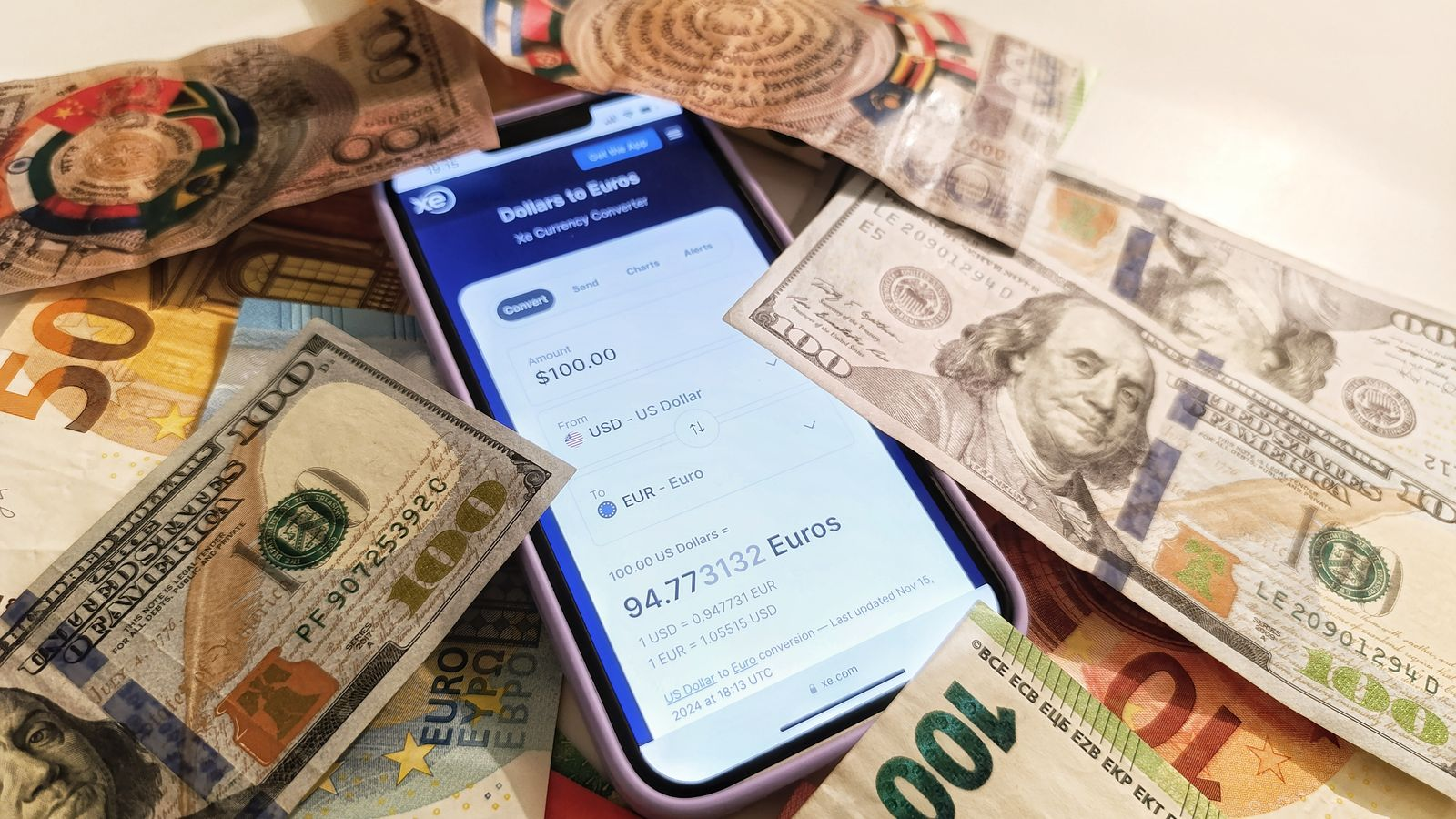
The key variables in calculating Futu NiuNiu US stock fees are executed shares, per-order minimums, fee caps, trade direction, and trading frequency. When fees are charged by share count, the cost structure for trading 1 share, 100 shares, and 1,000 shares can differ significantly. When minimum fees apply, small orders may have a higher cost ratio. When trading frequently, even if each individual fee looks small, accumulated platform fees and external charges can become meaningful.
When Fees Are Calculated by Share Count, Executed Shares Matter Most
For Futu NiuNiu US stock and ETF trading, both commission and platform fees are related to executed share count. You can understand the fee calculation in three steps: first multiply the number of shares by the per-share rate, then check whether the result is below the minimum fee per order, and finally check whether it reaches the maximum fee cap. This structure makes executed shares one of the most important variables.
For example, when trading 10 shares, the commission and platform fee calculated by per-share rates may be lower than the minimum charges, so the actual fee may be lifted by the minimum. When trading 500 or 1,000 shares, the cost becomes closer to the per-share fee structure, but the transaction value cap and external fees still matter. The stock price itself does not directly determine per-share commission, but it affects transaction value, maximum caps, and cost ratio.
Small Orders Are More Easily Affected by Minimum Fees
Small trades are the most likely to overlook the impact of minimum charges. If you only buy a small number of shares, the per-share commission and platform fee may look low, but if every order triggers the minimum commission and minimum platform fee, the actual cost as a percentage of transaction value can rise noticeably. For beginners, this is why “buying one share to try it” is not always the cheapest way to start.
A practical way to evaluate small-order costs is shown below:
| Order Type | Fee Feature | What to Watch |
|---|---|---|
| 1–10 share small order | Easily triggers minimum fees | Cost ratio, order preview |
| Around 100 shares | Per-share rate and minimums both matter | Commission, platform fee, external fees |
| 500+ shares | Share-count fees become more visible | Fee cap, execution price |
| Frequent split orders | Per-order fees may accumulate | Number of split orders, platform fees |
| Sell orders | More regulatory-related items | SEC fee, FINRA TAF |
Frequent Trading Requires Attention to Accumulated Fees and Spreads
If you trade several times a week or several times a day, cost is not only about one transaction fee. Each order may involve platform fees, external charges, and bid-ask spreads. Futu’s explanation of valid orders states that trades on the same trading day are treated as one order, while trades on different trading days are calculated as separate orders for trading-related fees. This matters for partial fills, staged buying, and trades that cross different trading days.
Frequent trading also involves hidden costs. Bid-ask spreads, slippage, insufficient liquidity, and price movements during extended trading hours can all affect actual execution. Even when visible fees are not high, repeated execution at worse-than-expected prices can increase total cost.
Summary: Futu NiuNiu US stock fee calculation is not a single formula, but the result of several variables. Small trades need to focus on minimum commission and minimum platform fees because they can raise the cost ratio. Large trades need to consider per-share fees and maximum fee caps. Frequent traders need to monitor per-order costs, split orders, and accumulated external charges. A more complete approach is to review share count, trade direction, trading frequency, execution price, and statement fees together. This helps you understand whether a single trade is cost-efficient and whether long-term trading costs remain manageable.
How to Understand Futu NiuNiu FX Conversion Costs? Does “No Extra Fee” Mean No Cost?

Futu NiuNiu FX conversion cost should not be judged only by whether an extra fee is charged. If you use Hong Kong dollars, offshore renminbi, Japanese yen, or another currency to prepare for US stock trading, you eventually need USD assets. Therefore, you should check the conversion route, actual exchange rate, convertible amount, settlement status, and exchange-rate movement. Even if the platform states that it does not charge an additional FX conversion fee, the actual rate may still include a bid-ask spread, and frequent conversions can increase total cost.
The Currency Conversion Route Affects Trading Preparation
If you use Futu NiuNiu to trade US stocks, you usually need USD funds. Futu’s deposit-related materials show that accounts support deposits in HKD, USD, offshore RMB, JPY, and other currencies, and funds can be converted between currencies on the platform after deposit. For users funding with HKD or other currencies, the key question before trading is not only whether conversion is possible, but when to convert, what rate is used, and whether the converted funds are available for trading.
Futu’s currency exchange function is usually handled through account transfer features. You should pay attention to the convertible amount, because the amount available for conversion may be affected by unsettled trades, unpaid fees, frozen funds, submitted orders, or account status. The balance you see before conversion may not be entirely available for immediate exchange.
No Extra Conversion Fee Does Not Mean No FX Cost
Futu’s currency exchange materials state that exchange rates are real-time FX market rates provided by upstream banks, and that no extra fee is charged. This is where misunderstanding often occurs: no extra fee does not mean total conversion cost is zero. The FX market usually has a bid-ask spread, and the actual execution rate you receive may differ from the mid-market rate.
You can evaluate FX conversion cost using three types of information:
| Evaluation Factor | What to Check | Why It Matters |
|---|---|---|
| Pre-conversion rate | Real-time rate shown by the platform | Indicates conversion price |
| Post-conversion amount | Actual USD or HKD received | Confirms final funds |
| Market reference rate | Bank or FX market reference | Estimates rate difference |
| Conversion timing | Before or after trading, during or outside market hours | Affects FX volatility |
| Conversion back to base currency | Whether you exchange proceeds after selling | Affects round-trip cost |
Cross-Currency Trading Should Include Exchange-Rate Movement
If you deposit HKD, convert it into USD to buy US stocks, then sell US stocks and convert the proceeds back into HKD, your real cost is more than one stock trading fee. It includes the result of two or more FX conversions. Short-term traders should pay special attention, because exchange-rate movement may offset part of investment gains or amplify losses.
If you hold USD cash or USD-denominated assets for a long period, short-term FX fluctuations may matter less to trading frequency, but they still affect final returns measured in your home currency. For international-market users, FX conversion cost is often more important than a single commission charge. Especially when trade size is large, even a small exchange-rate difference can exceed the cost of several trades.
Summary: Futu NiuNiu FX conversion cost should be understood through actual exchange rate, conversion route, convertible amount, and exchange-rate movement. When the platform says no extra FX conversion fee is charged, it only means there is no separately listed fee; it does not mean bid-ask spreads or FX volatility do not exist. Before buying US stocks, you should confirm funding currency, trading currency, converted amount, and conversion timing. After selling US stocks, you should also consider whether to convert back into your base currency immediately. The real cost of cross-currency trading is often determined by both trading fees and exchange-rate results.
How to Judge Futu NiuNiu Deposit and Withdrawal Costs?
Futu NiuNiu deposit cost usually depends not only on whether Futu charges a fee, but also on banks, remittance routes, intermediary banks, currencies, and processing time. Hong Kong local bank accounts are generally more convenient, and channels such as eDDA, bank-securities transfer, and FPS may be faster. Deposits from US, Taiwan, or other regional banks depend more on online banking, wire transfers, or cross-border bank processing. You should focus on same-name account requirements, arrival time, bank charges, and refund rules.
Hong Kong Bank Deposits Are Usually More Convenient
If you hold a Hong Kong bank account, depositing funds into Futu NiuNiu is usually smoother. Futu’s introduction to eDDA quick deposit states that this method is based on FPS. After authorization, users can initiate debit deposits in the app, funds are usually credited quickly, and eDDA authorization and deposits are free.
Futu’s deposit arrival time materials show that some Hong Kong bank channels, such as eDDA or bank-securities transfer, can be credited relatively quickly during supported hours, while FPS, online banking, ATM, counter deposits, or checks may have different processing times. It is important to remember that “Futu does not charge” does not mean the bank will never charge. Cross-bank transfers, counter services, checks, or special transfers may still involve bank-side fees.
Deposits from Other Regions Depend More on the Remittance Route
If you fund from a US, Taiwan, or other regional bank account, arrival time and cost depend more heavily on the banking route. Futu’s Futu deposit guide notes that bank accounts in different regions may use different deposit methods, and arrival time can vary depending on bank processing, holidays, and whether transfer information is correct.
International users should pay special attention to three types of fees: sending bank fees, intermediary bank fees, and possible receiving bank fees. If funds are returned, refund charges or FX loss may also occur. Even if the broker does not charge a deposit fee, banks and intermediary routes can still increase real funding cost.
Same-Name Account and Special Channel Restrictions Affect Success Rate
Deposit success rate also matters. Futu’s deposit guide sets requirements around same-name accounts, fund sources, and special channels. The bank account used for transfer generally needs to match the name on the securities account, and cash deposits or fund sources that are difficult to verify may not be accepted. Using another person’s account, e-wallets, money changers, or unverifiable fund routes may lead to rejection, refund, or delay.
| Deposit Route | Arrival Feature | Cost Focus | Risk Point |
|---|---|---|---|
| eDDA | Fast, suitable for Hong Kong banks | Usually free on Futu side | Only supports certain currencies and banks |
| Bank-securities transfer | Relatively fast | Bank-side rules | Bank support scope |
| FPS | Convenient local transfer | Cross-bank or bank limits | Notification and information accuracy |
| International wire | Broad coverage | Sending and intermediary bank fees | Slower arrival, refund costs |
| Check or bank counter | Traditional route | Bank handling fee | Slow approval, information errors |
| Special channels | Not recommended | Refund and compliance cost | May be rejected |
Summary: Futu NiuNiu deposit and withdrawal costs mainly come from bank-side fees, cross-border transfer routes, and fund review processes. Hong Kong local bank users can usually use faster deposit methods, while international users need to confirm sending banks, intermediary banks, receiving information, arrival time, and supported currencies in advance. A failed deposit is not only a matter of “sending again”; it may also create refund fees, FX loss, and opportunity cost. A more prudent approach is to first test with a small amount through a same-name account and supported channel before making a larger deposit.
How to Read Futu NiuNiu Order Statements and Real Trading Costs?
To understand the real trading cost on Futu NiuNiu, you need to read the fee schedule, order preview, execution details, cash movements, daily statements, and monthly statements together. The order preview helps you estimate fees, but the final cost depends on actual execution and statements. Buy orders usually focus on commission, platform fees, and settlement fees. Sell orders may also include SEC fees, FINRA TAF, and other regulatory-related charges. Cross-currency users should also include FX conversion costs.
Check the Order Preview Before Trading and Execution Details After Trading
Before placing an order, review the estimated fees in the order preview, including order quantity, order price, transaction value, commission, platform fees, and possible external fees. After execution, check execution details and daily statements to confirm the actual amount. Because an order may be filled in multiple executions, the final fee may differ from the pre-trade estimate.
Key items to check include:
| Item to Check | Before Trading | After Trading |
|---|---|---|
| Executed shares | Order quantity | Actual filled quantity |
| Execution price | Limit or estimated market price | Average execution price |
| Commission | Estimated charge | Actual deduction |
| Platform fee | Whether minimum fee applies | Daily statement amount |
| External fees | Whether they may apply | Statement details |
| Exchange rate | Rate shown before conversion | Actual converted amount |
| Cash balance | Available funds | Post-trade balance change |
Buying Costs and Selling Costs Are Not Exactly the Same
When buying US stocks, you mainly focus on commission, platform fees, settlement fees, and FX conversion costs. When selling US stocks, you may also see sell-side regulatory charges. FINRA’s March 2026 notice on the Section 31 fee rate states that the relevant rate will be adjusted to US$20.60 per million dollars from April 4, 2026. Because regulatory rates can change, the corresponding items in your sell-side statement should be based on the trade date and platform display.
This is why some users feel that “buying did not cost much, but selling has more fee items.” It is not necessarily a statement error; the fee structure differs by trade direction. When calculating the full cost of one trade cycle, you should estimate both buying cost and future selling cost.
Hidden Costs Come from Spreads, Slippage and Funding Delays
The fee schedule explains visible costs, but it cannot fully explain trading results. In real trading, bid-ask spreads, slippage, low liquidity, pre-market or after-hours trading, funding delays, and FX timing can all affect real cost. For example, a market order placed during a volatile period may execute at a worse price than the quote you saw. Cross-border deposit delays may also cause you to miss a planned entry price.
Summary: The real trading cost on Futu NiuNiu cannot be judged only by the fee schedule. You need to cross-check the order preview, execution details, and cash movements. Buying and selling costs are not exactly the same, and sell orders are more likely to involve regulatory-related fees. Cross-currency trading also requires adding actual FX amounts, exchange rates, and bank deposit costs to total cost. Estimating before trading and checking after execution is the key to avoiding fee misunderstandings. Once you connect shares, price, fees, exchange rate, and cash balance changes, you can more accurately judge the real cost of each US stock trade.
Which Users Are Futu NiuNiu Fees Better Suited For? When Should You Compare Other Platforms?
Futu NiuNiu is more suitable for users who value Hong Kong and US stock app experience, market data tools, mobile trading, and the convenience of Hong Kong bank deposits. If you already have a Hong Kong bank account, regularly follow Hong Kong and US stocks, and want to view market data, place orders, and manage funds in one app, Futu NiuNiu may feel more convenient. But if you are a small-order, low-frequency, cross-border funding, multi-currency, or multi-asset user, you should compare total cost with other platforms.
Suitable for Users Who Value Hong Kong and US Stock Trading Experience
Futu NiuNiu’s strengths usually appear in app experience, Hong Kong and US stock quotes, account tools, and community-style information. For users who often watch Hong Kong stocks, US stocks, ETFs, and options, trading experience and information density can be important. Users who already have Hong Kong bank accounts may also be better able to use local deposit methods to reduce uncertainty in fund transfers.
Small-Order, Low-Frequency and Cross-Border Funding Users Should Compare Total Cost
If your order amount is small, minimum commission and minimum platform fees can affect cost ratio. If your funding depends on cross-border wire transfers, bank fees and FX spreads may be more important than trading commission. If you only buy occasionally and hold for the long term, account convenience, withdrawal route, and tax documents may matter more than one trade’s fee rate.
| User Type | Fee Focus | Decision Focus |
|---|---|---|
| Hong Kong bank user | Local deposit, FX conversion | Arrival speed and currency |
| Small-order user | Minimum commission, minimum platform fee | Cost ratio |
| Frequent trader | Accumulated platform fees, spreads | Trading frequency and execution quality |
| Cross-border funding user | Wire fees, FX rate, refund cost | Bank route |
| Long-term investor | Full buy-sell cost, tax documents | Holding period |
| Multi-asset user | Stocks, Hong Kong stocks, digital assets, fiat conversion | Asset management workflow |
Compare with Multi-Asset Trading Wallets Such as Biya
If you are not only checking Futu NiuNiu US stock fees, but also comparing US stocks, Hong Kong stocks, digital assets, and major fiat conversion workflows, you can include Biya in a broader cost comparison. Biya is a global multi-asset trading wallet that supports US stocks, Hong Kong stocks, and digital asset trading, as well as USDT conversion into USD, HKD, and other major fiat currencies. For users who need to manage trading, currency conversion, and multi-asset records at the same time, fee transparency and order review capability also matter.
Biya US stock trading commission is US$0, and its US stock trading fees show that platform fees, external agency fees, and other costs should be based on the fee center and order page. If you want to screen US stocks before trading, US stock information can also be part of your research workflow. Service availability depends on your location, identity verification result, platform rules, and applicable laws and regulations.
Summary: Whether Futu NiuNiu is suitable for you should not be decided by one fee rate alone. Users with Hong Kong bank accounts who value Hong Kong and US market data and mobile trading may be better positioned to benefit from the platform. Small-order users should focus on minimum fees, cross-border funding users should check bank and FX costs, and frequent traders should monitor accumulated fees and execution quality. If you also need US stocks, Hong Kong stocks, digital assets, and fiat/USDT conversion workflows, you can include platforms such as Biya in your total-cost comparison. The final choice should be based on account eligibility, funding route, fee transparency, and convenience of statement review.
When comparing Futu NiuNiu US stock fees, the focus should not be the commission number alone, but the full picture of trading fees, platform fees, external agency fees, FX route, funding cost, and statement transparency. Whether a platform fits you depends on your funding source, trading frequency, order size, holding period, and local rules. If you want to build a more complete asset management workflow across US stocks, Hong Kong stocks, digital assets, and major fiat conversion, Biya can be considered as one of the candidate platforms.
Biya supports US and Hong Kong stock trading, digital asset trading, and USDT conversion into major fiat currencies such as USD or HKD. Its US stock trading commission is US$0, while platform fees, external agency fees, and other costs should be based on the fee center and order page. Users who meet the relevant service eligibility requirements can further download the App based on their funding route and trading needs. Public market information, trading rules, and fee structures are provided only to help you understand costs and do not constitute investment advice. Service availability depends on your location, identity verification result, platform rules, and applicable laws and regulations.
FAQ
What Are the Main Components of Futu NiuNiu US Stock Fees?
Futu NiuNiu US stock fees mainly include commission, platform fees, settlement fees, and external charges that may apply when selling, such as SEC fees and FINRA TAF. The actual amount should be based on Futu’s latest fee schedule, order preview, execution details, and statements.
Why Do Small US Stock Trades on Futu NiuNiu Have a Higher Cost Ratio?
Small US stock trades on Futu NiuNiu often have a higher cost ratio because commission and platform fees may have minimum charges per order. Even if the per-share fee is low, a small-share order can trigger minimum fees and raise cost as a percentage of trade value.
Does No Extra FX Conversion Fee on Futu NiuNiu Mean No Cost?
No. No extra FX conversion fee does not mean there is no cost. The actual exchange rate may include a bid-ask spread, and FX movement can also affect final funding cost. You should check the displayed conversion rate and the final credited amount.
Can a Failed Deposit into Futu NiuNiu Create Extra Costs?
Yes, a failed deposit into Futu NiuNiu may create extra costs. Futu usually does not charge deposit fees, but sending banks, intermediary banks, or refund processes may charge fees. Non-matching account names or special funding channels may also cause delays or returns.
Is Futu NiuNiu Suitable for International Users Buying US Stocks?
Futu NiuNiu may be suitable for some international users, but it depends on account eligibility, funding route, FX cost, trading frequency, and local rules. International users should first confirm supported regions, same-name bank accounts, tax documents, and withdrawal rules.
How Should Futu NiuNiu Fees Be Compared with Other US Stock Platforms?
Futu NiuNiu fees should be compared by total cost, not commission alone. You should compare platform fees, external agency fees, minimum charges, FX conversion costs, deposit and withdrawal fees, order execution quality, and statement transparency.
*This article is provided for general information purposes and does not constitute legal, tax or other professional advice from BiyaPay or its subsidiaries and its affiliates, and it is not intended as a substitute for obtaining advice from a financial advisor or any other professional.
We make no representations, warranties or warranties, express or implied, as to the accuracy, completeness or timeliness of the contents of this publication.
Related Blogs of

Best US Stock Trading Apps 2025/2026: Fees, Funding and Account Setup


What Are After-Hours Pricing and After-Hours Odd-Lot Trading? Rules, Fees, and Use Cases


Choose Country or Region to Read Local Blog
 Australia
 Austria
 Belgium
 Canada
 Cyprus
 Czech Republic
 Denmark
 Estonia
 Finland
 France
 Germany
 Greece
 Hong Kong
 India
India Indonesia
 Ireland
 Italy
Italy Japan
Japan Latvia
 Lithuania
 Luxembourg
 Malaysia
 Malta
Malta Morocco
 Nepal
Nepal Netherlands
 New Zealand
 Norway
 Pakistan
 Philippines
 Poland
 Portugal
 Romania
 Singapore
 Slovakia
 Slovenia
 South Africa
 South Korea
 Spain
Spain Sweden
 Thailand
 The United States
 Turkey
 United Arab Emirates
 United Kingdom
 Vietnam
Contact Us




BIYA GLOBAL LLC is registered with the Financial Crimes Enforcement Network (FinCEN), an agency under the U.S. Department of the Treasury, as a Money Services Business (MSB), with registration number 31000218637349, and regulated by the Financial Crimes Enforcement Network (FinCEN).
BIYA GLOBAL LIMITED is a registered Financial Service Provider (FSP) in New Zealand, with registration number FSP1007221, and is also a registered member of the Financial Services Complaints Limited (FSCL), an independent dispute resolution scheme in New Zealand.