Will SpaceX Surge on Its IPO Debut? First-Day Trading Risks of a Hot IPO




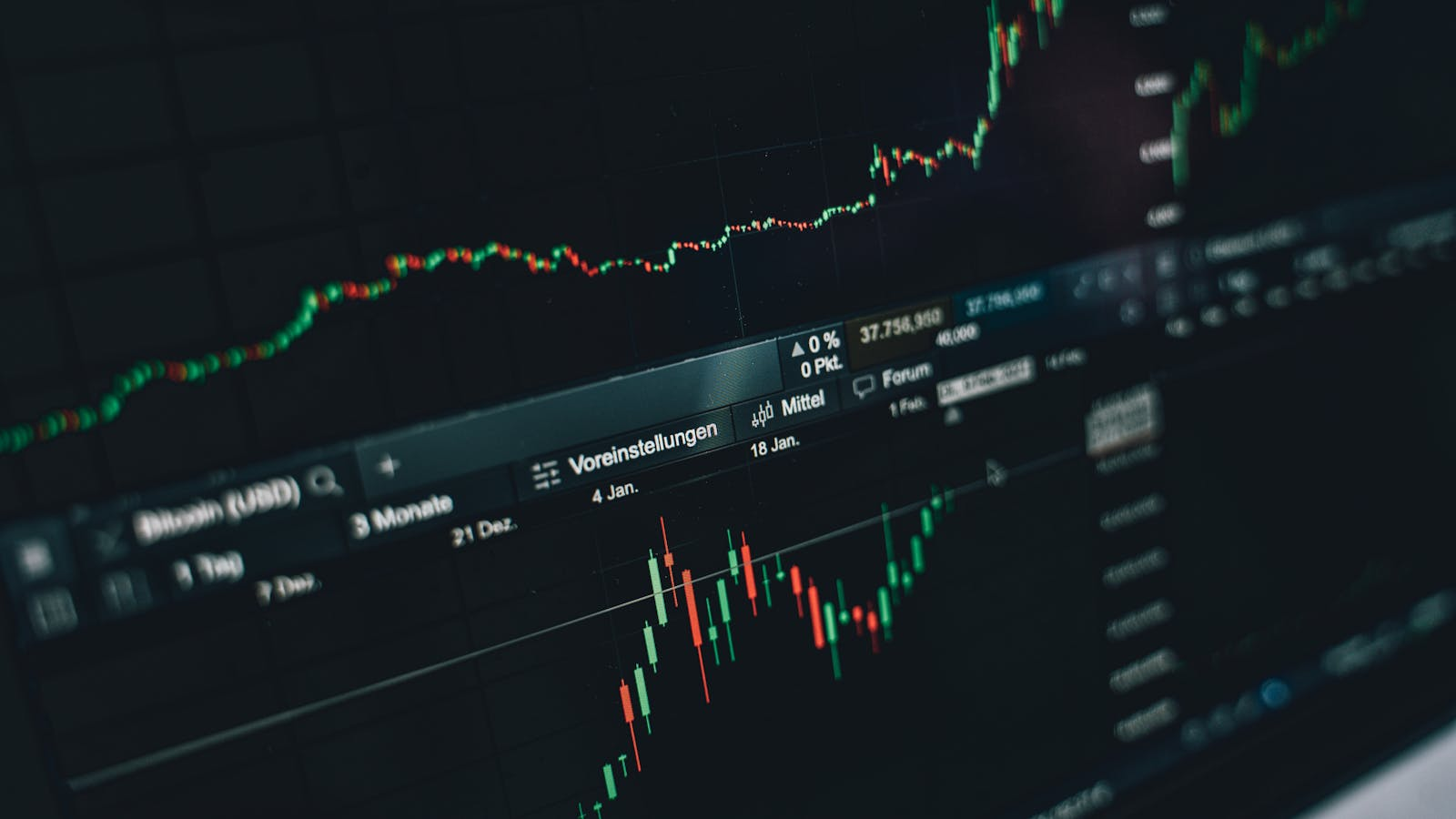
Whether SpaceX will surge on its IPO debut cannot be determined in advance. The first-day performance of a hot IPO depends on offering price, opening mechanism, allocation structure, number of tradable shares, market sentiment, and valuation expectations. Even if SpaceX has high visibility, you cannot directly equate “hot IPO” with “certain first-day pop”. For ordinary investors, the key is to distinguish between offering price, opening price, and actual transaction price, and to understand first-day volatility, order slippage, and transaction costs in advance.
Key Takeaways
- Whether SpaceX surges on day one depends on the gap between offering price and market expectations.
- A hot IPO may open higher, but it can also quickly fall if valuations are too high.
- Ordinary investors may not be able to buy at the offering price; the actual transaction price matters more.
- The opening price is determined by supply/demand and trading mechanisms, not equal to the offering price.
- Before trading, assess volatility, order types, fees, and risk tolerance.
Will SpaceX Surge on Its IPO Debut? First Understand What Users Really Want to Know

Whether SpaceX will surge on its IPO debut cannot be judged solely by the company’s popularity. The first-day gain essentially results from offering price, market demand, number of tradable shares, and investor sentiment. SpaceX has strong buzz, but if the offering price already fully reflects optimistic expectations, the first day could see a high open followed by volatility or even a decline.
Users searching for “SpaceX IPO first day trading”, “SpaceX IPO opening price”, “SPCX first-day gain”, or “SpaceX IPO retail investors” appear to be asking “will it go up”, but they actually care more about three questions: can I get the offering price, can I buy after the open, and does a first-day pop mean further upside? None of these can be answered with a simple “yes” or “no”.
Reuters reports that SpaceX is moving forward with a Nasdaq listing plan, targeting to raise approximately $75 billion at a valuation of about $1.75 trillion, with a potential ticker symbol SPCX; if completed at this scale, it could become one of the most anticipated IPOs in global capital markets. Such high attention will concentrate demand and also amplify first-day trading volatility.
| User Question | What to Actually Analyze | Significance for SpaceX |
|---|---|---|
| Will it surge on day one? | Offering price, opening price, demand intensity | Assess short-term sentiment |
| Can I buy at offering price? | Allocation rules, platform eligibility | Determine participation threshold |
| Is it safe to chase on day one? | Volatility, liquidity, valuation | Assess trading risk |
| Can I buy after a rise? | Long-term fundamentals, valuation digestion | Determine holding logic |
| Does a drop mean failure? | Market sentiment and pricing expectations | Distinguish short-term noise |
An IPO first-day pop is common, but it is not proof of long-term value. The gain may come from conservative underwriting pricing, limited tradable shares on day one, concentrated buying by institutions and retail investors, media hype, and short-term fund flows. SpaceX’s brand scarcity, Musk’s influence, Starlink business, and AI narrative may all amplify first-day attention; but these factors may also mean that pre-IPO valuations are already high.
Summary: Whether SpaceX will surge on its IPO debut is not a question that can be answered in advance. More important is to judge whether the offering price already reflects overly high expectations, whether ordinary investors can get the offering price, whether the opening price is inflated by sentiment, and whether the first-day transaction price still offers a reasonable margin of safety. The first-day performance of a hot IPO is more like a price discovery process than a long-term investment conclusion. You should not only ask “will it rise”, but first ask: “If it rises, what price can I actually buy at; if it falls, can I withstand the volatility?”
IPO Offering Price, Opening Price, and First-Day Transaction Price: Why They Are Not the Same

The offering price, opening price, and first-day transaction price are not the same. Many people see “IPO pops on day one” and think they can profit from the offering price, but ordinary investors may not be able to buy at that price. What actually affects your account is the price you execute at after listing, not the offering price used in news headlines.
What is the offering price?
The offering price is set by the company and underwriters during the IPO pricing phase. It typically considers valuation, institutional demand, market conditions, comparable company valuations, and offering size. For hot IPOs, the offering price may not be available to all ordinary investors. The IPO share allocation explanation on Investor.gov notes that IPO shares are allocated by underwriters and the issuing company; individual investors may have difficulty obtaining shares even through online brokers.
How is the opening price formed?
The opening price is the price formed when public trading begins on the first day. Nasdaq’s IPO Cross forms the Nasdaq Official Opening Price when the IPO starts trading. The price is determined by market supply/demand, buy/sell orders, and volume; if there is excessive volatility during the quote period, the process may be extended. In other words, the opening price is the result of market repricing and may not be close to the offering price.
The first-day transaction price is closer to the ordinary investor’s experience
If ordinary investors do not have IPO allocations, they actually face the secondary market transaction price. This price may already include sentiment premium, liquidity premium, and short-term speculation. The first-day transaction price can also change dramatically within minutes, especially for hot IPOs in early trading. Market orders, limit orders, bid-ask spreads, and order queue conditions all affect the final execution.
| Price Type | Formation Stage | Who Can Participate More Easily | Main Risk |
|---|---|---|---|
| Offering Price | IPO pricing phase | Institutions and allocated investors | Ordinary investors may not get it |
| Opening Price | First-day opening mechanism | All tradable investors | Sentiment and supply/demand push price up |
| First-day Transaction Price | Secondary market trading | More common for ordinary investors | Volatility, slippage, chase risk |
| Closing Price | End of first day | Formed by public market | Does not represent long-term trend |
For example, if the IPO offering price is $100 and the opening price is $160, the media may say “pops 60% on day one”. But if you buy near $160 and it later drops to $140, your account experiences a loss, not a gain. The headline reporting of a hot IPO and the actual execution price for ordinary investors are often not the same set of prices.
Summary: To assess the risk of SpaceX’s IPO debut, you must first distinguish between offering price, opening price, and first-day transaction price. Much of the “first-day pop” discussion refers to the gain from offering price to opening or closing price, but ordinary investors may not be able to buy at the offering price. What actually affects your account results is your actual transaction price, order type, and holding plan. For a high-attention IPO like SpaceX, the bigger the first-day pop, the more you need to be wary of buying at peak sentiment, highest price, and with the least information.
Why Hot IPOs Often Pop on Day One: Supply/Demand, Scarcity, and Sentiment Pricing
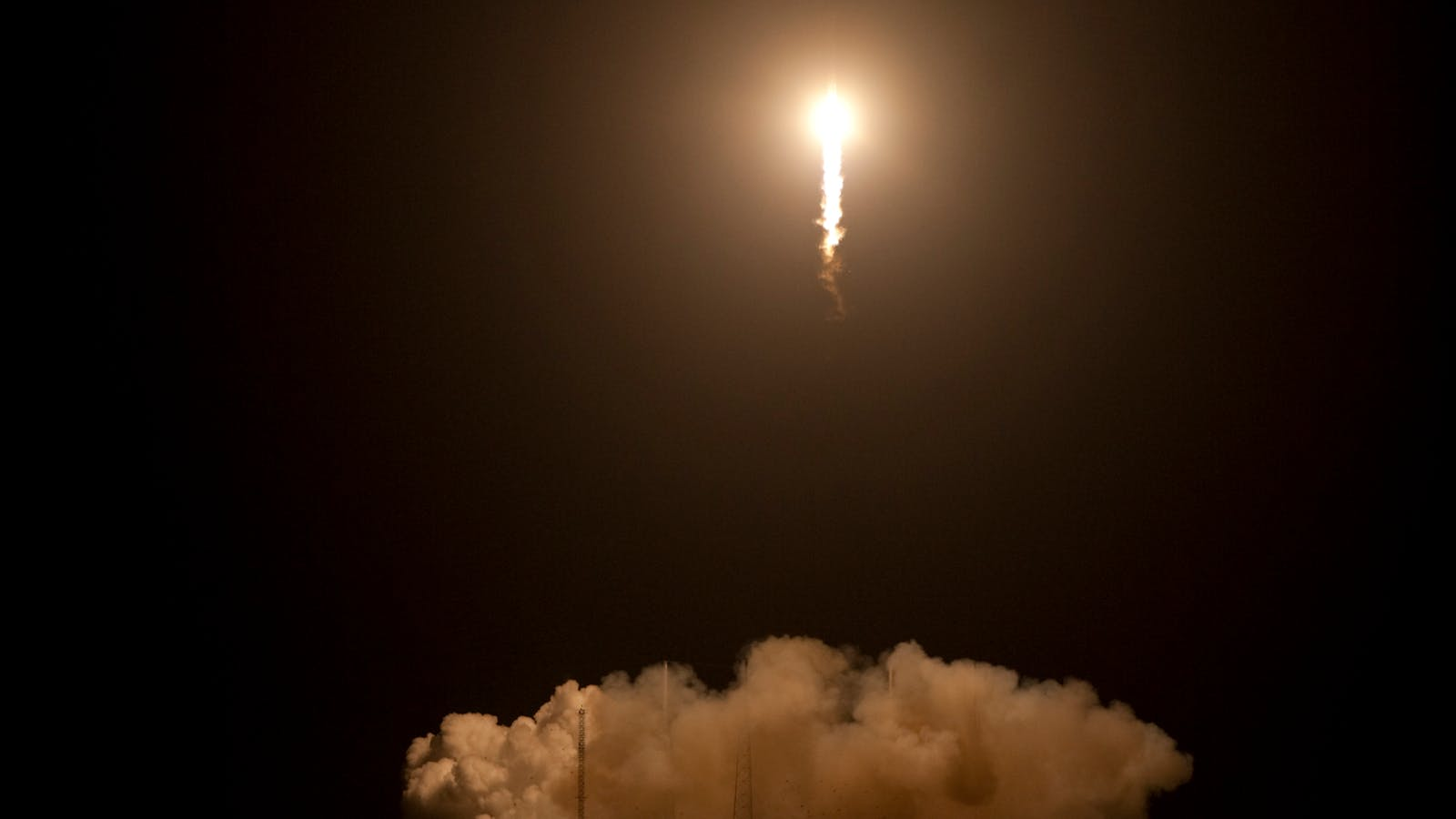
Hot IPOs often pop on day one, not because the company suddenly becomes stronger on its listing day, but because the supply of tradable shares is limited, investor demand is concentrated, brand scarcity is high, media attention is intense, and the market is willing to pay a higher price to grab shares in a short time. SpaceX has these characteristics, so a first-day pop is conceivable, but that does not mean low risk for chasers.
The SEC’s IPO investor alert reminds that the trading price of new stock may be affected by the limited supply of shares available in the market after the IPO; typically, only shares sold in the IPO are tradable on day one, while shares held by founders, early investors, and employees are subject to lock-ups. Limited supply coupled with strong demand is an important reason why hot IPOs often see price jumps on day one.
SpaceX’s scarcity is even more pronounced. It is not an ordinary tech company; it combines commercial spaceflight, satellite internet, reusable rockets, AI, and space infrastructure. Reuters reports that expectations for the SpaceX IPO have already driven up some European satellite and space-related stocks, suggesting the market may view the SpaceX IPO as a repricing event for the space economy theme.
| Factor Driving First-Day Pop | Specific Manifestation | What to Watch Out For |
|---|---|---|
| Limited supply | Few tradable shares | Price may disconnect from fundamentals |
| Concentrated demand | Institutions and retail both focus | Opening price inflated by sentiment |
| Brand scarcity | High recognition of SpaceX assets | Scarcity does not mean cheap |
| Thematic narrative | AI, Starlink, space economy | Hype may fade |
| Media attention | High discussion on social platforms | Easy to develop chase psychology |
Retail participation can also amplify volatility. Reuters analysis of recent hot IPOs noted that Musk intends to make some SpaceX shares available to retail investors through platforms like Robinhood and SoFi. Such arrangements may increase ordinary investor participation, and also mean that social media discussions, FOMO, and short-term orders may be more concentrated in the first-day price.
But supply/demand-driven pops are not the same as long-term fundamental validation. A first-day pop may indicate strong market demand, but it may also mean the opening price already overreacts to optimism. SpaceX’s long-term value depends on Starlink users and profits, AI capex, Starship progress, losses, and governance structure; these do not automatically improve just because the first-day gain is large.
Summary: First-day pops for hot IPOs typically come from supply-demand mismatch, brand scarcity, market sentiment, and concentrated short-term funds, not a single fundamental change. SpaceX has strong buzz and scarcity, so a first-day pop is conceivable; but if the opening price already fully reflects optimistic expectations, chase risks rise simultaneously. For ordinary investors, the first-day pop is not the problem; the real problem is whether you can buy at a reasonable price and withstand subsequent declines.
Why a Big First-Day Pop Can Also Be Dangerous: High Valuation, Pullback, and Lock-up Changes
A big first-day pop is not necessarily bad, but for those who buy later, the larger the gain, the higher their entry cost and the lower the margin of safety. If SpaceX surges sharply on its debut, the market will demand even more future growth, profit improvement, AI delivery, and Starship progress. If subsequent data disappoints, valuation re-pricing pressure will be more severe.
High valuation amplifies all first-day risks. Reuters analysis of hot IPO performance noted that SpaceX targets a valuation of about $1.75 trillion, with a price-to-sales ratio near 100x; among the 50 highest-valued IPOs in the past five years, about three-quarters underperformed the S&P 500 over the same period. This statistic does not predict how SpaceX will perform, but it illustrates that hot listings do not necessarily lead to long-term market outperformance.
The first-day pop may also come from short-term supply/demand, not long-term value confirmation. Investopedia’s IPO explanation notes that an IPO is when a private company sells shares to the public for the first time; after listing, the price trades in the open market and is affected by supply/demand and company fundamentals. First-day performance is just part of the price discovery process at listing, not a substitute for subsequent financial disclosures and business validation.
Lock-up and resale arrangements also affect supply. Reuters reported that SpaceX plans to allow some early shares to be resold before the usual six-month lock-up period. Early resale does not guarantee a price drop, but it may expose the market to new supply and price discovery pressure sooner. For those who chase on day one, subsequent supply changes will affect their holding experience.
| Risks After a Big First-Day Pop | Cause | Impact on Ordinary Investors |
|---|---|---|
| Higher valuation | Opening price above offering price | Lower margin of safety |
| Pullback risk | Short-term profit-taking | Chasers may be trapped |
| Insufficient information | Lack of public financials on day one | Incomplete fundamental assessment |
| Lock-up expiration supply | Early shareholder resales | Increased supply pressure |
| Sentiment reversal | Decline in market risk appetite | High-valuation assets fall faster |
The core contradiction of high-valuation IPOs is: the more people want to buy, the easier the first-day price rises; the higher the price rises, the harder subsequent delivery becomes. SpaceX has very high attention, but it still needs to prove its valuation with operating data, including Starlink revenue and profit, AI return on investment, Starship progress, free cash flow, and governance transparency.
Summary: A big first-day pop is not bad in itself, but it makes subsequent valuation delivery more difficult. For ordinary investors, the biggest risk is not “missing the first wave”, but buying at peak sentiment, highest price, and with the least information. The first-day performance of a hot IPO is more like a price discovery process and should not be the sole basis for long-term value judgment. You can pay attention to the first-day performance, but you should focus more on whether your actual transaction price is too high and whether subsequent fundamentals can support that price.
What Ordinary Investors Should Look at on First-Day Trading: Order Types, Volatility, and Total Costs
If ordinary investors are considering trading on SpaceX’s IPO debut, the focus is not guessing the gain, but managing risk. First-day trading is suitable for those who can tolerate high volatility, understand order types, and are willing to control position size; it is not suitable for those who act solely on social media hype, FOMO, or fear of missing out. Hot IPOs are often more volatile than regular trading days.
Before trading, ask yourself a few questions:
- If the opening price is much higher than the offering price, am I still willing to buy?
- If the price drops more than 20% shortly after I buy, can I bear it?
- Do I understand the differences between market orders, limit orders, and slippage?
- Do I know the trading commissions, platform fees, external机构 fees, and currency costs?
- Have I already set a position cap, instead of heavily chasing a single event?
Order types are critical. Market orders prioritize execution speed, but can result in significant slippage during high-volatility IPOs. The price you see may not be the final execution price. Limit orders let you control the maximum purchase price, but they do not guarantee execution. Bid-ask spreads may be wide during early trading, and order queue conditions and execution quality can be unstable.
| Check Item | Why It Matters | Common Mistake |
|---|---|---|
| Can you tolerate volatility? | IPO first-day moves can be large | Only envisioning upside |
| Do you understand market orders? | Slippage can be significant in high volatility | Assuming you will get the seen price |
| Do you use limit orders? | Control entry price | Assuming limit orders always execute |
| Do you know the fees? | Affect actual cost | Looking only at commission, not total cost |
| Do you have a position plan? | Control single-event risk | Going all-in on a hot IPO |
If you are trading secondary market after a hot US stock IPO, besides price volatility, also check commissions, platform fees, external机构 fees, trading activity fees, fractional share order rules, and currency costs. BiyaPay US Stock Trading Fees shows that US stock trading commission is $0, platform fee is $0.005 per share, minimum $0.99 per order, maximum 1% of transaction value; external机构 fee and trading activity fee are $0.00396 per share. For fractional share orders (less than 1 share), platform fee is 1% of total transaction value, capped at $1. Actual fees should be verified in the fee center and order display.
The fee structure is provided for pre-trade verification and does not constitute investment advice. Availability of related services depends on user location, identity verification results, platform rules, and applicable laws and regulations. Hot IPOs may have significant price volatility in early trading; before trading, fully understand order types, fee structures, and risks.
Summary: If ordinary investors participate in SpaceX first-day trading, the focus is not predicting “how much it will rise”, but managing trading risk. Order types, slippage, bid-ask spreads, fees, position size, and risk tolerance all affect actual outcomes. First-day trading of a hot IPO is more like high-volatility price discovery than low-risk arbitrage. Instead of asking “will it surge on day one”, first confirm whether you can accept an opening price far from the offering price, execution prices deviating from expectations, and significant drawdowns in a short time.
After Day One: Wait for Price Discovery or Continue Chasing?
After SpaceX’s IPO debut, the focus should shift from “did it surge” to “is the price stabilizing, is valuation reasonable, is information more adequate?” Day one is just the start of trading, not the end of value judgment. For ordinary investors, waiting for more price discovery is sometimes safer than chasing at the hottest moment.
After day one, observe several signals: whether the closing price deviates significantly from the offering price and valuation basis, whether volume is abnormally concentrated, whether there is a high open followed by a drop, whether bid-ask spreads narrow, whether media and social media hype quickly cools, and whether the company continues to disclose financials, users, losses, Starship, and AI progress.
| Signal After Day One | More Positive Interpretation | More Cautious Interpretation |
|---|---|---|
| High open, high close | Strong demand | Sentiment too hot |
| High open, lower close | Price discovery begins | Chasing funds exit |
| High volume turnover | Sufficient liquidity | Intense short-term speculation |
| Valuation continues to rise | Market recognizes growth | Less room for error |
| Stable subsequent disclosures | Fundamental support strengthens | Still need multiple quarters of observation |
If the opening price is far above the offering price and there is little new fundamental information, wait for more price discovery. If first-day volatility is very high and bid-ask spreads widen significantly, it is also appropriate to wait for trading to stabilize. If you are still unable to assess valuation, order types, and risk boundaries, waiting is not missing out; it is risk control.
Continuing to track does not mean immediate trading. You can observe SpaceX’s subsequent revenue, losses, Starlink users, AI capex, Starship progress, and governance changes. If these indicators consistently meet expectations, then add it to a long-term watchlist. You can also use US stock search tools to track public market information and do more complete pre-trade verification.
Summary: After SpaceX’s IPO debut, the focus should shift from “did it surge” to “is the price stable, is valuation reasonable, is information more adequate?” Waiting for price discovery is not missing an opportunity, but reducing decisions made at times of least information, strongest sentiment, and highest volatility. The first-day price of a hot IPO often contains a lot of sentiment and supply/demand factors; only after more trading days, more disclosures, and more market testing does the price get closer to long-term fundamental judgment.
FAQ
Will SpaceX definitely rise on day one?
No guarantee. A hot IPO may rise due to concentrated demand, limited supply, and high sentiment, but it may also fall if the offering price is too high, the opening price is overheated, or market risk appetite changes.
Can ordinary investors buy at the offering price?
Not necessarily. IPO share allocation depends on underwriters, platform eligibility, and allocation rules. Many ordinary investors are more likely to trade in the secondary market after listing, where the actual transaction price may already differ from the offering price.
What is the difference between opening price and offering price?
The offering price is set during the IPO pricing phase. The opening price is formed by market supply/demand and the exchange’s opening mechanism on the first day. For a hot IPO, the opening price can be significantly higher than the offering price.
What is the biggest risk of chasing on day one?
The biggest risk is buying at a sentiment peak, then facing price declines, liquidity changes, valuation repricing, slippage, and transaction costs combined. A first-day pop does not guarantee subsequent returns.
Are market orders suitable for IPO first-day trading?
In a high-volatility IPO, market orders can result in significant slippage, with execution prices possibly deviating from expectations. If you cannot accept price deviation, understand limit orders and order rules before trading.
What should I look at after day one?
Pay attention to closing price, volume, volatility, bid-ask spreads, subsequent disclosures, Starlink data, loss trends, AI spending, and Starship progress, rather than just the first-day gain or loss.
Whether SpaceX will surge on its IPO debut ultimately depends on offering price, opening mechanism, supply/demand, market sentiment, and valuation expectations.
What really matters is not predicting the move in advance, but understanding what price, what order types, what volatility, and what costs you are facing. If ordinary investors cannot get the offering price, they need to focus even more on the actual transaction price after listing, not just the first-day gain in headlines.
If you later follow SpaceX or other hot US stock IPOs, you can first use US stock search tools to track public market information, then combine order types, fee structures, and risk tolerance for pre-trade checks. BiyaPay is a global multi-asset trading wallet supporting US stock and Hong Kong stock trading as well as cryptocurrency trading, and also supports converting USDT to USD or HKD and other mainstream fiat currencies. Users who meet applicable service conditions can check their accounts, orders, and fee displays through the BiyaPay App or BiyaPay Web Trading. Public market trading involves risks. Availability of related services depends on user location, identity verification results, platform rules, and applicable laws and regulations.
*This article is provided for general information purposes and does not constitute legal, tax or other professional advice from BiyaPay or its subsidiaries and its affiliates, and it is not intended as a substitute for obtaining advice from a financial advisor or any other professional.
We make no representations, warranties or warranties, express or implied, as to the accuracy, completeness or timeliness of the contents of this publication.
Related Blogs of

Why Should You Pay Attention to Losses Before the SpaceX IPO? How to Read the Financial Data of Growth Companies


What Challenges Could SpaceX Face After Going Public? An Analysis of Regulation, Competition, Costs, and Commercialization Risks


What are the differences in valuation logic between SpaceX, Tesla, and Nvidia? Comparison of Tech Growth Stocks


Why High-Profile IPOs Do Not Necessarily Outperform the Market: Understanding New Stock Investment Risks Through SpaceX

Choose Country or Region to Read Local Blog
 Australia
 Austria
 Belgium
 Canada
 Cyprus
 Czech Republic
 Denmark
 Estonia
 Finland
 France
 Germany
 Greece
 Hong Kong
 India
India Indonesia
 Ireland
 Italy
Italy Japan
Japan Latvia
 Lithuania
 Luxembourg
 Malaysia
 Malta
Malta Morocco
 Nepal
Nepal Netherlands
 New Zealand
 Norway
 Pakistan
 Philippines
 Poland
 Portugal
 Romania
 Singapore
 Slovakia
 Slovenia
 South Africa
 South Korea
 Spain
Spain Sweden
 Thailand
 The United States
 Turkey
 United Arab Emirates
 United Kingdom
 Vietnam
Contact Us




BIYA GLOBAL LLC is registered with the Financial Crimes Enforcement Network (FinCEN), an agency under the U.S. Department of the Treasury, as a Money Services Business (MSB), with registration number 31000218637349, and regulated by the Financial Crimes Enforcement Network (FinCEN).
BIYA GLOBAL LIMITED is a registered Financial Service Provider (FSP) in New Zealand, with registration number FSP1007221, and is also a registered member of the Financial Services Complaints Limited (FSCL), an independent dispute resolution scheme in New Zealand.