
Payment Failure Causing AI Agent Downtime? How to Configure Auto-Recharge with Backup Payment Pool





Image Source: unsplash
When operating AI agent services in the U.S. market, you may encounter sudden service interruptions due to payment failures. Customers lose access to critical features, and business losses accumulate. According to industry reports, involuntary churn caused by payment failures accounts for up to 40% of total enterprise churn.
| Topic | Data |
|---|---|
| Involuntary churn caused by payment failures | Up to 40% of total enterprise churn |
You can effectively mitigate such risks by configuring auto-recharge and a backup payment pool, ensuring continuous and stable operation of your AI agents.
Core Key Points
- Payment failures can lead to up to 40% customer churn—payment process stability must be taken seriously.
- Configuring an auto-recharge mechanism reduces human errors and ensures continuous AI agent service availability.
- Setting up a backup payment pool allows automatic switching when the primary payment method fails, preventing fund flow interruptions.
- Regularly verify the validity of payment methods to avoid failures caused by expiration or insufficient balance.
- Enable balance alert notifications to replenish funds in time and prevent service interruptions due to low balance.
Causes of Payment Failure

Image Source: unsplash
Common Causes
When managing AI agent services, you often encounter various payment failure scenarios. The main causes include:
- Expired credit cards
- Insufficient funds
- Gateway errors
- Temporary issues (e.g., network timeout)
- Permanent failures (e.g., account closed)
These issues occur frequently in real operations. Research shows that 62% of users do not return to a website after encountering a payment error, highlighting the critical need to prioritize payment process stability and recovery speed.
| Evidence Type | Impact Percentage |
|---|---|
| Expired credit cards | Affect 15–20% of cards annually, causing nearly 30% of payment failures |
| Insufficient funds | Classified as soft declines; require manual intervention to distinguish from hard declines (e.g., stolen cards) |
Impact Analysis
Payment failures directly affect the normal operation of AI agents. You may find that the scale of losses from failed payments is substantial—especially in rapidly growing subscription services—even a small percentage of payment failures can result in billions of USD in lost revenue. Involuntary churn may account for 40% of total enterprise churn, making monitoring and optimization of payment processes a key operational priority. If you overlook the risks of payment failures, it can lead to customer attrition and business disruption, impacting long-term competitiveness in the U.S. market.
When designing a backup payment pool, it can help to keep not only a primary card and a usual billing route, but also a multi-currency fallback option as a second layer of protection. For example, you can include the BiyaPay virtual card application as one of the backup methods for subscription charges or cross-border service renewals; if fund allocation is involved, the official website can also serve as a reference point for account management. As a multi-asset wallet covering payments, trading, and fund management, BiyaPay also carries relevant compliance qualifications in jurisdictions such as the U.S. and New Zealand, which makes it suitable for payment setups that prioritize stability and replaceability.
Auto-Recharge Mechanism
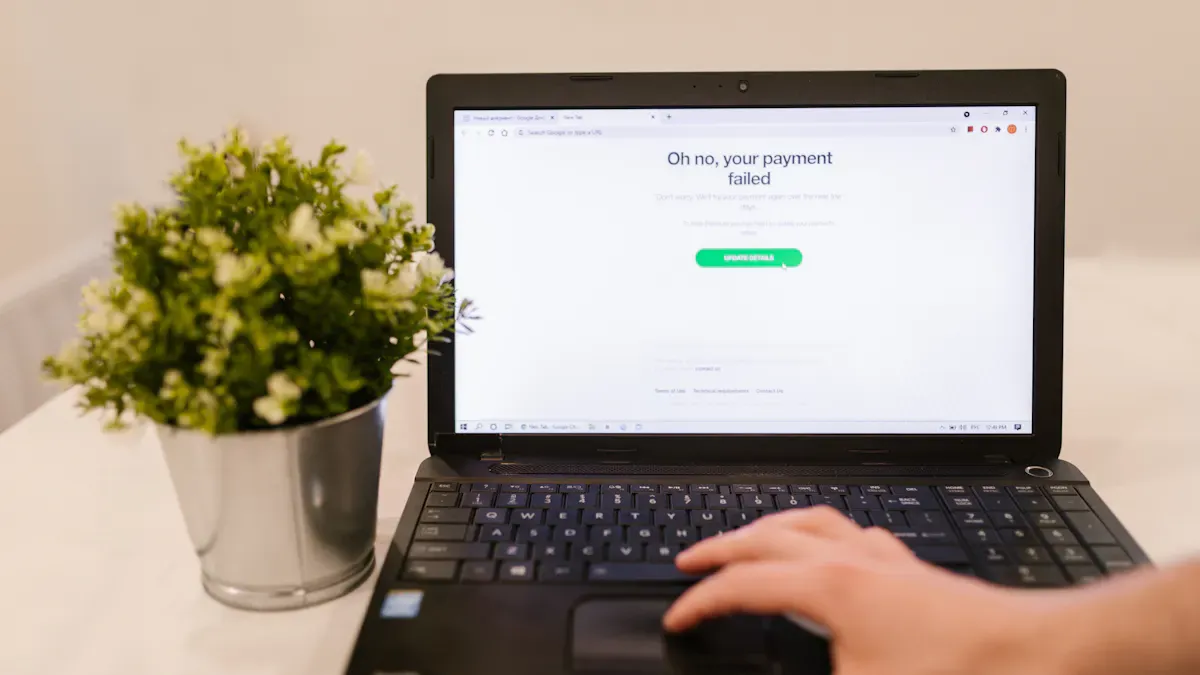
Image Source: pexels
Principles and Advantages
When managing AI agent services, an auto-recharge mechanism helps you effectively avoid service interruptions caused by payment failures. Auto-recharge works by using preset rules and triggers to automatically replenish account balance without manual intervention. You can implement auto-recharge through various platforms and tools, such as BiyaPay, Alipay, WeChat Pay, Stripe, etc.
BiyaPay, as a global payment collection and international remittance platform, supports real-time conversion between fiat and digital currencies, making it especially suitable for AI agent services that require cross-border payments and multi-currency settlement. You can leverage BiyaPay’s USDT-to-USD or HKD conversion feature to flexibly meet fund flow needs in U.S. stock and Hong Kong stock markets, improving capital allocation efficiency.
After adopting an auto-recharge mechanism, you will gain the following advantages:
| Advantage | Description |
|---|---|
| Reduced Errors | Automated transaction verification significantly lowers the possibility of human error, ensuring more accurate processing and reliable service delivery. |
| Cost Optimization | Automating repetitive tasks and reducing errors helps businesses save daily operating costs and increase long-term profitability. |
| Enhanced Customer Experience | AI chatbots provide fast customer support, personalized recommendations, and proactive service, improving customer satisfaction and loyalty. |
| Data-Driven Insights | AI can detect anomalous transaction patterns and perform predictive analysis, helping businesses make more informed decisions and reduce financial risk. |
| Improved Efficiency | Automated payment processing reduces manual approval time, accelerates transaction processing speed, and enhances overall operational efficiency. |
By implementing an auto-recharge mechanism, you can significantly reduce involuntary churn caused by payment failures and ensure continuous, stable operation of AI agent services.
Setup Steps
You can configure auto-recharge for your AI agent service account by following these steps:
- In the main menu, select AI Agent to enter the management interface.
- Choose Support Actions and locate the relevant action templates.
- Go to See all templates and filter for recharge-related templates (e.g., cancel subscription, skip next subscription shipment, etc.).
- Select Recharge as the application, then click Continue to proceed.
- Choose Create and Enable to complete the creation and activation of auto-recharge rules.
When setting up auto-recharge, you can define trigger conditions based on actual business needs. For example, when the account balance falls below 100 USD, the system automatically replenishes a specified amount from BiyaPay or other payment channels. You can also combine BiyaPay’s digital currency conversion feature to flexibly choose USDT, USD, HKD, or other currencies to meet the funding requirements of different markets.
After enabling auto-recharge, you no longer need to worry about payment failures caused by manual delays or oversights—AI agent services will continue running stably, and customer experience will be significantly improved.
Backup Payment Pool Configuration
Role
When operating AI agent services, a backup payment pool can significantly reduce the risk of service interruptions caused by payment failures. A backup payment pool refers to configuring multiple available payment methods for the account; when the primary method fails, the system automatically switches to another, ensuring uninterrupted fund flow. You can flexibly manage fiat and digital currency accounts through global payment platforms like BiyaPay to meet deposit/withdrawal needs across U.S. stocks, Hong Kong stocks, and other markets.
After implementing a backup payment pool, the continuity and stability of AI agent services will be greatly enhanced. Even if the primary payment method fails due to expiration, insufficient balance, gateway issues, or other reasons, the system can automatically invoke backup channels to avoid damage to customer experience and business loss.
Adding and Managing Payment Methods
You can add multiple payment methods sequentially in the account management interface of the AI agent platform. Taking BiyaPay as an example, you can bind USDT, USD, HKD, and other currency accounts to support global fund scheduling. You can also incorporate Hong Kong licensed bank accounts to further enrich the payment pool structure.
When adding payment methods, pay attention to the following points:
- Confirm the validity period and balance of each payment method to avoid failures due to expired information or insufficient funds.
- Regularly update payment credentials to ensure all channels remain functional.
- Select fiat or digital currency accounts flexibly according to different market needs to improve fund flow efficiency.
Mainstream AI agent platforms typically support various payment methods such as virtual cards, fiat accounts, and digital currency wallets. You can refer to the table below to understand common features of mainstream platforms regarding payment method switching:
| Feature | Description |
|---|---|
| Single-Use Virtual Cards | Generated for specific transactions with precise control over amount, merchant, and time window, enhancing security. |
| Granular Spending Controls | You can customize thresholds; system auto-approves or requires manual authorization, flexibly handling different business scenarios. |
| Full Transaction Observability | Real-time monitoring dashboard and complete audit trail make it easy to track fund flows and transaction status at any time. |
| No Persistent Payment Storage | Virtual cards automatically expire after the transaction, reducing the risk of payment credential leakage. |
| Consent-Based Payment Authorization | Clear user authorization flow with an experience similar to common consumer payment consent interfaces, easy to adopt quickly. |
By scientifically configuring and managing the payment pool, you can minimize business risks caused by the failure of a single payment channel.
Priority and Switching Logic
When configuring a backup payment pool, you need to reasonably set the priority of each payment method. The system usually attempts deductions in the order you specify; if the primary method fails, it automatically switches to the next available channel. You can flexibly adjust priorities based on factors such as funding cost, arrival speed, and exchange rate fluctuations. For example, you can set a BiyaPay USDT account as the primary channel, USD account as the first backup, and HKD account as the second backup.
The switching logic generally follows these steps:
- The system first attempts the primary payment method; if the deduction succeeds, the process ends.
- If the primary channel fails due to insufficient balance, expiration, or other anomalies, the system automatically switches to the highest-priority backup method.
- If all channels are unavailable, the system triggers an anomaly alert to facilitate timely intervention.
You can use the platform’s real-time monitoring dashboard to view the payment pool status and switching records at any time, ensuring every transaction has a complete audit trail. You can also combine granular spending controls and consent-based payment authorization to further enhance fund security and compliance.
Scientifically setting payment pool priorities and switching logic helps you ensure continuous and stable operation of AI agent services in complex international payment environments, significantly reducing involuntary churn caused by payment failures.
Operation Recommendations
Verify Payment Method Validity
You need to regularly check the validity of all payment methods to ensure each channel can complete transactions normally. Many businesses make the following common mistakes when configuring payment systems:
- Anti-bot barriers: CAPTCHA or two-factor authentication hinders automated transactions, preventing AI agents from recharging smoothly.
- Overly aggressive fraud prevention: Bank algorithms flag AI agent purchase patterns as suspicious, triggering blocks and manual reviews.
- High fees: Credit card processing fees can reach 2–3%, creating unnecessary cost pressure for micro-transaction businesses.
- Settlement delays: Traditional bank transfers have long settlement cycles, affecting real-time fund scheduling.
- Identity verification barriers: KYC/AML requirements create additional friction for AI agents, reducing payment efficiency.
You can use the platform dashboard to periodically verify the expiration date, balance, and authentication status of payment methods. It is recommended to check monthly—especially when operating in the U.S. market—paying attention to credit card expiration and insufficient balance issues to avoid service interruptions caused by payment failures.
Set Balance Alerts
You can enable balance alert notifications in the account management system. The system will automatically send notifications when the balance falls below a preset threshold (e.g., 100 USD). This allows you to replenish funds in time and prevent payment failures due to low balance. Many AI agent platforms support customizable notification methods, including SMS, email, and in-platform push. You can choose the most suitable notification channel based on business needs. Balance alerts not only ensure smooth fund flow but also improve overall operational efficiency.
Tip: Set the balance threshold reasonably according to transaction frequency and fund flow patterns. For high-frequency trading accounts, it is recommended to set a higher threshold to ensure sufficient funds.
Emergency Response Measures for Anomalies
When encountering payment anomalies, you need to take emergency measures quickly. First, check the status of all payment channels to confirm whether primary and backup channels are available. Next, promptly contact the bank or payment platform to resolve authentication barriers or frozen funds. You can prepare an emergency operation checklist, including:
- Switch to other payment methods in the backup payment pool.
- Check account balance and validity, and replenish funds in time.
- Contact Hong Kong licensed banks or global payment platforms to request expedited processing.
- Record the cause of the anomaly and optimize subsequent payment processes.
Through scientific emergency measures, you can minimize business risks caused by payment failures and ensure continuous and stable operation of AI agent services in the U.S. market.
After configuring auto-recharge and a backup payment pool, you can effectively prevent AI agent service interruptions caused by payment failures. Through real-time monitoring and preventive measures, you can reduce financial leakage and regulatory risks. You can also use revenue analysis, performance monitoring, and other tools to continuously optimize payment strategies. It is recommended to regularly review configurations to improve service reliability.
| Evidence Type | Evidence Content |
|---|---|
| Financial Loss | Insufficient anomaly management can lead to millions of USD in leakage |
| Real-Time Monitoring | Agents mark anomalies in real time to avoid delays |
| Analysis Tool | Description |
|---|---|
| Real-Time Revenue Analysis | Track how agent features and pricing models drive growth |
| Performance Monitoring | Correlate agent performance metrics with billing data |
FAQ
How to Determine If AI Agent Service Is Interrupted Due to Payment Failure?
You can promptly detect service interruptions through the platform’s service status monitoring, billing notifications, or customer feedback. It is recommended to regularly check account balance and payment records to ensure smooth fund flow.
Does the Auto-Recharge Feature Support Multi-Currency Accounts?
You can choose payment platforms that support multiple currencies, such as BiyaPay, to flexibly manage USDT, USD, HKD, and other accounts to meet funding needs in the U.S. market.
How Does the System Switch Payment Methods After Configuring a Backup Payment Pool?
The system automatically switches payment channels according to the priority you set. When the primary channel fails, the system immediately attempts the next available method to ensure uninterrupted fund flow.
How to Reduce Service Interruption Risk Caused by Expired Payment Methods?
You should regularly verify the expiration date and balance of all payment methods and update payment information in time. It is recommended to set automatic reminders to handle expiring channels in advance.
How Does the Balance Alert Feature Improve Payment Security?
Balance alerts help you detect low funds in time and replenish the account promptly, preventing payment failures due to insufficient balance and ensuring continuous, stable operation of AI agent services.
*This article is provided for general information purposes and does not constitute legal, tax or other professional advice from BiyaPay or its subsidiaries and its affiliates, and it is not intended as a substitute for obtaining advice from a financial advisor or any other professional.
We make no representations, warranties or warranties, express or implied, as to the accuracy, completeness or timeliness of the contents of this publication.
Related Blogs of

Crypto Trading Bots: Types, Costs, and Security Risks


US to Portugal Online Money Transfer Limits: Per-Transaction Caps Explained

International Wire Transfer Time: What Affects Delivery?



Choose Country or Region to Read Local Blog
 Australia
 Austria
 Belgium
 Canada
 Cyprus
 Czech Republic
 Denmark
 Estonia
 Finland
 France
 Germany
 Greece
 Hong Kong
 India
India Indonesia
 Ireland
 Italy
Italy Japan
Japan Latvia
 Lithuania
 Luxembourg
 Malaysia
 Malta
Malta Morocco
 Nepal
Nepal Netherlands
 New Zealand
 Norway
 Pakistan
 Philippines
 Poland
 Portugal
 Romania
 Singapore
 Slovakia
 Slovenia
 South Africa
 South Korea
 Spain
Spain Sweden
 Thailand
 United States
 Turkey
 United Arab Emirates
 United Kingdom
 Vietnam