How to Apply for a Wise Virtual Card in 2026: Wise Card Eligibility, Address Proof, Fees, and China Use Guide




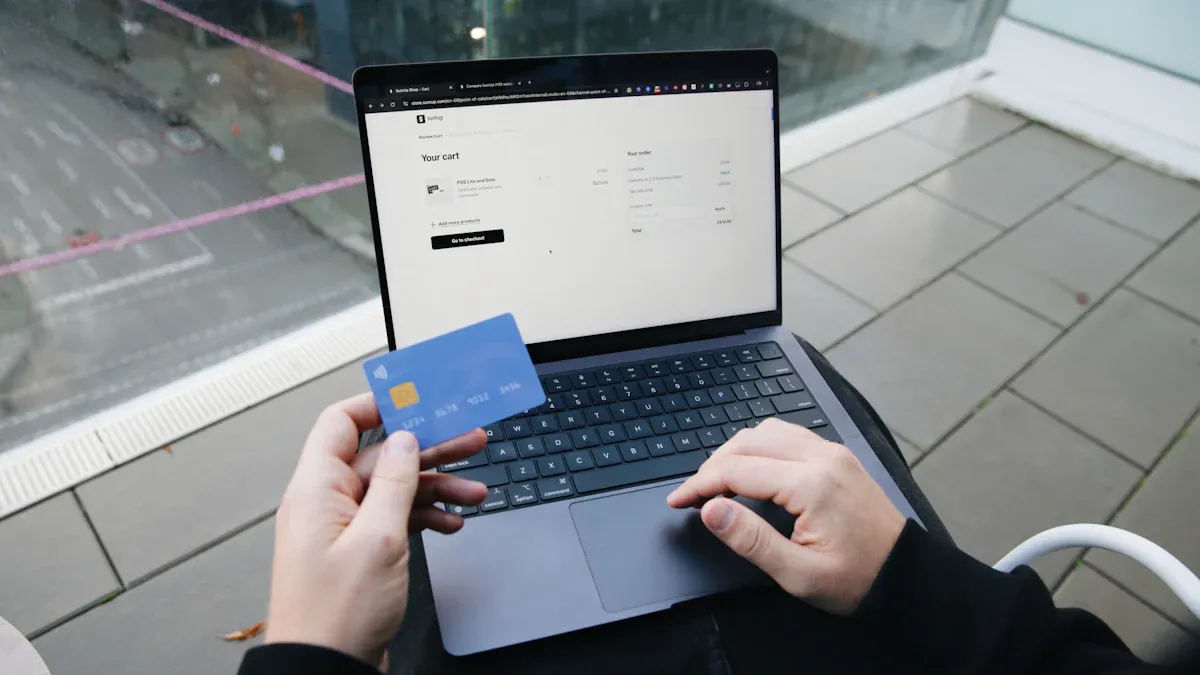
Image Source: unsplash
You may be wondering what a Wise card is, whether mainland China users can apply for one, and whether a Wise virtual card can be used for overseas shopping, subscriptions, travel, or payments in China. The direct answer is: if you use a mainland China residential address, you usually cannot apply for a Wise Card, including the physical card and the digital or virtual card.
Wise Card eligibility is mainly based on your real country or region of residence, not simply your nationality or passport. To apply, you generally need to live in a Wise Card supported country or region and provide address proof that matches your Wise account details.
Tip: Wise Card is currently available to personal customers living in supported countries and regions such as Australia, Brazil, Canada, EEA countries, Switzerland, French overseas departments and regions, Japan, Malaysia, New Zealand, the Philippines, Singapore, the UK and related territories, and the USA except Nevada. Always check the Wise app or official Wise Help Centre before applying, because availability, fees, and card rules may change.
Key Points
- Mainland China residential addresses usually cannot be used to apply for a Wise Card.
- Registering a Wise account and being eligible for a Wise Card are two different things.
- Wise Card is a multi-currency debit card linked to your Wise account. It is not a credit card and does not offer a credit limit.
- A Wise digital card, often called a virtual card, is only available to eligible customers in supported regions. Wise also notes that digital cards are not available to US customers.
- Address proof must show your full name and full residential address, and it must match the details on your Wise account.
- You should not use false addresses, someone else’s address, or documents that do not prove your real residential address.
- Wise Card fees, ATM withdrawal allowances, and card limits vary by issuing region.
- Wise accounts should not be used for cryptocurrency trading or other restricted activities under Wise’s acceptable use rules.
- In China, Wise Card may be linked to Alipay or WeChat Pay in some cases, but international card fees, verification requirements, and transaction limits may apply.
What is a Wise Card?

Image Source: unsplash
Before discussing how to apply, you need to understand what a Wise Card actually is. A Wise Card is not a credit card. It is a debit card connected to your Wise multi-currency account. This means you can spend money that already exists in your Wise balance, but you cannot borrow money, carry a credit balance, or use it like a traditional credit card.
Core definition: a multi-currency debit card
A Wise account works like a multi-currency wallet. Once your account is eligible for card services, you can apply for a Wise Card and use it for international payments, online purchases, offline spending, and travel-related transactions.
Common Wise Card use cases include:
- Paying online at merchants that accept Visa or Mastercard.
- Spending abroad in hotels, restaurants, shops, supermarkets, transport services, and travel platforms.
- Holding and managing multiple currency balances in one account.
- Paying with the currency you already hold in your Wise balance.
- Allowing Wise to convert automatically when you do not hold enough of the spending currency.
- Withdrawing local cash from supported international ATMs.
However, there is an important distinction: being able to open or use a Wise account does not automatically mean you can apply for a Wise Card. Some users may be able to use Wise transfers, receive money, or hold balances, but may not be eligible for a physical or digital card.
This distinction matters especially for mainland China users. Mainland China is not currently listed as a Wise Card issuing region, so users with only a mainland China residential address usually cannot apply for the card.
Wise’s main advantage: transparent fees and mid-market exchange rates
Wise is best known for transparent pricing and mid-market exchange rates. When a currency conversion is needed, Wise usually shows the exchange rate and fee before you confirm the transaction. Compared with some traditional banks or airport exchange counters, this makes the cost easier to understand.
For cross-border shopping, overseas subscriptions, international travel, and multi-currency spending, this can be useful because you can see the approximate cost before paying.
Still, Wise fees are not fixed in every situation. The final cost can depend on:
- The currency pair.
- Your account region.
- Your card issuing region.
- The payment method.
- Whether you already hold the spending currency.
- Whether an ATM operator adds its own fee.
- Whether a third-party wallet, such as Alipay or WeChat Pay, charges an international card fee.
For this reason, you should always check the live fee shown in the Wise app before making a payment.
Wise physical card vs Wise digital card
Wise Card may include a physical card and, in eligible regions, a digital card. Many users call the Wise digital card a Wise virtual card. They are linked to the same Wise account balance, but they are used differently.
| Feature | Wise Physical Card | Wise Digital / Virtual Card |
|---|---|---|
| Online shopping | Supported | Supported |
| In-store payment | Supports chip, PIN, swipe, or contactless payment where accepted | Usually requires Apple Pay, Google Pay, or another supported mobile wallet |
| ATM withdrawal | Supported | Not supported |
| Card security | Can be frozen if lost, but may need replacement | Can be frozen, deleted, or replaced more easily |
| Best use case | Travel, offline spending, ATM cash withdrawal | Online shopping, subscriptions, trial payments, and safer checkout |
| Availability | Depends on your country or region of residence | Depends on your country or region; not available to US customers according to Wise |
Wise says eligible customers can have up to 3 digital cards at a time, in addition to a physical card. You can delete and replace digital cards, which can reduce the risk of exposing your main card details to every merchant.
However, you should not assume that every Wise Card customer can automatically get a digital card. Availability depends on your region and your account status. The most reliable way is to open the Wise app and check the “Cards” tab.
Wise is a regulated financial technology company, not a traditional bank
Wise is a regulated financial technology company. It provides international money transfer, multi-currency account, and card services through different Wise entities depending on the user’s region.
It is important to understand the difference between Wise and a traditional bank:
- Wise Card is a debit card, not a credit card.
- Wise does not provide a credit limit through the card.
- Wise account balances are not the same as traditional bank deposits.
- Customer fund protection rules vary by country or region.
- Wise may ask for identity, address, source of funds, or transaction-related documents when required.
Understanding this helps you use Wise more safely. If your primary need is credit, instalment payments, local banking, or investment custody, Wise Card may not be the right tool.
Complete Wise Card Application Process
The key question is not simply “How do I apply for a Wise Card?” The more important question is: Are you actually eligible to apply?
For mainland China users, the biggest requirement is not technical. It is compliance-related. You must genuinely live in a Wise Card supported country or region and be able to prove your residential address.
Core requirement: real and verifiable address proof
Wise may ask you to verify your address. Address documents must clearly show your full name and full home address, and the address must match the one on your Wise account.
Common address proof documents accepted by Wise may include:
- Utility bills: Gas, electricity, water, or landline phone bills.
- Bank or credit card statements: Recent statements showing your name and address.
- Council tax bills or government-issued documents: Depending on your country or region.
- Vehicle registration or tax documents.
- Photo driving licence with address and expiry date.
- Rental agreement: It should display the address, your name, your landlord’s name, both signatures, and the tenancy start and end dates.
- Student on-campus address confirmation: In some cases, a university acceptance letter confirming your on-campus address may be accepted.
Wise also states that some documents are not accepted as proof of address. Examples include mobile phone bills, PO box addresses, Wise statements, Wise transfer receipts, and documents from certain money transfer or wallet services.
Important: Do not use false address proof, a friend’s address, a rented mailbox, a PO box, or a document that does not reflect your real residential address. Even if a card application appears to pass at first, Wise may later review your account, ask for more documents, freeze features, reject transactions, or close the account if the information is inconsistent.
Step 1: Register and verify your Wise account
If you genuinely live in a Wise Card supported country or region, you can start from the Wise website or Wise app.
Basic registration steps usually include:
- Open the Wise website or download the Wise app.
- Register with your email, Google account, Apple account, or other supported login option.
- Choose a personal or business account.
- Enter your real country or region of residence.
- Add your phone number and complete verification.
- Follow the app prompts to start identity verification.
The key point is simple: choose your real residential country or region. Do not select a country only because it supports Wise Card if you do not actually live there. Wise may ask for address proof, identity documents, and additional verification.
Step 2: Fill in your personal information and address
During registration, Wise will ask for personal details such as your name, date of birth, phone number, and residential address.
Make sure that:
- Your name matches your identity document.
- Your address matches your address proof.
- Your postal code, building number, street name, city, and country are accurate.
- Your phone number can receive verification codes or account notices.
- Your address can actually receive mail if you apply for a physical card.
If you apply for a physical Wise Card, the card will usually be shipped to your registered or approved address. This is another reason why the address must be real and usable.
Step 3: Complete identity verification
Wise must verify user identity to meet anti-money laundering and financial compliance requirements. This process is commonly known as KYC, or Know Your Customer.
Common identity documents may include:
- Passport.
- National identity card.
- Driving licence.
- Other documents accepted in your account region.
Chinese citizens who genuinely live in a supported region may be able to use a Chinese passport or other accepted identity document, depending on Wise’s current verification rules and the country or region of the account. Always follow the document list shown in the Wise app.
When uploading documents:
- Use clear photos or scans.
- Make sure there is no glare or blur.
- Do not cover any information.
- Use documents that are still valid.
- Complete any selfie or face-matching steps in a well-lit environment.
- If Wise asks for source of funds or additional proof, submit genuine documents.
Step 4: Order the physical card or check digital card availability
After your account and address details are approved, go to the “Cards” tab in the Wise app. If you are eligible, you should see an option to order a card.
Important points to remember:
- Wise may ask you to add money to your account or pay a small fee to get the physical card.
- Card ordering fees vary by region. For example, the US Wise Card pricing page shows a 9 USD physical card order fee.
- A digital card is generally free for eligible customers, but availability depends on region.
- Wise states that the digital card is not eligible for US customers.
- In many regions, once you order a physical card, you may be able to get a digital card in the Wise app and start using it quickly.
- Final availability should be checked inside your Wise account, not based only on third-party tutorials.
If you do not see the card option in the Wise app, it usually means your country or region, account type, verification status, or account setup does not currently support Wise Card.
Wise Card Activation and Usage Tutorial
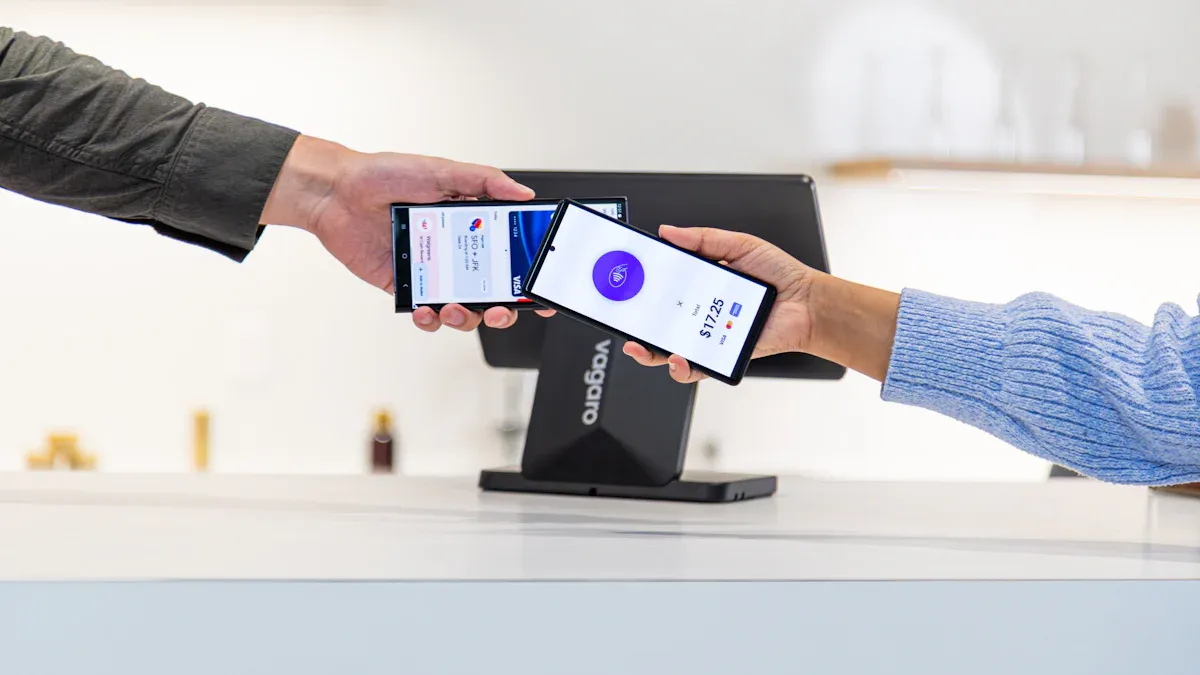
Image Source: unsplash
If your Wise Card application is successful, the next steps are activation, funding, and safe use.
Activating Wise physical card and digital card
Wise physical cards and digital cards work differently, so activation steps may differ by region.
Wise digital card activation
If your account is eligible for a Wise digital card, you can usually create it in the Wise app under the Cards tab. Once created, it can be used for online payments, and in many regions it can be added to Apple Pay, Google Pay, or another supported mobile wallet.
A digital card is especially useful for:
- Overseas online shopping.
- Software subscriptions.
- AI tool subscriptions.
- Streaming services.
- Trial payments.
- Temporary payments.
- Reducing exposure of your physical card number.
Wise physical card activation
After receiving your physical Wise Card, you may need to activate it in the Wise app or by making a chip-and-PIN transaction. The exact method depends on the country or region where the card is issued.
Common activation methods include:
- Entering the activation code shown with your card in the Wise app.
- Making a chip-and-PIN payment at a store.
- Checking your balance or withdrawing cash at a supported ATM.
- Following any region-specific instructions shown in the Wise app.
If contactless payment does not work at first, you may need to complete a chip-and-PIN transaction before contactless payments are enabled.
Funding your Wise account
Wise Card is a debit card, so you need available funds before spending. You can add money to your Wise account or receive money using account details if available in your region.
Common funding methods include:
| Funding Method | Features | Best For |
|---|---|---|
| Debit or credit card top-up | Usually fast, but may cost more | Small or urgent top-ups |
| Bank transfer | Often cheaper, but arrival time depends on banks and currencies | Larger or non-urgent transfers |
| Receiving money into Wise account details | Available for some currencies and regions | Salary, freelance income, platform payouts, or international receipts |
| Wise balance transfer | Depends on Wise features available to both users | Transfers between Wise users |
Important: Be careful when using a credit card to top up your Wise account. Some card issuers may treat the transaction as a cash advance and charge additional fees or interest.
You should not use Wise for cryptocurrency exchange funding, crypto trading, gambling, illegal goods or services, or other restricted activities. Wise may reject payments or close accounts if activity violates its acceptable use rules.
If your main need is online checkout, subscription payment, or a virtual card for global digital services, but Wise Card eligibility is the bottleneck, you can consider building a backup payment route. For example, BiyaPay EasyCard is designed for global online subscriptions, AI service payments, billing records, and payment workflow support. You can also use the BiyaPay currency converter to compare exchange costs before choosing a funding or payment path.
Online and offline spending abroad
Once your Wise account has sufficient balance, you can use Wise Card for many global payment scenarios.
Online spending
Wise physical and digital cards can be used at online merchants that accept Visa or Mastercard. Typical use cases include:
- Overseas e-commerce.
- Hotel or flight booking.
- SaaS subscriptions.
- Streaming platforms.
- App store payments.
- Digital tools and online services.
However, card acceptance is always decided by the merchant, not only by Wise. Some merchants may check billing address, card issuing country, 3D Secure verification, IP location, or account country. Even if your Wise Card is valid, a specific merchant may still reject the payment.
Offline spending abroad
When traveling, the physical Wise Card can be used at merchants that accept Visa or Mastercard. If you already hold the local spending currency in your Wise account, Wise generally uses that balance first. If not, Wise may convert from another balance and show the conversion fee.
Useful offline travel scenarios include:
- Hotels.
- Restaurants.
- Supermarkets.
- Department stores.
- Car rentals.
- Transport.
- Tourist attractions.
Using Wise Card in mainland China
Wise Card use in mainland China is more specific. International cards are not accepted everywhere in offline POS terminals, especially at small shops, local restaurants, markets, or taxis. Mobile wallets are often more practical.
A common method is to try linking your Wise physical or digital card to Alipay or WeChat Pay.
For WeChat Pay, the general path is:
- Open WeChat.
- Go to “Me” and then “Services.”
- Tap “Wallet.”
- Select “Bank Cards.”
- Add your Wise card details as prompted.
Before using this method, note the following:
- You usually need to complete real-name verification in WeChat Pay or Alipay.
- Acceptance depends on the wallet, merchant type, card network, and transaction amount.
- For international cards, WeChat Pay or Alipay may charge a fee on transactions above a certain amount, such as 200 CNY.
- Some promotional fee waivers may apply for eligible users, but they may be temporary or limited.
- Physical POS card acceptance in mainland China is usually better at international hotels, airports, tourist areas, and large merchants, but less reliable at small local businesses.
For everyday China payments, a local bank card or verified local wallet setup may still be more reliable than directly using an international card.
ATM withdrawals
You can use a Wise physical card to withdraw cash at supported international ATMs. Digital or virtual cards cannot be used for ATM withdrawals.
ATM fees vary by card issuing region. Wise’s US pricing page, for example, shows that Wise does not charge an ATM withdrawal fee as long as the total combined amount withdrawn within a calendar month does not exceed 250 USD. After that, a fee may apply. In other regions, the free allowance and fees may be different.
A more accurate way to understand ATM fees is:
- Check your Wise app.
- Check the Wise card pricing page for your card issuing region.
- Review the ATM screen before confirming a withdrawal.
- Remember that the ATM operator may charge its own fee.
Do not rely on old online articles that say Wise always gives “2 free withdrawals up to 100 USD” or similar. That may apply to some regions or older rules, but it is not a universal 2026 rule.
Wise Card Fees, Limits, and Risk Controls
Wise fees are transparent, but they are not identical across all countries and regions. You should treat any fixed number in an article as an example unless it is tied to a specific Wise pricing page and region.
Main Wise Card fees
Common Wise Card-related fees include:
| Fee Type | What to Know |
|---|---|
| Wise account registration | Usually free |
| Physical card order fee | Varies by region; US example: 9 USD |
| Digital card fee | Usually free for eligible customers, but not available in all regions |
| Monthly or annual card fee | Usually no monthly or annual card fee |
| Spending in a currency you already hold | Usually free from Wise’s side |
| Currency conversion | Fee applies if Wise needs to convert currency |
| ATM withdrawal | Free allowance and fees depend on issuing region |
| ATM operator fee | Charged by the ATM owner, not Wise |
| Third-party wallet fee | Alipay, WeChat Pay, or other wallets may apply their own international card rules |
| External account or e-wallet top-up | Some transactions may have additional fees |
Wise also notes that topping up e-wallets or other external accounts that may be convertible into cash can incur specific fees in some cases. Always check the fee shown before confirming the transaction.
Spending and withdrawal limits
Wise Card has spending and ATM limits. These vary by region, card type, and account status. Some limits can be adjusted in the Wise app, while others may be fixed by Wise or by the card network.
Common limit categories include:
- Single transaction limit.
- Daily spending limit.
- Monthly spending limit.
- ATM withdrawal limit.
- Online payment limit.
- Contactless payment limit.
- Mobile wallet payment limit.
The most accurate source is your Wise app. Go to the Cards section and check your current card limits before making a large payment or withdrawal.
Account risk controls and security
Wise may review accounts, payments, or card activity for compliance and security reasons. This is normal for regulated financial platforms.
Good practices include:
- Use your real identity.
- Use your real residential address.
- Keep address proof consistent with your Wise account.
- Keep funds traceable and explainable.
- Do not lend your account or card to others.
- Enable two-step verification.
- Review transaction notifications.
- Freeze your card immediately if it is lost or compromised.
- Use digital cards for online merchants you do not fully trust.
- Delete or replace a digital card if you suspect the card details were exposed.
Avoid these behaviours:
- Using false or borrowed address proof.
- Using a PO box or mailbox address as a personal residential address.
- Registering under a country where you do not actually live.
- Using Wise to buy, sell, or trade cryptocurrency.
- Sending funds to crypto exchanges or wallets through Wise.
- Paying for illegal goods or services.
- Paying for heavily restricted goods, such as weapons.
- Using Wise for gambling, grey-market activity, or suspicious fund movement.
- Making transactions that do not match your account profile, income, or declared use case.
Wise may reject transactions, ask for more information, restrict card use, or close an account if activity violates its terms or acceptable use rules.
Who is Wise Card suitable for?
Wise Card is useful, but it is not suitable for everyone. You should decide based on your real residency, documents, and payment needs.
Suitable users
Wise Card may be suitable if you:
- Genuinely live in a Wise Card supported country or region.
- Can provide address proof in your own name.
- Need a debit card for overseas spending.
- Travel frequently.
- Shop on international websites.
- Use overseas subscriptions.
- Want to manage multiple currency balances.
- Prefer transparent currency conversion.
- Want a digital card for safer online payments.
- Are willing to complete KYC and compliance checks.
Less suitable users
Wise Card may not be suitable if you:
- Only have a mainland China residential address.
- Cannot provide eligible address proof.
- Need a credit card or credit limit.
- Need guaranteed acceptance by a specific merchant.
- Want to use the card for crypto trading or other restricted activity.
- Do not want to provide identity, address, or source-of-funds documents.
- Only need a temporary overseas card number.
- Are trying to bypass regional payment restrictions.
If you only need online payment for global subscriptions or software services, a compliant virtual payment card may be a more practical option than trying to force a Wise Card application without eligible residency.
Alternative options for mainland China users
For many mainland China users, the issue is not that Wise is difficult to use. The issue is that Wise Card is not currently issued to mainland China residents.
If your actual need is cross-border payment, break it down by use case:
| Use Case | Possible Options |
|---|---|
| Overseas software or AI subscription | International card, virtual payment card, BiyaPay EasyCard |
| Overseas online shopping | International credit card, debit card, PayPal, platform-supported local methods |
| Travel spending | Destination-supported bank card, Wise Card if eligible, local cash, local wallet setup |
| Multi-currency fund management | Wise account if available, multi-currency bank account, brokerage account |
| US or Hong Kong stock funding | Licensed broker, bank wire, compliant local funding route |
| Safer online checkout | Virtual card, digital card, or single-use card feature where available |
If you want a card mainly for global online subscriptions, AI tools, SaaS payments, and billing record management, BiyaPay EasyCard can be considered as a more direct virtual card option. Before using any payment tool, review its KYC requirements, supported currencies, card fees, merchant compatibility, and account rules.
Final Takeaway
Wise Card is a powerful multi-currency debit card for users who genuinely live in supported countries or regions. It is especially useful for travel, online shopping, international subscriptions, and spending in multiple currencies.
But for mainland China users, the key limitation remains: you usually cannot apply for a Wise Card using only a mainland China residential address. A supported country or region of residence and valid address proof are central requirements.
Before applying, check three things:
- Do you genuinely live in a Wise Card supported country or region?
- Can you provide real address proof in your own name?
- Does your main payment need actually require Wise Card, or would another compliant virtual card or cross-border payment tool be more suitable?
Wise policies, supported regions, fees, limits, and card availability may change. Always check the Wise app, Wise Help Centre, pricing page, and official terms before applying or making large payments.
FAQ
Can mainland China residents apply for a Wise virtual card?
Usually not with only a mainland China residential address. Wise Card is available to users living in supported countries and regions. If your Wise account is registered with a mainland China address, you generally should not expect to see the Wise Card or digital card application option.
Can Chinese citizens apply for Wise Card if they live overseas?
Possibly. Wise Card eligibility is mainly tied to your real country or region of residence, not only your nationality. If you genuinely live in a Wise Card supported region and can complete Wise’s identity and address verification, you may be eligible.
Does Wise Card require overseas address proof?
Yes, if Wise asks you to verify your address. The document must show your full name and full residential address, and it must match the address on your Wise account. Utility bills, bank statements, certain government documents, photo driving licences, and rental agreements may be accepted depending on the region.
Can I use a friend’s overseas address to apply?
You should not use a friend’s address unless it is genuinely your residential address and you can provide acceptable proof under Wise’s rules. Using someone else’s address, a false address, or documents that do not reflect your real residence may cause verification failure, account restriction, or account closure.
Can Wise physical card be mailed to mainland China?
Usually no. Wise Card is issued to eligible users in supported countries and regions, and card delivery is tied to eligible account addresses. Mainland China is not currently listed as a Wise Card issuing region.
Is Wise digital card the same as Wise virtual card?
In most user discussions, “Wise digital card” and “Wise virtual card” refer to the same concept: a card that exists inside your Wise account and can be used online or through supported mobile wallets. Wise generally uses the term “digital card” in its help pages.
Is Wise virtual card available in the US?
Wise’s virtual card page states that the Wise virtual card is not eligible for customers in the US. US users may still be eligible for a physical Wise Card depending on state restrictions, but they should not assume digital card availability.
How much does a Wise Card cost?
The fee depends on the issuing region. For example, Wise’s US card pricing page shows a 9 USD physical card order fee. Digital cards are generally free for eligible customers, but availability varies by region. Always check the Wise pricing page for your account region.
Are Wise ATM withdrawals free?
Not always. Wise provides a free ATM allowance, but the allowance and fees depend on where your card was issued. For example, the US pricing page uses a 250 USD monthly allowance. Other regions may use different limits and fees. ATM operators may also charge their own fees.
Can I use Wise Card with WeChat Pay or Alipay in China?
You may be able to link a Wise physical or digital card to WeChat Pay or Alipay if your wallet account is verified and the card is accepted. However, international card fees, wallet rules, transaction limits, and merchant restrictions may apply. For large or frequent China payments, a local payment setup may be more reliable.
Can Wise be used for cryptocurrency transactions?
No. Wise should not be used to buy, sell, trade, or fund cryptocurrency activity. Wise may reject transactions or close accounts that violate its acceptable use rules.
What should I do if my Wise Card application is rejected?
Check whether your country or region is eligible, whether your identity documents are valid, and whether your address proof clearly shows your full name and residential address. If Wise asks for additional documents, submit genuine and matching files. Do not repeatedly submit false or inconsistent information.
*This article is provided for general information purposes and does not constitute legal, tax or other professional advice from BiyaPay or its subsidiaries and its affiliates, and it is not intended as a substitute for obtaining advice from a financial advisor or any other professional.
We make no representations, warranties or warranties, express or implied, as to the accuracy, completeness or timeliness of the contents of this publication.
Related Blogs of

What Is NAND Flash? Differences Between SSDs, Smartphone Storage, and Enterprise SSDs


Why Are HDDs Getting Attention Again in the AI Era? Capacity, Cost, and the Cold Data Logic


Western Digital WDC vs Seagate STX: Financials, Technology, and Risks of the Two AI HDD Leaders


When Following Popular Tech Stocks, How Should You Compare Trading Costs and Order Experience?

Choose Country or Region to Read Local Blog
 Australia
 Austria
 Belgium
 Canada
 Cyprus
 Czech Republic
 Denmark
 Estonia
 Finland
 France
 Germany
 Greece
 Hong Kong
 India
India Indonesia
 Ireland
 Italy
Italy Japan
Japan Latvia
 Lithuania
 Luxembourg
 Malaysia
 Malta
Malta Morocco
 Nepal
Nepal Netherlands
 New Zealand
 Norway
 Pakistan
 Philippines
 Poland
 Portugal
 Romania
 Singapore
 Slovakia
 Slovenia
 South Africa
 South Korea
 Spain
Spain Sweden
 Thailand
 The United States
 Turkey
 United Arab Emirates
 United Kingdom
 Vietnam
Contact Us




BIYA GLOBAL LLC is registered with the Financial Crimes Enforcement Network (FinCEN), an agency under the U.S. Department of the Treasury, as a Money Services Business (MSB), with registration number 31000218637349, and regulated by the Financial Crimes Enforcement Network (FinCEN).
BIYA GLOBAL LIMITED is a registered Financial Service Provider (FSP) in New Zealand, with registration number FSP1007221, and is also a registered member of the Financial Services Complaints Limited (FSCL), an independent dispute resolution scheme in New Zealand.