How to Read TSMC Earnings: Are Nvidia, AMD, and AI ASIC Demand Still Strong?




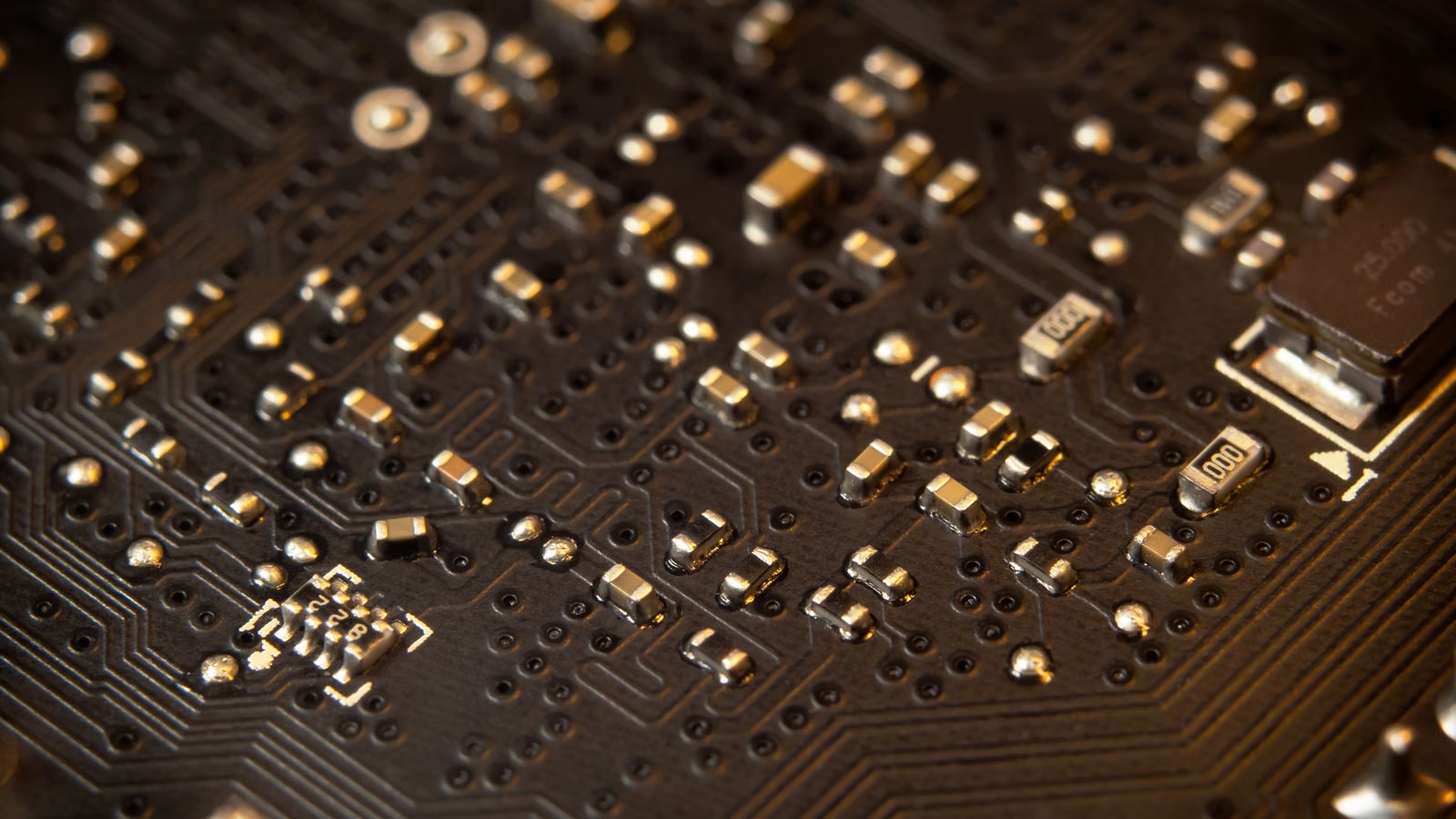
When you read TSMC earnings, the key question is not just whether revenue grew. The real issue is whether TSMC confirms that demand for Nvidia Blackwell, AMD Instinct, Broadcom-related custom AI ASICs, and cloud AI chips remains strong. AI chip demand eventually flows into advanced-node wafers, CoWoS advanced packaging, HBM-related supply chains, and HPC revenue. For investors following TSM, NVDA, AMD, AVGO, ASML, HBM, and semiconductor ETFs, TSMC earnings are an important window into whether the AI supply chain still has room for upward revisions.
Key Takeaways
- TSMC earnings are an upstream validation window for AI chip demand.
- Nvidia Blackwell demand should be judged together with data center revenue and packaging capacity.
- AMD’s ramp should be assessed through Instinct, EPYC, and data center revenue.
- AI ASICs are not just Nvidia substitutes; they can also create new wafer demand.
- CoWoS and HBM may affect AI chip delivery more than wafer capacity alone.
- Post-earnings stock moves depend on guidance, gross margin, and expectation gaps.
Why TSMC Earnings Can Validate AI Chip Demand
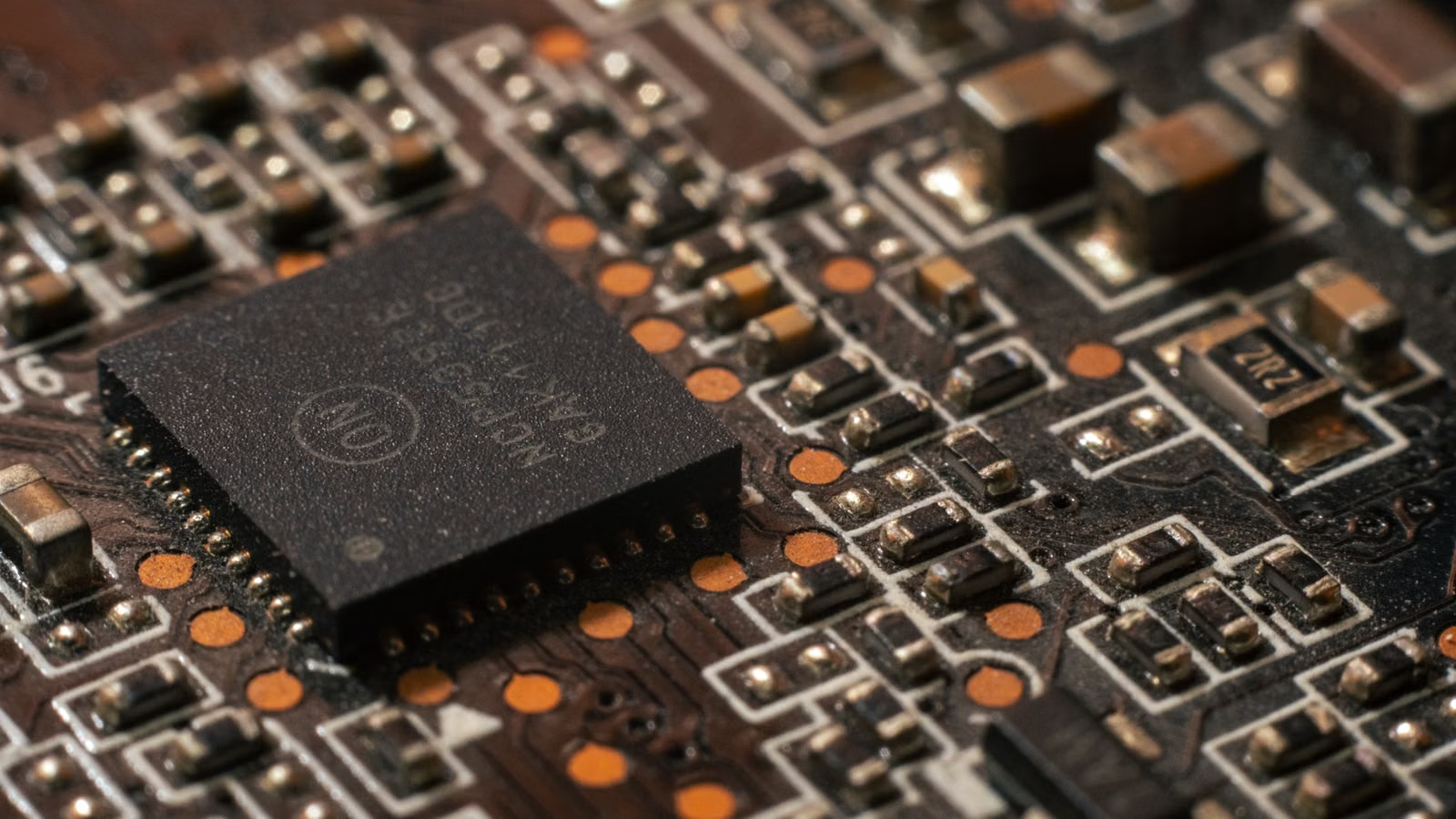
You should read TSMC earnings because demand from Nvidia, AMD, and AI ASIC customers eventually turns into TSMC wafer revenue, HPC platform revenue, CoWoS packaging demand, and next-quarter guidance. A single chip company’s earnings can tell you whether that company is selling well, but TSMC is closer to the upstream delivery record of the AI semiconductor supply chain. If HPC share, advanced-node utilization, and packaging expansion are all strong, AI demand is usually still broadening.
TSMC’s financial calendar lists TSMC 2Q’26 Results for July 16, 2026. Before the earnings call, Q1 results and Q2 guidance are the key benchmarks: TSMC reported Q1 2026 revenue of USD 35.90 billion, gross margin of 66.2%, and operating margin of 58.1%; its Q2 2026 guidance called for revenue of USD 39.0–40.2 billion, gross margin of 65.5%–67.5%, and operating margin of 56.5%–58.5%.
HPC is the most important structural metric. In its Q1 earnings call materials, TSMC disclosed that its HPC platform accounted for 61% of revenue and grew 20% sequentially. This shows that AI, cloud computing, high-performance chips, and related data center demand have become the main axis of TSMC’s revenue mix, not a side theme.
Monthly revenue can also give an early signal on order conversion. TSMC’s 2026 monthly revenue shows April revenue of NT$410.726 billion and May revenue of NT$416.975 billion; January–May cumulative revenue reached NT$1.9618 trillion, up 30.0% year over year. Monthly data cannot replace the full Q2 earnings call, but it indicates that the first two months of Q2 remained on a high revenue base.
| TSMC Earnings Metric | Meaning for AI Demand | Link to Nvidia, AMD, and AI ASICs | What You Should Listen For |
|---|---|---|---|
| HPC revenue share | Whether AI/HPC still leads growth | Covers GPUs, ASICs, server CPUs, and networking chips | Whether HPC share remains high |
| Q2 revenue and guidance | Whether orders convert into revenue | Reflects real tape-out and wafer demand from downstream customers | Whether results land near the high end of guidance |
| Gross margin | Combined result of demand strength and cost pressure | Higher-value advanced nodes and packaging support margin | Whether utilization offsets dilution |
| CoWoS commentary | Whether AI chips can be delivered smoothly | Affects Blackwell, Instinct, and ASIC delivery | Whether packaging expansion is clear |
| Next-quarter guidance | Core source of expectation gaps | More important for the stock than historical revenue | Whether AI demand is revised upward |
Summary: The value of TSMC earnings is that they convert the AI chip story from “one company has strong orders” into a validation framework based on wafers, packaging, revenue, margin, and capacity utilization. If Q2 earnings show revenue near the high end of guidance, HPC share stays elevated, advanced nodes and CoWoS remain tight, and management remains constructive on next-quarter demand, you can more confidently judge that Nvidia, AMD, and AI ASIC demand is still spreading. If revenue is strong but margin, guidance, or packaging progress weakens, the market may reassess the upside potential of the AI supply chain.
Is Nvidia Blackwell Demand Still Supporting TSMC Growth?

Nvidia demand remains the most important line in TSMC’s AI logic because Blackwell, GB-series platforms, and data center networking consume advanced-node, advanced-packaging, and HBM-related capacity. You should not only look at Nvidia GPU unit demand. You should also compare data center compute, networking, system-level delivery, and TSMC CoWoS supply-demand conditions. If Nvidia demand remains strong but packaging or HBM cannot keep up, delivery timing and revenue recognition may still be constrained.
Nvidia’s latest earnings offer downstream evidence. The company reported Q1 FY2027 revenue of USD 81.6 billion, up 85% year over year and 20% sequentially; data center compute revenue reached USD 60.4 billion, up 77% year over year, while data center networking revenue reached USD 14.8 billion, up 199%. This shows that AI infrastructure expansion is not only about GPUs, but also about networking, rack-scale systems, and broader data center architecture upgrades.
Blackwell’s impact on TSMC is not limited to wafer orders. Higher-performance AI systems typically require higher HBM bandwidth, more complex packaging, denser interconnects, and stricter testing. For TSMC, this means the revenue opportunity expands from advanced-node wafer starts into advanced-packaging system value. When you listen to TSMC’s earnings call, you should not only focus on N3 or N5 capacity. You should also listen for CoWoS, HBM base dies, interposers, and substrate supply.
To judge whether Nvidia demand remains strong, watch five signals:
- Whether data center compute revenue keeps growing at a high rate.
- Whether Blackwell and GB-series platform ramp-up remains smooth.
- Whether data center networking remains a second growth engine.
- Whether TSMC continues to emphasize tight advanced-packaging supply.
- Whether HBM, substrates, and testing become delivery constraints.
For investors, Nvidia is the strongest demand amplifier in the AI supply chain, but it is not the only variable. If TSMC confirms demand from Nvidia-related products, ASIC customers, and the broader HPC platform at the same time, it suggests AI spending is not a single-point boom but a multi-customer growth trend. If TSMC becomes more cautious on advanced packaging or customer timing, investors need to reassess whether Nvidia’s high growth can continue passing smoothly into foundry revenue.
Summary: Nvidia’s importance to TSMC is not simply about how much revenue one large customer contributes. It represents the combined demand of AI servers across GPUs, HBM, networking, packaging, and complete system delivery. In Q1 FY2027, Nvidia’s data center compute and networking both maintained high growth, showing that AI infrastructure is still in a strong expansion phase. If TSMC earnings further confirm strong CoWoS, advanced-node, and HPC revenue trends, the case for continued Blackwell demand becomes stronger. If packaging bottlenecks or guidance tone weakens, the market will focus more on delivery timing and expectation gaps.
Is AMD’s AI GPU and Data Center Business Becoming a Second Growth Curve?
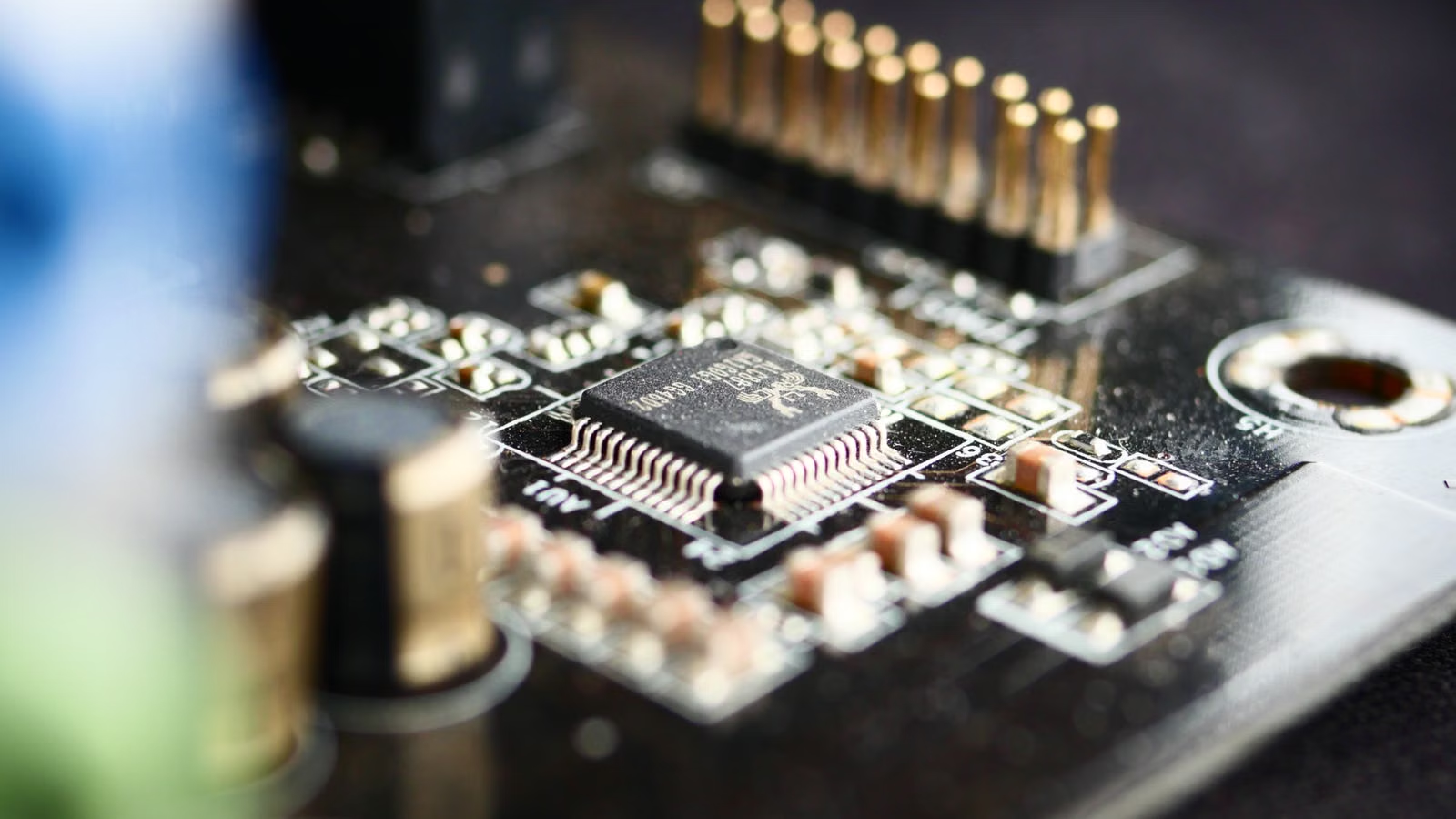
AMD is the second line to watch in TSMC’s AI demand. The key question is not whether AMD can fully catch Nvidia in the short term, but whether Instinct GPUs, EPYC server CPUs, and data center customers continue to scale. If AMD’s AI product line expands, TSMC’s advanced-node demand becomes more diversified, and AI growth does not depend only on Nvidia. You should treat AMD as a “demand diversification” indicator rather than a simple Nvidia replacement.
AMD reported Q1 2026 data center revenue of USD 5.8 billion, up 57% year over year, driven mainly by EPYC processor demand and continued Instinct GPU shipment ramp. This Data Center segment revenue matters to TSMC because AMD covers server CPUs, AI GPUs, and HPC workloads at the same time, creating multiple sources of advanced-node wafer demand.
The MI350 series is a key product to watch for AMD’s AI GPU ramp. AMD describes the AMD Instinct MI350 Series as designed for AI inference, training, and HPC workloads, with up to 288GB of HBM3E, 8TB/s peak theoretical memory bandwidth, and support for MXFP6 and MXFP4 data formats. The key point is not just compute power, but memory bandwidth, packaging capability, and data formats that support inference efficiency.
| AMD Indicator | Meaning for AI Demand | Impact on TSMC | Difference from Nvidia |
|---|---|---|---|
| Data center revenue | Whether server CPU and AI GPU demand is scaling | Adds more advanced-node order sources | More diversified structure |
| Instinct GPU shipments | Whether AI accelerator demand is expanding | Adds advanced packaging and HBM-related demand | Software ecosystem still needs to catch up |
| EPYC demand | Whether cloud and enterprise server cycles improve | Supports HPC platform revenue | Not fully dependent on AI GPUs |
| MI350 specifications | Whether inference, training, and HPC are upgrading | Increases high-end chip manufacturing complexity | Emphasizes memory and open ecosystem |
| Customer adoption | Whether major cloud customers expand deployment | Improves TSMC customer mix | Determines second-curve strength |
AMD’s investment significance for TSMC is that it can expand AI demand from a single Nvidia-led story into a more competitive multi-supplier market. Even if AMD’s market share remains below Nvidia’s, continued growth in Instinct and EPYC can create additional demand for TSMC’s advanced nodes and high-end packaging. For the market, this reduces concern that the AI supply chain depends on only one customer’s product cycle.
Summary: AMD’s value is not only whether it can replace Nvidia. The bigger question is whether it can become a second growth curve for AI semiconductor demand. Q1 2026 data center revenue growth of 57% shows demand support from both server CPUs and AI GPUs. The MI350 series emphasizes HBM3E, memory bandwidth, and new data formats, showing that AI competition is moving from single-chip compute toward system efficiency. If TSMC earnings continue to show strong HPC, advanced-node, and packaging demand, AMD’s ramp will make AI demand more diversified.
Will AI ASICs Take Share from Nvidia or Bring TSMC New Orders?
AI ASICs should not be understood simply as “bad news for Nvidia.” For TSMC, AI ASICs are more likely to represent new wafer and packaging demand from cloud self-designed chips, custom accelerators, and AI networking chips. What you really need to distinguish is whether GPU market share changes, and whether TSMC’s total wafer demand increases. Even if some cloud companies use ASICs to optimize cost, TSMC can still benefit if those chips use advanced nodes and high-end packaging.
Broadcom is a key company for tracking custom AI ASIC demand. The company reported Q2 FY2026 AI semiconductor revenue of USD 10.8 billion, up 143% year over year, driven by custom AI accelerators and AI networking demand. This data shows that AI ASICs are no longer just small-scale experiments. They have become an important path for cloud companies to reduce inference costs, optimize system architecture, and strengthen internal chip capabilities.
You should avoid treating AI ASICs and GPUs as a simple substitution relationship. Cloud companies may keep buying Nvidia GPUs for training, general acceleration, and ecosystem compatibility while developing ASICs for fixed models, internal inference, search, recommendation, advertising, and customized workloads. For TSMC, as long as these chips require advanced nodes, HBM base dies, CoWoS, or other high-end packaging, they still create silicon demand.
The risk for AI ASICs lies in customer concentration and product timing. Custom chip projects are usually highly dependent on a few cloud companies, and production timing, yield, software stacks, and internal deployment schedules can all change. If one ASIC project is delayed, it may affect Broadcom, Marvell, or specific suppliers. For TSMC, however, the impact depends on customer diversification and whether GPUs, CPUs, and networking ASICs can offset one another.
| AI Chip Type | Representative Companies | Main Use Cases | Impact on TSMC | Main Risk |
|---|---|---|---|---|
| GPU | NVIDIA, AMD | Training, inference, general AI acceleration | Drives advanced nodes and CoWoS | Delivery bottlenecks, high valuation |
| AI ASIC | Broadcom, cloud self-designed chips | Custom inference, search, recommendation, internal workloads | Adds multi-customer wafer demand | Customer concentration, project delays |
| Server CPU | AMD, Arm ecosystem | Cloud servers, AI data preprocessing | Supports HPC platform revenue | Server cycle volatility |
| AI networking | NVIDIA, Broadcom, Marvell | Cluster interconnect, switching, transmission | Increases system-level chip demand | Network architecture changes |
| HBM base die | Memory and foundry supply chain | AI memory interface and stacking support | Passes HBM growth into foundry demand | HBM supply mismatch |
Summary: AI ASICs and Nvidia GPUs are not in a simple zero-sum relationship. GPUs still have ecosystem, general-purpose, and platform advantages, while ASICs are more suitable for cloud companies optimizing cost and efficiency in specific workloads. For TSMC, the key question is not whether one chip type replaces another, but whether AI infrastructure budgets continue flowing into advanced nodes, advanced packaging, and high-bandwidth-memory-related chips. As long as GPUs, ASICs, networking chips, and CPUs all expand, TSMC can still benefit from broader AI silicon demand.
Are CoWoS, HBM, and Advanced Packaging Still AI Delivery Bottlenecks?
AI chip demand cannot be judged only by wafer orders. You also need to ask whether CoWoS, HBM, substrates, and testing can keep up. For Nvidia, AMD, and AI ASICs, advanced packaging determines whether chips can move from wafers into deliverable AI server products. If wafer capacity is strong but packaging is constrained, orders may exist, but delivery and revenue recognition can be delayed. If packaging expansion becomes clearer, AI demand can more easily turn into actual revenue.
TSMC defines CoWoS as a technology that integrates logic chiplets with HBM cubes through a silicon interposer, serving AI and supercomputing applications. This explains why CoWoS is not ordinary packaging. It is part of high-end AI chip system integration.
At its 2026 technology event, TSMC said that to support larger AI chip package requirements, CoWoS technology continues to scale in size. The 5.5-reticle-size CoWoS is already in production planning, while the 14-reticle-size CoWoS is expected to enter production in 2028 and integrate more compute dies and HBM stacks. This direction shows that AI chip competition is moving from single-die performance toward package area, memory bandwidth, and system interconnect capability.
The AI chip delivery chain can be broken into six steps:
- Advanced-node wafers: N3, N5, N2, and other nodes manufacture core logic chips.
- HBM and base dies: high-bandwidth memory and interface support.
- CoWoS / SoIC: logic dies and HBM are combined into high-performance modules.
- Substrates and interconnects: signal integrity, power efficiency, and system stability.
- Testing and yield: determines whether chips can be delivered on time.
- AI servers: final deployment into training, inference, and cloud workloads.
For investors, CoWoS and HBM are central to whether AI demand can be delivered. If TSMC management continues to emphasize strong advanced packaging demand, customer queues, and visible expansion, orders from Nvidia, AMD, and ASIC customers likely remain real and sizable. If management says bottlenecks are easing while demand remains firm, revenue recognition timing may improve. If it points to changes in customer timing, investors should be alert to possible expectation resets across the AI investment chain.
Summary: CoWoS and HBM are not technical details. They are the bridge between AI chip orders and revenue. Advanced nodes determine compute performance, HBM determines memory bandwidth, and CoWoS determines whether compute dies and memory can be efficiently combined. If TSMC earnings continue to confirm strong advanced-packaging demand and a clear expansion path, that supports the view that Nvidia, AMD, and AI ASIC demand remains strong. If packaging, HBM, or substrates remain persistent bottlenecks, the market will focus more on delivery timing than order headlines.
How to Judge Semiconductor Stock Expectation Gaps After TSMC Earnings
After TSMC earnings, you should not only look at whether TSM rises or falls that day. You should compare actual results, next-quarter guidance, AI demand commentary, CoWoS progress, 2nm/N3 capacity, gross margin, and CapEx against expectations. Short-term moves in semiconductor stocks come from expectation gaps, while long-term performance depends on whether AI demand keeps converting into revenue and profit. Even strong earnings can lead to volatility if the market has already priced in too much optimism.
You can build three scenarios. In an optimistic scenario, Q2 results land near or above the high end of guidance, AI/HPC demand is revised upward, CoWoS expansion becomes clearer, and gross margin stays high. In a neutral scenario, revenue meets guidance, but management remains cautious about second-half demand, material costs, overseas fab dilution, or consumer-end recovery. In a pressure scenario, next-quarter guidance weakens, AI customer order timing slows, or gross margin falls below market expectations.
| TSMC Earnings Signal | Meaning for NVIDIA | Meaning for AMD | Meaning for AI ASICs | Meaning for Semiconductor ETFs |
|---|---|---|---|---|
| HPC share remains high | Blackwell demand remains strong | Instinct ramp is better supported | ASIC wafer demand expands | AI-chain heavyweight stocks draw attention |
| CoWoS expansion is clear | Delivery bottlenecks ease | High-end GPU supply improves | Custom chip ramp becomes smoother | Advanced packaging chain benefits |
| Gross margin stays high | AI demand quality is strong | High-end product mix improves | Customers are willing to pay for performance | Valuation pressure eases |
| Next-quarter guidance weakens | Order timing becomes questioned | Second growth curve faces doubts | ASIC project timing gets closer scrutiny | Sector volatility increases |
| CapEx stays high | Long-term demand confidence is strong | More multi-customer capacity opportunities | Cloud self-designed demand becomes visible | Long-term logic improves, but depreciation pressure rises |
If you trade around TSMC, Nvidia, AMD, Broadcom, ASML, HBM suppliers, or semiconductor ETFs, actual trading costs also matter. U.S. stock trading costs may include more than commissions; platform fees, external agency fees, transaction activity fees, FX costs, and bid-ask spreads can all affect actual returns. When using Biya to follow relevant U.S. and Hong Kong assets, you can first use U.S. stock information search to organize tickers such as TSM, NVDA, AMD, and AVGO, then review U.S. stock trading fees to confirm the fee structure. Biya charges USD 0 commission for U.S. stock trades, while platform fees, external agency fees, and other charges are subject to the fee center and the order page.
Summary: The real role of TSMC earnings is to help you judge whether the AI semiconductor chain still has room for upward revisions, not to give a single buy or sell answer. If revenue, gross margin, HPC, CoWoS, N3/N5/N2, and next-quarter guidance all beat expectations, the logic for Nvidia, AMD, AI ASICs, advanced packaging, and semiconductor ETFs becomes easier to support. If revenue is strong but management tone is cautious, or if margin and CapEx pressure increases, the market may shift its focus to valuation, delivery timing, and cost risks.
If you treat TSMC earnings as an entry point for tracking the AI semiconductor supply chain, you can follow them together with Nvidia, AMD, Broadcom, ASML, HBM, server ODMs, and cloud CapEx. Biya supports multi-asset trading across U.S. stocks, Hong Kong stocks, and cryptocurrencies, and can be used to follow TSM ADR, AI chip stocks, and semiconductor ETFs. Service availability depends on the user’s location, identity verification result, platform rules, and applicable laws and regulations; public earnings information, trading rules, and fee structures are for research reference only and do not constitute investment advice. If you want to track earnings windows and watchlists on mobile, you can use the Biya App to manage your watchlist, while fully understanding order types, fee details, and market volatility before trading.
FAQ
How can TSMC earnings help judge Nvidia Blackwell demand?
TSMC earnings can help judge Blackwell demand through HPC revenue, CoWoS demand, advanced-node utilization, and next-quarter guidance. If these indicators are all strong, Nvidia-related orders are likely still passing through the supply chain smoothly. If packaging or HBM becomes a bottleneck, delivery timing deserves closer attention.
How would AMD Instinct growth affect TSMC advanced-node demand?
AMD Instinct growth would add another source of demand for TSMC advanced nodes and advanced packaging. Even if AMD does not fully catch Nvidia in the short term, continued growth in Instinct GPUs, EPYC server CPUs, and data center customers would make TSMC’s AI demand structure more diversified.
Does AI ASIC growth weaken Nvidia GPU demand?
AI ASIC growth does not necessarily weaken Nvidia GPU demand directly. Cloud companies may buy GPUs and develop custom ASICs at the same time, using them for training, general inference, and internal optimization scenarios. For TSMC, the more important question is whether total AI wafer demand continues to grow.
Why does CoWoS capacity affect AI chip delivery cycles?
CoWoS capacity affects AI chip delivery cycles because high-end AI chips usually need logic dies and HBM to be combined into complete modules. Even after wafers are manufactured, constraints in CoWoS, HBM, substrates, or testing can still delay final AI server chip delivery.
Can TSMC HPC revenue share represent AI demand strength?
TSMC HPC revenue share can reflect AI and high-performance computing demand strength, but it should not be used as the only indicator. You should also consider CoWoS supply-demand conditions, next-quarter guidance, N3/N5/N2 capacity, gross margin, and customer mix to avoid mistaking short-term revenue fluctuations for long-term trends.
How can ordinary investors manage AI semiconductor earnings risk?
Ordinary investors can manage risk by controlling position size, understanding order types, confirming fee structures, and avoiding trades based only on a single earnings headline. AI semiconductor stocks can be affected by valuation, FX rates, geopolitics, CapEx, and tech stock sentiment, so trading decisions should follow platform rules, billing details, and local regulatory requirements.
*This article is provided for general information purposes and does not constitute legal, tax or other professional advice from BiyaPay or its subsidiaries and its affiliates, and it is not intended as a substitute for obtaining advice from a financial advisor or any other professional.
We make no representations, warranties or warranties, express or implied, as to the accuracy, completeness or timeliness of the contents of this publication.
Related Blogs of

2026 AI Earnings Calendar: What to Watch in Samsung, ASML, TSMC, Tesla, Alphabet, and Microsoft


2026 AI Earnings Season: Understanding the Tech Stock Narrative Through CAPEX, HBM, and CoWoS


Samsung’s Strong Earnings but Falling Share Price: Has the AI Storage Rally Peaked?

Why Samsung’s Q2 Earnings Matter for AI Storage Stocks: HBM, DRAM, and the Expectation Gap

Choose Country or Region to Read Local Blog
 Australia
 Austria
 Belgium
 Canada
 Cyprus
 Czech Republic
 Denmark
 Estonia
 Finland
 France
 Germany
 Greece
 Hong Kong
 India
India Indonesia
 Ireland
 Italy
Italy Japan
Japan Latvia
 Lithuania
 Luxembourg
 Malaysia
 Malta
Malta Morocco
 Nepal
Nepal Netherlands
 New Zealand
 Norway
 Pakistan
 Philippines
 Poland
 Portugal
 Romania
 Singapore
 Slovakia
 Slovenia
 South Africa
 South Korea
 Spain
Spain Sweden
 Thailand
 The United States
 Turkey
 United Arab Emirates
 United Kingdom
 Vietnam
Contact Us




BIYA GLOBAL LLC is registered with the Financial Crimes Enforcement Network (FinCEN), an agency under the U.S. Department of the Treasury, as a Money Services Business (MSB), with registration number 31000218637349, and regulated by the Financial Crimes Enforcement Network (FinCEN).
BIYA GLOBAL LIMITED is a registered Financial Service Provider (FSP) in New Zealand, with registration number FSP1007221, and is also a registered member of the Financial Services Complaints Limited (FSCL), an independent dispute resolution scheme in New Zealand.