
What Are the Key Segments of the Hong Kong Advanced Packaging Supply Chain? A Breakdown of Equipment, OSAT, and HBM-Related Opportunities




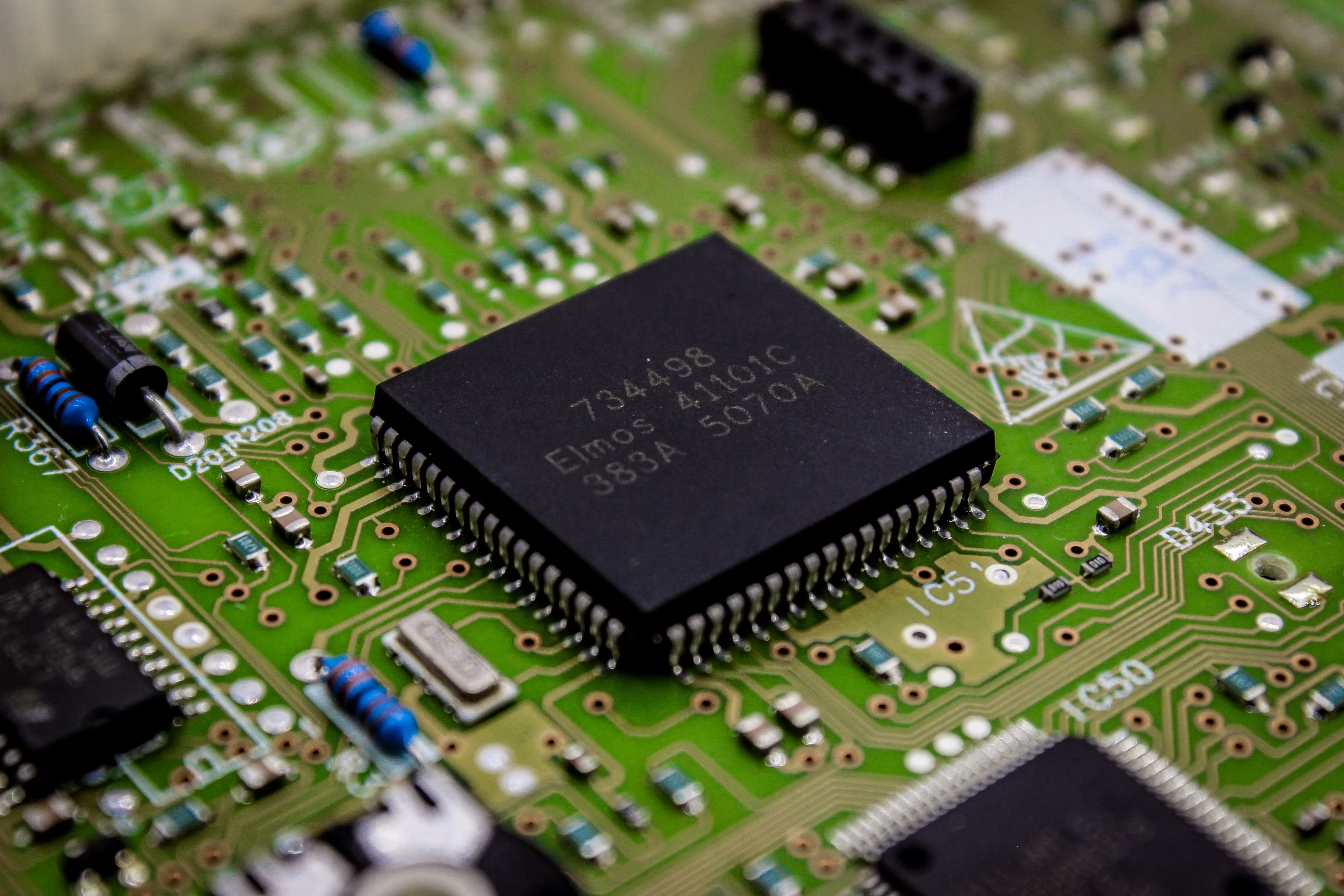
The Hong Kong advanced packaging supply chain should not be understood simply through the word “packaging and testing.” You need to break it down into equipment, OSAT services, wafer manufacturing support, substrate materials, optical interconnect, and AI hardware. What truly determines a company’s earnings sensitivity is not whether it carries an HBM or AI label, but whether its products enter key processes such as TCB, hybrid bonding, CoWoS, 2.5D/3D packaging, testing, or substrates.
Key Takeaways
- Equipment is the clearest theme in Hong Kong’s advanced packaging chain.
- HBM amplifies demand for TCB, hybrid bonding, testing, and substrates.
- OSAT is important, but pure-play Hong Kong-listed OSAT targets are limited.
- CoWoS shortages are driving expansion, but supply tightness may ease over time.
- Investors should first examine revenue exposure, orders, and customer structure.
- Concept relevance does not equal earnings exposure; layered analysis matters.
How Should You Understand the Core Logic of Hong Kong’s Advanced Packaging Supply Chain?
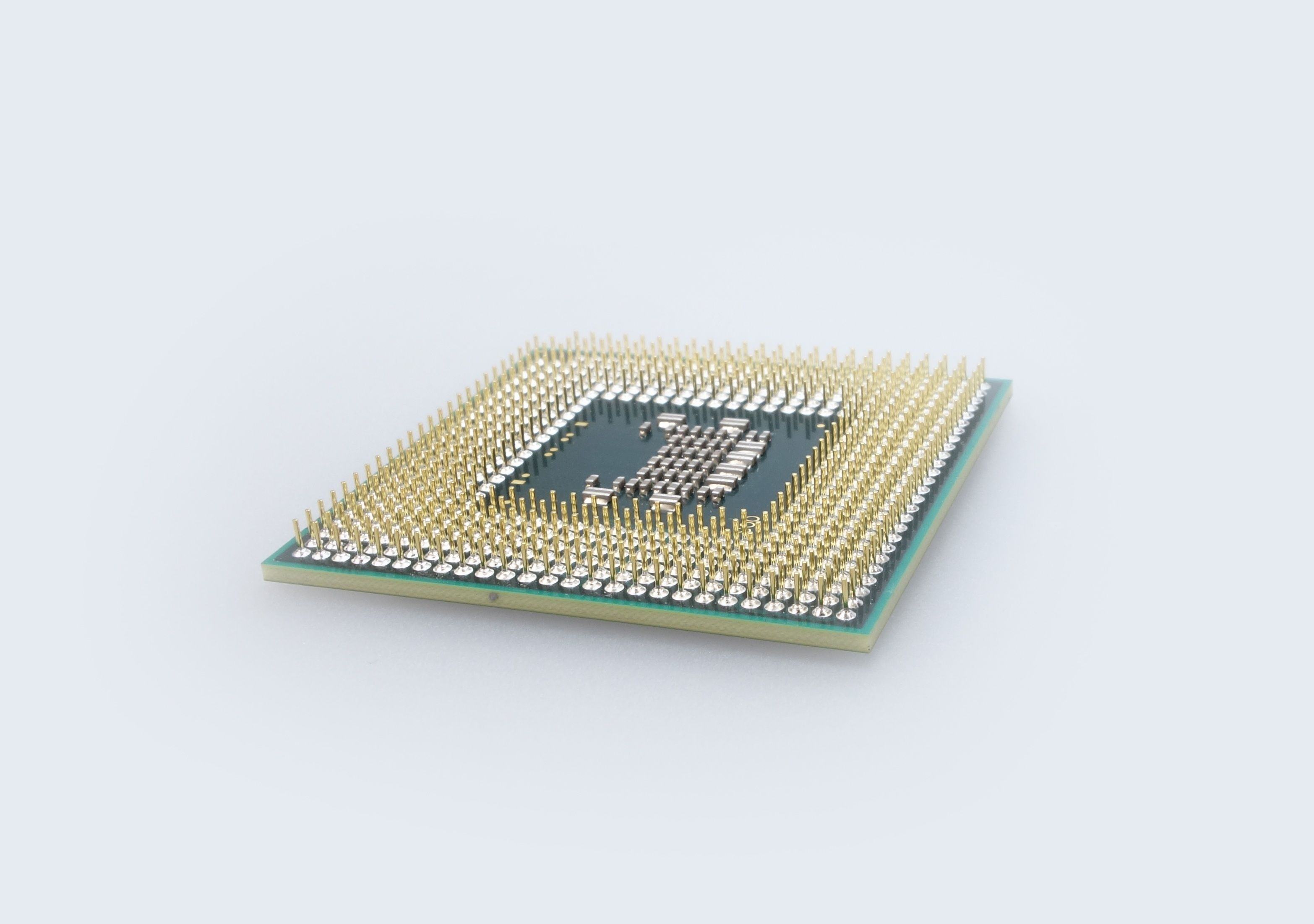
The core of Hong Kong’s advanced packaging supply chain is not about finding a simple “concept stock list.” It is about identifying where a company sits in the chain, whether it can access real orders, and whether its revenue is tied to AI chip and HBM capacity expansion. You can understand it as an industry revaluation triggered by the shift of AI chip performance bottlenecks from front-end processes to back-end packaging.
In the past, packaging was more often regarded as a back-end step in semiconductor manufacturing, mainly responsible for chip protection, circuit connection, and testing. Today, advanced packaging has become a key process for improving performance, bandwidth, power efficiency, and system integration. BCG describes advanced multi-chip packaging(bcg.com) as an important technology path for improving performance, shortening time to market, reducing manufacturing cost, and lowering power consumption. This is why it is being repriced in generative AI, automotive computing, and high-performance computing.
You can understand the Hong Kong advanced packaging supply chain through the following framework:
| Layer | Representative Segment | Hong Kong Market Mapping Logic | Key Metrics to Watch |
|---|---|---|---|
| Equipment | TCB, hybrid bonding, die bonding, placement, testing | More direct order sensitivity | Orders, AP revenue, gross margin |
| OSAT | OSAT, flip chip, SiP, wafer-level packaging | Important industry position, but fewer pure Hong Kong-listed targets | Customers, capacity, advanced packaging exposure |
| Materials and substrates | ABF, ceramics, PCB, package substrates | Supporting segment | Expansion, yield, AI server demand |
| HBM support | TSV, stacking, 2.5D/3D integration | Indirectly driven by HBM expansion | HBM3E, HBM4, CoWoS gap |
| Optical interconnect | Photonic packaging, CPO, 800G/1.6T | Spillover from AI network bandwidth demand | Optical module orders, data center demand |
The Hong Kong market has a specific feature: there are not many companies that directly correspond to global advanced packaging equipment leaders, and pure OSAT targets are also less complete than those in Taiwan or the U.S. Therefore, investors are better off screening by “strength of relevance” rather than placing every semiconductor, electronics manufacturing, PCB, or server component company into the advanced packaging theme.
Summary: The most important way to analyze Hong Kong’s advanced packaging supply chain is to first identify the company’s industry position and then trace the path of earnings transmission. Equipment companies that enter TCB, hybrid bonding, CPO, or HBM-related tools are generally closer to the core demand of advanced packaging than ordinary electronics manufacturers. Materials and AI hardware companies may also benefit, but usually through second-order transmission. When screening Hong Kong-listed names, you should focus on products, customers, orders, and revenue exposure, rather than only looking for labels such as “AI,” “HBM,” “domestic substitution,” or “advanced packaging.”
Why Is Equipment the Clearest Theme in Hong Kong’s Advanced Packaging Supply Chain?
Equipment is the clearest theme in Hong Kong’s advanced packaging chain because equipment orders usually appear before OSAT revenue is released, and they more directly reflect the expansion cycle. If you are looking for a company with a clearly defined industry position in the Hong Kong market, ASMPT 0522.HK is often analyzed under advanced packaging equipment, TCB, and AI back-end manufacturing frameworks.
The key point about ASMPT is that it is not merely a general electronics equipment supplier. It covers semiconductor assembly and packaging equipment. Its 2025 annual results(asmpt.com) showed advanced packaging revenue of US$532.1 million, up 30.2% year over year, with TCB solutions making a clear contribution. More importantly, ASMPT raised its TCB total addressable market estimate from about US$760 million in 2025 to US$1.6 billion in 2028, implying a 30% compound annual growth rate.(asmpt.com)
TCB stands for Thermo-Compression Bonding. It is closely related to HBM, chiplets, AI accelerators, and advanced logic packaging because these applications require higher-density, lower-loss, and more reliable chip interconnects. ASMPT stated in its first-quarter 2026 results(asmpt.com) that AI architecture is driving demand for tighter interconnects, higher bandwidth, and better power efficiency, supporting TCB, hybrid bonding, photonics, and CPO-related solutions.
The earnings sensitivity of the equipment segment mainly comes from several changes:
- Higher HBM stack counts increase demand for high-precision bonding.
- AI chips using chiplet architecture raise the complexity of 2.5D/3D packaging.
- Foundry and OSAT expansion usually triggers equipment orders before capacity is released.
- CPO and photonic packaging extend back-end equipment demand from chips to optical interconnect.
- Equipment qualification cycles are long, so leading suppliers are more likely to win repeat orders.
ASMPT’s follow-up orders also illustrate this logic. In December 2025, the company disclosed orders for 19 C2S TCB tools to serve the AI chip market; the 19 C2S TCB tools(asmpt.com) were ordered by a major OSAT partner serving leading foundries. In June 2026, the company further disclosed repeat orders for 8 C2W TCB tools(asmpt.com) for the production of advanced client and data center CPUs using chiplet architecture.
Summary: Equipment is the easiest segment to track in Hong Kong’s advanced packaging chain because orders, customers, and technology routes are relatively clear. ASMPT’s representativeness comes from TCB, hybrid bonding, photonic packaging, and CPO, all of which are closely linked to AI, HBM, and chiplets. But equipment stocks are not low-risk assets. Whether orders can be delivered, whether customer qualification proceeds smoothly, whether advanced packaging revenue continues to rise as a share of total revenue, and whether valuation has already priced in growth expectations will all affect future returns.
How Should You View OSAT and Packaging Services in Hong Kong Stocks?
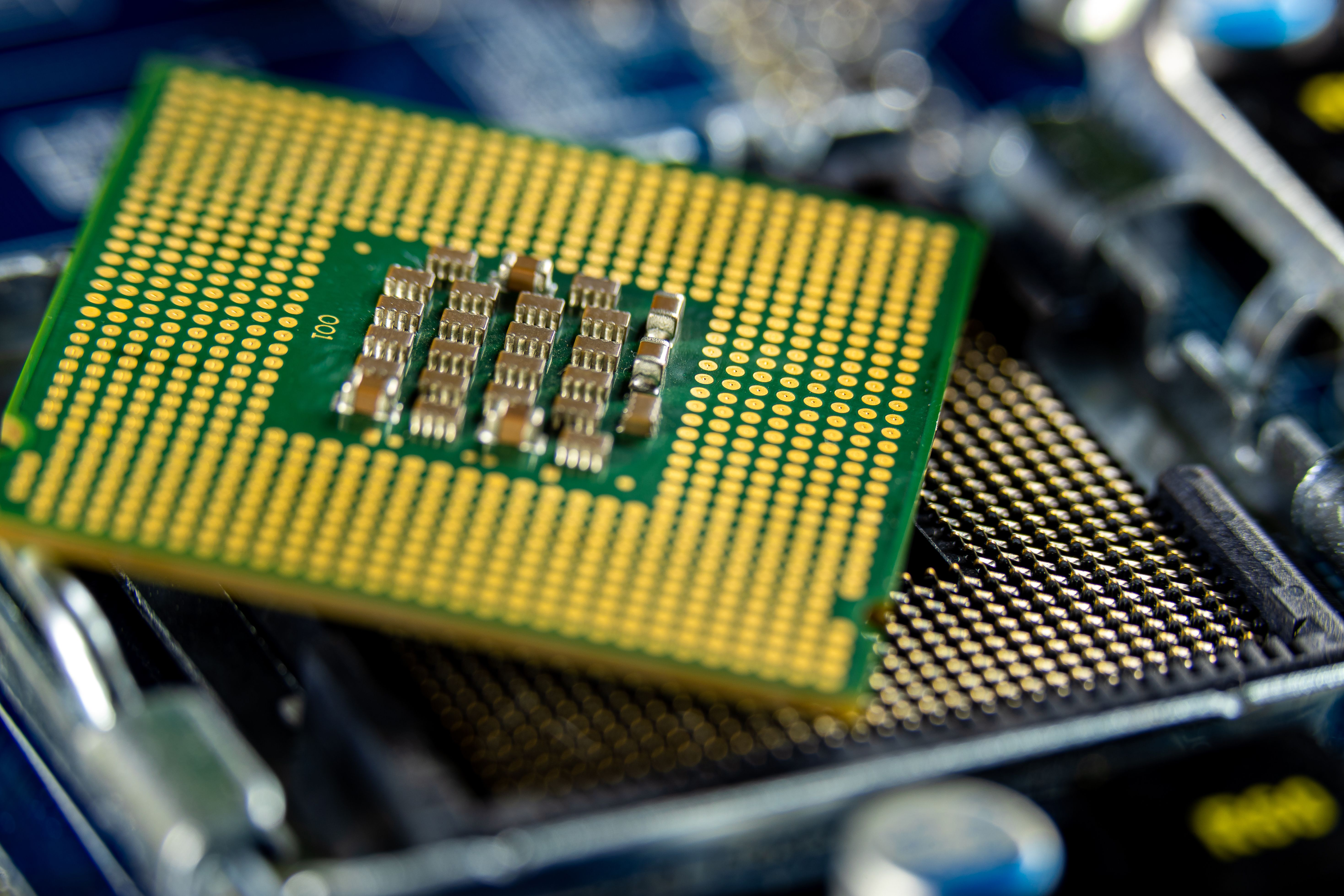
OSAT and packaging services are core parts of advanced packaging, but pure-play advanced packaging OSAT targets are limited in the Hong Kong market. You should not directly equate all electronics manufacturing, modules, PCB, or server hardware companies with advanced packaging and testing companies. The key question is whether they truly participate in flip chip, wafer-level packaging, SiP, 2.5D/3D packaging, or high-end testing.
The value of OSAT lies in integrating bare dies, HBM, substrates, interposers, interconnect structures, and testing processes into deliverable products. In the AI chip era, OSAT is no longer just a low-value-added back-end service. It is an important part of delivery capability, yield, thermal performance, and system performance. TrendForce stated that global 2.5D packaging capacity(trendforce.com) shortages are expected to ease only slightly by 2027, and spillover orders may also create more advanced packaging opportunities for OSAT partners.
However, Hong Kong investors often face one problem: many companies appear to be related to advanced packaging, but their actual exposure differs significantly. For example, foundries are more influenced by front-end capacity and process nodes; PCB, ceramics, micro-drill, connector, and server manufacturing companies are more often positioned in materials or hardware support; electronics manufacturers may serve AI servers but do not necessarily control advanced packaging processes.
You can use the following framework to judge whether a Hong Kong-listed company truly benefits:
| Evaluation Dimension | What to Look At | Why It Matters |
|---|---|---|
| Revenue structure | Share of advanced packaging, semiconductor equipment, or OSAT revenue | Determines strength of theme transmission |
| Customer structure | Foundries, OSATs, memory manufacturers, AI chip customers | Determines order quality |
| Product position | TCB, flip chip, SiP, testing, substrates, CPO | Determines technology barrier |
| Order disclosure | New orders, repeat orders, backlog | Determines short- to medium-term visibility |
| Gross margin | Difference between high-end equipment and ordinary manufacturing | Determines earnings sensitivity |
| Valuation level | Whether high-growth expectations are already priced in | Determines margin of safety |
This is why you need to separate “packaging services” from “packaging equipment” when analyzing Hong Kong advanced packaging. OSAT companies rely more on capacity utilization, customer projects, and yield. Equipment companies rely more on expansion orders, technology routes, and delivery schedules. Both are driven by AI and HBM, but their financial performance may unfold at different stages of the cycle.
Summary: OSAT is a key part of the advanced packaging supply chain, but direct OSAT choices in Hong Kong are limited. You need to distinguish between packaging services, equipment, electronics manufacturing, PCB, substrates, and foundries. What really matters is not whether a company appears in an advanced packaging concept pool, but whether it has clear products entering high-end packaging processes, whether its customers and orders have been validated, and whether advanced packaging business can be reflected in revenue and gross margin.
How Does HBM Drive Opportunities in Hong Kong’s Advanced Packaging Chain?
HBM drives advanced packaging because high-bandwidth memory must be highly integrated with AI accelerators. You can view HBM as a demand amplifier for advanced packaging: it not only drives memory manufacturer expansion, but also transmits demand to TCB, hybrid bonding, CoWoS, testing, substrates, thermal management, and optical interconnect.
The difference between HBM and ordinary DRAM is not only higher pricing. HBM requires multiple DRAM layers to be stacked and connected to GPUs, AI ASICs, or accelerators through TSVs, micro-bumps, silicon interposers, or other advanced packaging methods. TSMC stated in its 2025 annual report(investor.tsmc.com) that CoWoS, as a leading 2.5D technology, has continued to see strong growth since 2023, driven by AI demand. This shows that the advanced packaging bottleneck is now closely tied to AI chip supply.
HBM’s transmission path can be divided into five layers:
| HBM Change | Transmission Path | Hong Kong Market Watchpoint |
|---|---|---|
| HBM3E ramp-up | TCB, testing, packaging capacity | Equipment orders and OSAT expansion |
| HBM4 upgrade | Higher-density interconnect and higher stack counts | Hybrid bonding, advanced TCB |
| CoWoS shortage | 2.5D packaging capacity expansion | Foundries, OSATs, equipment |
| AI server growth | Optical modules, CPO, thermal management, PCB | AI hardware support |
| Higher yield requirements | Testing, inspection, process control | High-end testing equipment and materials |
SEMI’s forecast for semiconductor equipment sales(semi.org) shows that the global equipment market is expected to reach a record US$156 billion in 2027. Assembly and packaging equipment sales are expected to grow 19.6% in 2025, while test equipment sales are expected to grow 48.1%. These data points explain why advanced packaging is not only an opportunity for packaging and testing companies; it may also be reflected earlier in equipment orders.
But you should also note that HBM will not necessarily remain in permanent shortage. TrendForce said that as TSMC and its partners expand advanced packaging capacity, the CoWoS supply-demand gap(trendforce.com) may narrow from about 20% currently to around 10% by the end of 2026, and continue improving in 2027. This means equipment and capacity buildout demand may continue, but shortage premiums may change over time.
Summary: HBM is an important demand source for Hong Kong’s advanced packaging supply chain, but it is not a single-stock logic. HBM expansion drives memory, back-end equipment, testing, packaging capacity, and substrate materials. It also transmits through AI server networking demand to optical interconnect and CPO. When assessing related companies, you should prioritize whether their products enter HBM, CoWoS, TCB, hybrid bonding, or testing processes, rather than simply looking for the word “AI” in company announcements.
Which Types of Companies Should You Watch in Hong Kong’s Advanced Packaging Supply Chain?
Hong Kong’s advanced packaging supply chain can be divided into three key categories. The first is advanced packaging equipment, where the industry position is the most direct. The second is wafer manufacturing and specialty process support, where relevance is moderate. The third is materials, substrates, AI servers, and optical interconnect support, where the benefit path is more indirect. You need to rank them by exposure strength instead of mixing them into a single concept pool.
The first category is equipment. ASMPT is a representative company because it directly participates in semiconductor assembly and packaging equipment and has repeatedly disclosed orders or business progress related to TCB, HBM, advanced logic, C2S, C2W, photonic packaging, and CPO. TechInsights summarized 2026 advanced packaging(techinsights.com) trends around CPO, HBM4, glass/panel-level scaling, and 3D thermal management. All these directions point to more complex back-end manufacturing and equipment demand.
The second category is wafer manufacturing and specialty process support. Hong Kong-listed companies such as SMIC and Hua Hong Semiconductor are more closely tied to foundry services, mature nodes, specialty processes, or local semiconductor manufacturing systems. They are not pure advanced packaging targets and should not be simply equated with HBM or CoWoS companies. However, they still carry industrial relevance within AI chip manufacturing, domestic supply chains, and manufacturing capability buildout.
The third category is materials, substrates, and AI hardware support. This includes ceramic materials, PCB, micro-drills, AI server structural components, optical modules, connectors, thermal management, and power-related companies. They may benefit from AI data center construction, but they are further away from core advanced packaging processes. Their share price movements may depend more on AI server orders, customer qualification, and capital expenditure cycles.
| Type | Hong Kong Market Observation Method | Representative Direction | Exposure Strength |
|---|---|---|---|
| Advanced packaging equipment | AP revenue, TCB orders, customer validation | ASMPT, TCB, hybrid bonding | High |
| OSAT services | OSAT capability and advanced packaging share | Flip chip, SiP, wafer-level packaging | Medium-high |
| Wafer manufacturing | AI chip and specialty process support | Foundry, mature nodes, specialty processes | Medium |
| Materials and substrates | Expansion and customer qualification | PCB, ceramics, ABF, micro-drills | Medium |
| AI hardware | Server and optical communication orders | CPO, optical modules, thermal management | Medium-low |
| Theme mapping | Market sentiment and capital flows | Semiconductor concept stocks | Unstable |
Investors can also compare the supply chain across U.S. and Taiwan markets. For example, the U.S. market includes chip design, equipment, and EDA companies, while Taiwan has foundries, OSATs, substrates, and server supply chain companies. If you track both Hong Kong and U.S. semiconductor names, you can use Biya to follow related targets across different markets and compare them by supply chain position rather than focusing only on price movements in a single market.
Summary: Hong Kong’s advanced packaging supply chain is not a single sector. It consists of equipment, OSAT, materials, wafer manufacturing support, and AI hardware. Equipment is the most direct segment. OSAT is crucial, but choices in Hong Kong are relatively limited. Materials and AI hardware are more indirect beneficiaries. When screening companies, you should first ask whether the business is actually tied to advanced packaging processes, then examine customers and orders, and finally assess valuation and trading liquidity.
How Should Retail Investors Judge Opportunities and Risks in Hong Kong Advanced Packaging?
Retail investors should not judge Hong Kong advanced packaging opportunities only by theme popularity. They need to examine industry position, revenue sensitivity, order conversion, and valuation. Advanced packaging does benefit from AI, HBM, and chiplets, but if a company is only indirectly exposed while its share price is valued like a core equipment company, expectations may already be too high.
A practical screening order is:
- First identify where the company sits: equipment, OSAT, materials, foundry, or AI hardware.
- Then check the share of revenue related to advanced packaging, rather than only reading announcement keywords.
- Next examine customer structure, especially whether the company enters foundry, OSAT, memory manufacturer, or AI chip customer systems.
- Check whether orders are repeatable; a single large order does not equal long-term growth.
- Compare valuation with cycle position to avoid ignoring downside risk when expectations are most heated.
Trading costs also matter. Theme stocks related to advanced packaging, AI chips, and HBM can be volatile. When trading frequency is high, commissions, platform fees, external fees, and order execution all affect actual returns. Biya charges US$0 commission for U.S. stock trading, while platform fees, external fees, and other charges are subject to U.S. stock trading fees and order-level display. Availability of relevant services depends on the user’s location, identity verification result, platform rules, and applicable laws and regulations.
You should also pay close attention to these risks:
- A slowdown in AI capital expenditure may affect equipment orders.
- If CoWoS and HBM shortages ease, market premiums may decline.
- Technology routes such as TCB, hybrid bonding, and panel-level packaging may change.
- High customer concentration can amplify the impact of a single customer’s investment cycle.
- Liquidity varies significantly in Hong Kong stocks, and small- and mid-cap names may be more volatile.
- Advanced packaging concepts can trade ahead of fundamentals, creating valuation pressure if earnings lag.
- Export controls, supply chain compliance, and geopolitical factors may affect order boundaries.
Before trading, you can also use U.S. stock information search to compare the industry positions of overseas semiconductor companies, then return to the Hong Kong market to assess valuation differences. This is not about chasing short-term themes. It helps you build a complete observation framework across Hong Kong equipment, U.S. chips, Taiwan OSAT, and global AI capital expenditure.
Summary: Opportunities in Hong Kong advanced packaging come from AI, HBM, and chiplets increasing the complexity of back-end processes. But risks also come from cycles, valuation, customer concentration, and easing supply-demand tightness. You should treat this as supply chain research, not concept speculation. Companies worth tracking should have a clear industry position, products entering key processes, sustainable orders, high-quality customers, and valuations that have not excessively priced in expectations.
If you follow Hong Kong advanced packaging, AI computing, HBM, semiconductor equipment, and related U.S. stocks, you can first build a supply chain watchlist: track orders for core equipment, capacity and customers for OSAT, qualification cycles for materials and substrates, and server plus optical interconnect demand for AI hardware. Users who meet the applicable service conditions can also follow related market movements through Hong Kong stock trading, while evaluating account rules, order types, fee structures, and personal risk tolerance. Public market information can help you understand industry logic, but it does not constitute investment advice. Actual trading should follow platform rules, account statements, and local regulatory requirements.
FAQ
What Is the Difference Between Hong Kong Advanced Packaging Stocks and HBM Concept Stocks?
Hong Kong advanced packaging stocks cover equipment, OSAT, materials, foundry support, and AI hardware, while HBM concept stocks are only one source of demand within this chain. HBM can drive TCB, hybrid bonding, CoWoS, testing, and substrates, but not every semiconductor company benefits directly.
Why Is ASMPT Often Seen as a Hong Kong Advanced Packaging Equipment Representative?
ASMPT is representative because it directly provides semiconductor assembly and advanced packaging equipment. Its TCB, hybrid bonding, photonic packaging, and CPO directions are closely related to AI chips, HBM, and chiplets. Investors still need to examine order conversion, revenue exposure, and valuation.
Are There Pure Advanced Packaging OSAT Leaders in the Hong Kong Market?
Pure advanced packaging OSAT leaders are relatively limited in the Hong Kong market. More companies are positioned in equipment, manufacturing support, or electronics manufacturing. Investors should distinguish OSATs from module makers, foundries, PCB/material companies, and general electronics manufacturers.
How Can Retail Investors Tell Whether an Advanced Packaging Company Truly Benefits from HBM?
The key is to check whether the company’s products enter HBM, CoWoS, TCB, hybrid bonding, testing, or substrate processes. Investors should also look at customers, orders, advanced packaging revenue exposure, gross margin, and capacity expansion instead of relying only on HBM or AI keywords in announcements.
What Are the Main Risks of Advanced Packaging Equipment Stocks?
The main risks include order volatility, slower AI capital expenditure, technology route changes, customer concentration, and high valuation. Equipment stocks often price in expectations early. If orders convert slowly, supply tightness eases, or customer expansion slows, share prices may fluctuate sharply.
Is Hong Kong’s Advanced Packaging Supply Chain Suitable for Beginners to Buy Directly?
Beginners should not buy solely based on the theme. They should first understand each company’s supply chain position and risks. A better approach is to study equipment, OSAT, materials, and foundry support separately, then evaluate trading costs, liquidity, account rules, and personal risk tolerance.
*This article is provided for general information purposes and does not constitute legal, tax or other professional advice from BiyaPay or its subsidiaries and its affiliates, and it is not intended as a substitute for obtaining advice from a financial advisor or any other professional.
We make no representations, warranties or warranties, express or implied, as to the accuracy, completeness or timeliness of the contents of this publication.
Related Blogs of

Online Bank-to-Bank Transfers: Account Linking, Steps, and Limits

Crypto Trading Bots: Types, Costs, and Security Risks


Crypto Exchange Fees Comparison: Trading Fees, Spreads, and Withdrawals


Wire Transfer Requirements: Sender and Beneficiary Details Checklist

Choose Country or Region to Read Local Blog
 Australia
 Austria
 Belgium
 Canada
 Cyprus
 Czech Republic
 Denmark
 Estonia
 Finland
 France
 Germany
 Greece
 Hong Kong
 India
India Indonesia
 Ireland
 Italy
Italy Japan
Japan Latvia
 Lithuania
 Luxembourg
 Malaysia
 Malta
Malta Morocco
 Nepal
Nepal Netherlands
 New Zealand
 Norway
 Pakistan
 Philippines
 Poland
 Portugal
 Romania
 Singapore
 Slovakia
 Slovenia
 South Africa
 South Korea
 Spain
Spain Sweden
 Thailand
 United States
 Turkey
 United Arab Emirates
 United Kingdom
 Vietnam