What Should You Track Monthly in the Storage Sector? Pricing, Inventory, Earnings, Capex, and Order Signals





The most important thing to track monthly in the storage sector is not a single stock price, but five types of signals: pricing, inventory, earnings, Capex, and orders. Pricing tells you whether supply and demand are tight; inventory tells you whether price increases are healthy; earnings verify whether profits are being realized; Capex points to future supply; and orders determine demand visibility. This framework is useful if you follow MU, STX, WDC, SNDK, PSTG, NTAP, as well as HBM, DRAM, NAND, enterprise SSD, and nearline HDD supply chains. A price increase does not necessarily mean the cycle is safe, and strong orders do not necessarily mean valuation risk has disappeared. The key is to cross-check multiple signals in one monthly table.
Key Takeaways
- Pricing is the most visible signal in the storage cycle, but contract prices and spot prices must be separated.
- Inventory determines whether price increases can translate into sustained orders and real profits.
- Earnings should be assessed through revenue, gross margin, product mix, and cash flow quality.
- Capex is a future supply signal, and overly aggressive expansion may create downside risk.
- Orders should be tracked through CSP long-term contracts, HBM qualification, eSSD, and nearline HDD procurement.
- Monthly tracking should be organized in a table to avoid being led by single AI-related news items.
Start with a Monthly Tracking Framework: How to Read Pricing, Inventory, Earnings, Capex, and Orders

The storage sector should be tracked through five types of monthly signals because AI demand only explains end-market pull; it does not, by itself, explain profits, valuations, or cycle position. A more practical approach is to first look at price changes in DRAM, NAND, HBM, enterprise SSDs, and nearline HDDs, then verify those changes through inventory, earnings, Capex, and orders. If prices are rising, inventory is falling, gross margins are improving, and Capex is supported by long-term contracts, the quality of the cycle is stronger. If prices rise while inventory accumulates, structural mismatch deserves caution.
Why You Should Not Only Look at “Strong AI Demand”
Storage is a classic cyclical industry. Demand growth, supply constraints, customer restocking, and capital expenditure can amplify one another. AI servers do drive demand for HBM, server DRAM, enterprise SSDs, and nearline HDDs, but smartphones, PCs, and consumer SSDs may not strengthen at the same pace. TrendForce noted in March 2026 that AI server demand pushed conventional DRAM and NAND Flash contract prices higher, while suppliers allocated more capacity to server applications. This shows a structural split inside the sector: data centers are strong, while consumer demand remains under pressure.
What Fixed Columns Should a Monthly Tracking Table Include?
| Tracking Dimension | Indicator | Positive Signal | Negative Signal | Relevant Segment |
|---|---|---|---|---|
| Pricing | DRAM/NAND contract prices, spot prices | Contract prices rise with shipment growth | Spot prices rise quickly but orders are unstable | Memory manufacturers |
| Inventory | Manufacturer, channel, and customer inventory | Inventory falls and restocking continues | Inventory rises while prices are pushed higher | Suppliers and downstream |
| Earnings | Revenue, gross margin, cash flow | Gross margin improves with revenue | Revenue grows but profit does not improve | Listed companies |
| Capex | Wafer, packaging, HDD technology investment | Expansion is supported by long-term contracts | High-cycle concentrated expansion | Future supply |
| Orders | CSP, HBM, eSSD, and HDD long-term orders | Demand visibility improves | Many intentions, slow realization | Customer demand |
The 10 signals you can update every month are: DRAM contract prices, NAND contract prices, HBM supply progress, enterprise SSD revenue, nearline HDD shipments, manufacturer inventory, channel inventory, gross margin, Capex guidance, and cloud customer orders. You do not need to follow the news every day, but at the monthly level, these data points should be placed in one table.
Summary: The core purpose of monthly storage sector tracking is not to predict whether a stock will rise or fall next month, but to identify which stage the supply chain is in: price recovery, profit realization, supply expansion, order validation, or risk accumulation. Pricing, inventory, earnings, Capex, and orders must be analyzed together. Looking only at price may confuse a temporary shortage with healthy demand. Looking only at orders may ignore margin and delivery timing. Looking only at earnings may be too backward-looking. A useful monthly framework separates leading signals from validation signals and updates them consistently in a table.
Pricing Signals: How to Read DRAM, NAND, HBM, SSD, and HDD Prices

Pricing is the most sensitive signal in the storage cycle, but you must distinguish contract prices from spot prices. Contract prices are closer to manufacturer revenue and large-customer procurement, making them more useful for judging gross margin direction. Spot prices are more sensitive and better suited for observing short-term supply-demand sentiment. In investment analysis, contract prices for DRAM, NAND, and enterprise SSDs are usually more important than retail prices, because listed companies generate more profit from large customers and long-term procurement.
What Is the Difference Between Contract Prices and Spot Prices?
Contract prices usually reflect purchasing terms for large customers such as server vendors, cloud providers, PC OEMs, and smartphone manufacturers. They are more stable and closer to revenue recognition for original manufacturers. Spot prices are more like a market sentiment thermometer: they are more volatile and can be affected by channel stockpiling, panic restocking, and small-volume transactions. TrendForce stated in June 2026 that conventional DRAM contract prices rose about 93% to 98% quarter over quarter in 1Q26, driving industry revenue up 81% quarter over quarter. This kind of data explains manufacturer profit sensitivity better than the price of a single retail memory module.
Different Product Price Signals Correspond to Different Companies
| Price Signal | What to Watch | Representative Companies | Common Mistake |
|---|---|---|---|
| DRAM contract prices | Server, PC, and mobile memory prices | Micron, SK hynix, Samsung | Treating spot prices as earnings prices |
| HBM pricing | HBM3E/HBM4 supply-demand and qualification | SK hynix, Micron, Samsung | Treating HBM as ordinary DRAM |
| NAND contract prices | 3D NAND, QLC/TLC, eSSD demand | Samsung, Kioxia, Micron, SanDisk | Ignoring downstream SSD margin pressure |
| Enterprise SSD pricing | CSP procurement, AI inference, RAG storage | Samsung, Solidigm, Micron, Kioxia | Looking only at consumer SSD price cuts |
| HDD pricing | Nearline HDD capacity, long-term contracts, lead times | Seagate, Western Digital, Toshiba | Using consumer HDD prices to judge cloud demand |
TrendForce sharply raised its forecast for 1Q26 conventional DRAM and NAND Flash contract prices and noted that enterprise SSD orders were supported by demand from North American CSPs. Price increases in the early stage are usually positive, but if prices rise too quickly and customers are forced to lock in supply early, future demand pull-forward becomes a risk.
When Is a Price Increase a Good Signal?
A healthy price increase usually has four conditions: shipments rise at the same time, gross margins improve, inventory continues to decline, and long-term orders continue to appear. A riskier type of price increase looks different: prices rise mainly because of shortages, downstream customers delay purchasing, consumer demand is suppressed, and Capex begins to expand sharply. This is especially important in NAND, because an upward revision to the NAND Flash market forecast may reflect strong enterprise SSD demand, but it may also mean consumer-side procurement costs are rising passively.
Summary: Pricing is the earliest storage-cycle signal seen by the market, but it should not be treated as the final conclusion. Contract prices are better for judging manufacturer revenue and gross margins, while spot prices are better for observing short-term sentiment. DRAM, HBM, NAND, enterprise SSD, and HDD price signals correspond to different companies and profit chains. In monthly tracking, you should break down “price increases” into three questions: Which product is rising? Are price increases accompanied by shipments and orders? Are gross margins actually improving? Only when pricing, inventory, and earnings confirm each other does a price increase more likely indicate higher cycle quality.
Inventory Signals: Why Inventory Is Better Than Single-Month Pricing for Judging Cycle Quality
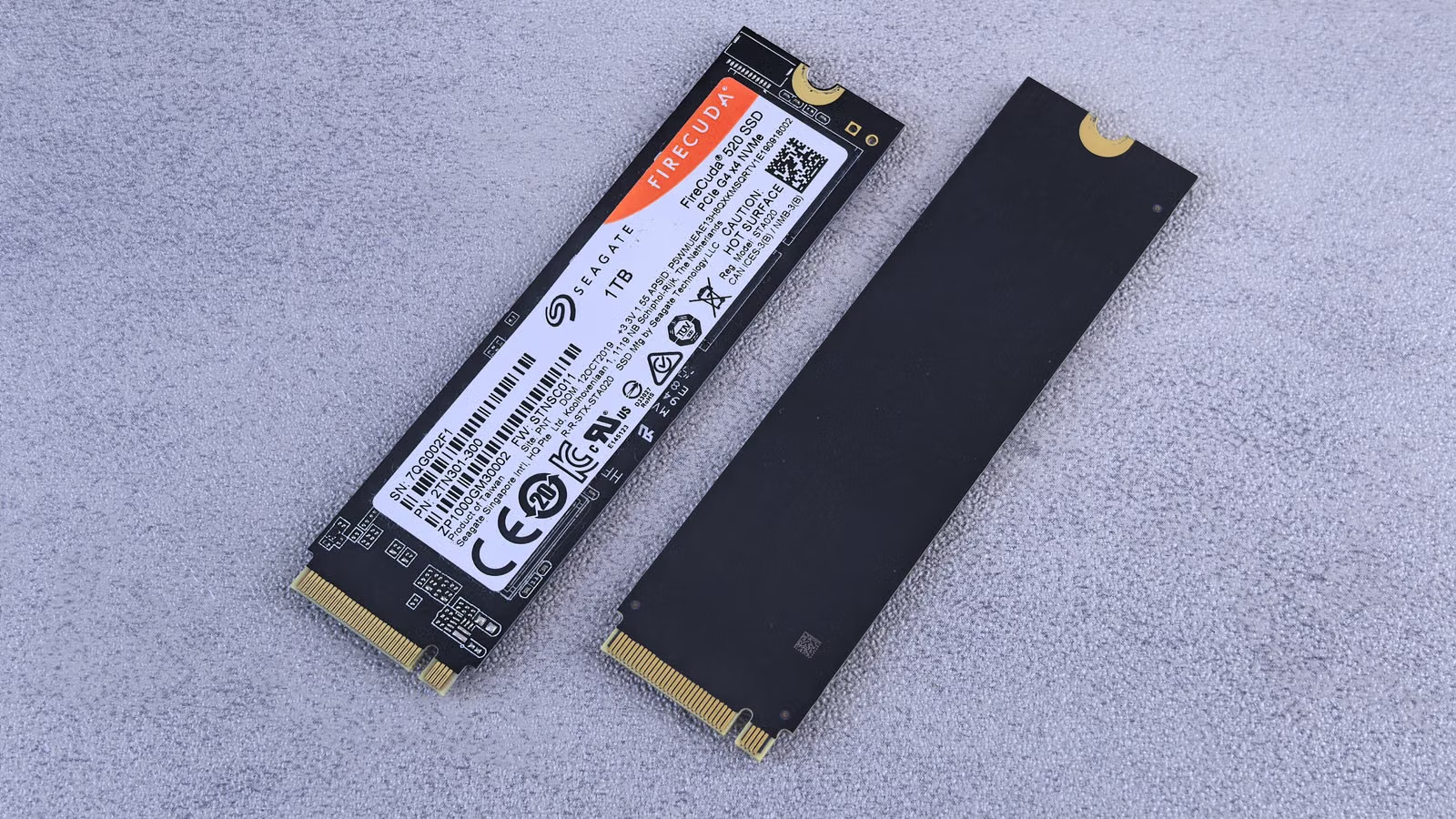
Inventory signals help determine whether price increases are healthy. A cycle is more likely to continue when manufacturer inventory falls, channel inventory is reasonable, and customer restocking continues. If prices rise while manufacturer inventory also rises, shortages may be concentrated in certain products while overall demand has not fully recovered. When tracking inventory monthly, separate manufacturer inventory, channel inventory, and customer inventory instead of relying on a single phrase like “destocking is over.”
What Do Manufacturer Inventory, Channel Inventory, and Customer Inventory Mean?
Manufacturer inventory refers to finished goods and work-in-progress held by suppliers, affecting pricing negotiations and production schedules. Channel inventory mainly affects consumer SSDs, memory modules, retail hard drives, and PC supply chain prices. Customer inventory determines whether cloud providers, server vendors, smartphone companies, and PC OEMs continue restocking. These three types of inventory mean different things and should not be merged into one simple judgment.
| Inventory Combination | Possible Meaning | Monthly Interpretation |
|---|---|---|
| Manufacturer inventory falls + contract prices rise | Supply-demand improves, manufacturer pricing power strengthens | Positive |
| Manufacturer inventory rises + contract prices rise | Possible structural shortage | Break down by product |
| Channel inventory high + spot prices rise | Possible short-term chasing | Watch for pullback risk |
| Customer inventory low + long-term orders increase | Stronger demand visibility | Positive |
| Inventory high + Capex expands | Future supply pressure increases | Riskier |
Why Inventory Risk Can Still Appear When AI Demand Is Strong
Strong AI server demand does not mean all storage products are strong. HBM, server DRAM, and enterprise SSDs may be tight, while consumer SSDs, smartphone NAND, and PC DRAM may be suppressed by high prices. TrendForce’s discussion of tight enterprise SSD supply showed that enterprise SSD industry revenue rose 86.1% quarter over quarter in 1Q26 to more than $18.46 billion, while major supplier inventories fell to historic lows. This is a strong signal for eSSD manufacturers, but it does not mean all NAND downstream customers can absorb higher costs.
Inventory days in earnings reports are also worth tracking. Micron disclosed in its fiscal 3Q26 materials that ending inventory was $8.6 billion and days of inventory were 120 days, while also noting that DRAM inventory was very tight. This type of information is more useful than a vague claim that “the market is short,” because it directly connects pricing, capacity, and profit.
Summary: Inventory is a core indicator for judging storage-cycle quality. Pricing tells you that the market is rising; inventory tells you whether that rise is sustainable. In monthly tracking, do not only look at DRAM or NAND price increases. Also look at whether manufacturer inventory continues to fall, whether customers are still purchasing, whether channels are digesting supply smoothly, and whether there is a clear split between consumer demand and data center demand. If prices rise, inventory falls, and orders increase, cycle quality is stronger. If prices rise, inventory rises, and customers delay purchasing, short-term heat may be hiding medium-term risk.
Earnings Signals: How to Read Revenue, Gross Margin, Product Mix, and Cash Flow
The most important item in earnings reports is not year-over-year revenue growth, but whether revenue growth comes with gross margin improvement, product mix upgrade, better cash flow, and lower inventory pressure. Pricing and orders are expectations; earnings are realization. When reading storage company earnings, first identify whether the company is an HBM/DRAM/NAND manufacturer, an HDD vendor, or an enterprise storage system company, then use different indicators.
Four Metrics to Check First in Storage Company Earnings
First, look at revenue to verify whether demand has entered the company’s financial statements. Second, look at gross margin to verify whether price increases have turned into profit. Third, look at product mix to see whether HBM, server DRAM, enterprise SSD, nearline HDD, or subscription revenue has increased as a share of the business. Fourth, look at free cash flow to judge profit quality and Capex pressure. Micron disclosed in fiscal 3Q26 that it recorded revenue of $41.456 billion and non-GAAP gross margin of 84.9%, while net capital expenditures were $7.1 billion, showing that profits and investment can both expand during a high-cycle phase.
Different Companies Require Different Earnings Focuses
| Company Type | Representative Companies | Earnings Focus | Risk Indicators |
|---|---|---|---|
| HBM/DRAM/NAND manufacturers | Micron, SK hynix, Samsung | ASP, gross margin, HBM share, inventory | Price declines, overly rapid expansion |
| HDD vendors | Seagate, Western Digital | Nearline HDD, cloud customers, free cash flow | Cloud order cuts, technology roadmap |
| Flash/NAND companies | SanDisk, Kioxia | NAND prices, enterprise SSD exposure | Consumer demand pressure |
| Storage system companies | Pure Storage, NetApp | Subscription, RPO, customer retention, enterprise budgets | Slower IT spending, hardware costs |
Seagate reported revenue of $3.11 billion and non-GAAP gross margin of 47.0% in fiscal 3Q26, with free cash flow of nearly $953 million. For HDD companies, these numbers help verify whether nearline HDD demand has translated into profit, rather than remaining only an “AI needs capacity” industry narrative.
For system companies such as Pure Storage, subscription and service-style metrics matter more. In fiscal 2Q26, Pure Storage disclosed that Storage as a Service Offerings TCV sales grew 24%. Companies like this do not fully move with the NAND price cycle; enterprise customer budgets, subscription retention, and data management capabilities are also important.
If you follow names such as MU, STX, WDC, SNDK, PSTG, and NTAP, trading costs should also be included alongside earnings analysis. When building a storage stock watchlist through U.S. stock information lookup, you should not only look at price movements. U.S. stock trading costs may include not only commissions, but also platform fees, external institutional fees, and trading activity fees. Biya charges 0 USD in U.S. stock trading commission, while platform fees, external institutional fees, and other costs are subject to the U.S. stock trading fees and the order page display.
Summary: Earnings are the validation stage in monthly tracking. Pricing and orders tell you market expectations; earnings tell you whether profits are being realized. When reading earnings, put revenue, gross margin, product mix, inventory, cash flow, and management guidance together. Upstream manufacturers should be assessed through ASP and gross margin; HDD vendors through cloud customers and free cash flow; system vendors through subscriptions, RPO, and enterprise budgets. If revenue grows but gross margin does not improve, cost, product mix, or customer bargaining power may still be under pressure.
Capex Signals: Capital Expenditure Is Both an Opportunity and a Future Supply Risk
Rising Capex can indicate strong demand and management confidence in expansion in the short term, but it may also create future supply growth and price decline risk in the medium to long term. Many past downturns in the storage industry were linked to concentrated expansion during high-cycle periods. When tracking Capex monthly, do not focus only on the word “expansion.” Ask instead: Does the investment target HBM, server DRAM, enterprise SSDs, or ordinary capacity? Is it supported by long-term contracts? Can cash flow cover it?
When Is Higher Capex a Good Thing?
Capex growth is more positive under four conditions: there are long-term customer commitments; capacity targets high-demand products such as HBM, server DRAM, and enterprise SSDs; gross margins and cash flow improve at the same time; and industry supply discipline remains in place. Reuters reported that Micron signed 16 strategic customer agreements covering data center, consumer, and automotive markets, including take-or-pay commitments, cash deposits, and price floors. Such long-term contracts can improve Capex visibility, but delivery timing and actual profitability still need to be tracked.
When Does Higher Capex Become a Risk?
| Capex Combination | Possible Interpretation |
|---|---|
| Capex growth + long-term orders | More positive; supply is supported by customers |
| Capex growth + inventory rising | Riskier; future supply pressure may be building early |
| Capex growth + gross margin falling | Watch for cost and pricing pass-through issues |
| Capex discipline + prices rising | Supply discipline is relatively strong |
| Capex discipline + shipments falling | Not necessarily positive; demand may be weak |
The HDD industry also has Capex and technology investments, but they appear in different forms. Seagate’s Mozaic 3+ and HAMR technology points to higher areal density and 30TB-class hard drives. This kind of investment is not simply capacity expansion; it is aimed at increasing capacity per platter and per rack. For HDD companies, you should track capacity per drive, yield, customer qualification, and lead times, not only factory investment.
Summary: Capex is one of the easiest storage-sector indicators to misread. During an upcycle, expansion can look reasonable, but the storage industry’s risk often comes from supply being released in concentration after a high-cycle period. When tracking Capex monthly, check whether it is supported by orders, cash flow, and product mix. If Capex targets high-value products, has clear long-term customer contracts, and comes with gross margin improvement, it is more positive. If Capex expansion occurs alongside rising inventory, weak consumer demand, and simultaneous expansion by competitors, it may be an early signal of future price pressure.
Order Signals: How CSP, HBM, Enterprise SSD, and Nearline HDD Orders Verify Demand
Order signals are key to judging whether demand is real, especially whether CSPs, hyperscalers, AI server vendors, and enterprise customers continue purchasing. The statement “AI needs storage” is not enough. What matters is whether customers sign long-term contracts, pass qualification, provide prepayments, and enter revenue recognition. The stronger the orders, the more closely you should look at pricing terms, delivery cycles, customer concentration, and Capex alignment.
Different Order Signals Correspond to Different Supply Chain Positions
| Order Signal | Product | Representative Companies | What to Watch |
|---|---|---|---|
| HBM orders | HBM3E, HBM4 | SK hynix, Micron, Samsung | Customer qualification, yield, delivery pace |
| Server DRAM orders | DDR5 RDIMM, high-capacity memory | Micron, Samsung, SK hynix, CXMT | CSP long-term contracts, price floors |
| Enterprise SSD orders | QLC/TLC eSSD | Samsung, Solidigm, Micron, Kioxia, SanDisk | CSP procurement, AI inference demand |
| Nearline HDD orders | High-capacity HDD | Seagate, Western Digital, Toshiba | Cloud customer long-term contracts, drive capacity |
| Storage system orders | All-flash, hybrid cloud storage | Pure Storage, NetApp, Dell, HPE | RPO, subscriptions, enterprise budgets |
Enterprise SSD is one of the most important order signals in recent years. TrendForce stated that AI Agent adoption and CSP procurement drove record-high enterprise SSD revenue in 1Q26, while major supplier inventories remained historically low. This indicates that AI inference, RAG, vector databases, and hot data storage are changing downstream demand for NAND.
Server DRAM long-term contracts are also worth tracking. Reuters reported that CXMT won a roughly $2.94 billion server DRAM supply agreement from Tencent, with a term of three to five years. The key here is not only the order value, but also customer binding, pricing terms, delivery capability, and technology gaps.
Strong Orders Do Not Mean Stocks Will Definitely Rise
Strong orders do not automatically mean stock prices will rise. The market may have already priced in expectations, and long-term contracts may include price caps, delivery delays, or customer concentration risk. You can assess order quality with these questions:
- Is it an actual purchase, customer qualification, or only an intention agreement?
- Does it include take-or-pay terms, prepayments, or price floors?
- Is the delivery cycle quarterly, annual, or multi-year?
- Can the order improve gross margin, not just revenue?
- Is the customer base overly concentrated among a few CSPs or AI chip companies?
- Does the order push excessive Capex and create future supply risk?
If you want to turn these signals into daily observation, you can use Biya to track U.S. stocks, Hong Kong stocks, and digital asset markets. However, service availability depends on the user’s location, identity verification result, platform rules, and applicable laws and regulations. Storage stocks can be highly volatile, so public market information, earnings reports, fee structures, and personal risk tolerance should be evaluated together.
Summary: Orders are the bridge between “story” and “realization” in the storage sector. In monthly tracking, distinguish AI concept news, customer qualification, actual procurement, long-term agreements, and revenue recognition. HBM orders should be assessed through qualification and yield; enterprise SSD orders through CSP procurement and inference workloads; nearline HDD orders through cloud storage capacity demand. The stronger the orders, the more important it is to examine terms, delivery, gross margin, and customer concentration, instead of judging cycle safety only by order size.
If you are ready to build a monthly storage sector tracking table, you can place MU, STX, WDC, SNDK, PSTG, NTAP, as well as semiconductor ETFs and AI infrastructure ETFs, into the same watchlist. Each month, record five columns: pricing, inventory, earnings, Capex, and orders, then add trading fees, exchange rates, and order types. Before using the Download App, you should also understand platform rules, fee details, and your own risk tolerance. Biya is a global multi-asset trading wallet that supports U.S. stocks, Hong Kong stocks, and digital asset trading. However, any trading decision should be based on company announcements, platform rules, order page information, and local regulatory requirements. This does not constitute investment advice and does not promise returns.
FAQ
Which Indicator Should You Check First Each Month in the Storage Sector?
You can first check DRAM and NAND contract prices, followed by enterprise SSD and HBM demand. Pricing is the most sensitive signal, but it cannot determine cycle position alone. A more reliable approach is to cross-check pricing with inventory, earnings gross margins, and order changes to avoid calling a cycle reversal only because prices rise.
Which Matters More for DRAM: Contract Prices or Spot Prices?
DRAM contract prices are usually more important because they are closer to manufacturer revenue and large-customer procurement. Spot prices are more useful for observing short-term market sentiment, but they are more volatile and can be affected by channel transactions. Ordinary investors can prioritize contract price direction and use spot prices to observe turning points and sentiment shifts.
Does Falling Inventory at Storage Companies Always Mean a Cycle Reversal?
Falling inventory at storage companies does not always mean a cycle reversal. It is a positive signal, but pricing, orders, and gross margins must also improve at the same time. If inventory falls mainly because of production cuts while customer demand has not recovered, a cycle reversal still needs further validation from earnings and orders.
Is Rising Capex in Storage Stocks Positive or Negative?
Rising Capex in storage stocks may indicate strong demand and better order visibility in the short term, but it can also create supply pressure in the medium to long term. The key is whether Capex targets high-demand products such as HBM, server DRAM, and enterprise SSDs, whether it is supported by long-term contracts, and whether cash flow can cover the investment.
Why Do Enterprise SSD Orders Affect the NAND Cycle?
Enterprise SSD orders consume large amounts of NAND capacity and usually carry higher value than consumer storage products. If CSP procurement continues to grow, NAND manufacturers may receive stronger price support. However, downstream system vendors may also face cost pressure, so pricing pass-through and gross margin changes should also be monitored.
How Can Ordinary Investors Build a Monthly Tracking Table for the Storage Sector?
Ordinary investors can record five columns: pricing, inventory, earnings, Capex, and orders, and update them once a month. Each indicator should include its data source, month-over-month change, related companies, and potential risks. The goal of the tracking table is not to predict short-term stock prices, but to judge supply chain cycle position and risk level.
*This article is provided for general information purposes and does not constitute legal, tax or other professional advice from BiyaPay or its subsidiaries and its affiliates, and it is not intended as a substitute for obtaining advice from a financial advisor or any other professional.
We make no representations, warranties or warranties, express or implied, as to the accuracy, completeness or timeliness of the contents of this publication.
Related Blogs of

NetApp NTAP Stock Analysis: Enterprise Storage, Cloud Data Management, and Cash Flow


Why Is Enterprise SSD Supply Tightening? NAND Capacity Allocation, Cloud Orders, and the Pricing Cycle


What Is a Nearline Hard Drive? Why Cloud Providers Need Large-Capacity Nearline HDDs


Choose Country or Region to Read Local Blog
 Australia
 Austria
 Belgium
 Canada
 Cyprus
 Czech Republic
 Denmark
 Estonia
 Finland
 France
 Germany
 Greece
 Hong Kong
 India
India Indonesia
 Ireland
 Italy
Italy Japan
Japan Latvia
 Lithuania
 Luxembourg
 Malaysia
 Malta
Malta Morocco
 Nepal
Nepal Netherlands
 New Zealand
 Norway
 Pakistan
 Philippines
 Poland
 Portugal
 Romania
 Singapore
 Slovakia
 Slovenia
 South Africa
 South Korea
 Spain
Spain Sweden
 Thailand
 The United States
 Turkey
 United Arab Emirates
 United Kingdom
 Vietnam
Contact Us




BIYA GLOBAL LLC is registered with the Financial Crimes Enforcement Network (FinCEN), an agency under the U.S. Department of the Treasury, as a Money Services Business (MSB), with registration number 31000218637349, and regulated by the Financial Crimes Enforcement Network (FinCEN).
BIYA GLOBAL LIMITED is a registered Financial Service Provider (FSP) in New Zealand, with registration number FSP1007221, and is also a registered member of the Financial Services Complaints Limited (FSCL), an independent dispute resolution scheme in New Zealand.