
U.S. Stock Market Holidays 2026: Holiday Calendar, Daylight Saving Time, and Trading Arrangements




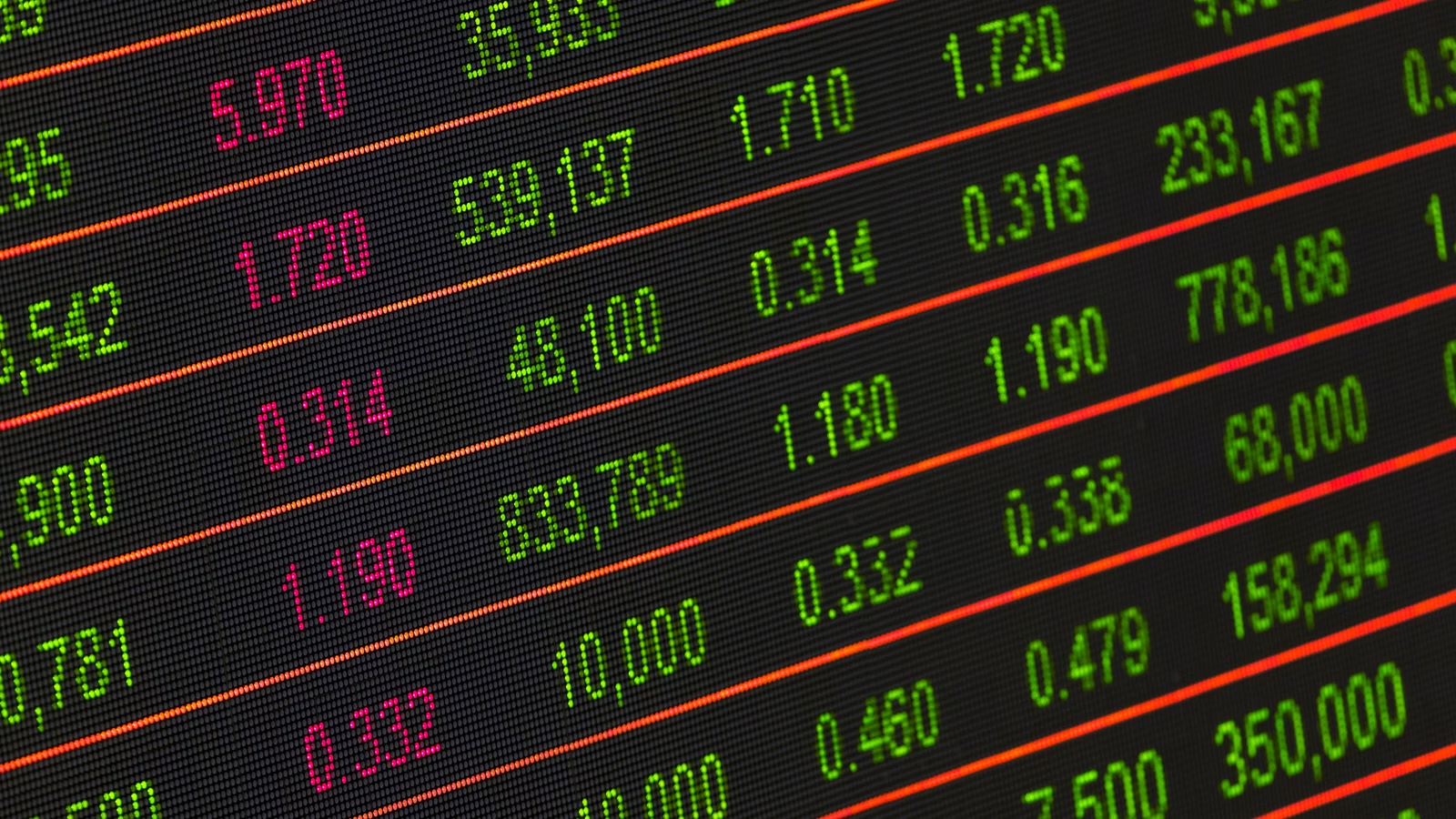
In 2026, the U.S. stock market has 10 full market holidays, including New Year’s Day, Martin Luther King Jr. Day, Presidents Day, Good Friday, Memorial Day, Juneteenth, Independence Day observed, Labor Day, Thanksgiving Day, and Christmas Day. There are also 2 early closing days: November 27 and December 24. If you trade U.S. stocks from outside the United States, you need to track not only market holidays, but also Beijing time conversion, U.S. daylight saving time changes, deposit and FX timing, and order validity to avoid missing trading windows around holidays.
Key Takeaways
- NYSE and Nasdaq follow broadly similar major holiday schedules in 2026; exchange calendars should be the primary reference.
- The 2026 U.S. stock market early closing days are November 27 and December 24.
- U.S. daylight saving time starts on March 8, 2026, and ends on November 1, 2026.
- During daylight saving time, regular U.S. trading hours correspond to 21:30–4:00 Beijing time.
- Stock, bond, bank transfer, and crypto holiday schedules are not exactly the same.
- International investors should check orders, deposits, settlement, FX rates, and portfolio risk in advance.
2026 U.S. Stock Market Holiday Calendar Overview

The U.S. stock market has 10 full market holidays in 2026, plus 2 early closing days. According to the Nasdaq 2026 U.S. stock market holiday calendar, New Year’s Day, MLK Day, Presidents Day, Good Friday, Memorial Day, Juneteenth, Independence Day observed, Labor Day, Thanksgiving Day, and Christmas Day are full market holidays. November 27 and December 24 are early closing days, with the market closing at 1:00 p.m. ET. When planning your trading year, you should distinguish between full market closures and early closing days.
| Date | Day | Holiday | U.S. Stock Market Status | Reminder for International Investors |
|---|---|---|---|---|
| 2026-01-01 | Thursday | New Year’s Day | Closed | Year-start orders and fund settlement may be delayed |
| 2026-01-19 | Monday | Martin Luther King Jr. Day | Closed | No regular U.S. stock trading on Monday |
| 2026-02-16 | Monday | Presidents Day | Closed | U.S. stocks are closed; some other markets may differ |
| 2026-04-03 | Friday | Good Friday | Closed | Earnings, options, and bond schedules should be checked separately |
| 2026-05-25 | Monday | Memorial Day | Closed | Review positions and orders before the long weekend |
| 2026-06-19 | Friday | Juneteenth | Closed | Settlement and banking processes may be affected |
| 2026-07-03 | Friday | Independence Day observed | Closed | July 4 falls on Saturday, so the market observes the holiday on the previous day |
| 2026-09-07 | Monday | Labor Day | Closed | U.S. stocks are closed |
| 2026-11-26 | Thursday | Thanksgiving Day | Closed | The following day is an early closing day |
| 2026-12-25 | Friday | Christmas Day | Closed | Liquidity may change around the Christmas holiday |
An early closing day is not a full market holiday. November 27, 2026 is the day after Thanksgiving, and December 24, 2026 is Christmas Eve. On these days, the regular stock market generally closes at 1:00 p.m. ET. According to the NYSE trading hours calendar, regular markets close at 1:00 p.m. on these early closing days, certain eligible options close at 1:15 p.m., and some late trading sessions for NYSE American Equities, NYSE Arca Equities, NYSE National, and related venues may run until 5:00 p.m. If you trade options, ETFs, or use after-hours features, you should not rely only on the 1:00 p.m. regular stock market closing time.
| Date | Day | Type | Regular Stock Market Arrangement | What to Watch |
|---|---|---|---|---|
| 2026-11-27 | Friday | Day after Thanksgiving early close | Closes at 1:00 p.m. ET | Check order validity and after-hours rules with your broker |
| 2026-12-24 | Thursday | Christmas Eve early close | Closes at 1:00 p.m. ET | Options and extended-hours rules may differ |
International users usually have five common search intents. First, they search “2026 U.S. stock market holidays” to know which days they cannot trade. Second, they search “Is the U.S. stock market open today?” for a quick trading status check. Third, they search “U.S. market holidays Beijing time” to set reminders. Fourth, they search “U.S. stock market early close” to manage orders and positions. Fifth, they search “U.S. market holiday deposit settlement” to avoid unavailable funds. Combining these needs into one calendar is more practical than memorizing the holidays one by one.
Summary: The 2026 U.S. stock market holiday schedule can be understood in three layers: full market holidays, early closing days, and special arrangements around holidays. Full market holidays usually have no regular U.S. stock trading. Early closing days still have trading, but the trading window is shorter. You should not judge whether the U.S. stock market is open solely by U.S. federal holidays, because stock markets, bond markets, and the banking system are not fully synchronized. A safer approach is to check NYSE, Nasdaq, and other exchange calendars first, then review whether your broker has additional restrictions for pre-market trading, after-hours trading, options, or order validity.
How to Convert U.S. Stock Trading Hours: Daylight Saving Time, Standard Time, and Beijing Time

Regular U.S. stock market trading hours are 9:30 a.m.–4:00 p.m. Eastern Time. Converted to Beijing time, during U.S. daylight saving time from March 8 to November 1, 2026, regular trading hours correspond to 21:30–4:00. During standard time, they correspond to 22:30–5:00. According to the 2026 U.S. daylight saving time schedule, most U.S. regions move clocks forward by one hour at 2:00 a.m. on March 8 and move clocks back by one hour at 2:00 a.m. on November 1.
| Trading Session | Eastern Time | Beijing Time During Daylight Saving Time | Beijing Time During Standard Time | Common Use |
|---|---|---|---|---|
| Pre-market trading | 4:00–9:30 | 16:00–21:30 | 17:00–22:30 | Earnings, macro data, overnight news |
| Regular trading | 9:30–16:00 | 21:30–4:00 | 22:30–5:00 | Main trading session |
| After-hours trading | 16:00–20:00 | 4:00–8:00 | 5:00–9:00 | Post-earnings and post-announcement reactions |
| Early closing day | 9:30–13:00 | 21:30–1:00 | 22:30–2:00 | Short trading days before holidays |
There are two time points in 2026 that are especially easy to miscalculate. The first is March 8, when the U.S. enters daylight saving time and Asian investors see the U.S. market open one hour earlier. The second is November 1, when the U.S. exits daylight saving time and the regular U.S. market open shifts from 21:30 back to 22:30 Beijing time. The New York daylight saving time change also shows clocks moving forward by one hour on March 8 and back by one hour on November 1, 2026. Since U.S. stock exchanges use New York time, you should use Eastern Time as the reference rather than trying to apply local time rules across all U.S. states.
Many international investors confuse “market holiday” with “market opening time.” A market holiday tells you whether trading takes place that day. Daylight saving time tells you what local time corresponds to the same Eastern Time. For example, June 19, 2026 is Juneteenth and the U.S. stock market is closed, so there is no regular U.S. stock trading even though it is evening in Beijing. By contrast, on a normal trading day after March 9, 2026, the regular U.S. market open corresponds to 21:30 Beijing time, not the 22:30 schedule used during standard time.
U.S. trading time should also be considered together with pre-market and after-hours arrangements. According to Nasdaq pre-market and after-hours trading hours, pre-market trading runs from 4:00 a.m. to 9:30 a.m. ET, while after-hours trading runs from 4:00 p.m. to 8:00 p.m. ET. However, individual brokers may offer shorter trading windows. If you use a brokerage app to set reminders, it is best to set both New York time and your local time, especially around March, November, and early closing days, to avoid being off by one hour for orders, earnings, or economic data releases.
Summary: The core rule for converting U.S. stock market hours is to start with ET and then convert to your local time. In 2026, U.S. daylight saving time starts on March 8 and ends on November 1. During daylight saving time, Beijing time enters the U.S. stock trading rhythm one hour earlier than during standard time. When checking market holidays, you should also confirm whether the day is a regular trading day, an early closing day, or a full market holiday. When setting trading reminders, distinguish between pre-market, regular trading, after-hours trading, and early closing days. For international investors, keeping New York time permanently in a world clock is more reliable than searching for the conversion each time.
How U.S. Market Holidays and Early Closings Affect Trading Arrangements

U.S. stock market holidays affect regular trading, pre-market and after-hours trading, order execution, fund settlement, earnings reactions, and portfolio management. On full market holidays, there is usually no regular U.S. stock trading. On early closing days, the market is open, but the regular session ends at 1:00 p.m. ET. You need to check limit orders, stop orders, GTC orders, fund availability, and cross-border FX arrangements in advance, especially around Thanksgiving, Christmas, Independence Day observed, and long weekends.
| Affected Area | Full Market Holiday Impact | Early Closing Day Impact | Suggested Action |
|---|---|---|---|
| Orders | Usually cannot execute during the regular session | Shorter valid trading window | Check order validity |
| Deposits | Fund processing may be delayed | Same-day processing window may be shorter | Prepare funds in advance |
| Positions | Overnight or long-weekend risk extends | Pre-holiday liquidity may decline | Manage position size |
| Earnings | Market reaction may be pushed to the next trading day | After-hours liquidity may be lower | Avoid last-minute chasing |
| ETFs/options | Rules may differ | Closing times may vary | Check product-specific rules |
Orders are the easiest part to overlook. Regular day orders usually expire after the trading day ends. Whether GTC orders remain active across holidays depends on broker rules. Order validity on early closing days should not be interpreted the same way as on normal trading days. Some brokers may let you place orders before a holiday, but that does not mean those orders can execute on the market holiday. If you have stop orders or limit orders set before a holiday, you should confirm whether they remain active across the holiday to avoid unexpected triggers at the next market open.
Funding and settlement can also be affected. U.S. equity settlement has moved to a T+1 cycle, but market holidays, banking hours, and cross-border transfers can still delay fund availability. If you fund your brokerage account through bank transfer, ACH, wire transfer, or cross-border remittance, submitting the transfer before the holiday does not necessarily mean the funds will be available for trading before the holiday. Federal Reserve Services holiday schedules list processing cutoffs and resumption times for services such as FedACH around certain 2026 holidays, which are especially relevant to U.S. banking system fund processing.
Earnings and macro data may also intersect with market holidays. Companies may release announcements before or after a market holiday, and the market reaction may be concentrated on the next trading day. If an earnings release is close to an early closing day, after-hours volume may be lower and price movements may be sharper. On the macro side, CPI, nonfarm payrolls, FOMC, PCE, and other data releases may fall near holidays, causing index, ETF, and large-cap technology stock reactions to be compressed into a shorter window.
If you use extended-hours trading, you also need to pay attention to risk disclosures. FINRA extended-hours trading risk disclosure requires firms that allow customers to trade during extended hours to provide risk disclosures. Around market holidays, pre-market and after-hours trading can be more prone to low liquidity, wider spreads, and partial executions. You should not assume that execution quality around holidays will be the same as on a regular trading day.
Summary: U.S. stock market holidays affect more than whether you can buy or sell. They also affect whether orders remain valid, whether funds arrive on time, whether positions carry across a long weekend, whether earnings reactions are delayed, and whether liquidity declines on early closing days. When planning your 2026 trades, mark both full market holidays and early closing days in advance. One or two trading days before a holiday, review unfilled orders, deposit status, and position size. Full market holidays are usually better for pausing execution, while early closing days require earlier decision-making instead of waiting until near the close to handle key orders.
Why Stock, Bond, Bank, and Crypto Holiday Schedules Differ
U.S. stock market holidays do not mean all financial markets are closed. NYSE and Nasdaq mainly determine the stock market trading schedule. The bond market often refers to SIFMA recommendations for U.S. dollar fixed income market holidays. The banking system has its own processing calendar, while crypto markets usually do not fully close according to U.S. stock market holidays. If you only trade ordinary U.S. stocks, exchange calendars are usually enough. If you also deal with bonds, ETFs, options, cross-border deposits, or multi-asset trading, you need to check the relevant rules separately.
| Market/Asset | Fully Follows U.S. Stock Market Holidays? | Typical Difference | What to Check |
|---|---|---|---|
| U.S. stocks | Yes | Mainly follows NYSE/Nasdaq | Exchange and broker calendars |
| U.S. stock options | Broadly similar | Early closing times may differ slightly | Options trading rules |
| U.S. Treasuries/corporate bonds | Not fully | Columbus Day and Veterans Day matter more | SIFMA holiday recommendations |
| Bank transfers | Not fully | ACH, wire, and clearing may be delayed | Bank and Fed service hours |
| ETFs | Trading layer follows exchanges | Underlying assets may come from different markets | Product documents and exchange schedule |
| Crypto | Usually no | May trade 24/7 | Platform rules and liquidity |
The bond market differs clearly from the stock market. SIFMA holiday recommendations apply to U.S. dollar-denominated government securities, mortgage- and asset-backed securities, investment-grade and high-yield corporate bonds, municipal bonds, and certain money market instruments. In 2026, Columbus Day and Veterans Day matter more for fixed income markets, while the U.S. stock market usually does not fully close on those dates. SIFMA also recommends early closes for fixed income markets on dates such as May 22, July 2, November 27, December 24, and December 31, 2026.
Bank holidays are also not the same as U.S. stock market holidays. The U.S. banking system may have ACH, wire transfer, check clearing, and dollar fund processing affected by federal holidays, even when the U.S. stock market is open. According to the Federal Reserve 2026 holiday schedule, Columbus Day and Veterans Day are Federal Reserve Bank holidays. However, those dates are not the same as full NYSE and Nasdaq stock market holidays. If you deposit, withdraw, or exchange funds around these dates, you should leave more processing time.
ETFs and options should not be treated exactly like ordinary stocks. ETFs trade on stock exchanges, but their underlying assets may include overseas equities, bonds, commodities, or futures. If the underlying market is closed or liquidity declines, an ETF’s premium or discount, spread, and trading experience may change. For options, early closing times may differ slightly from stocks. NYSE notes that certain eligible options close at 1:15 p.m. on early closing days, which means you need to check your broker and product-specific rules.
Crypto markets usually do not close according to U.S. stock market holidays, but U.S. holidays can still affect liquidity, USD deposits and withdrawals, and market sentiment. Multi-asset platforms also require you to distinguish between three concepts: the account can be accessed, a particular asset can be traded, and funds can be settled. For example, stocks may be closed while crypto can still trade; a platform balance may be visible, but a USD transfer may not process immediately; and an ETF order may be accepted, but the underlying market may not fully reflect the latest information.
Summary: The 2026 U.S. stock market holiday schedule should not be interpreted as “all U.S. financial markets are closed.” For stocks, look at NYSE and Nasdaq. For bonds, look at SIFMA. For bank fund processing, look at Federal Reserve and bank rules. For crypto, check the platform’s own arrangements. If you trade only ordinary U.S. stocks, exchange calendars are your first reference. If you also hold bonds, ETFs, options, crypto, or use cross-border funding, check each market calendar and settlement rule separately. A platform being accessible during a holiday does not mean all assets and funds are tradable or settleable.
How International Investors Can Plan U.S. Stock Trading in 2026
International investors should place U.S. stock market holidays, early closing days, daylight saving time changes, earnings seasons, macro data, and fund availability on the same calendar. The key is not to memorize every U.S. holiday, but to confirm four things before trading: whether the market is open today, what time it opens in your local time, whether it closes early, and whether your funds and orders are available. Once these four points are clear, holiday-related trading mistakes become much less likely.
| Key Month | Trading Reminder | What You Should Do |
|---|---|---|
| January | New Year’s Day and MLK Day | Arrange funds and orders early in the year |
| March | U.S. enters daylight saving time | Market watch time moves one hour earlier |
| April | Good Friday market holiday | Check earnings schedules around earnings season |
| June | Juneteenth market holiday | Friday closure; watch long-weekend risk |
| July | Independence Day observed | U.S. stock market closed on July 3 |
| November | End of daylight saving time, Thanksgiving, early close | Focus on time conversion and orders |
| December | Christmas Eve early close and Christmas holiday | Manage positions and funds early |
You can use a fixed checklist around market holidays:
- Is today a full market holiday, a regular trading day, or an early closing day?
- What does Eastern Time translate to in your local time?
- Do you have any unfilled limit orders, stop orders, or GTC orders?
- Will deposits, FX conversion, or withdrawals be affected by bank holidays?
- Are earnings, dividends, stock splits, or macro data close to a holiday?
- Is there overnight, weekend, or gap risk across a long weekend?
- Has your broker adjusted pre-market, after-hours, or options trading times?
From a tool perspective, it is useful to keep New York time fixed in your world clock and mark NYSE/Nasdaq market holidays, early closing days, and U.S. daylight saving time changes in your phone calendar. Brokerage app reminders should also be separated into market open alerts, market close alerts, earnings alerts, price alerts, and order alerts. For cross-border funding, leave a 1–3 business day buffer, especially around Christmas, Thanksgiving, Independence Day observed, and New Year’s Day. Do not treat “transfer submitted” as the same as “funds available for trading.”
If you also need to check stock coverage, FX rates, and multi-asset trading costs, the U.S. stock lookup tool can help with watchlist research, while real-time exchange rates can be used as a reference before currency conversion. Actual trading and funding services remain subject to your location, identity verification result, platform rules, and applicable laws and regulations.
Summary: The most effective way for international investors to manage 2026 U.S. stock market holidays is to use a calendar-based workflow rather than searching at the last minute. You need to combine full market holidays, early closing days, daylight saving time changes, earnings seasons, and fund availability into one plan. Before trading, confirm whether the market is open, what time it opens, what time it closes, whether your orders are valid, and whether your funds are available. This is more useful than memorizing every holiday name. In March and November, U.S. time changes shift your local market watch schedule by one hour. Around long weekends and holidays, funds, orders, and positions should be reviewed earlier.
What Can You Do When the U.S. Stock Market Is Closed? Observation, Review, and Risk Management
When the U.S. stock market is closed, you cannot trade U.S. stocks during the regular session, but you can still review performance, check positions, organize orders, update watchlists, review earnings schedules, and prepare funds. A market holiday is not a complete blank period. It is a good time to shift from execution to planning. For international investors, holidays are especially useful for checking the next trading day’s opening time, pre-market and after-hours arrangements, order status, and fund availability.
| What to Do During Market Holidays | What Not to Do |
|---|---|
| Review the previous trading day and pre-holiday positions | Treat overseas market moves as a direct forecast for the U.S. open |
| Update watchlists and price alerts | Place aggressive orders based only on a single news headline |
| Check unfilled orders and GTC orders | Ignore gap risk on the first trading day after a holiday |
| Review earnings, dividend, and stock split schedules | Assume U.S. stocks are trading because crypto trades continuously |
| Check funds, FX rates, and trading fees | Place orders across holidays without confirming order validity |
The first thing to do on a market holiday is review. You can check whether your pre-holiday positions are too concentrated, whether your stop-loss or take-profit logic still makes sense, and whether your watchlist needs updating. The second task is to review event schedules, including earnings, dividends, stock splits, macro data, and central bank meetings. The third task is to check funds and costs, especially cross-border accounts, USD balances, FX conversion costs, and platform fees. If you plan to trade after the holiday, it is better to confirm fund availability before the holiday rather than waiting until the market opens.
Market holidays are also useful for risk management. During a long weekend, overseas markets, foreign exchange, commodities, and crypto may still move. The U.S. stock market being closed does not mean risk disappears. The first trading day after a holiday may see a gap move, especially if company announcements, macro data, or geopolitical events occur while the market is closed. You can set observation levels in advance, but you should not place overly aggressive orders across holidays without understanding order validity and broker rules.
If you plan trades according to the 2026 U.S. stock market holiday calendar, you should also pay attention to trading costs, funding routes, FX rates, and multi-asset management. Biya web trading covers U.S. stocks, Hong Kong stocks, crypto, and other multi-asset scenarios. Biya’s U.S. stock trading commission is $0. The platform fee is $0.005 per share, with a minimum of $0.99 per order and a maximum of 1% of the trade value. External institution fees and trading activity fees are $0.00396 per share. For fractional share orders below one share, the fee schedule states that only a platform fee of 1% of the total trade value is charged, capped at $1. Actual fees are subject to the Biya U.S. stock trading fee schedule and the order screen. Service availability depends on the user’s location, identity verification result, platform rules, and applicable laws and regulations. The above only explains trading rules and fee structures and does not constitute investment advice.
Summary: The value of U.S. stock market holidays lies in preparing for the next trading session, not forcing trades when the market is closed. You can use holidays to organize watchlists, review positions, check orders, verify funds, study earnings, and set reminders. For international investors, market holidays, early closing days, and daylight saving time changes often overlap and affect the trading experience together. The earlier you clarify timing and funding arrangements, the less likely you are to miss the next open, let orders expire unexpectedly, face unavailable funds, or lose control of position risk. The better you manage non-trading days, the smoother your trading-day execution becomes.
FAQ
How many days is the U.S. stock market closed in 2026?
NYSE and Nasdaq have 10 main full market holidays in 2026, plus 2 early closing days. Full market holidays usually have no regular U.S. stock trading, while early closing days still have trading but with shorter hours. Final arrangements should be checked against exchange and broker calendars.
What are the 2026 U.S. stock market early closing days?
The 2026 U.S. stock market early closing days are November 27 and December 24. The regular stock market generally closes at 1:00 p.m. ET on these dates. Some options or extended-hours arrangements may differ, so check your broker and product-specific rules before trading.
How does U.S. daylight saving time affect U.S. stock trading hours in Beijing time in 2026?
U.S. daylight saving time starts on March 8, 2026 and ends on November 1, 2026. During daylight saving time, regular U.S. stock trading hours correspond to 21:30–4:00 Beijing time. During standard time, they correspond to 22:30–5:00. Reminders should be reset around March and November.
Is the U.S. stock market always closed when U.S. banks are closed?
No, the U.S. stock market is not always closed when U.S. banks are closed. Bank holidays, NYSE/Nasdaq stock market holidays, and bond market holidays are not identical. For example, Columbus Day and Veterans Day matter more for banks and bond markets, while the stock market is usually not fully closed.
Can pre-market and after-hours trading continue when the U.S. stock market is closed?
On full market holidays, normal U.S. stock pre-market, regular, and after-hours trading usually does not take place. On early closing days, some pre-market or extended-hours trading may still be available, but rules vary by broker, security, and product. The platform display should be used as the final reference.
How can international investors avoid missing U.S. stock market holidays and opening hours?
International investors should track NYSE/Nasdaq calendars, U.S. daylight saving time dates, and local time conversion at the same time, while setting reminders in a broker app or phone calendar. Cross-border deposits, FX conversion, order validity, and pre-holiday positions should also be checked in advance.
*This article is provided for general information purposes and does not constitute legal, tax or other professional advice from BiyaPay or its subsidiaries and its affiliates, and it is not intended as a substitute for obtaining advice from a financial advisor or any other professional.
We make no representations, warranties or warranties, express or implied, as to the accuracy, completeness or timeliness of the contents of this publication.
Related Blogs of
Crypto Trading Bots: Types, Costs, and Security Risks


Crypto-Related Stocks vs Digital Assets: What Investors Actually Own


Cheapest Way to Transfer Money Internationally: Small vs. Large Transfers
International Wire Transfer Time: What Affects Delivery?

Choose Country or Region to Read Local Blog
 Australia
 Austria
 Belgium
 Canada
 Cyprus
 Czech Republic
 Denmark
 Estonia
 Finland
 France
 Germany
 Greece
 Hong Kong
 India
India Indonesia
 Ireland
 Italy
Italy Japan
Japan Latvia
 Lithuania
 Luxembourg
 Malaysia
 Malta
Malta Morocco
 Nepal
Nepal Netherlands
 New Zealand
 Norway
 Pakistan
 Philippines
 Poland
 Portugal
 Romania
 Singapore
 Slovakia
 Slovenia
 South Africa
 South Korea
 Spain
Spain Sweden
 Thailand
 United States
 Turkey
 United Arab Emirates
 United Kingdom
 Vietnam