
WeChat Pay for Foreigners: Real-Name Verification, Cards and Alternatives




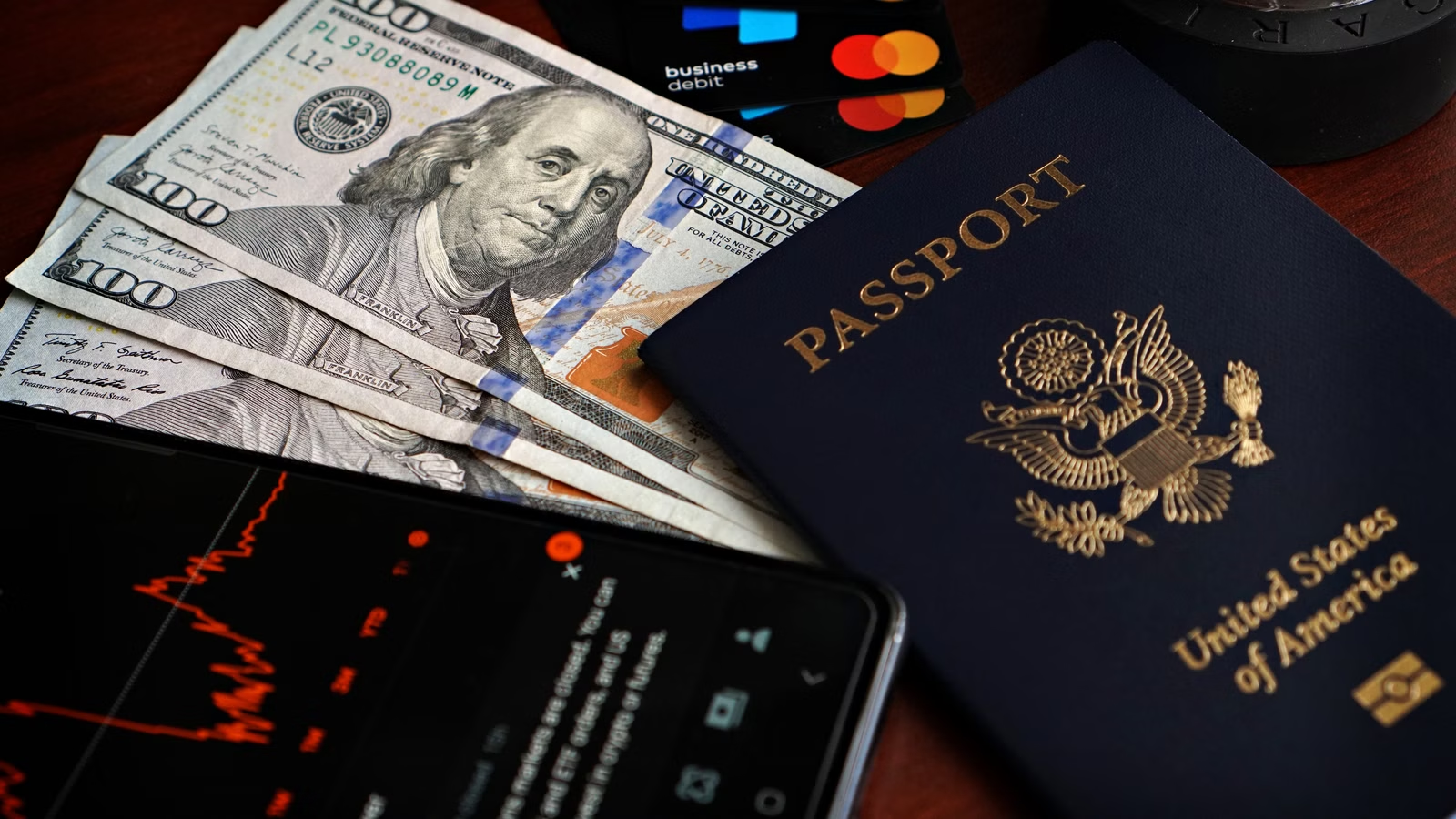
Foreigners can use WeChat Pay in China, but the experience depends on your identity verification status, card issuer, transaction size, merchant type and backup payment plan. If you are visiting China for tourism or business, you may be able to link an eligible international credit or debit card and pay through QR codes at many restaurants, shops, taxis and tourist services. Still, WeChat Pay for foreigners is not always the same as a full local Chinese wallet. Real-name verification, passport checks, card network support, foreign transaction fees, payment limits and merchant acceptance can all affect whether a payment goes through. The safest approach is to set up WeChat Pay before arrival, test it with small purchases, prepare Alipay or another backup, and keep cash or a physical card available for exceptions.
Key Takeaways
- Foreigners can use WeChat Pay with eligible international cards, but access depends on verification and merchant acceptance.
- Real-name verification is important for higher limits, fewer interruptions and broader wallet functionality.
- Visa, Mastercard, JCB, American Express, Discover Global Network, Diners Club and UnionPay may be supported.
- Small QR-code purchases are usually easier than large payments, transfers, red packets or merchant-specific services.
- Fees and limits can vary by transaction size, card issuer, platform policy and temporary fee-waiver campaigns.
- You should prepare WeChat Pay, Alipay, a physical card and some RMB cash before relying on mobile payments in China.
Can Foreigners Use WeChat Pay in China?
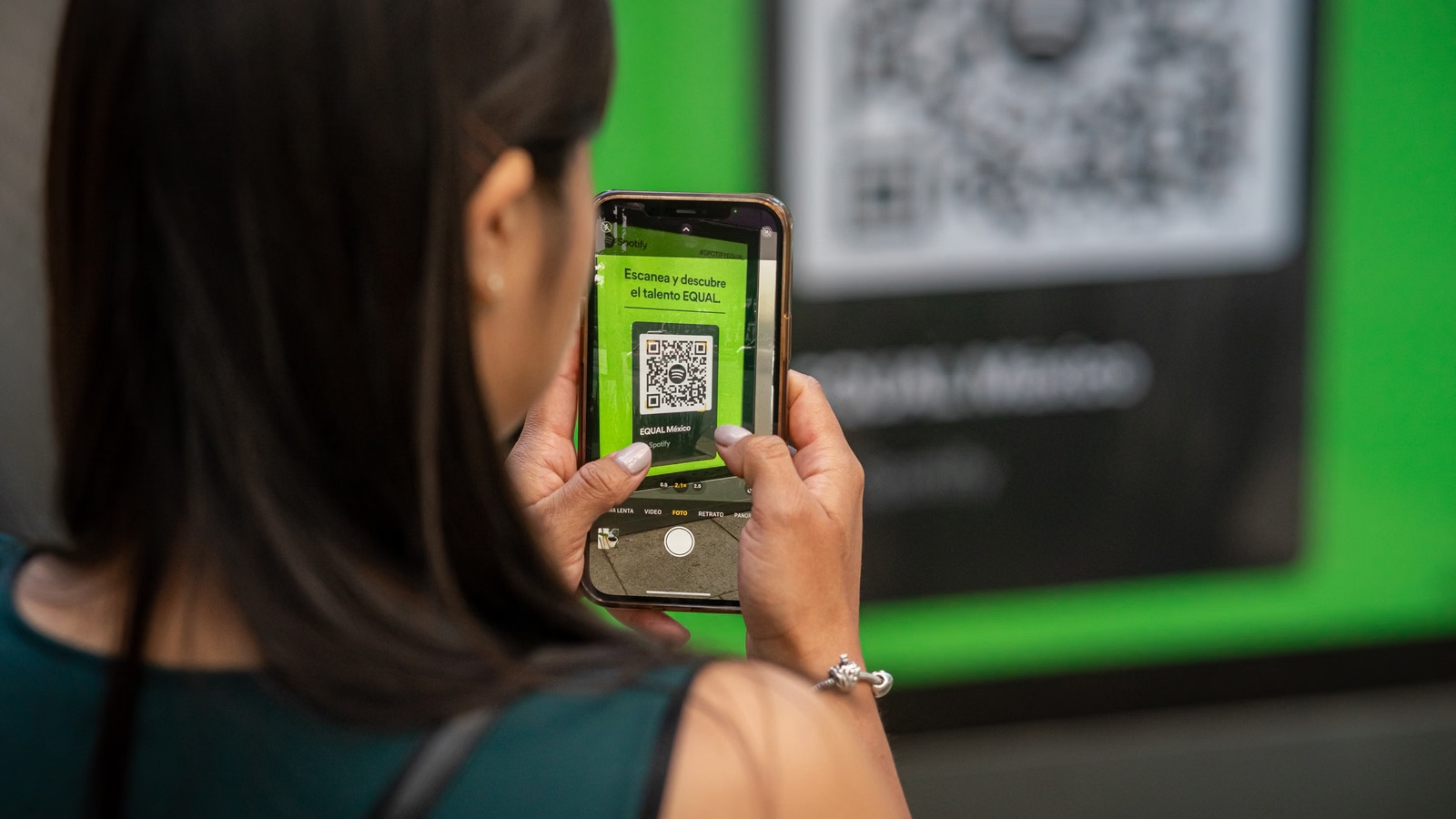
Yes, foreigners can use WeChat Pay in China, especially for everyday QR-code payments, but your account does not automatically work like a local Chinese wallet. You usually need a working WeChat account, an eligible overseas card, successful card authentication, and sometimes real-name verification with a passport or other accepted identity document. WeChat Pay is most useful for small and frequent payments: meals, convenience stores, taxis, cafés, tourist attractions and retail purchases. It is less predictable for large payments, transfers to individuals, red packets, certain Mini Programs or merchants that do not support foreign-card-funded transactions.
China’s inbound payment environment has improved because mobile payment access became a real travel barrier. A government payment guide says foreign visitors have several payment options, including mobile payments, bank cards and cash, and notes that foreign users can link international cards to both Alipay and WeChat Pay. That matters because China’s payment habits are heavily app-based. In many cities, a QR code is more common than a card terminal, and small merchants may expect you to scan a merchant code or show your payment code.
The Direct Answer: Yes, But Access Is Conditional
WeChat Pay for foreigners works best when three things align: your account is properly set up, your card issuer approves the transaction, and the merchant can accept that type of payment. A restaurant QR payment may work smoothly, while a person-to-person transfer may not. A small purchase under RMB 200 may pass easily, while a larger transaction may trigger fees, issuer checks or verification prompts.
Foreign visitors can often use WeChat Pay without opening a Chinese bank account, but that does not mean every WeChat Pay feature is open. A foreign-card-linked account is mainly designed to help you pay merchants. It is not always designed to support the full domestic wallet experience that local users have through Chinese bank cards and deeper identity verification.
Why WeChat Pay Matters for Travelers
WeChat Pay matters because WeChat is not just a payment app. It is a communication platform, service gateway and daily-life app. You may encounter WeChat Pay in taxis, restaurants, shopping centers, delivery services, Mini Programs, hotels, scenic spots and local merchants. For a foreign traveler, the difference between having and not having a working mobile payment app can affect how easily you buy coffee, call a ride, pay at a small shop or split costs in daily situations.
A government notice on payment convenience pointed out that foreign visitors relying only on cards or cash may face payment friction, especially when merchants are used to digital wallets. The practical reality is that a card in your pocket is useful, but it may not help if a vendor only shows a QR code.
WeChat Pay Is Useful, But Not Always Complete
Foreigners should treat WeChat Pay as a powerful travel payment tool, not a guaranteed all-in-one solution. Several conditions can affect success:
| Use case | Likely experience for foreigners | Main condition |
|---|---|---|
| Restaurant QR payment | Usually practical | Card accepted and account active |
| Convenience store purchase | Usually smooth | Transaction size is modest |
| Taxi or ride-hailing | Often useful | Service supports card-funded WeChat Pay |
| Tourist attraction tickets | Mixed but improving | Merchant and Mini Program rules |
| Transfers to individuals | More restricted | Real-name and wallet eligibility |
| Red packets | Often restricted | Account type and region rules |
| Large purchases | More likely to trigger checks | Limit, issuer and verification status |
| Online or Mini Program payments | Mixed experience | Merchant category and card support |
For short-term travelers, the most realistic goal is not to unlock every WeChat Pay function. The goal is to make daily merchant payments reliably enough that you are not stuck at a cashier. For longer stays, business visits or frequent payments, identity verification and backup planning become more important.
Summary: Foreigners can use WeChat Pay in China, but the answer is conditional rather than absolute. You need a working WeChat account, an eligible card, successful card authentication, compatible merchant acceptance and sometimes real-name verification. WeChat Pay is especially useful for everyday QR-code payments in restaurants, shops, taxis and travel-related services. It is less predictable for large payments, person-to-person transfers, red packets and certain Mini Program services. The best way to think about WeChat Pay is as one layer in your China payment setup. Set it up before arrival, test it early with a small payment, keep Alipay as a second mobile wallet, and carry at least one offline fallback such as a physical card or RMB cash.
Real-Name Verification: Why Identity Checks Decide What You Can Do
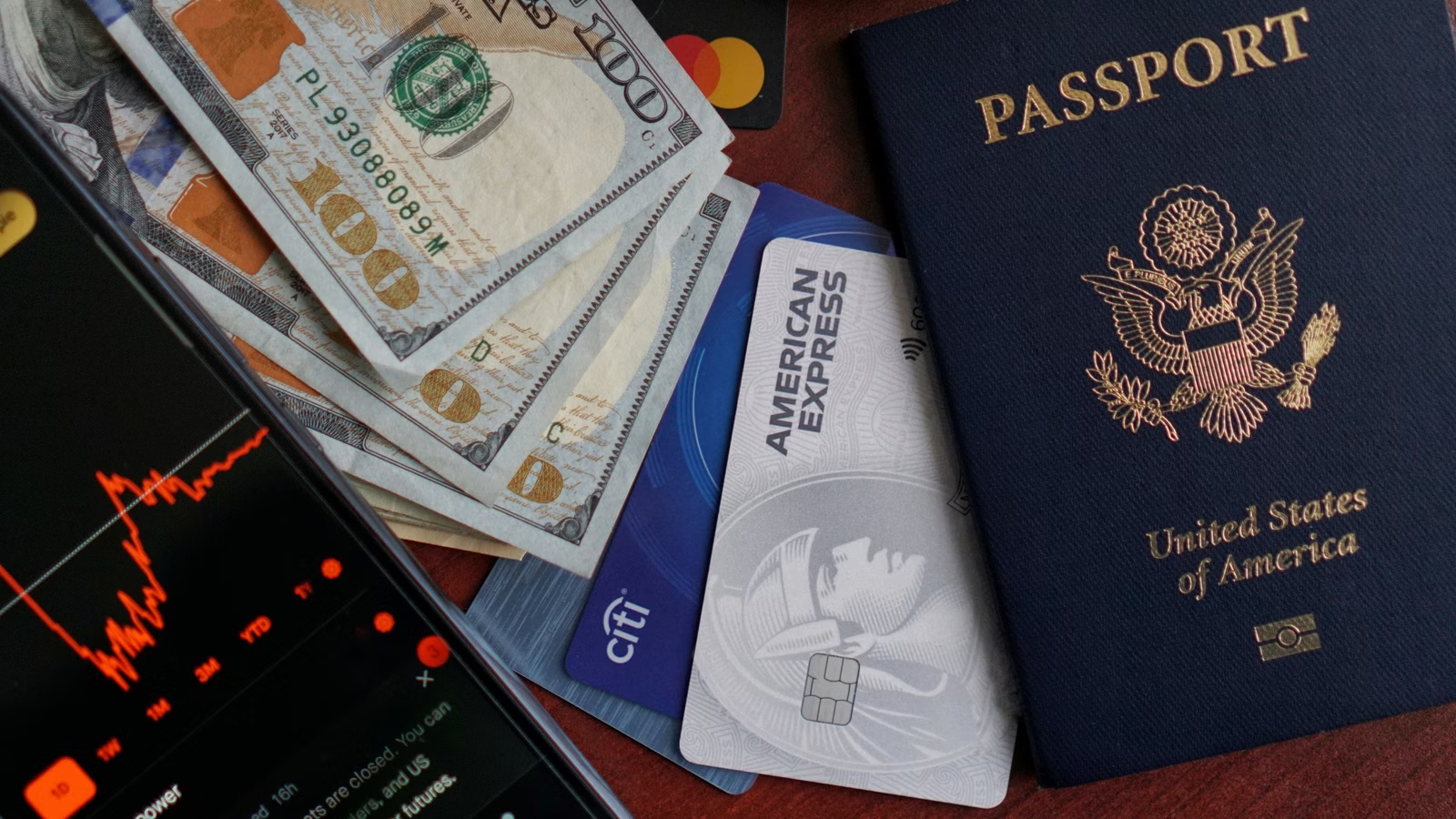
Real-name verification is the main difference between basic WeChat Pay access and a more reliable payment experience for foreigners. You may be able to link an international card and make some merchant payments, but higher limits, fewer interruptions and broader wallet functions usually depend on verified identity information. For foreign users, verification may involve your passport or another eligible identity document, card details, account security checks and a payment password. If you plan only to buy coffee and pay for taxis, basic access may be enough. If you plan larger purchases, longer stays or frequent payments, verification becomes much more important.
Real-name verification connects your payment activity to a verified person. This supports anti-fraud, anti-money-laundering and account security requirements. For foreigners, the process is not only about proving that you are a real user; it also helps payment platforms decide which features and limits should apply to your account.
What Real-Name Verification Means
For most foreign travelers, real-name verification means entering personal information that matches your passport and linked card. You may need to provide your legal name, nationality, document number, document expiry date, phone number and card information. You may also need to set a payment password before completing payments.
Tencent has said passport verification can be completed quickly in some cases, and verified international users can access higher transaction limits. Still, this does not mean every verification succeeds instantly. Name order, middle names, cardholder spelling, expired documents, app region settings, security reviews and SMS issues can all create friction.
Verification and Limits Are Connected
Limits are one of the biggest reasons verification matters. China announced that major payment platforms would be guided to raise the single mobile payment transaction limit for overseas travelers from USD 1,000 to USD 5,000 and the annual cumulative limit from USD 10,000 to USD 50,000. Tencent later said Weixin Pay had increased limits for verified international users in line with those levels.
The key word is “verified.” If your account is not fully verified, you may not receive the same limit treatment. Even after verification, your actual experience may still depend on issuer approval, merchant acceptance, card security checks and platform review.
| Verification factor | Why it matters |
|---|---|
| Passport or eligible ID | Confirms identity for higher access |
| Name consistency | Reduces mismatch between card and account |
| Active mobile number | Supports SMS and account recovery |
| Payment password | Required for payment confirmation |
| App version | Affects feature visibility and setup flow |
| Cardholder information | Helps card authentication succeed |
| Backup payment method | Reduces travel disruption if verification fails |
When Foreigners May Still Face Verification Friction
Verification problems often come from small mismatches rather than major mistakes. Your passport may show your name in a different order from your card. Your card issuer may require one-time-password authentication that does not arrive while you are traveling. Your phone number may not receive SMS in China if roaming is not active. Your WeChat account may be old, newly created, region-limited or flagged for security review.
You should also avoid shortcuts. Do not buy a verified WeChat account, borrow another person’s account, use fake identity information or pay a third-party “verification service.” These can create account-lock, payment, privacy and compliance risks. If WeChat Pay asks for identity checks, use the official app flow and make sure the information is yours.
For many travelers, the best sequence is:
- Register or update WeChat before departure.
- Add your international card while you still have stable access to your bank’s SMS or authentication app.
- Complete any requested passport verification.
- Set a payment password.
- Test small payments after arrival.
- Keep Alipay, a physical card and cash available as backups.
Summary: Real-name verification is not a minor formality for WeChat Pay foreigners. It shapes your payment limits, feature access and risk of interruptions. Basic card-linked merchant payments may work without a fully local wallet experience, but higher-value or frequent use often depends on verified identity information. Passport checks, cardholder matching, active phone access and payment-password setup all matter. If you are visiting China for a short trip, you may only need enough access for small QR-code purchases. If you are staying longer or paying larger amounts, complete verification early and keep records consistent. The safest approach is to verify through official WeChat flows only, avoid identity shortcuts, and prepare backup payment methods in case verification or card authentication fails.
Which Cards Work with WeChat Pay for Foreigners?
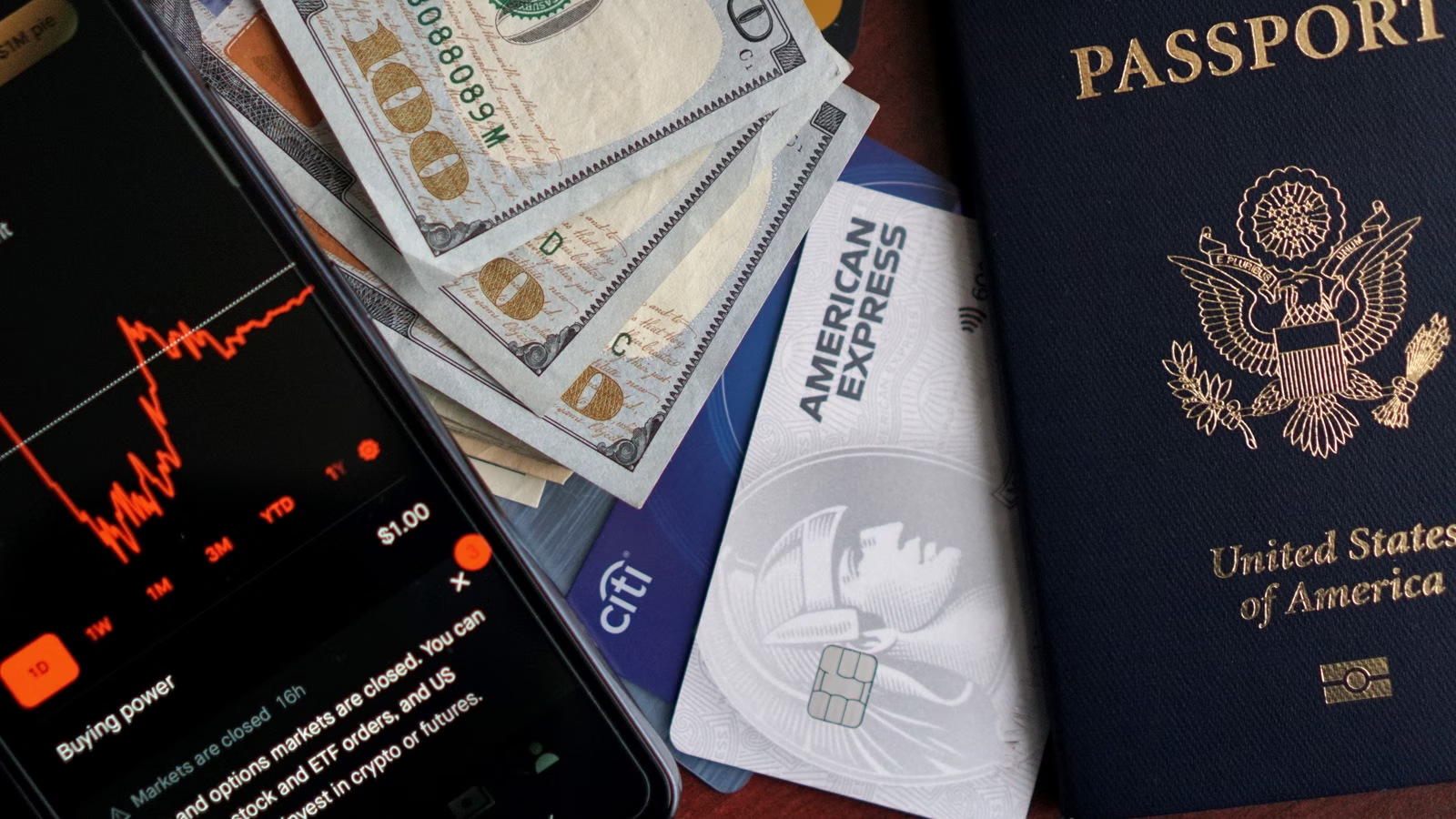
WeChat Pay can work with many international cards, but the card logo is only the first filter. Tencent has worked with major card networks, and foreign visitors may be able to link eligible credit or debit cards issued outside China. However, a supported network does not guarantee that your exact card will bind successfully or work at every merchant. Your issuing bank may block wallet binding, require extra authentication, reject foreign wallet transactions, charge foreign transaction fees or decline specific merchant categories. The safest plan is to link more than one eligible card before you travel and test small payments early.
Tencent’s payment guidance says travelers can link international credit or debit cards issued by Visa, Mastercard, JCB, American Express, Discover Global Network including Diners Club and UnionPay to Weixin Pay. Tencent has also described deeper collaboration with Visa, American Express, Discover Global Network, JCB and Mastercard to improve overseas users’ digital payment experience in China.
Supported Card Networks
The most commonly discussed cards for foreigners are Visa and Mastercard, but they are not the only options. Depending on your country and issuer, American Express, JCB, Discover Global Network, Diners Club and UnionPay cards may also be relevant. Some local China payment service pages also list WeChat acceptance for overseas bank cards such as Visa, Diners Club, Mastercard and JCB.
Still, network support is not the same as issuer support. A Visa card from one bank may work; another Visa card may fail. A card that works for hotel bookings may fail inside a mobile wallet. A card that links successfully may still decline at a certain merchant.
Supported Network Does Not Guarantee Approval
Foreign card failures usually come from the issuer side, authentication side or merchant side. Common causes include:
- Your bank blocks mobile wallet binding in foreign apps.
- One-time password or 3-D Secure verification fails.
- The card is prepaid, virtual or limited-use.
- The card is frozen for travel security.
- The issuing bank treats the payment as unusual.
- The merchant does not accept foreign-card-funded wallet payments.
- The transaction exceeds app, issuer or merchant limits.
- Currency conversion or risk controls trigger a decline.
You should check your card’s foreign transaction settings before travel. Some banks let you enable overseas spending, travel mode, app-based authentication or merchant category permissions. If your card issuer has an app, make sure you can receive push confirmations abroad.
Credit Card, Debit Card, Travel Card and Multi-Currency Card Differences
Different card types behave differently inside WeChat Pay. A credit card may have stronger issuer support and dispute channels, but it can also carry foreign transaction fees. A debit card spends directly from your balance, but the issuer may be stricter. A multi-currency travel card can help you control FX costs, but some virtual or prepaid cards may fail wallet verification.
| Card type | Main advantage | Main risk |
|---|---|---|
| International credit card | Often stronger issuer support and backup capacity | FX fees, issuer decline or card network limits |
| International debit card | Direct spending from available balance | Stricter issuer controls or lower fallback value |
| Multi-currency travel card | Better FX planning for travelers | Not every travel card works in every wallet |
| Chinese bank card | Fuller local wallet access | Requires local account and eligibility |
| UnionPay card | Wider domestic acceptance in China | Depends on issuing country and product type |
| Virtual card | Convenient for online setup | May fail wallet binding or in-store payment |
The best card setup is usually one primary card plus one backup card from a different issuer or network. If both cards are from the same bank, the same fraud rule can block both. If one is a credit card and one is a multi-currency debit or travel card, you have more flexibility.
Foreign exchange is another factor. WeChat Pay may process in RMB, while your card issuer handles currency conversion based on network and issuer rules. Your bank may add a foreign transaction fee. A card that works technically may still be expensive if the FX spread and foreign transaction fee are high. Before making large purchases, check both the app payment amount and your card issuer’s final charge.
Summary: WeChat Pay supports many international card networks, but successful use depends on the exact card, issuer, authentication flow, merchant type and transaction size. Visa or Mastercard support does not guarantee every Visa or Mastercard will work. You should link a primary card and a backup card before departure, check your bank’s travel and security settings, confirm that SMS or app-based authentication works abroad, and test with small payments. For everyday purchases, a working foreign card inside WeChat Pay can be very convenient. For larger payments, hotels, deposits or business expenses, you should also check FX fees, card issuer rules and refund handling before relying on one payment method.
Fees, Limits and Payment Scenarios: What Foreigners Should Expect
WeChat Pay is most predictable for small everyday purchases and less predictable for larger transactions. Foreign-card users should expect three layers of cost and limit checks: WeChat Pay’s own processing rules, the card issuer’s foreign transaction and authentication rules, and the merchant’s ability to accept foreign-card-funded payments. Small transactions may benefit from fee waivers, while larger payments can trigger service fees, card issuer declines, verification prompts or payment limits. You should not judge WeChat Pay only by whether your card can be added. The real test is whether payments work in the specific situations you need.
The most common fee foreign users notice is the international card service fee. Beijing’s inbound payment information says all international bank card users are eligible for a waiver of the 3 percent transaction fee on single transactions under RMB 200. The same page says first-time international bank card users who link their cards to WeChat Pay may be eligible for a full waiver of the 3 percent fee on daily transactions under RMB 1,000 for 60 consecutive days, with limits on the maximum saving per transaction.
Small Payments Are Usually the Easiest Use Case
Small daily payments are the core use case for WeChat Pay foreigners. These include convenience stores, cafés, metro-related spending, taxis, restaurants, vending machines, bakeries and tourist-area purchases. In many of these situations, the transaction amount is modest, the merchant is familiar with QR-code payment, and the app flow is quick.
This is also where fee waivers matter most. If you make many small payments below RMB 200, the 3 percent service fee waiver can make WeChat Pay more attractive than using a physical foreign card at every merchant. However, your card issuer may still apply its own foreign transaction fee or exchange-rate markup. The WeChat Pay fee and your bank’s FX fee are different layers.
Larger Payments Can Trigger Fees, Limits or Reviews
Larger payments are more complicated. A hotel deposit, luxury retail purchase, medical payment, long-distance travel booking or high-value business expense may trigger several checks at once. The platform may check your verification level. The merchant may have category restrictions. Your card issuer may ask for authentication. Your bank may reject the payment as unusual. The final cost may include service fees or FX charges.
Use this table to separate the moving parts:
| Cost or limit factor | What foreigners should check |
|---|---|
| WeChat Pay service fee | Whether the transaction qualifies for a fee waiver |
| Card issuer FX fee | Whether your bank adds a foreign transaction fee |
| Exchange rate | Whether conversion is handled by card network and issuer |
| Payment size | Whether the payment exceeds app, card or merchant limits |
| Verification status | Whether higher limits require identity verification |
| Merchant type | Whether foreign-card-funded wallet payment is accepted |
| Refund handling | Whether fees and FX adjustments are reversed proportionally |
| Daily travel pattern | Whether repeated payments may trigger issuer checks |
Tencent has also announced inbound payment upgrades. Its 2026 initiative mentioned TenPay Global and PayPal World, new fee waivers and multilingual payment guidance for international visitors. These moves show that the payment environment is improving, but promotional rules can change. You should always check the payment screen and current app notices before relying on a fee waiver.
Limits: Official Direction vs Real-World Experience
Limit policy has moved in a traveler-friendly direction. China’s policy direction raised intended mobile payment limits for overseas travelers, and Weixin Pay confirmed higher limits for verified international users. Still, official direction and real-world success are not identical. Your transaction must also pass issuer, merchant, app security and identity checks.
For practical travel planning, assume three categories:
| Payment size | Practical expectation |
|---|---|
| Small daily payments | Usually easiest and most reliable |
| Medium purchases | Often workable, but check fees and issuer approval |
| Large payments | Prepare backup card, Alipay, cash or merchant card terminal |
Do not wait until a high-value purchase to discover that your card issuer blocks the transaction. Make a small payment first, then a medium payment if needed, and keep another method available for important expenses.
Summary: WeChat Pay for foreigners is usually easiest for small daily purchases and more complex for larger payments. A transaction under RMB 200 may qualify for a service-fee waiver, while larger card-funded payments can involve platform fees, issuer FX charges, authentication checks and merchant restrictions. Higher limits are linked to verification, but verification does not override every issuer or merchant rule. The safest strategy is to check three layers before relying on WeChat Pay: platform rules, card issuer rules and merchant acceptance. For regular travel spending, WeChat Pay can be convenient. For large or urgent payments, prepare another wallet, a physical card and some RMB cash.
WeChat Pay vs Alternatives for Foreigners: Alipay, Cash, Cards, UnionPay and PayPal
For foreigners visiting China, the best payment setup is usually not WeChat Pay alone. WeChat Pay is powerful because it is deeply embedded in Chinese daily life, social communication, Mini Programs and merchant QR-code payments. Alipay is also essential and may feel easier for some tourist workflows. Physical bank cards, UnionPay, PayPal-linked access and RMB cash all have roles as backups. You should prepare a layered system rather than asking which single method is best. The right mix depends on trip length, city, merchant type, card issuer, language comfort and whether you need only travel payments or broader financial access.
WeChat Pay vs Alipay
WeChat Pay and Alipay both support foreign visitors, but their strengths are not identical. WeChat Pay is closely tied to WeChat communication, Mini Programs, merchant relationships and daily QR-code payments. If someone sends you a location, restaurant booking, service link or Mini Program inside WeChat, payment may naturally appear inside the same ecosystem.
Alipay can be easier for some travel-facing services, including tourist tools, transport-related services, hotel booking flows and English-language guidance. China’s payment guide says foreign users can link international credit cards, including Visa and Mastercard, to both Alipay and WeChat Pay. This is why first-time visitors should normally set up both apps. If one fails at a merchant, the other may work.
| Option | Best for | Main limitation |
|---|---|---|
| WeChat Pay | Daily QR payments, Mini Programs, social-linked use | Verification and card acceptance friction |
| Alipay | Tourist services, travel workflows, English guidance | Still subject to card and verification rules |
| Physical international card | Hotels, airports, large merchants | Small merchants may not accept it directly |
| RMB cash | Emergencies and offline fallback | Some merchants strongly prefer mobile payment |
| UnionPay | Domestic card-network acceptance | Requires compatible card or app |
| PayPal-linked access | Familiar wallet for some travelers | Rollout and market availability may vary |
Bank Cards, Cash and UnionPay Still Matter
China has improved mobile payment access for foreigners, but bank cards and cash still matter. Larger hotels, airports, international restaurants, luxury retailers and tourist-facing businesses may accept international cards more readily than small local merchants. Cash remains useful when your phone battery dies, mobile network fails, app verification blocks payment or a merchant cannot process foreign-card-funded QR payments.
UnionPay can also be useful. If your bank issues UnionPay cards or supports UnionPay-linked mobile payment, you may have better coverage in some domestic payment scenarios. Still, UnionPay availability depends on your card issuer, country, card type and merchant.
The practical rule is simple: use mobile payment for convenience, but never make it your only option. Carry a physical card and some RMB cash, especially on your first day in China, in smaller cities, late at night or when traveling between airports, hotels and train stations.
PayPal and Cross-Border Wallet Integrations
A major new alternative is cross-border wallet integration. In 2026, Tencent announced that PayPal users scanning Weixin Pay QR payment codes would be supported through TenPay Global and PayPal World, starting with U.S. users. Reuters also reported that U.S. PayPal users would be able to make purchases across China through WeChat Pay’s QR-code merchant network, with phased expansion to other markets.
This is important because it reduces the need for some travelers to open a Chinese bank account or fully adapt to a local wallet before making everyday payments. However, it should be treated as an emerging layer, not a universal replacement. Availability may depend on your PayPal account country, rollout timing, merchant support, currency conversion, wallet settings and transaction rules.
Summary: WeChat Pay is one of the most important payment tools for foreigners in China, but it should sit inside a layered payment plan. WeChat Pay is strong for daily QR-code payments and services connected to the WeChat ecosystem. Alipay is a useful companion, especially for travel-related services and tourist-facing workflows. Physical cards, cash and UnionPay remain important when app payments fail, merchant support varies or you need an offline fallback. PayPal-linked access is a promising development, especially for U.S. users, but rollout and coverage may vary. The safest approach is to set up WeChat Pay and Alipay, carry at least one physical card, keep a small amount of RMB cash, and test your options before you need them urgently.
Practical Setup and Risk Checklist Before You Rely on WeChat Pay in China
You should not wait until you are standing at a cashier in China to find out whether WeChat Pay works. Set it up before departure, confirm that your phone number can receive security codes, link at least one eligible card, complete any required real-name verification, and keep backup payment options ready. WeChat Pay can be extremely convenient, but it depends on your phone, card issuer, account status, merchant category, network access and transaction size working together. A practical setup checklist reduces first-day payment stress and helps you avoid risky shortcuts.
Setup Checklist Before Arrival
Start with the basics: install or update WeChat, register with a phone number you control, activate the payment section, add your card, complete identity checks and set a payment password. Make sure your bank app works abroad and that you can approve card authentication requests. If your SIM does not receive roaming SMS, consider an eSIM or alternative verification method before travel.
| Before you travel | Why it matters |
|---|---|
| Install or update WeChat | Reduces feature and compatibility issues |
| Use a phone number you control | Supports SMS, login and recovery |
| Link at least one eligible card | Reduces first-day payment friction |
| Add a backup card | Helps if one issuer declines payments |
| Complete verification early | Avoids limit problems during the trip |
| Set a payment password | Required for payment confirmation |
| Enable roaming or eSIM access | Keeps authentication available |
| Carry passport details | Useful for hotels and verification checks |
| Prepare Alipay and cash | Gives you fallback options |
Troubleshooting Checklist
If WeChat Pay does not work, do not assume the app is broken. The problem may be your card issuer, merchant type, network connection, verification status or transaction size.
Common fixes include:
- Try a smaller payment first.
- Try another linked card.
- Check whether your bank blocked the transaction.
- Confirm roaming or mobile data is working.
- Use Alipay at the same merchant.
- Ask whether the merchant accepts foreign-card-funded WeChat Pay.
- Use a physical card at a larger merchant.
- Use RMB cash if digital payment fails.
- Check whether your account needs verification.
- Avoid repeated failed attempts that may trigger security review.
For large or important payments, ask the merchant about accepted payment methods before checkout. Hotels, hospitals, ticket agencies and large retailers may have multiple payment channels.
Security, Privacy and Compliance Boundaries
Do not use fake information, borrowed accounts or paid verification services. WeChat Pay is a regulated payment tool, not just a messaging feature. If you use another person’s account or identity, you may create account-lock, refund, tax, fraud and legal problems. You should also avoid sharing payment passwords, verification codes or passport images with third parties.
Security matters because travelers are often targeted by phishing and fake support. Use only official app flows. Be careful with QR codes from unknown people. Keep receipts for important payments. Check the merchant name before confirming a transaction. If a payment fails, do not immediately try the same amount many times across multiple cards; contact the issuer or try a legitimate alternative.
If you need broader travel payment planning, keep track of currency conversion too. A tool such as real-time exchange rates can help you compare RMB, USD, HKD or other currency assumptions before moving funds, while the final charge should still be checked against the wallet, card statement and issuer rules.
Summary: WeChat Pay works best when it is prepared before you need it. Register with a phone number you control, link eligible cards, complete verification, set a payment password, test small transactions and keep backup methods available. Most failures are not mysterious: they usually involve card issuer controls, SMS authentication, merchant acceptance, verification status, network problems or transaction size. Avoid shortcuts such as borrowed accounts, fake verification services and repeated risky payment attempts. For China travel, the best payment plan is practical and layered: WeChat Pay for everyday QR payments, Alipay as a second wallet, a physical card for larger merchants, and RMB cash for offline or emergency situations.
If you are researching WeChat Pay for foreigners, your real concern may be broader than one China payment app. You may also care about card acceptance, foreign exchange costs, online subscriptions, cross-border payment records, digital assets or multi-currency access. Cash, cards, WeChat Pay and Alipay can cover many travel situations, but a separate financial workflow may help when you manage funds across currencies and platforms. Biya app can be relevant for users who need a global multi-asset wallet, USDT conversion into USD or HKD, and more organized financial records. For payment and subscription scenarios, BiyaPay EasyCard can support online subscriptions, AI service payments, billing records and payment process management. For users who also invest or trade, Biya web trading covers U.S. stocks, Hong Kong stocks and digital assets. Trading fees, identity verification, product availability, tax treatment and local regulatory requirements should always be checked before use. Biya does not replace WeChat Pay for local China merchant QR payments, but it can complement your broader payment and asset-management setup when your needs go beyond a single travel wallet.
FAQ
Can foreigners use WeChat Pay in China without a Chinese bank account?
Yes, many foreigners can use WeChat Pay without a Chinese bank account by linking an eligible international card. The available features may be narrower than a fully local Chinese wallet, especially for transfers, red packets and some wallet functions. For travel, card-linked WeChat Pay is mainly useful for merchant QR payments. You should still prepare Alipay, a physical card and some RMB cash in case card authentication or merchant acceptance fails.
Does WeChat Pay require real-name verification for foreign tourists?
WeChat Pay may allow some basic card-linked merchant payments, but real-name verification becomes important for higher limits and fewer interruptions. Foreign tourists may be asked to provide passport or eligible identity information, card details and account security checks. If you plan only small purchases, basic access may be enough. If you expect larger payments or frequent use, complete verification before you rely on the app.
Which foreign cards can be linked to WeChat Pay for China travel?
WeChat Pay supports major international card networks through Tencent’s partnerships, including Visa, Mastercard, American Express, JCB, Discover Global Network including Diners Club and UnionPay. Actual approval still depends on your issuing bank, card product, authentication method and merchant scenario. Before travel, link at least one primary card and one backup card, then test small transactions after arrival.
Does WeChat Pay charge foreign card users a transaction fee?
Foreign-card payments through WeChat Pay may involve a 3 percent service fee in some cases, but single transactions under RMB 200 are eligible for a fee waiver under Beijing’s published payment service information. Some first-time international card users may also qualify for temporary fee-waiver campaigns. Your card issuer may still charge foreign transaction or FX fees, so check the payment screen and card statement.
Is WeChat Pay or Alipay better for first-time visitors to China?
First-time visitors should usually set up both WeChat Pay and Alipay instead of choosing only one. WeChat Pay is deeply embedded in daily life, Mini Programs and social-linked services, while Alipay can be convenient for travel-facing functions and English-language workflows. Both depend on card issuer approval, identity verification and merchant acceptance. Carry a physical card and RMB cash as additional backups.
What should foreigners do if WeChat Pay does not work at a merchant in China?
Try another linked card, use Alipay, ask whether the merchant accepts foreign-card-funded WeChat Pay, or pay with a physical card or RMB cash if available. The failure may come from card issuer controls, merchant category limits, app verification status, network problems or transaction size. Avoid repeated failed attempts and check your bank app for security approvals or decline notices.
*This article is provided for general information purposes and does not constitute legal, tax or other professional advice from BiyaPay or its subsidiaries and its affiliates, and it is not intended as a substitute for obtaining advice from a financial advisor or any other professional.
We make no representations, warranties or warranties, express or implied, as to the accuracy, completeness or timeliness of the contents of this publication.
Related Blogs of

MACD Crypto Trading Strategy: Settings, Signals, and Risk Management


Choosing a Stock Trading App: Beginner Checklist





Choose Country or Region to Read Local Blog
 Australia
 Austria
 Belgium
 Canada
 Cyprus
 Czech Republic
 Denmark
 Estonia
 Finland
 France
 Germany
 Greece
 Hong Kong
 India
India Indonesia
 Ireland
 Italy
Italy Japan
Japan Latvia
 Lithuania
 Luxembourg
 Malaysia
 Malta
Malta Morocco
 Nepal
Nepal Netherlands
 New Zealand
 Norway
 Pakistan
 Philippines
 Poland
 Portugal
 Romania
 Singapore
 Slovakia
 Slovenia
 South Africa
 South Korea
 Spain
Spain Sweden
 Thailand
 United States
 Turkey
 United Arab Emirates
 United Kingdom
 Vietnam