
How to Send Money from Taiwan to Mainland China via Alipay? Arrival Time, Fees, Limits, and Alternatives




Sending money from Taiwan to Alipay in mainland China is usually not a direct “Taiwan Alipay to mainland Alipay” transfer. In most cases, you need to use a cross-border money transfer service that supports Alipay as a receiving method in mainland China. This route is more suitable for personal living expenses, family support, small emergency transfers, and everyday spending support. For larger payments, formal purposes, rent, tuition, or business transactions, sending money to a mainland Chinese bank account or using a bank wire transfer is usually more appropriate. The key is to compare arrival time, final CNY received, recipient verification status, transfer limits, and refund rules.
Key Takeaways
- Confirm that the recipient’s mainland Alipay account is fully verified before sending money.
- Alipay receiving is better suited for smaller personal transfers, not large formal payments.
- Total cost includes platform fees, FX spread, payment fees, and possible bank charges.
- Limits depend on the transfer method, purpose, verification status, and platform rules.
- Failed transfers are often caused by name mismatch, used-up limits, unclear purpose, or account verification issues.
- When unsure, compare arrival speed, final received amount, and proof of payment requirements.
Can You Send Money from Taiwan Directly to Alipay in Mainland China?

You can send money from Taiwan to Alipay in mainland China, but it usually needs to be done through a cross-border transfer service rather than a direct wallet-to-wallet transfer. Before sending, confirm two things: first, whether the transfer provider supports “mainland China + CNY + Alipay” as a receiving method; second, whether the recipient’s Alipay account is verified, able to receive cross-border funds, and not restricted by limits or risk controls.
Distinguish Between Alipay Transfers and Cross-Border Transfers to Alipay
Many users searching for “Taiwan to mainland China Alipay transfer” are actually referring to three different routes. The first is a normal Alipay-to-Alipay transfer, which generally belongs to the mainland Chinese payment environment and is not the same as cross-border remittance. The second is a cross-border transfer service that pays out to Alipay, where the provider converts the funds into CNY and sends them to the recipient’s Alipay account. The third is sending money from a bank or post office in Taiwan to a mainland Chinese bank account, after which the recipient can move the money into Alipay.
Alipay is a widely used digital payment tool in mainland China, but whether it can receive overseas funds depends on the service entry point, partner remittance provider, and recipient account verification status. For example, Wise’s Alipay receiving option shows the transfer amount, fees, estimated arrival time, and receiving method before payment. If your sending region, payment method, or recipient conditions do not meet the requirements, Alipay may not appear as an available receiving option.
| Route | Suitable for Taiwan Users? | Advantages | Main Limitations |
|---|---|---|---|
| Cross-border service to Alipay | Suitable for small personal transfers | Fast and convenient for the recipient | Subject to platform, verification, and limit rules |
| Bank wire to mainland bank account | Suitable for large or formal transfers | Clear records and payment purpose | More documents and slower processing |
| Bank transfer first, then move to Alipay | Suitable if the recipient has a mainland bank card | Flexible and easier to reconcile | Requires a valid mainland bank account |
| Third-party collection or proxy payment | Not recommended | Appears convenient | High risk and may violate rules |
What Conditions Does the Mainland Alipay Recipient Usually Need to Meet?
The recipient usually needs to provide a name that matches their verified identity, an Alipay account identifier or linked mobile number, and a normal account status that allows receiving money. Some platforms may also require the recipient to confirm the transfer in Alipay, link a bank card, or provide additional information about the payment purpose. Wise’s CNY transfer guide notes that if the recipient does not complete the required verification prompts for Alipay or WeChat, the transfer may be delayed or cancelled.
Before you pay, ask the recipient to check the following:
- Whether the Alipay account has completed real-name verification;
- Whether the name exactly matches the verified identity information;
- Whether the mobile number, email, or Alipay ID is still active;
- Whether the recipient has recently received frequent overseas transfers;
- Whether monthly, annual, or purpose-based limits have been reached;
- Whether Alipay shows any transfer confirmation or verification prompts.
When Should You Avoid Sending Directly to Alipay?
Alipay receiving is better suited for personal living expenses, family support, short-term emergency transfers, and small spending support. If you are paying commercial invoices, service fees, rent, tuition, contract payments, or a relatively large amount, Alipay balance receiving should not be the first option. Wallet-style receiving is convenient, but it may not be ideal for payment purpose documentation, invoices, refunds, disputes, or formal reconciliation.
If the recipient is a company, merchant, school, landlord, or service provider, ask for an official bank account, contract, invoice, or payment notice. A bank wire may be slower, but it usually provides clearer information about the recipient, bank, account number, purpose, and payment record. When you need to verify SWIFT or bank details, Biya Swift Lookup can help you check bank identification information before you confirm the final receiving details with the recipient.
Summary: Whether you can send money from Taiwan to Alipay in mainland China depends on both channel availability and recipient eligibility. For small personal payments, a cross-border service that supports Alipay may be convenient. For larger, commercial, or formal payments, a bank account or wire transfer is usually more reliable. Do not only ask whether the money can be sent. Also confirm the recipient’s verification status, payment purpose, transfer limits, arrival method, and refund rules. If any of these conditions do not match, the transfer may be delayed, rejected, or require additional documents.
Step-by-Step Process for Sending Money from Taiwan to Alipay in Mainland China
The safest process is to verify the recipient first, choose the transfer route second, compare the final received amount third, and then pay while keeping a record of the transaction. Do not pay first and ask the recipient to complete missing details later. Once a cross-border wallet transfer triggers verification, limit, or purpose checks, refund timing and fee handling may not be fully under your control. Treat every step as a check on whether the money can actually arrive.
Step 1: Confirm the Recipient’s Details and Account Status
Ask the recipient to confirm their legal name, Alipay account, linked mobile number, payment purpose, whether they have recently received overseas funds, and whether they can complete any confirmation required in Alipay. Name mismatch is one of the most common errors, especially when simplified Chinese, traditional Chinese, English spelling, spaces, aliases, or nicknames are involved. Cross-border transfer services usually require the recipient name to match the verified Alipay identity exactly.
Before making the payment, check this list:
- The recipient is a real-name verified mainland Alipay user;
- The Alipay account can log in and receive funds normally;
- Name, mobile number, and Alipay ID are consistent;
- The payment purpose is real, clear, and explainable;
- The amount does not exceed single-transfer or annual limits;
- The recipient has a mainland bank card as a backup receiving method if needed.
If the recipient cannot confirm their verification status, start with a small test amount or use a mainland bank account instead. A test transfer should still use a truthful payment purpose. It should not be used to split a larger payment in order to bypass limits.
Step 2: Choose a Transfer Channel That Supports Alipay Receiving
Prioritize services whose checkout page clearly shows “mainland China, CNY, Alipay” as the receiving route. Availability varies by provider and region. Whether Taiwan users can use the service, whether Taiwan bank cards are accepted, and whether TWD payment is supported must be confirmed on the live checkout page. Some services may support Alipay payout from the United States, Australia, or Singapore, but not necessarily from Taiwan as the sending side.
You can compare routes this way:
| Transfer Channel | Suitable Scenario | What to Check |
|---|---|---|
| Cross-border service to Alipay | Small, personal, speed-focused transfers | Taiwan sending support, final CNY received, limits |
| Cross-border service to UnionPay card | Recipient has a mainland bank card | Card number, name, single-transfer limit |
| Bank or postal wire transfer | Formal payments and larger funds | SWIFT, receiving bank, purpose, fee responsibility |
| Convert currency first, then pay | Multi-currency fund management | Exchange rate, FX spread, arrival route |
For example, Chunghwa Post international remittance requires recipient name, address, phone number, account number, receiving bank, and SWIFT Code. It also sets out rules for single-transfer amounts and RMB-related remittances. This shows an important difference: bank wire transfers require complete banking information and payment purpose details, not just a phone number.
Step 3: Enter the Amount, Purpose, and Receiving Details Carefully
At checkout, do not only look at “zero fee” or “arrives in minutes.” The more important figure is how much CNY the recipient will actually receive, and what happens if the transfer fails. Before paying, keep screenshots of the sending currency, sending amount, exchange rate, platform fee, payment method fee, recipient’s final CNY amount, estimated arrival time, and refund instructions.
A practical process looks like this:
- Prepare the recipient’s verified information;
- Select mainland China and CNY;
- Choose Alipay, WeChat, UnionPay card, or bank account;
- Enter the amount and check the final received CNY;
- Fill in the true payment purpose;
- Pay with a supported Taiwan bank card, account, or other method;
- Save the order number and payment receipt;
- Ask the recipient to check Alipay for confirmation prompts.
If you need to compare currency costs first, Biya real-time exchange rates can help you estimate approximate FX levels before placing an order. A real-time rate tool is useful for early comparison, but the final transfer cost still depends on the provider’s FX spread, payment method, and processing time.
Summary: The process of sending money from Taiwan to Alipay in mainland China is not difficult, but each step requires verification. First confirm the recipient’s real-name status and account condition. Then check whether the service supports Taiwan as the sending side and Alipay as the receiving method. Finally, compare different routes using the final received CNY amount. Use a truthful and clear payment purpose. After payment, keep the order record and screenshots so you can handle delays, refunds, or recipient verification requests.
How to Evaluate Arrival Time, Fees, and Exchange Rates
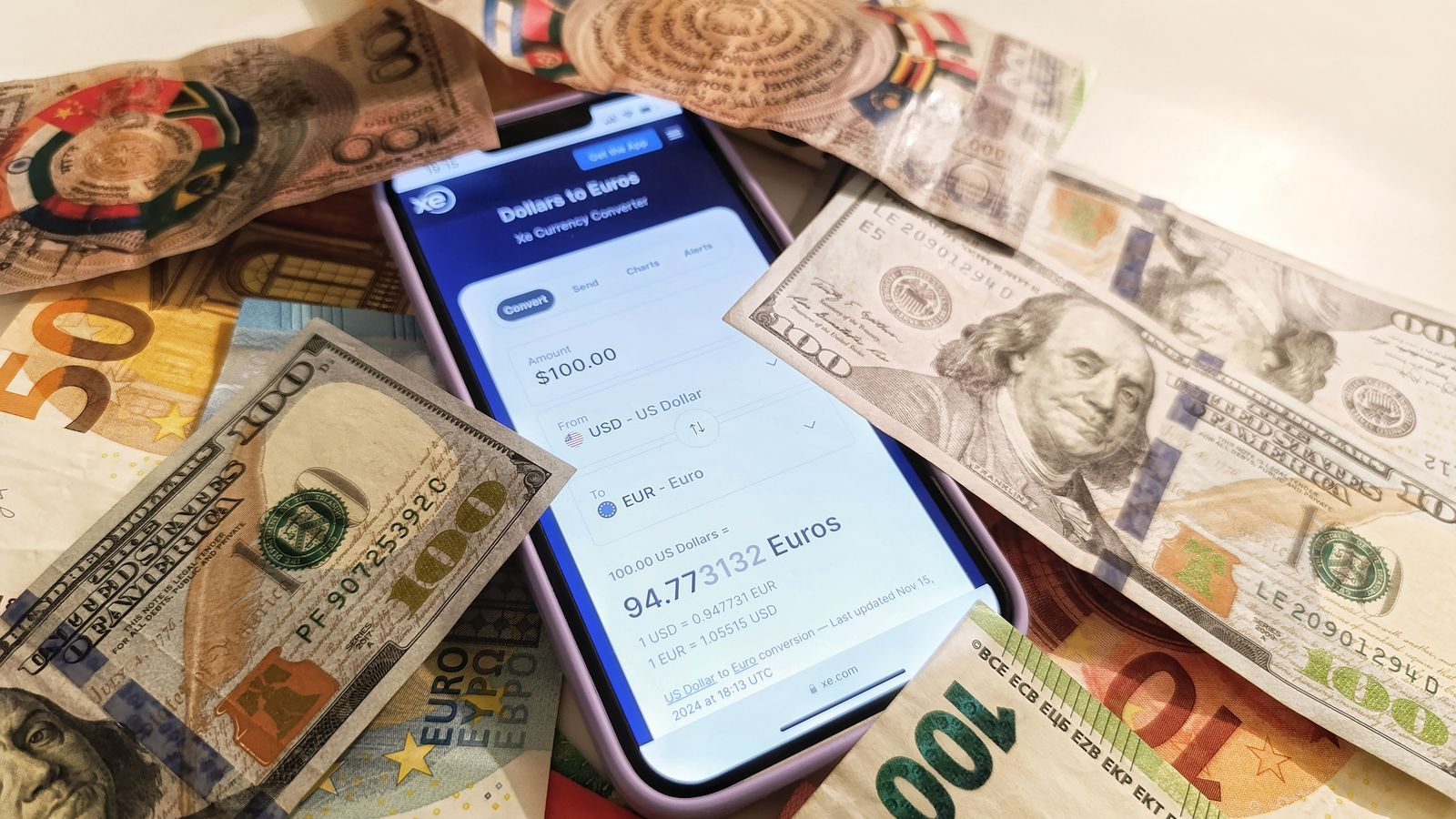
Sending money from Taiwan to Alipay in mainland China is often faster than a traditional bank wire, but that does not mean every transfer arrives instantly. Actual arrival time depends on the payment method, platform review, recipient verification, holidays, and payment purpose checks. Fees should also not be judged by the visible platform fee alone. FX spread, payment card fees, intermediary bank charges, and recipient-side rules can all affect the final received amount.
Arrival Time: Alipay Is Usually Faster, While Bank Wires Are More Formal
Wallet-style receiving is more online and convenient. The recipient does not need to provide full bank details, making it suitable for living expenses and small emergency transfers. Some transfers may be processed within minutes or hours, but if the recipient needs to complete Alipay verification or the platform requests additional information about the payment purpose, arrival can be delayed. Wise’s CNY guide states that Alipay or WeChat recipients may need to complete required verification, and failure to do so can delay or cancel the transfer.
Bank wire transfers are more suitable for larger amounts, formal purposes, and cases requiring clear proof of payment. For example, E.SUN Bank’s outward remittance information explains that cross-border transfers may be affected by settlement category and amount rules under Taiwan’s foreign exchange framework. If intermediary banks are involved, the recipient may not receive the exact amount originally sent.
| Receiving Method | Typical Speed | Suitable Scenario | Main Variables |
|---|---|---|---|
| Alipay receiving | Faster, may require verification | Small personal transfers | Real-name status, limits, purpose |
| WeChat receiving | Faster if supported | Small family or friend transfers | Verification and annual limits |
| UnionPay card receiving | Moderate | Recipient has a mainland bank card | Card status and name match |
| Bank wire transfer | Mainly processed on business days | Large or formal payments | Intermediary and receiving bank checks |
Fees Are More Than Just the Platform Fee
Cross-border transfer cost usually includes at least four parts. The first is the visible platform fee. The second is the FX spread. The third is the payment method fee, such as possible card or debit payment charges. The fourth is banking-chain cost, such as wire fees, intermediary bank deductions, or recipient bank charges. Some services show low fees but use a less favorable exchange rate. Some bank transfers show clear fees, but intermediary deductions may reduce what the recipient receives.
Use this table to compare costs:
| Cost Item | What to Check | Why It Matters |
|---|---|---|
| Sending amount | How much TWD or USD you actually pay | Determines total cost |
| Exchange rate | How much CNY each unit of sending currency converts into | Most important for larger amounts |
| Platform fee | Fee shown at checkout | Important for smaller transfers |
| Payment fee | Card, account, or transfer method fee | May be charged separately |
| Intermediary bank fee | Common in bank wires | Recipient may receive less |
| Final received amount | How much CNY the recipient gets | Best metric for comparison |
If you send from a Taiwan bank, bank-side fees must also be calculated separately. Foreign exchange services may include remittance fees, cable fees, FX spread, and return-transfer fees. Different banks, account types, currencies, and transfer methods may have very different pricing, so there is no single fixed cost that applies to all users.
How to Decide Which Route Is Cheaper
The simplest method is to test the same amount, same recipient, and same receiving currency across two or more channels until the step before payment, then compare how much you pay and how much CNY the recipient receives. Do not compare only the fee. Do not compare only the exchange rate. For small transfers, fixed fees may matter more. For larger transfers, the FX spread often matters more than a fixed fee.
You can use this priority order:
- Urgent small transfer: check whether Alipay or WeChat receiving is available;
- Larger amount: compare bank wire and bank card receiving;
- Recipient has no mainland bank card: check Alipay verification and limits first;
- Contract or invoice required: use a formal bank account first;
- Frequent long-term transfers: pay attention to annual limits, monthly frequency, and failure rate.
Summary: Faster arrival does not always mean lower cost, and a low visible fee does not always mean a higher final received amount. When sending money from Taiwan to Alipay in mainland China, evaluate arrival time, final CNY received, verification requirements, and refund rules together. Alipay receiving is better for small personal payments that prioritize speed and convenience. Bank wire transfers are more suitable for formal purposes and larger funds. Compare routes based on the final amount shown before payment, then consider speed and documentation needs.
Limits and Review Requirements for Sending Money from Taiwan to Alipay in Mainland China
There is no single fixed limit that applies to every Taiwan-to-mainland Alipay transfer. Limits are usually the result of four layers of rules: the transfer platform’s single-transfer limit, Alipay or receiving-method annual limits, Taiwan-side foreign exchange and bank rules, and the recipient account’s risk-control status. Numbers such as “CNY 50,000 per transfer” or “CNY 500,000 per year” should be treated as examples from a specific provider and route, not universal rules.
For example, Wise’s CNY rules may allow Alipay receiving up to CNY 50,000 per transfer, while annual recipient limits can vary and may be affected by monthly frequency and payment purpose. WeChat receiving may also have single-transfer and annual limits. Different country or region pages may show different monthly transfer frequencies, so the final rule should always be based on the live checkout page and the recipient’s account prompts.
| Limit Type | Common Form | What You Should Do |
|---|---|---|
| Single-transfer limit | Maximum CNY per transfer | Use bank route for larger amounts |
| Monthly frequency | Number of receipts per month | Confirm before frequent transfers |
| Annual limit | Total amount received per year | Plan long-term transfers carefully |
| Purpose-based limit | Different limits for living expenses, services, goods | Use the true payment purpose |
| Account risk control | Unusual transactions may be reviewed | Keep records and avoid proxy receiving |
Taiwan-Side Outward Transfer Rules Also Matter
The Taiwan sending side is not only about the transfer provider’s own limit. You also need to consider foreign exchange regulations and bank operating rules. Taiwan’s central bank rules and bank procedures may affect larger outward transfers. Banks may ask for payment purpose, supporting documents, or source-of-funds confirmation when amounts become larger.
Central Bank of Taiwan foreign exchange information explains that individuals may handle foreign exchange within certain annual limits through authorized banks. The rules on foreign exchange declarations of NTD 500,000 or more also show that for larger amounts, you cannot only check whether the platform allows the order. You also need to comply with bank declaration and documentation requirements. For ordinary small living-expense transfers, this is usually manageable. As the amount increases, bank-side review becomes more important.
Mainland Receiving May Also Trigger Risk Controls
Mainland receiving checks often focus on name consistency, receiving frequency, payment purpose, relationship between sender and recipient, whether the transfer is commercial, and whether there is obvious splitting behavior. You should not split a large payment into multiple smaller payments to bypass limits. You should also avoid using friends, colleagues, or unrelated third parties to receive money on your behalf. These actions may lead to delays, account restrictions, refunds, or requests for additional explanation.
For family living expenses, keep chat records, relationship explanations, and payment purpose notes. For goods or services, keep orders, contracts, invoices, or receipts. For refunds or loan repayments, keep the original transaction records. Clearer documentation makes it easier to respond if the platform or bank asks for supporting information.
Different Taiwan Institutions May Have Different Transfer Rules
Different banks and postal institutions in Taiwan may have different rules for international transfers, currencies, per-transfer amounts, and required documents. Chunghwa Post international remittance lists requirements such as recipient details, receiving bank details, and SWIFT information, and also sets out specific rules for transfer amounts and RMB remittances. Banks may set different limits based on customer identity, account type, currency, and online banking permissions.
For this reason, someone else’s successful transfer does not guarantee yours will succeed. The reliable sequence is: first check whether your payment side can send, then check whether the recipient side can receive, and finally check whether the amount and purpose require extra declarations or documents.
Summary: Limits for sending money from Taiwan to Alipay in mainland China are not static. They are shaped by the transfer platform, Alipay, Taiwan banks, foreign exchange declaration rules, and mainland risk controls. For small family or personal payments, the main checks are recipient verification and platform limits. For larger or frequent transfers, confirm annual limits, monthly frequency, bank declarations, and purpose documents in advance. The compliant approach is not splitting transfers or borrowing accounts, but choosing the right route and keeping complete, truthful transaction records.
Alternatives: Alipay, WeChat, UnionPay Card, or Bank Wire?
You do not always need to send money from Taiwan to Alipay. A better way to choose is to start with the purpose, then the amount, and finally the recipient’s available accounts. For small living expenses, emergency funds, or personal support, Alipay or WeChat receiving may be more convenient. For rent, tuition, business purchases, contract payments, or larger amounts, a mainland bank card or bank wire is usually more suitable. If you only want to compare rates and routes, use estimates first, then rely on the final checkout page.
Small Living Expenses: Check Alipay or WeChat First
If you are sending living expenses, meal money, transport support, or a small emergency transfer to family or friends in mainland China, Alipay and WeChat receiving are convenient because the recipient is likely familiar with them and the process is relatively simple. Wise’s CNY guide shows that Alipay, WeChat, UnionPay card, and bank transfer can be different receiving methods, and fees may vary by payout route. For you, the key question is not only whether the platform supports Alipay, but also which method is most stable for the recipient.
Alipay or WeChat may suit:
- Family living expenses;
- Temporary support for friends;
- Small personal spending support;
- Recipients who cannot easily provide bank details;
- Cases where speed and convenience matter more.
They may not suit:
- The recipient is a company or merchant;
- Formal invoices and contract reconciliation are required;
- The amount is large or the frequency is high;
- The recipient’s Alipay account is often restricted;
- The payment purpose cannot be clearly explained.
Larger or Formal Payments: Use a Mainland Bank Account or Bank Wire
For rent, tuition, commercial purchases, service contracts, or supplier payments, a bank account is usually more appropriate. Bank wires require more details, take longer, and can have more complex fees, but they provide clearer records, identify the receiving party more formally, and are better for later reconciliation. For example, E.SUN Bank’s remittance process requires the sender to confirm the currency, amount, exchange rate, and documents required by the destination country, then provide sender and recipient information before receiving a transaction receipt.
Bank wires usually require:
| Information | Explanation |
|---|---|
| Recipient name | Must match the bank account |
| Receiving bank name | Branch information is helpful |
| Account number | Must be complete and accurate |
| SWIFT Code | Commonly used for international transfers |
| CNAPS or clearing code | May be required for mainland China clearing |
| Recipient address and phone | Some banks may require them |
| Payment purpose | Living expenses, tuition, goods payment, etc. |
If you are unsure about the receiving bank’s identifier, use a SWIFT lookup tool as a preliminary check, then confirm the final information with the recipient’s bank. Do not fill in bank details based only on search results, especially branch, address, SWIFT, and intermediary bank information.
Use “Final Received Amount + Required Documents” to Decide
Instead of asking only which route is cheaper, compare all options in one table.
| Factor | Alipay | UnionPay Card | Bank Wire | |
|---|---|---|---|---|
| Arrival speed | Faster | Faster | Moderate | Slower |
| Data required | Low | Low | Medium | High |
| Suitable amount | Mainly small | Mainly small | Small to medium | Medium to large |
| Record completeness | Medium | Medium | Medium | High |
| Common failure reasons | Verification, limits | Verification, limits | Card status | Bank details |
| Suitable use | Living expenses | Family/friend payments | Daily receiving | Tuition, contracts, goods |
If you also need to manage funds across multiple currencies, USDT, USD, or HKD, evaluate exchange rates, arrival route, and final use together. Biya is a global multi-asset trading wallet that supports converting USDT into major fiat currencies such as USD or HKD, and can help you plan cross-border payment and multi-currency management scenarios. Whether a specific transfer is available, how fees are charged, and how long it takes should still be based on the actual platform display.
Summary: Alipay is not the only answer for sending money from Taiwan to mainland China. For small personal payments, check Alipay or WeChat first. If the recipient has a mainland bank card, UnionPay card or bank account receiving may be suitable. For formal purposes and larger funds, bank wire transfers are usually more reliable. Do not choose based only on speed or fees. Compare final received amount, required documents, proof of payment, failure risk, and compliance requirements. The more formal or larger the payment is, the more you should favor a bank route.
Common Failure Reasons, Risks, and Compliance Notes
Transfers from Taiwan to Alipay in mainland China usually fail because of mismatched information, limits, purpose checks, or recipient account status rather than a simple system error. If you see “processing” or “waiting for recipient confirmation,” do not immediately submit another transfer or ask someone else to receive the money. First check the order status, recipient verification, Alipay prompts, and platform emails, then provide documents or wait for the refund according to the platform’s instructions.
Common failure reasons can be grouped into four categories:
| Category | Specific Issue | What to Do |
|---|---|---|
| Information error | Name, mobile number, or Alipay ID mismatch | Cancel and refill or contact support |
| Account issue | Not verified, not linked, or receiving restricted | Recipient completes verification first |
| Limit issue | Single-transfer, monthly, or annual limit reached | Use another receiving method or wait |
| Purpose issue | Unclear purpose or unusual transaction | Provide truthful supporting documents |
Information Errors Are the Most Common Cause
Name mismatch is one of the most frequent problems. If the recipient’s Alipay real-name verification is in simplified Chinese but you enter an English name, traditional Chinese name, nickname, or store name, the system may reject the transfer. Alipay ID, mobile number, and email should also be checked carefully, especially if the recipient has more than one Alipay account. Before payment, ask the recipient to confirm the account identifier, while masking sensitive information when sharing screenshots.
If the order has already been submitted, do not immediately send a second transfer. Check the status first: waiting for recipient confirmation, pending verification, under review, refunded, or failed. Each status requires a different response. If the platform asks the recipient to complete verification within 48 or 72 hours, remind the recipient to open Alipay and check the notification promptly.
Do Not Split Transfers, Use Proxy Receivers, or Misstate the Purpose
Cross-border remittance involves anti-money laundering checks, foreign exchange rules, and payment institution risk controls. You should not split one large payment into multiple smaller ones to bypass limits. You should not use someone else’s Alipay account to receive funds. You should not label a commercial payment as family living expenses. These practices may appear convenient in the short term, but they can lead to refunds, account restrictions, frozen funds, or requests for more documents.
Higher-risk behaviors include:
- Repeated transfers of the same amount to the same person;
- Using an unrelated third-party account;
- Describing goods or services payments as living expenses;
- Submitting split orders after knowing the limit has been reached;
- Recipient cannot explain the source or purpose of funds;
- Not keeping orders, contracts, or chat records after payment.
Keep Records and Understand Refund Handling
Keep a full transaction record, including payment screenshots, order number, exchange rate page, fee details, recipient information confirmation, platform emails, and recipient arrival confirmation. If a refund occurs, the money may be returned through the original payment route, but exchange rate changes, card payment fees, bank fees, or platform fees may not be fully refunded. For bank wires, returned funds may also involve intermediary and recipient bank charges, and the processing time can be longer.
If you transfer frequently, create a fixed recipient information sheet that records the recipient’s name, Alipay account, bank account, SWIFT, purpose, historical arrival time, and any failed-transfer notes. Before each new transfer, simply confirm whether anything has changed. This can greatly reduce repeated entry errors.
Summary: Failed Taiwan-to-mainland Alipay transfers can usually be checked through five areas: information, verification, limits, payment purpose, and risk controls. Avoid repeated orders, transfer splitting, proxy receiving, and false purpose descriptions. The right approach is to verify before paying, keep records after paying, and follow the platform’s instructions if there is a delay. The goal is not just to “get the money through,” but to choose a truthful, compliant, and traceable route.
How Should Taiwan Users Choose a Long-Term Cross-Border Money Strategy?
If you only occasionally send small living-expense transfers to family or friends in mainland China, Alipay receiving or another wallet-based route may be enough. If you regularly move money across Taiwan, mainland China, and overseas markets, or if you also deal with payments, FX conversion, investment, digital assets, and multi-currency accounts, you need a more systematic approach. A long-term strategy should consider the source of funds, payment purpose, fee records, and account stability.
Choose by Frequency: Occasional Transfers and Regular Transfers Are Different
Occasional transfers prioritize speed and simplicity. Regular transfers prioritize stability and traceability. For one-off small payments, Alipay, WeChat, or a cross-border platform may be convenient. For monthly transfers, you should pay closer attention to annual limits, monthly frequency, recipient verification, and historical failure rate. Review your regular channels every three to six months to check whether fees, exchange rates, arrival time, or limits have changed.
For long-term transfers, record:
- Amount and currency for each transfer;
- Final CNY received by the recipient;
- Actual arrival time;
- Platform fee and FX spread;
- Whether verification or refund occurred;
- Payment purpose and supporting documents.
Separate Funds by Purpose: Living, Study, Purchases, and Investments
Living expenses can use convenience-focused routes. Tuition and rent should place more emphasis on proof of payment. Commercial purchases should go through business or contract-designated accounts. Investment-related funds should not be mixed with living-expense remittances. Mixing different purposes may feel convenient in the short term, but it increases explanation costs later and makes bank, platform, or tax records harder to organize.
If you also manage overseas payments, FX conversion, and asset allocation, separate everyday spending, cross-border transfers, and investment funds into different accounts or record categories. You can use Biya cross-border remittance to understand available payment scenarios, use a real-time exchange rate tool for FX estimates, and then choose Alipay, bank card, or wire transfer based on the recipient’s requirements. If you later deal with U.S. stocks, Hong Kong stocks, or crypto trading, Biya also supports U.S. stock, Hong Kong stock, and digital asset trading, helping you keep fund purposes and account records separate. Fees, supported regions, and trading rules should be based on the platform’s actual display.
Taiwan-to-mainland Alipay transfers solve the question of how a specific payment can arrive, but many users are really dealing with a broader question: how to manage different regions, currencies, and accounts over time. Biya is a global multi-asset trading wallet covering more than 190 countries and regions and supporting payments in more than 40 local currencies. When you need to compare exchange rates, manage cross-border payment records, handle major fiat currencies such as USD or HKD, or separate remittance needs from later asset transactions, Biya can be used as one supporting tool. It does not replace Alipay or bank receiving rules, and it should not be understood as a guaranteed arrival method. It is more suitable for FX reference, cross-border fund planning, account records, and multi-scenario money management.
Summary: Long-term cross-border money management should not revolve only around whether funds can be sent to Alipay. Occasional small transfers prioritize convenience. Regular transfers prioritize stability. Larger formal payments prioritize documentation and bank routes. Living, study, purchase, and investment funds should be recorded separately whenever possible. Tools can improve efficiency, but the final rules still depend on the transfer provider, bank, Alipay, and local regulatory requirements.
FAQ
Do Taiwan-to-Mainland Alipay Transfers Require a Mainland Bank Card?
Not always. Some cross-border transfer providers can pay CNY directly to Alipay, but the recipient usually still needs a verified mainland Alipay account and may need to complete additional account checks. If Alipay receiving fails, a mainland bank card is often a more reliable backup option.
How Are Fees Calculated for Taiwan-to-Mainland Alipay Transfers?
Fees depend on the platform fee, exchange rate spread, payment method fee, and possible bank charges. The most practical comparison is how much you pay versus how much CNY the recipient receives. For bank wires, also check intermediary and receiving bank deductions.
How Long Does It Take to Send Money from Taiwan to Alipay in Mainland China?
Wallet-style receiving is often faster than a bank wire, but it is not always instant. Alipay verification, payment purpose review, holidays, account limits, or incorrect information can delay arrival. Bank wires usually follow business-day processing and may take longer.
Is Alipay Suitable for Large Transfers from Taiwan to Mainland China?
Alipay is usually not the best first choice for large formal payments. It is more suitable for small personal transfers. For rent, tuition, goods payments, contract payments, or other formal uses, a mainland bank account or bank wire usually provides clearer records and better reconciliation.
What Should You Do If a Taiwan-to-Mainland Alipay Transfer Fails?
First check the recipient name, Alipay account, verification status, limits, and payment purpose. Do not immediately send another transfer or use someone else’s account. Follow the transfer provider’s instructions, submit truthful documents if required, and check the refund route and fee rules.
*This article is provided for general information purposes and does not constitute legal, tax or other professional advice from BiyaPay or its subsidiaries and its affiliates, and it is not intended as a substitute for obtaining advice from a financial advisor or any other professional.
We make no representations, warranties or warranties, express or implied, as to the accuracy, completeness or timeliness of the contents of this publication.
Related Blogs of

Wire Transfer Requirements: Sender and Beneficiary Details Checklist


MACD Crypto Trading Strategy: Settings, Signals, and Risk Management



Choose Country or Region to Read Local Blog
 Australia
 Austria
 Belgium
 Canada
 Cyprus
 Czech Republic
 Denmark
 Estonia
 Finland
 France
 Germany
 Greece
 Hong Kong
 India
India Indonesia
 Ireland
 Italy
Italy Japan
Japan Latvia
 Lithuania
 Luxembourg
 Malaysia
 Malta
Malta Morocco
 Nepal
Nepal Netherlands
 New Zealand
 Norway
 Pakistan
 Philippines
 Poland
 Portugal
 Romania
 Singapore
 Slovakia
 Slovenia
 South Africa
 South Korea
 Spain
Spain Sweden
 Thailand
 United States
 Turkey
 United Arab Emirates
 United Kingdom
 Vietnam