Why You Should Calculate Trading Costs Before Frequently Trading U.S. Stocks





Before frequently trading U.S. stocks, you must calculate trading costs first because every seemingly small fee is magnified by trading frequency. Zero commission only means the commission field may be $0; it does not mean platform fees, external institution fees, sell-side regulatory fees, bid-ask spreads, slippage, margin interest, and market data fees are also $0. Day traders, short-term traders, frequent rebalancers, small-order traders, and margin account users should first calculate single-order costs, complete buy-sell cycle costs, and monthly cumulative costs before deciding whether the trading frequency fits their capital size and risk tolerance.
Key Takeaways
- Frequent trading magnifies each fee and hidden cost.
- Zero commission does not mean short-term trading has no cost.
- Sell-side regulatory fees accumulate with trading frequency.
- Bid-ask spreads, slippage, and margin interest should be included.
- Calculate the cost coverage point before judging trading frequency.
- Fee schedules, order records, and monthly statements should be checked together.
Why Should Frequent U.S. Stock Traders Calculate Costs First?
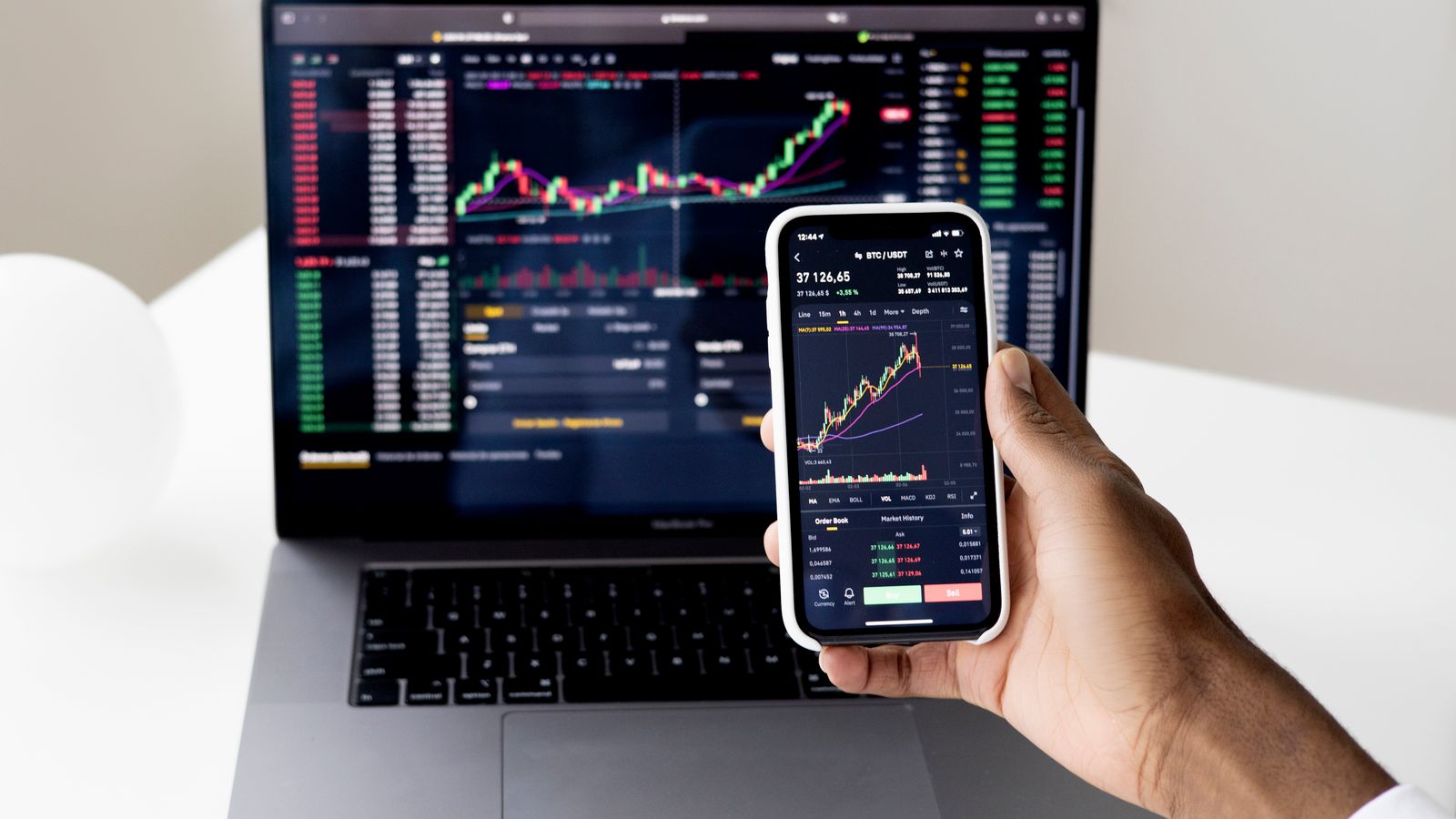
Frequent U.S. stock traders should calculate costs first because trading frequency repeatedly amplifies every cost item. A single $0.50 or $0.99 fee may not look high, but if trades are placed several times a day and dozens or hundreds of times per month, fees, spreads, and slippage can become important variables affecting real profit and loss.
Trading Frequency Amplifies Every Cost Item
Frequent trading is not about making one order larger; it is about repeating the trading action many times. Commission, platform fees, external institution fees, sell-side regulatory fees, options contract fees, market data fees, and margin interest may all increase with the number of trades, shares, trade value, or holding period. Even if a single fee is small, the accumulated amount is no longer negligible when trading frequency is high.
For example, if a trade-related fee is estimated at $0.99, 10 trades equal $9.90, 50 trades equal $49.50, and 100 trades equal $99. These numbers only demonstrate how a fixed fee can be magnified by trade count and do not represent the actual fees of any platform. In real verification, users also need to check whether each order triggers a minimum charge, whether there are partial fills, whether sell-side fees apply, and whether margin interest is involved.
Frequent Buying and Selling Is Not Only About Commission
Many platforms advertise $0 commission for online stock or ETF trades. For example, Fidelity and Charles Schwab both list $0 commission for online U.S. stock and ETF trades in their pricing disclosures. But zero commission only means the commission field may be $0; it does not mean the entire trading process has no cost.
Frequent traders still need to check platform fees, external institution fees, SEC Section 31-related fees, FINRA TAF, bid-ask spreads, slippage, margin interest, and market data fees. For short-term trading, real cost often comes not only from explicit fees shown on the statement, but also from the difference between expected price and execution price.
Higher Costs Require a Clearer Price Range in the Trading Plan
Before frequent trading, traders should calculate the cost coverage point. Each buy-sell cycle needs to cover buy-side fees, sell-side fees, bid-ask spread, and slippage before net profit and loss can be evaluated. If the expected price movement of a trade is small while costs already take up a large portion, the actual result may be eroded by fees even if the directional judgment is not materially off.
| Example Single-Trade Fee | 10 Trades | 50 Trades | 100 Trades | What to Check |
|---|---|---|---|---|
| $0.50 | $5 | $25 | $50 | Suitable for monthly cost review |
| $0.99 | $9.90 | $49.50 | $99 | Minimum charges matter |
| $1.50 | $15 | $75 | $150 | High-frequency trading needs caution |
| $2.00 | $20 | $100 | $200 | Strategy room should be reviewed |
Summary: Calculating costs before frequently trading U.S. stocks helps prevent small fees from being treated as negligible. The more trades there are, the more platform fees, external institution fees, sell-side regulatory fees, bid-ask spreads, slippage, and funding costs can accumulate. Any short-term or day trading plan should first calculate single-order costs, monthly costs, and the cost coverage point before assessing whether the trading frequency is reasonable. Zero commission can reduce the commission field, but it cannot automatically remove other costs and hidden costs in the trading cycle.
What Fees Do Frequent U.S. Stock Traders Usually Encounter?

Frequent U.S. stock traders usually face four types of costs: explicit trading fees, sell-side regulatory-related fees, hidden execution costs, and account fees. To assess real cost, buying, selling, holding, and cash movement should be viewed within the same framework.
Explicit Fees: Commission, Platform Fees, and External Institution Fees
Explicit fees are the fees users are most likely to see on the order page or trade record, including commission, platform fees, external institution fees, options contract fees, minimum charges, and cap rules. Commission may be $0, but platform fees may be calculated per share, per order, by trade value, or with a per-order minimum. In frequent trading, per-order fees rise with trade count, while per-share fees rise with share count.
External institution fee is usually a fee label used when a platform separately lists or consolidates costs related to exchanges, clearing organizations, regulatory bodies, or third-party services. Platforms such as Webull list different regulatory, trading, and other fees, showing that fees may be calculated by value, shares, or product rules. Different platforms use different names, so actual verification should rely on the fee schedule, order page, and trade record.
Sell-Side Fees: SEC Section 31-Related Fees and FINRA TAF
Frequent traders sell more often, so sell-side fees are more likely to accumulate. As of June 10, 2026, the SEC Section 31 fee rate advisory states that, effective April 4, 2026, the applicable rate is $20.60 per million dollars. FINRA Trading Activity Fee is a regulatory fee charged by FINRA to its members, and FINRA’s 2026 fee adjustment schedule lists a rate of $0.000195 per share for covered equity securities, with a maximum of $9.79 per trade.
These fees are usually small, but they may appear repeatedly when sell orders are frequent. The names individual investors see on statements may include SEC Fee, regulatory transaction fee, FINRA TAF, trading activity fee, or similar fields, depending on platform display.
Hidden Costs: Bid-Ask Spread, Slippage, Market Data, and Margin Interest
Bid-ask spreads and slippage are not necessarily displayed as fees, but they affect real execution cost. A buy order may execute at the ask price, while a sell order may execute at the bid price. Market orders, pre-market and after-hours trading, insufficient liquidity, or fast-moving markets may also cause the actual execution price to differ from expectations.
If a margin account is used, traders must also consider margin interest, intraday margin requirements, margin calls, and forced liquidation risk. Advanced quotes, real-time data, or professional tools may also create subscription fees. Investor.gov reminds investors to pay attention to fees because they affect long-term investment outcomes; for frequent traders, this effect can appear more quickly in trade records.
| Cost Type | Increases With Trade Count? | Common Place to Check | Impact on Frequent Trading |
|---|---|---|---|
| Commission | Possible | Order page, trade record | Zero commission is not the same as no cost |
| Platform fee | Possible | Fee schedule, order page | More sensitive when charged per order or per share |
| External institution fee | Possible | Trade confirmation, account ledger | May be consolidated |
| SEC-related fee | More obvious when selling | Sell-side trade record | Needs checking as sell orders increase |
| FINRA TAF | More obvious when selling | Trade confirmation, monthly statement | Share count matters |
| Bid-ask spread | Possible | Quote, execution price | Repeats in high-frequency trading |
| Slippage | Possible | Order price, execution price | More obvious in volatility or weak liquidity |
| Margin interest | Depends on holding and borrowing | Monthly statement | Important for margin trading |
Summary: The cost of frequent trading is not a single fee. It consists of explicit fees, sell-side regulatory-related fees, hidden execution costs, and account fees. Traders should place each cost item into the full trading cycle, especially sell count, share count, order value, partial fills, and margin usage. Zero commission can reduce one fee category, but platform fees, external institution fees, regulatory-related fees, spreads, slippage, and margin interest may still affect real profit and loss.
How Can You Calculate the Real Cost of Frequent Trading?

The real cost of frequent trading can be divided into four layers: single buy-side cost, single sell-side cost, complete buy-sell cycle cost, and monthly cumulative cost. Looking only at the commission of one order can easily underestimate the real trading threshold.
Single-Order Cost Formula
Single buy-side cost can be checked with this formula: buy-side cost = buy commission + platform fee + external institution fee + bid-ask spread impact on the buy side. Single sell-side cost can be checked with this formula: sell-side cost = sell-side platform fee + SEC-related fee + FINRA TAF + external institution fee + bid-ask spread impact on the sell side.
These formulas are checking methods and do not mean every platform charges every item. In practice, each field shown on the order page, trade confirmation, and account ledger should be added item by item. If trading options, add contract fees, exchange fees, or options regulatory fees. If using margin, add margin interest.
Monthly Cumulative Cost Formula
Frequent traders should look at monthly cumulative cost rather than only one order. A rough formula is: monthly trading cost = average single-order cost x number of trades + margin interest + market data fees + other account fees.
For example, if the average single-order cost is $1 and there are 80 trades in a month, explicit trading cost is $80. If margin is used, real-time data is subscribed to, or slippage occurs frequently, the real cost will be higher. This figure only illustrates how trade count magnifies cost and does not represent any platform’s actual fees.
How to Estimate the Cost Coverage Point
The cost coverage point helps frequent traders estimate how much cost each trade needs to cover. A simple method is to add buy-side fees, sell-side fees, bid-ask spread, slippage, and funding cost, then divide the total by trade value or shares to obtain the cost percentage or price difference that each trade needs to cover. This result is only a cost-checking indicator; it does not mean a trade should be placed or that any result is implied.
| Example Scenario | Complete Buy-Sell Cost per Trade | Trades per Day | Trading Days per Month | Example Monthly Cost |
|---|---|---|---|---|
| Low-frequency short-term | $1 | 2 | 20 | $40 |
| Medium frequency | $1 | 5 | 20 | $100 |
| High-frequency short-term | $1 | 10 | 20 | $200 |
| Higher-cost scenario | $2 | 10 | 20 | $400 |
| Review Layer | Formula or Action | Question It Helps Answer |
|---|---|---|
| Single buy order | Buy commission + platform fee + external institution fee + spread | How much a buy order actually costs |
| Single sell order | Platform fee + SEC/FINRA-related fees + spread | Why credited amount is lower after selling |
| Full cycle | Buy-side cost + sell-side cost + slippage | How much one round trip needs to cover |
| Monthly review | Average cost x number of trades + account fees | Whether trading frequency is too high |
Frequent traders can also turn each order into a review record. The purpose of recording is not to prove that a trading method works, but to confirm that fees, execution quality, and account rules are actually visible.
| Review Field | What to Record | Purpose |
|---|---|---|
| Order direction | Buy, sell, short cover, etc. | Distinguish buy-side and sell-side costs |
| Execution quality | Order price, execution price, slippage | Judge hidden cost |
| Explicit fees | Platform fee, external institution fee, regulatory-related fees | Check statement fields |
| Funding cost | Margin interest, currency conversion, market data fee | Include in monthly review |
| Result review | Cost as a share of profit or loss | Judge whether trading frequency is reasonable |
Summary: Calculating frequent trading cost should move from a single order to the complete buy-sell cycle, and then to monthly trading frequency. Looking only at commission underestimates real cost. Adding platform fees, sell-side fees, spreads, slippage, margin interest, and account fees into the formula helps reveal the cost threshold that frequent trading needs to cover. Whether a trading plan is sustainable should not be judged only by market view; it also depends on whether cost, capital size, and risk control ability are aligned.
What Rules Should Day Traders and Margin Account Users Pay Attention To?
Day trading and margin accounts involve not only fees but also account rules and risk controls. As of June 10, 2026, FINRA has adopted new intraday margin standards to replace the old day trading margin requirements, but brokers may still have transition arrangements and house requirements. The rule mainly concerns customer margin accounts, while cash accounts still need to pay attention to available funds, settlement, and platform-level restrictions.
Rule Changes for Day Trading Do Not Mean Lower Risk
FINRA Regulatory Notice 26-10 states that FINRA has adopted new intraday margin standards to replace the old day trading margin requirements, including the number-of-day-trades requirement used to designate a pattern day trader and the $25,000 minimum equity requirement. The notice was published on April 20, 2026, has an effective date of June 4, 2026, and allows member firms to implement the requirements in phases over an 18-month period ending October 20, 2027.
This does not mean day trading risk is lower, nor does it mean every broker will immediately apply the rules in the same way. FINRA states that the new rule requires member firms to determine an intraday margin deficit based on a customer’s intraday market exposure in a margin account. FINRA’s investor explanation of the new intraday margin requirements also notes that an account needs to maintain enough equity during the trading day to cover actual positions. Brokers may still set house requirements, risk limits, real-time monitoring, trading blocks, or more conservative account requirements.
Margin Trading Magnifies Costs and Risks
Margin trading may make capital use more flexible, but it also magnifies losses, margin interest, and margin call risk. If frequent trading uses borrowed funds, traders should not only look at order fees. They should include margin rates, holding period, account equity, intraday margin deficits, and forced liquidation risk in the cost assessment.
FINRA’s investor education on frequent intraday trading also emphasizes that frequent intraday trading involves higher risks and that investors should understand rules and costs. For ordinary investors, account rules and fees are equally important: whether an order can be submitted, whether trading can continue, and whether funds meet requirements can all affect actual trading outcomes.
Cash Accounts and Margin Accounts Have Different Fee Checks
Cash accounts focus more on available funds, settlement time, use of unsettled funds, and frequent trading restrictions. Margin accounts focus more on margin interest, intraday margin requirements, margin calls, and broker house risk controls. Both account types require cost review, but the focus differs.
| Review Dimension | Cash Account | Margin Account |
|---|---|---|
| Main focus | Available funds, settlement, order fees | Margin interest, margin requirements, risk exposure |
| Frequent trading impact | May be affected by settlement and platform restrictions | May trigger intraday margin requirements |
| Fee focus | Platform fees, external institution fees, sell-side fees | Trading fees + margin interest |
| Risk focus | Funding arrangement and trading discipline | Margin calls, forced liquidation, leveraged losses |
| Documents to check | Trade records, account ledger | Trade records, margin reports, monthly statement |
Summary: Changes to day trading rules do not mean frequent trading is less risky. As of June 10, 2026, FINRA’s new intraday margin standards are effective, but member firms have a transition period and brokers may set their own account requirements. Traders still need to pay attention to account type, broker rules, intraday margin, margin interest, and forced liquidation risk. Cost calculation should not look only at order deductions; it should also include funding method, account rules, and risk control requirements. Cash accounts and margin accounts also have different review priorities.
What Fee-Checking Checklist Should Frequent Traders Use Before Trading?
Fee checks before frequent trading should not happen only when opening an account. They should run through pre-order review, post-trade verification, and monthly review. The more frequent the trading, the more important it is to verify real costs with records and statements.
Before Placing an Order: Check the Fee Schedule and Order Estimate
Before placing an order, read the fee schedule and confirm commission, platform fee, minimum charge, external institution fee, sell-side fees, options fees, margin rate, and market data fees. Then check whether the order page displays estimated fees, estimated trade value, and estimated credited amount. If some fees are not shown on the order page, users should still know that they may appear in the trade confirmation or monthly statement.
For frequent traders, order estimates are not a formality; they are part of cost control. Before each trade, traders should know roughly how much cost needs to be covered instead of waiting for account balance changes and then looking backward for explanations.
After Execution: Check Trade Confirmation and Account Ledger
After execution, verify the number of shares, execution price, order type, platform fee, regulatory-related fees, partial fills, and actual cash deduction or credit. Partial fills can make fee display more complex, especially when fees are charged per order, per share, or by trade value and may be consolidated across details.
If actual fees differ from estimates, check in this order: whether the execution price changed, whether the order was partially filled, whether it was split into fills, whether it was a sell order, whether SEC or FINRA fields appeared, and whether options, ADRs, margin, or market data fees were involved.
Monthly Review: Check Monthly Statements and Trading Frequency
At month-end, review number of trades, average single-trade cost, total fees, margin interest, market data fees, bid-ask spread impact, and actual profit or loss. The easiest thing to miss in frequent trading is cumulative cost. It may not be obvious in one order, but the monthly statement makes it clearer.
| Review Time | Items to Check | Relevant Documents | Common Mistake |
|---|---|---|---|
| Before order | Commission, platform fee, estimated fees | Fee schedule, order page | Only looking at zero commission |
| After execution | Execution price, shares, fee fields | Trade confirmation, ledger | Ignoring partial fills |
| After selling | SEC/FINRA fields, actual credited amount | Sell confirmation, statement | Treating regulatory fees as commission |
| Month-end | Trade count, total fees, margin interest | Monthly statement | Looking only at single-order fees |
| During review | Cost as a share of profit or loss | Trading record | Ignoring spread and slippage |
Summary: Fee review before frequent trading should not happen only when opening an account. It should run through pre-order checks, post-trade verification, and monthly review. The more frequent the trading, the more important it is to use order pages, trade confirmations, account ledgers, and monthly statements to verify real costs. Judging profit and loss only by account balance changes can easily overlook platform fees, regulatory-related fees, spreads, slippage, and margin interest. Turning fee review into a routine makes it easier to judge whether trading frequency is reasonable.
How Can Beginners Judge Whether They Are Suitable for Frequent U.S. Stock Trading?
Whether beginners are suitable for frequent U.S. stock trading does not depend on whether they can enter the market or see zero commission. It depends on whether they understand costs, account rules, risk boundaries, and review requirements. Calculating costs first helps build a trading plan on verifiable fees and records.
First, Judge Whether Costs Can Be Covered by the Plan
Before frequent trading, calculate per-trade and monthly costs, then assess whether the trading plan has enough room to cover those costs. This is not a profit forecast; it is a cost threshold check. If the expected price movement of each trade is small while fees, spreads, and slippage already take up a large portion, frequent trading becomes harder to evaluate accurately and may be mistaken for a pure market issue.
A more stable approach is to use past orders or simulated records for review: what is the average cost per trade, how much does the credited amount differ from the sell-side trade value, whether partial fills increase fees, whether spreads often widen, and whether margin interest affects monthly results.
Then, Judge Whether There Is Review and Risk-Control Ability
Frequent trading requires recording trade rationale, order type, execution price, fee fields, slippage, stop-loss discipline, and account risk. Without review ability, it is easy to attribute losses simply to market volatility while ignoring trading costs, frequent order splitting, overtrading, and margin use.
| Self-Check Item | Question to Answer | Signal That Frequent Trading May Not Be Suitable |
|---|---|---|
| Fees | Do you know single-trade and monthly costs? | Only looking at commission and ignoring other fields |
| Rules | Do you understand account and margin requirements? | Unclear about broker restrictions |
| Capital | Can you bear volatility and margin calls? | Reliance on short-term cash turnover |
| Time | Can you monitor and review continuously? | Placing orders based only on temporary emotion |
| Risk control | Do you have stop-loss and position rules? | No risk limit for each trade |
| Records | Can you explain every profit and loss? | Not saving trade and fee records |
Use a Real Order Page as a Fee-Checking Exercise
If the relevant services are available in your region and you meet the platform’s applicable conditions, you can use a real order page as a fee-checking exercise. Frequent traders especially need to compare fee fields, order estimates, trade records, and account details instead of only looking at a platform’s advertised commission field.
For example, with Biya, you can first use the Fee Center to review commission, platform fees, external institution fees, minimum charges, and fractional share rules. Then you can use Biya Web Trading to compare order estimates, trade records, and account details. Users who prefer mobile access can also check mobile fee display in the Biya APP. No matter which type of platform is used, fee disclosures should be reviewed together with real order pages and trade records.
Summary: Whether beginners are suitable for frequent U.S. stock trading does not depend on whether they can enter the market. It depends on whether they can continuously understand and verify costs, account rules, risk boundaries, and review results. Frequent trading magnifies fees, emotions, and operational mistakes. Calculating costs first is not meant to encourage or reject any trading style, but to help traders know which fees each trade must cover, how high monthly cumulative costs may be, and whether their plan is built on verifiable records. If fee sources, execution quality, and account rules cannot be explained, frequent trading should not be driven only by interest or short-term price movement.
FAQ
Why Should Frequent U.S. Stock Traders Calculate Trading Costs First?
Frequent U.S. stock traders should calculate trading costs first because each platform fee, sell-side fee, bid-ask spread, and slippage item is magnified by trading frequency. Cost calculation helps assess whether a trading plan needs wider price room, stricter cost control, and more complete review records.
Is Zero Commission Suitable for Frequent U.S. Stock Trading?
Not necessarily. Zero commission only means the commission field may be $0. Traders still need to check platform fees, external institution fees, sell-side regulatory fees, bid-ask spreads, slippage, margin interest, and account fees. In frequent trading, these items accumulate with trade count.
Does U.S. Day Trading Still Require a $25,000 Account?
As of June 10, 2026, FINRA’s new intraday margin standards are effective and are intended to replace the old PDT trade-count designation and $25,000 minimum equity requirement. However, member firms have a transition period, and brokers may still set their own requirements.
How Do You Calculate the Cost Coverage Point for Frequent U.S. Stock Trading?
Add buy-side fees, sell-side fees, bid-ask spreads, slippage, and funding costs, then divide by trade value or shares to estimate the cost each trade needs to cover. This result is only for fee checking, and actual results should follow orders and statements.
What Hidden Costs Can Frequent U.S. Stock Trading Have?
Common hidden costs include bid-ask spreads, slippage, margin interest, market data fees, partial fills, and currency conversion costs. These items may not be shown as commissions, but they affect real profit and loss, especially when trade count is high.
Are Beginners Suitable for Frequent U.S. Stock Trading?
This cannot be judged only by experience or interest. Beginners should first check trading costs, account rules, risk tolerance, and review ability. If each cost cannot be recorded and explained, frequent trading is more likely to magnify risk and misjudgment.
After understanding the cost structure of frequent U.S. stock trading, the next step is to put fee fields into real-order reviews. Biya can serve as a reference point for checking how U.S. stock trading fees are displayed. If the relevant services are available in your region and you meet the applicable service conditions, you can first use the Fee Center to review commission, platform fees, external institution fees, minimum charges, and fractional share rules. Then you can use Biya Web Trading to compare the order page, trade records, and account details, or use the Biya APP to check mobile display. For frequent traders, the key is not only whether commission is $0, but whether platform fees, sell-side fees, spreads, slippage, and funding costs are recorded continuously and whether they fit trading frequency, account rules, and risk tolerance as a fee-checking reference.
The above is provided only to introduce public market information, trading rules, and fee structures, and does not constitute investment advice. Availability of relevant trading services depends on the user’s location, identity verification results, platform rules, and applicable laws and regulations. Investing in U.S. stocks and digital assets involves risks including price volatility, liquidity, exchange rate fluctuations, and regulatory restrictions. Specific rates and fee items should follow the latest fee disclosures, orders, and trade records of the platform you use. Past fee rates do not represent future rules.
*This article is provided for general information purposes and does not constitute legal, tax or other professional advice from BiyaPay or its subsidiaries and its affiliates, and it is not intended as a substitute for obtaining advice from a financial advisor or any other professional.
We make no representations, warranties or warranties, express or implied, as to the accuracy, completeness or timeliness of the contents of this publication.
Related Blogs of

How Much Are the Fees for Buying $1,000 of U.S. Stocks? A Breakdown of U.S. Stock Trading Costs


Why Beginners Shouldn't Look Only at "Zero Commission" Before Buying U.S. Stocks

Are Buy and Sell Fees for U.S. Stocks the Same? Which Fees Are Charged Only When Selling?

How Are U.S. Stock Trading Fees Calculated? Using Commission, Platform Fees, and External Agency Fees as Examples
Choose Country or Region to Read Local Blog
 Australia
 Austria
 Belgium
 Canada
 Cyprus
 Czech Republic
 Denmark
 Estonia
 Finland
 France
 Germany
 Greece
 Hong Kong
 India
India Indonesia
 Ireland
 Italy
Italy Japan
Japan Latvia
 Lithuania
 Luxembourg
 Malaysia
 Malta
Malta Morocco
 Nepal
Nepal Netherlands
 New Zealand
 Norway
 Pakistan
 Philippines
 Poland
 Portugal
 Romania
 Singapore
 Slovakia
 Slovenia
 South Africa
 South Korea
 Spain
Spain Sweden
 Thailand
 The United States
 Turkey
 United Arab Emirates
 United Kingdom
 Vietnam
Contact Us




BIYA GLOBAL LLC is registered with the Financial Crimes Enforcement Network (FinCEN), an agency under the U.S. Department of the Treasury, as a Money Services Business (MSB), with registration number 31000218637349, and regulated by the Financial Crimes Enforcement Network (FinCEN).
BIYA GLOBAL LIMITED is a registered Financial Service Provider (FSP) in New Zealand, with registration number FSP1007221, and is also a registered member of the Financial Services Complaints Limited (FSCL), an independent dispute resolution scheme in New Zealand.